Pictures & Videos - February 2026 2-Day Car Detailing Class - No Chairs - Zero Sitting - Mike Phillips

Mike Phillips

Administrator
Staff member
Joined
May 21, 2021
Messages
2,530
Reaction score
1,496
Points
113
Location
Stuart, Florida
Website
themikephillipsforum.com
Pictures & Videos - February 2026 2-Day Car Detailing Class - No Chairs - Zero Sitting - Mike Phillips

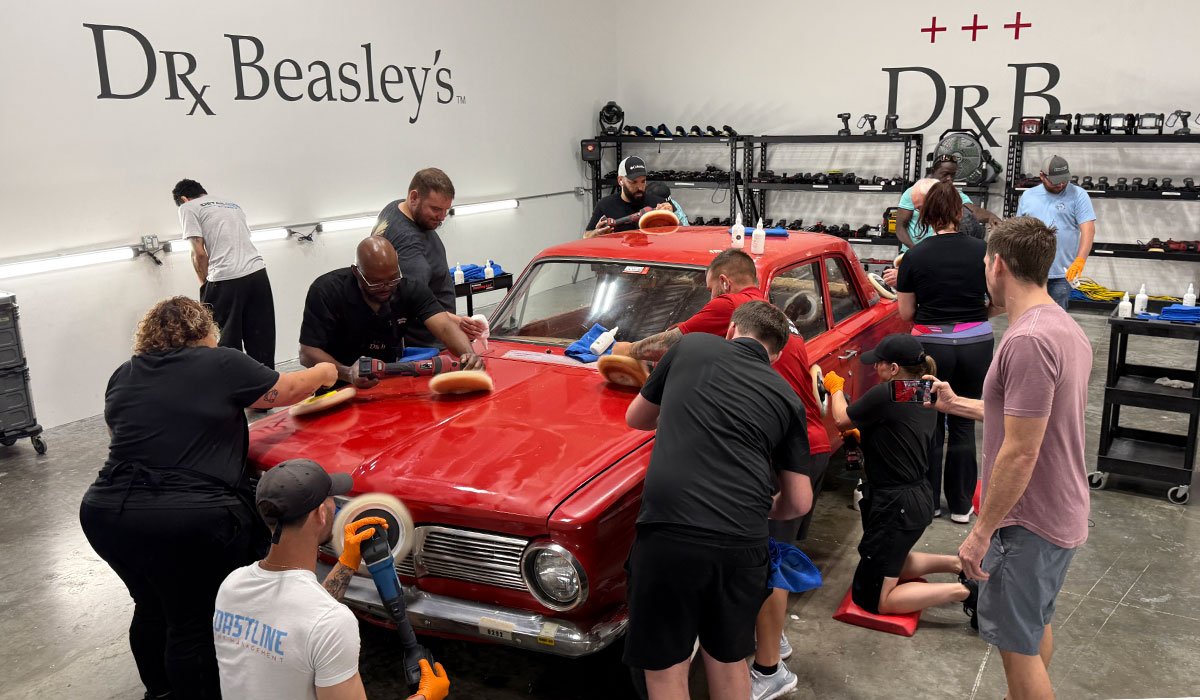
Over the course of 3 days, (Friday is a bonus/free glass polishing class), the great people that took this class detailed a total of 7 cars covering more topics, tools and techniques than any other class on planet Earth - DOCUMENTED.


Here's the graduating class for our February, 2026 2-Day Car Detailing Class


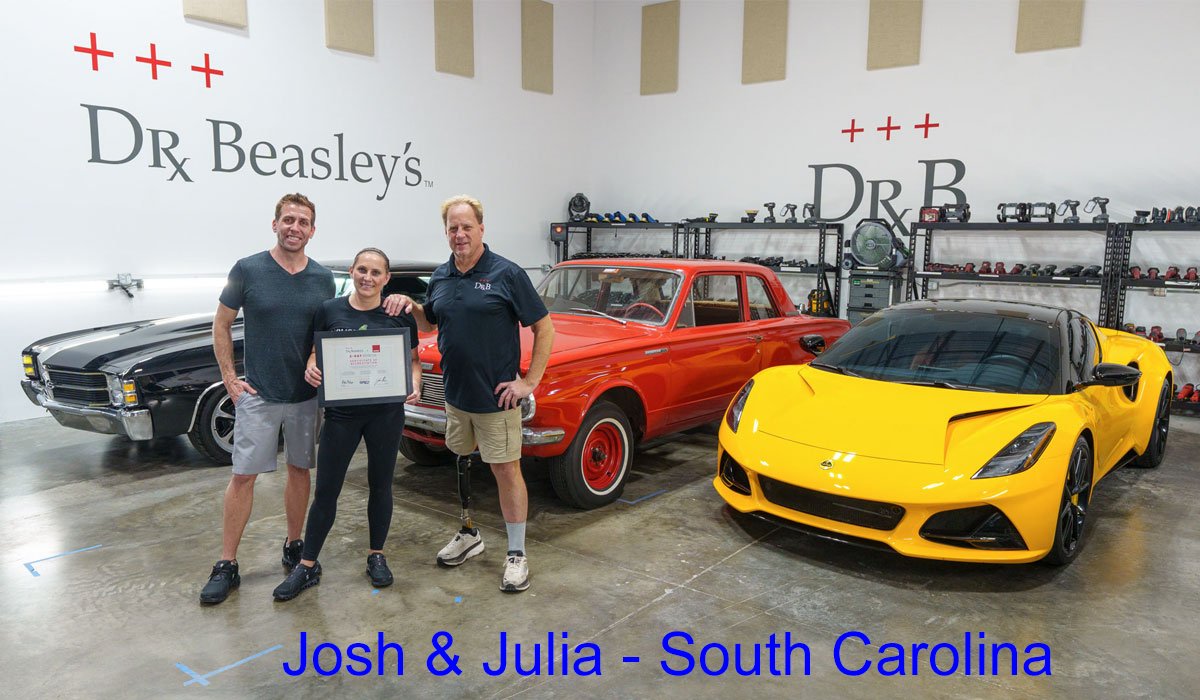
First up, a husband/wife team, Josh and Julia, joined us from South Carolina!

full


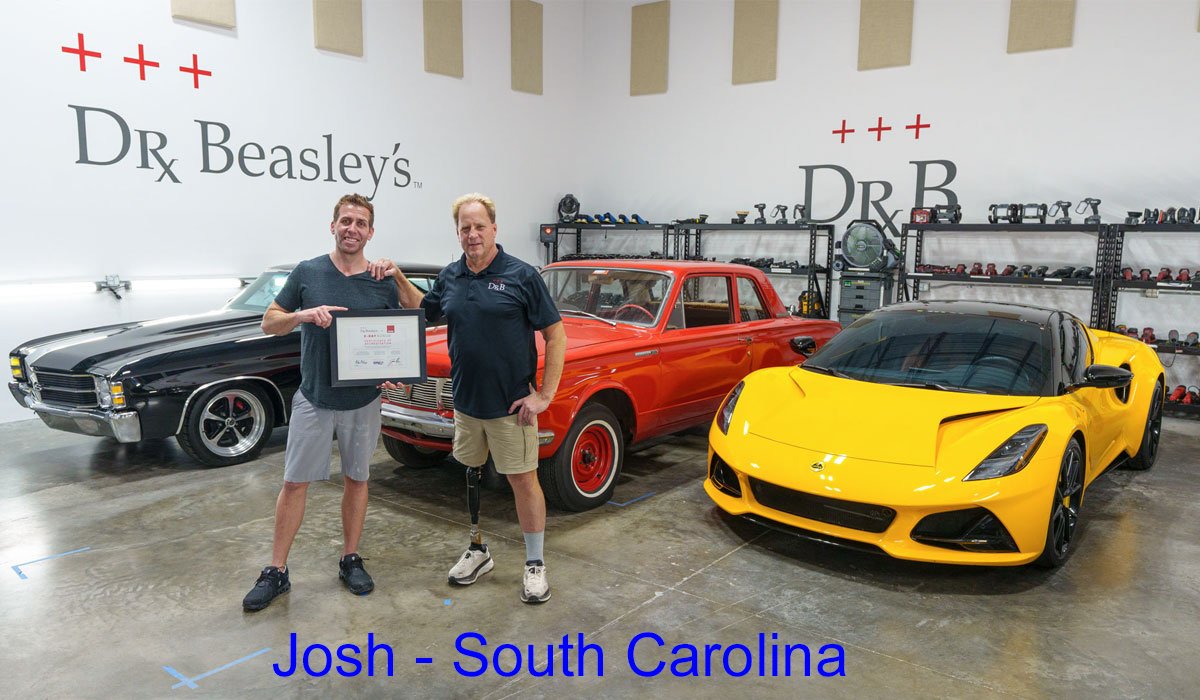
Josh - South Carolina!

full


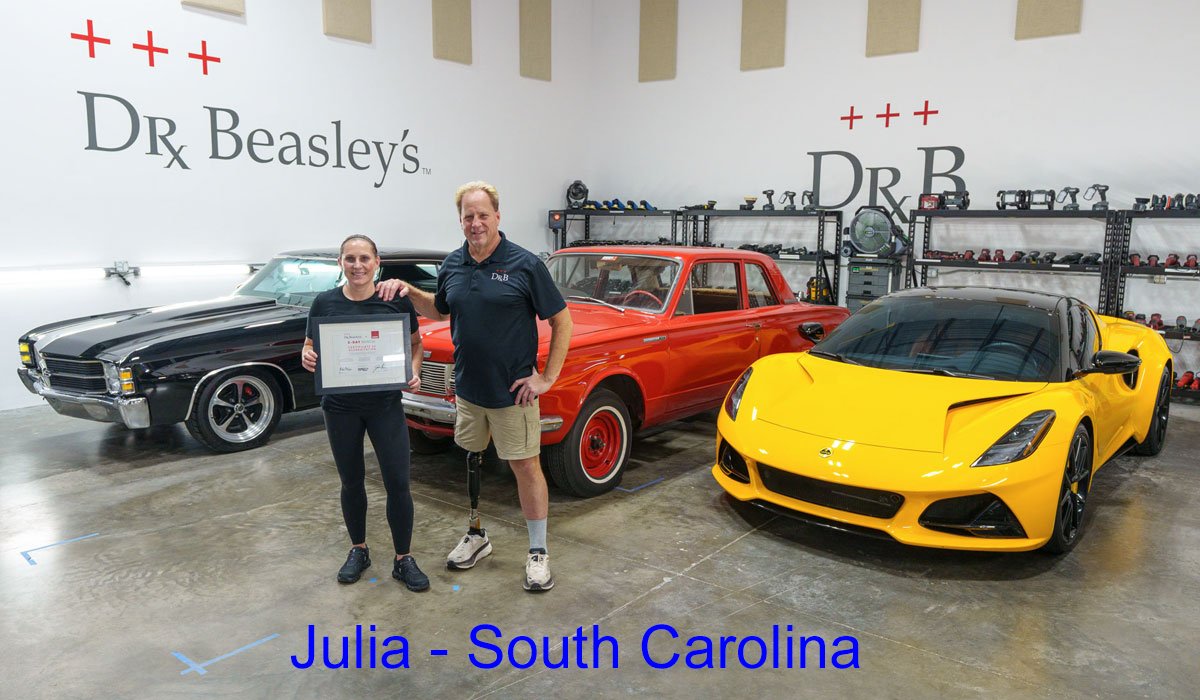
Julia - South Carolina!

full


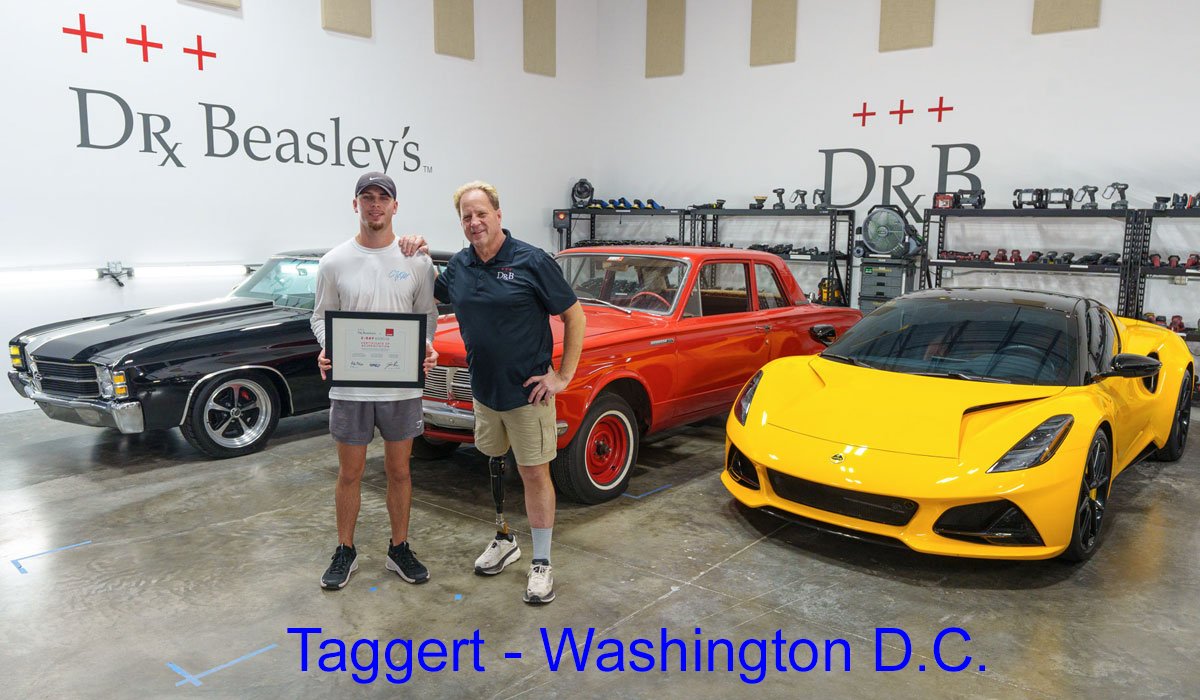
Taggert - Washington, D.C.!

full


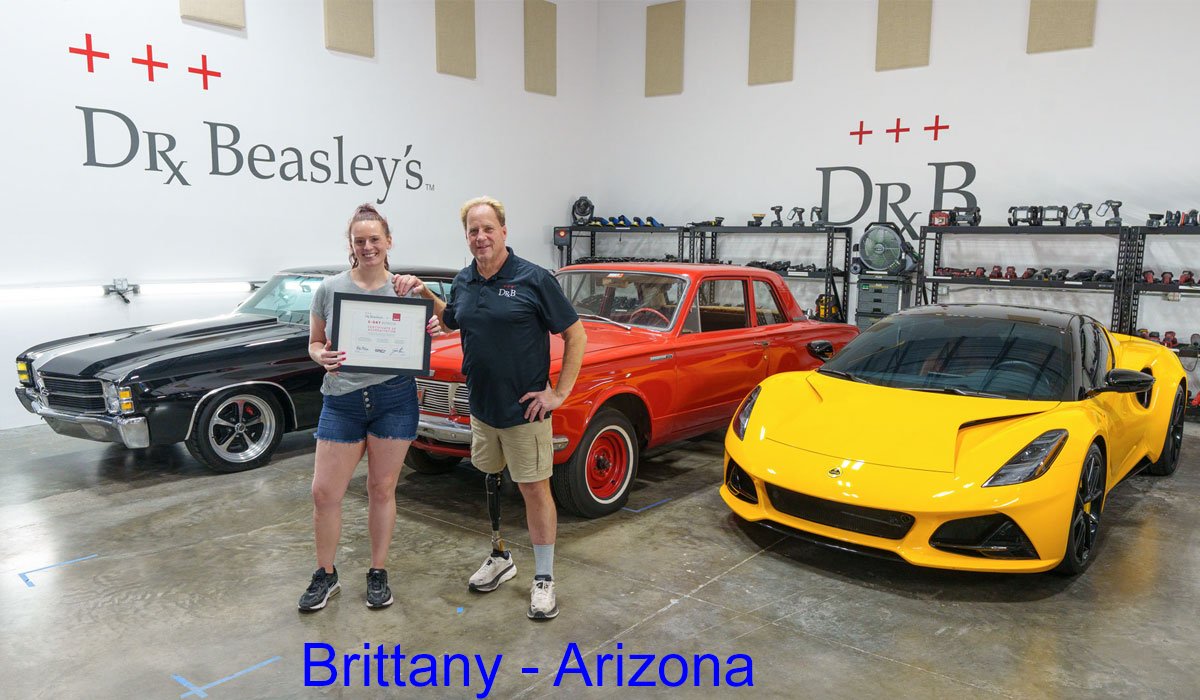
Brittany - Arizona!

full


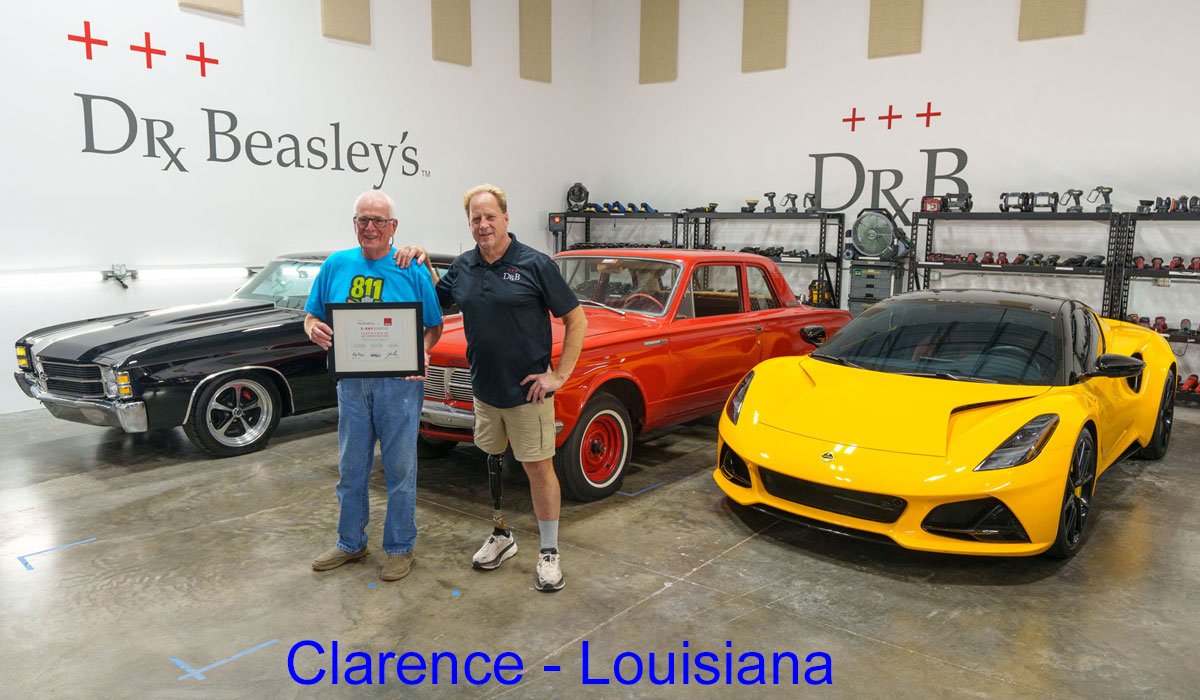
Clarence - Louisiana!

full


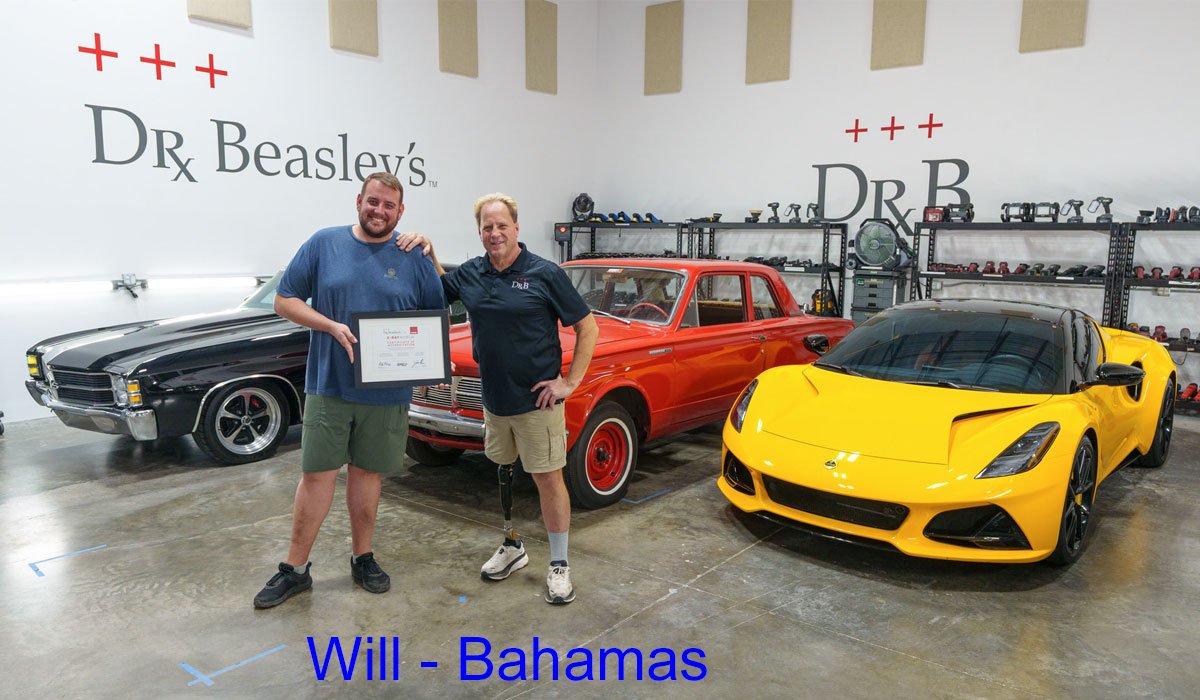
Will - Bahamas!

full


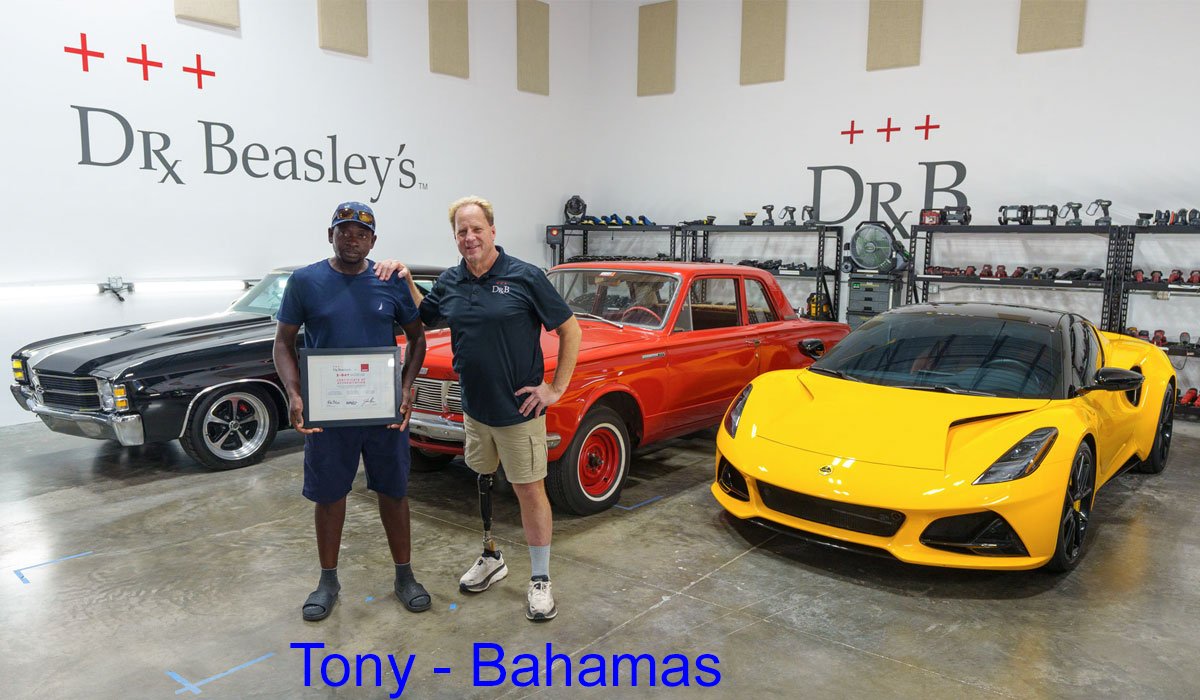
Tony - Bahamas!

full


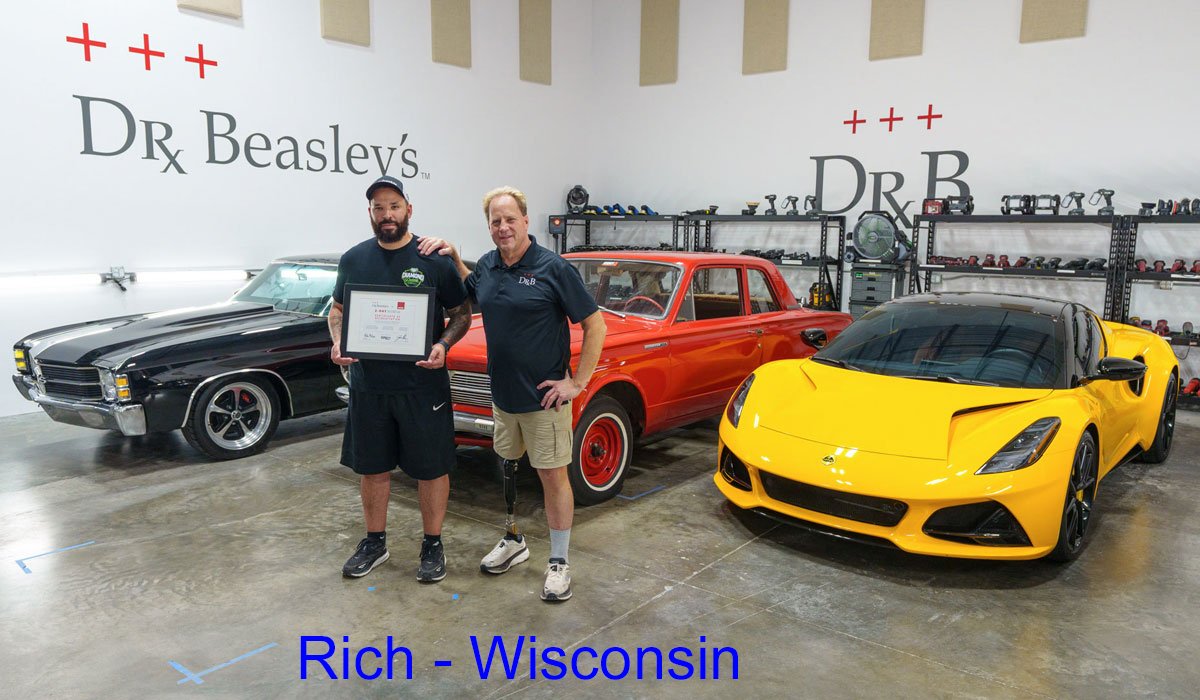
Rich - Wisconsin!

full


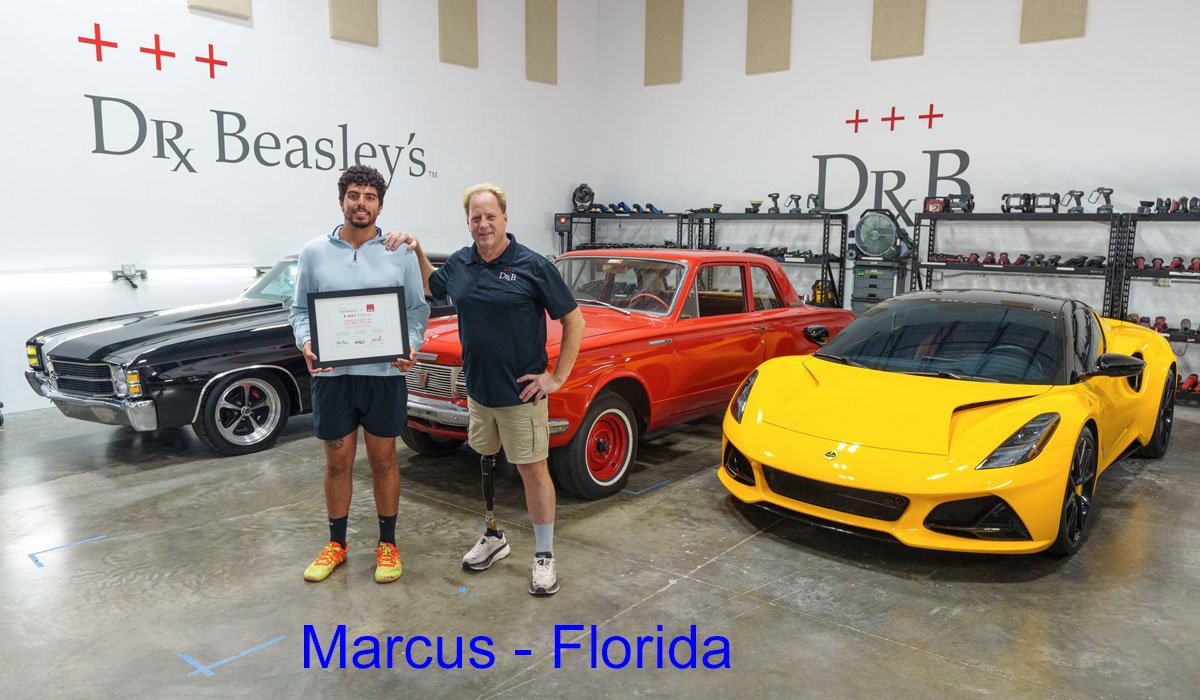
Marcus - Florida!

full


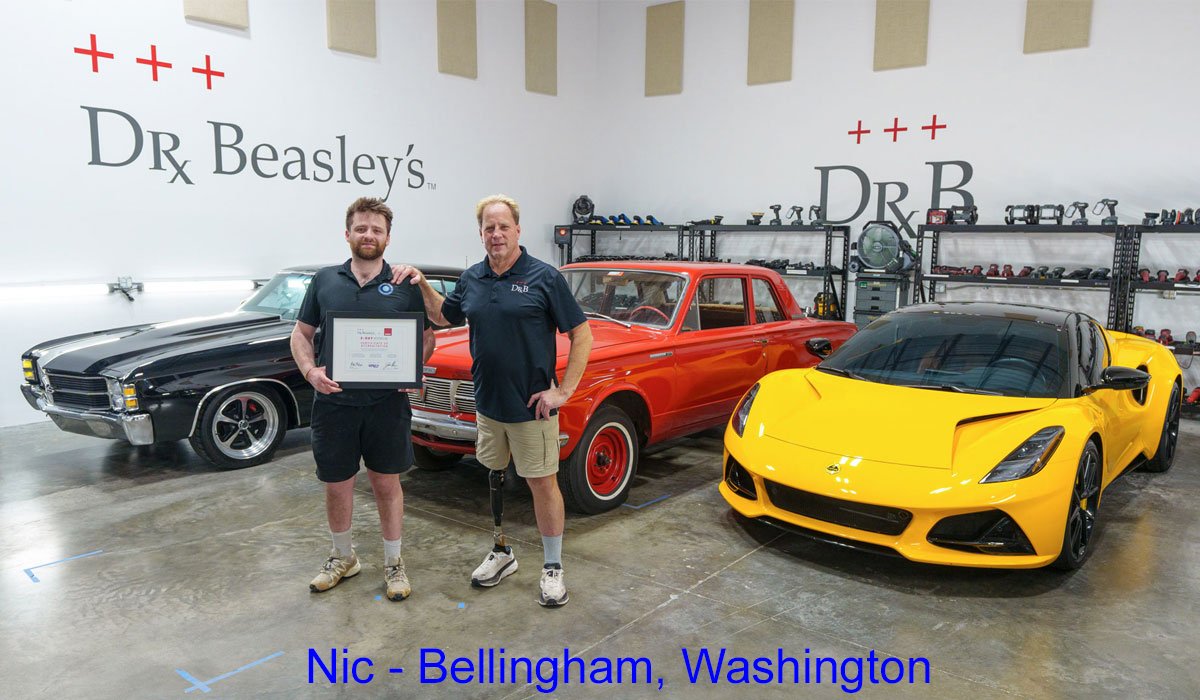
Nic - Bellingham, Washington!

full


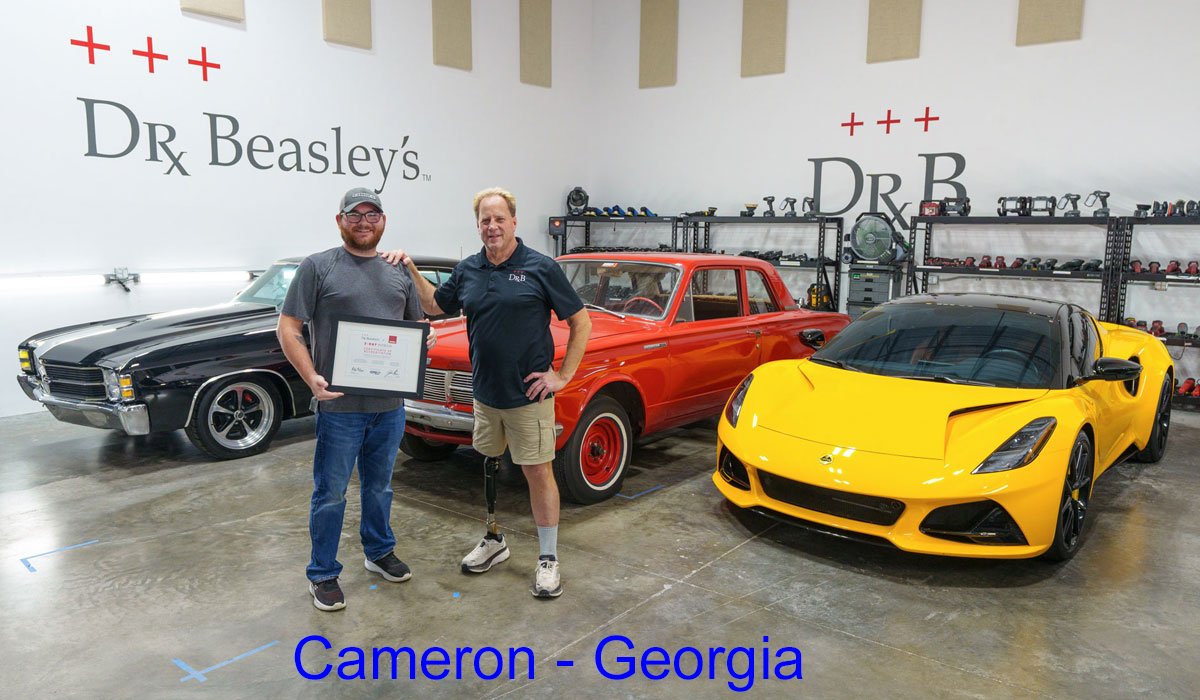
Cameron - Georgia!

full


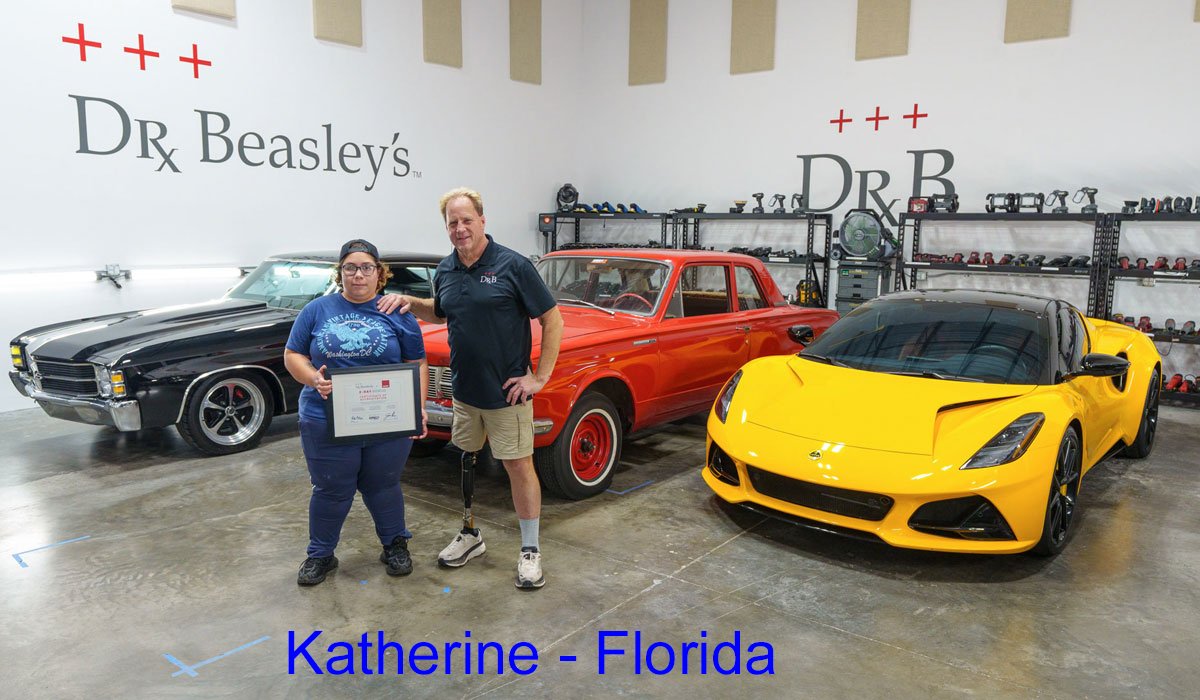
Katherine - Florida!

full


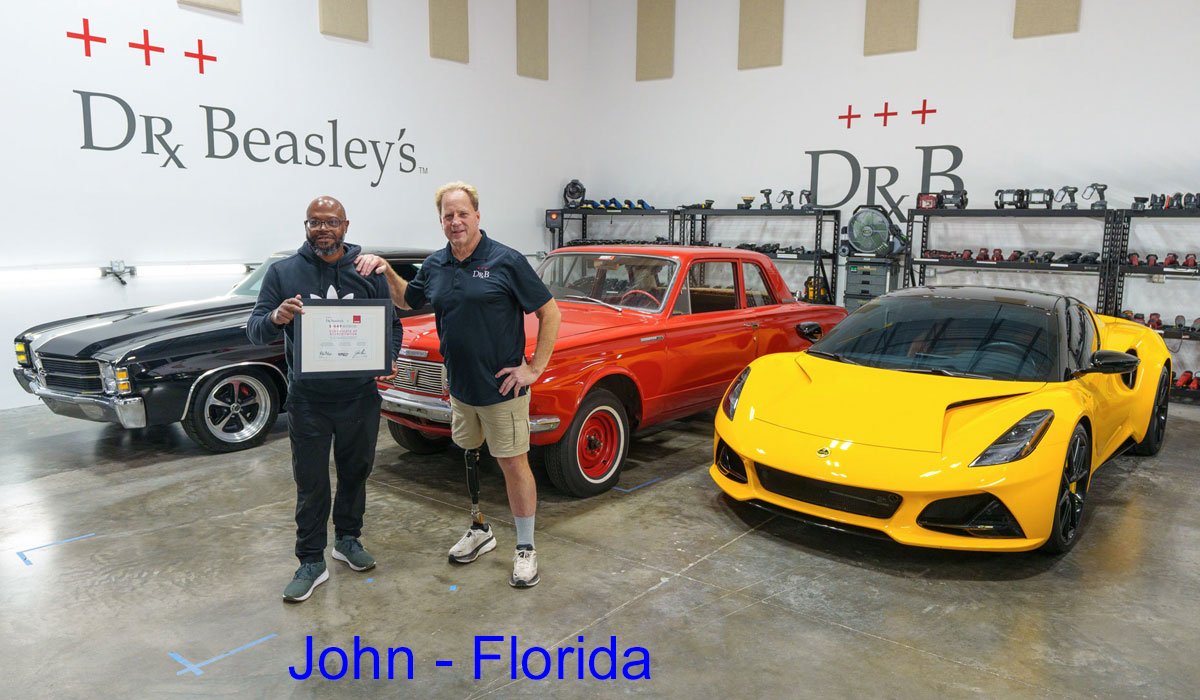
John - Florida!

full


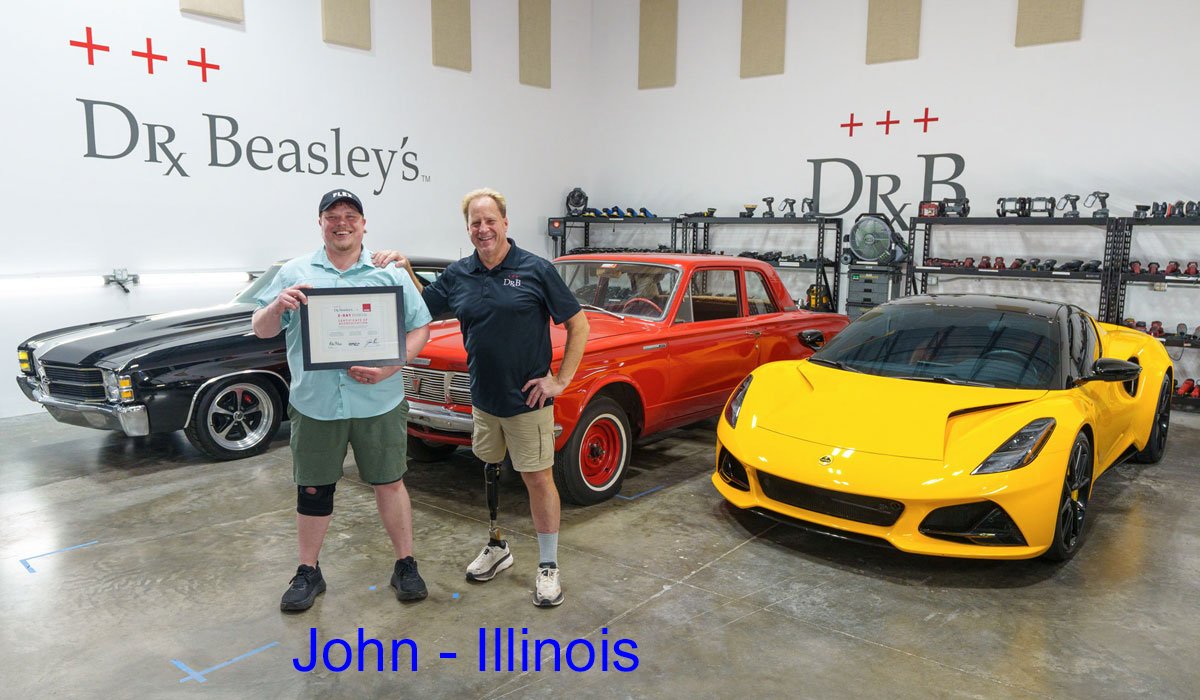
John - Illinois!

full


Mike
 
Last edited:
First! The BARN FIND!
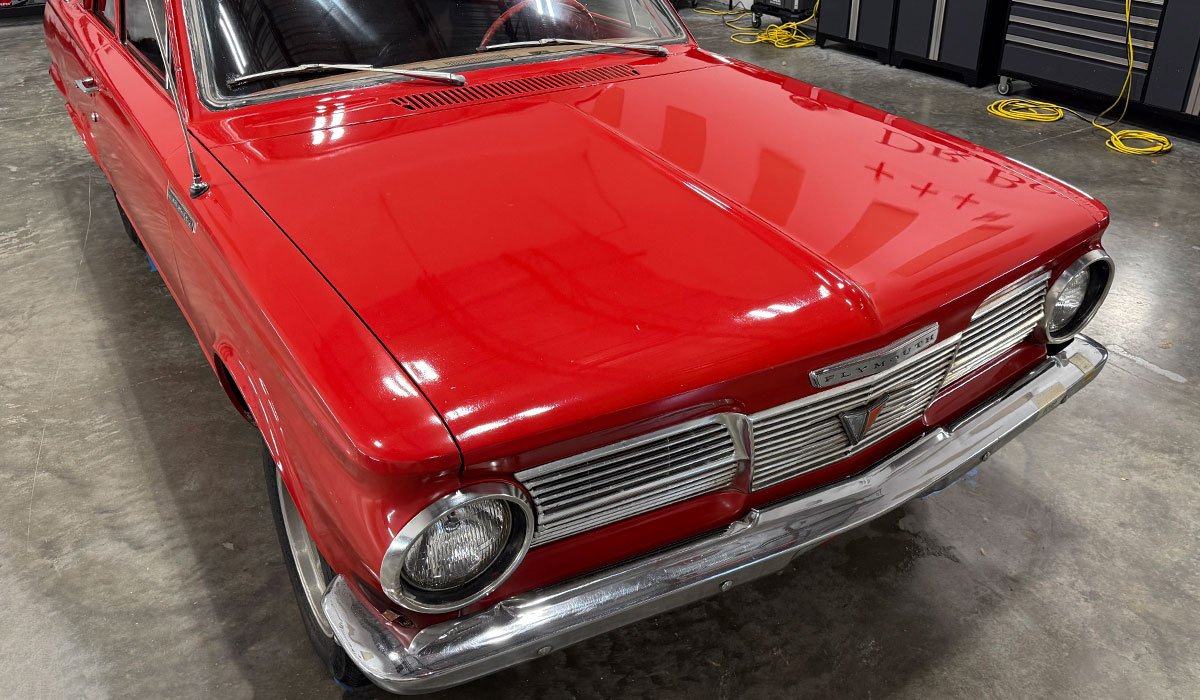
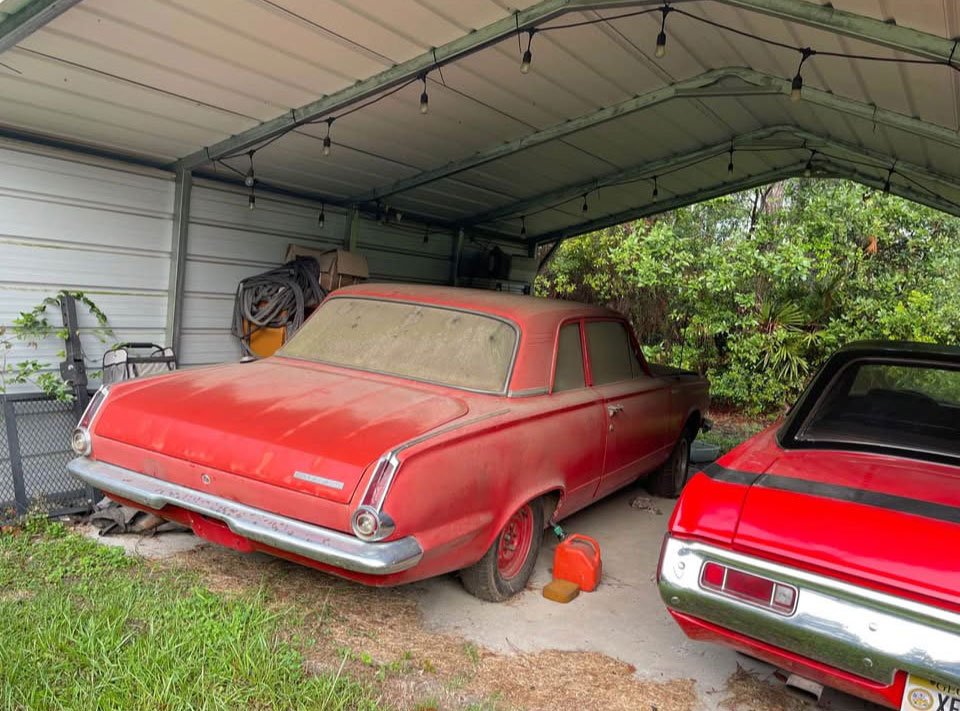
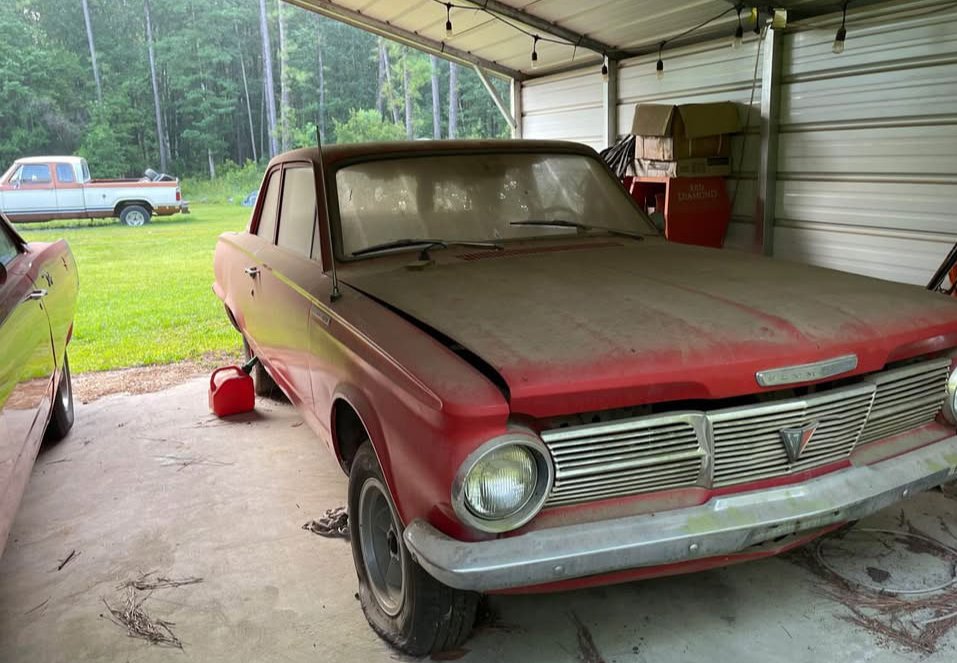
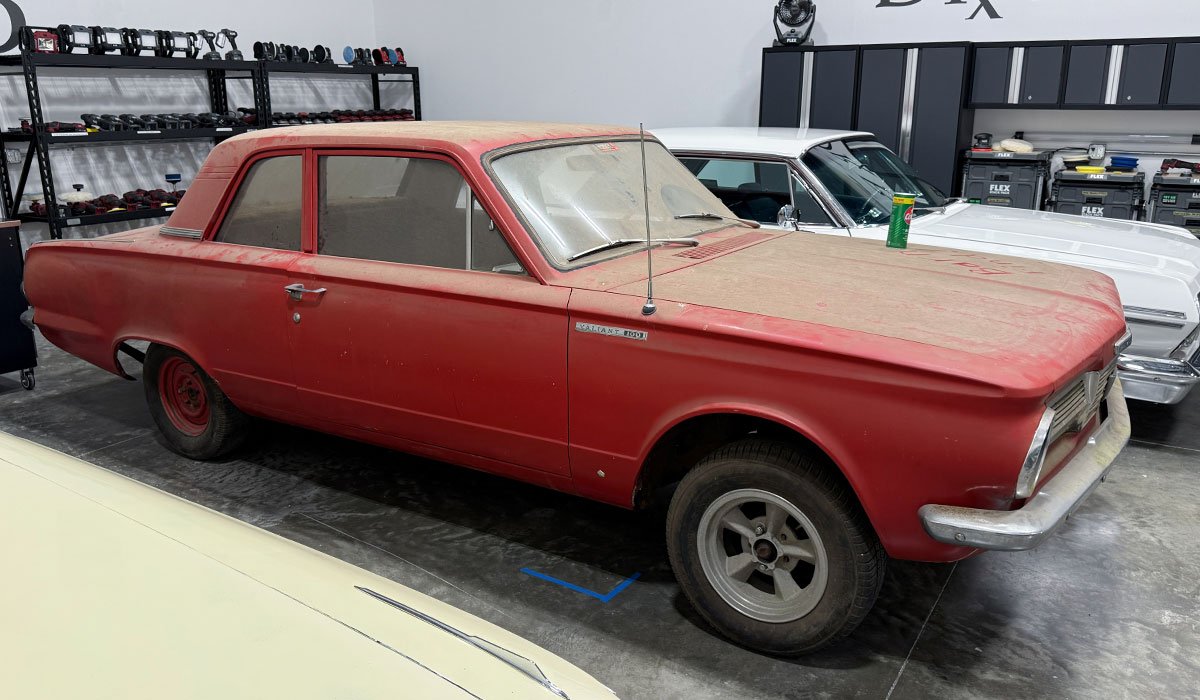
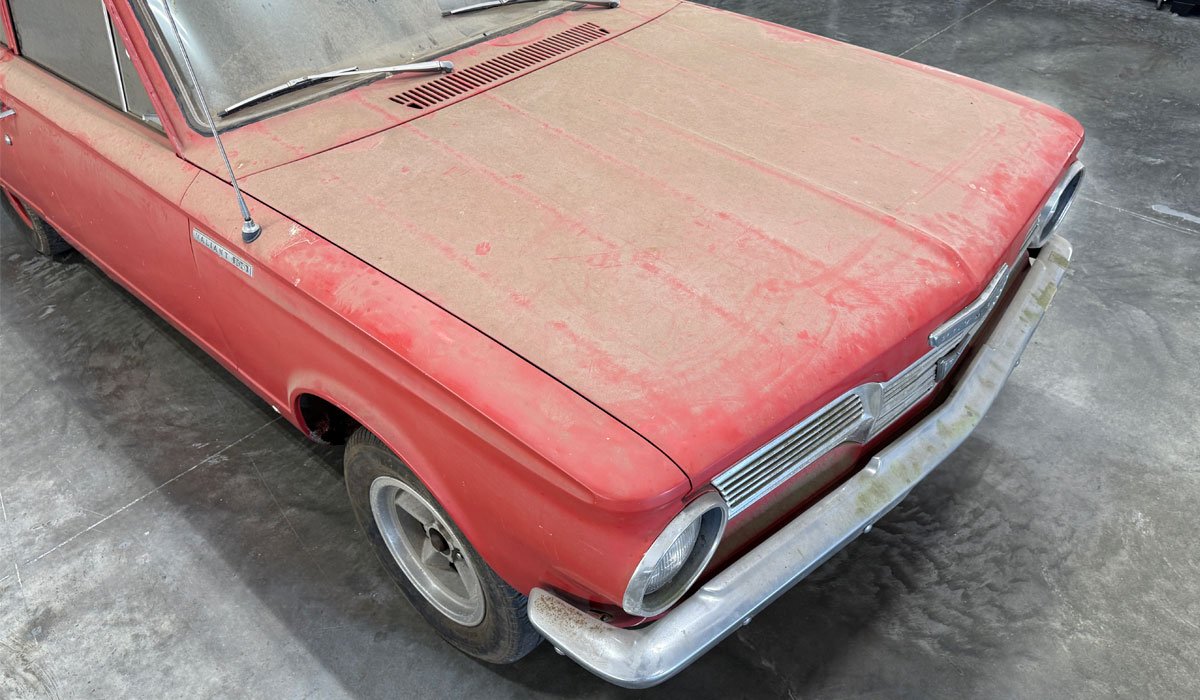
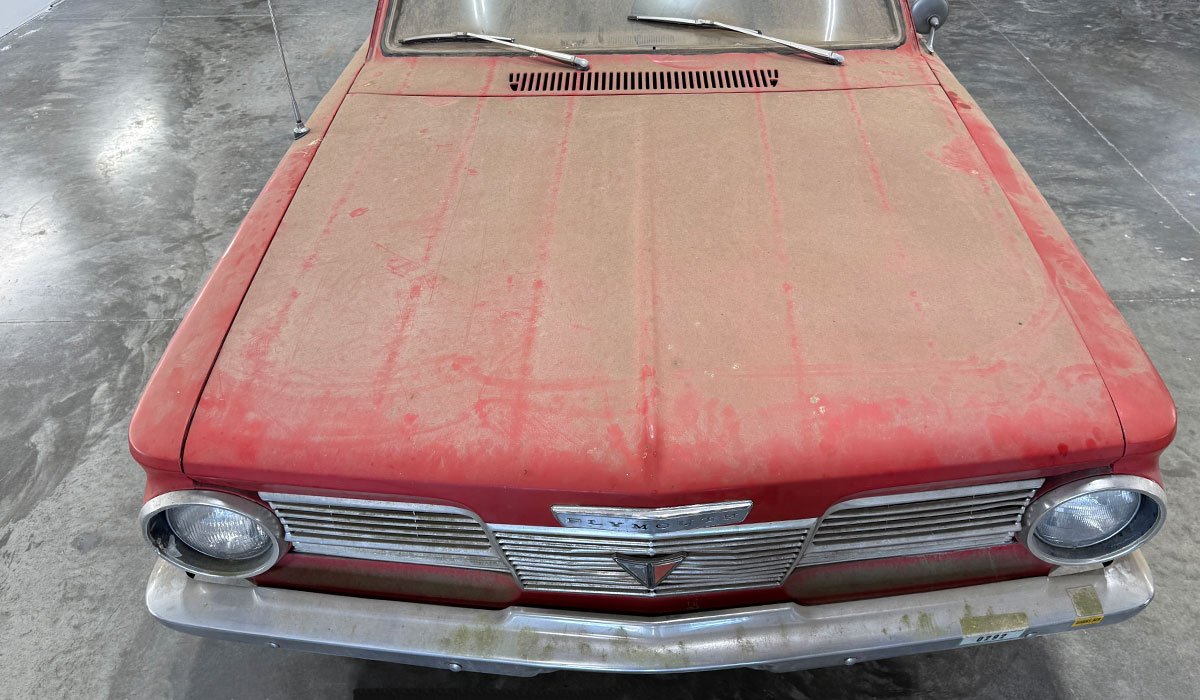
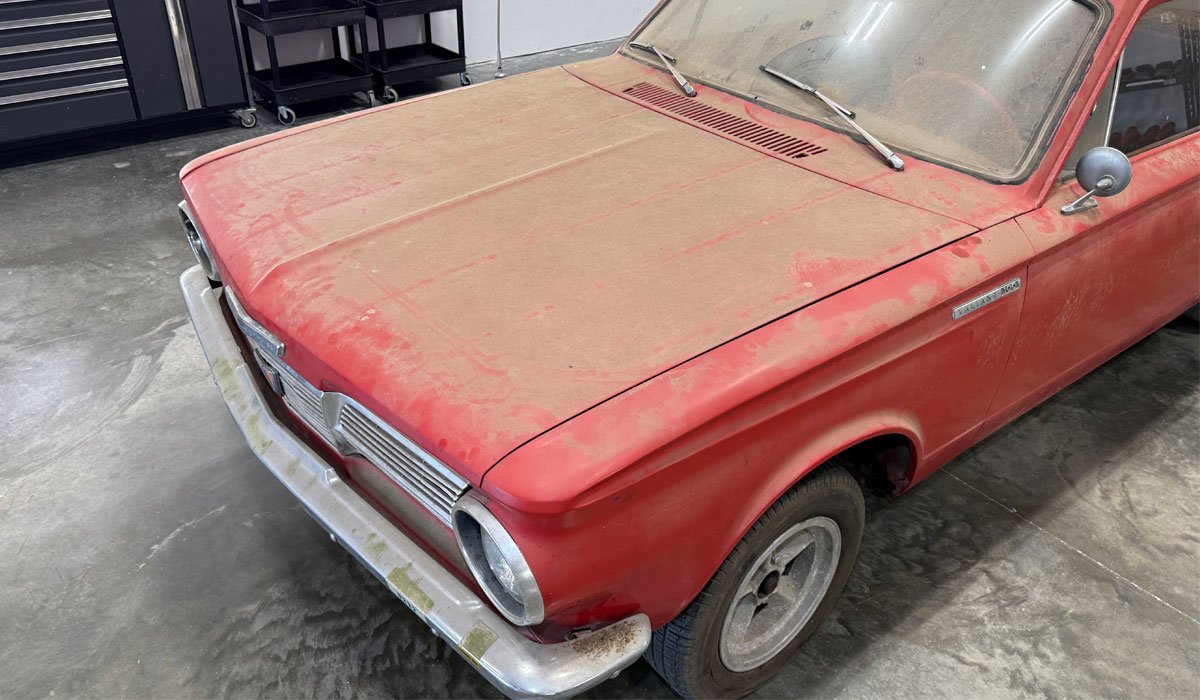
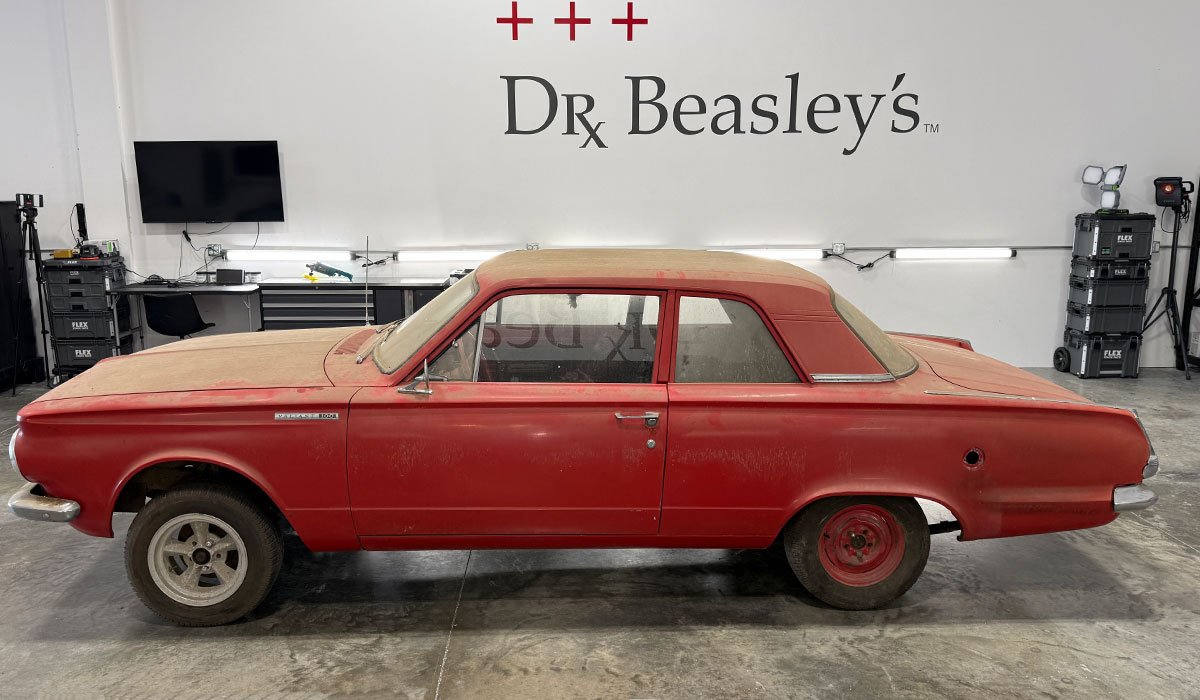
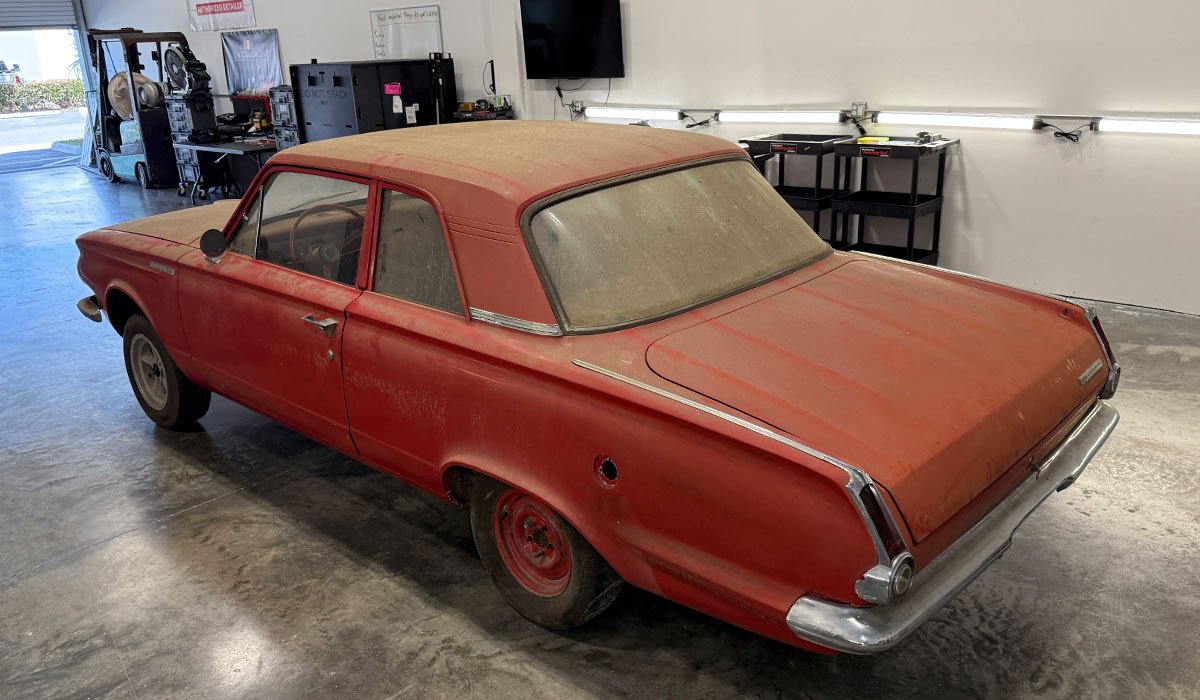
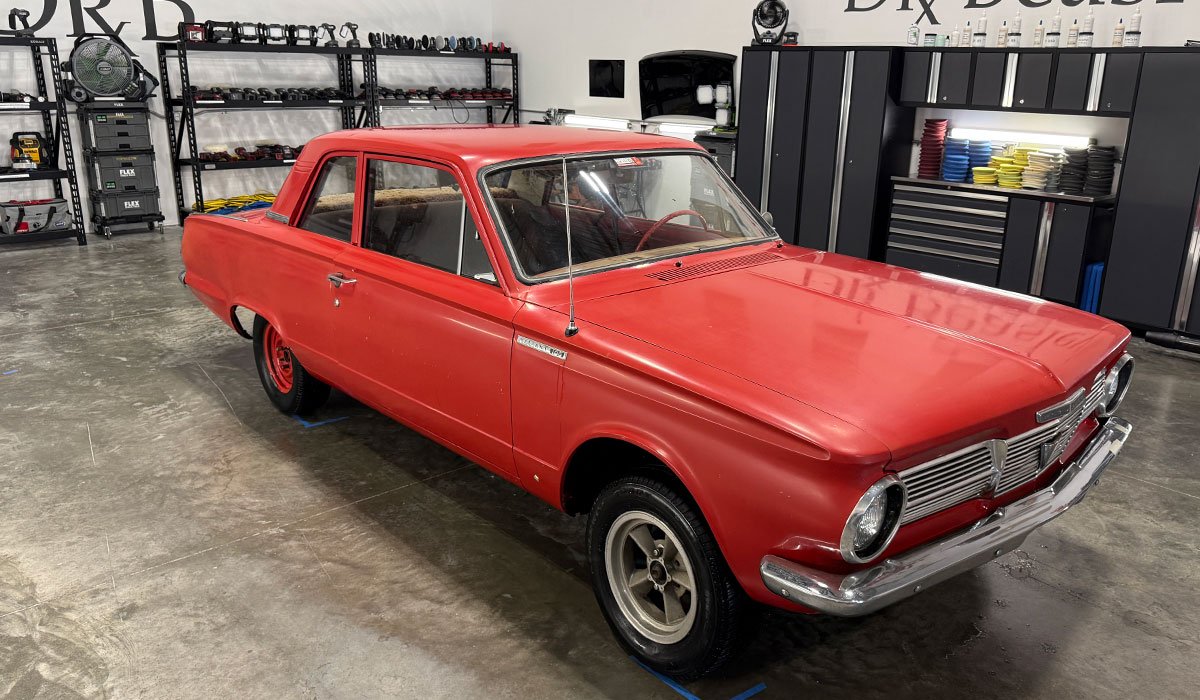
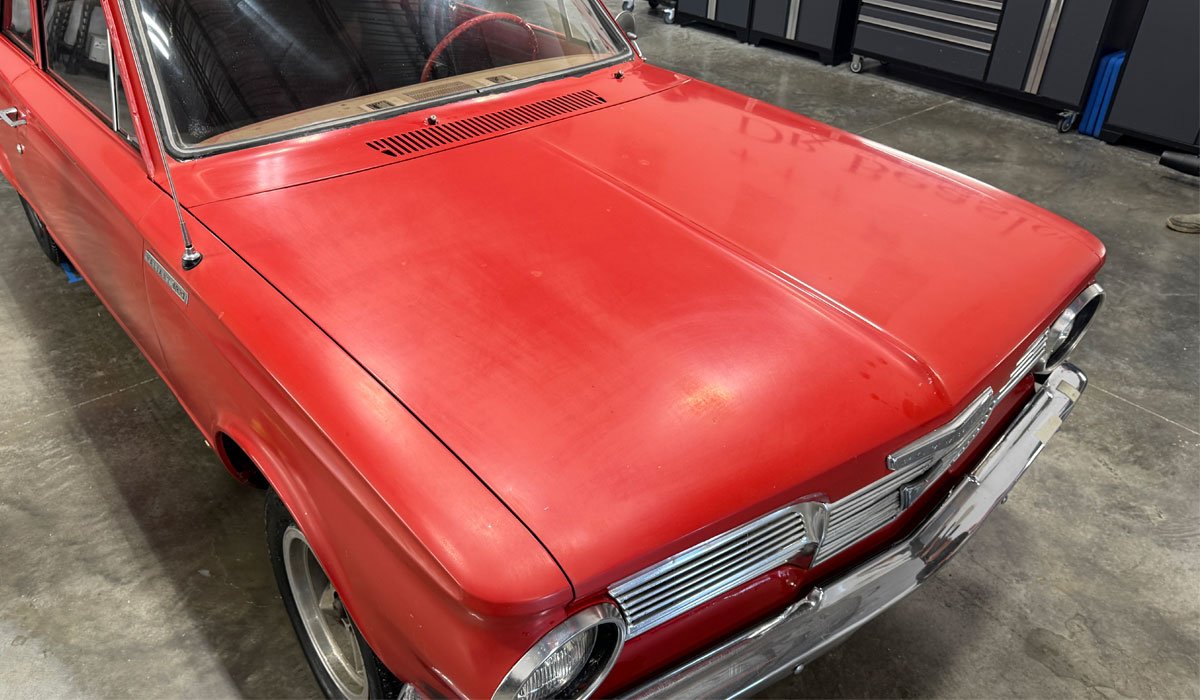
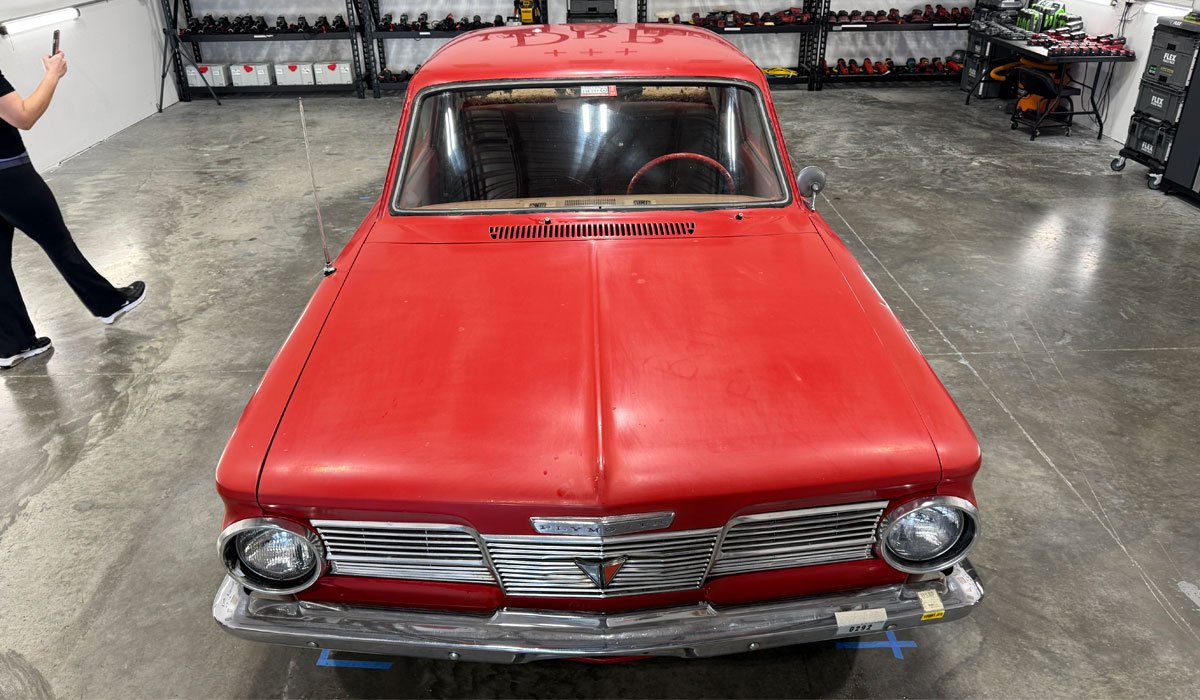
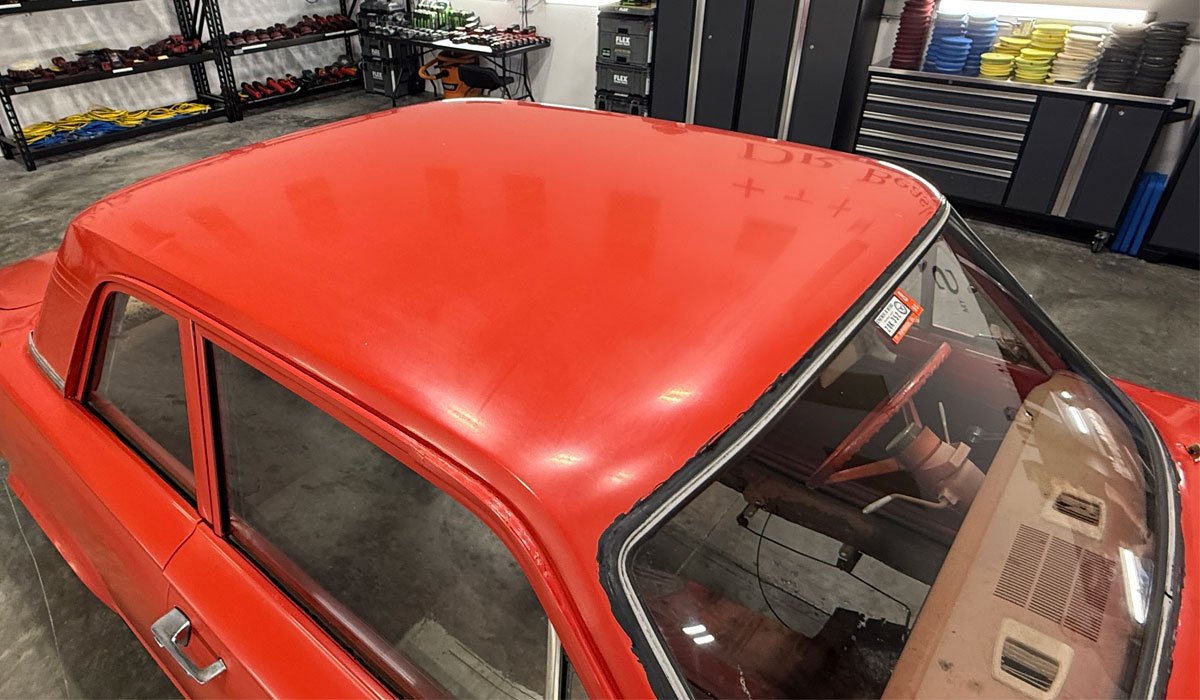
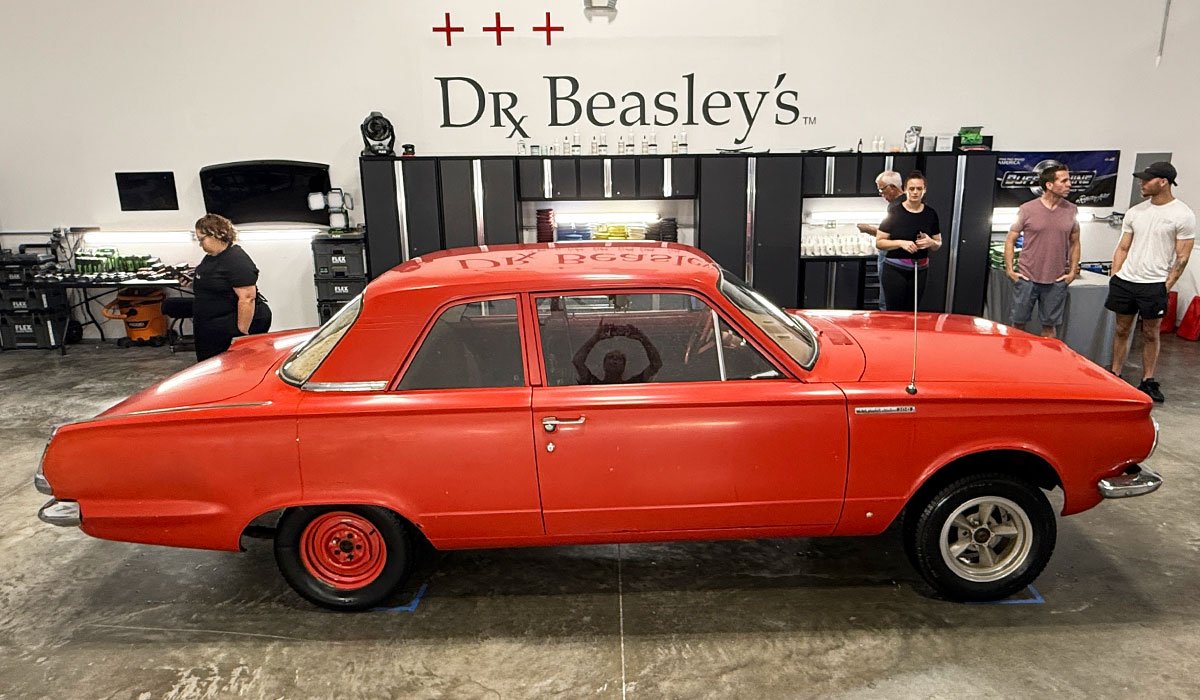
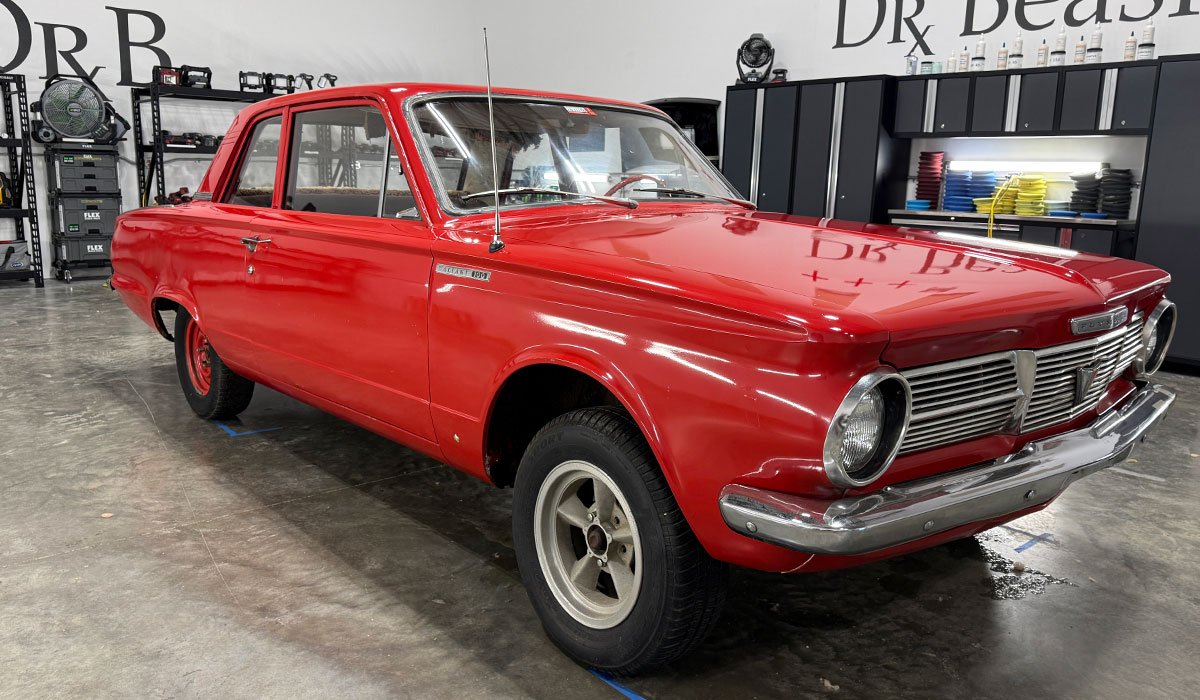
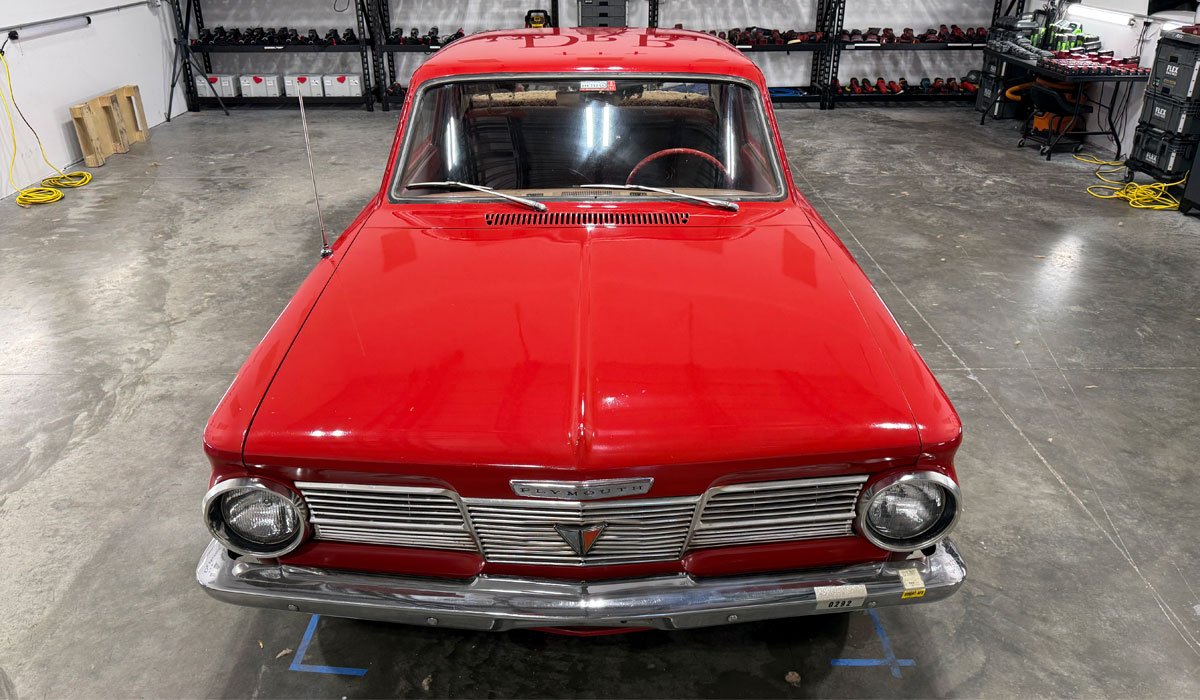
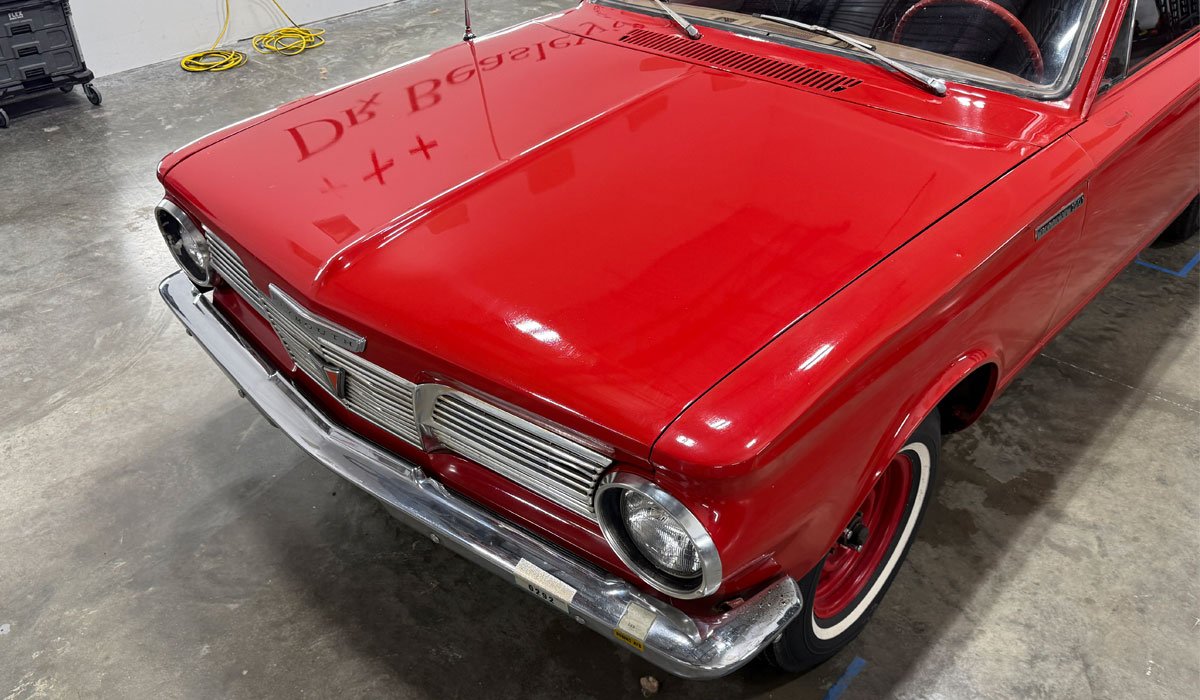
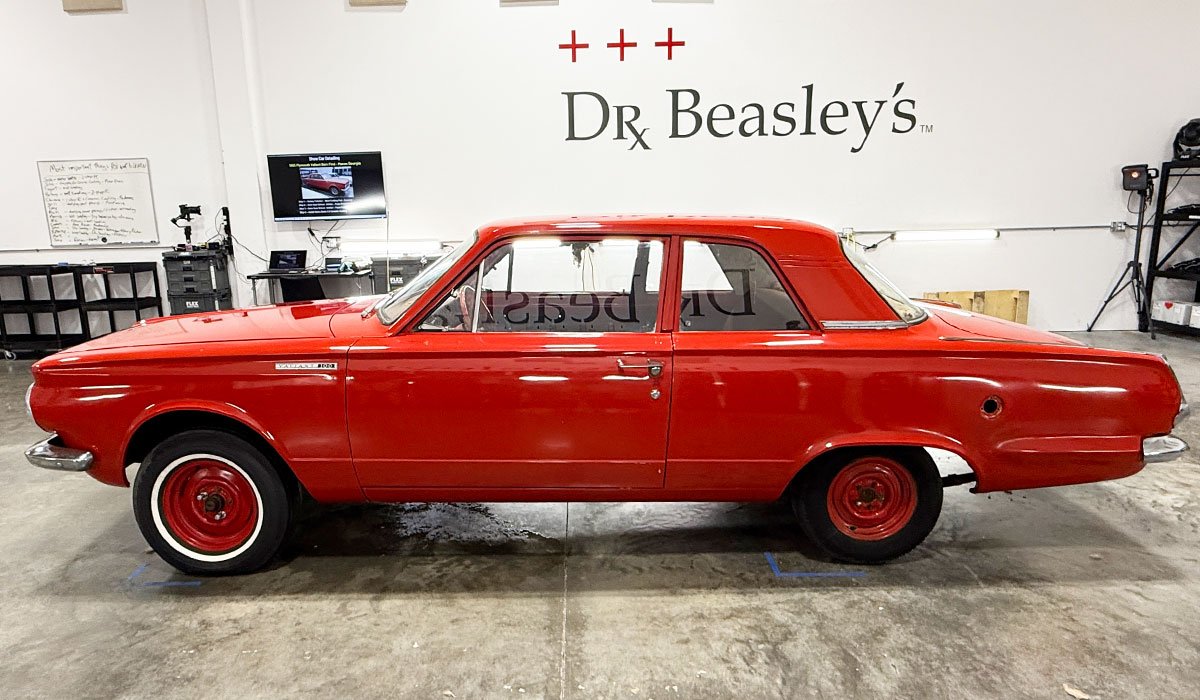
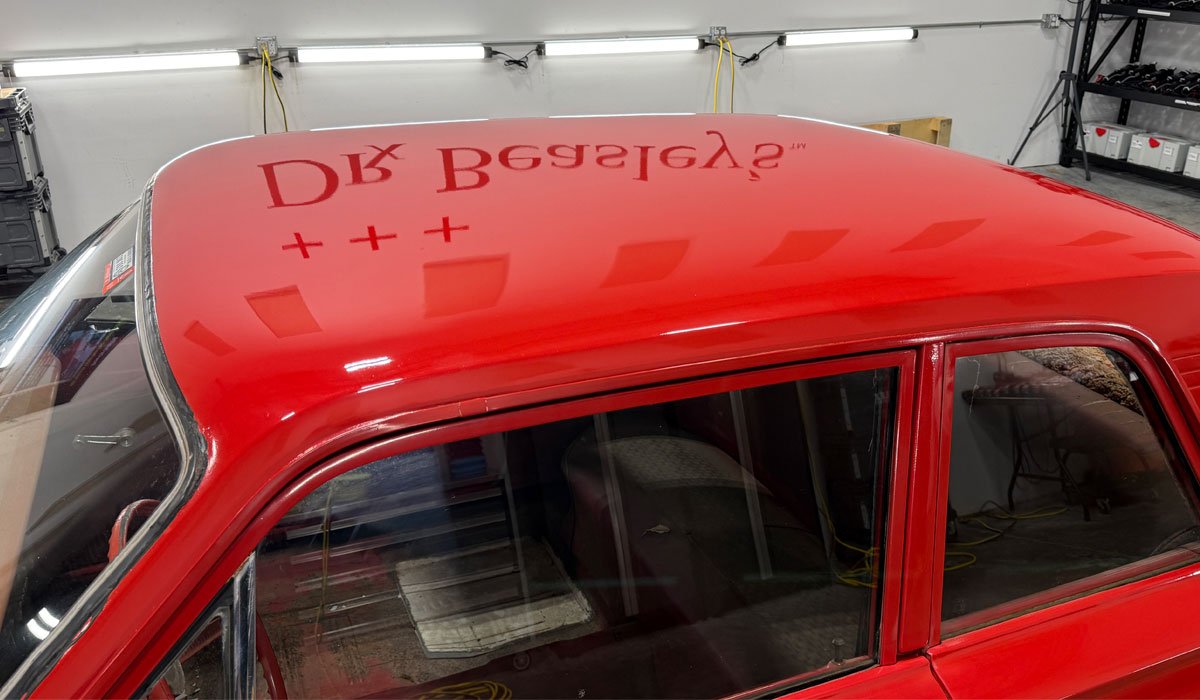
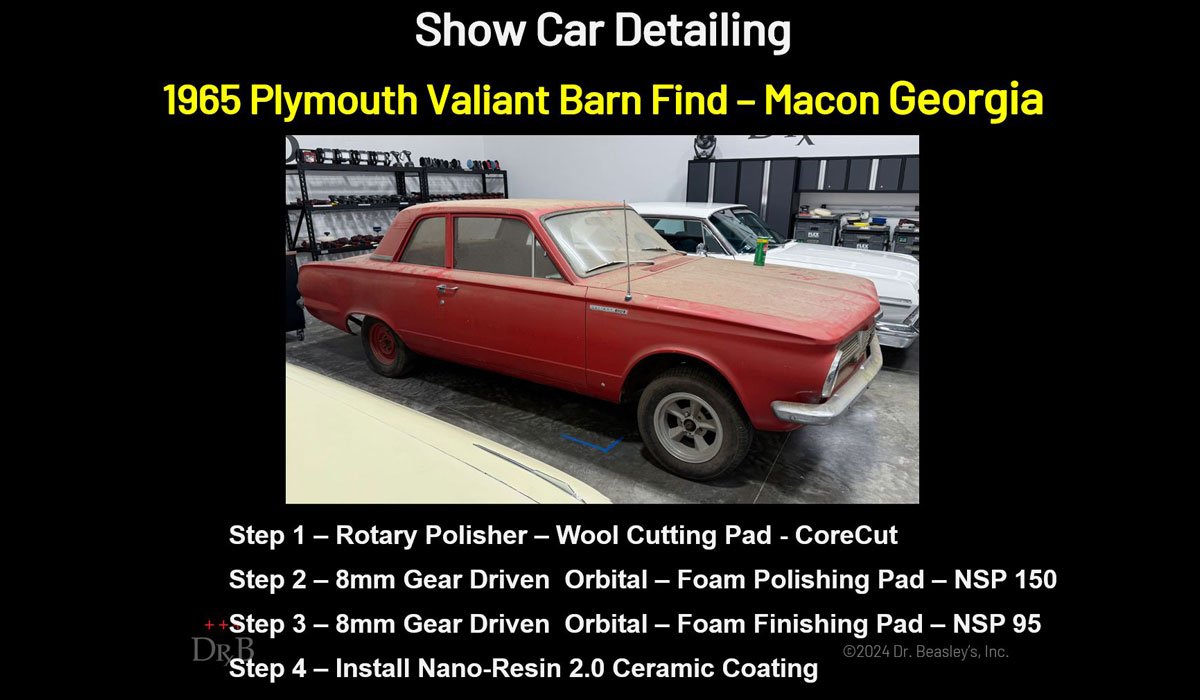
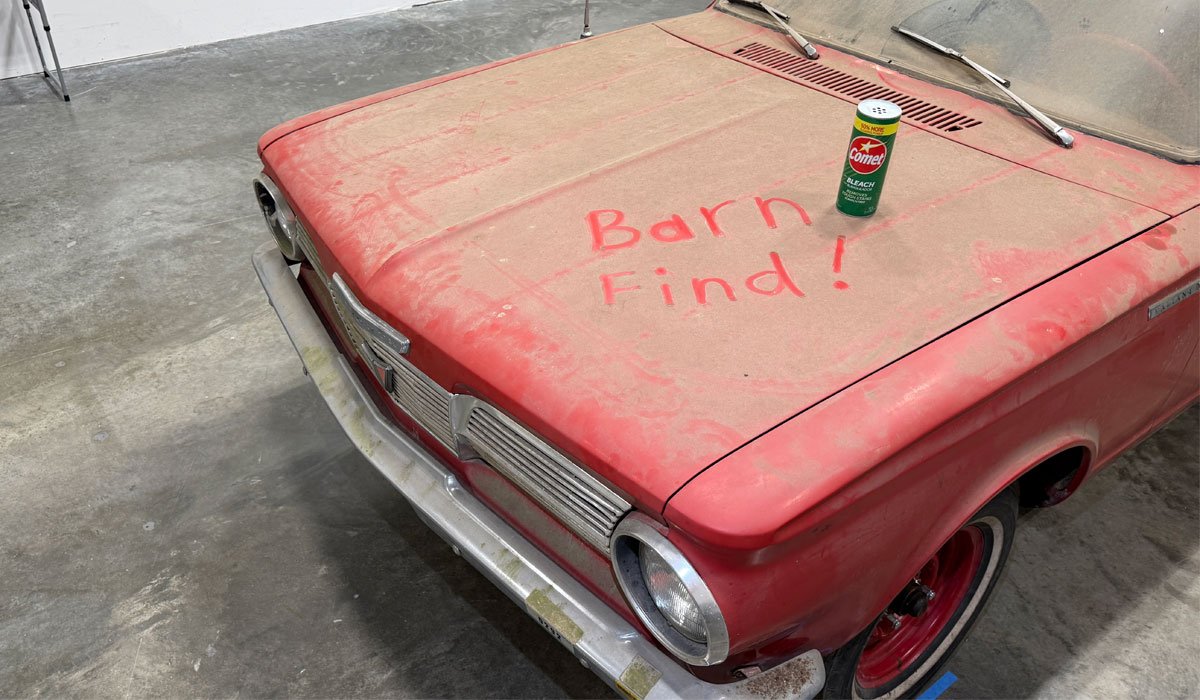
This 1965 Plymouth Valiant was discovered in a Pole Barn in Macon, Georgia. It was purchased by my long-time friend Darrel, who has brought me 2 other Barn Find Cars in the past. Darrel had this car picked up and shipped directly to Dr. Beasley's in Stuart, Florida and we appreciate his trust.

Here she is in the Pole Barn where the car was discovered.

full


full


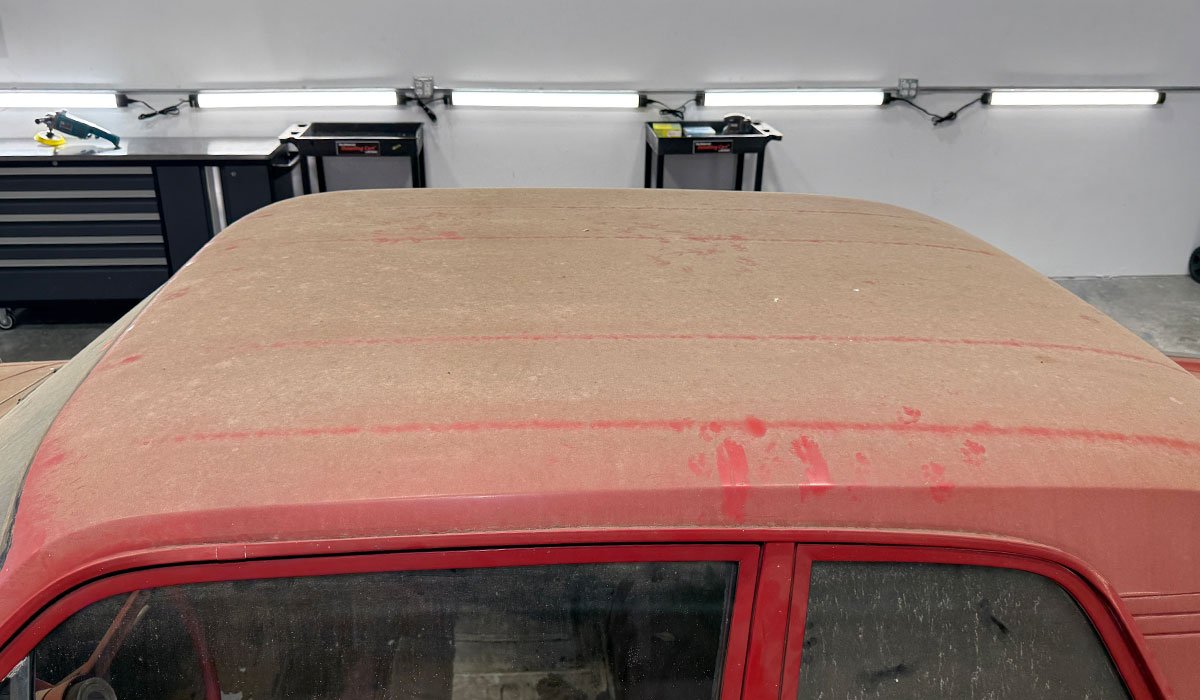
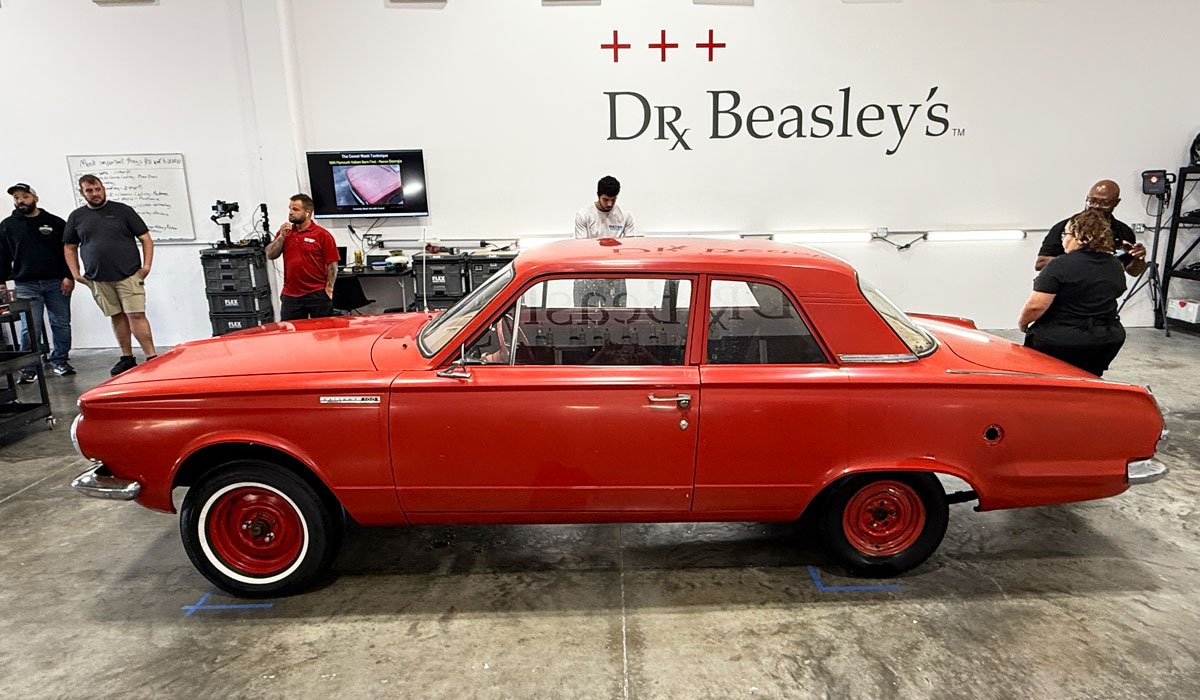
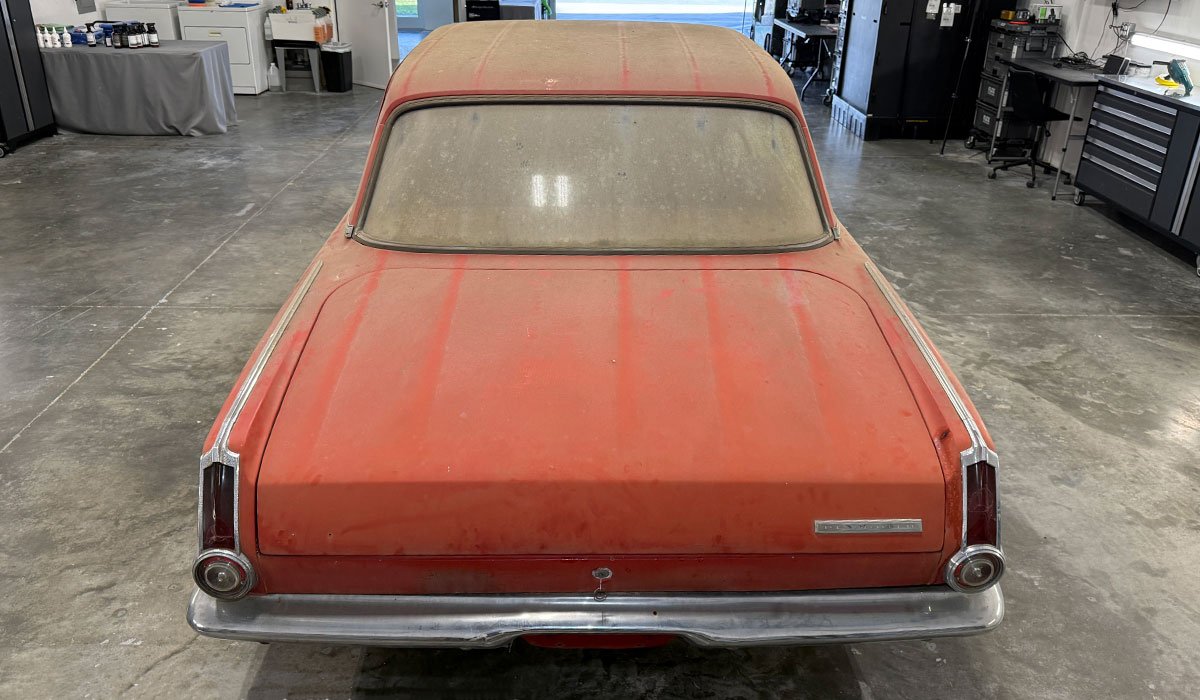
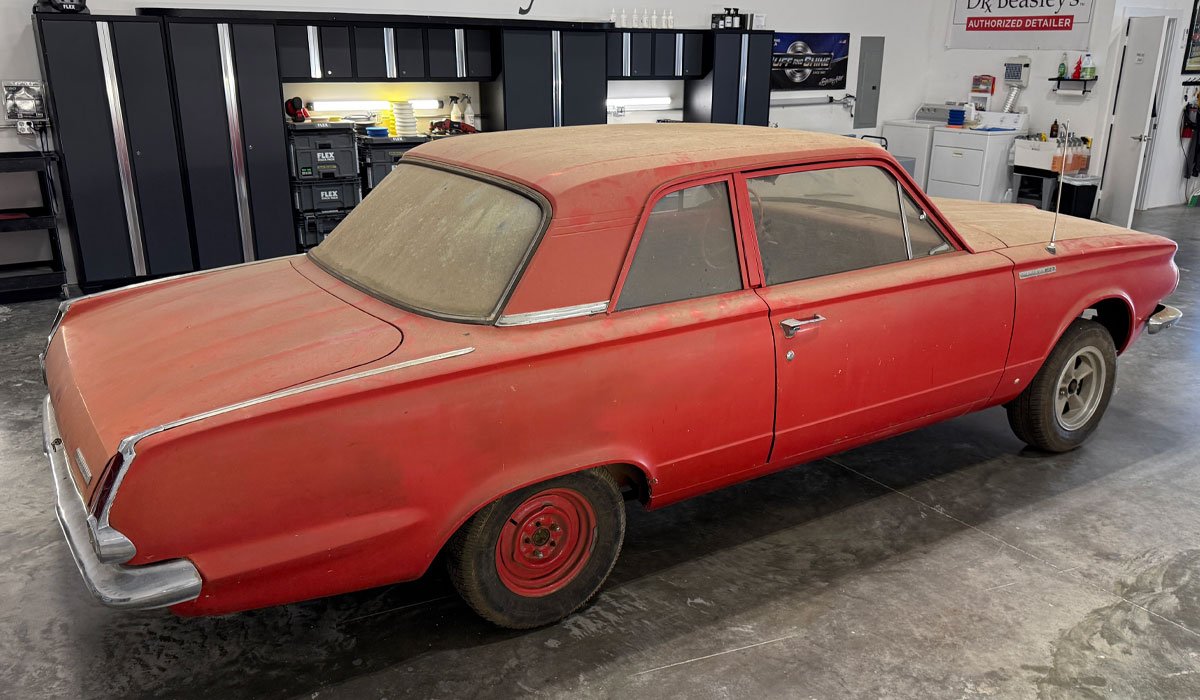
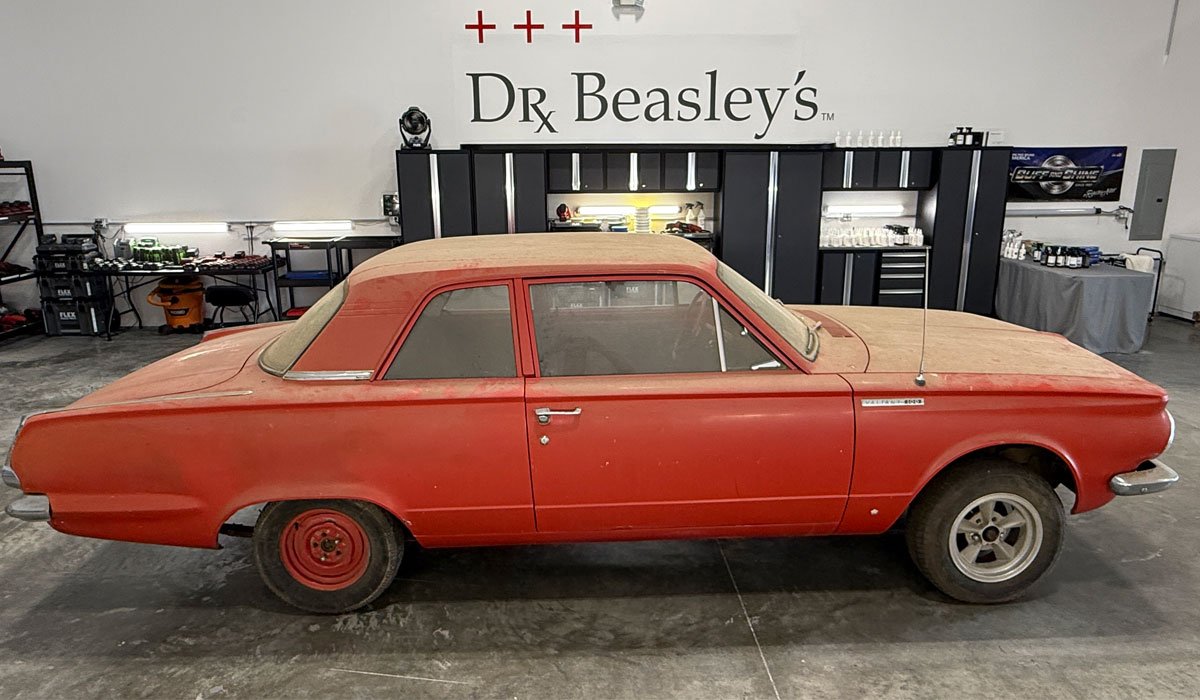
Here she is after she arrived to Dr. Beasley's Training Center in sunny, Stuart, Florida!

full


full


full


full


full


full


full


full


full


full


Mike
 
Last edited:
More...


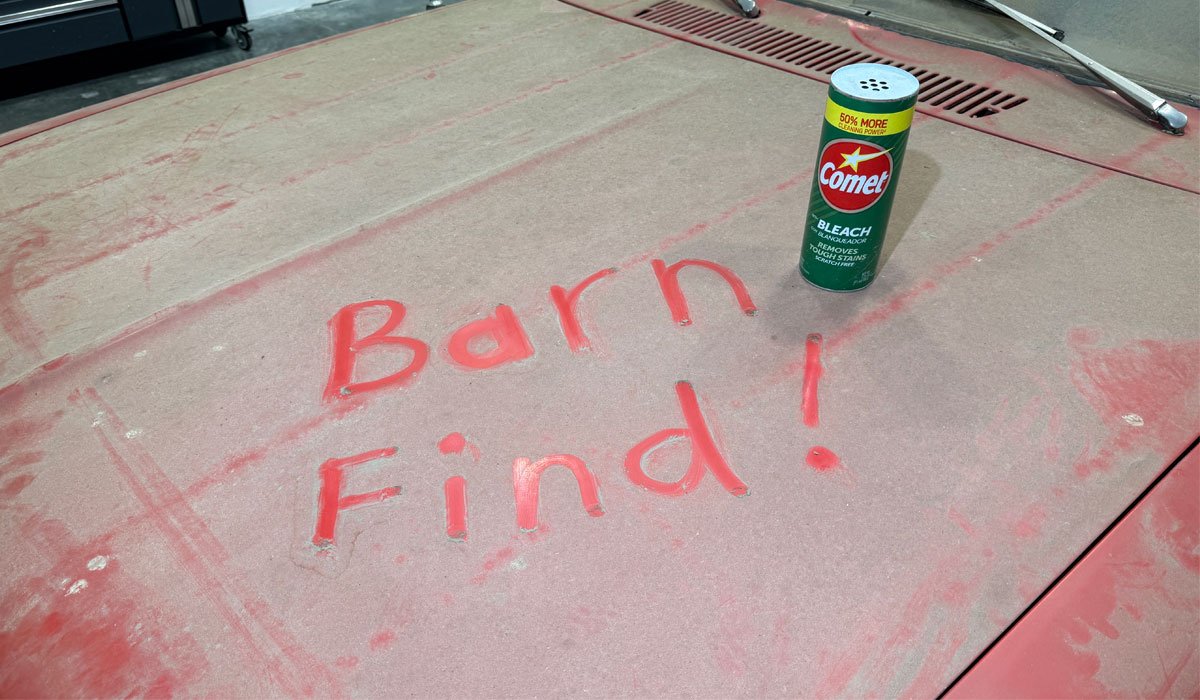
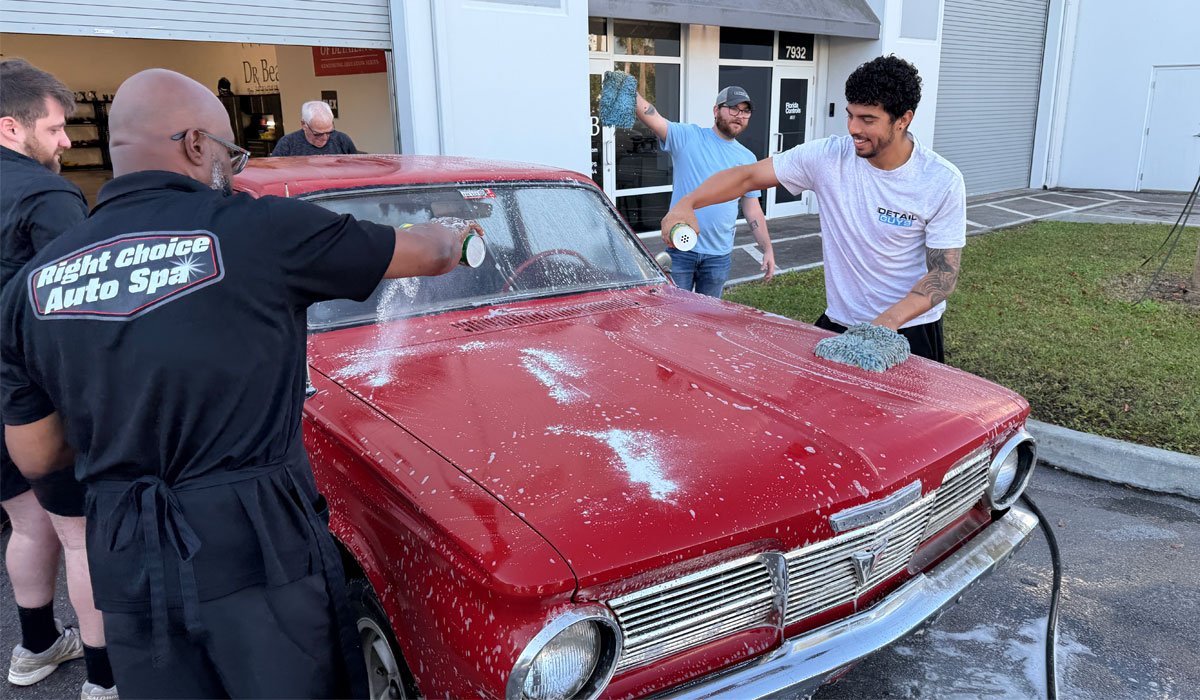
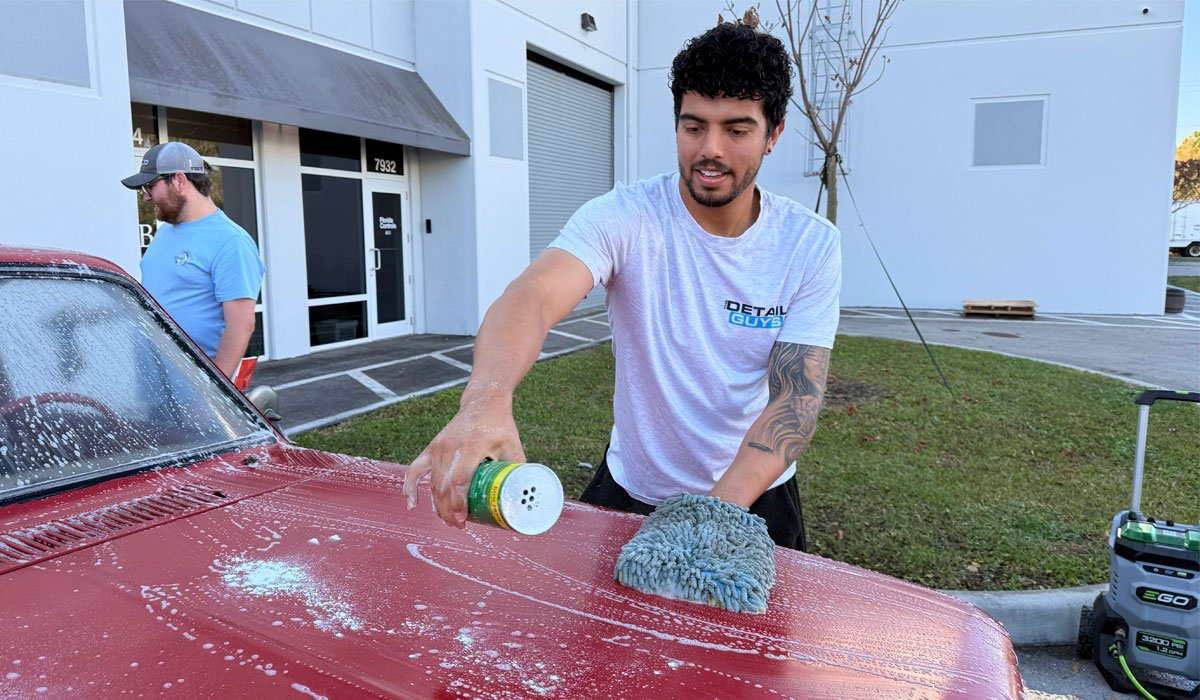
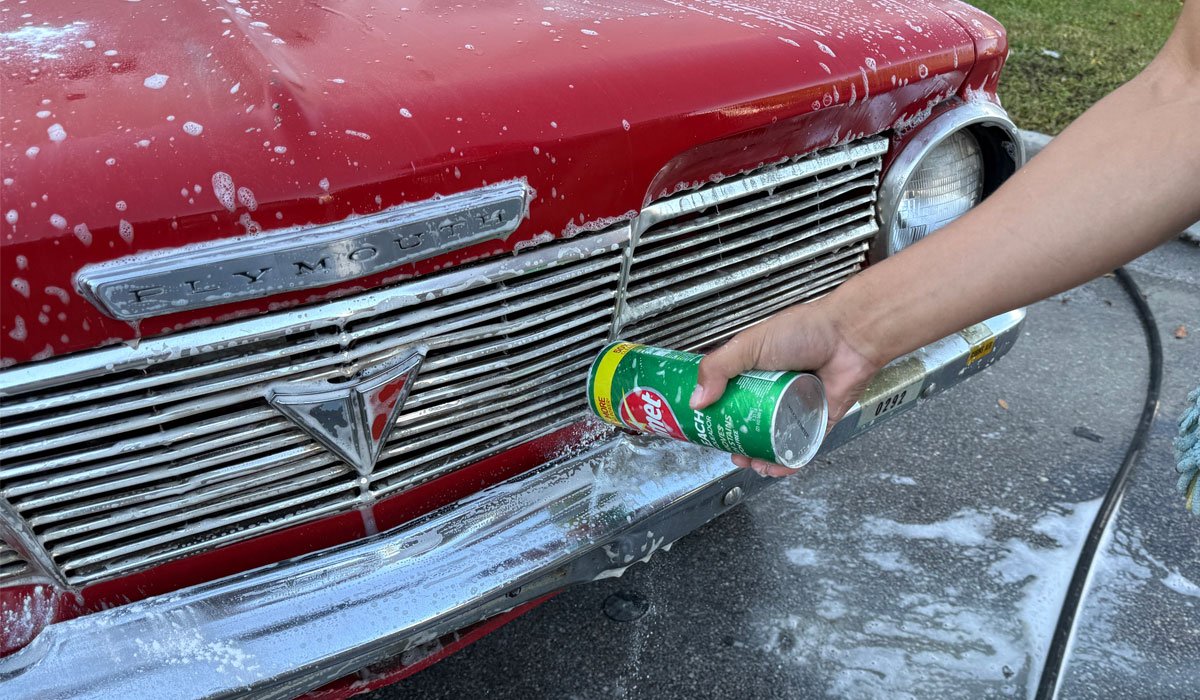
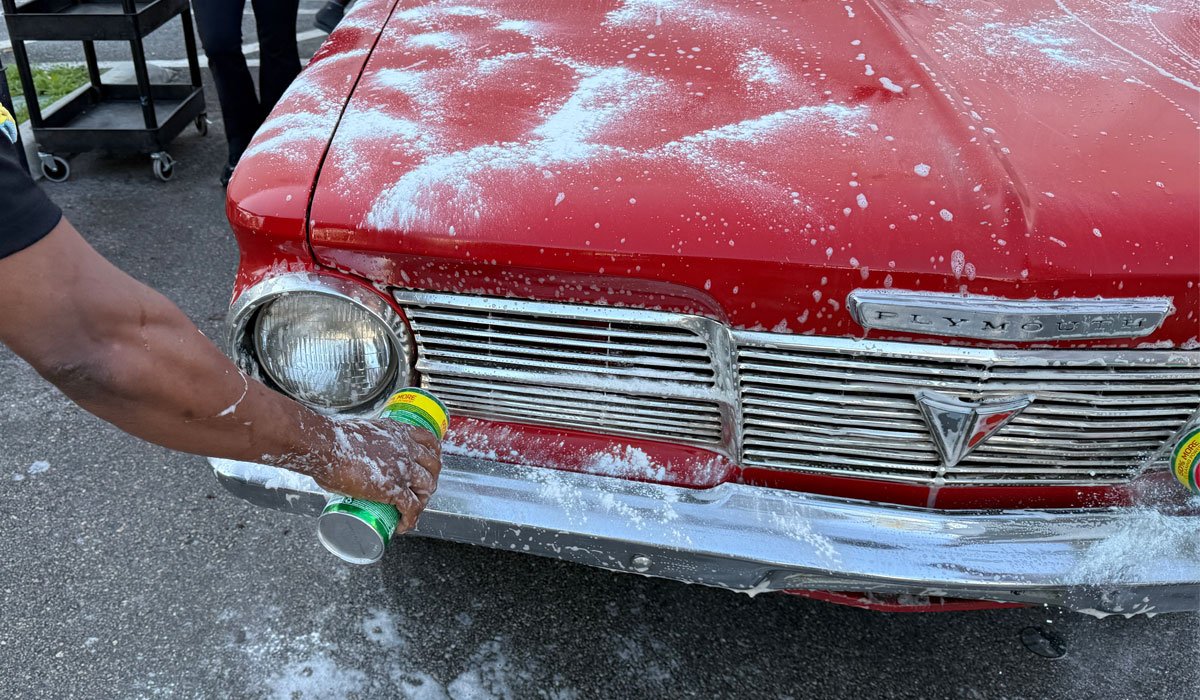
The Comet Wash Technique
This is an old-school technique for removing years of oxidation, dirt and traffic film during the wash process. NOTE: This is NOT for modern cars with clearcoat paint jobs. This is ONLY for older cars, with extremely oxidized single stage paint.


The BIG PICTURE IDEA?
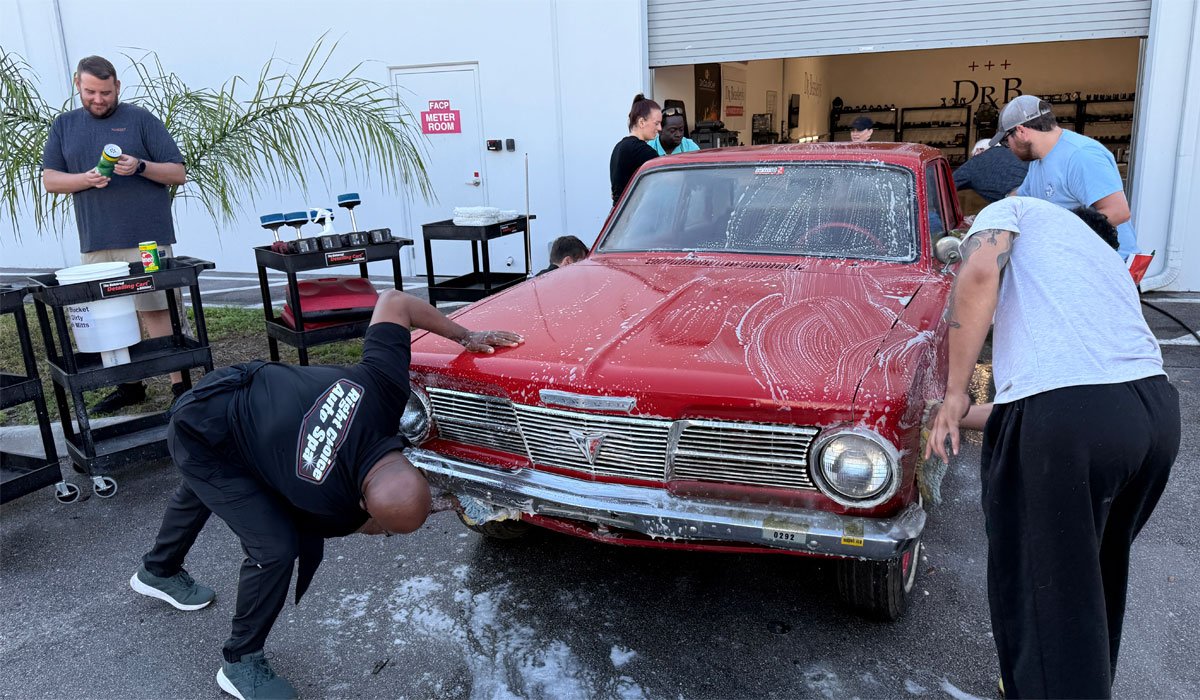
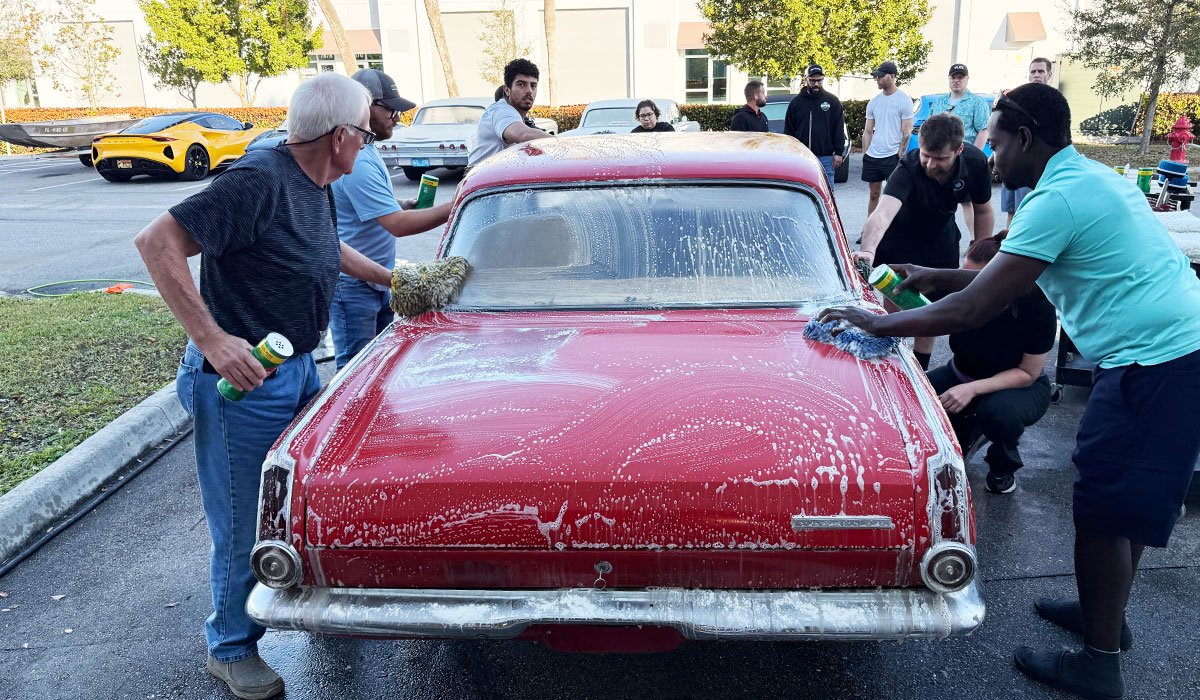
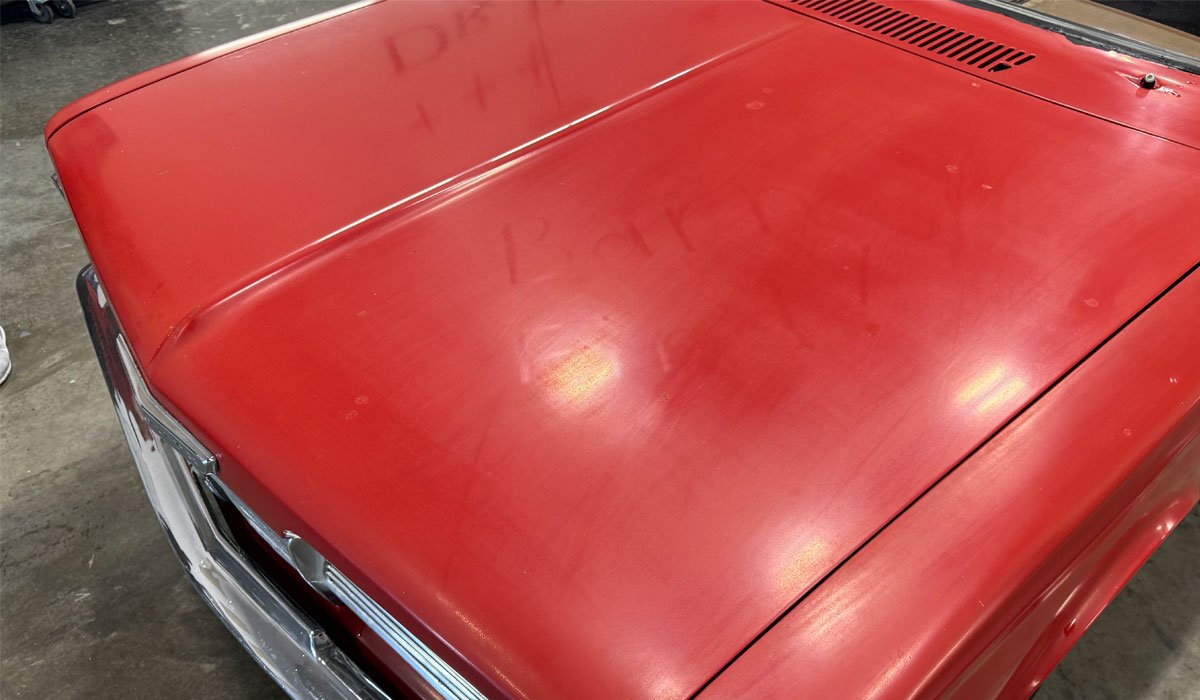
The big picture idea behind washing an older, extremely oxidized car with Comet is that you will remove years, even DECADES of dirt and oxidation during the wash process, which you need to do anyways before detailing a dirty car. Besides getting the paint, glass and chrome spotlessly clean, when you do move forward with the first paint correction step, you won't simply load-up your buffing pads with years of oxidized, dead paint. Washing using the old-school Comet Technique makes quick work of getting ALL of the car clean and gets the car's paint to a fresh base layer of paint, ready for paint correction.

This is easily, the 5th time I've taught and DOCUMENTED the Comet Wash Technique in a formal class, (paid class). While I'm sure other seasoned detailers like myself have used this technique, to date, I am the only person that has documented teaching this process in a real class.

full


The Power in the AFTER pictures is created in the BEFORE pictures
Here's the car staged in our training center for all the students to get their BEFORE pictures. Always remember, once you wash a Barn Find, there's no going back in time to get the before pictures and the before pictures are the MOST important pictures.

full


full


7:30am and it's Go Time!
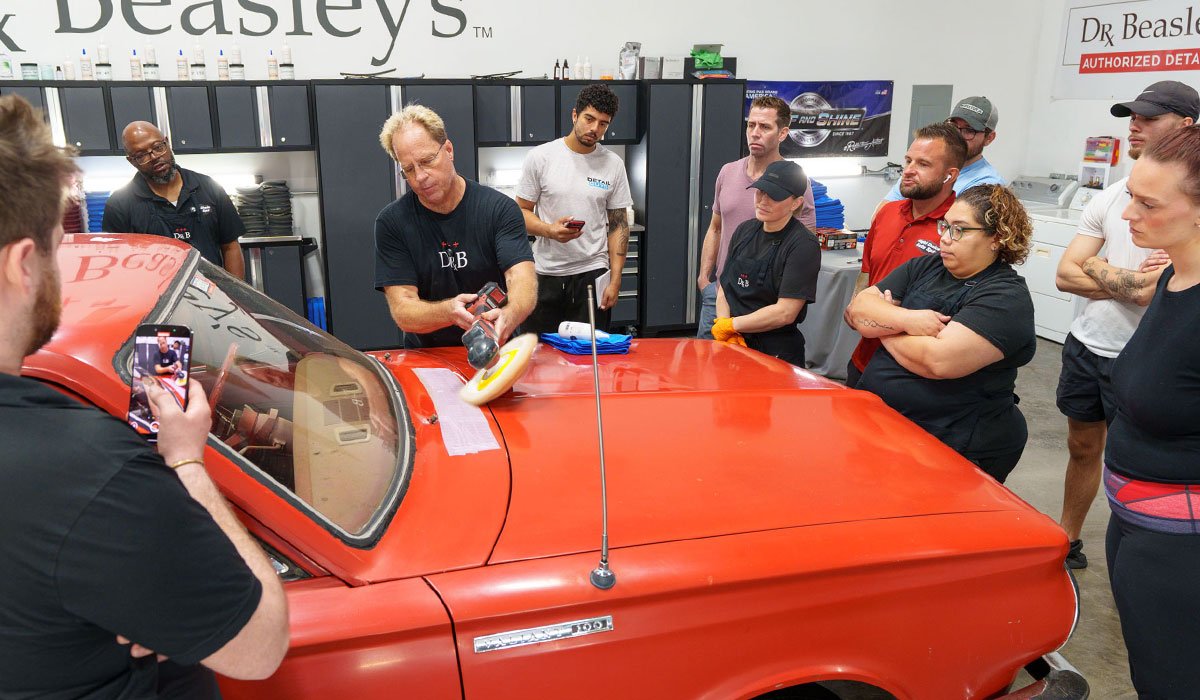
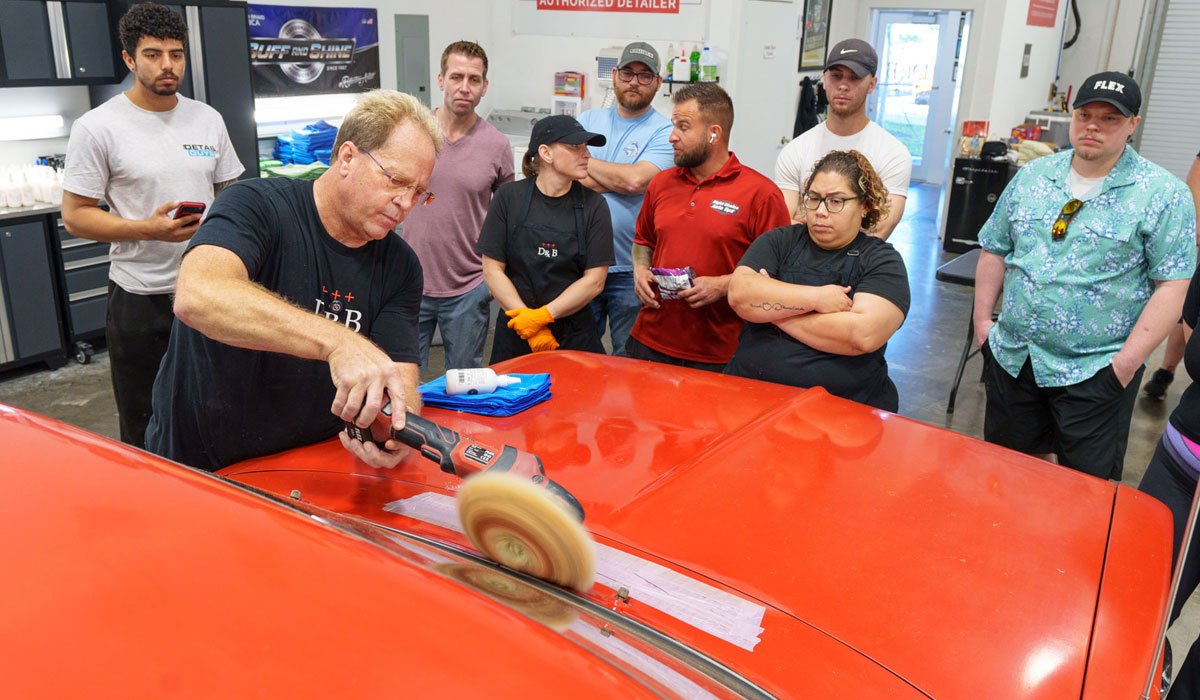
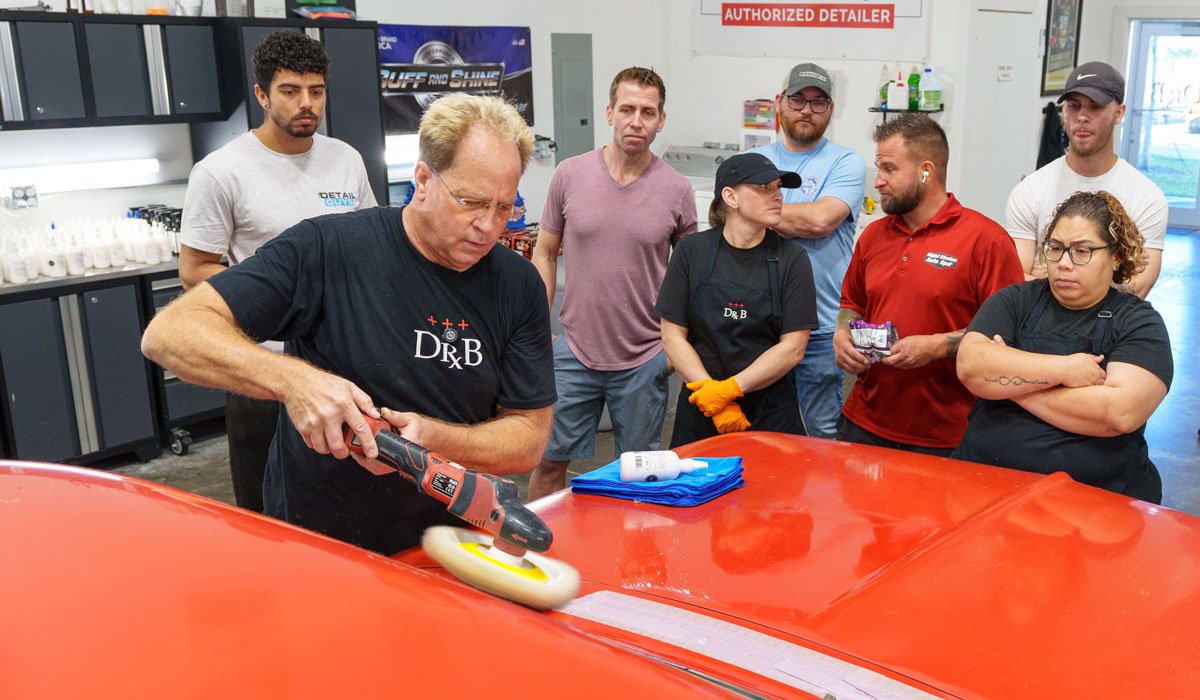
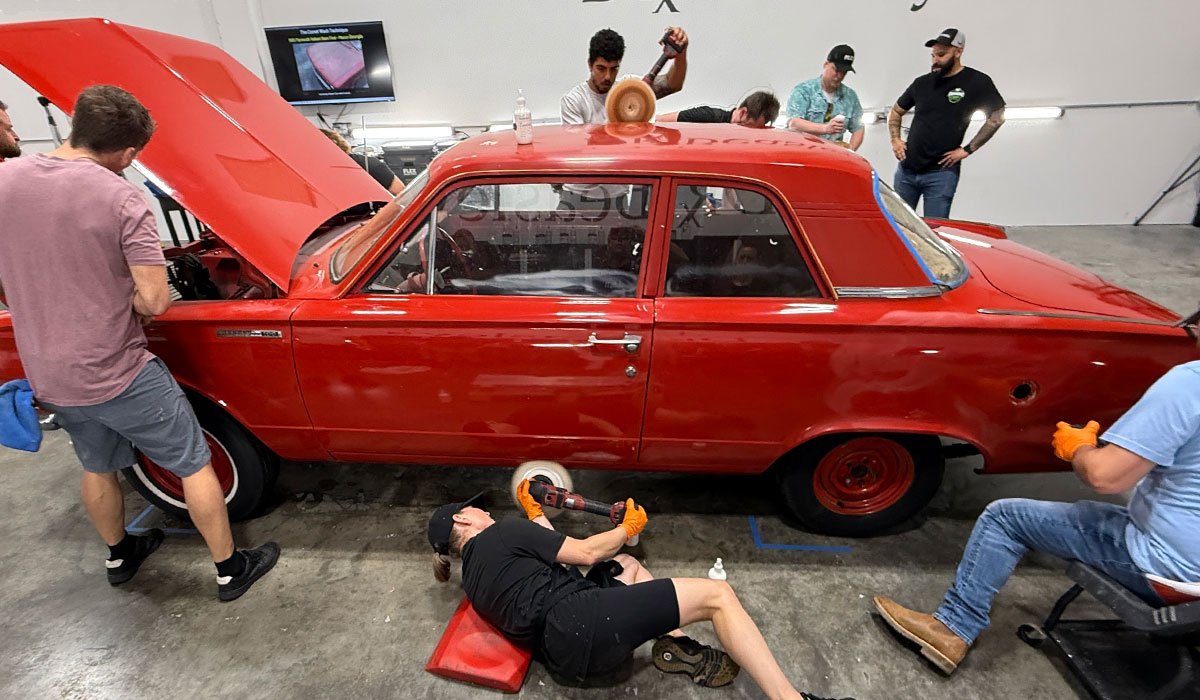
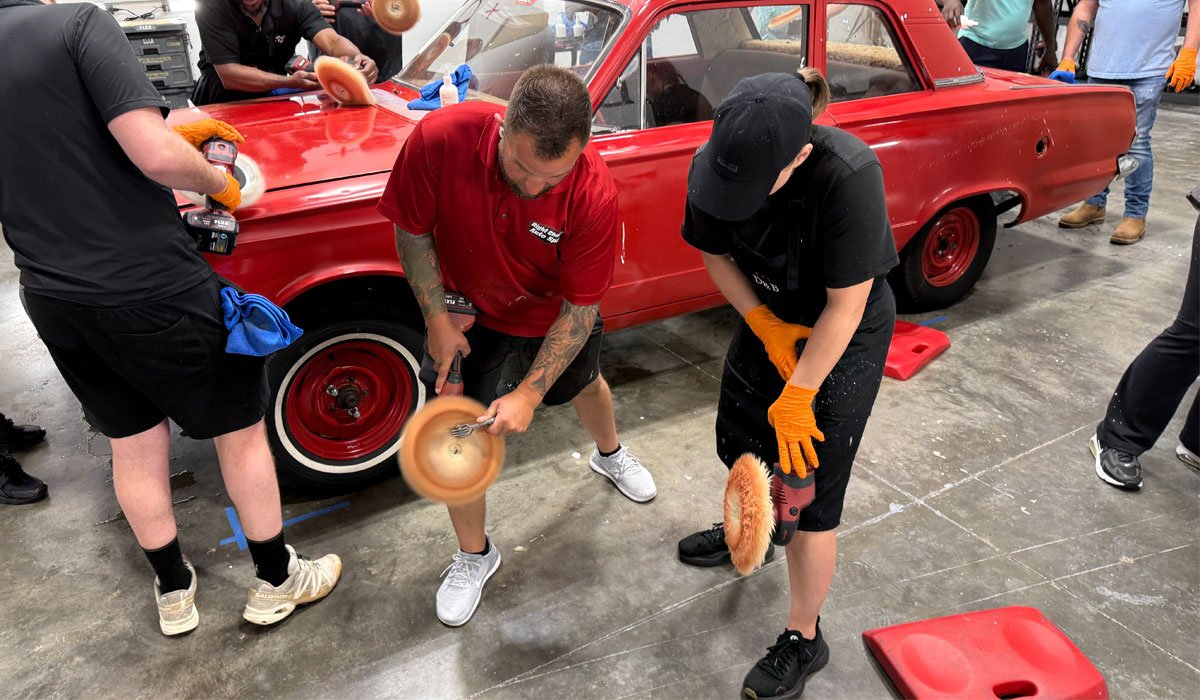
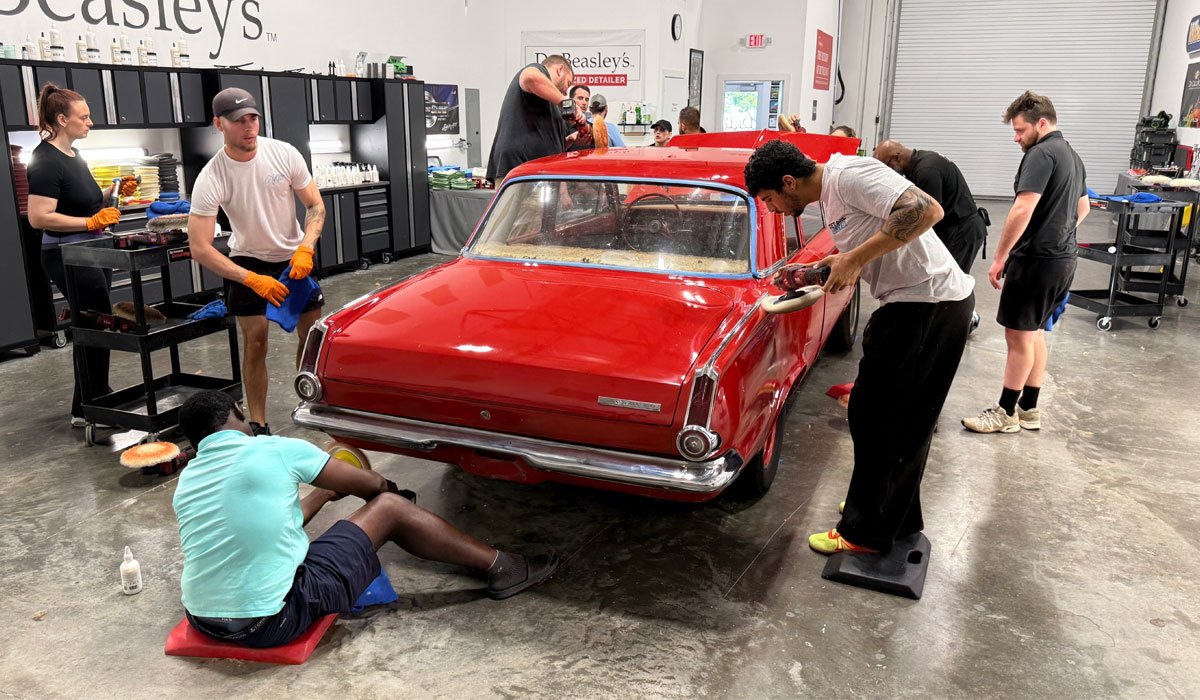
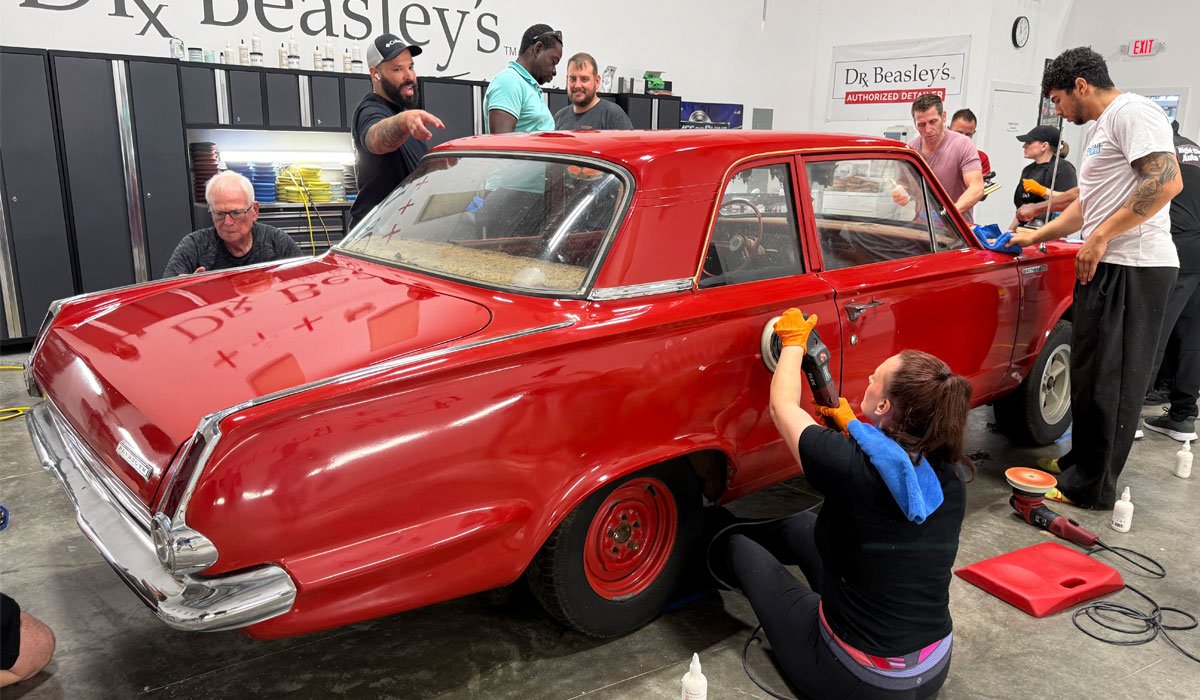
No chairs, zero sitting - from start to finish our classes are hands-on and you're training on multiple, multiple cars. No demo hoods and no test panels.

full


full


full


full


full


full


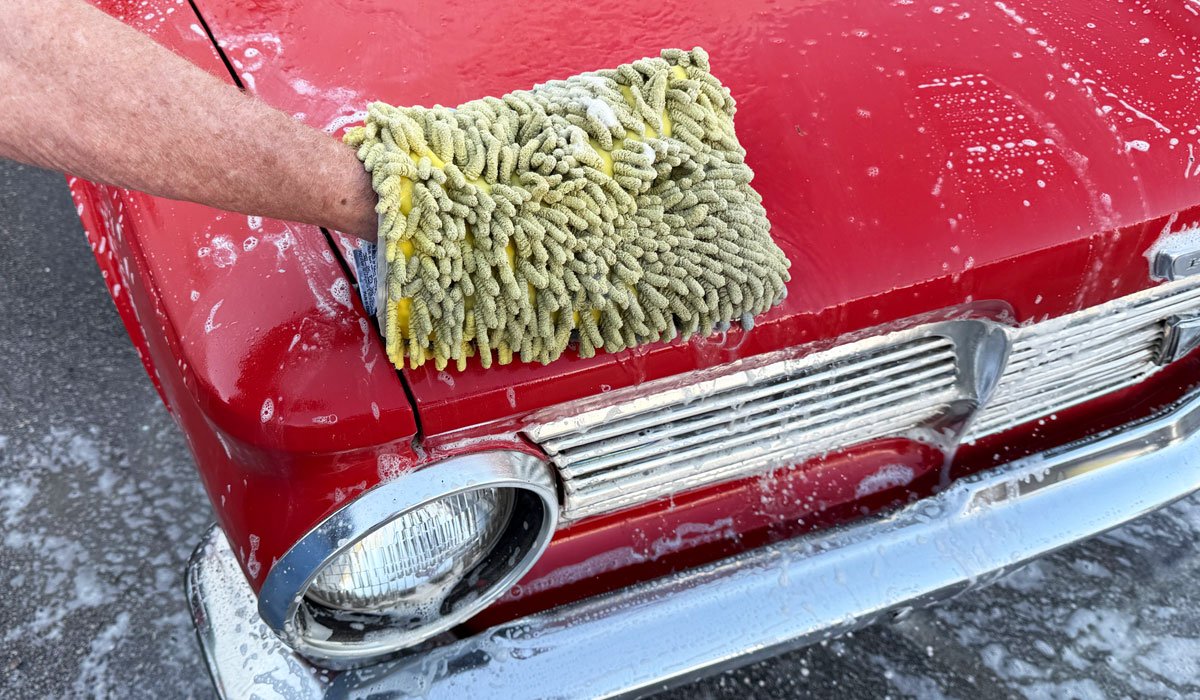
Look how dirty the bright yellow fibers of the wash mitt have become!

full


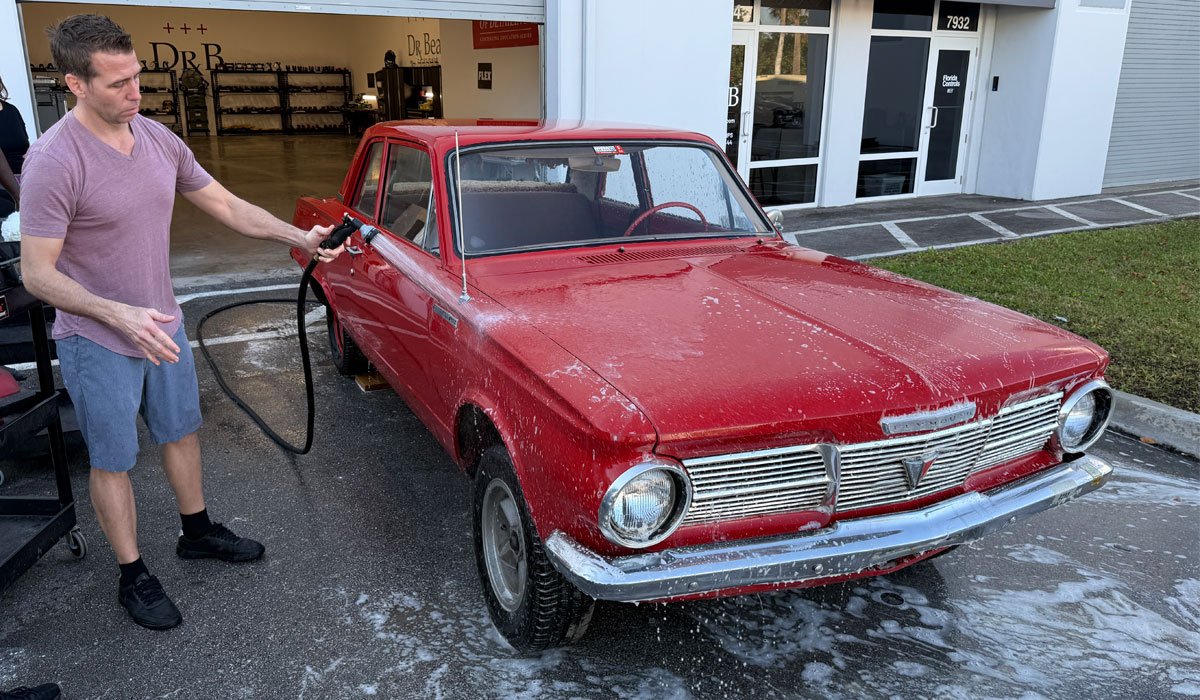
After a very thorough wash job, Josh gives our Barn Find a thorough rinse.

full


Mike
 
Last edited:
More...

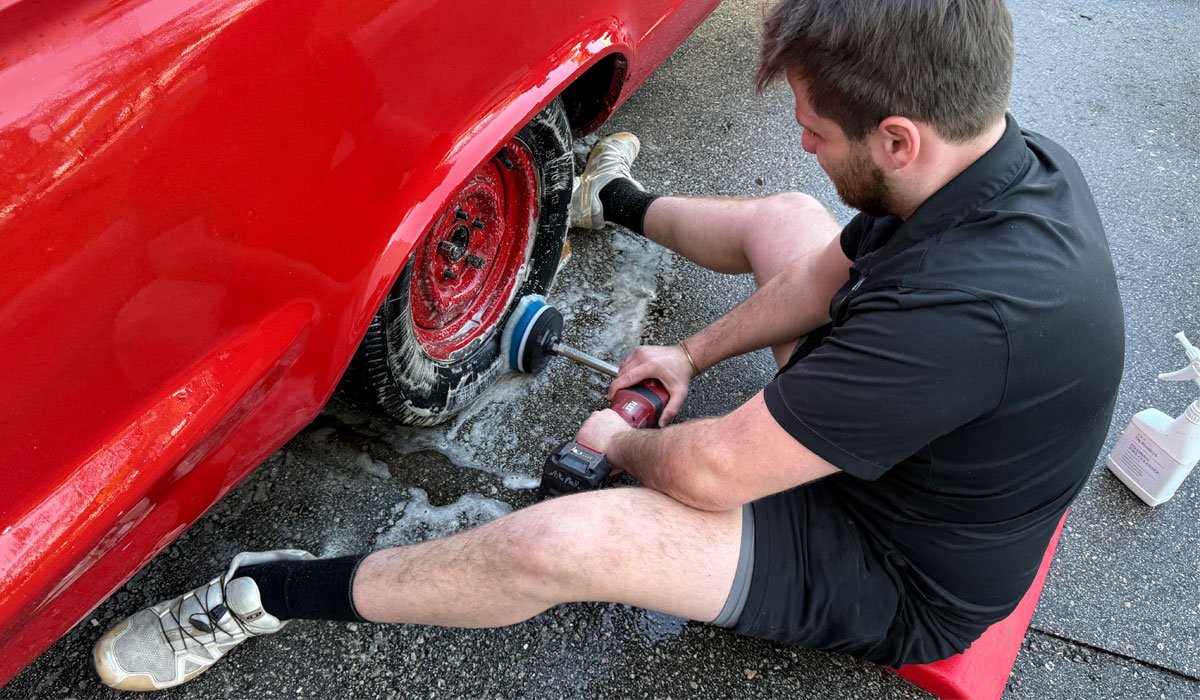
Action Shots - Machine Scrubbing Tires
Back in 2013, I posted what I believe to be the first video showing how to machine scrub tires. Back then, the FLEX cordless rotary polisher had not been yet invented, so I used a Porter Cable 7424XP with a Cyclo Aqua Carpet Cleaning Brush. Here's the link - Machine Scrubbing Monster Tires , Upload date: October 25th, 20213 - everything has a start point.

Teaching Technique
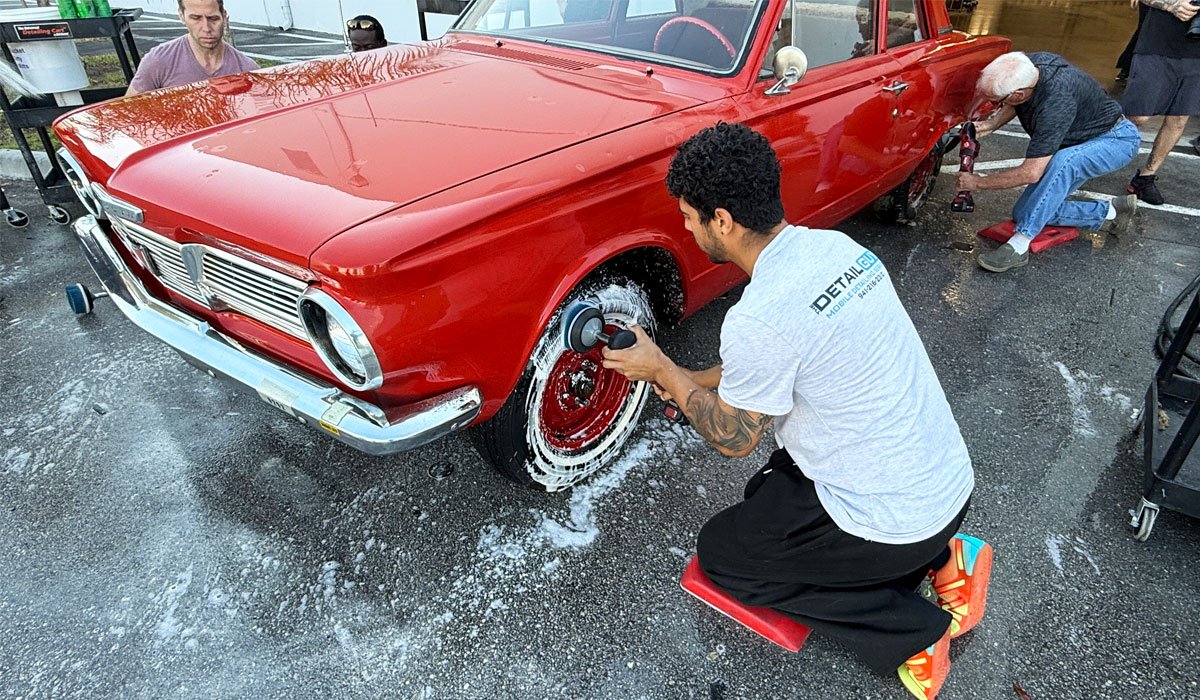
This car has old, worn-out tires, thus I did not teach the class how to get old tires clean, I taught the technique of machine scrubbing tires. This means hands-on experience, which build confidence, and muscle memory. The goal being when the class returns to their world, they'll know how to do this type of machine tire scrubbing on good tires.

No Electrical Shock Hazard
You see everyone in this class using CORDLESS rotary polishers, this is by design. I've been shocked using corded tool to machine scrub tires, so once FLEX introduced their cordless rotary polisher at SEMA in 2017 - I immediately included these tools for machine scrubbing all types of things/surfaces to keep everyone safe.


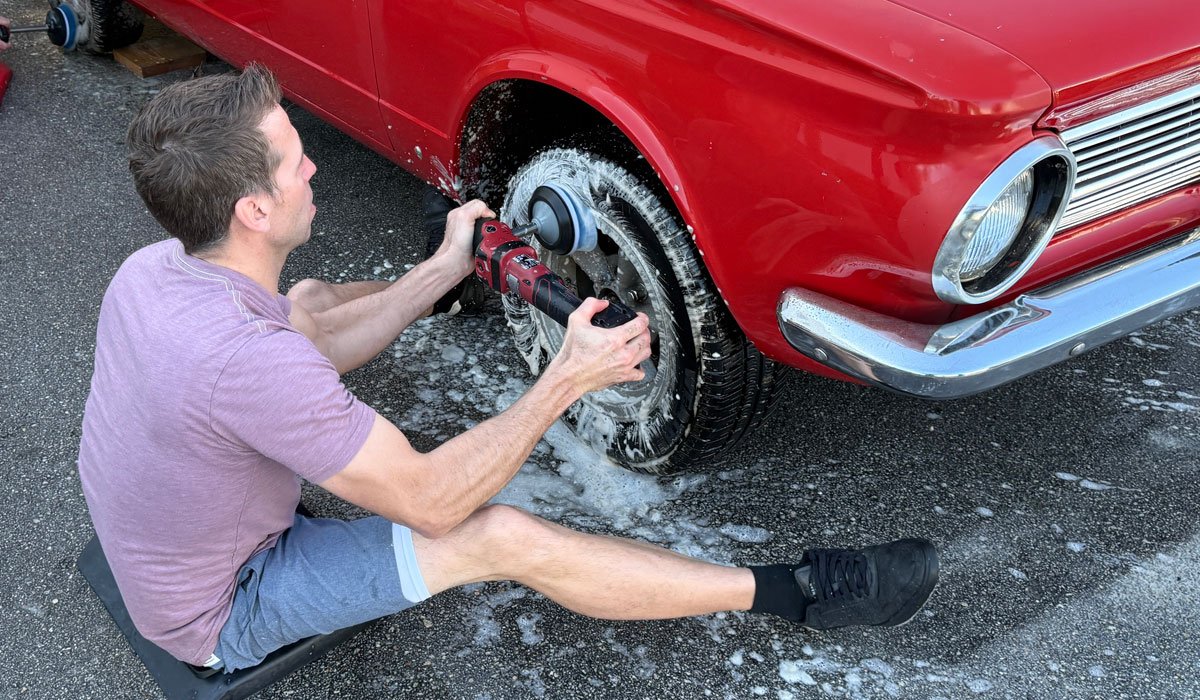
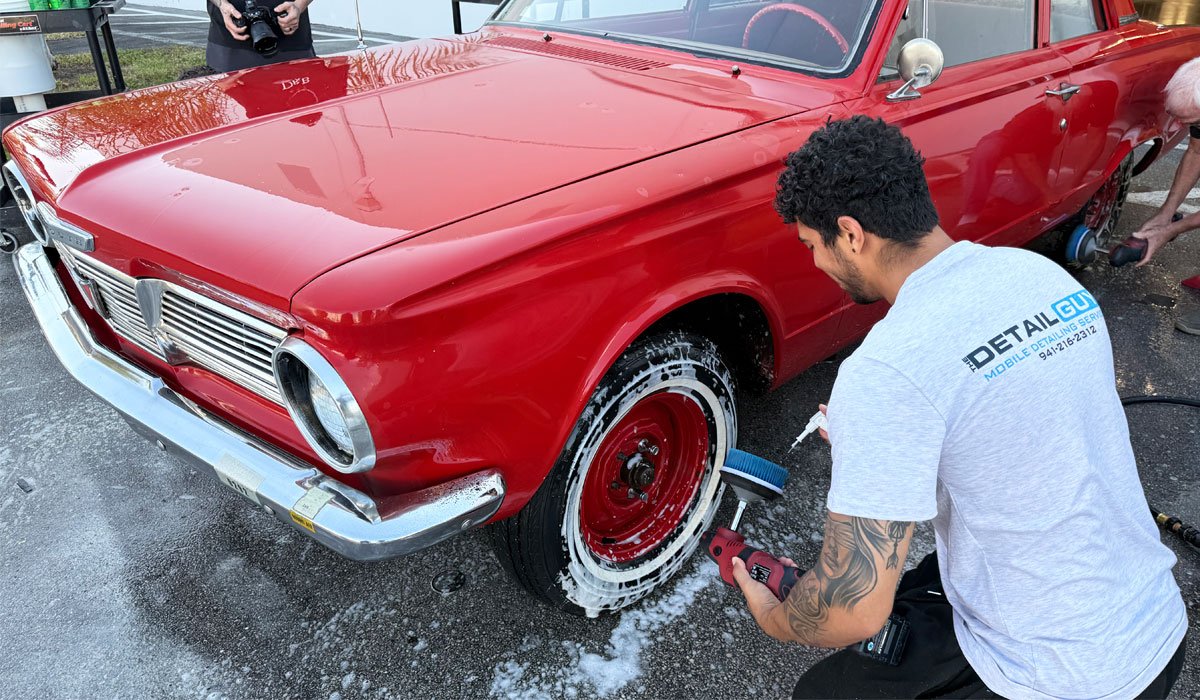
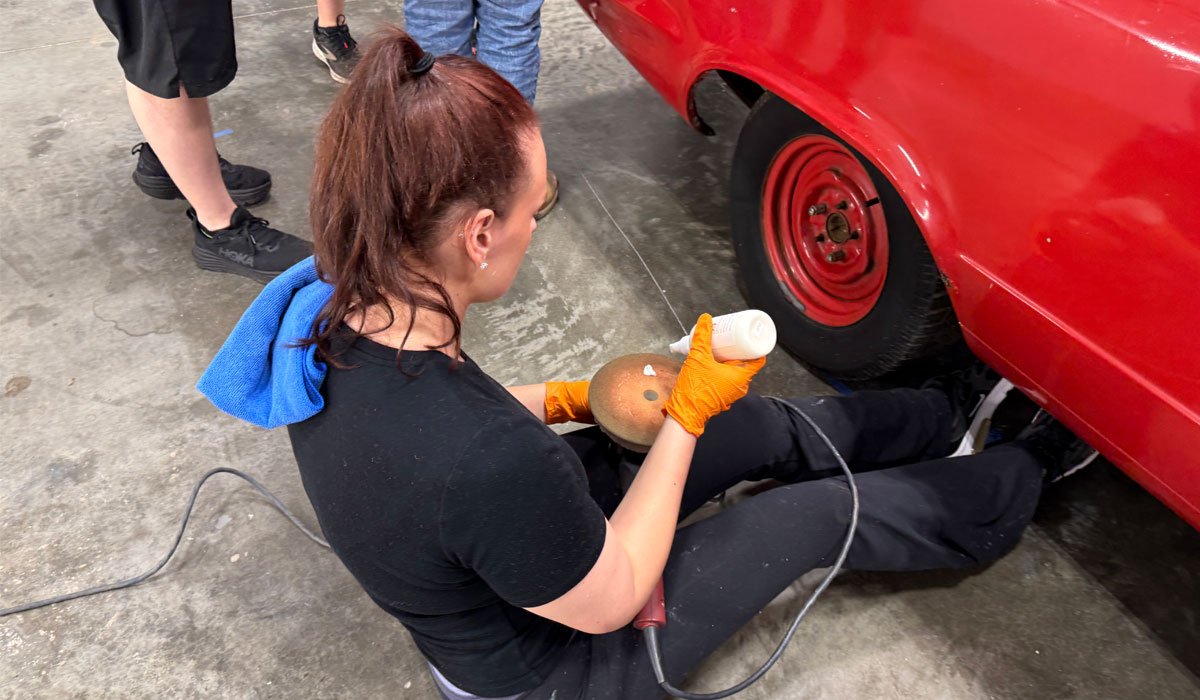
Here's Josh machine scrubbing tires

full


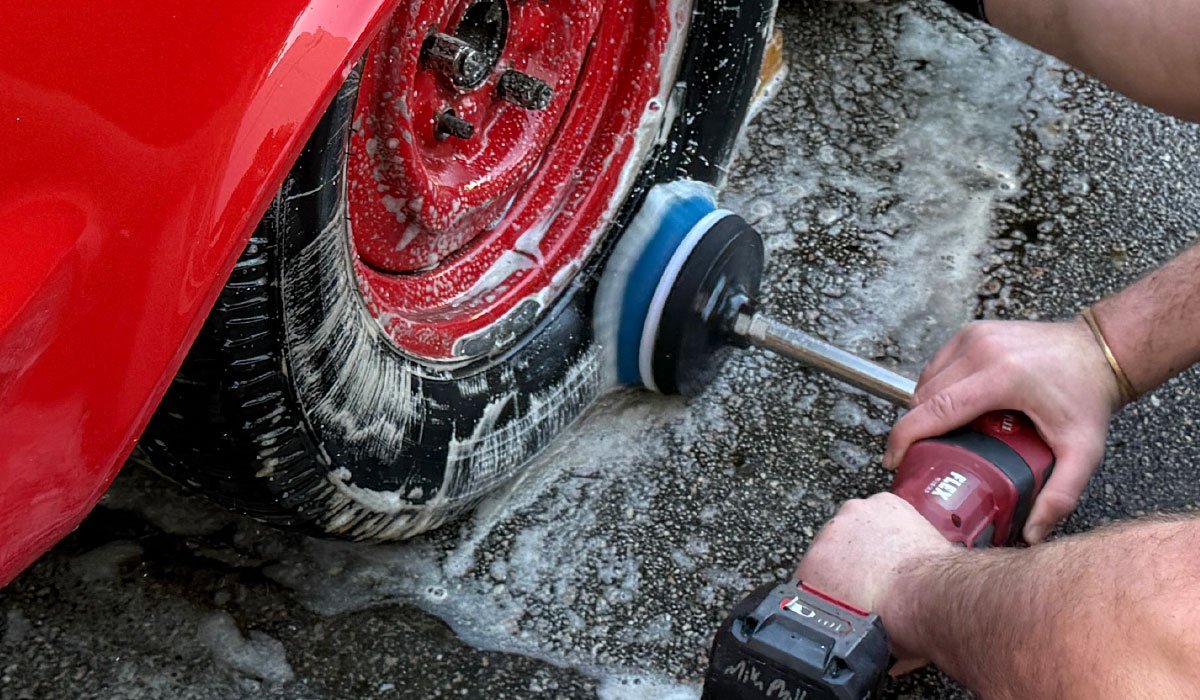
See the tire cleaning foam turning white? That's also by design.

full


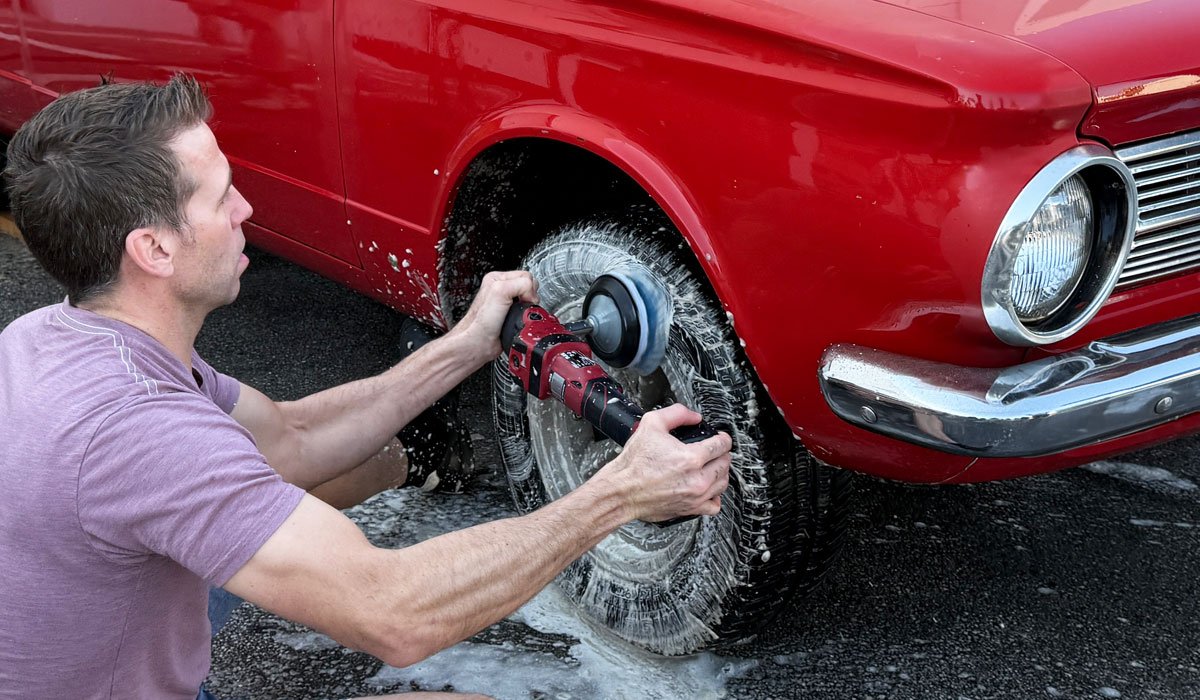
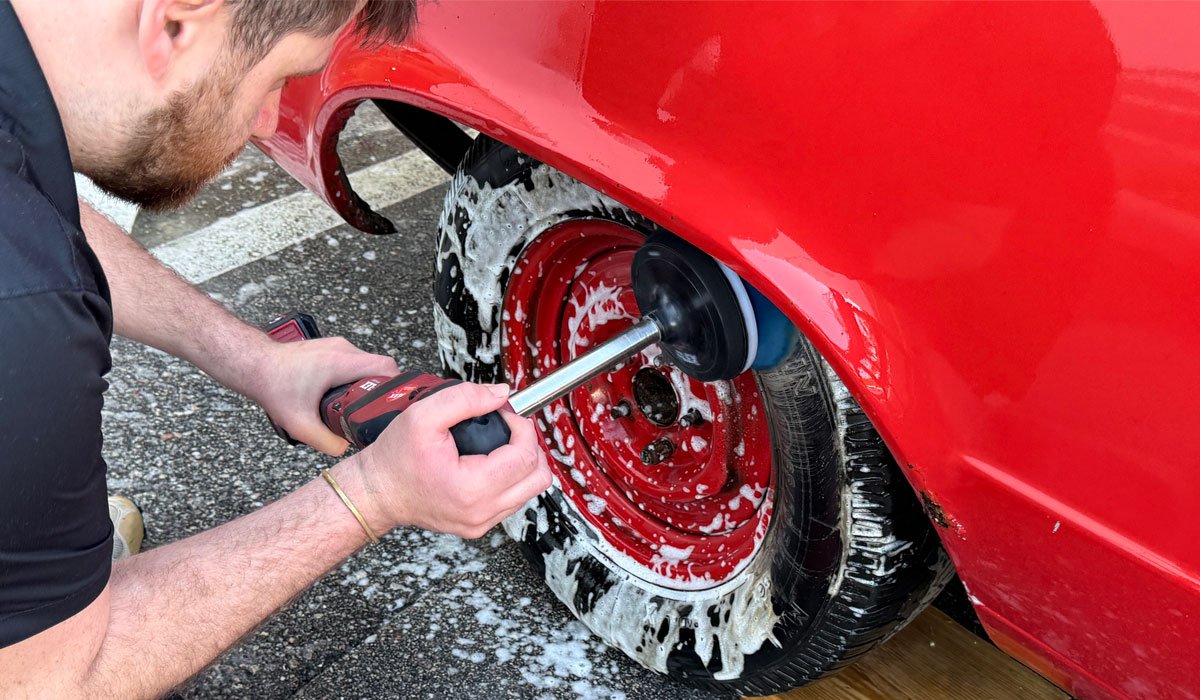
Here's Nic machine scrubbing tires

full


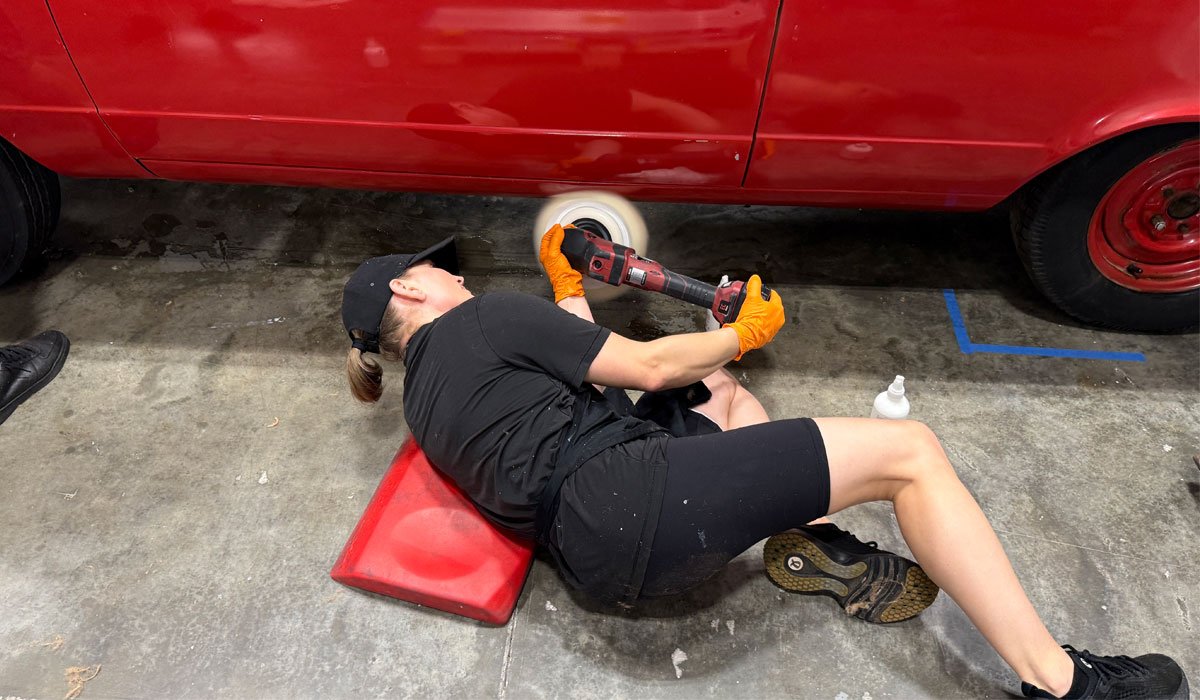
Rotary Polisher Extensions
This picture tells the whole story as to why I put extensions on rotary polishers. The extension moves the body of the polisher away from the tire and this enables you to PUSH the spinning brush bristles against the flat spot on the tire to get it as clean as all the other areas of the tire sidewall. Normally, we use 3" extensions, but one of my 3" extensions was missing, so Nic is using a 6" extension. Both sizes will do the same thing, but you have more control over the polisher with the shorter 3" extension.

full


See it?

full


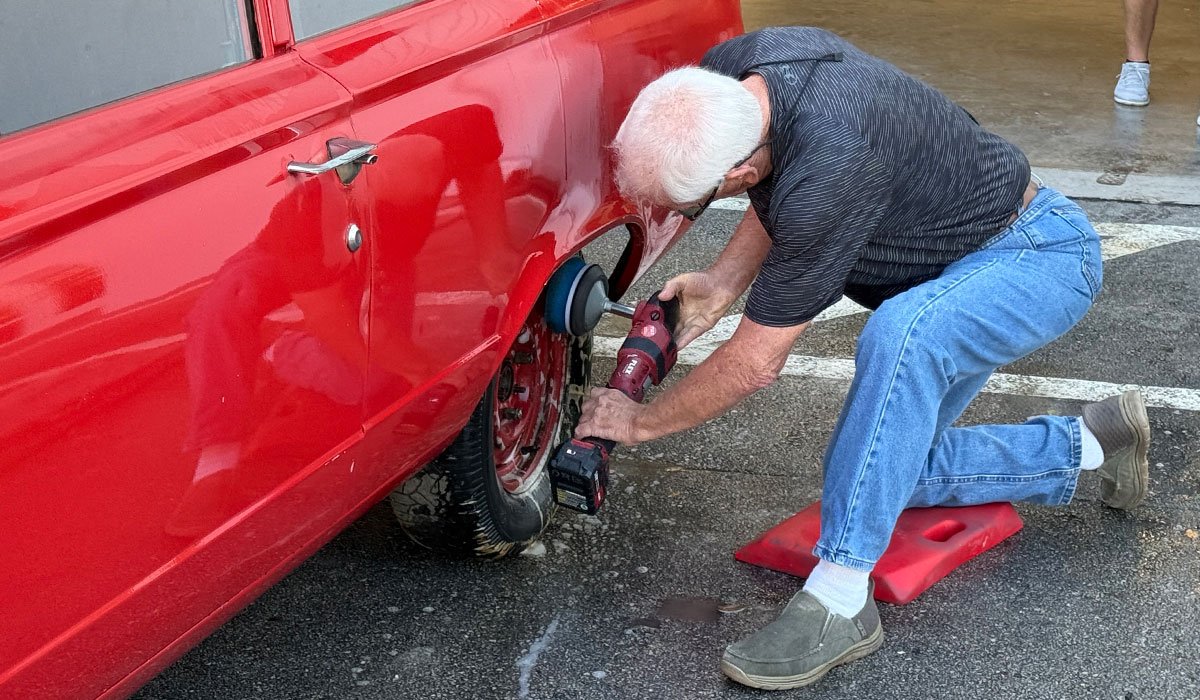
And sometimes, depending upon the body styling, the extension enables you to reach behind the fender to get the high side of the sidewall.

full


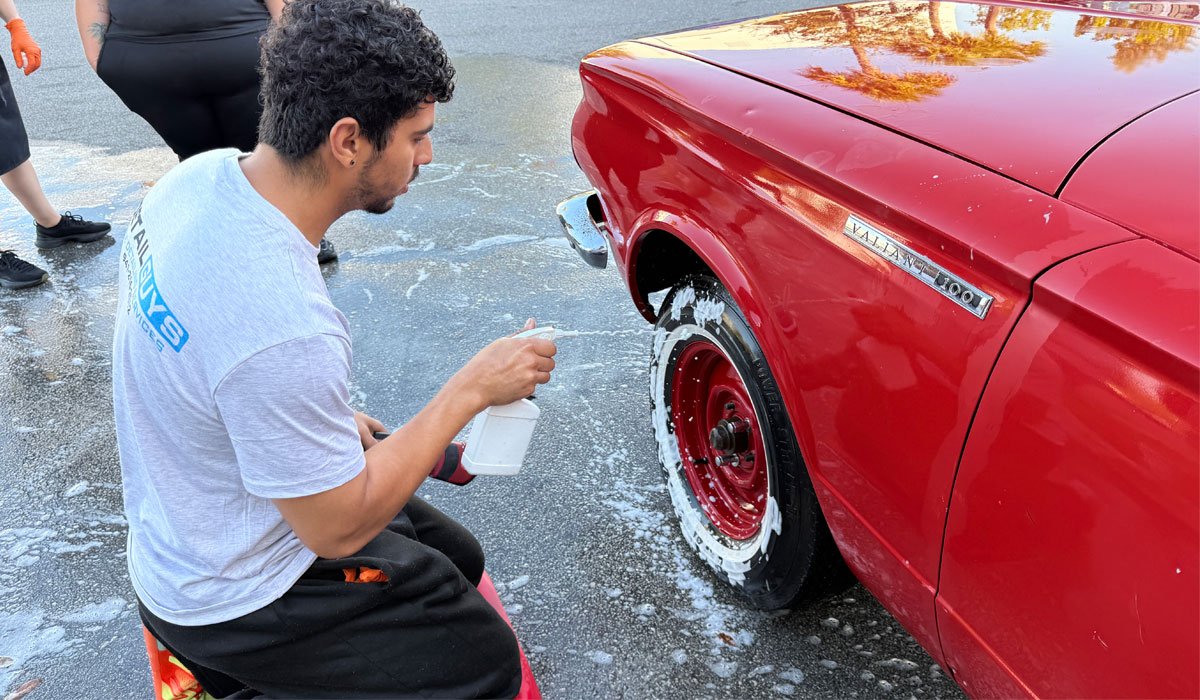
NEW! Dr. Beasley's Foaming Tire Cleaner
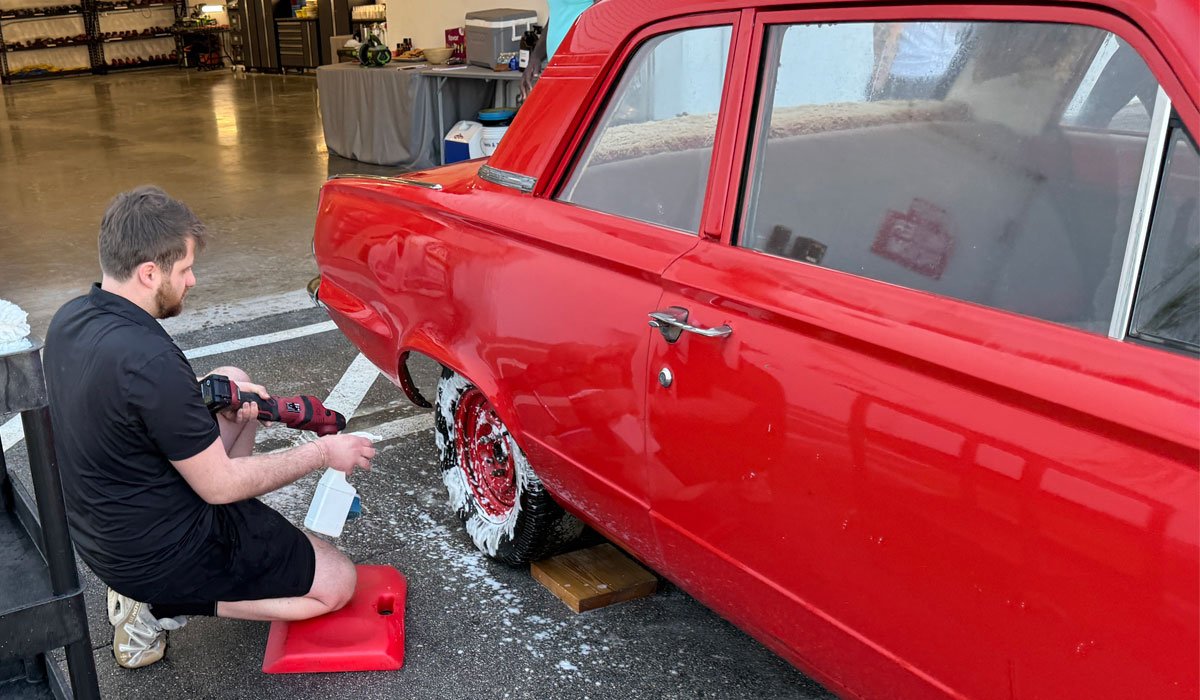
This new product is something we started working on the summer of 2025 and it will be launching in the April/May time frame along with our new Tire Coating. Here's Marcus spraying the new Foaming Tire Cleaner onto the tire sidewall.

full


full


Machine scrubbing tires gets them cleaner with less physical work on your part. You can also use a cordless drill with a brush attachment.

full


Here's Clarence tackling the driver's side rear tire. Note his cordless rotary has the correct, 3" extension.

full


Action Shots - Wet Wash Engine Detail
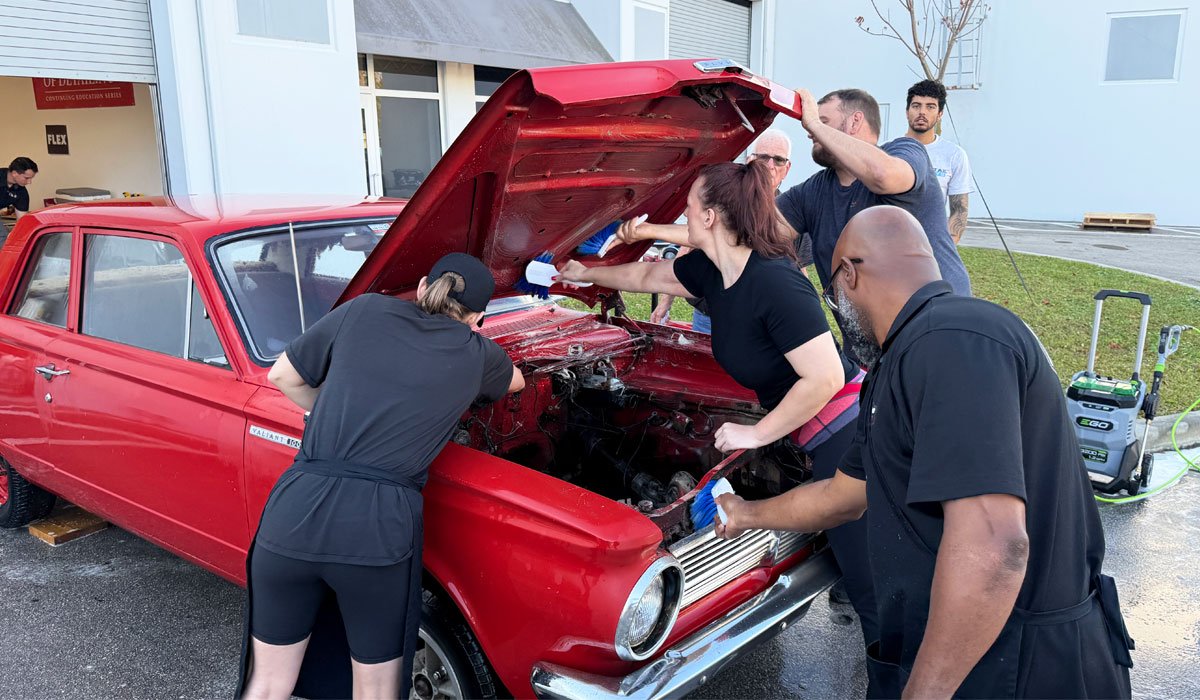
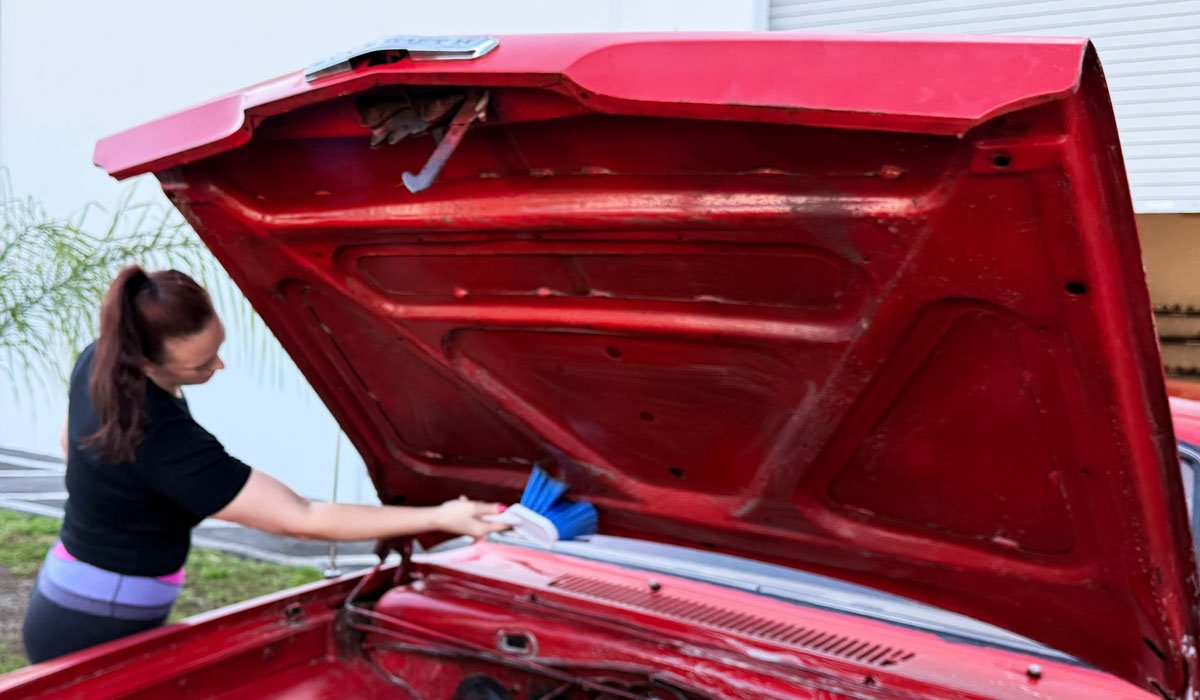
This car arrived without an engine and transmission, so while there wasn't an engine to clean, the engine compartment was just as dirty as the outside of the car. We used this Barn Find 1965 Plymouth Valiant to teach how to correctly do a Wet Wash Engine Detailer to build experience and confidence.

full


Thank you Brittany, and everyone else for all the focused attention to details this early in the morning.

full


EGO Cordless Pressure Washer
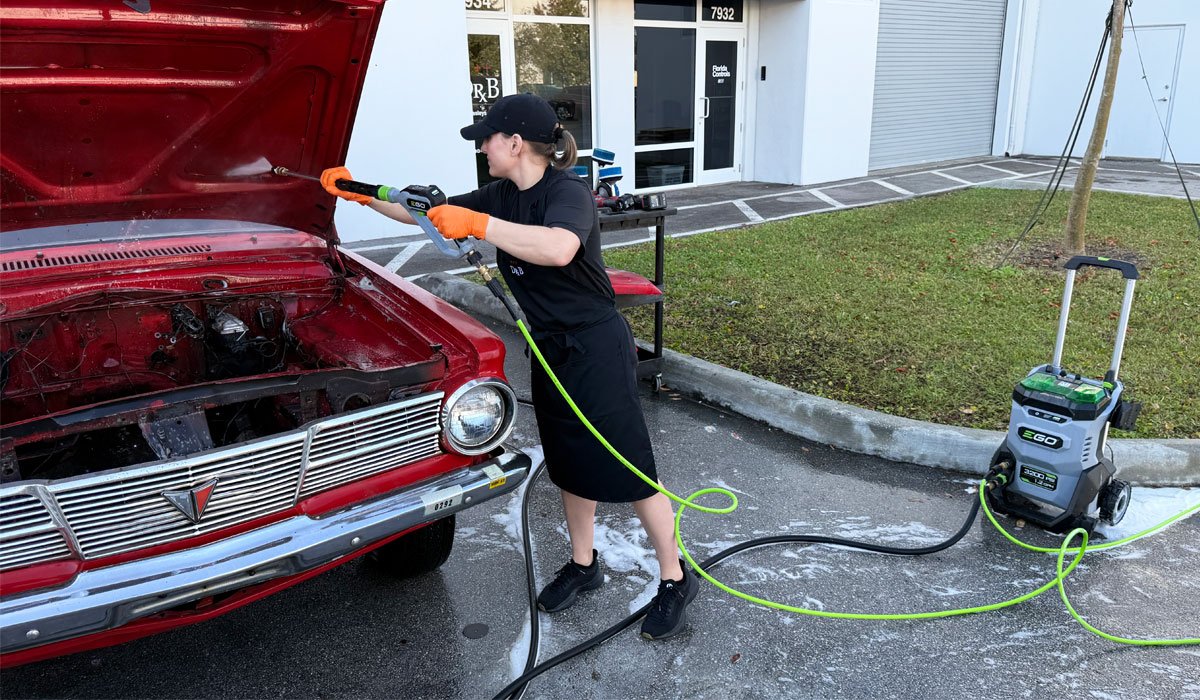
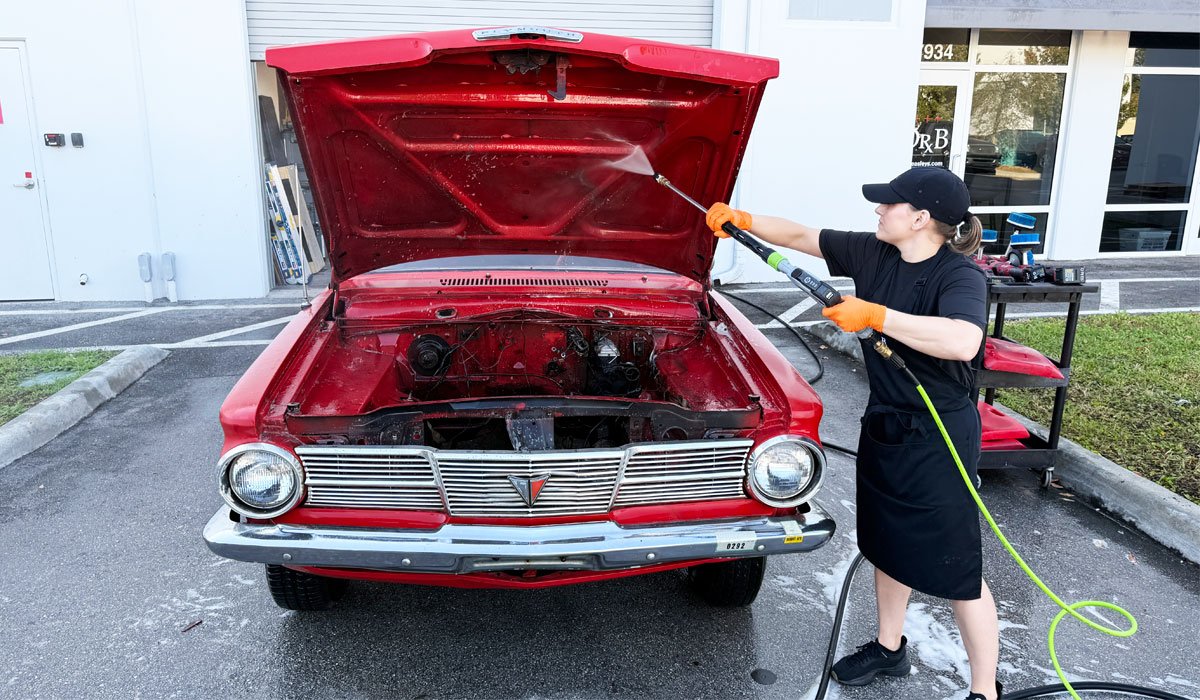
After a thorough scrubbing, Julia rinses down the hood and engine compartment using the EGO Cordless Pressure Washer.

full


full


Here's my full video review for the EGO Pressure Washer


And here's the matching blog article with tons of detailed information and lots of pictures.

EGO Power+ 3200 PSI Pressure Washer | Complete Review & Guide

full


Mike
 
Last edited:
More...


AFTER Results - The Comet Wash Technique

Check out the dramatic transformation to the paint, glass and chrome, and we haven't started buffing yet!

full


full


full


full


full


full


full


full


full


full


IMPORTANT - Using Comet (or any product like Comet) is ONLY for old cars with old chalky, oxidized SINGLE STAGE PAINT.

Never use the Comet Technique on any car with a modern basecoat/clearcoat paint job.


Next up,

Learning the way of the rotary polisher...


Mike
 
Last edited:
More...

First Tool. First Day. First thing in the morning - the Rotary Polisher
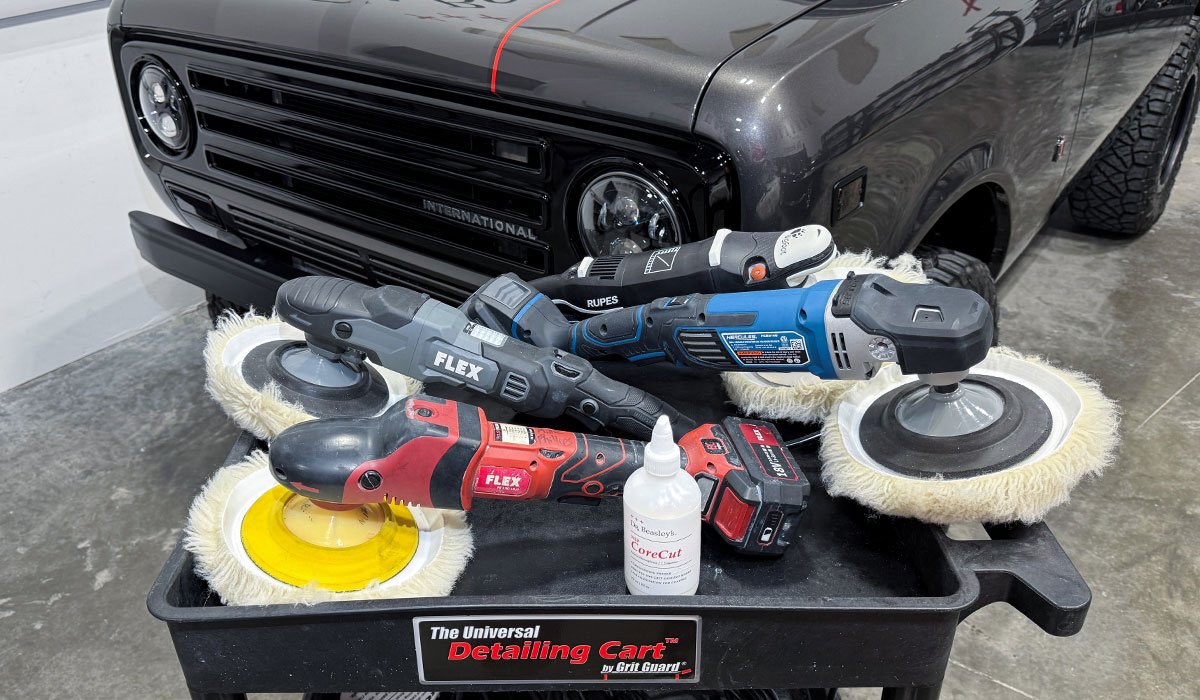
We have over 40 rotary polishers in our Stuart training center, all the 12 gauge power cords to power them up and the electrical supply to never throw a breaker even with 20 rotary pushing hard. We also have 40+ orbital polishers, all makes and models for you to use. This way, you can try before you buy any tool you're interested in or have seen on social media and then make up your own mind which tools are best for you and your style. And "NO" we don't sell tools, so there's never any pressure to use one type or ne brand over the other.

full


There's an old saying that goes like this,

Use the right tool for the job

Sometimes, in the car detailing world, the right tool for the job is the rotary polisher. When people take any class I'm teaching, when they leave and go back to their world, I want them to possess,

1: Know when to use a rotary polisher.
2: Know how to use a rotary polisher.
3: Feel comfortable using the rotary polisher.
4: Have confidence when using the rotary polisher.


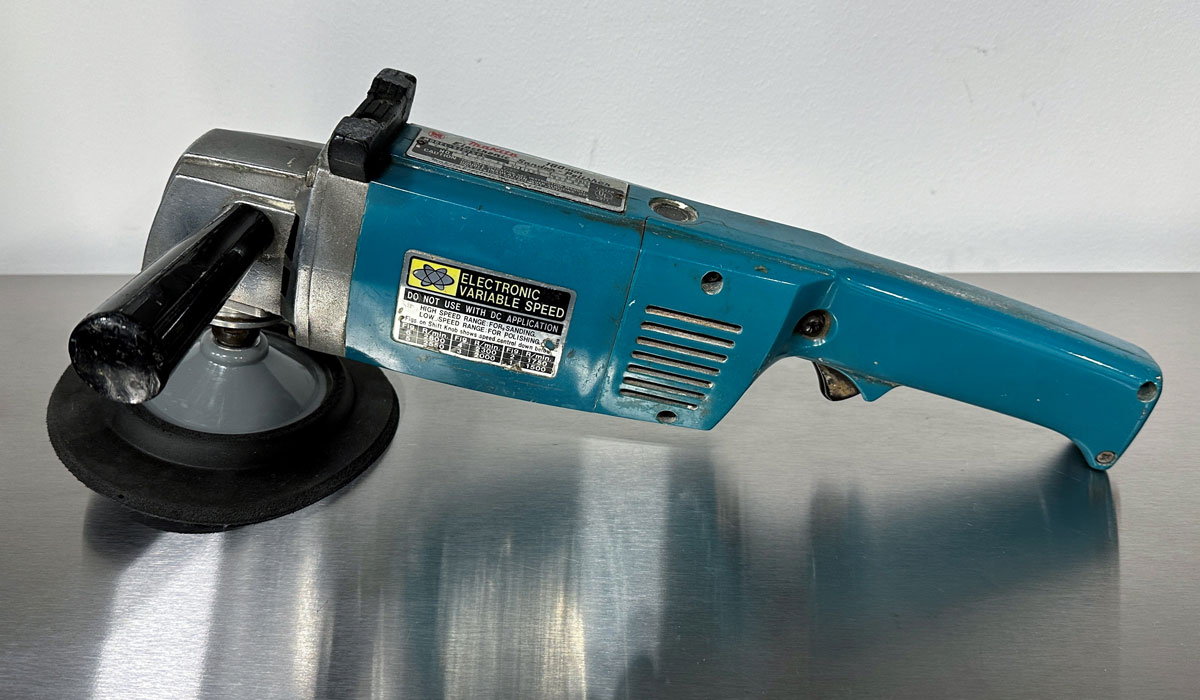
1988 Makita Model 9207 SPC Variable Speed Rotary Polisher

full


This is my first rotary polisher that I purchased in 1988. This was the first VARIABLE speed rotary polisher so in its day, it was King of Rotary Polishers. I cannot count how many cars I've buffed out with this rotary, but I used it until the gears in the head of the polisher were completely wore out. I keep it around and show everyone that takes a class I'm teaching and say,

If you're going to learn how to use a rotary polisher, it's a good idea to learn from someone that's actually used one - a lot.


I can't make you an expert in a single day
But I will give you a SOLID FOUNDATION that you can build on moving forward after the class.


A MUST HAVE skill if you're going to wetsand entire cars
I see all the detailing personalities sharing their opinions on removing sanding scratches using some kind of ORBITAL polishers.

Question: Can you use an orbital polisher to remove sanding marks after wetsanding an entire car.
Answer: Yes - but it's going to take you a much longer time to get the job done as compared to using a rotary polisher.


So use whatever tool you like and follow your choice of detailing personality, but here in the real-world, If you're going to sand down an entire car, you need to be proficient with a rotary polisher with a LARGE WOOL PAD to make quick work of removing 100% of the sanding marks out of the paint. And that is my criteria for myself and my classes - 100% sanding mark removal.

One reason we start the first day, first thing in the morning and the first car using the rotary polisher is because, the next day, in our Stuart classes, we sand down entire cars to remove orange peel and I need my class to,

1: Know when to use a rotary polisher.
2: Know how to use a rotary polisher.
3: Feel comfortable using the rotary polisher.
4: Have confidence when using the rotary polisher.


So I bring in cars in really bad shape and teach the class how to use one so when it comes the sanding car, they have a solid idea as to what to do. In other words, I can't have people LEARNING how to use a rotary polisher with a large wool pad to buff out the sanding marks on a custom paint job. I need them ready to go. So we start all our Stuart classes learning how to use a rotary polisher.


Rotary Polisher Techniques
Keep in mind, many of the people in this specific class have never used a rotary polisher. Out of all the different types of polishers, in my opinion and experience, the rotary polisher is the most difficult tool to learn how to use and master. That's two things by the way, not just one thing.

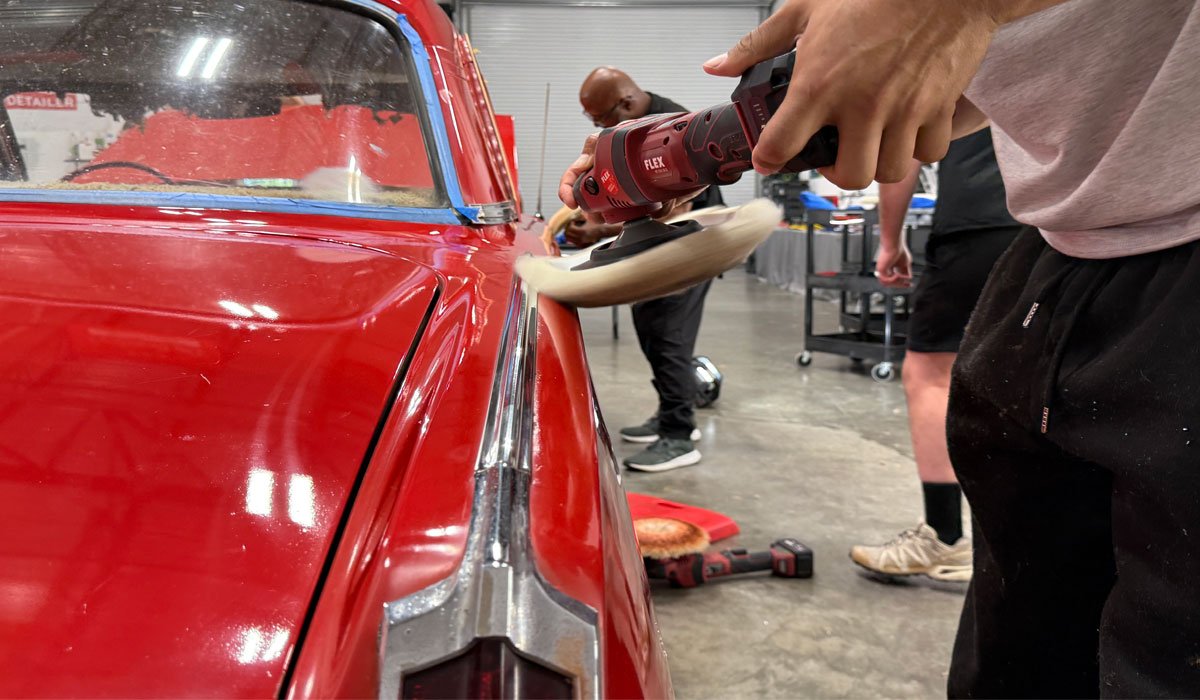
In the below pictures, I'm showing the class how to put a rotary polisher on edge to buff thin panels and intricate areas. NOT PICTURED are when I was showing a list of other techniques, including,

  1. How to center a pad on a backing plate - most important thing.
  2. How to use the 10@10 Technique to pick up a strip or bead of product, which is a great skill to have for horizontal panels
  3. How to apply product directly to the face of the pad to buff out vertical panels.
  4. How to buff with the pad flat to the surface.
  5. How to buff by tilting the polisher and going-up-on-edge
  6. How to buff off an edge
  7. How to use a spur to clean your pad as you work around a car.
  8. How to edge a panel with an 8" wool pad - of course, feel free to use tiny 1" pads on microtools. Me? I make the tool already in my hand do what I need it to do.

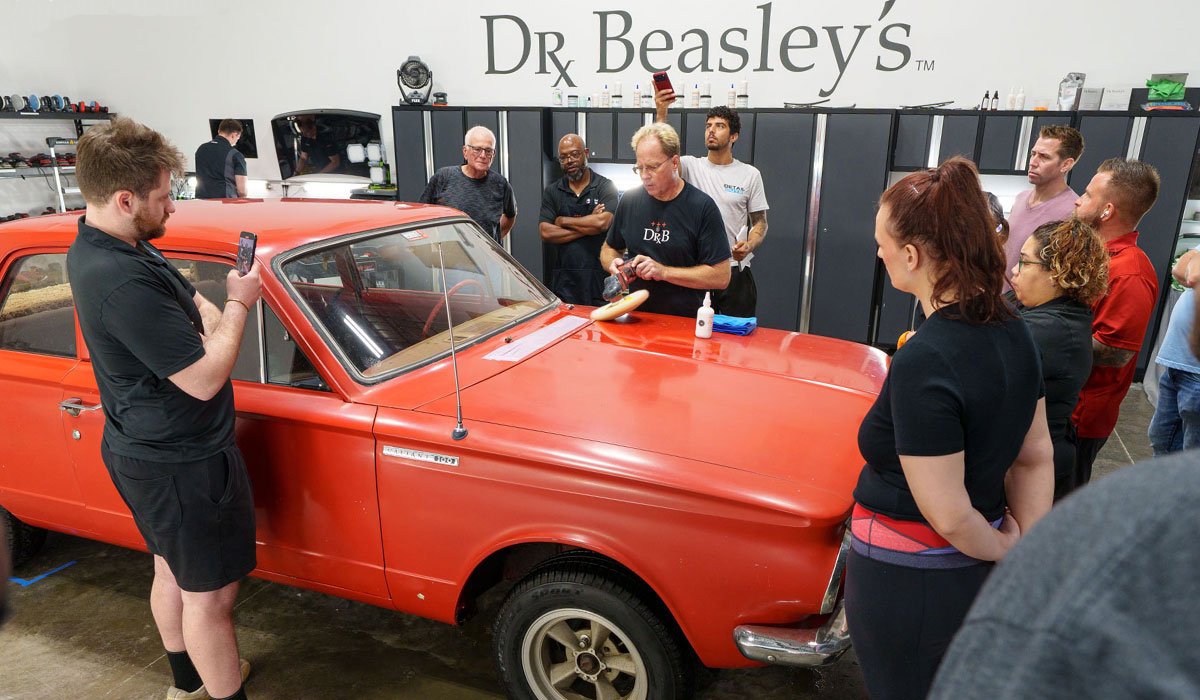
Let's get this Barn Find Party Started!
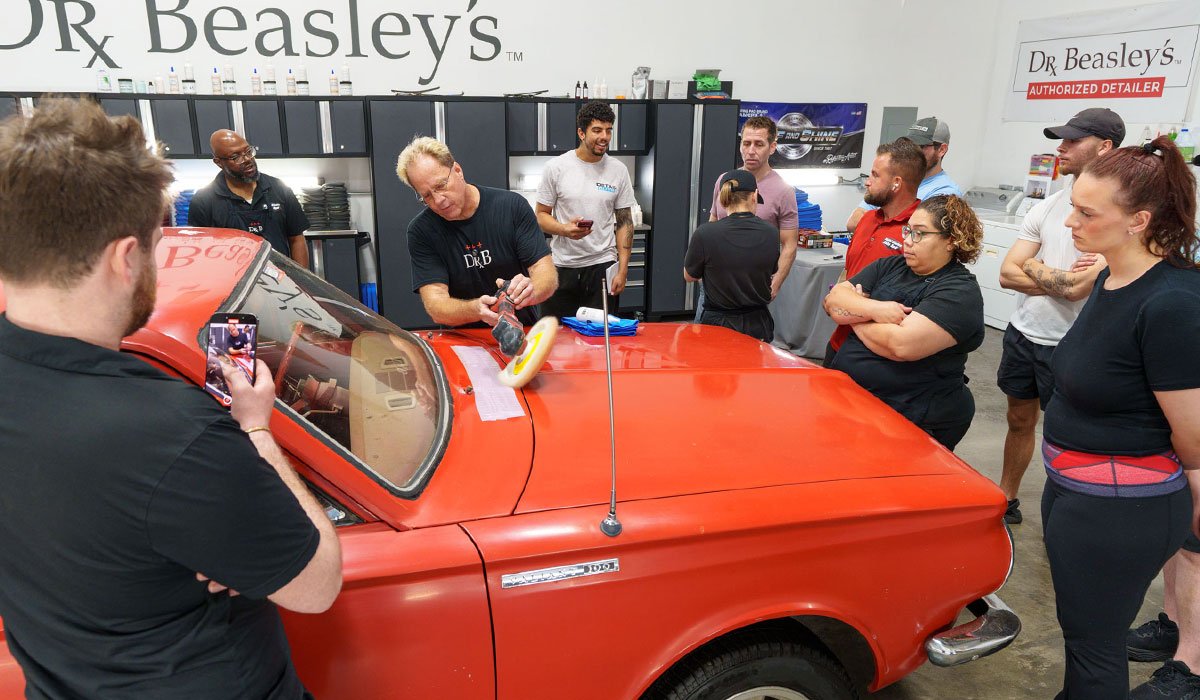
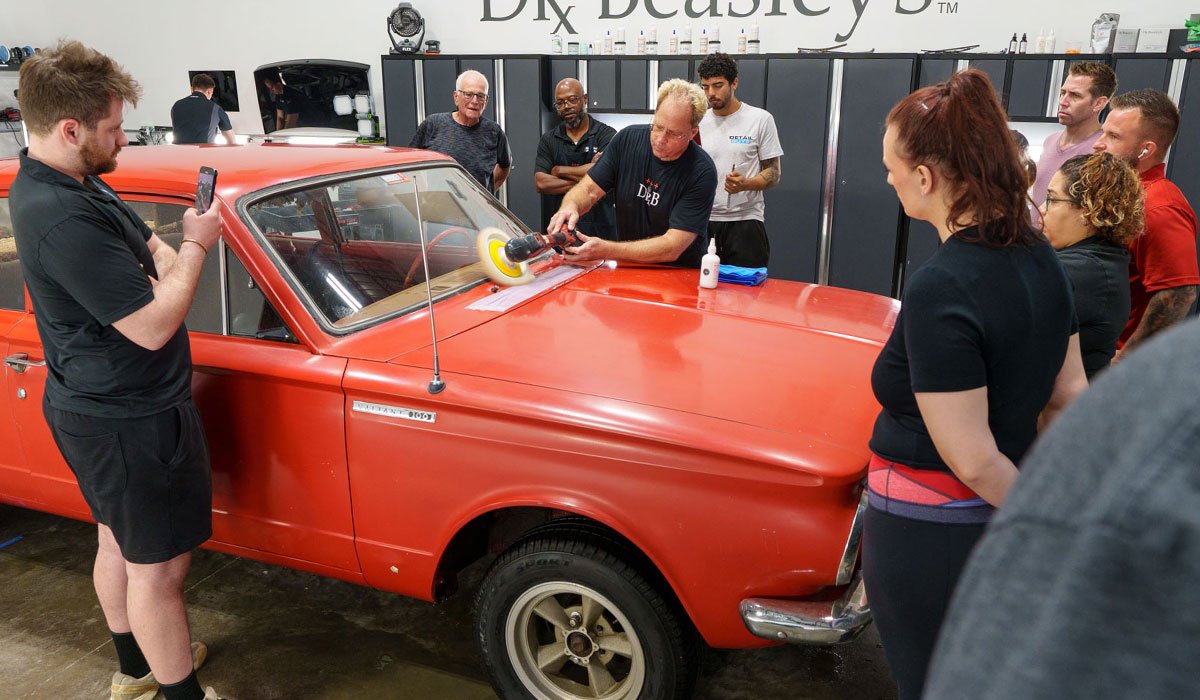
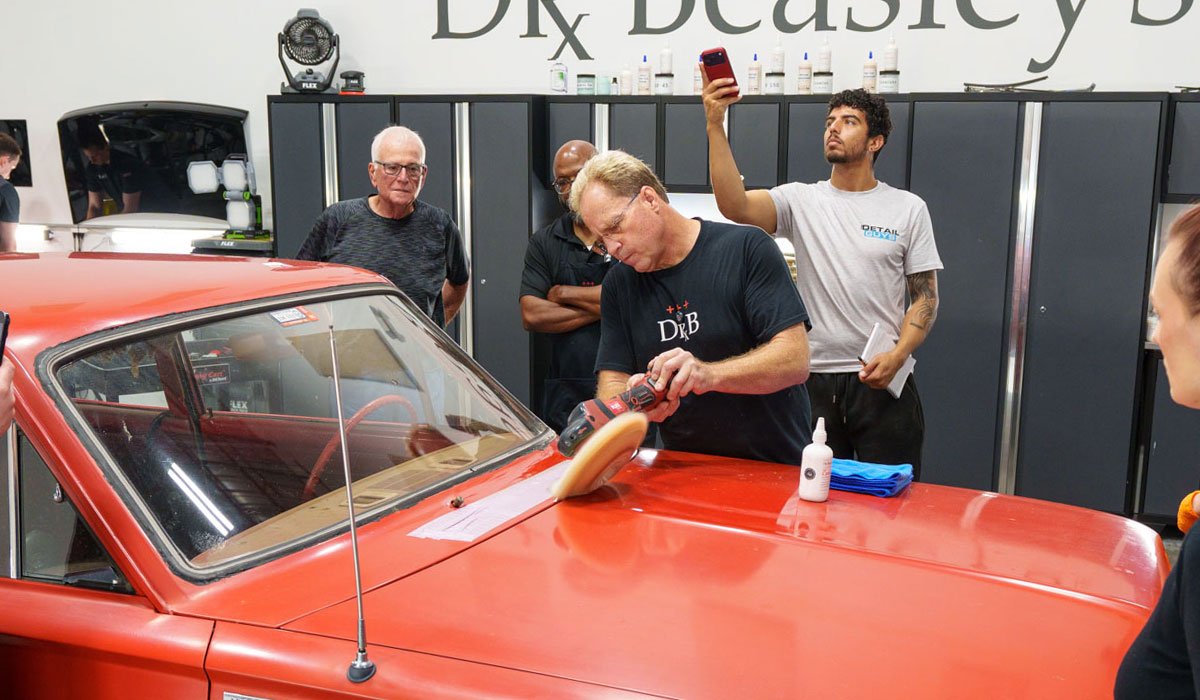
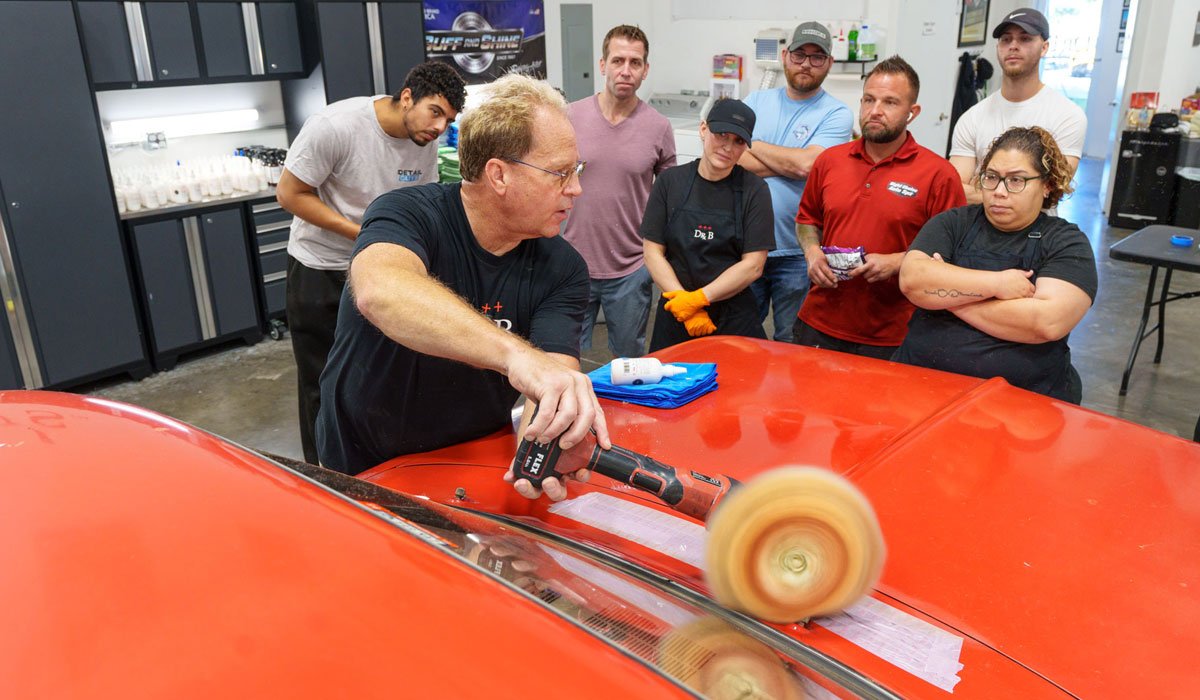
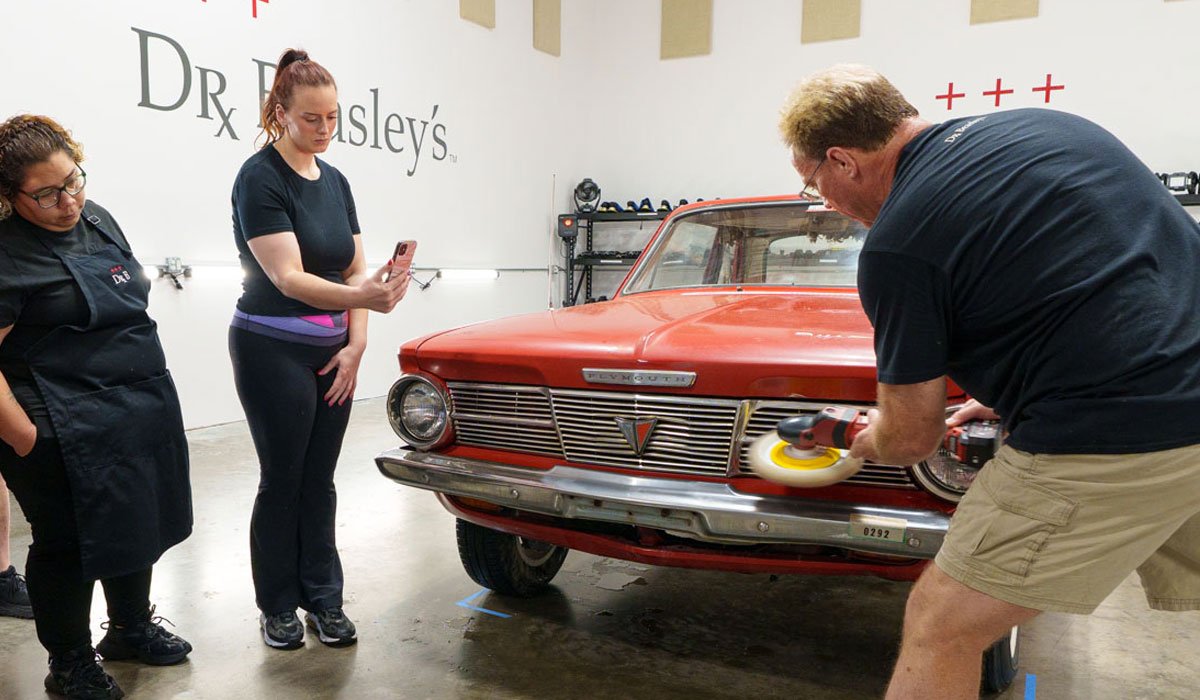
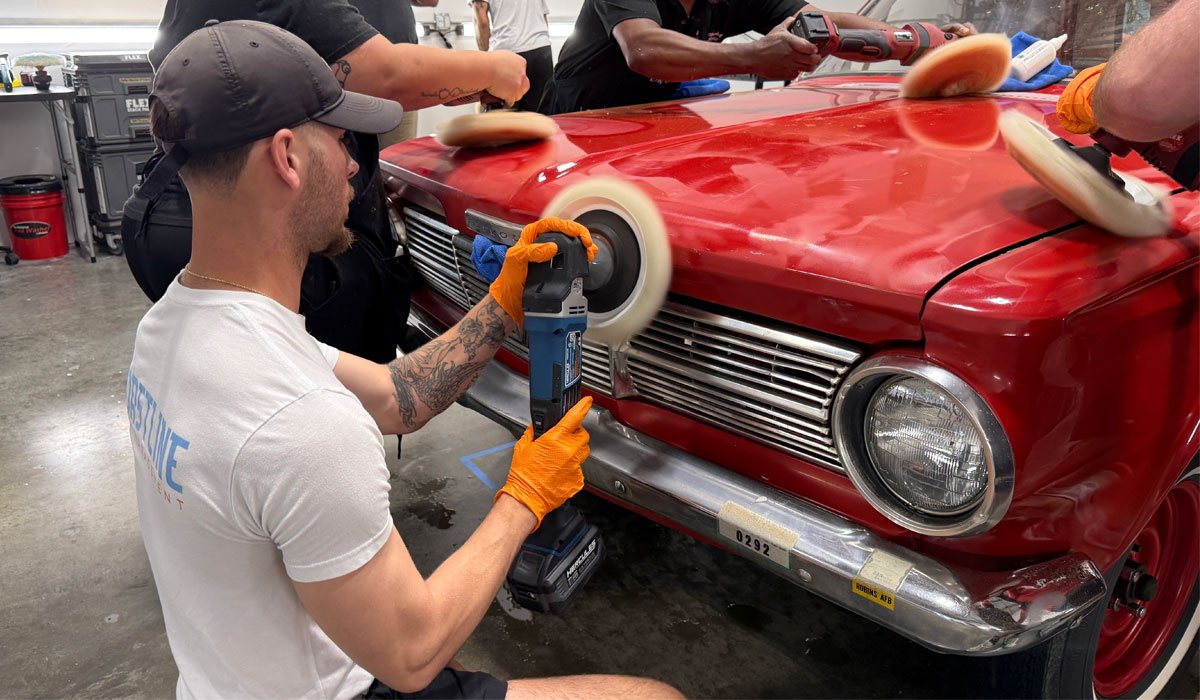
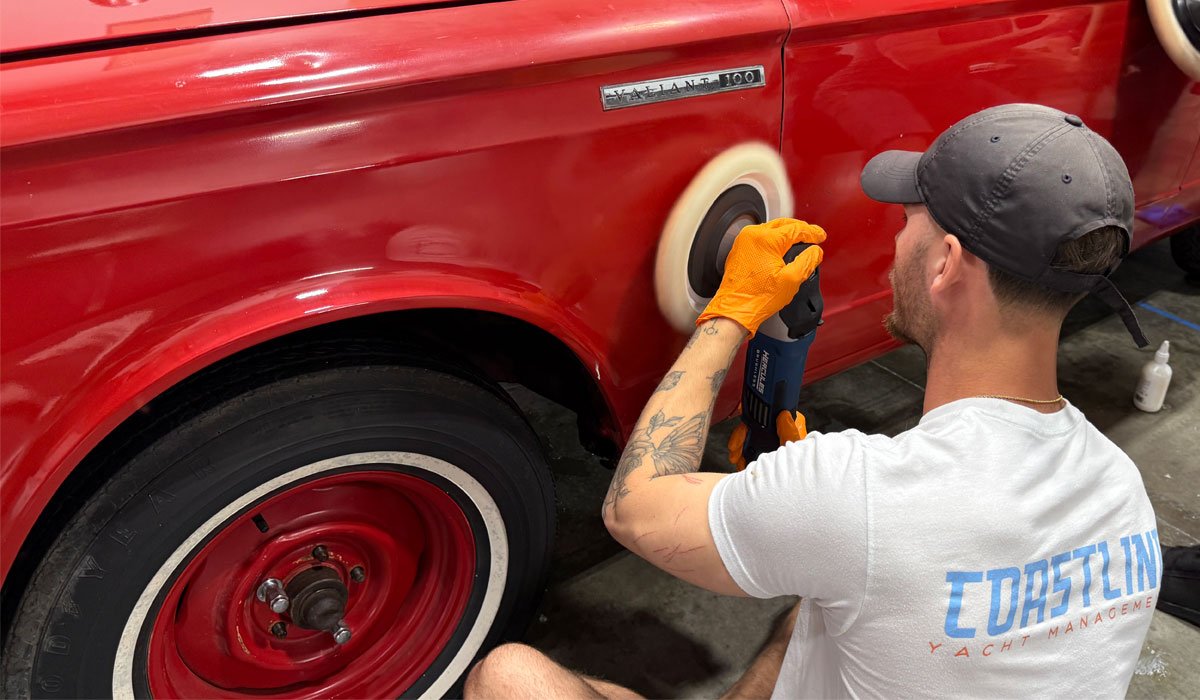
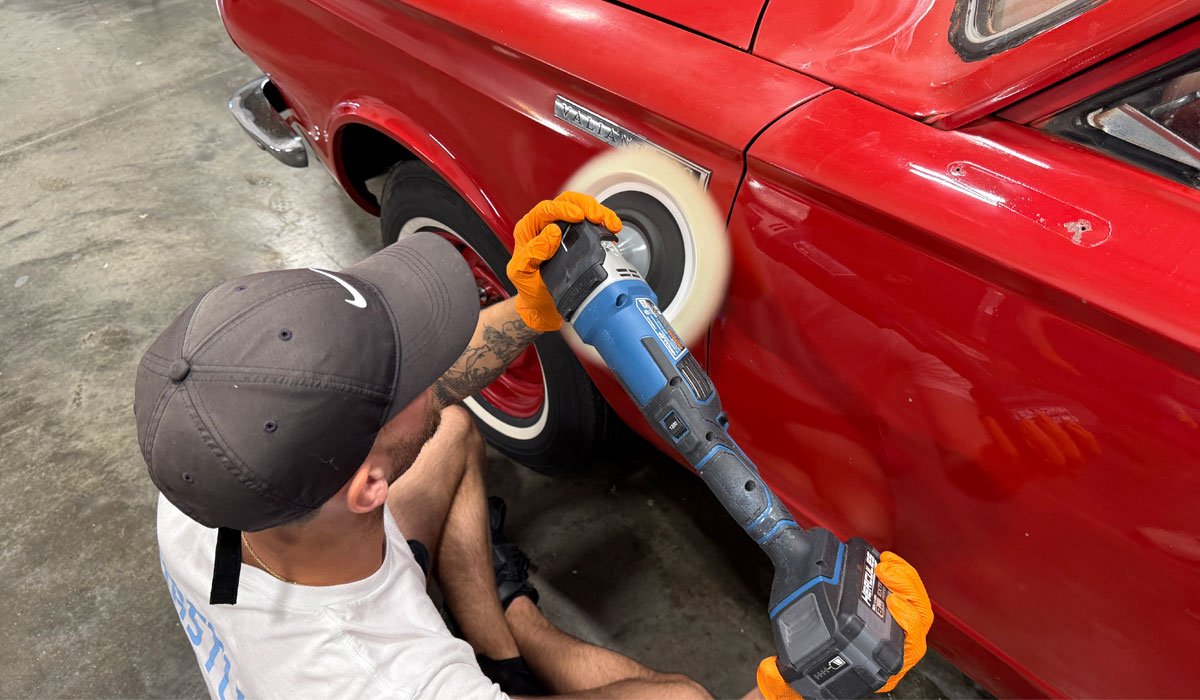
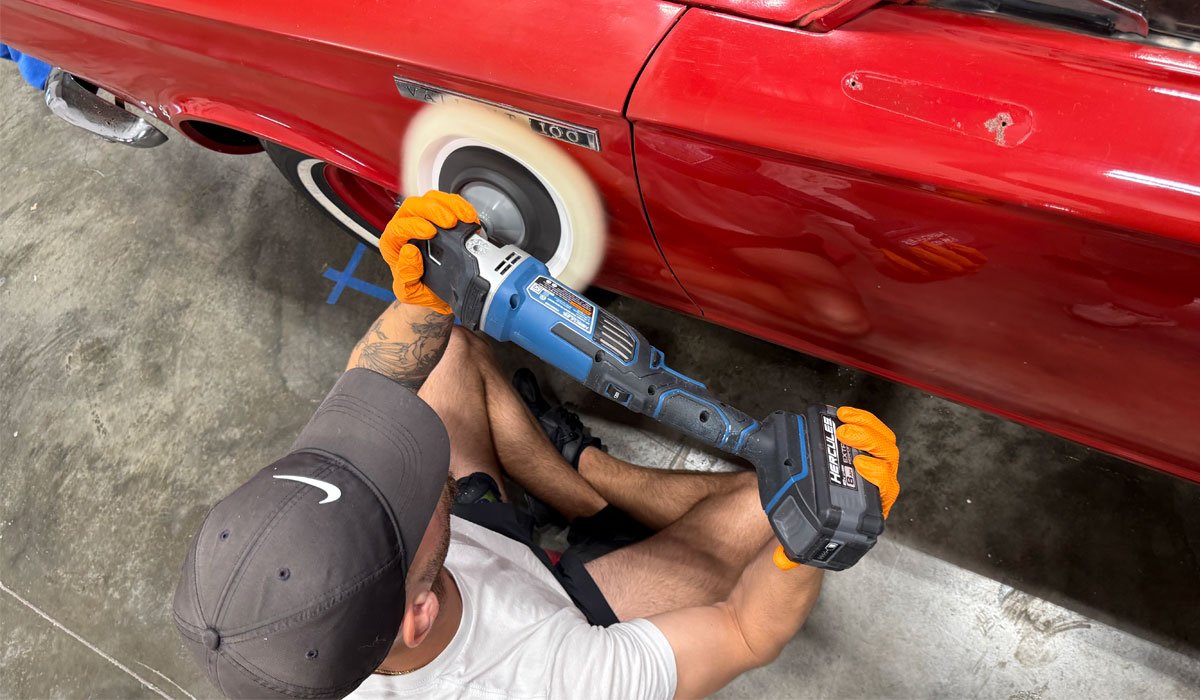
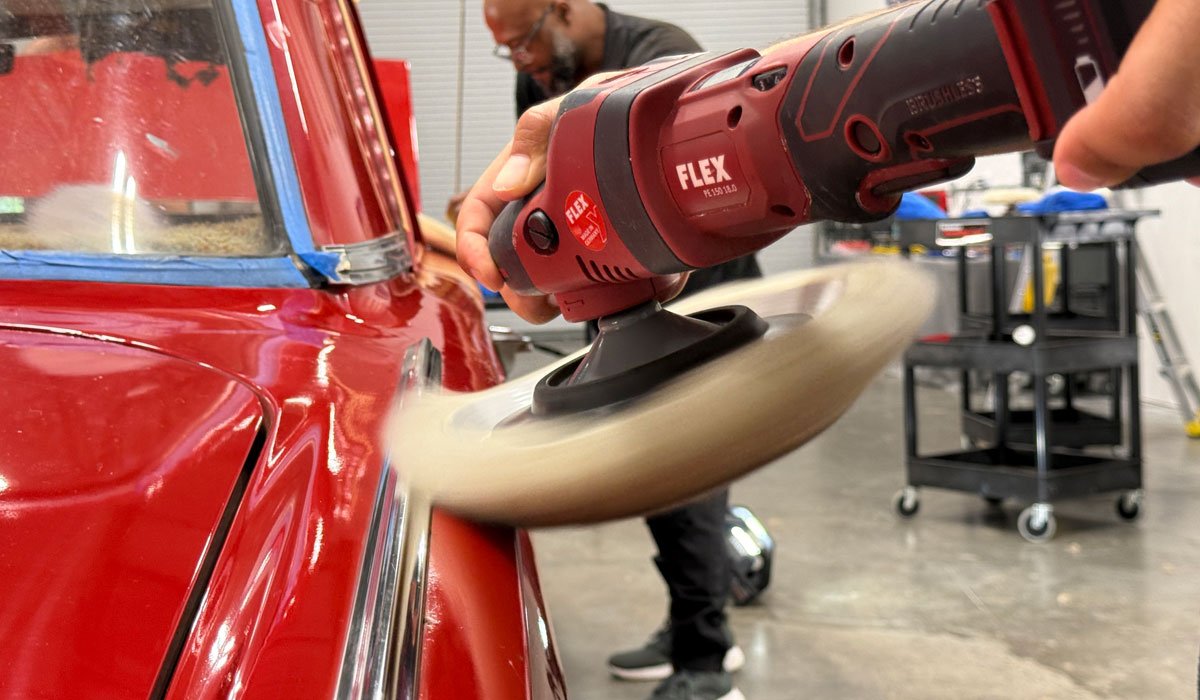
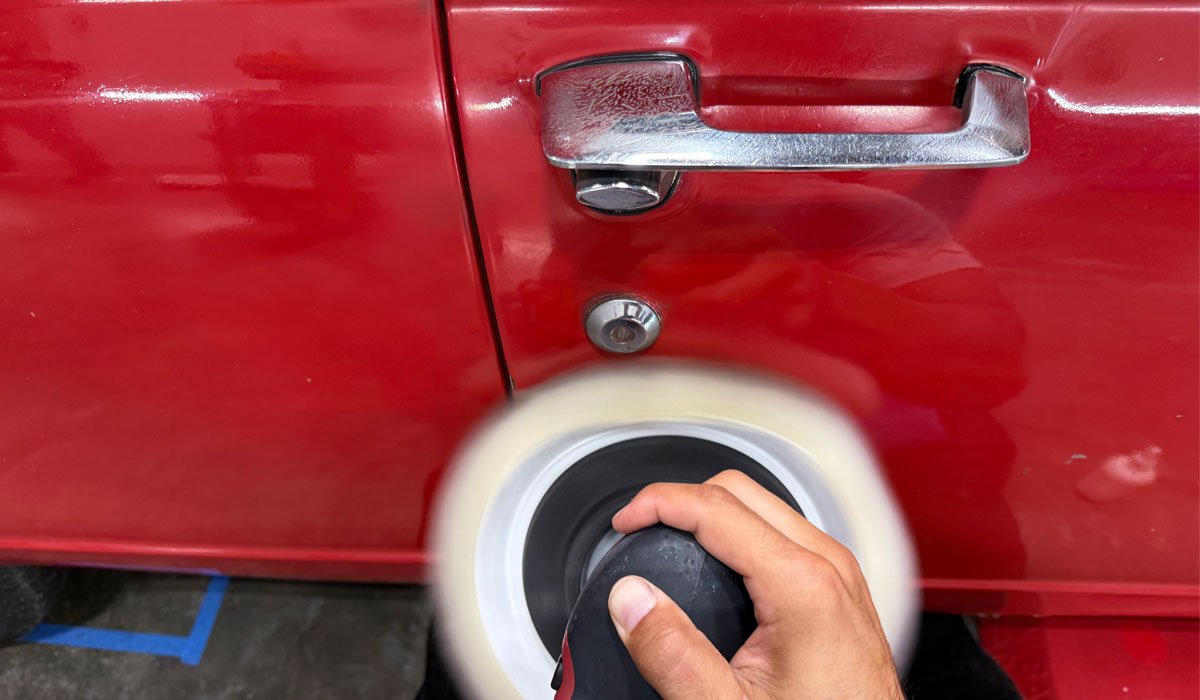
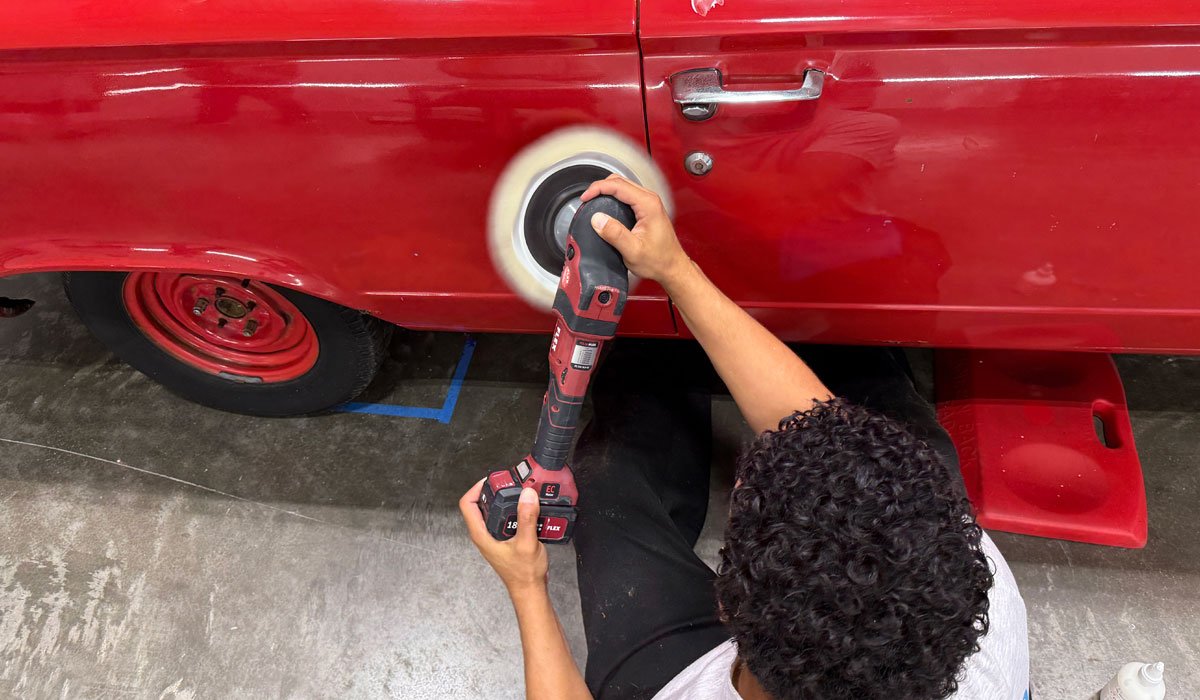
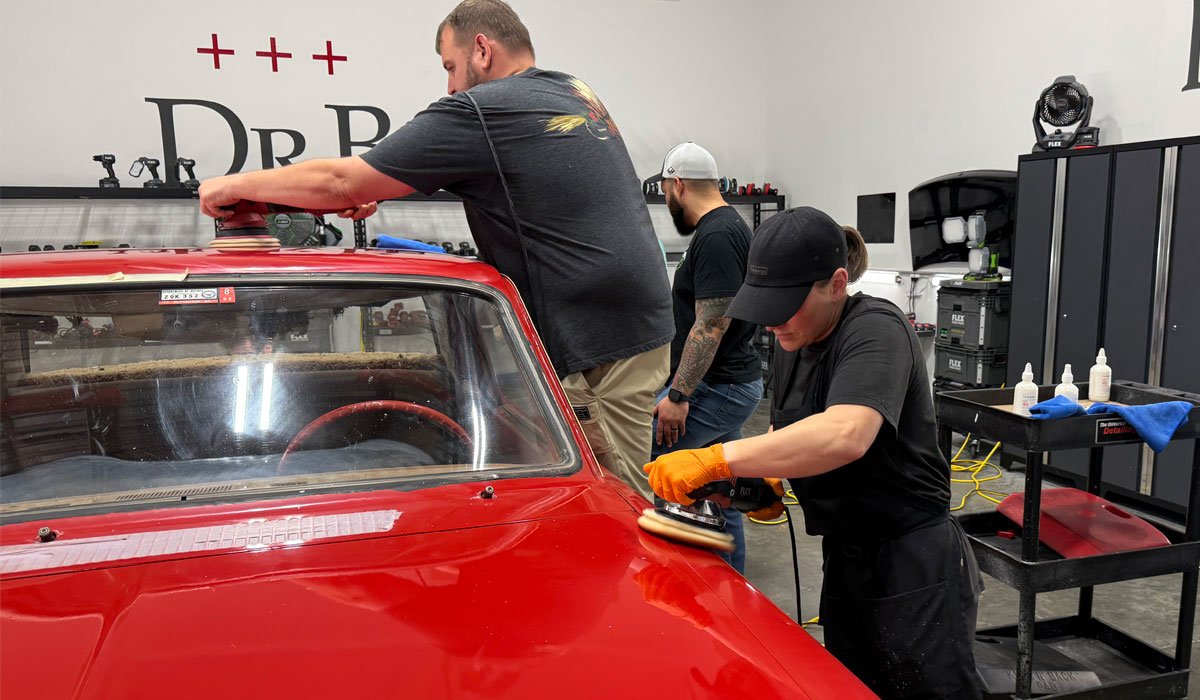
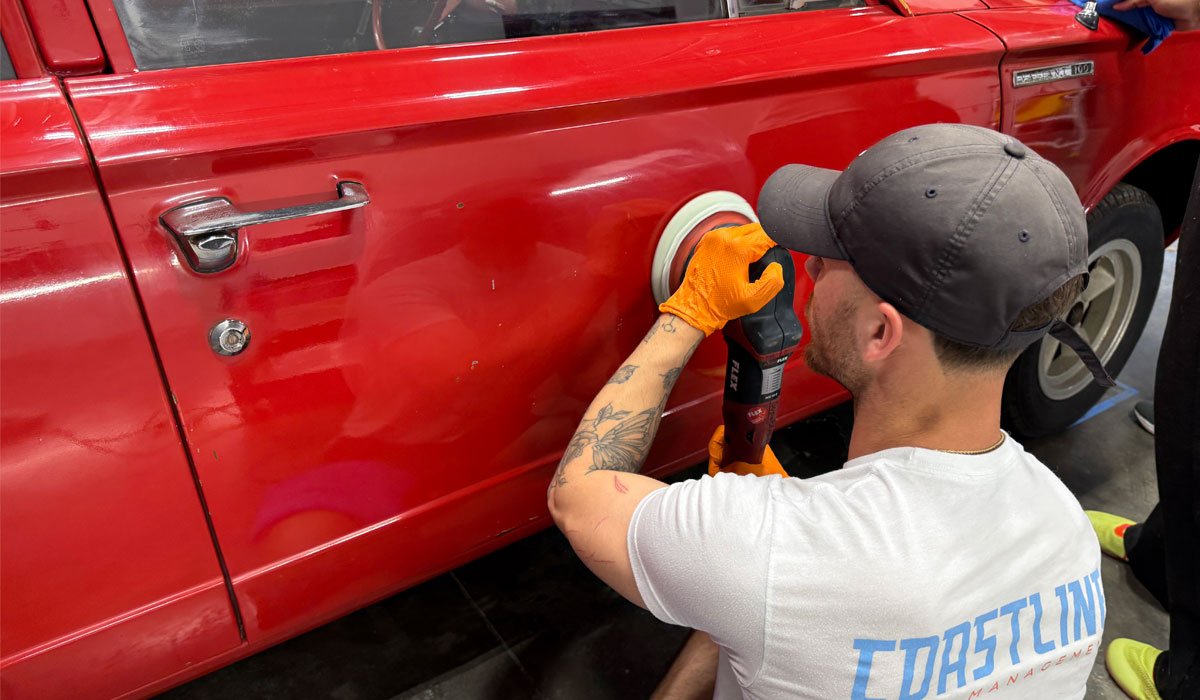
The first thing I like to teach is how to select the right speed setting and then use the speed setting lock button to lock the trigger in place. This enables you to place one hand on the head of the polisher and the other hand at the back of the polisher, which gives you the most leverage over the tool. Because I'm a huge fan of the cordless rotary polishers, I also show the class that besides providing you with the most leverage over the tool, by placing one of your hands at the back of the rotary polisher gripping the BATTERY - you then support the weight of the battery as you buff and this makes buffing a lot more comfortable on you plus the best control over the tool.

full


How To Buff Out Thin Panels
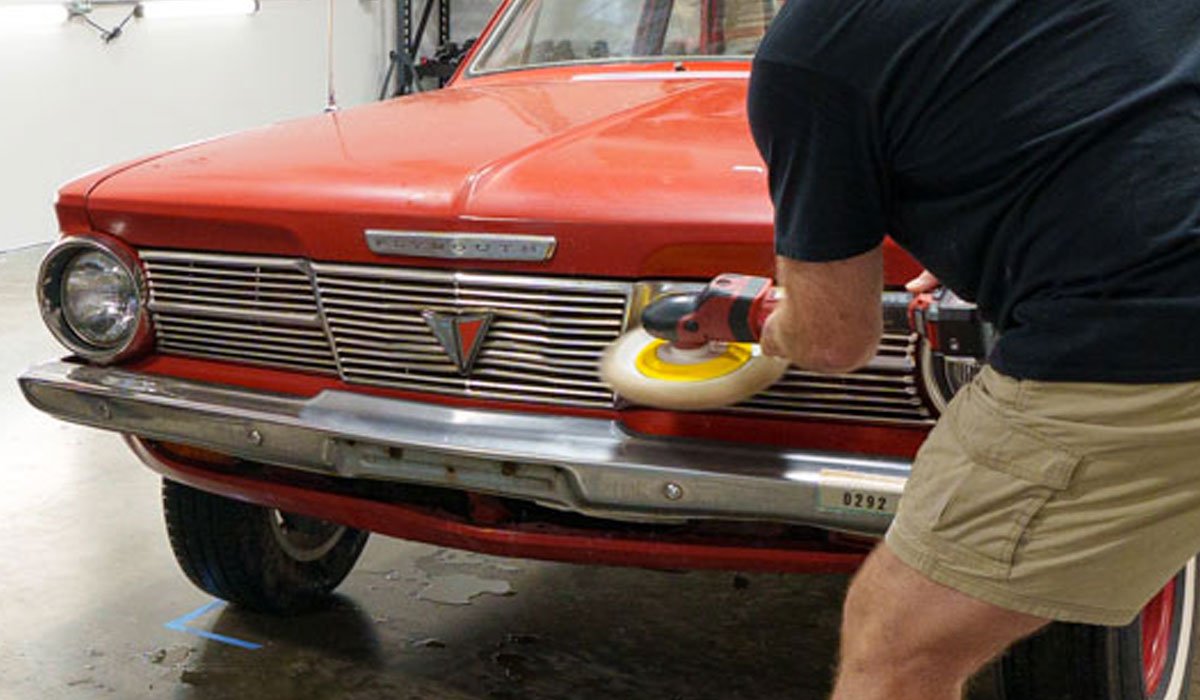
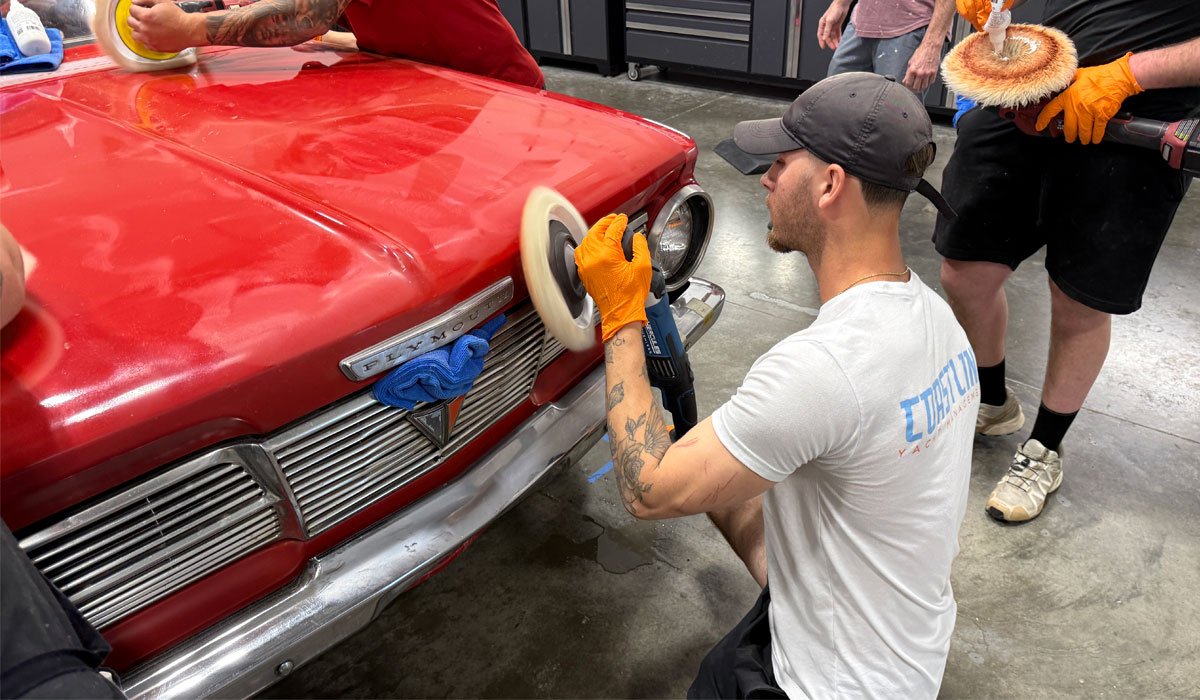
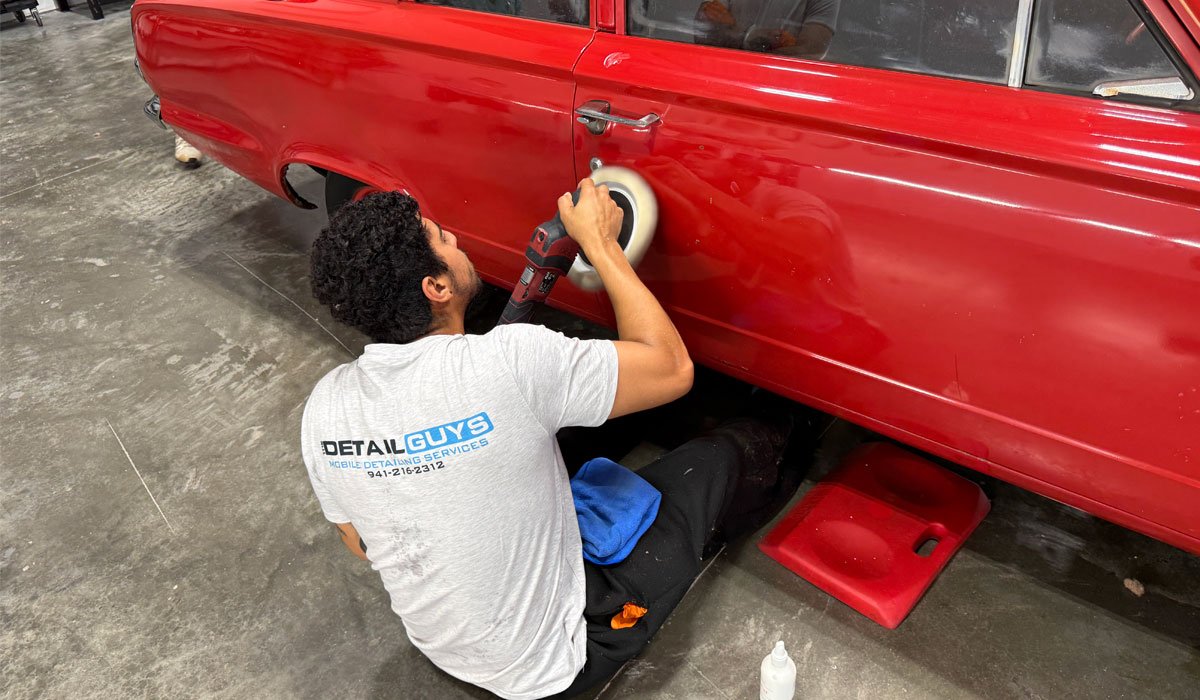
Buffing out the middle of the hood, a door or the roof is easy. Buffing out thin panels or intricate areas is a tick more tricky, so I simply share tips and techniques to make it both safe and easy on you.

full


full


full


full


You see me looking at a student answering a question, but at the same time I'm removing years of oxidation on the intricate shaped body panel that surrounds the threaded spline, where the wiper arms attach. I also shared the Dorman Windshield Wiper Arm Removal Tool to safely remove wiper arms off classic cars. These classes are literal brain dumps with 40+ years f buffing-out just about everything under the sun.

full


full


Fresh Air Grills - Classic Cars
And of course, after tackling the areas furthest away from me, next I hit the paint next to the tape that's protecting the fresh air grill. Later, I show how to buff out the fresh air grill so the paint on the ribs of the fresh air grill will be just as shiny as the rest of the paint.

full


Everything gets buffed on a Barn Find!
Sure the owner plans to replace the grill, but I shared how to buff out the oxidized aluminum grill, all the brightwork, like door handles and the chrome buffers. When it comes to a Barn Find, it's not like you can hurt anything, the car is already hurting.

full


full


Here's another one of my quotes,

If you spend enough time behind any tool you can make it dance on paint

This simply means what I said early, I can't make a newbie to the rotary polisher an expert in a one or even two day class. But I can provide a strong foundation for them to build on. Then if a person is so inclined, if they're willing to put the time in behind the polisher, well that's how you get good.


Mike

 
More...

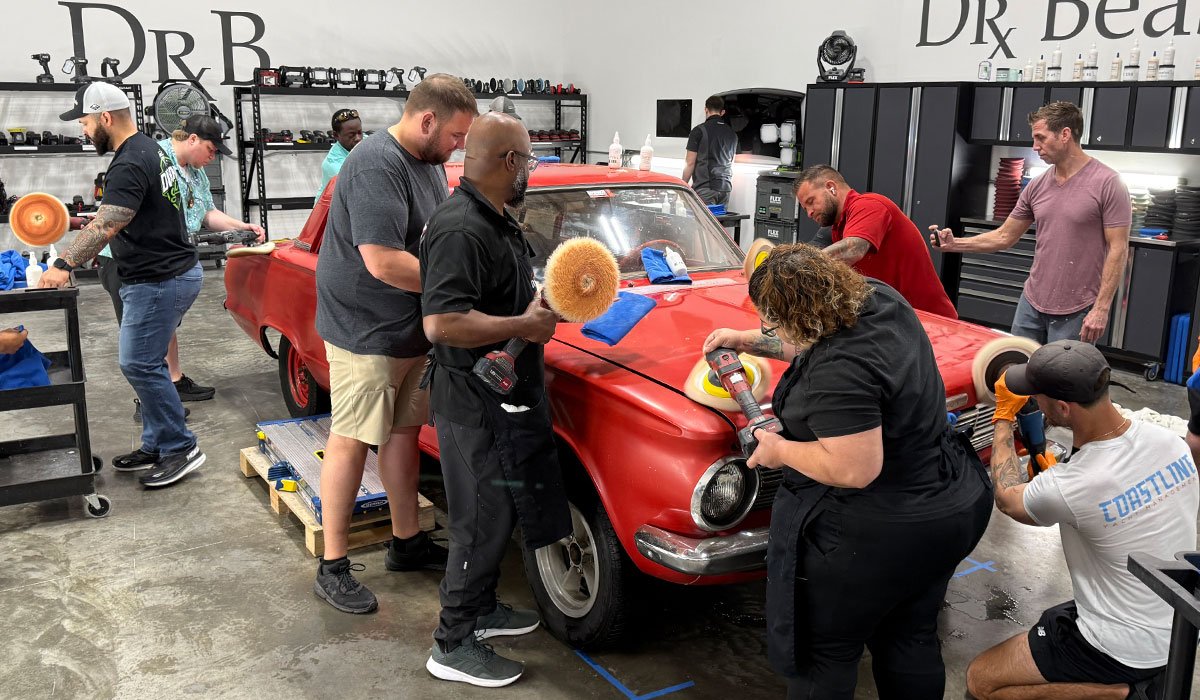
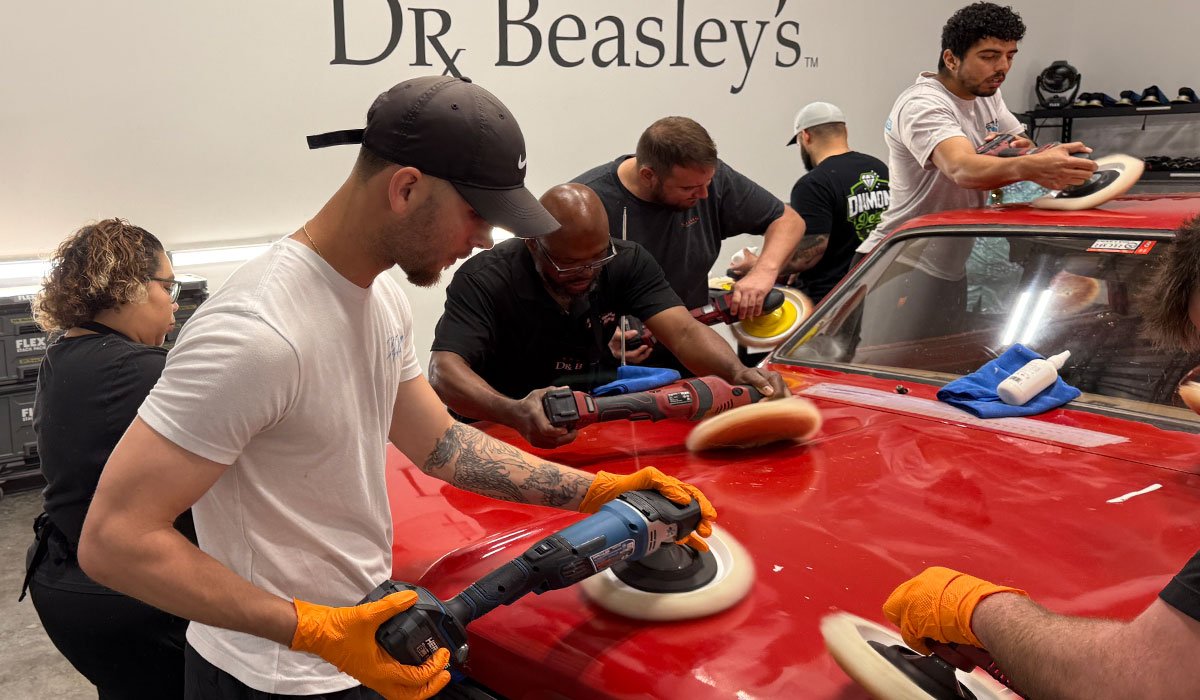
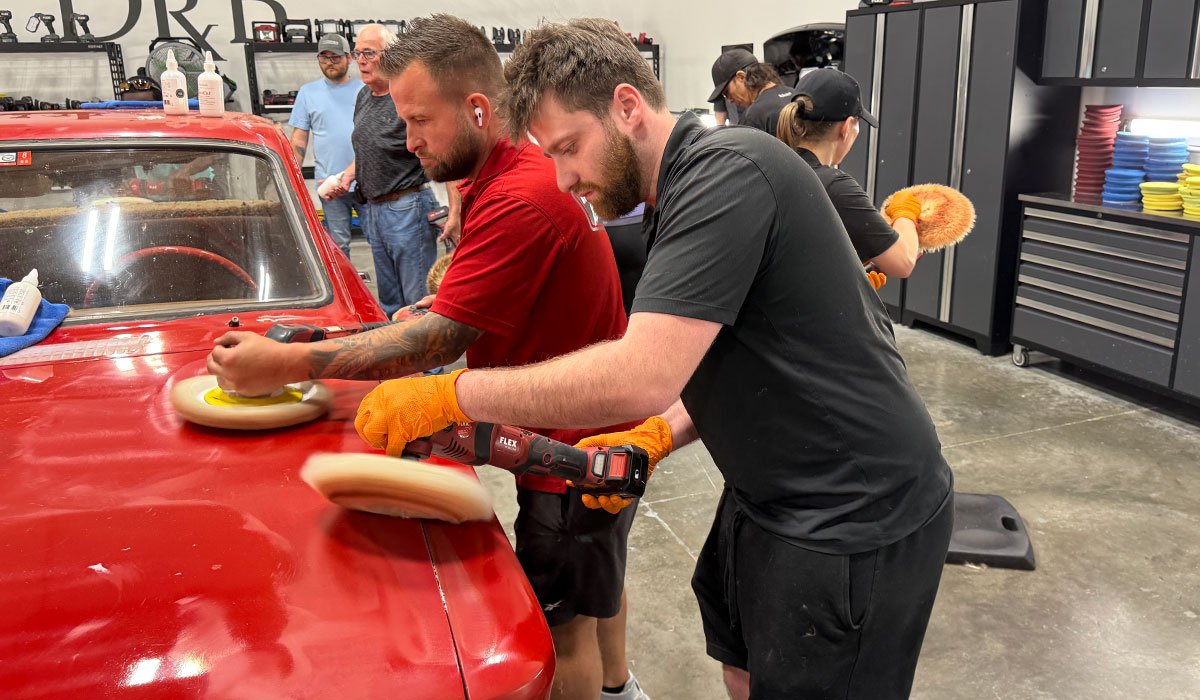
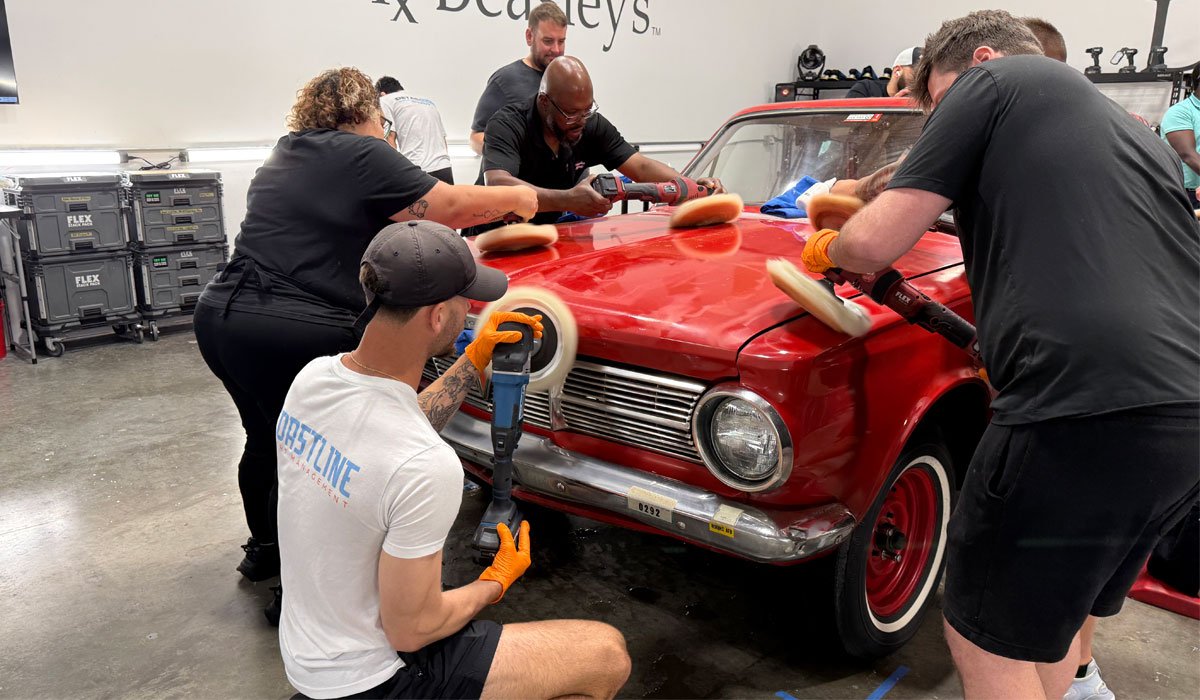
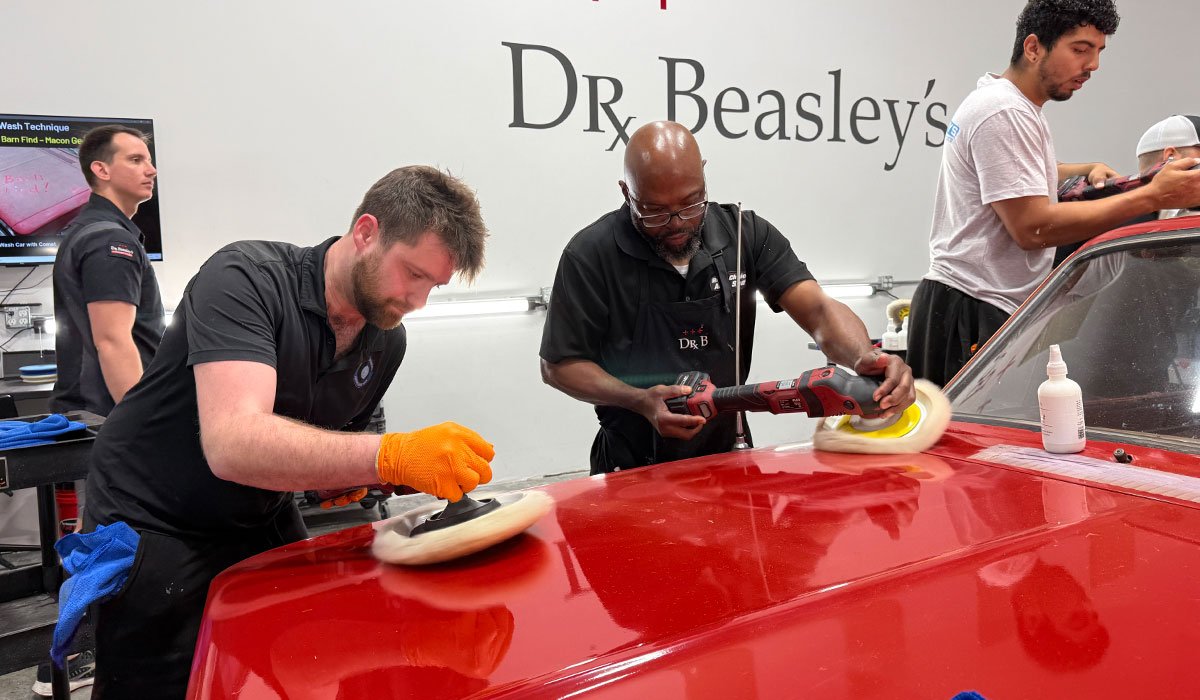
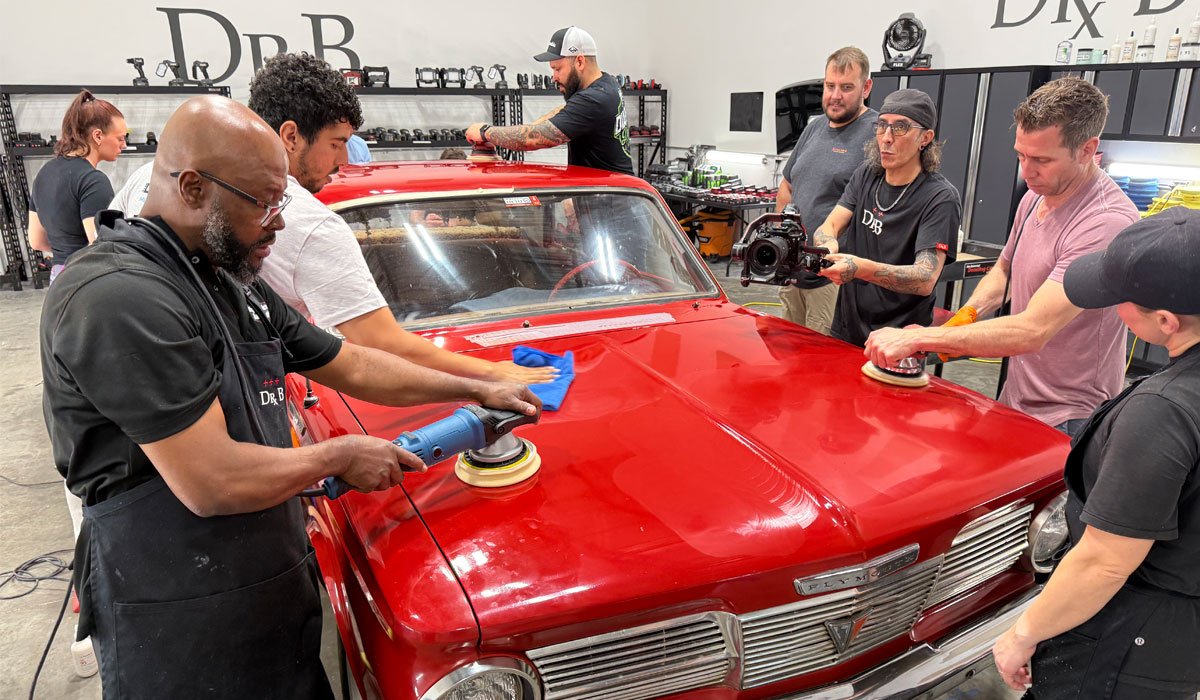
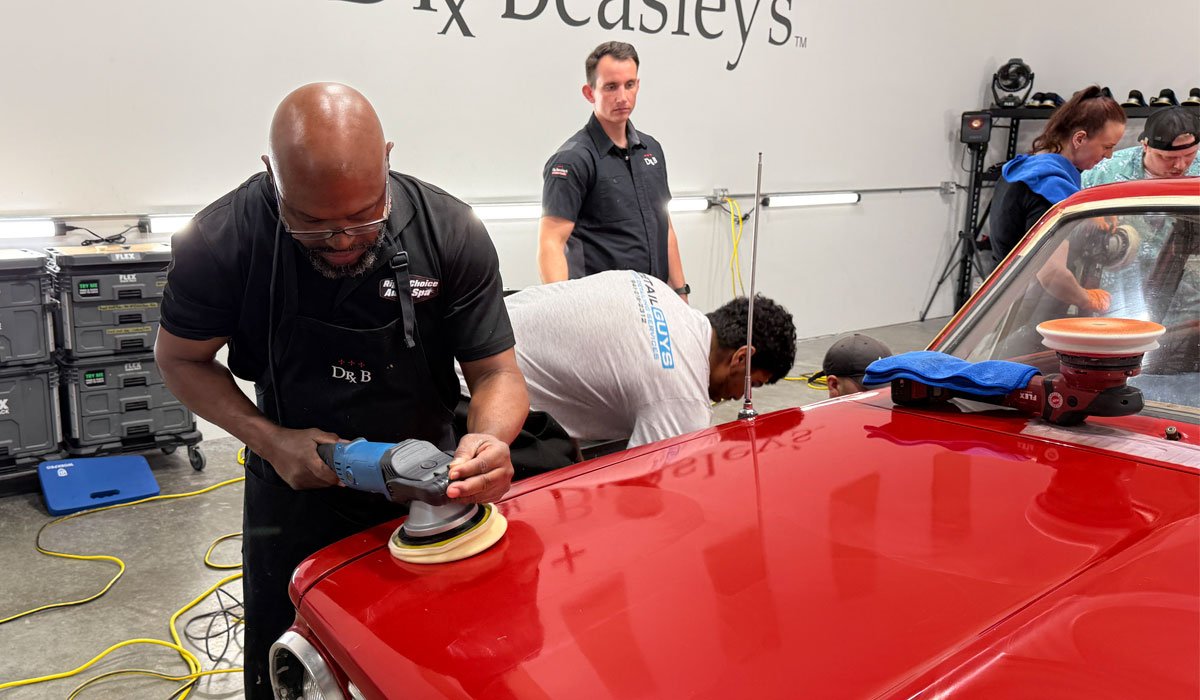
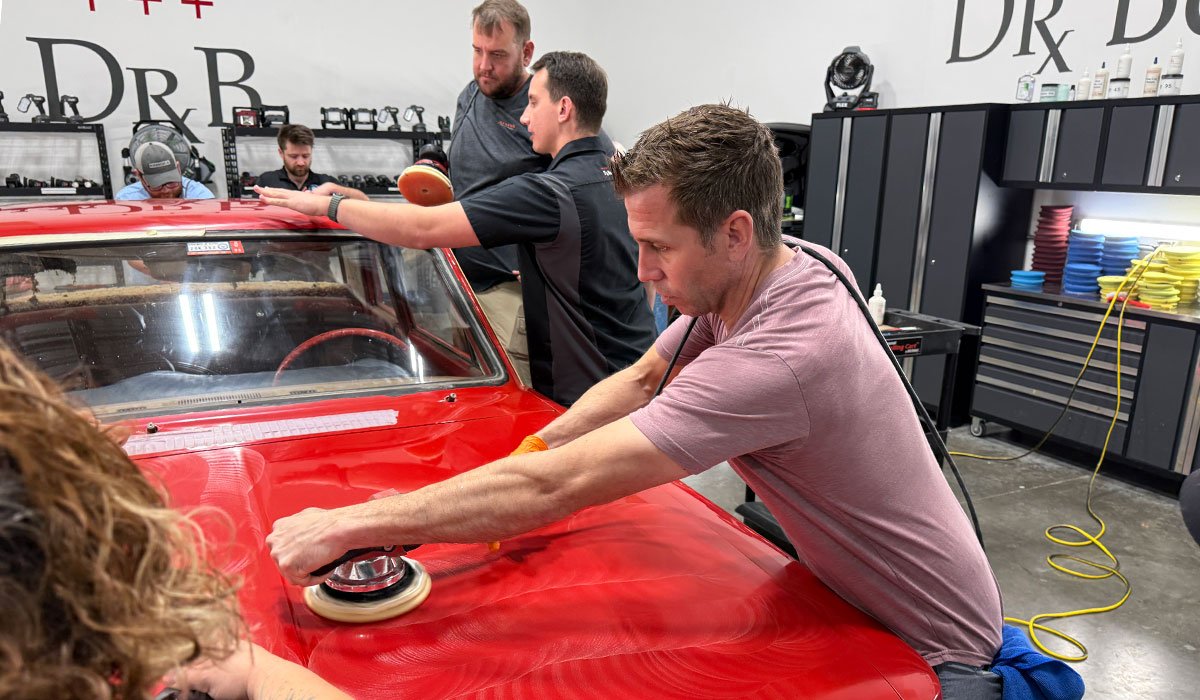
Time for the class to take over!

full


full


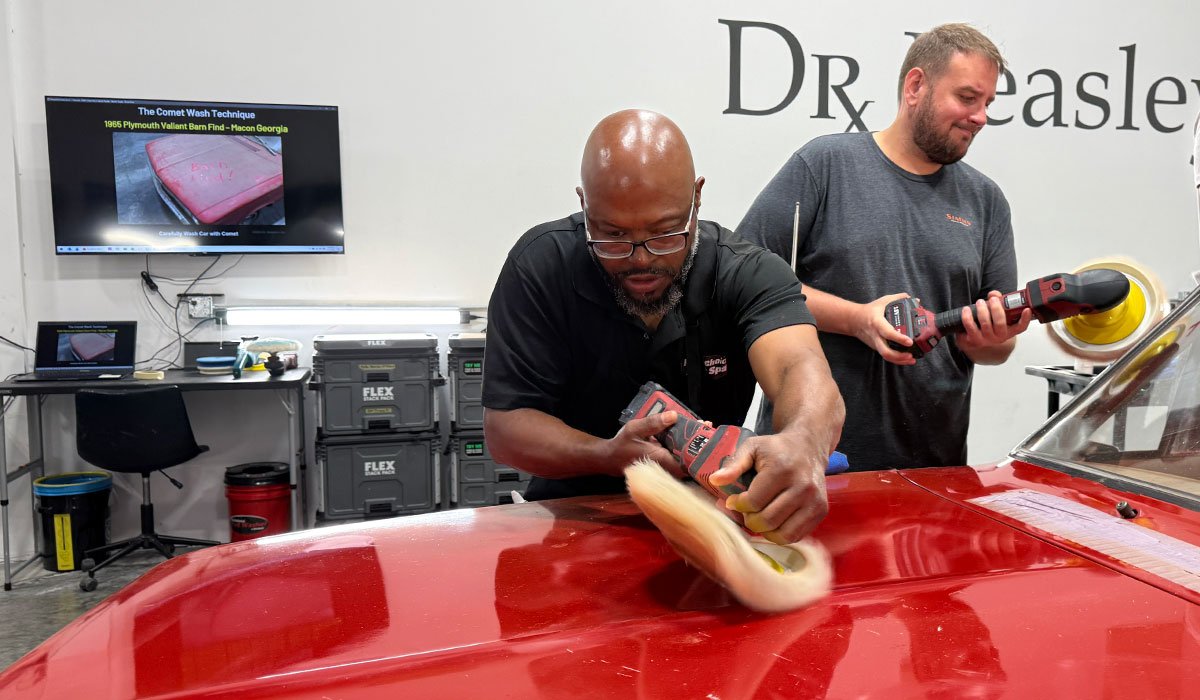
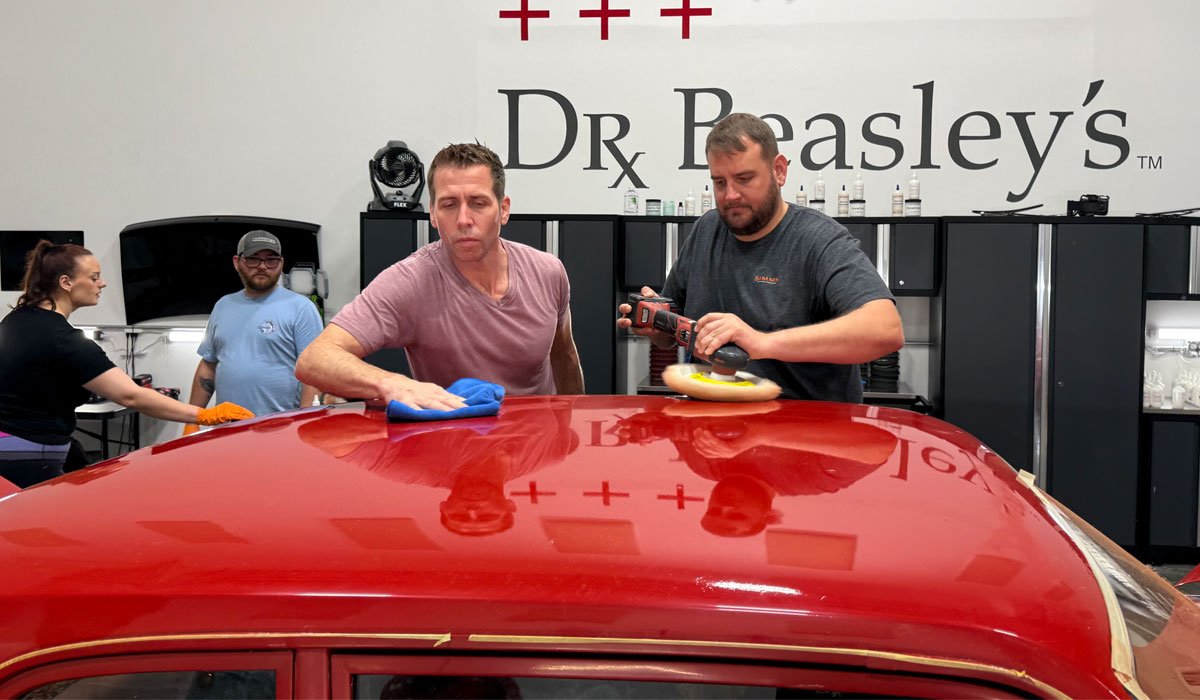
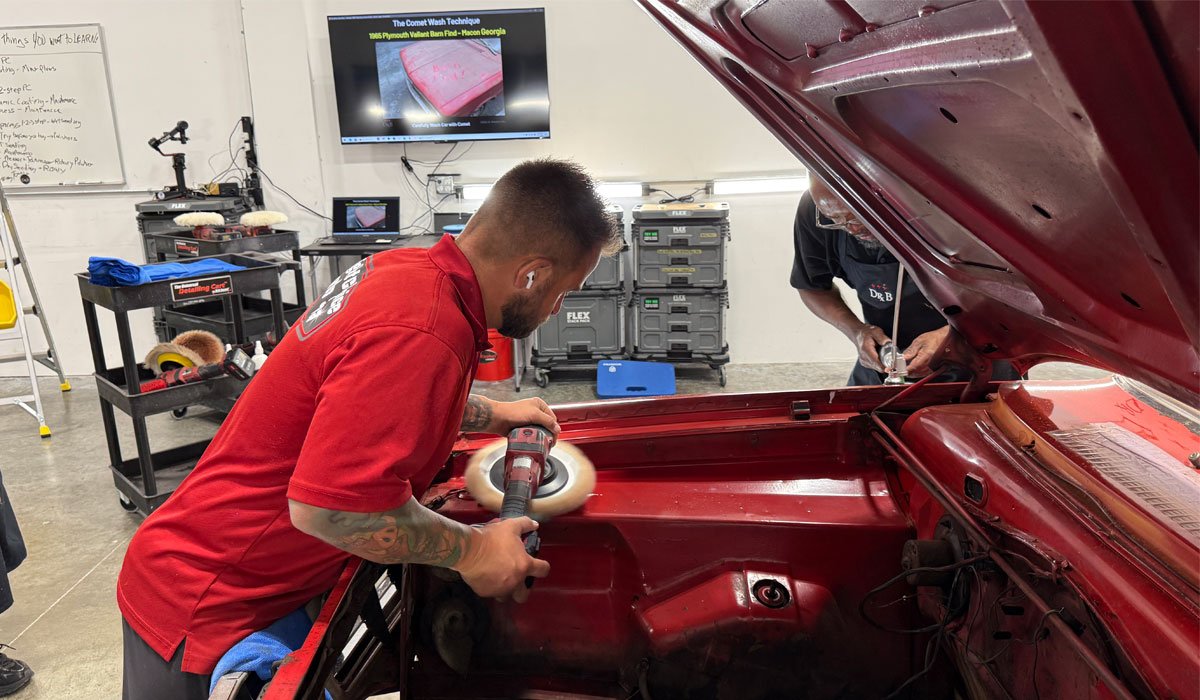
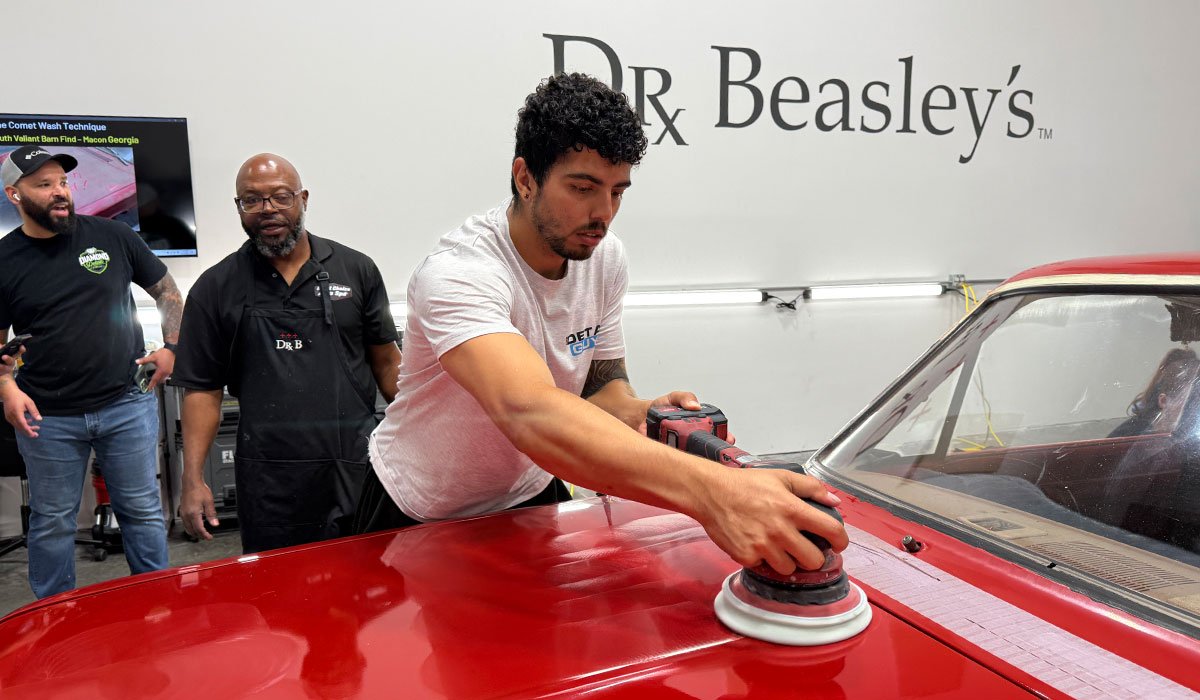
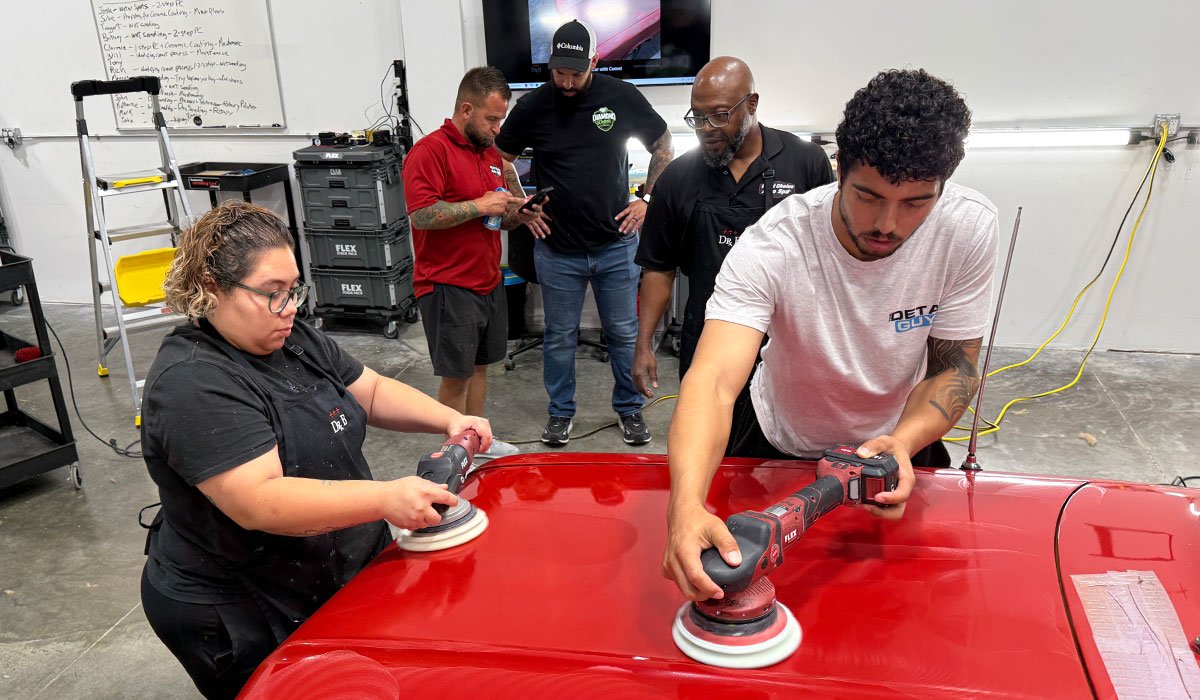
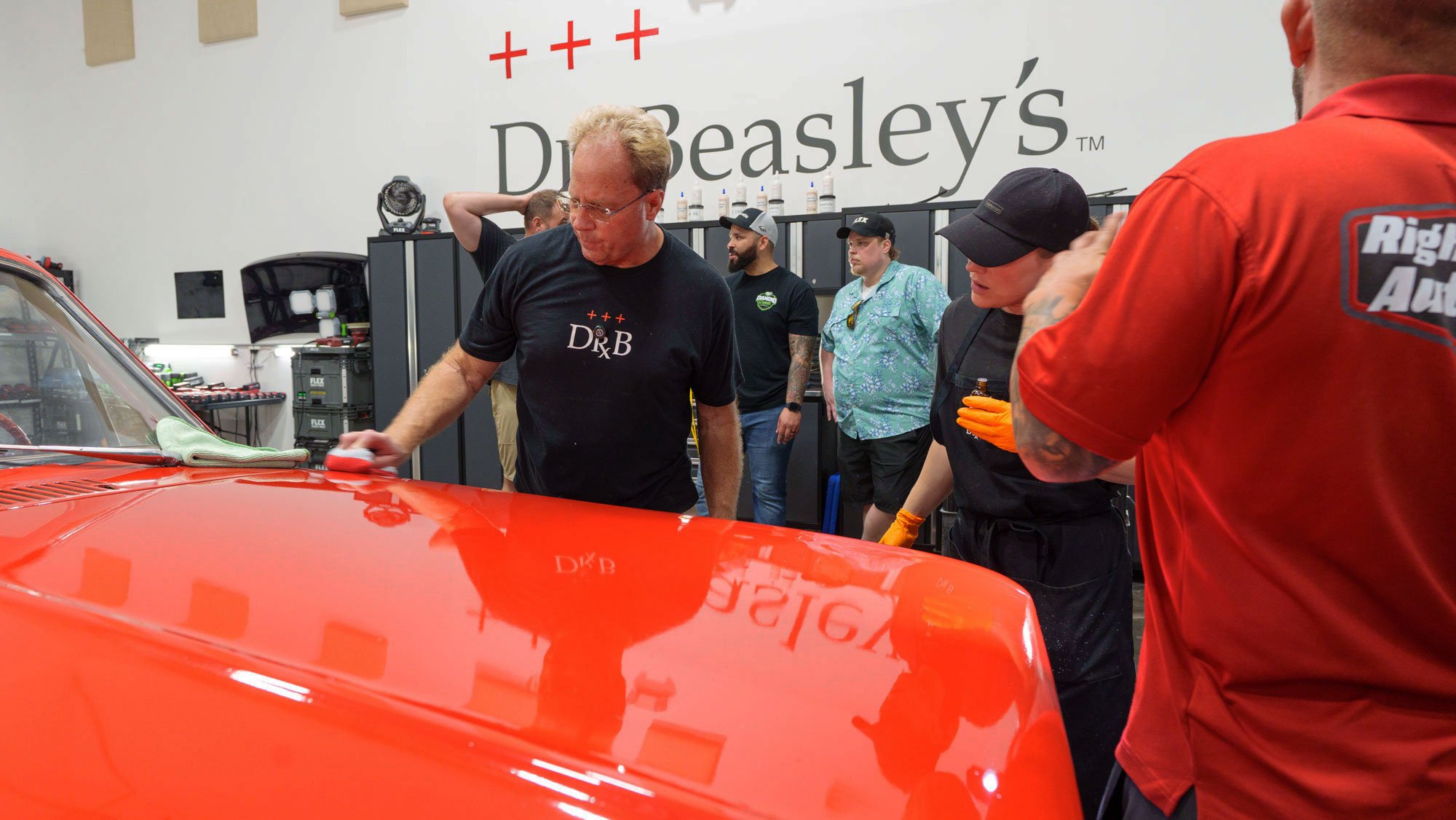
Notice there is a PowerPoint slide on the TV on the wall - BUT it's minimal. It's just the title of the topic, the year, make and model of the car plus the steps the class will use.


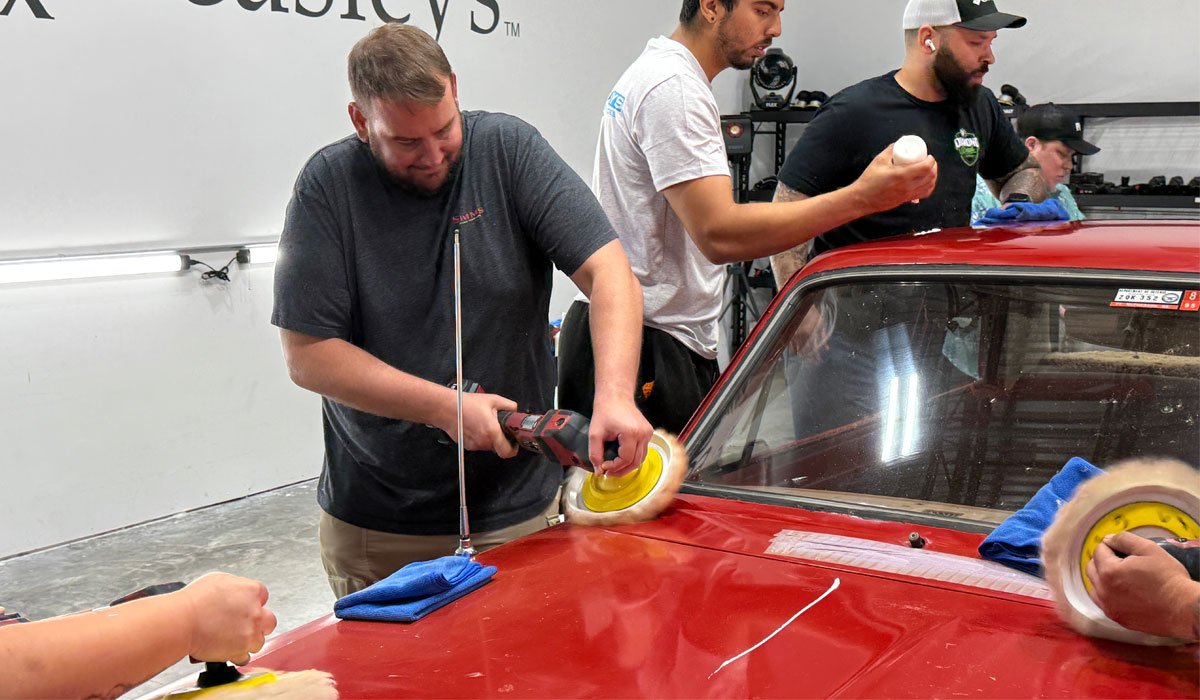
Here's John working on the passenger side hood.

full


Here's Taggert tackling the front of the hood

full


Here's Nic, with Corey behind him, tackling the driver's side of the hood.

full


full


Looks like Taggert is checking out the Harbor Freight cordless rotary polisher.

full


full


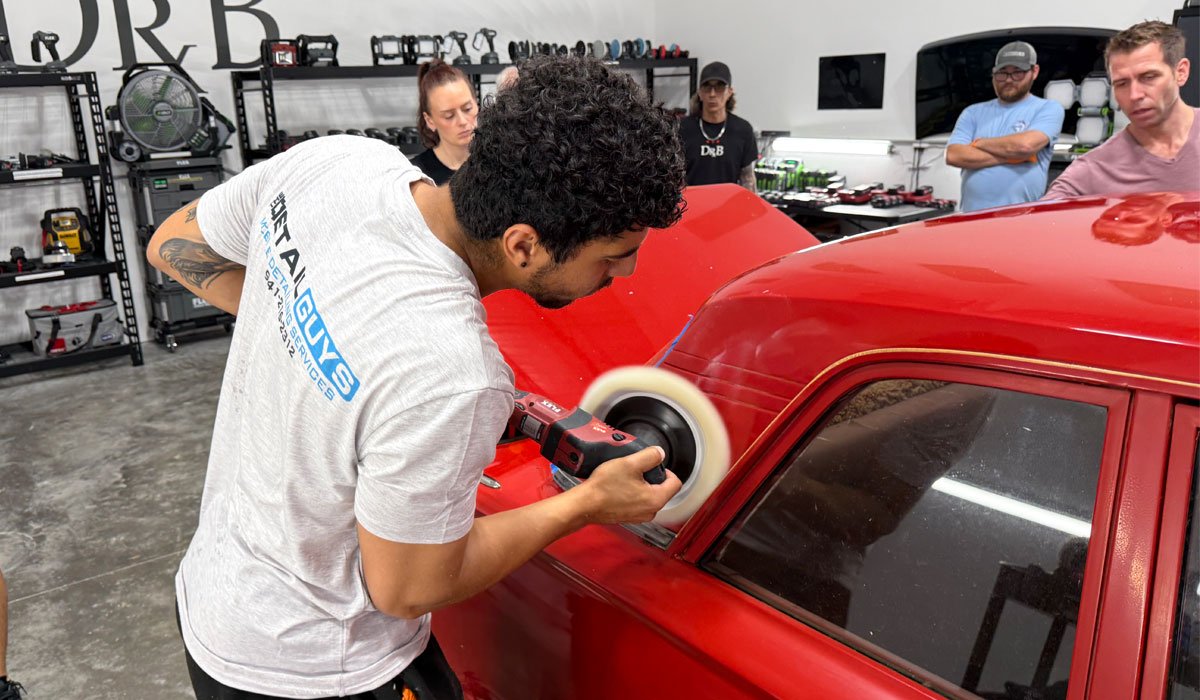
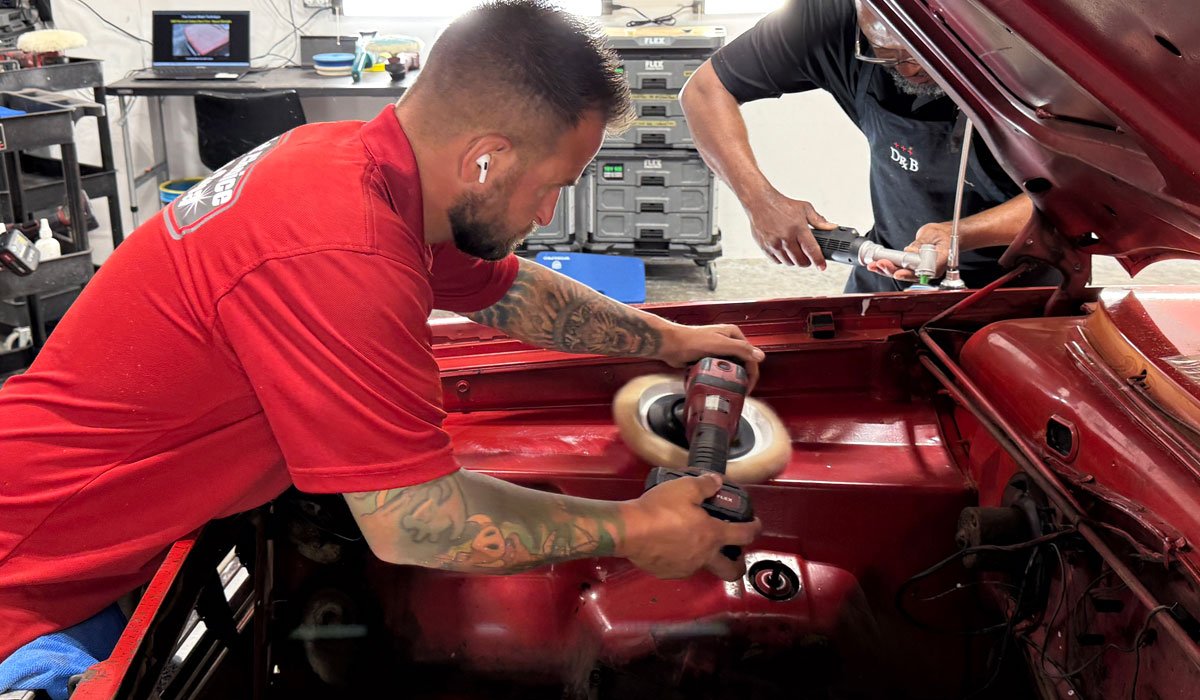
Here's Corey putting the rotary on edge to buff out the paint right next to the back edge of the hood.

full


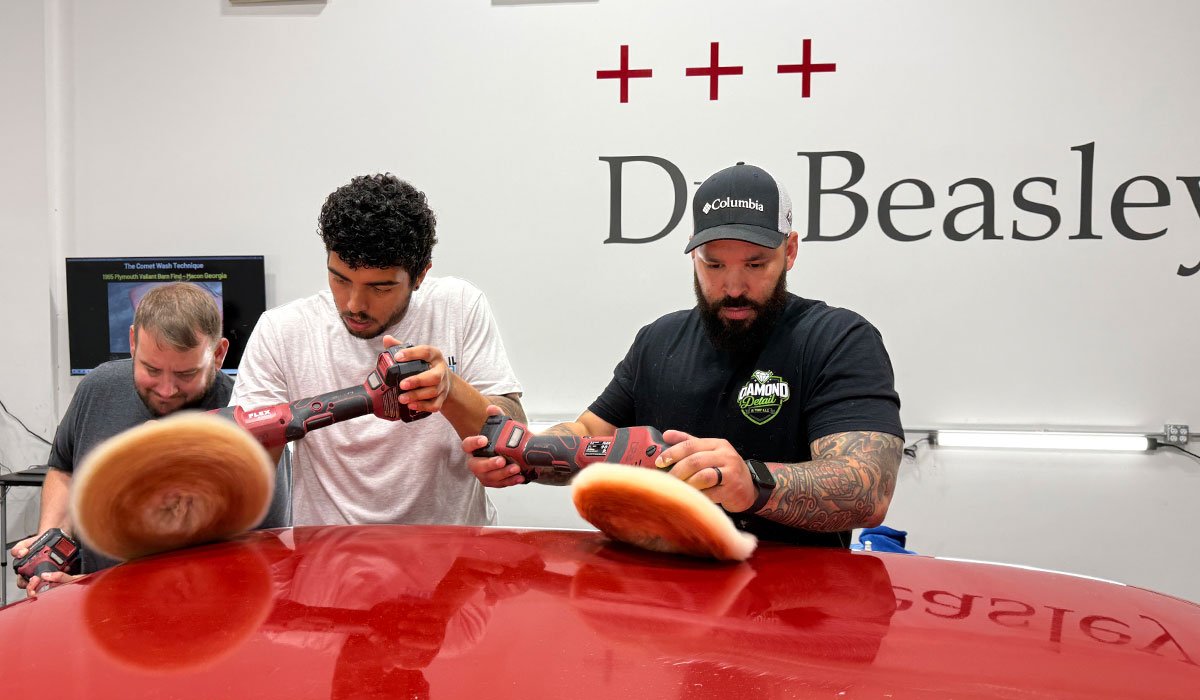
Here's Will making the rotary dance on paint

full


full


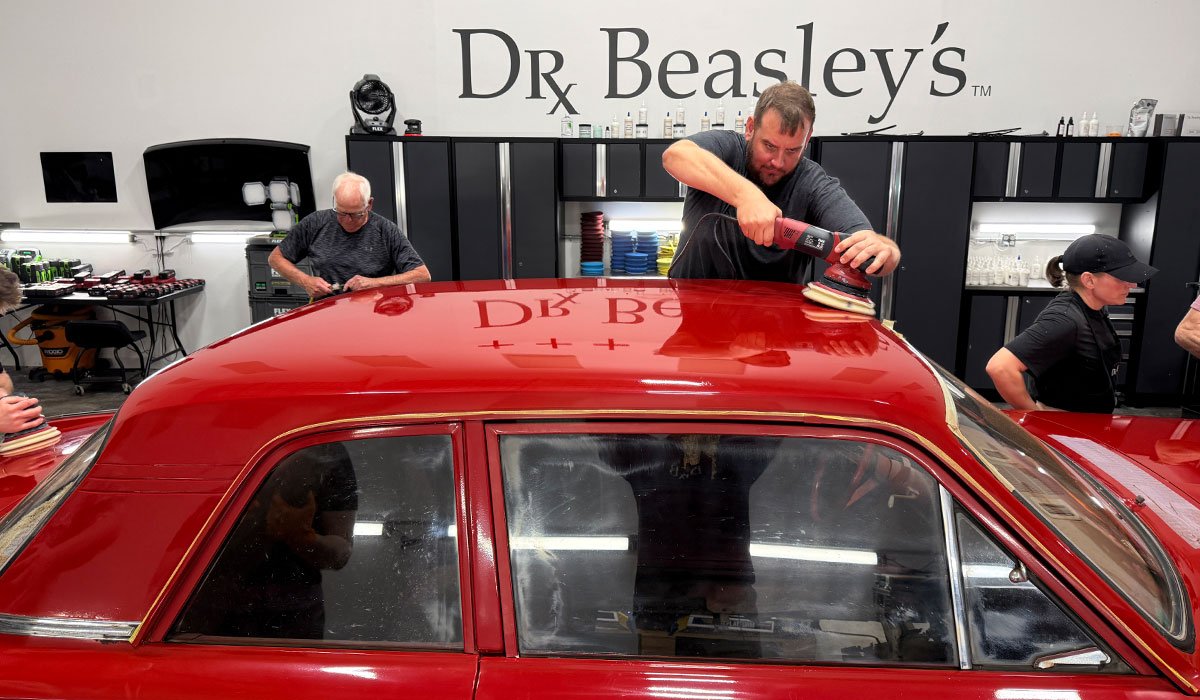
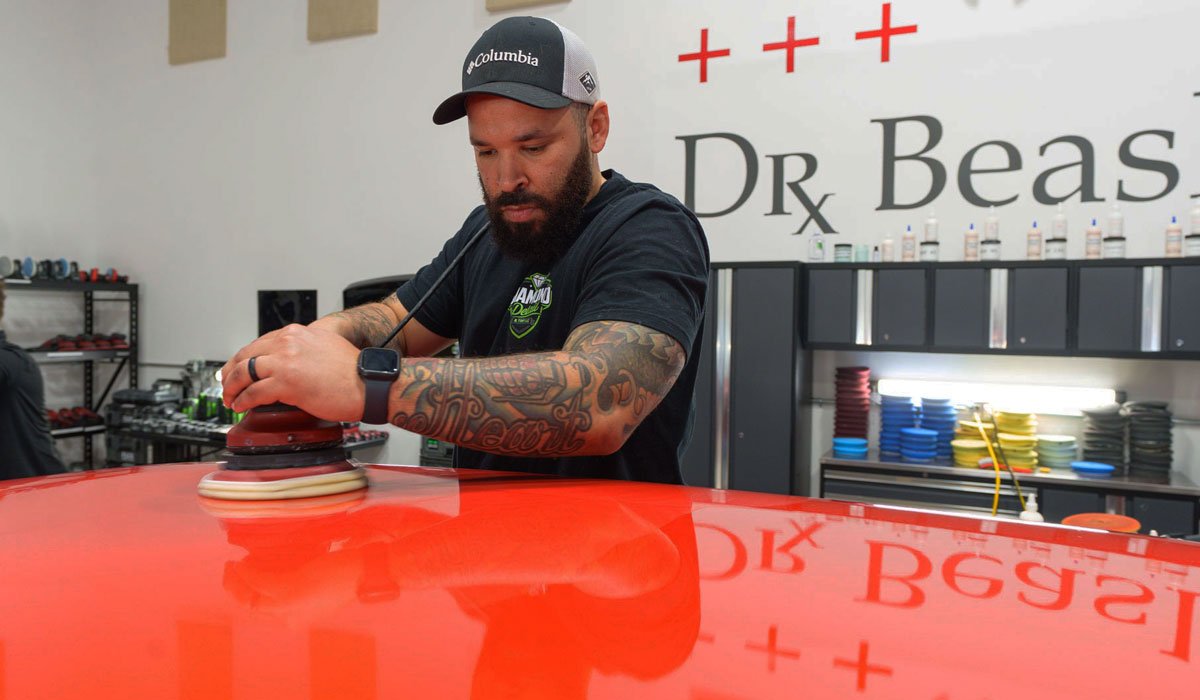
Here's Marcus working on the outer section of the passenger side roof.

full


Here's Marcus and Rich tackling the passenger side roof.

full


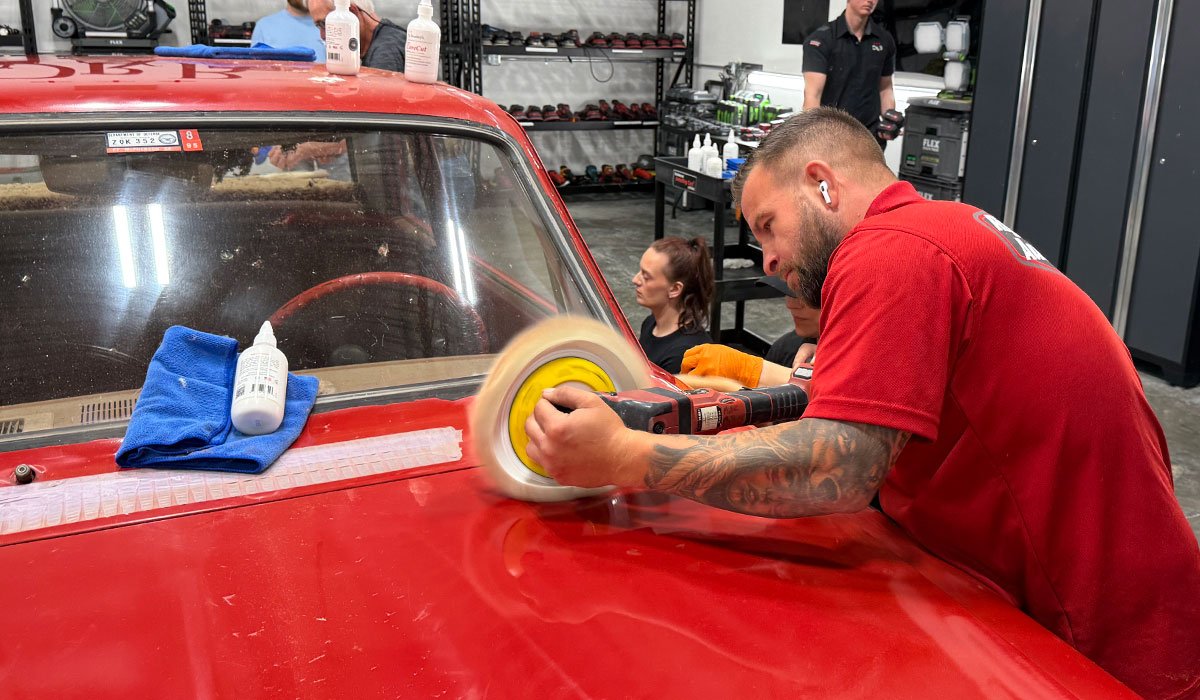
Josh is removing some CoreCut while Will removes oxidation.

full


Here's Clarence working the rotary polisher like a BOSS!

full


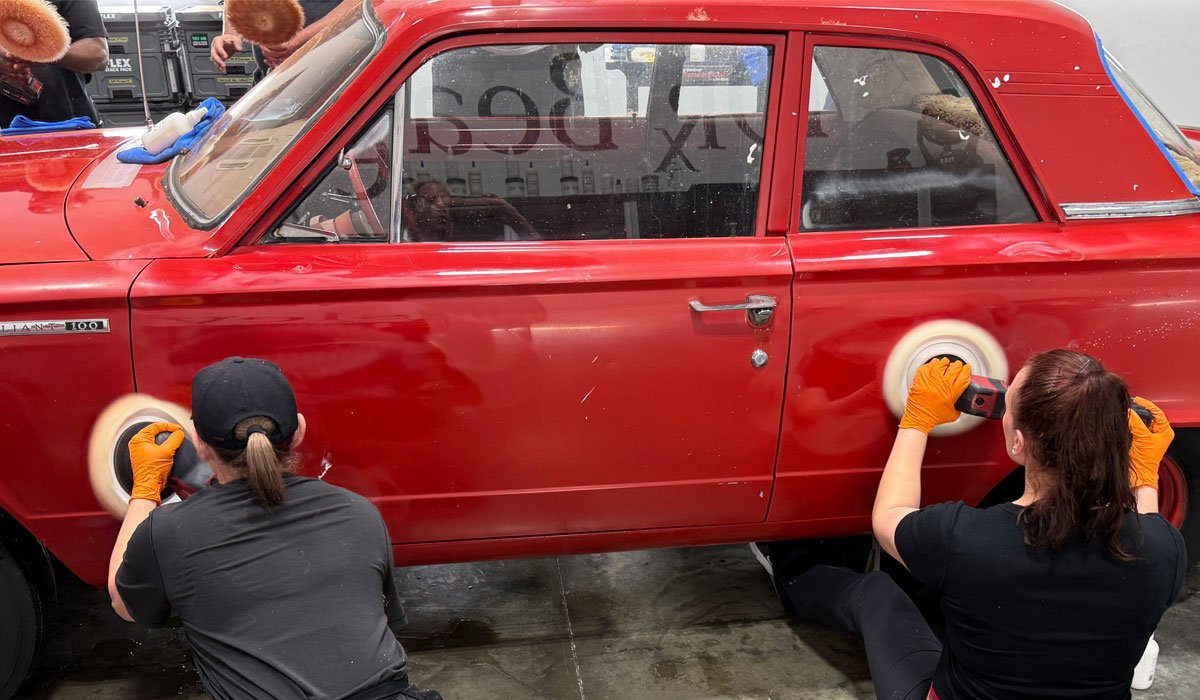
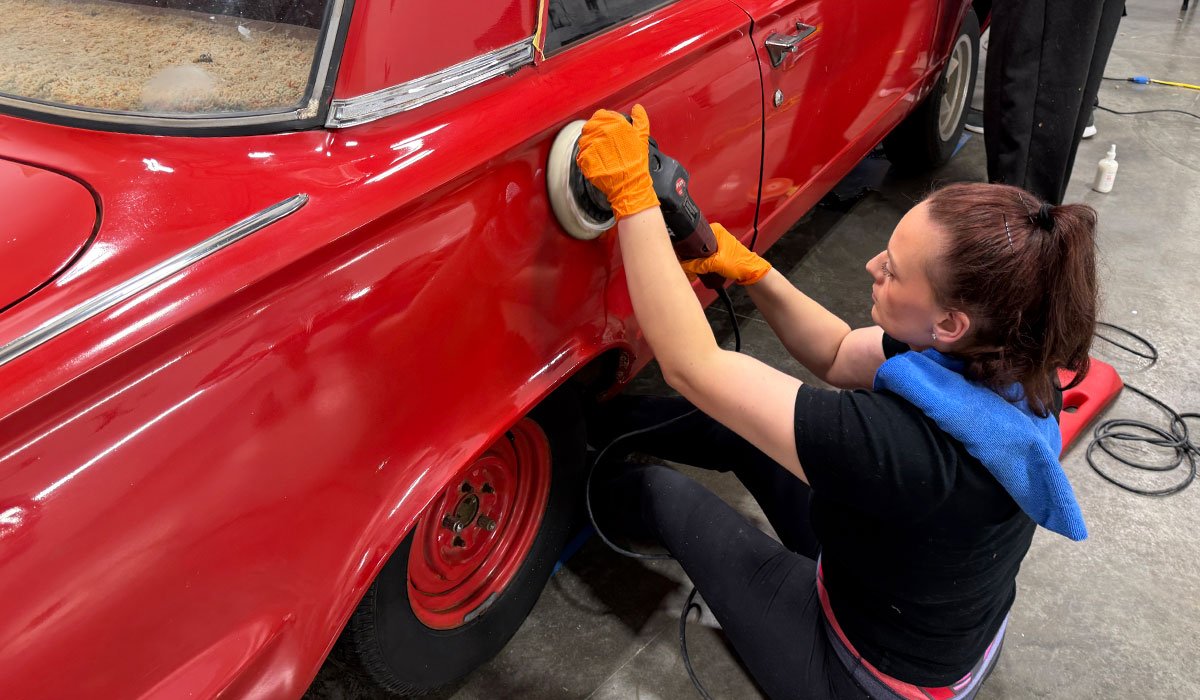
Here's Julia and Brittany knocking out the vertical panels on the driver's side.

full


I love that Julia is passionate about doing a thorough job.

full


full


I have an older article that talks about buffing out the hard to see, hard to reach and difficult to buff areas. the key pictures are missing because Autogeek updated their forum from vBulletin to what I run here, Xenforo and when they switched, a lot of the coding was corrupted and thus some pictures don't show up any longer.

If it has paint... it gets polished...


Taggert making quick work of removing decades of oxidation.

full


Correct Technique for Holding a Cordless Rotary Polisher
See how Taggert has locked the speed lock button and moved his had all they way to the back of the tool to better support the weight of the battery and just as important - to provide the maximum leverage over the tool.

full


Mike
 
Last edited:
More...

Here's Taggert really getting comfortable with the rotary polisher. Notice there's no chairs, zero sitting and no boring PowerPoint

full


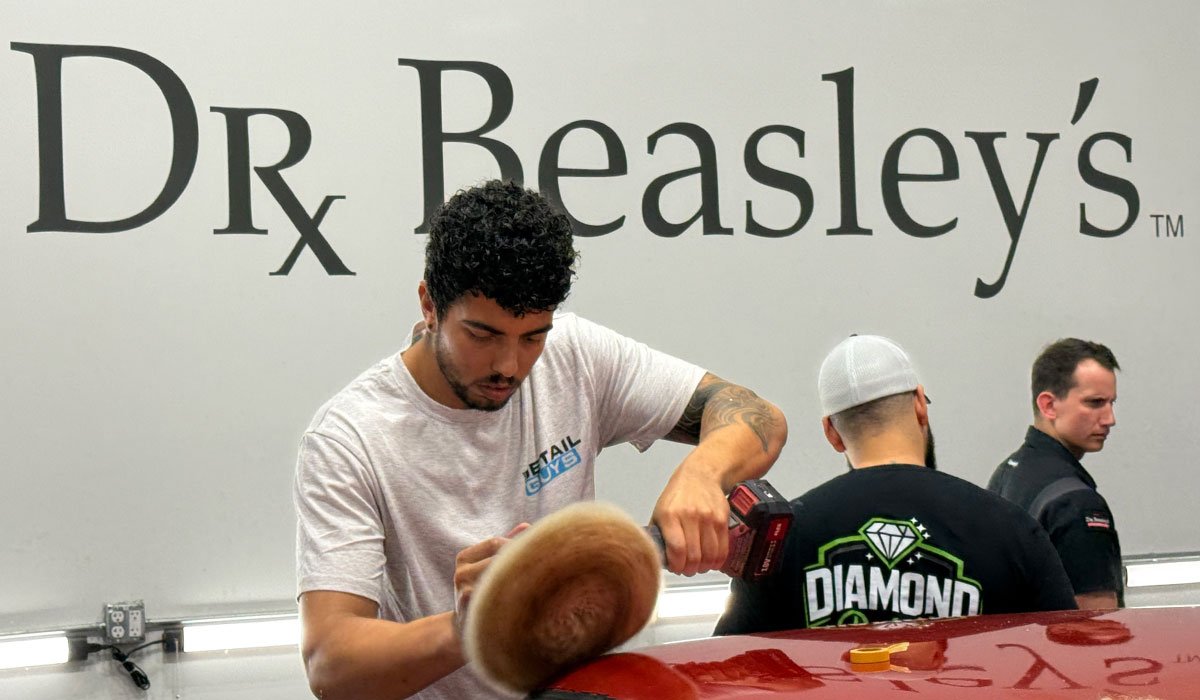
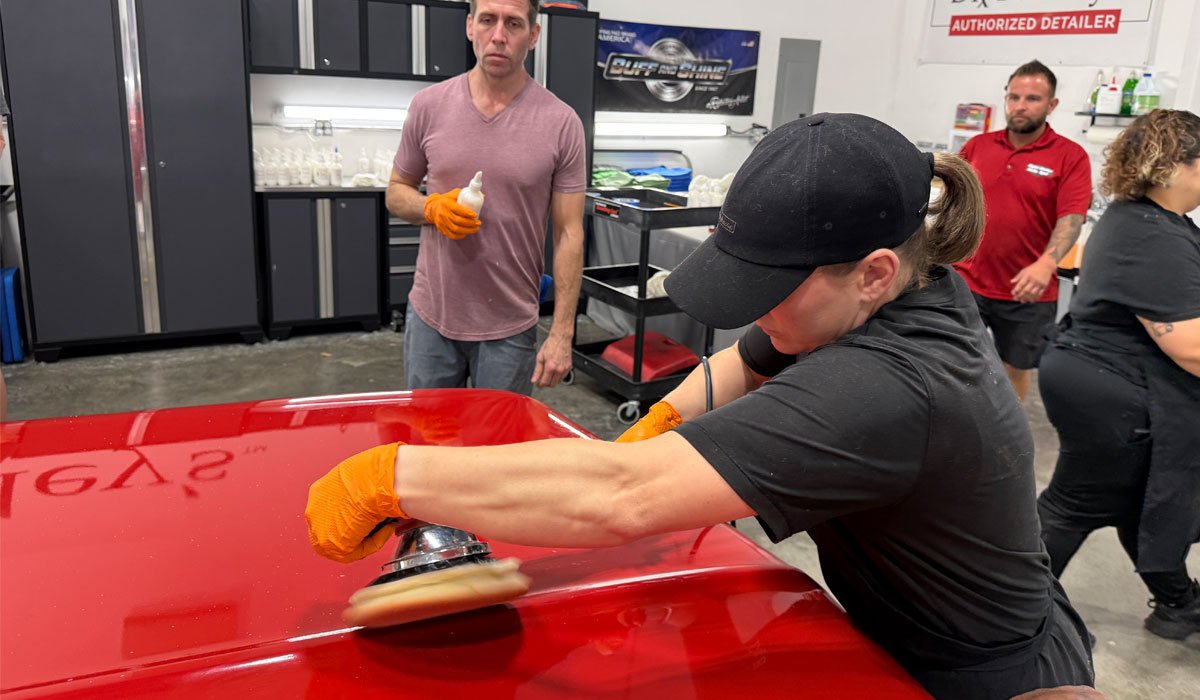
Look how Nic is doing EDGEWORK with an 8" wool pad on a rotary polisher. Nice.

full


Pad Cleaning Spurs
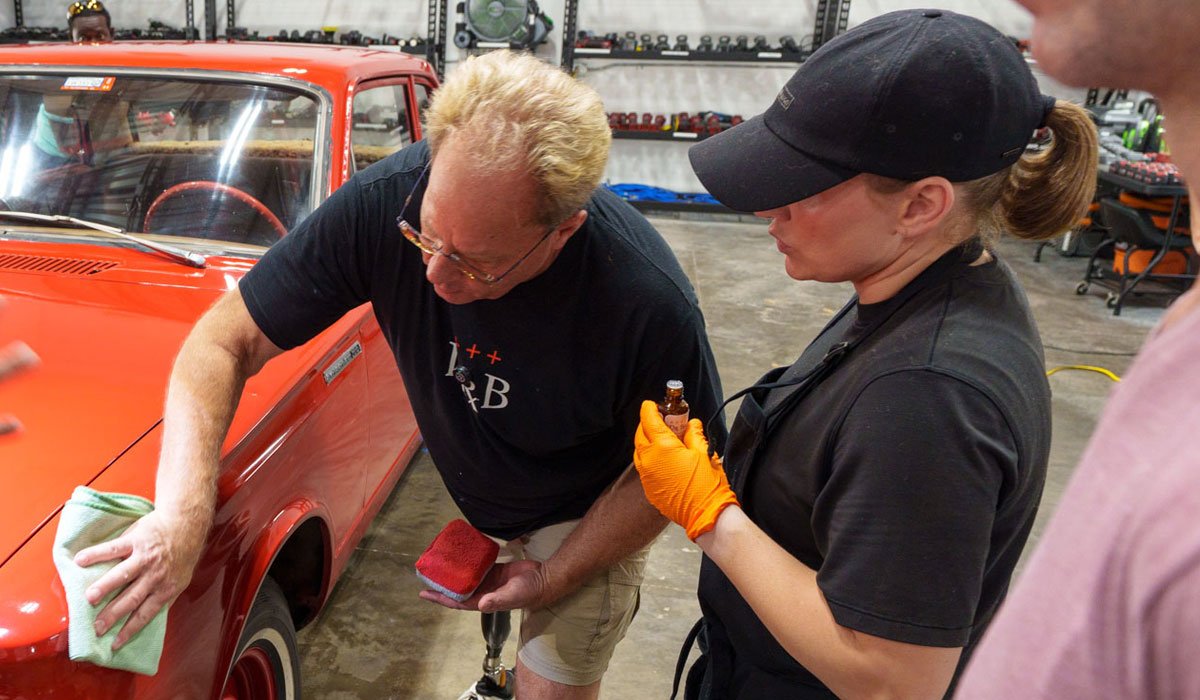
Here's Corey and Julia cleaning the face of their wool buffing pads using pad cleaning spurs. It is VITALLY important to clean your pads OFTEN. And I shared in the class how often I clean my wool pad when buffing out barn finds.

full


Here's Marcus doing some very thorough work to the Sail Panels and around the rain gutter.

full


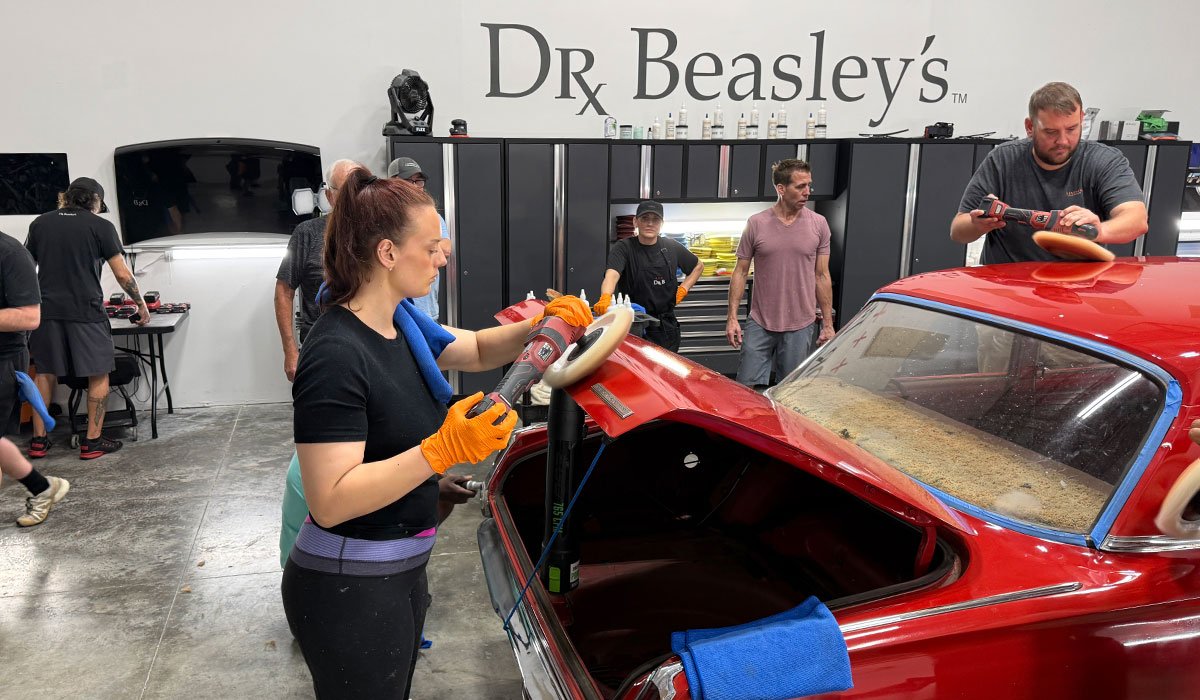
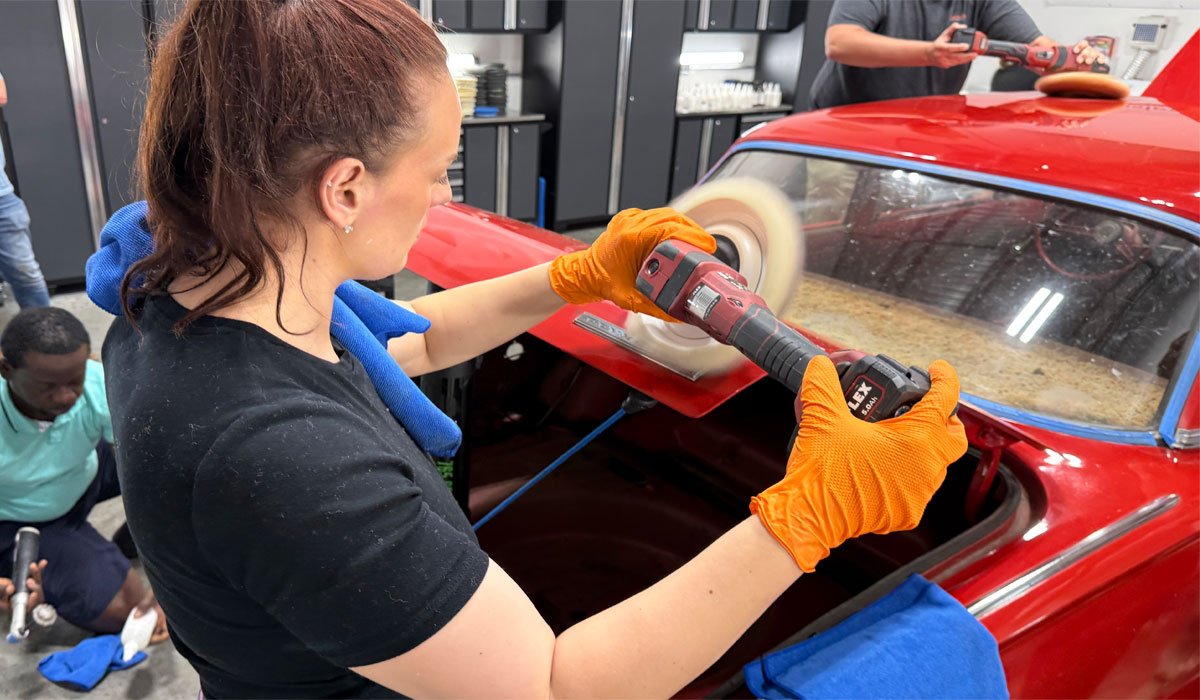
Here's Brittany buffing out the back edge of the trunk lid with an emphasis around the Valiant Emblem.

full


full


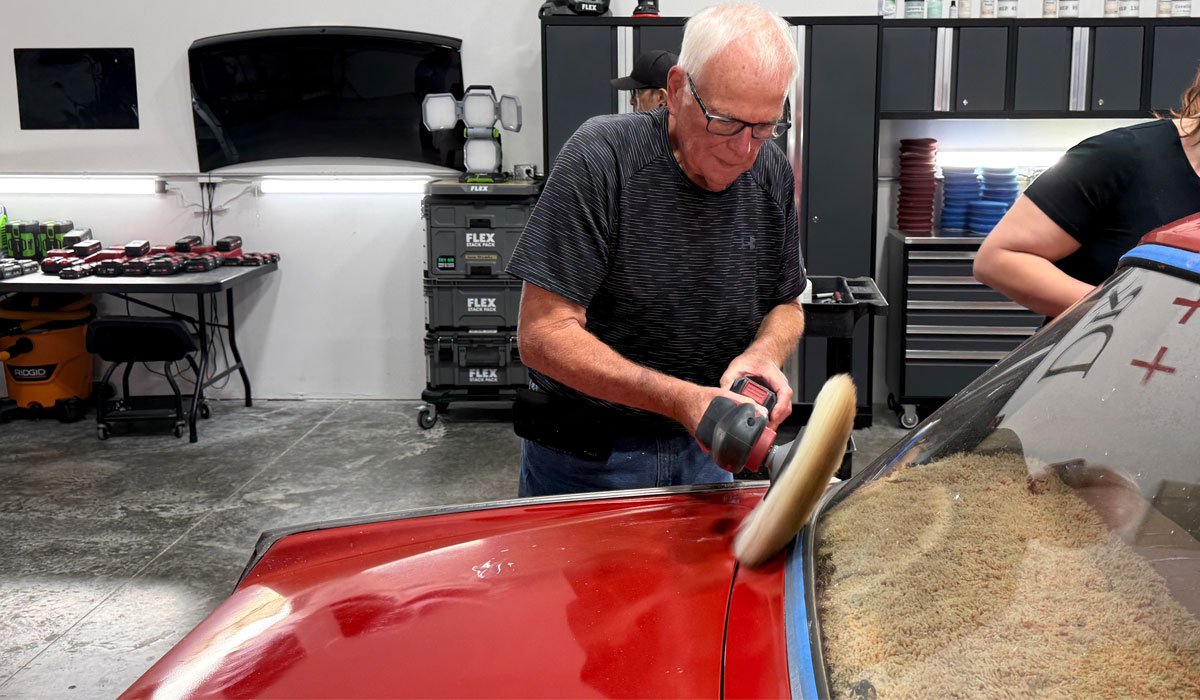
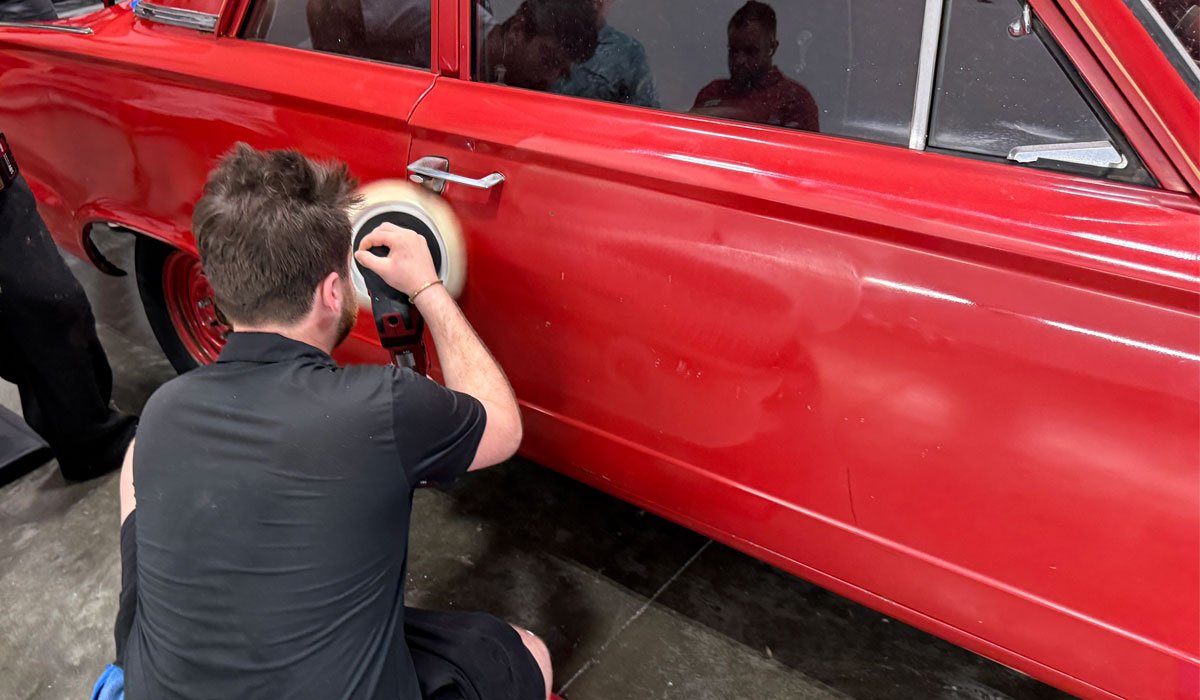
Here's Will using correct technique for both holding and using a rotary polisher with a wool cutting pad.
Remember what I told all of you about what the social media experts say about going up on edge with a rotary buffer? And when people tell me the correct technique is to constantly hold a wool cutting pad FLAT to the surface? And how this reveals to me - they've NEVER buffed out a BOAT. LOL

full


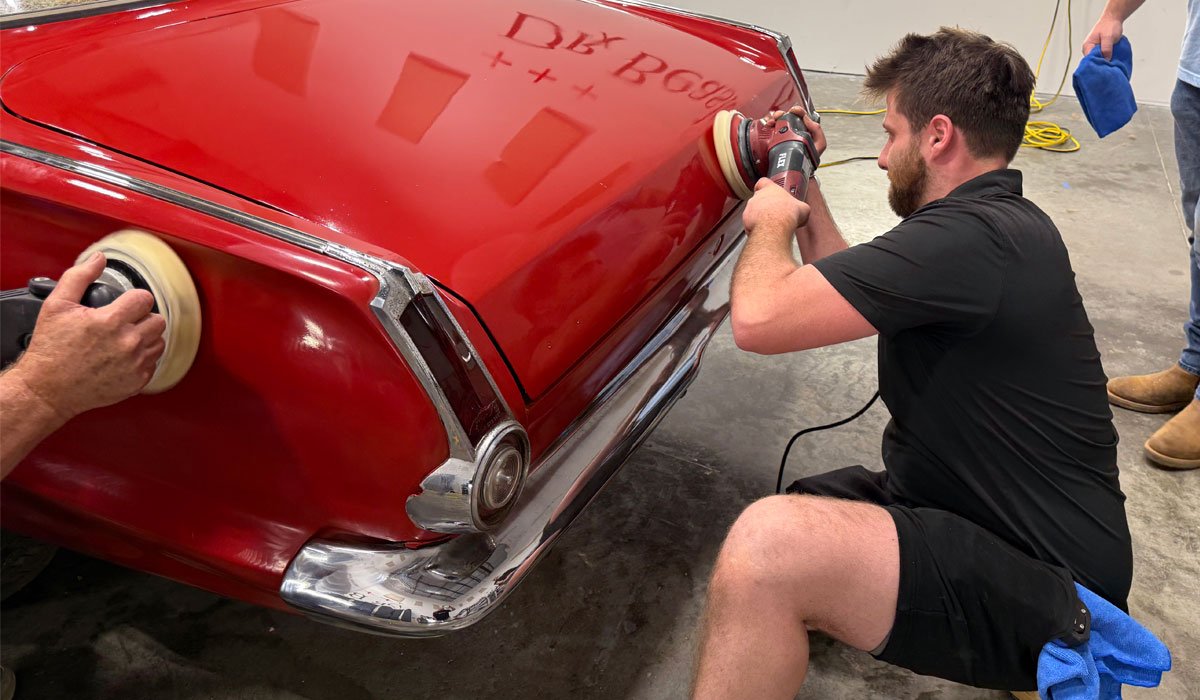
We have Tony tackling the lower quarter panels and rear valance on the passenger side while Marcus continuous down from the Sail Panel to the tops of the rear fender buffing hard right next to the chrome trim.

full


Love Tony's passion for perfection!

full


full


Here's Marcus using text-book correct technique for both holding and using a rotary polisher with an 8" wool pad to get in and cut the paint right next to the trim. Edgework using an 8" woold pad. LOL

full


full


full


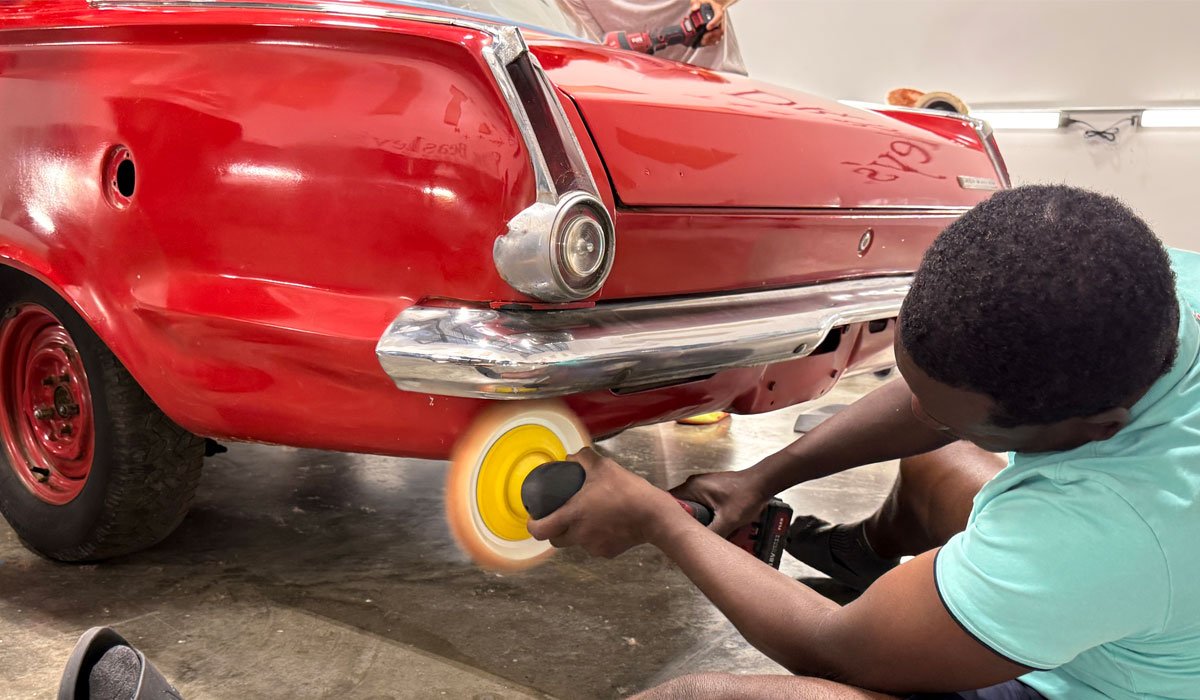
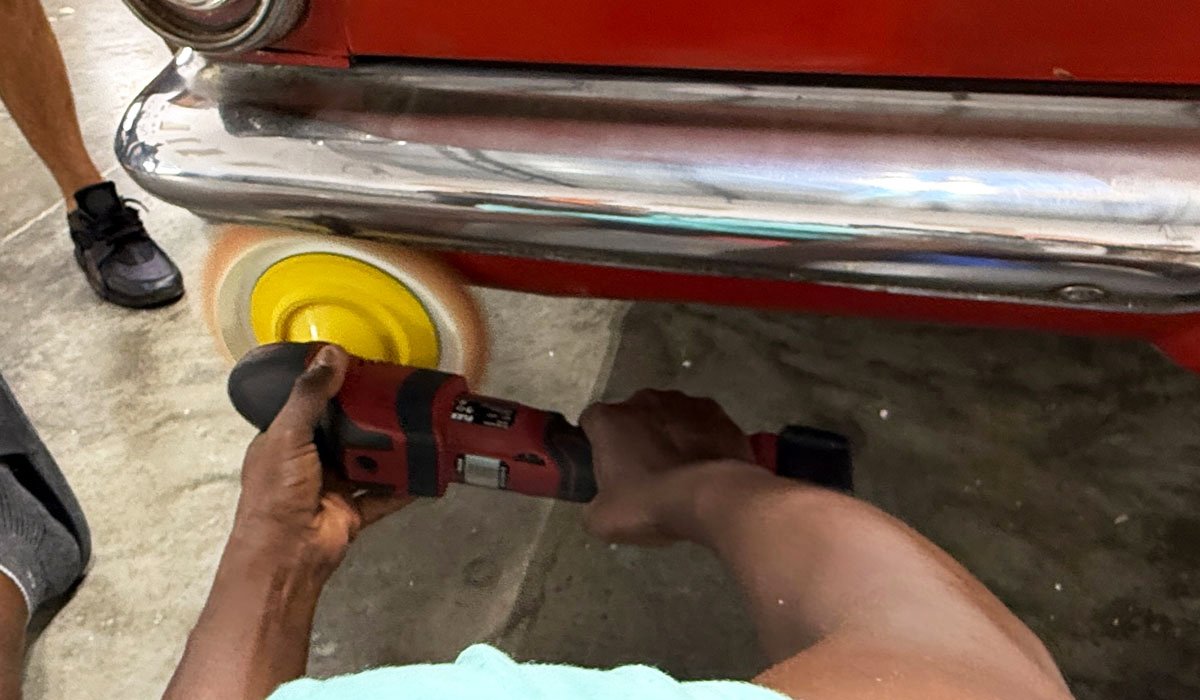
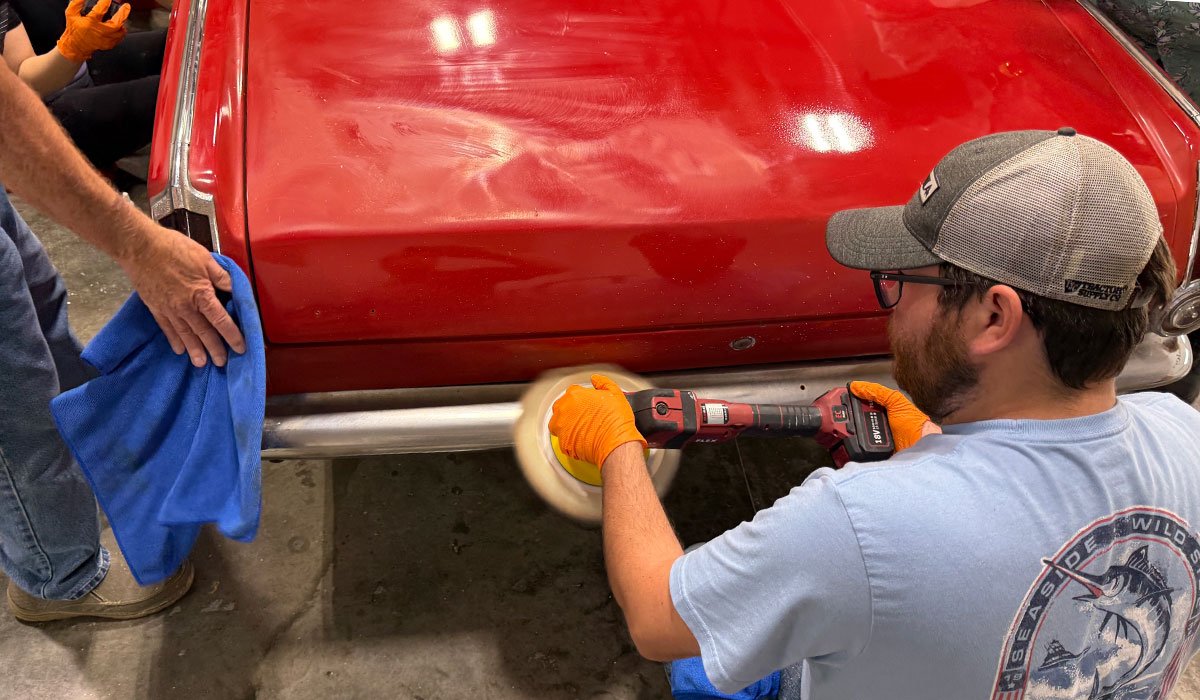
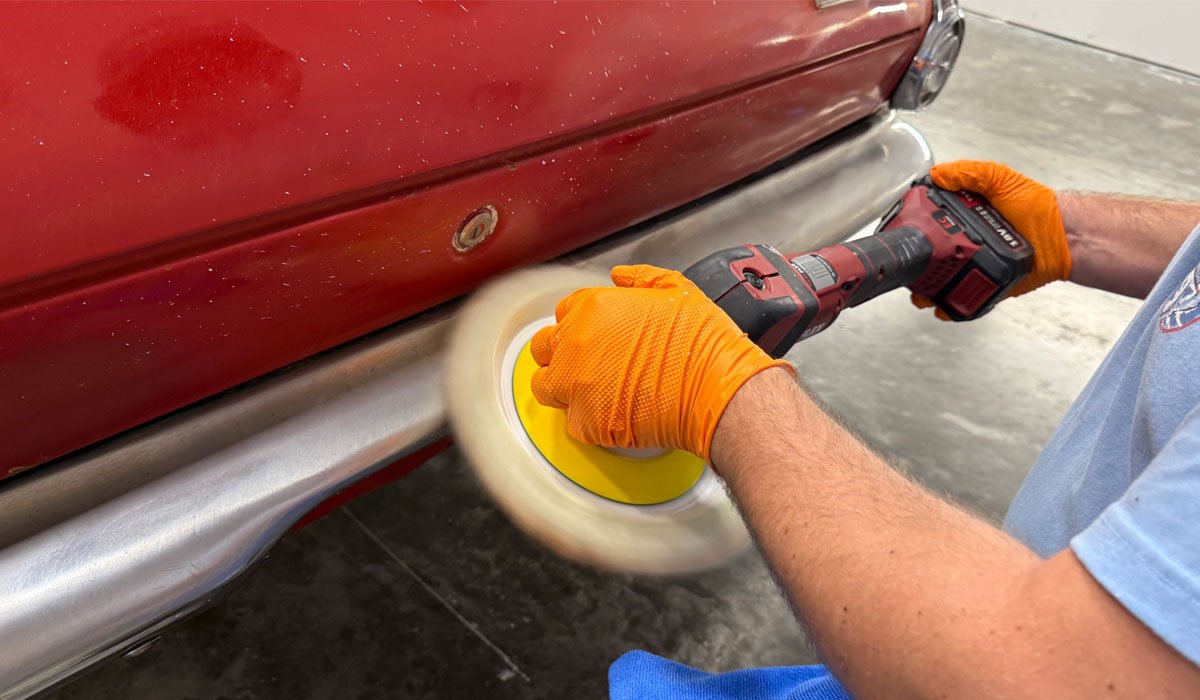
Here's Cameron restoring the shine to the rear chrome bumper removing years of oxidation and tarnish.

full


And you can see here, he's using the correct technique to use and hold a rotary polisher. Leading hand at the head of the polisher and the other hand supporting the weight of the battery while maximizing full leverage over the tool.

full


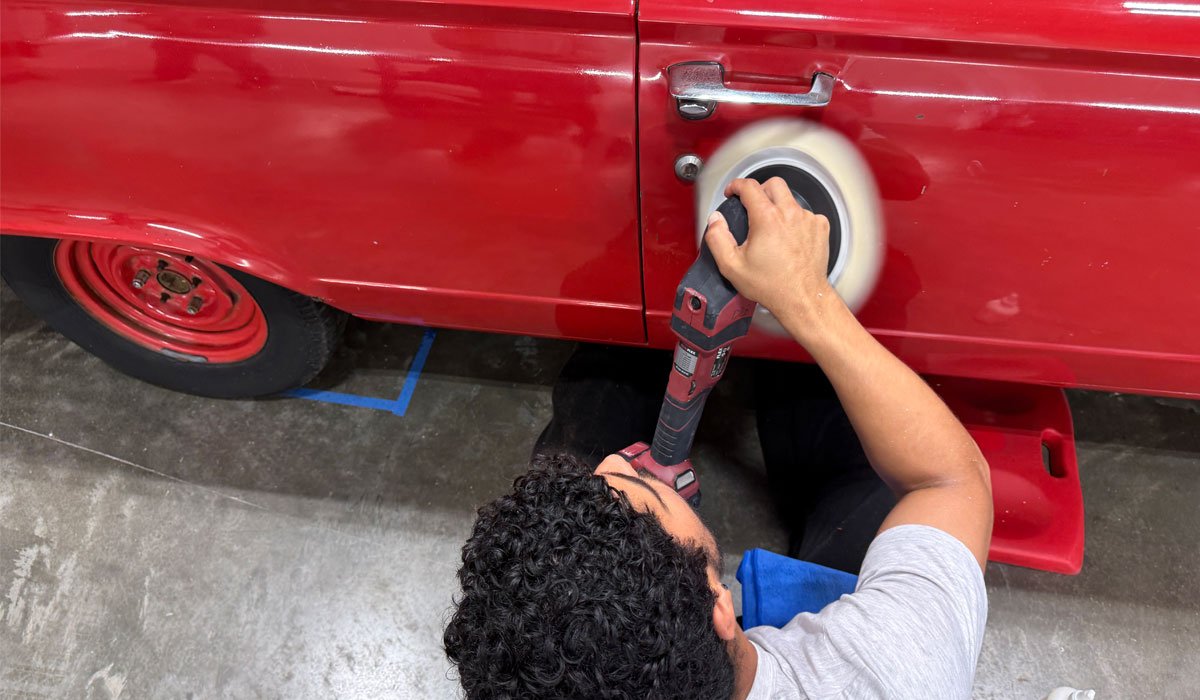
Here's Marcus knocking out the vertical panels on the passenger side.

full


full


full


full


When it comes to a Barn Find, if it has paint - it gets polished. Here's Corey restoring some shine to the engine compartment that we cleaned at the very start of this class. Thanks Corey!

full


full


Wow! I'm tired just by LOOKING at the above pictures!


Mike
 
Last edited:
More...

Gear-Driven Orbital Polishers
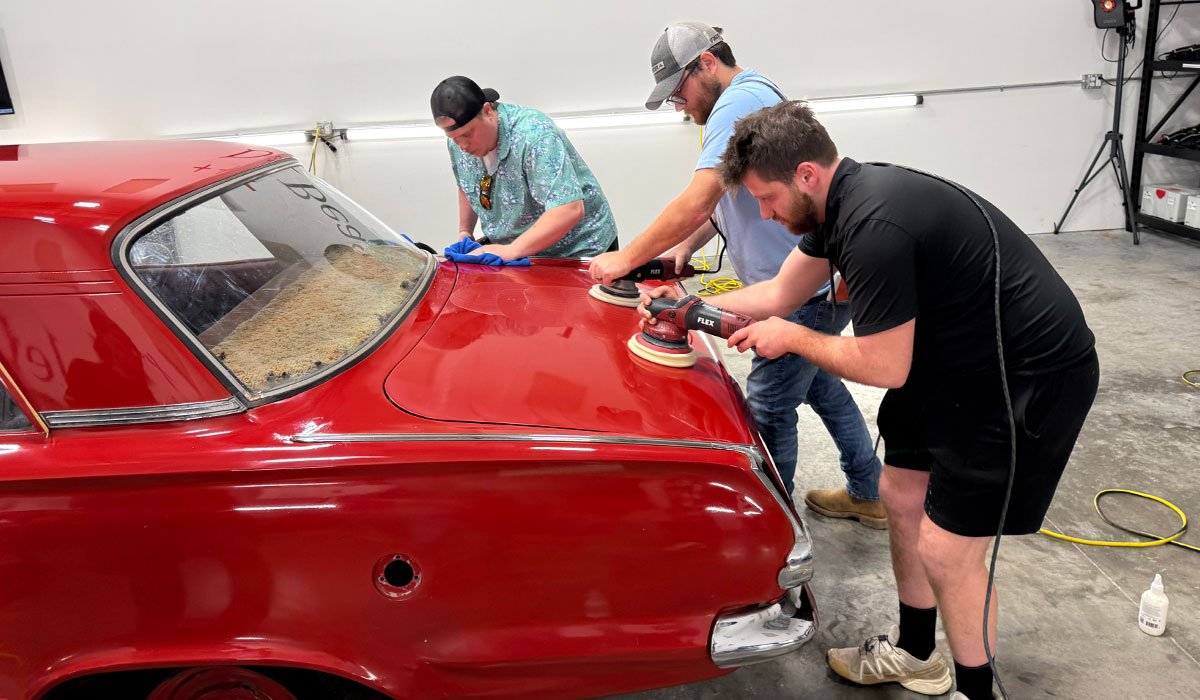
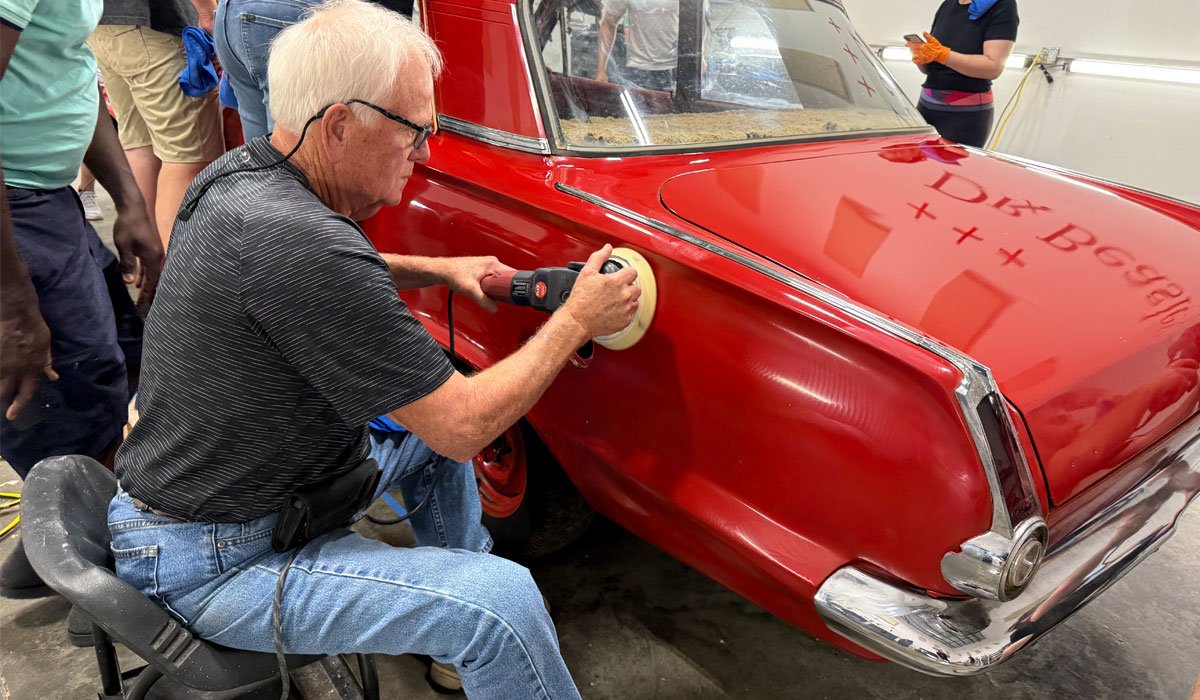
While everyone is welcome to experiment and test out any of the polishers in our shop, I do in FACT put a heavy emphasis on using gear-driven orbital polishes like the FLEX, RUPES and Harbor Freight gear-driven orbital polishers.
Why? Because newbies need to learn how to do the paint correction steps faster, not slower. So I put both gear-driven polishers and free spinning, random orbital polishers in their hands and then tell them to watch for good pad rotation and pad oscillation when using the free spinning units. What they find out is what I want them to find out and if you want to go fast, you need a gear-driven orbital polisher. If you're NOT in a hurry, for example you're a do-it-yourselfer, then by all means, use free spinning, random orbital polishers.


Gear-Driven Orbitals with Buff and Shine EdgeGuard White Foam Polishing Pads and Dr. Beasley's NSP 150

full


Here's John testing out the Harbor Freight copy of the FLEX BEAST.

full


Here's Josh using my FLEX RBI or Red BEAST Inside
This is Number #66 of 1000 built and personally handed to me by the President of FLEX - Christian Neuner at Automechanika in Germany at their 100th year anniversary.

full


Here's Will on the driver's side roof and Julia working on the hood and top of the fender.

full


Notice the COLOR CHANGE?
Go back and look at the BEFORE pictures and it will click.

full


Out back we have Cameron and Nick using FLEX Supa BEASTS.

full


Here's Marcus testing out the CBEAST or Cordless BEAST
I love the idea of a cordless gear-driven orbital, but the honest truth is, for cars with really bad paint that need heavy paint correction, the corded version is much faster.

full


Here's Katherine up front working with the original FLEX BEAST aka the FLEX XC 3401 VRG

full


Here's Rich finishing out the driver's side rear roof

full


Here's Clarence working with the original FLEX BEAST on the rear driver's side fender

full


Wow! Look at the rich color the class has restored to his very neglected Barn Find!

full


Here's Taggert knocking out the passenger side door.

full


Here's Julia putting a FLEX 3401 on EDGE
This is something that you can only do with a gear-driven orbital polisher. With a free spinning, random orbital polisher the pad will simply stall out and now you're wasting time.

full


Here's Brittany applying some product to the face of the buffing pad and next she's tackling the passenger side fender.

full


full


Way to get after it Brittany!

full


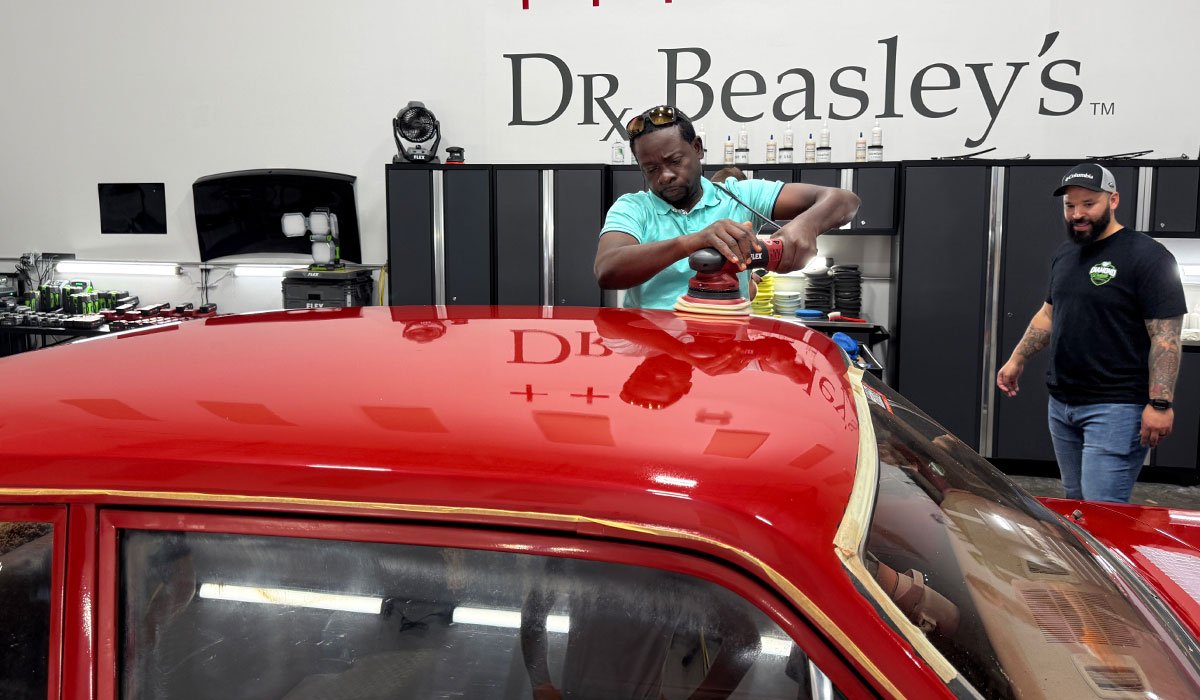
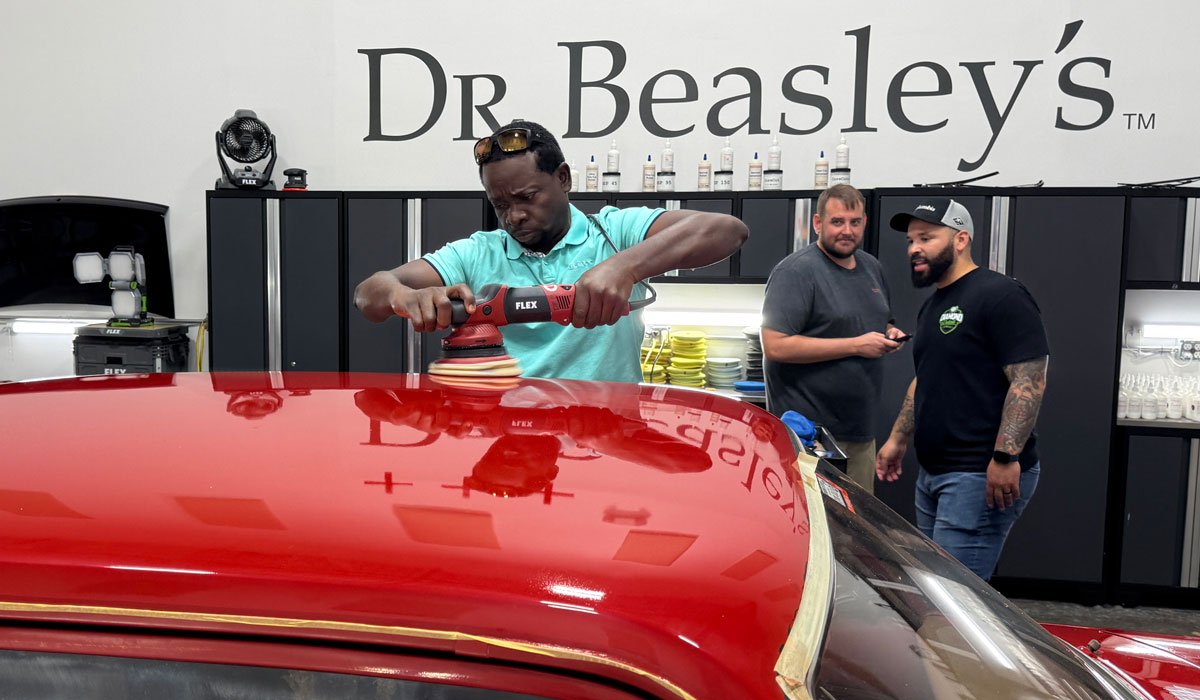
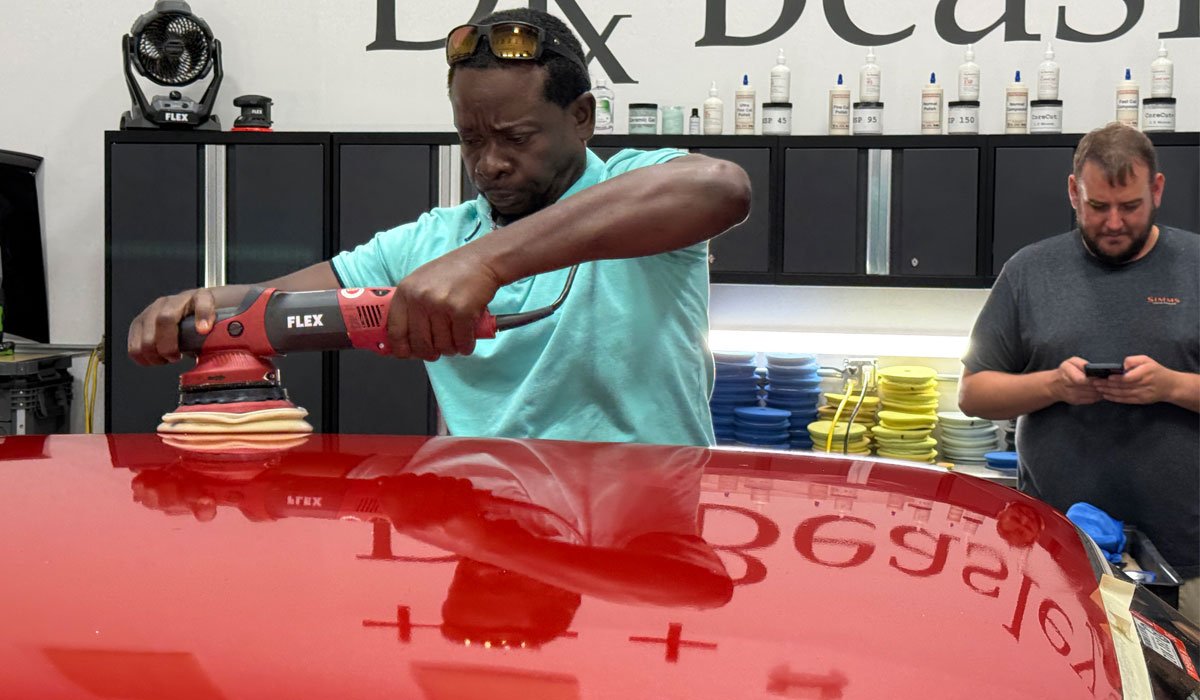
Here's Tony finishing out the driver's side of the roof using the FLEX Supa BEAST

full


full


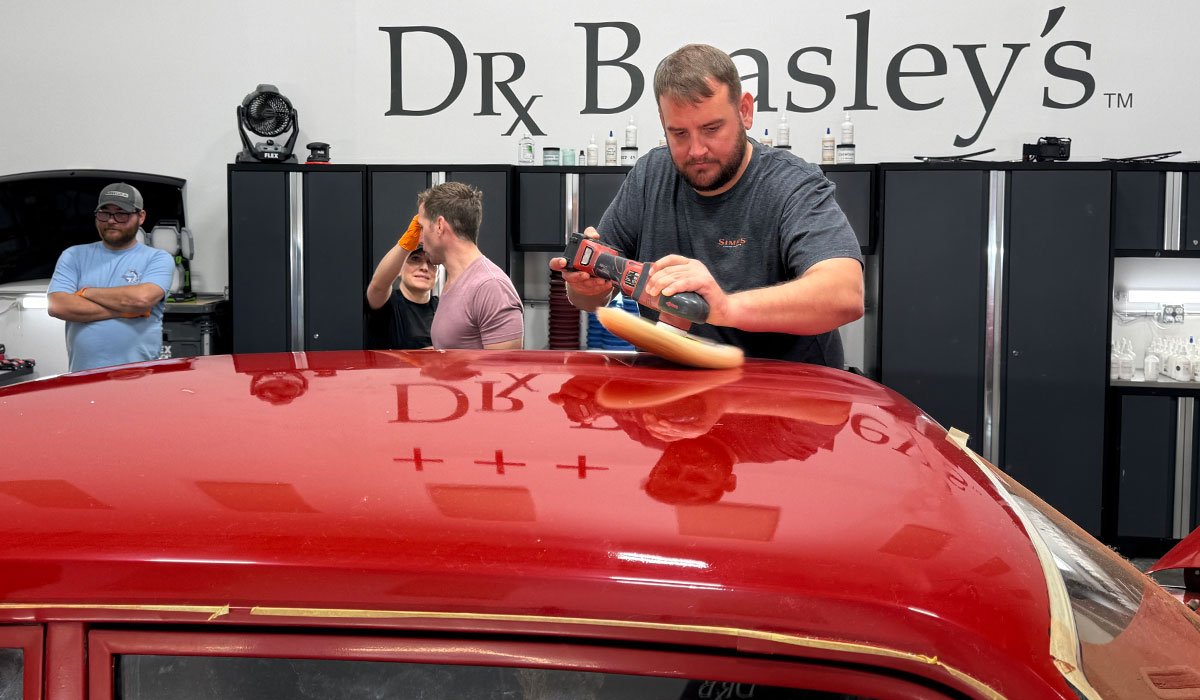
Look at his reflection in the paint - this is an incredible extreme transformation from where we started at 7:30am this morning!

full


Installing the Ceramic Coating
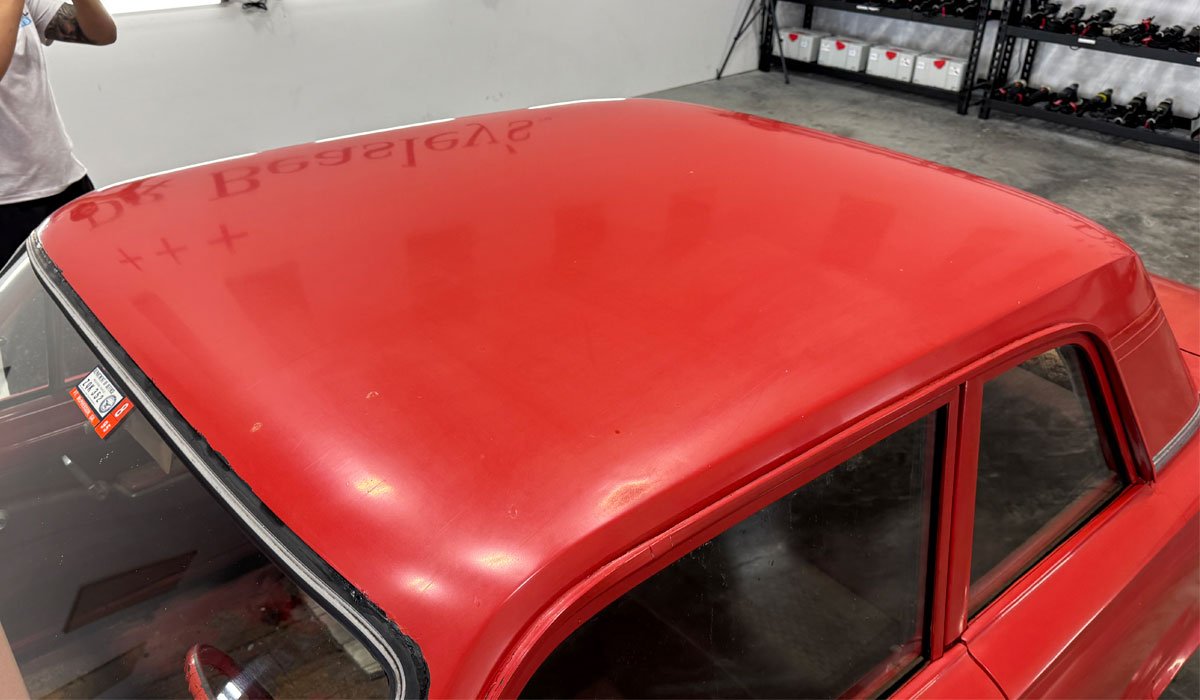
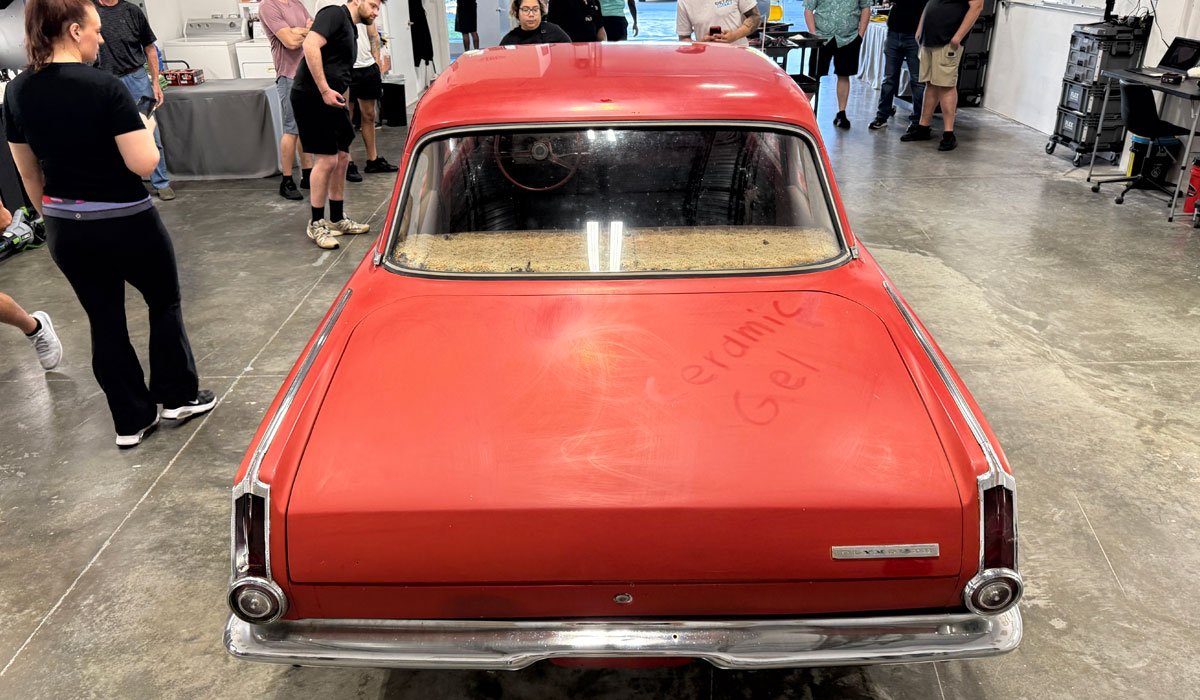
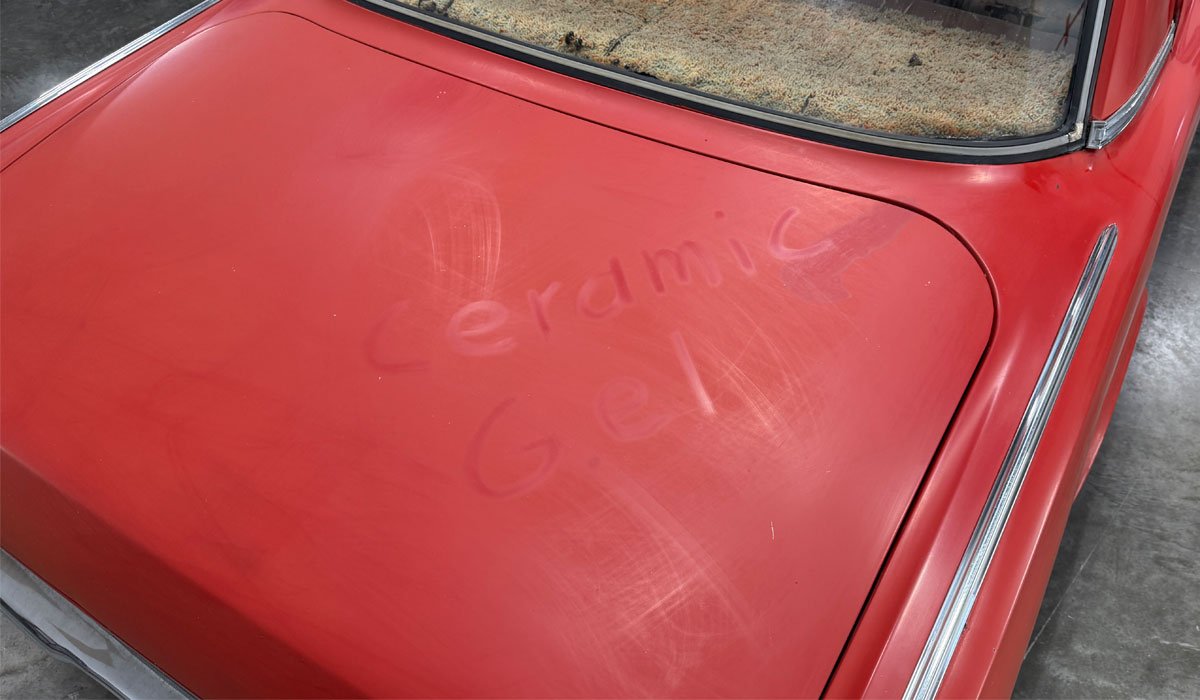
After all the paint correction steps, next there was a demonstration and explanation on how to install the ceramic coating and then the class took over and completed the job.

full


full


Mike
 
Last edited:
More...

Let's take a look down memory lane before we see the after pictures.

Here she is in the Pole Barn where the car was discovered.

full


full


Here she is after she arrived to Dr. Beasley's Training Center in sunny, Stuart, Florida!

full


full


full


full


full


full


full


full


full


full


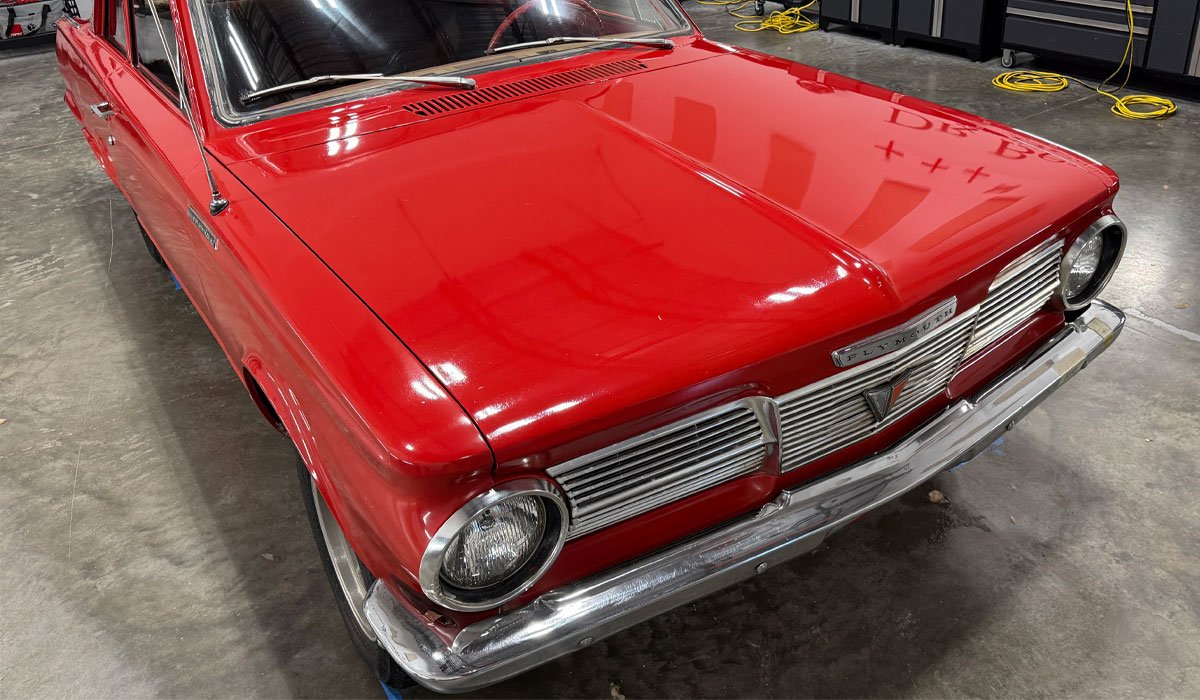
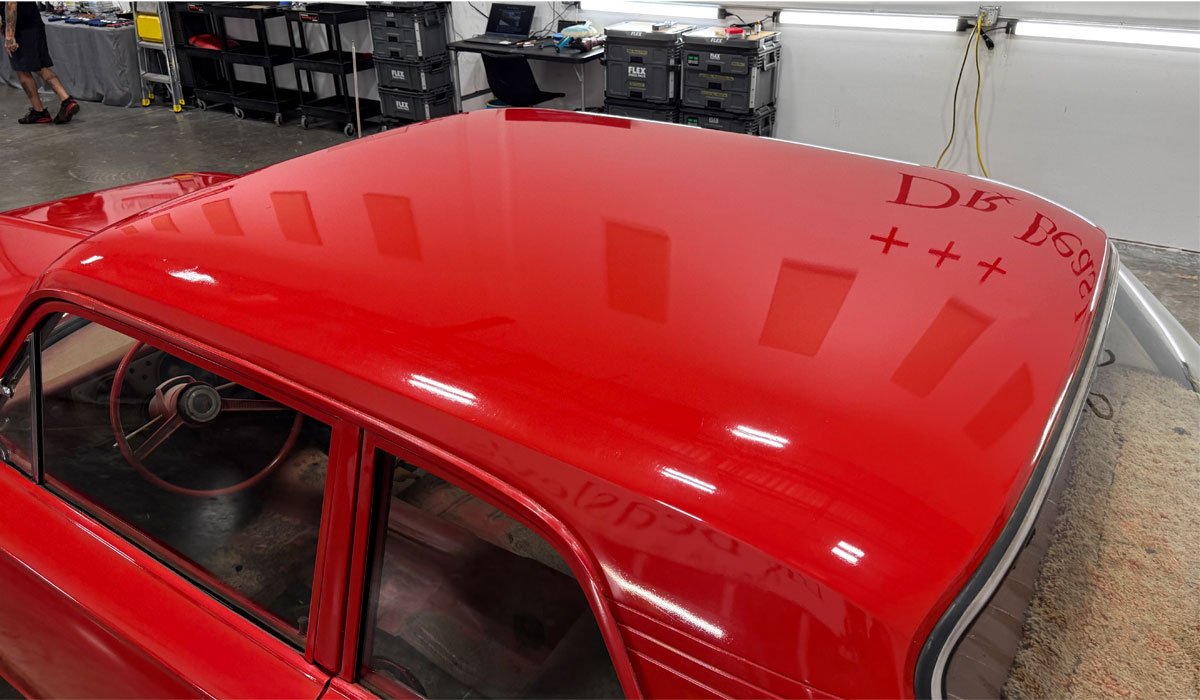
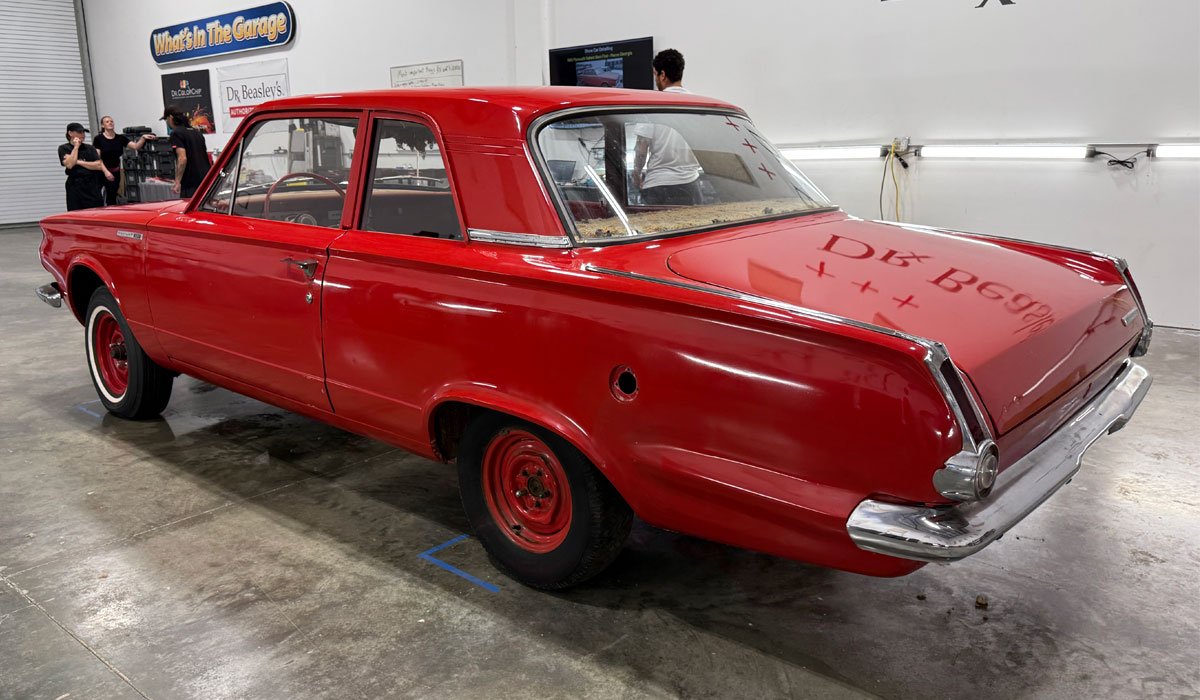
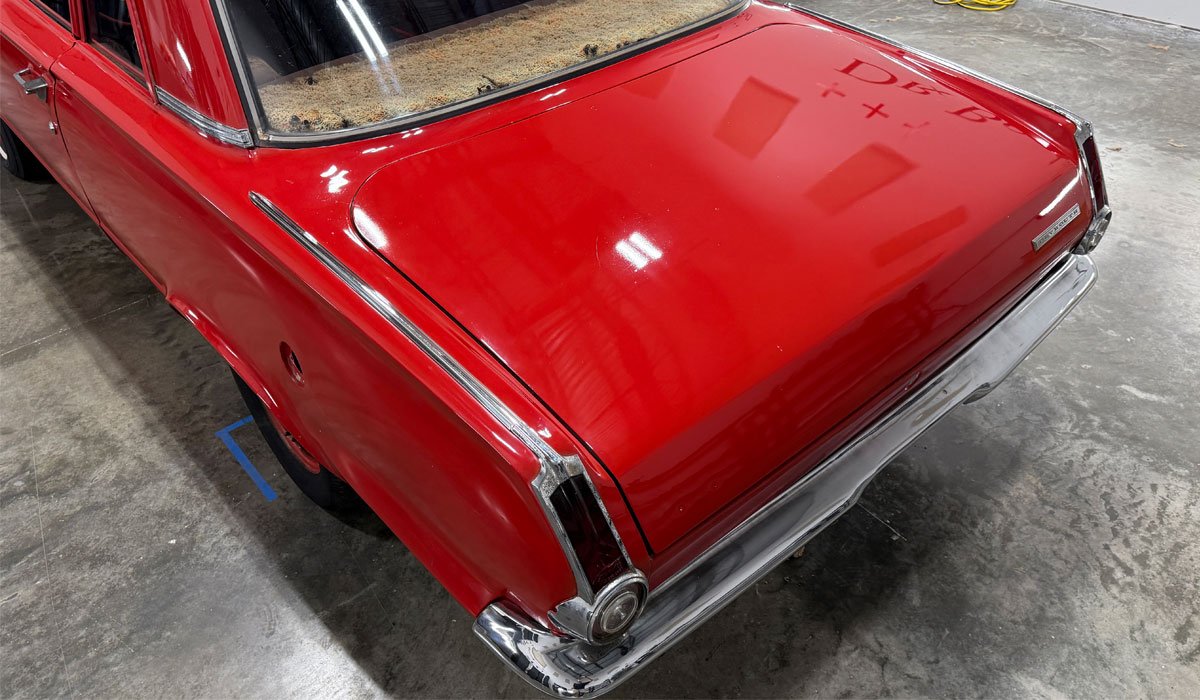
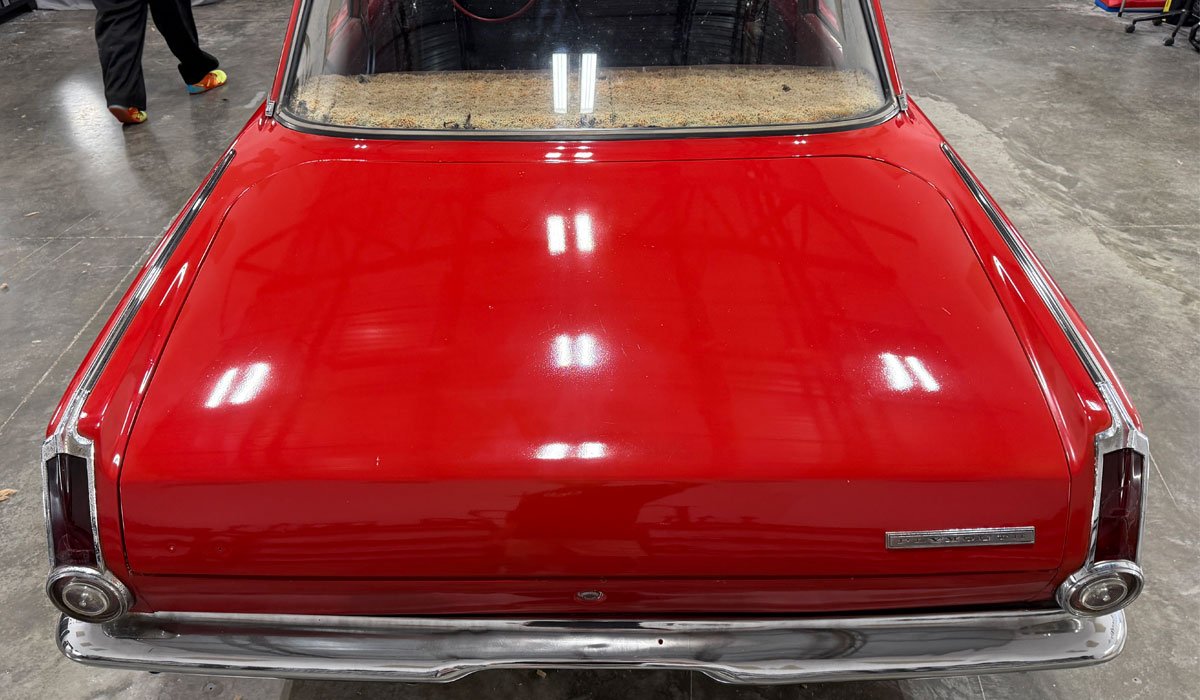
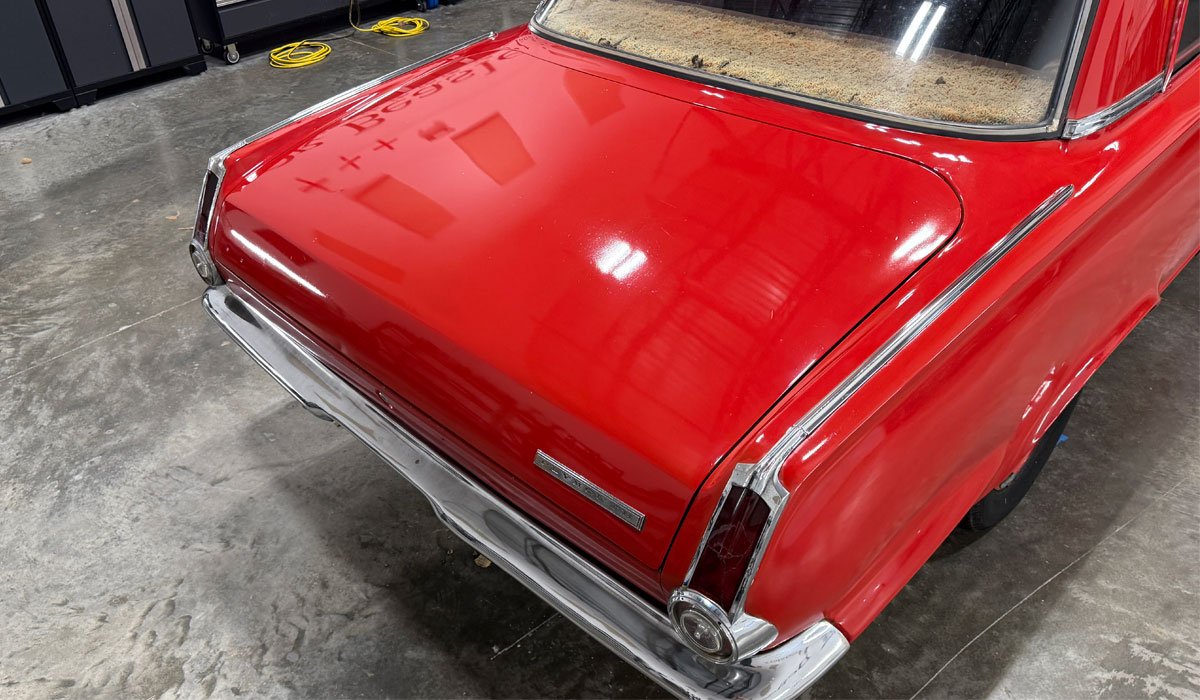
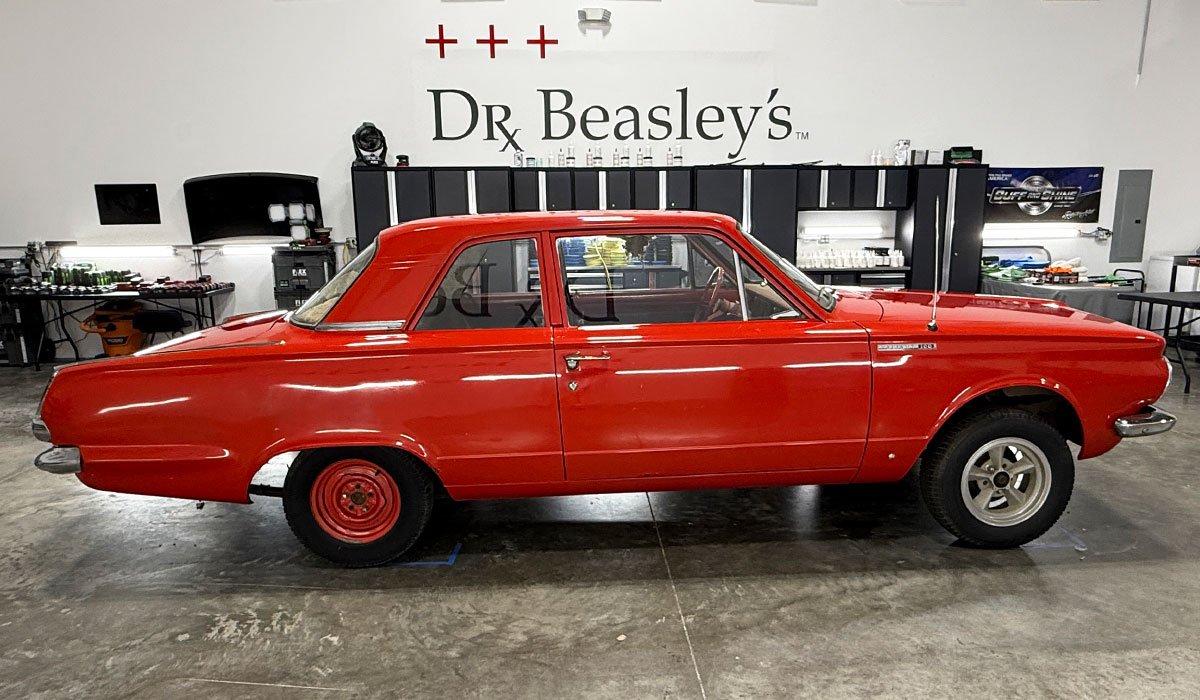
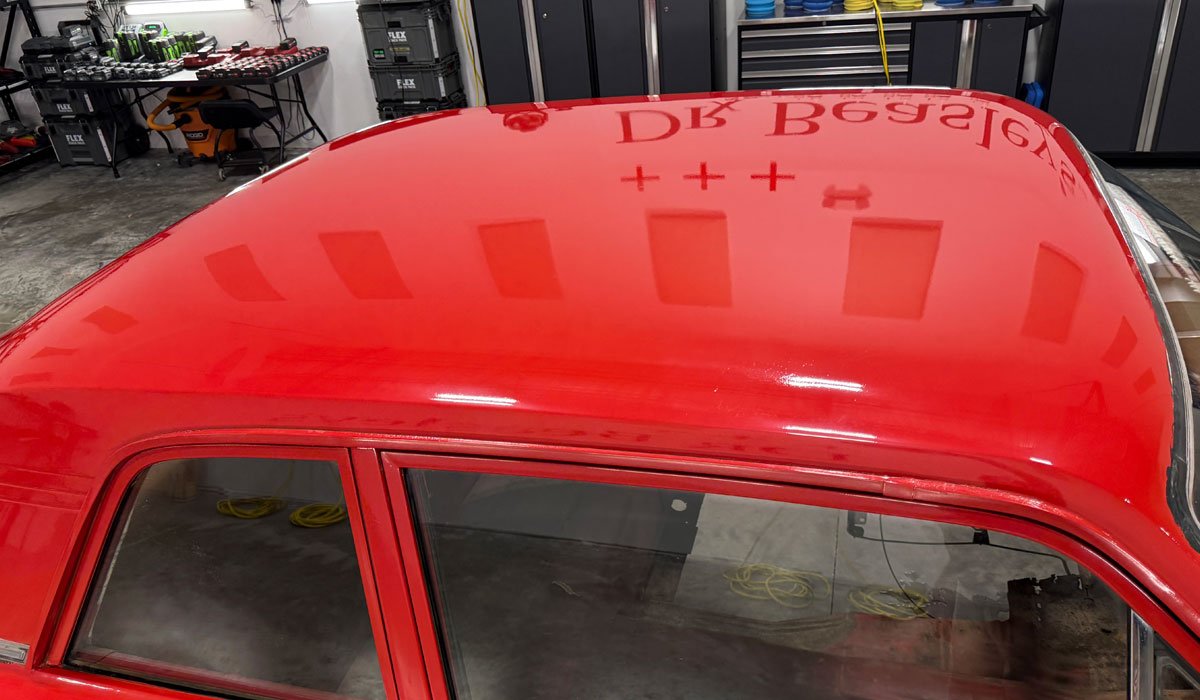
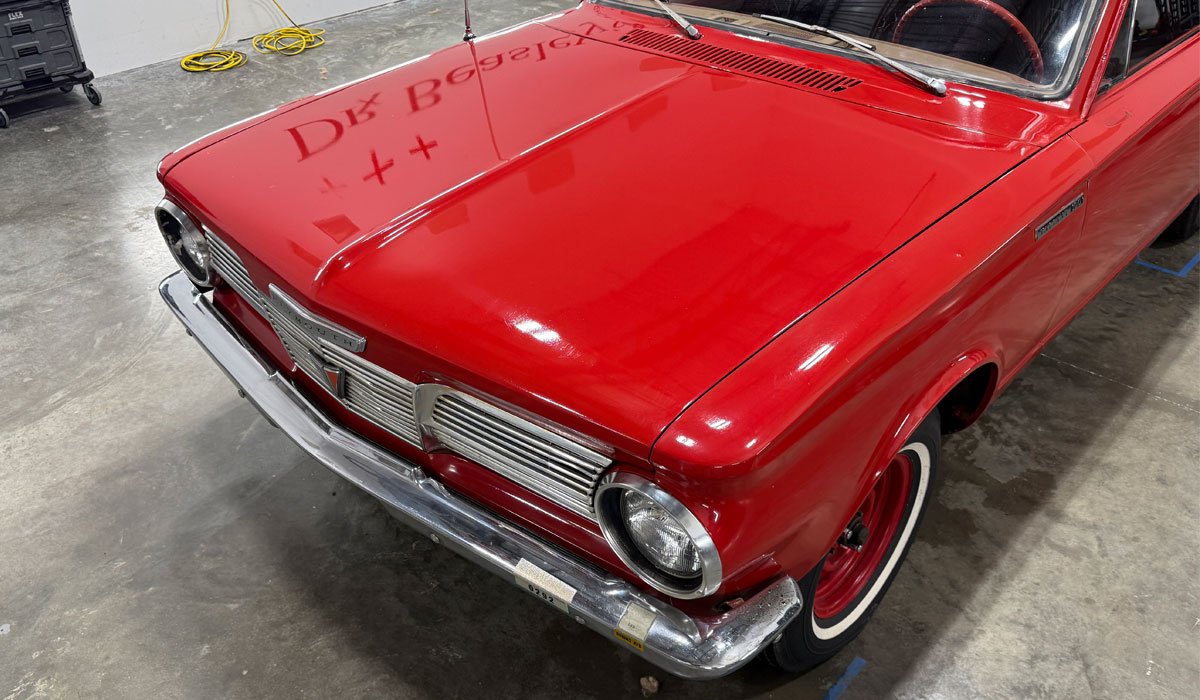
Here's the final results!

full


full


full


full


full


full


full


full


full


full


full


full


full


Besides learning,

  • How to use a rotary polisher with an 8" wool cutting pad to chop off decade of oxidation the correct way.
  • How to use a gear-driven orbital polisher to remove any holograms and maximizing gloss and richness-of-color.
  • How to install a ceramic coating.
  • How to machine scrub tires.


And the coolest thing? How to do the Comet Wash Technique in a CLASS.

full


full


full


full


full


You guy killed it! Great job!


Mike
 
Back
Top