248 Pictures - February 3-Day Car & Boat Detailing Class with Mike Phillips
Mike Phillips
Administrator
Staff member
Joined
May 21, 2021
Messages
2,534
Reaction score
1,501
Points
113
Location
Stuart, Florida
Website
themikephillipsforum.com
248 Pictures - February 3-Day Car & Boat Detailing Class with Mike Phillips

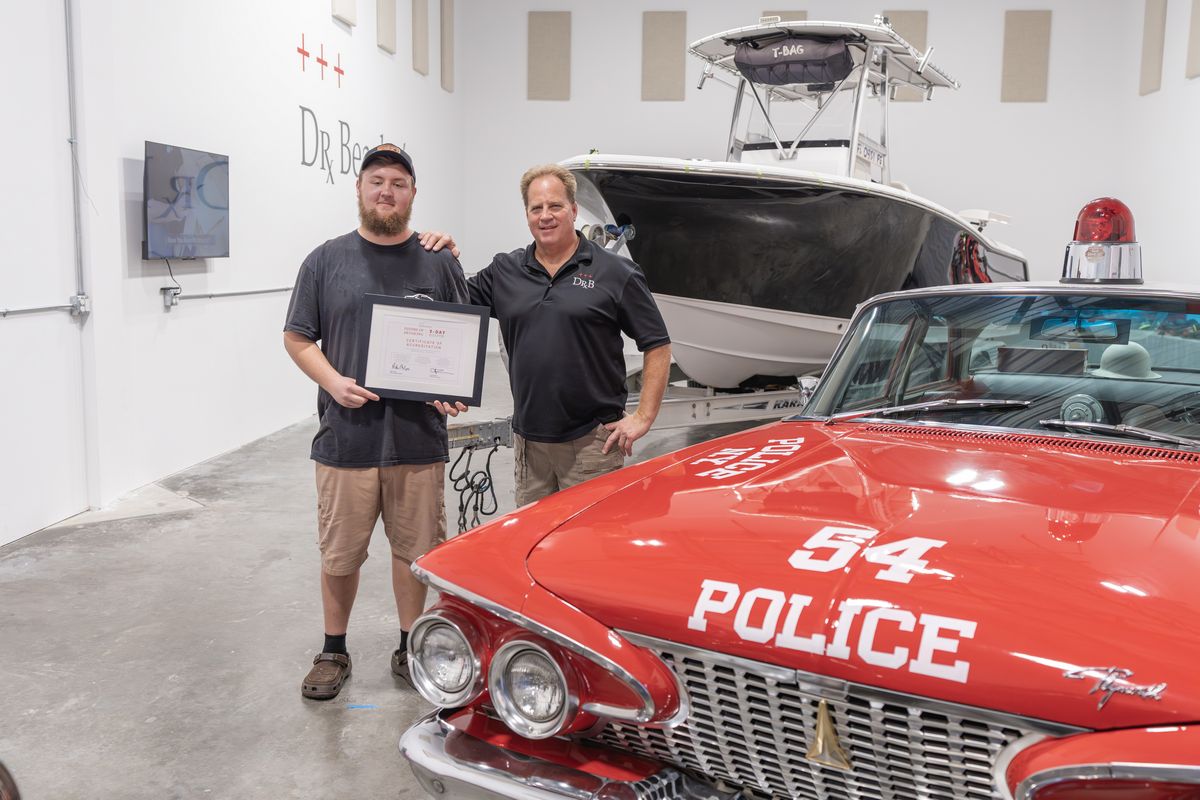
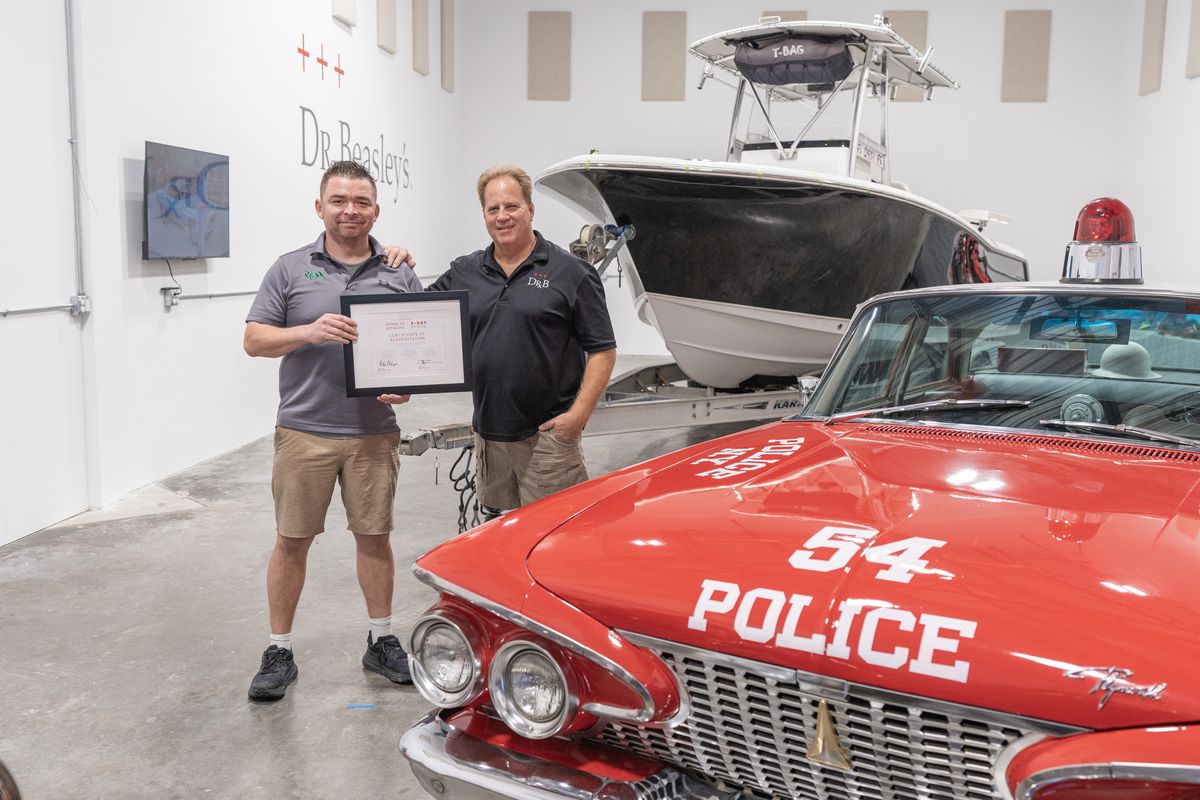
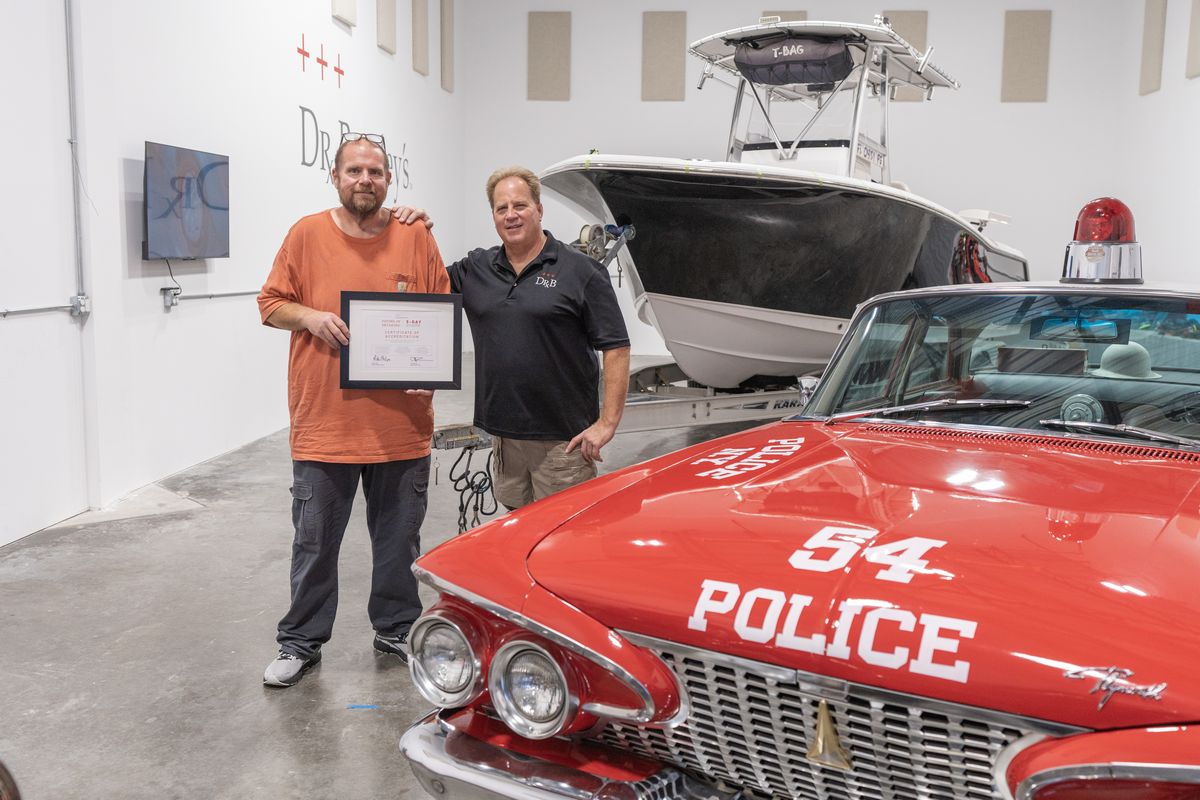
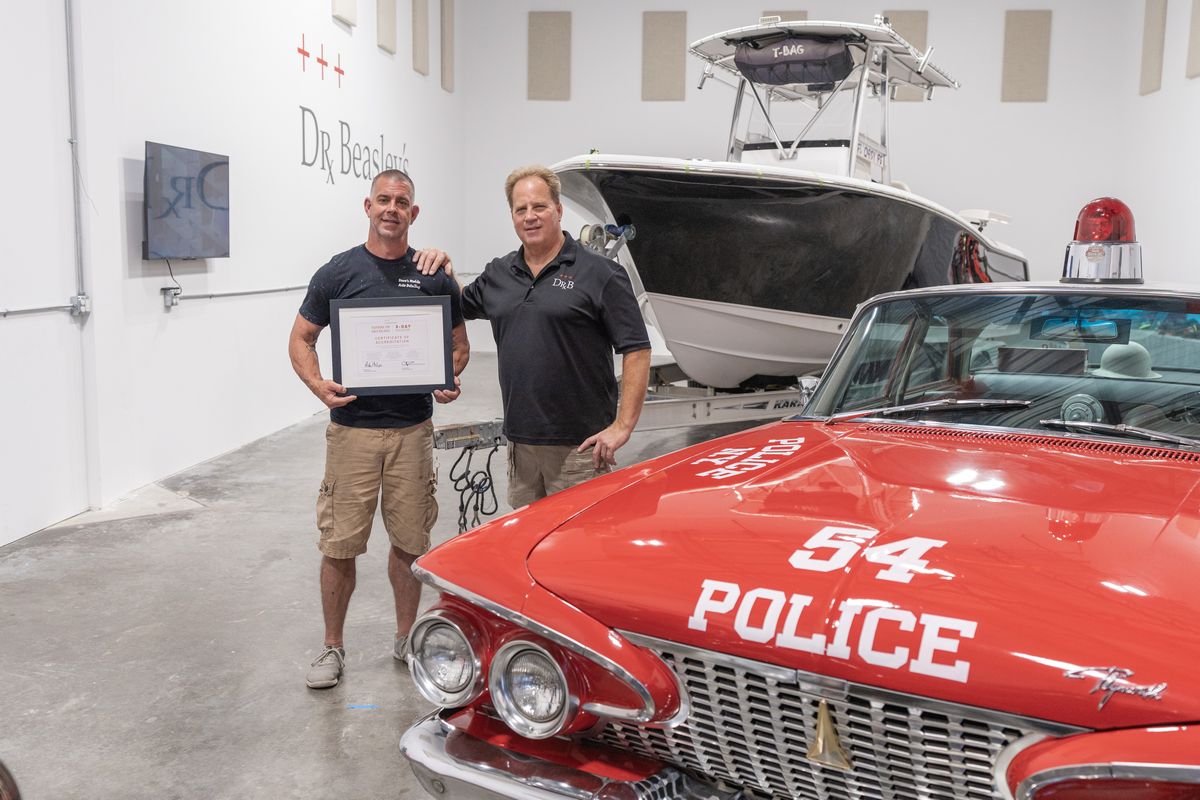
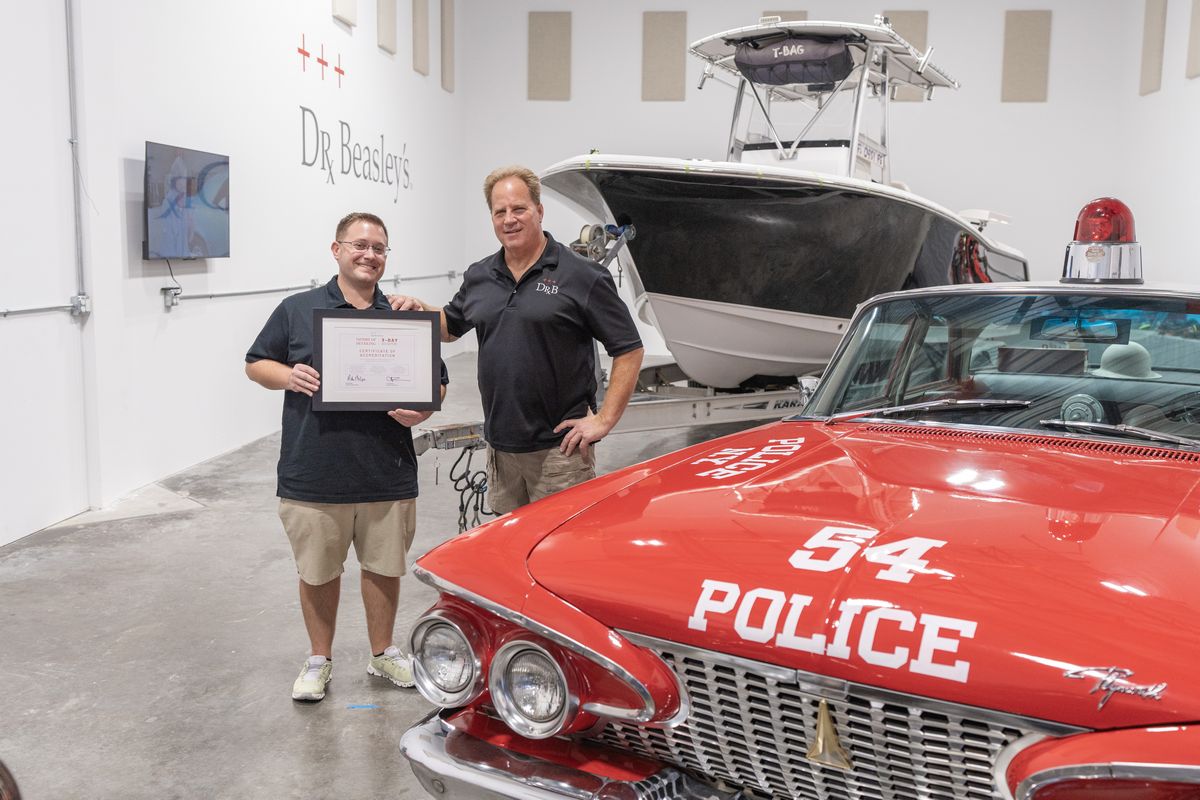
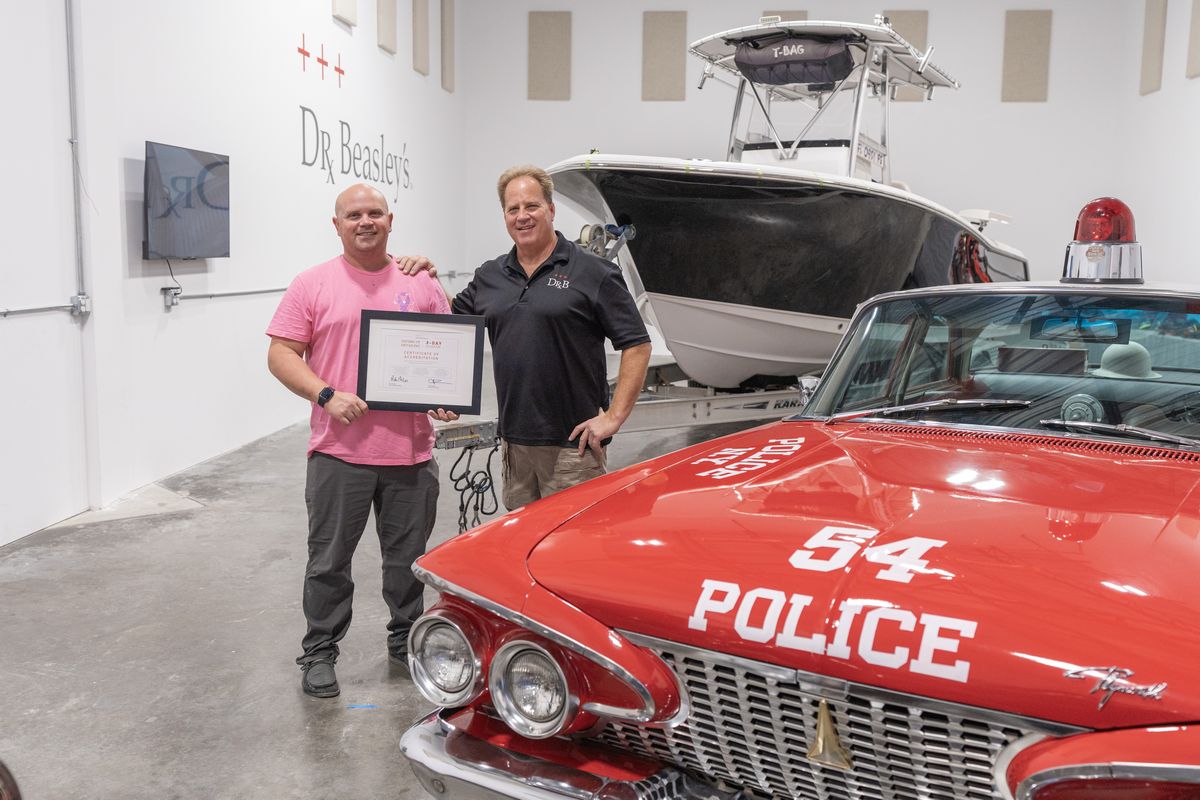
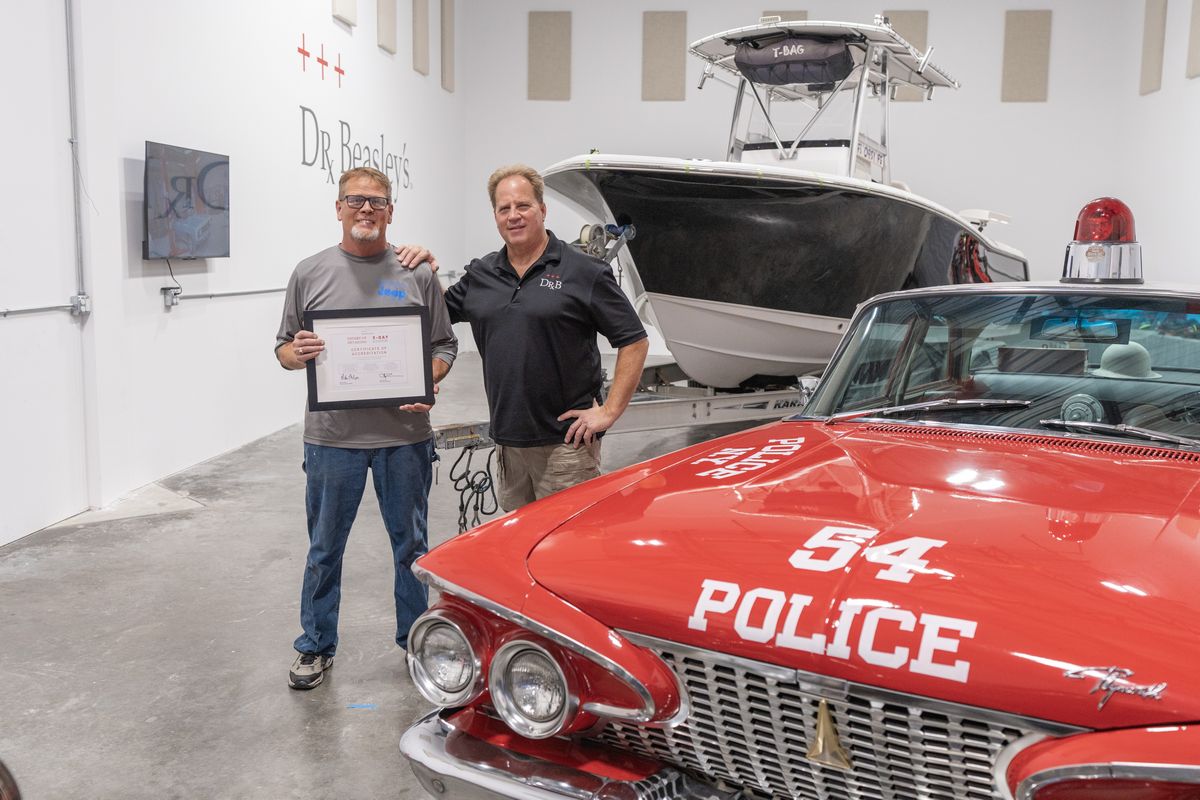
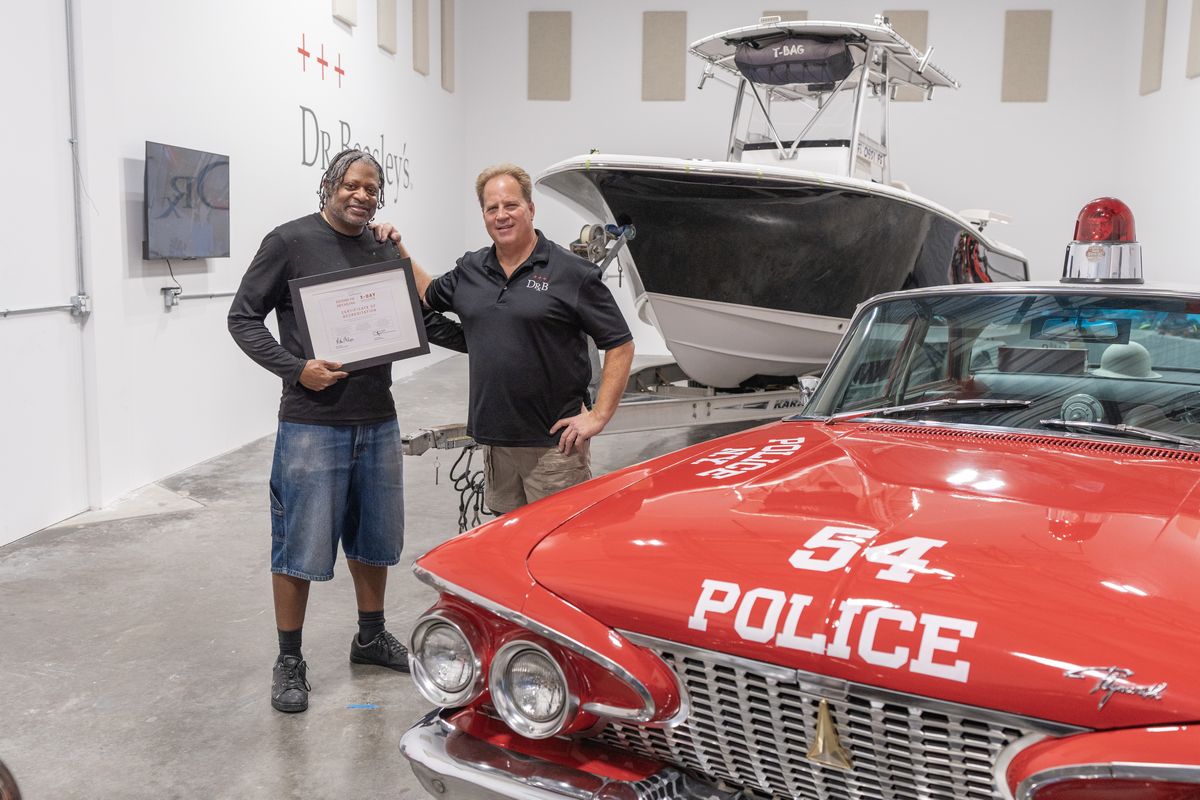
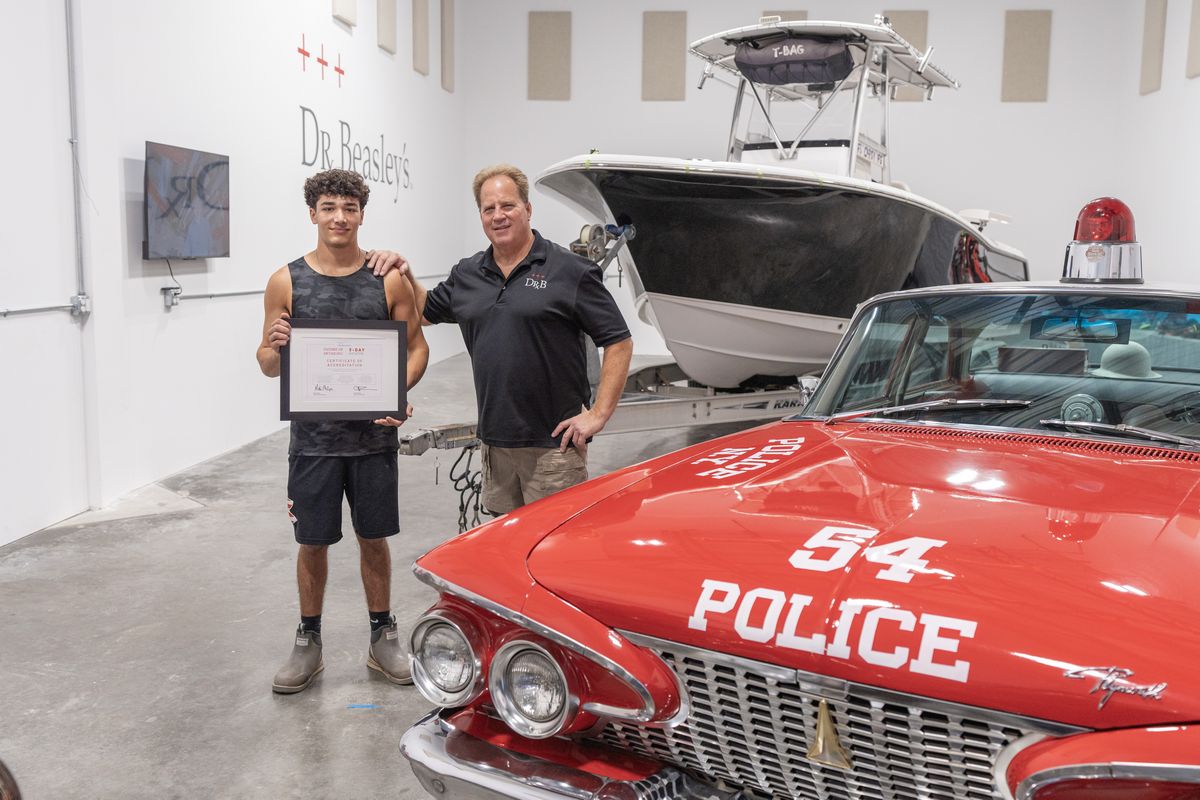
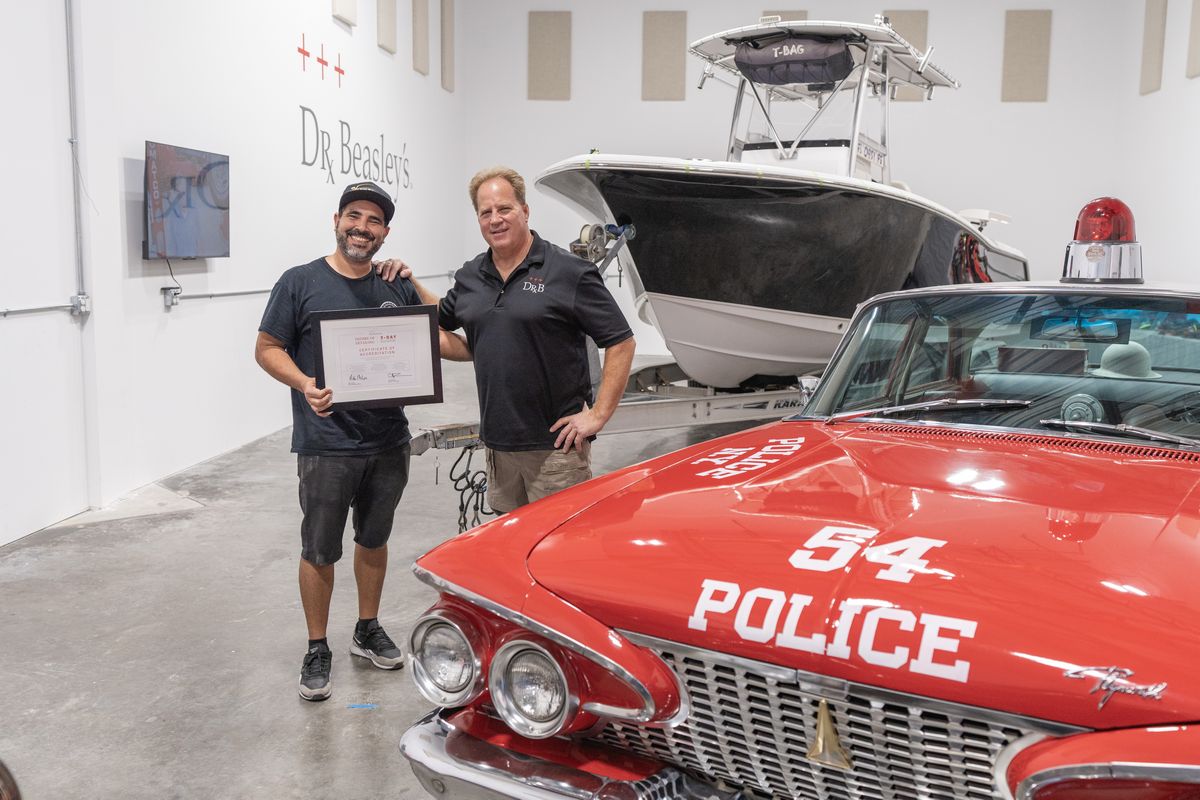
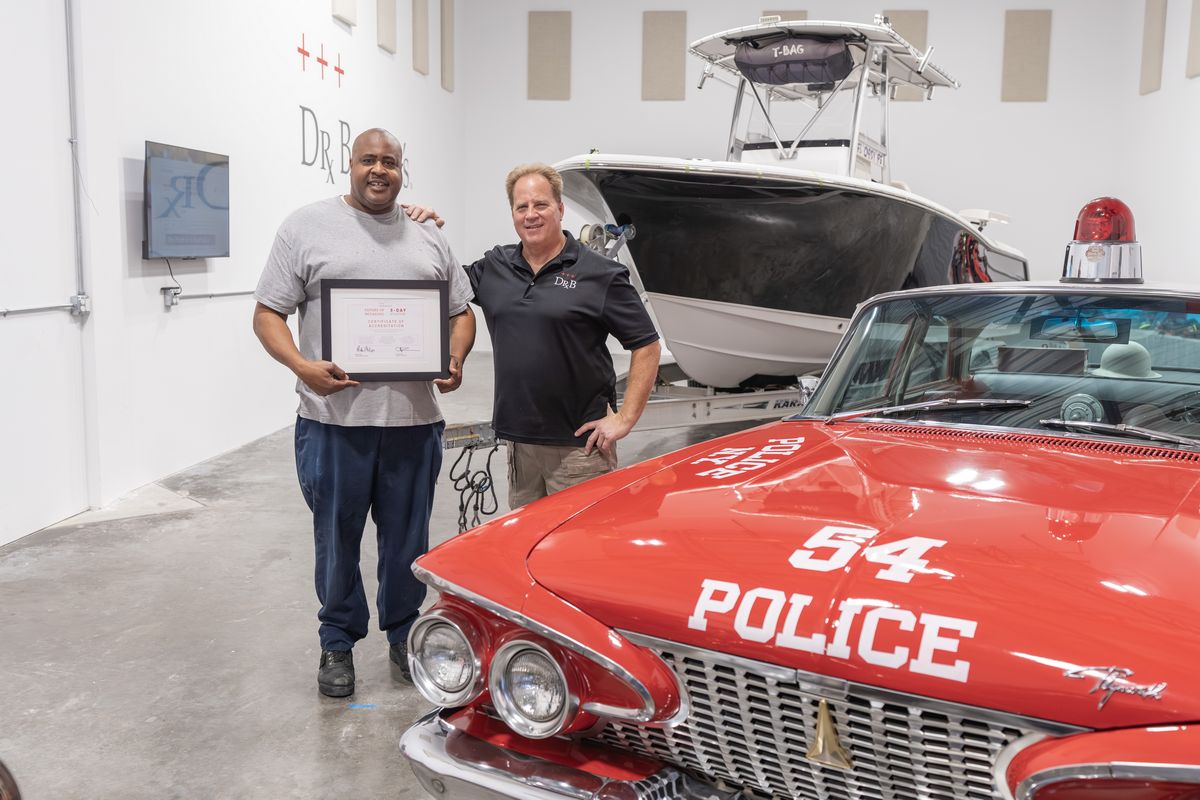
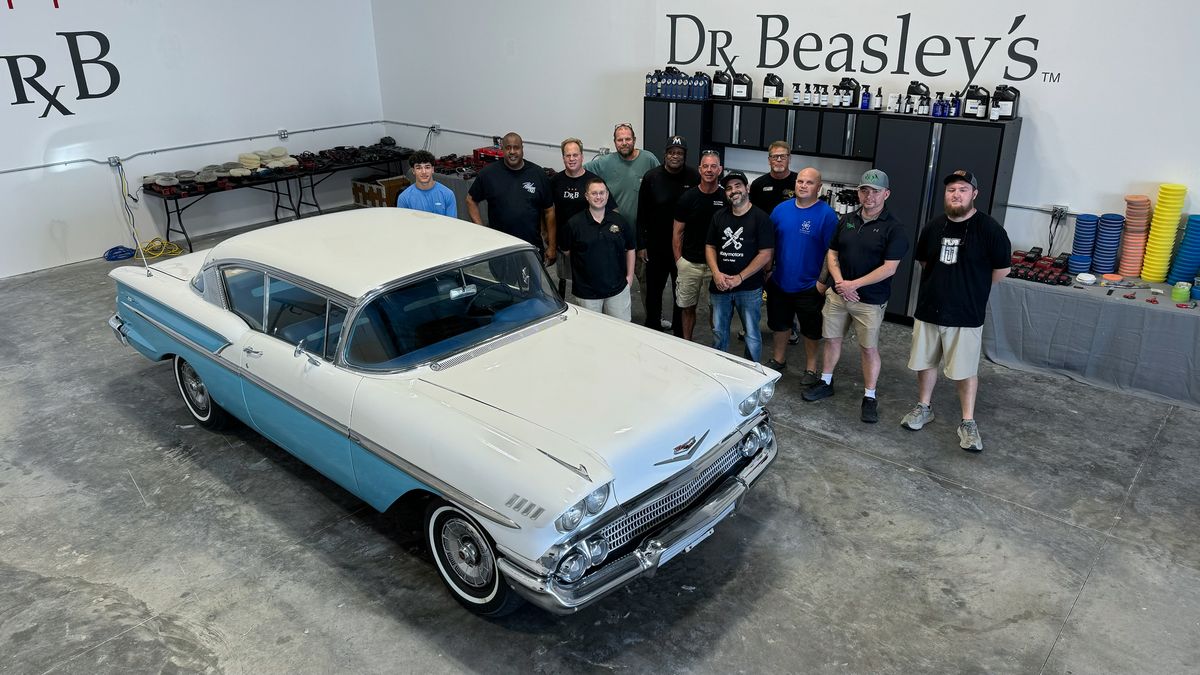
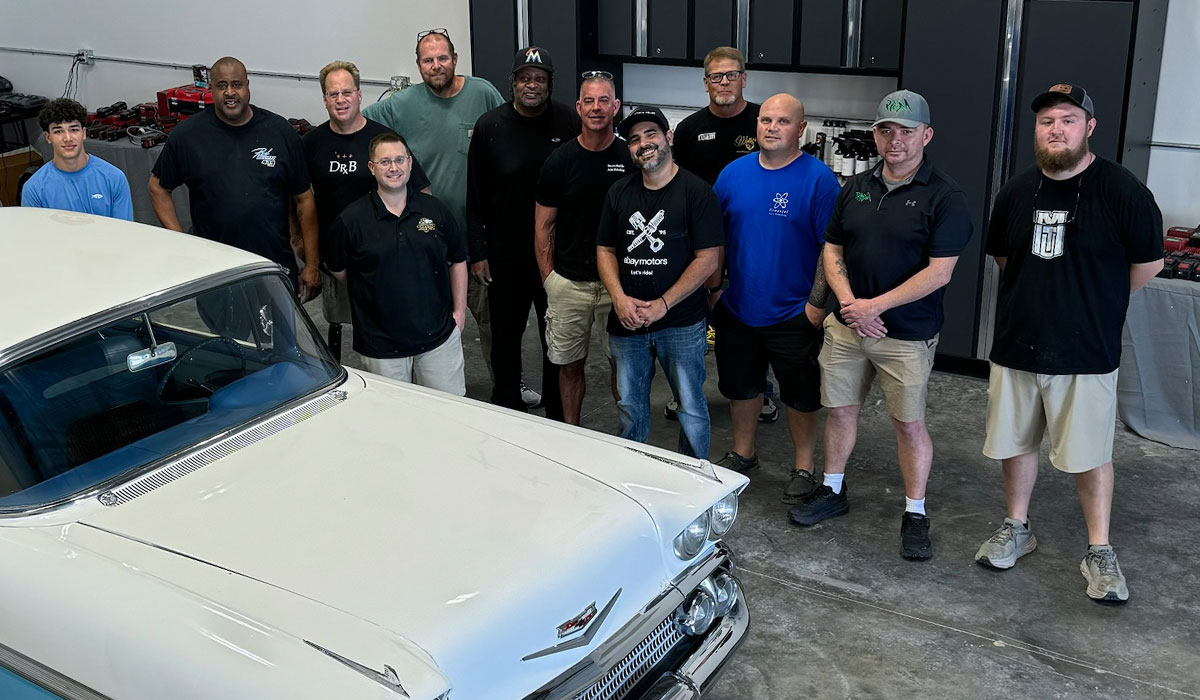
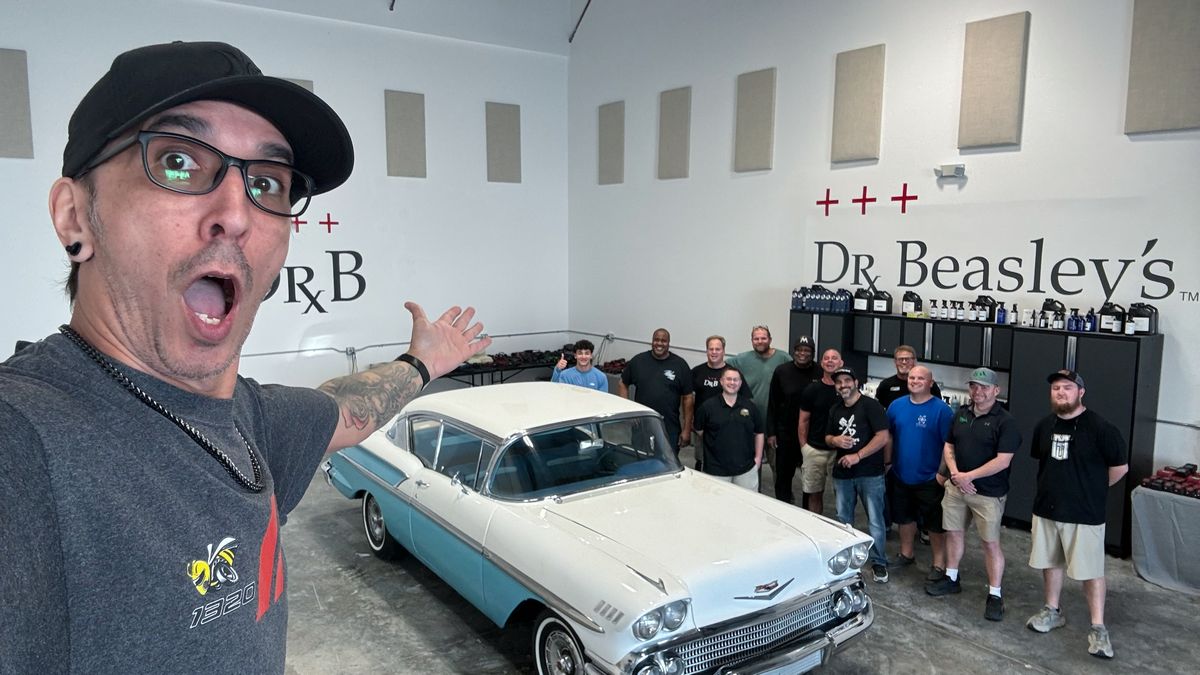
Here's the graduating class for the February 2024 3-Day Car & Boat Detailing Class!

full


full


full


full


full


full


full


full


full


full


full


Mike
 
Last edited:
Continued...

Day 1 - Morning Session - Extreme Prep Wash
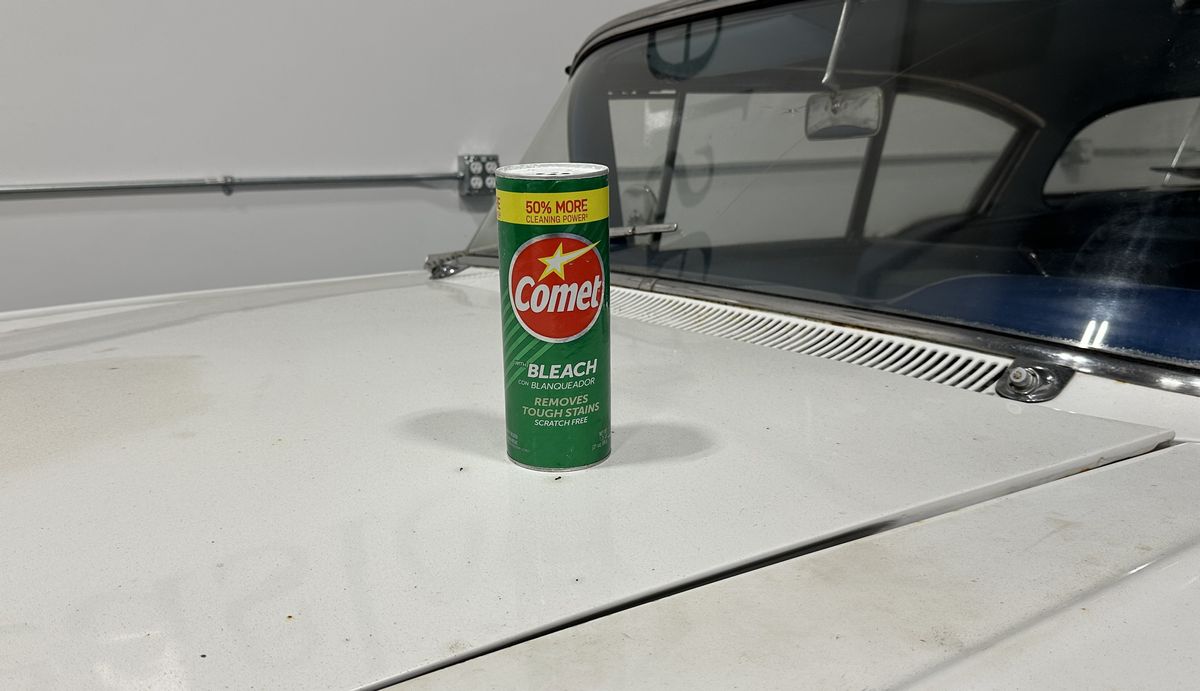
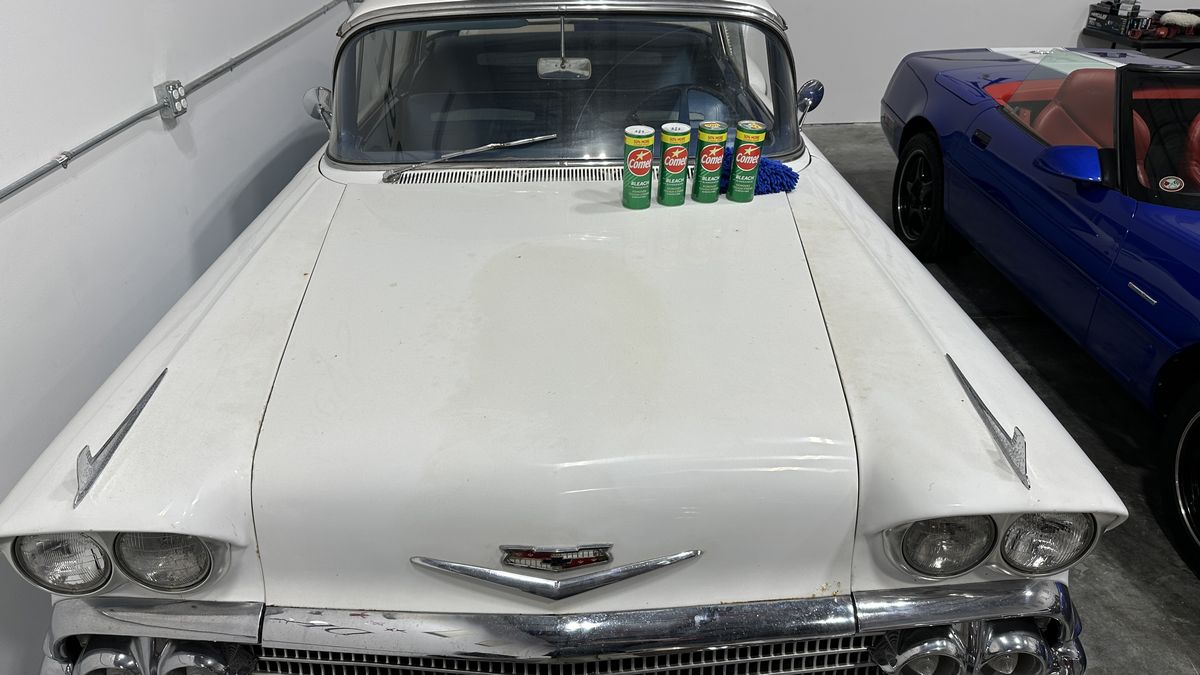
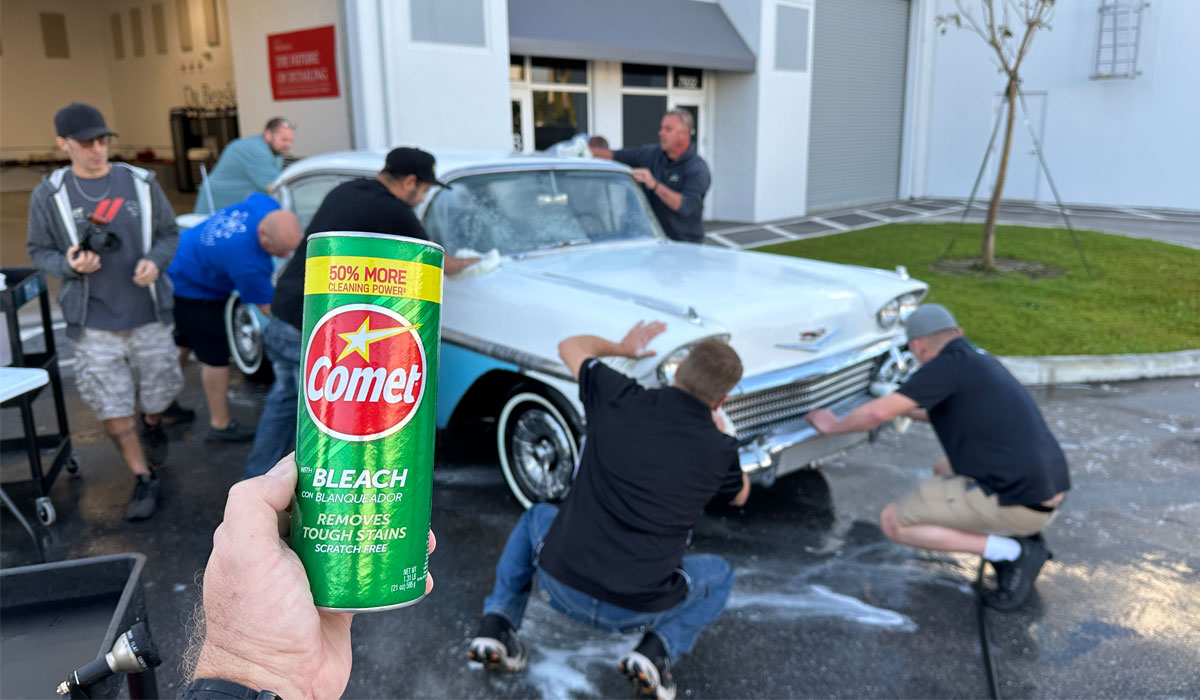
This class had a VERY RARE OPPORTUNITY - and that is they get to work on a Barn Find with severely stained and oxidized single stage paint. So the first thing the class is going to learn how to do is the Comet Wash Technique.

NOTE: This is ONLY for old-school, solvent-evaporation single stage paints like lacquers and enamels. DO NOT USE THIS TECHNIQUE ON A MODERN CLEARCOAT FINISH.


BEFORE CONDITION
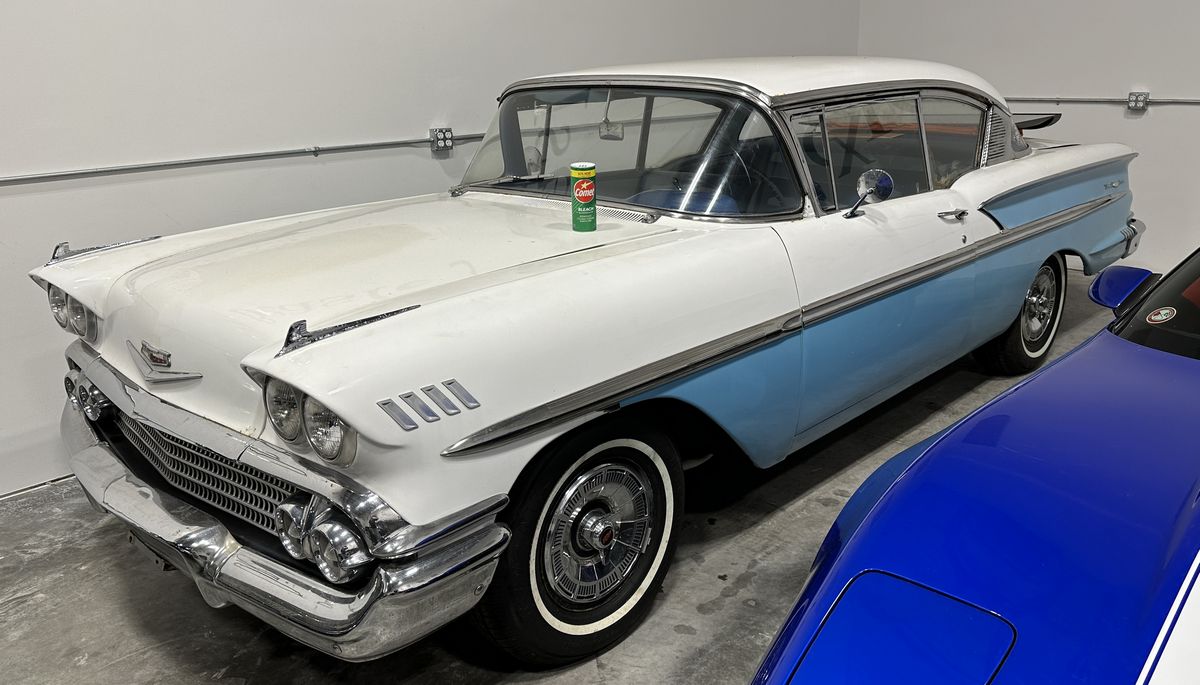
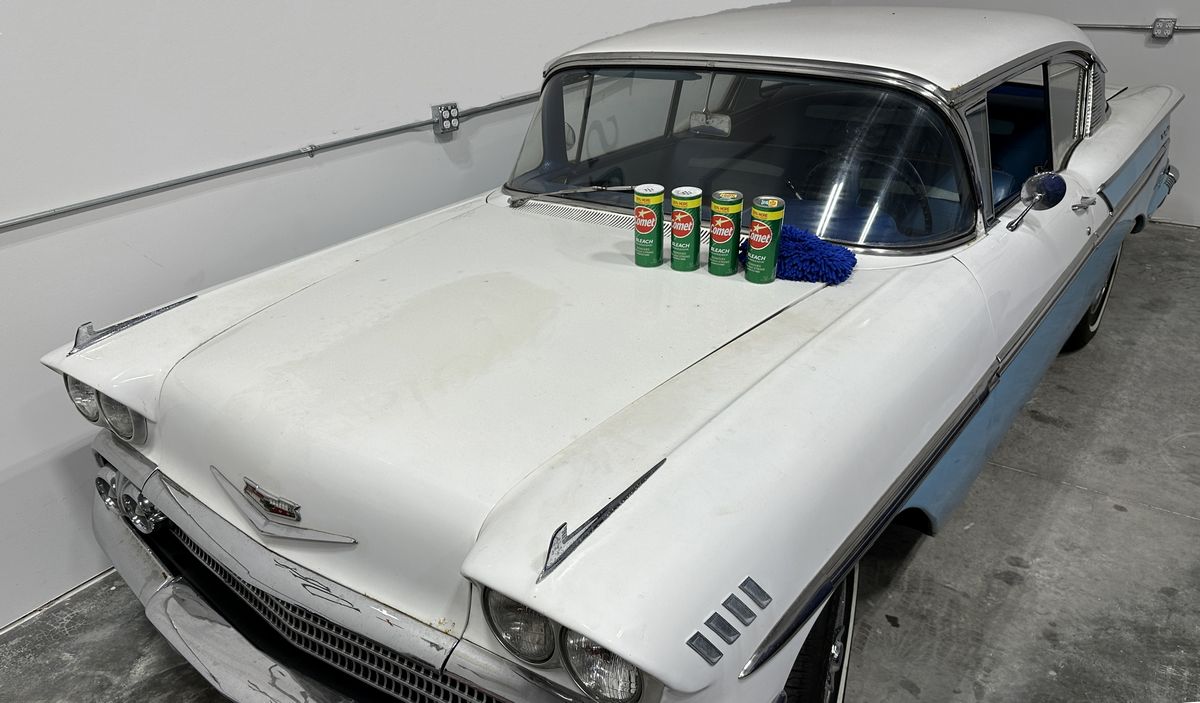
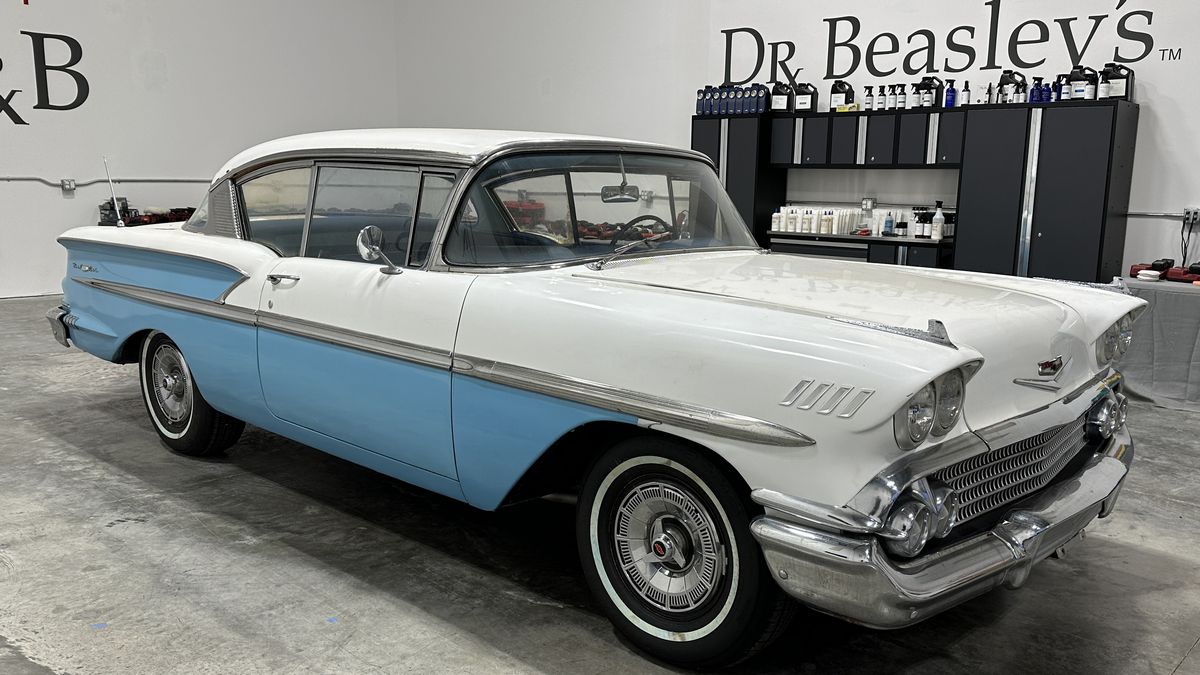
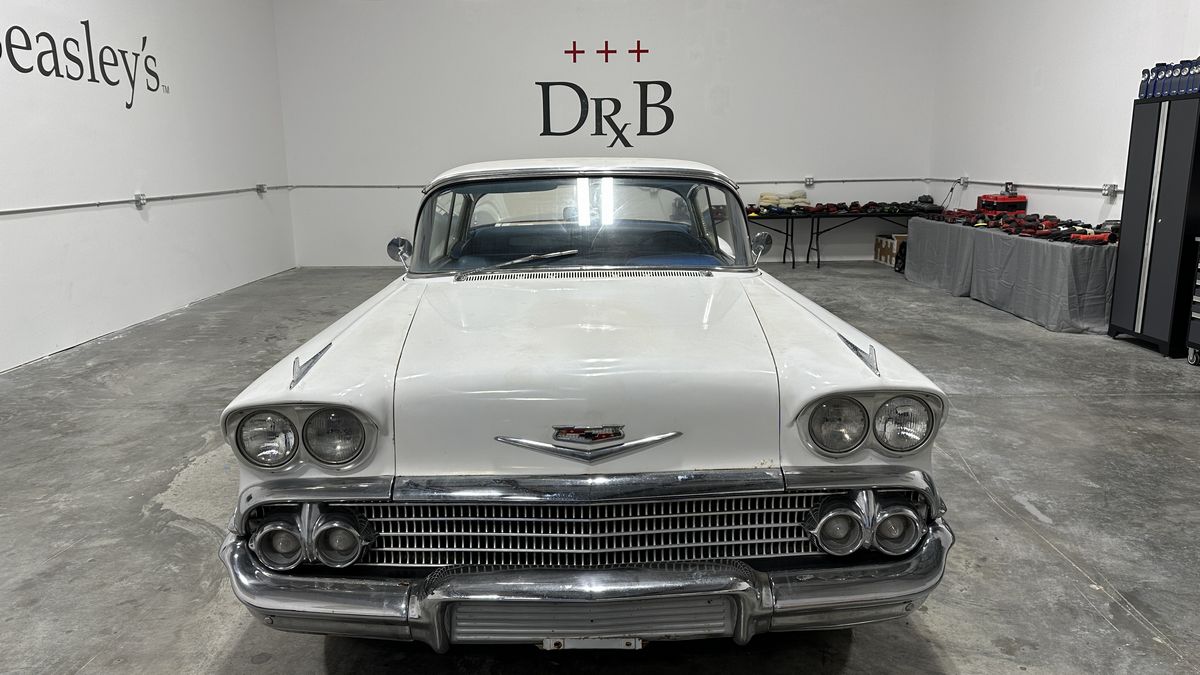
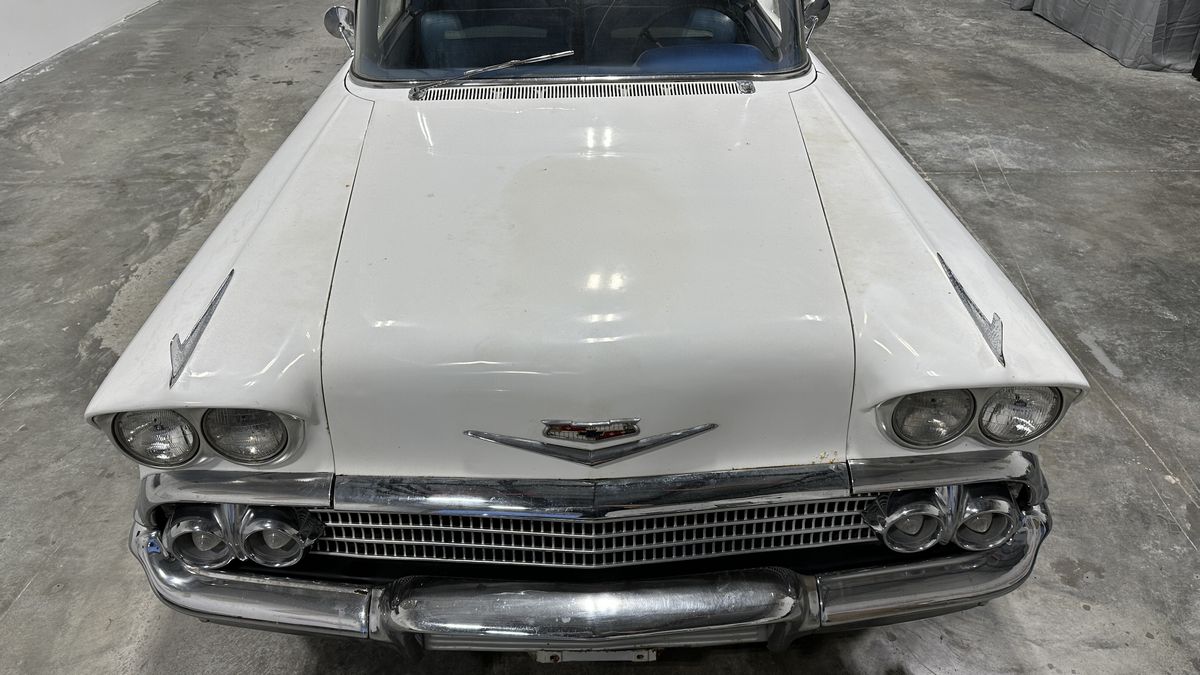
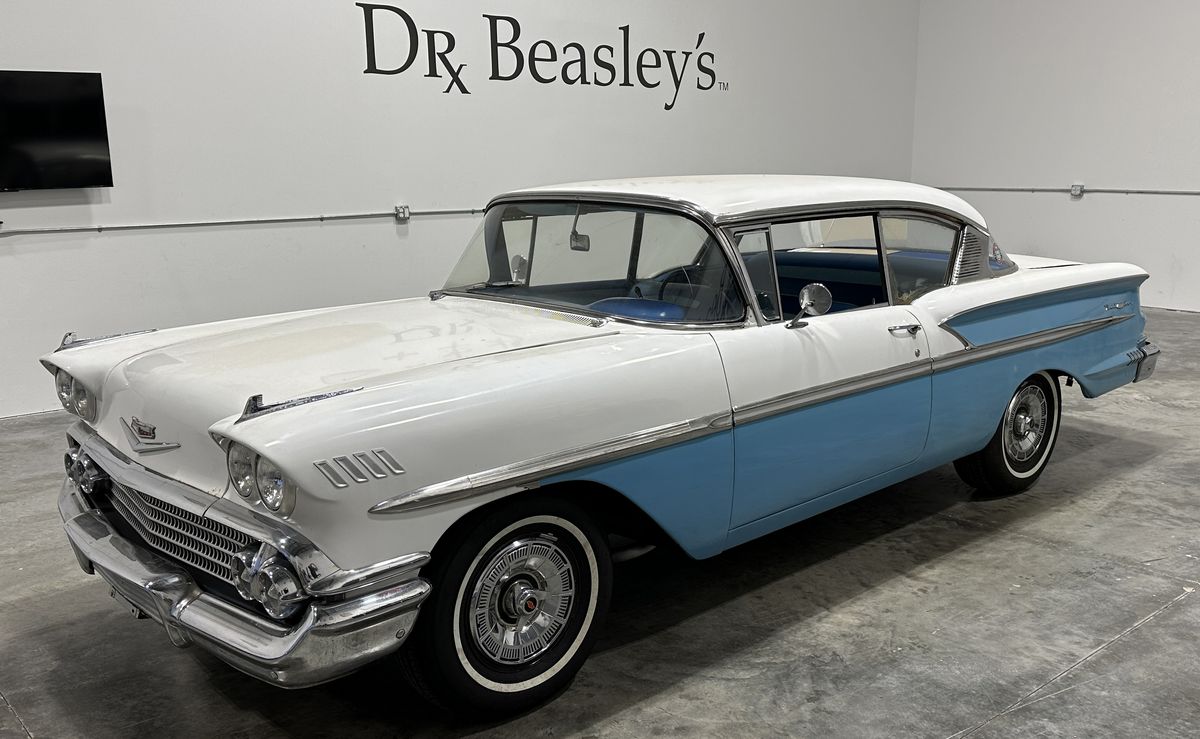
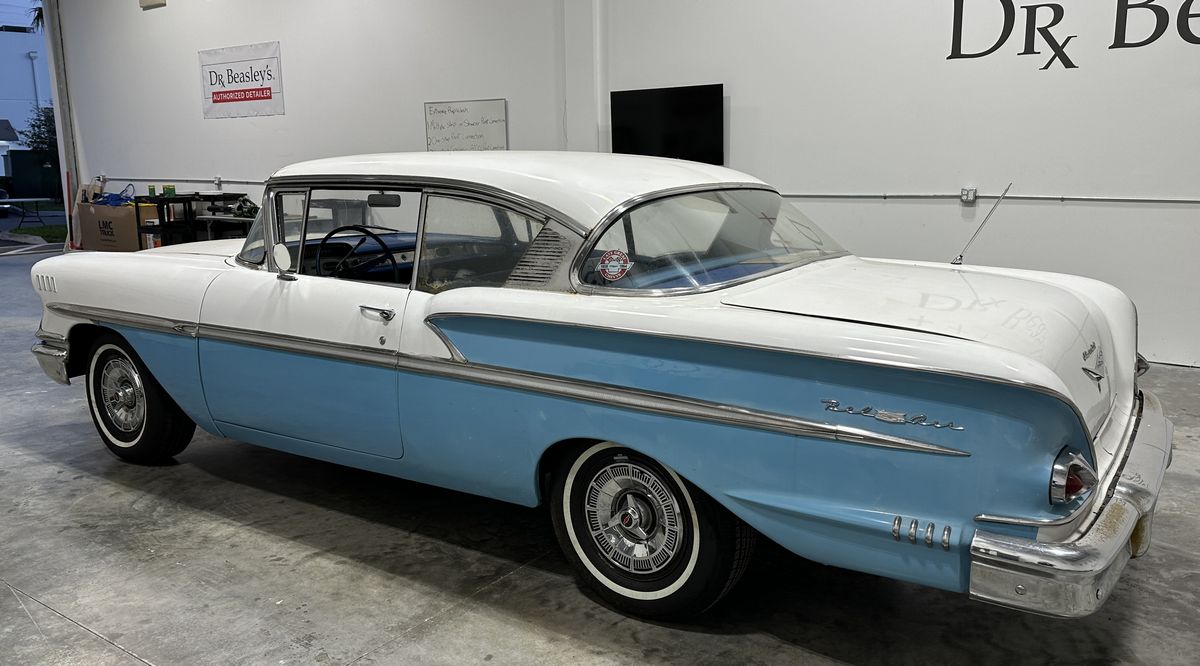
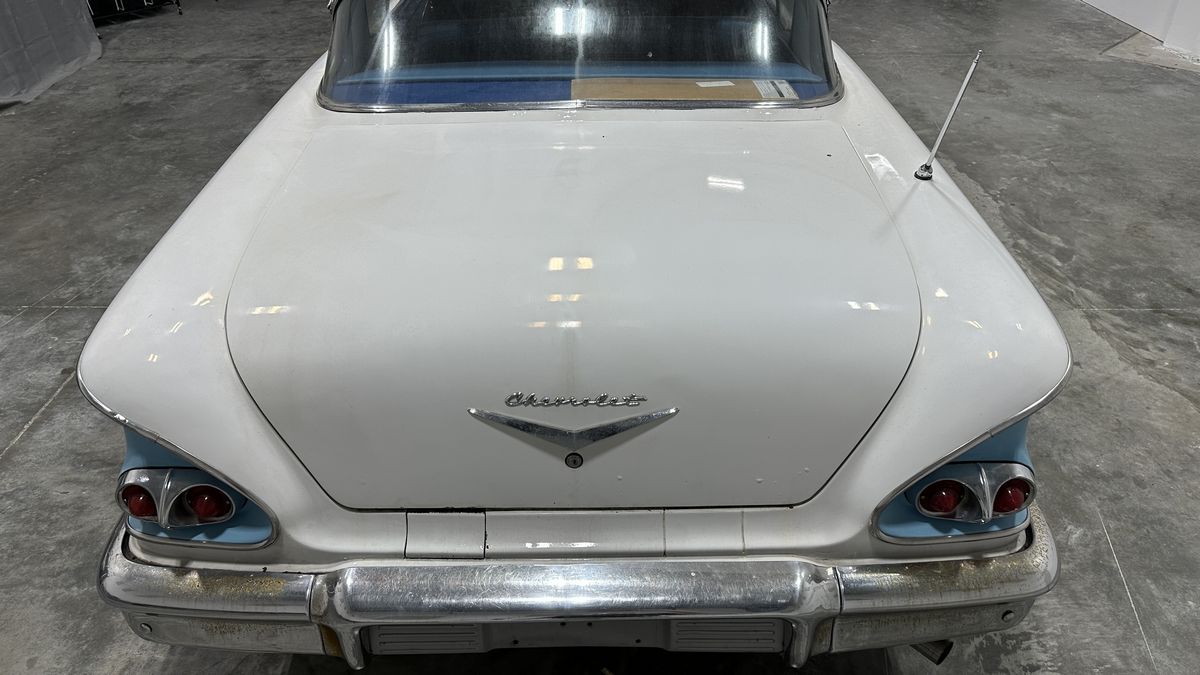
First, lets photo-document the BEFORE condition. Notice the overall dull, chalking looking oxidized paint and also look at the huge STAIN in the middle of the hood. There was also a similar stain on the trunk lid.

full


full


full


full


full


full


full


full


full


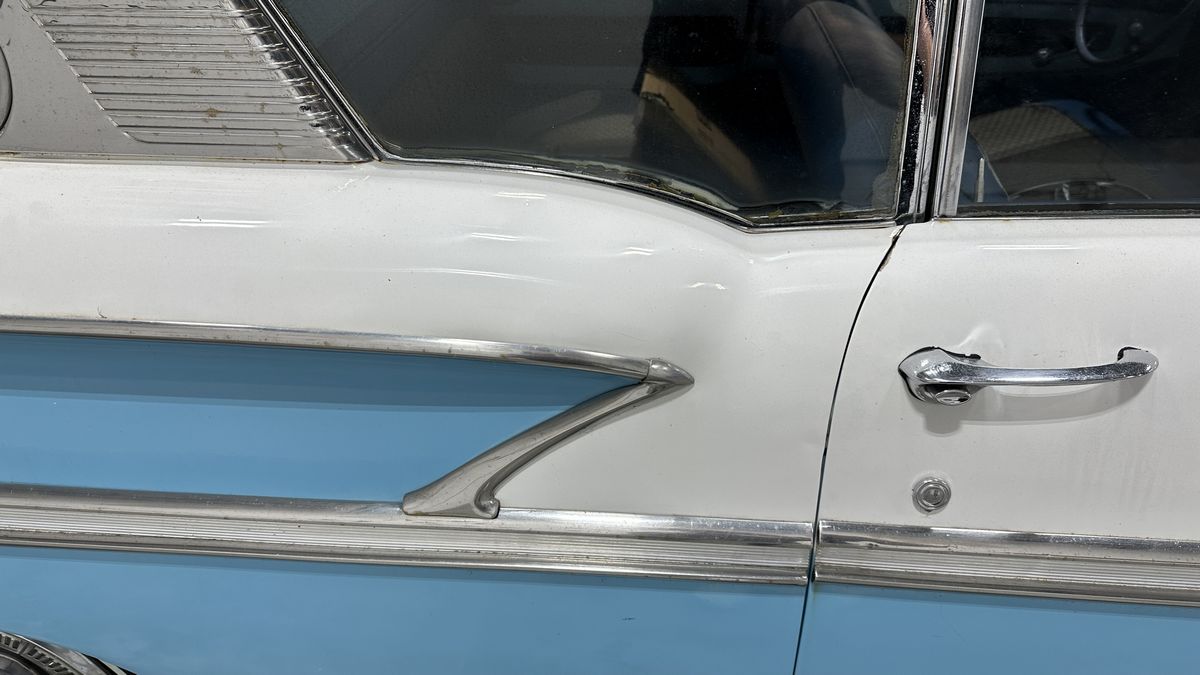
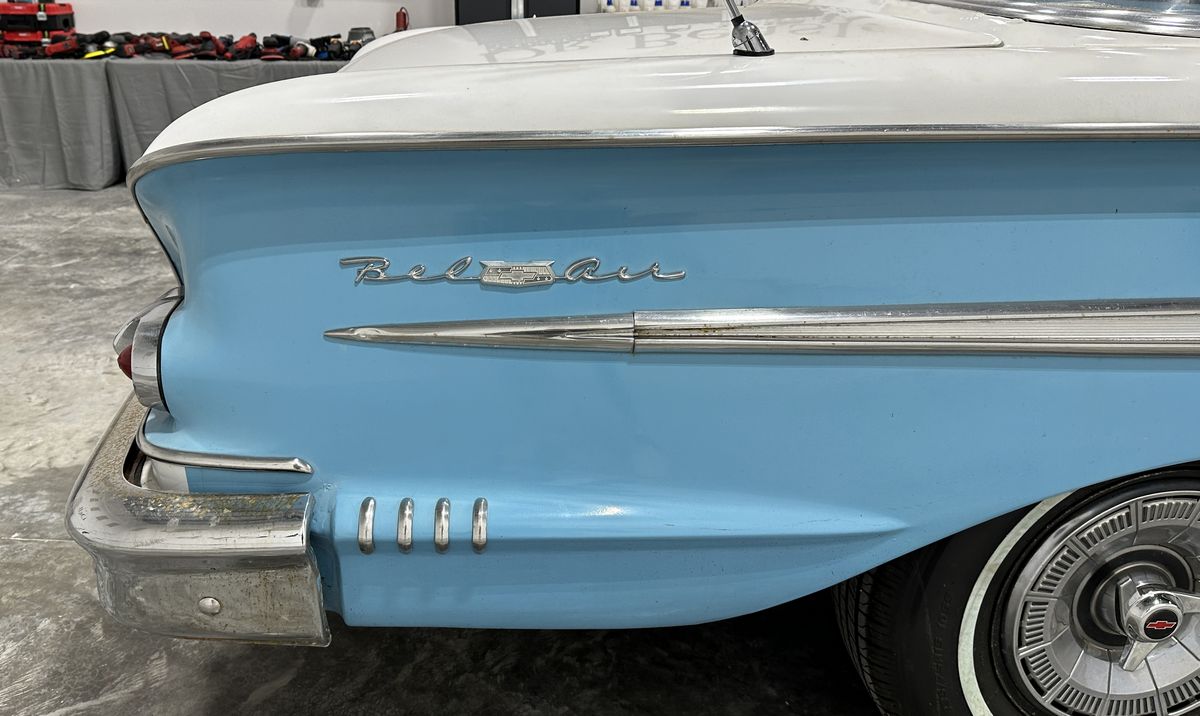
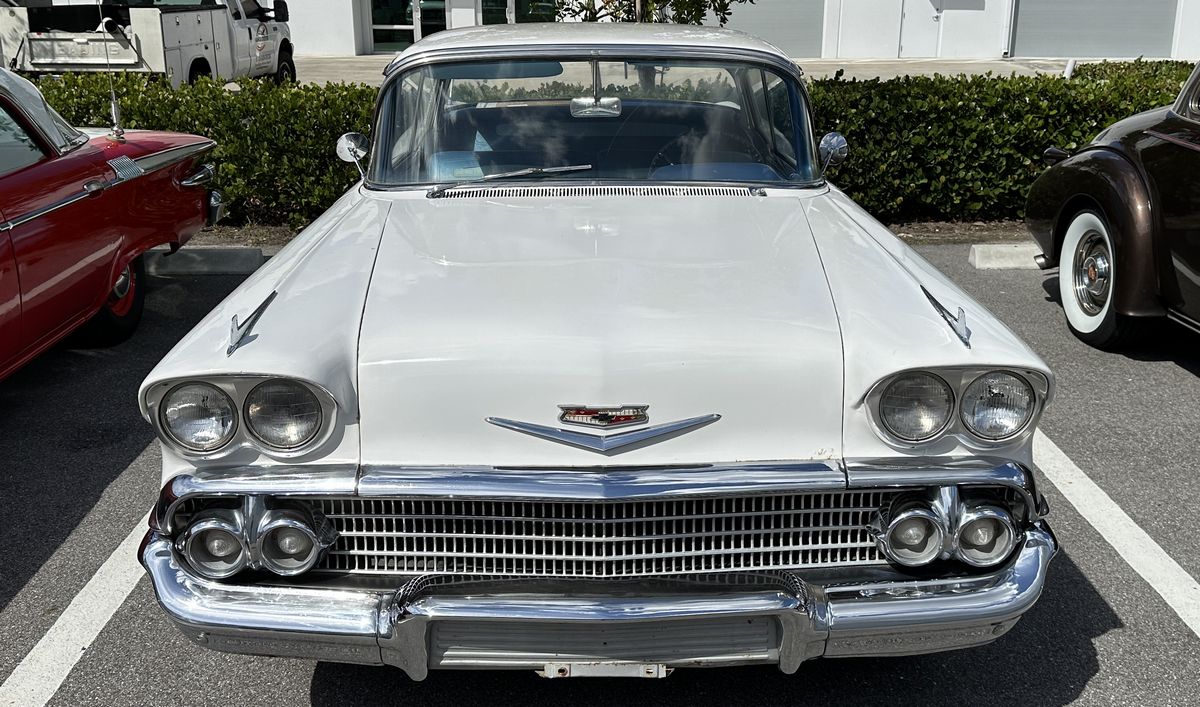
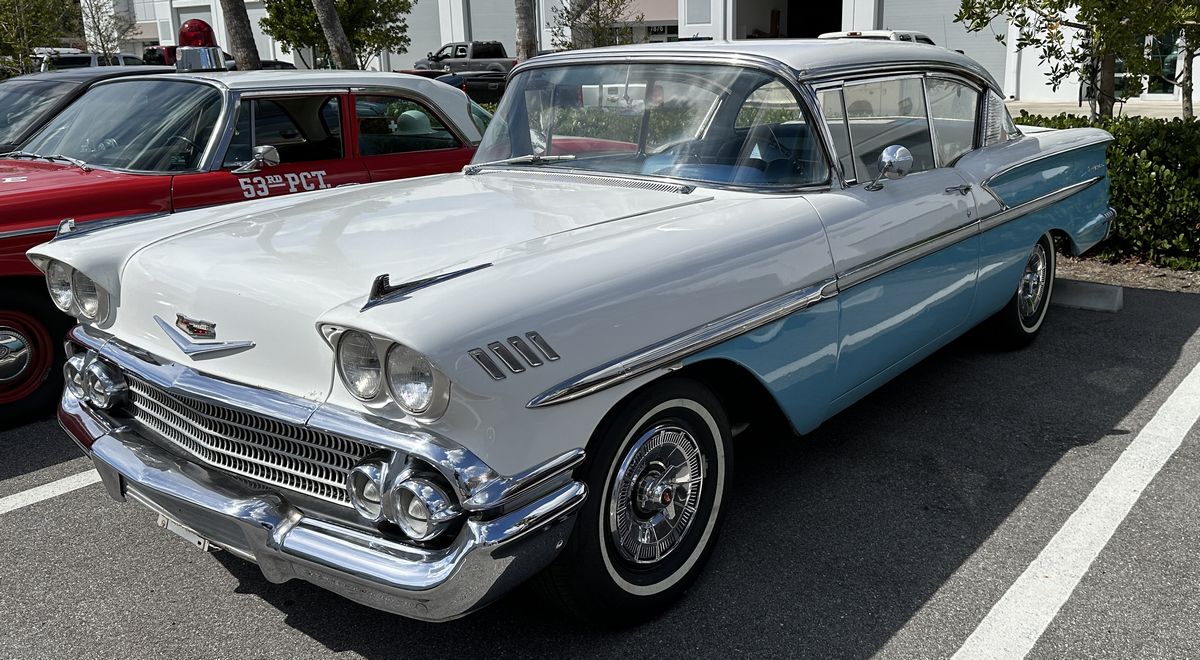
For what it's worth, while I've had a LOT of cool cars go through my classes in my lifetime, this is the first time I've had a 1958 Chevy Bel Air.

full


full


full


EXTREME PREP WASH
I have always taught folks to start at the bottom, and then go to the top. It has to do with avoiding water spots on the paint.


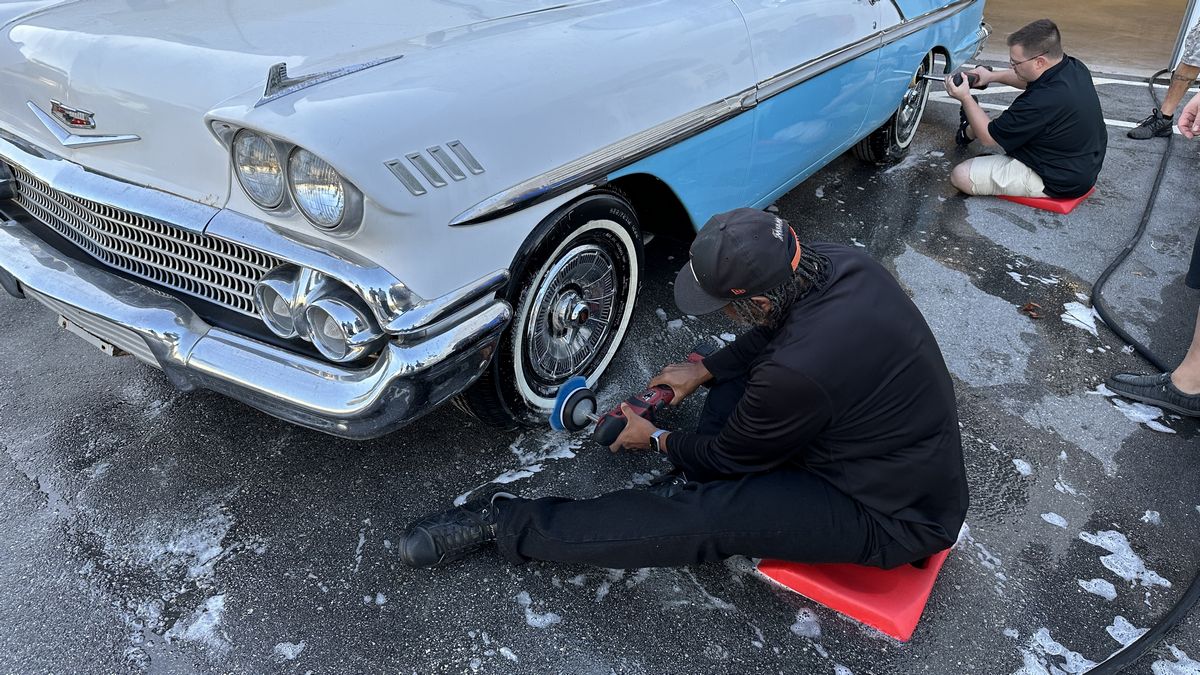
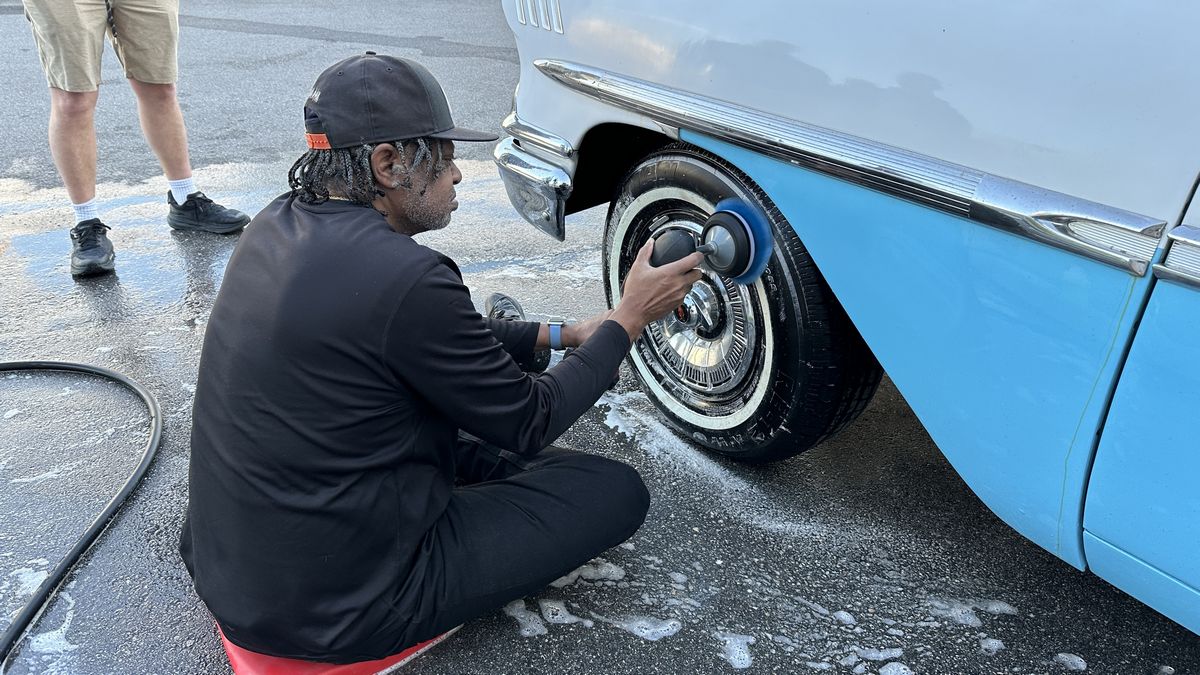
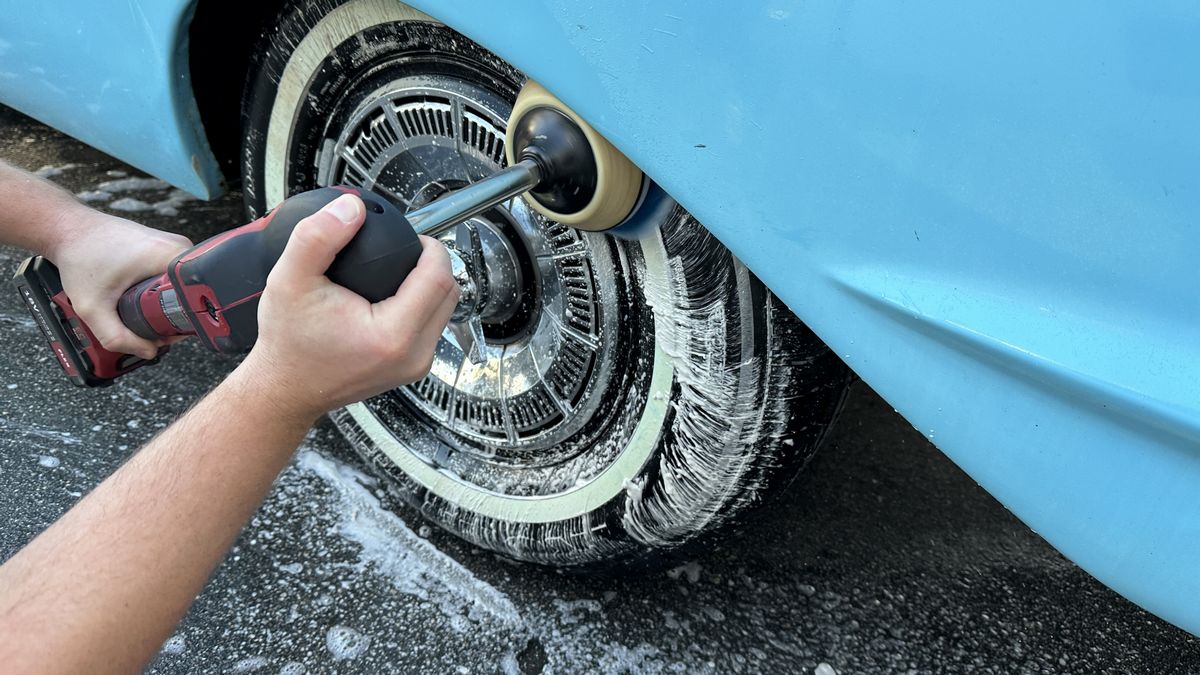
Machine Scrubbing Tires
Nothing wrong with working old-school style by working by hand with a tire scrubbing brush, but I already have around 20 cordless FLEX PE-150 Rotary Polishers and what we do is attach a 5" backing plate and then to this, we attach a 5" Rotary Brush. Now this is how you get a really dirty tire clean.

full


full


full


The Comet Car Wash Technique - Removing Years of Oxidation During the Wash Process
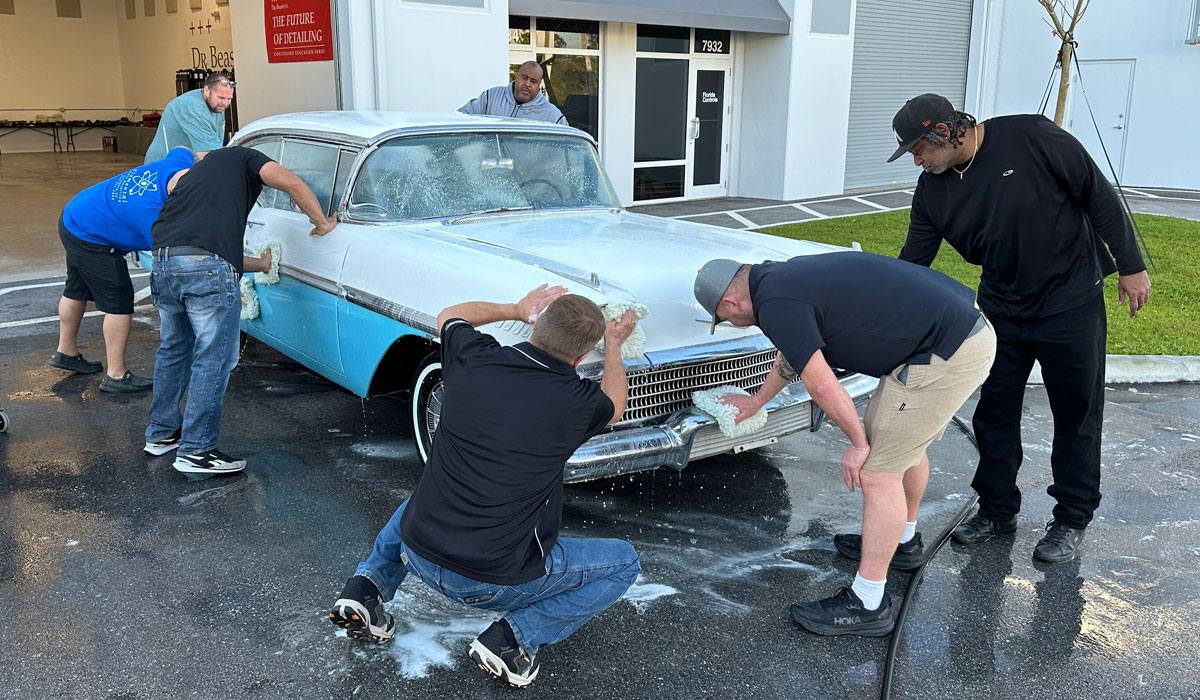
After wheels and tires, next up the class is going to learn the Comet Wash Technique. Comet has a powdered abrasive in it plus some bleach to clean, brighten and also sanitize. The way this works is after giving the car a good rinse to remove any loose dirt and/or dust, next you spread Comet over the horizontal panels and then wash them with your wash mitt. For verticle panels, you pour some Coment directly onto the face of the wash mitt and then wash these panels.

The abrasives in the Comet, plus the rubbing of the mitt over the oxidized paint, gently exfoliates or abrades-off the dead, chalky, oxidized paint to reveal paint that is now clean and shiny, and PERFECT for the next step, which in this case will be rotary polishers with wool pads.


full


full


Mike
 
Continued...

Day 1 - Friday Mid-Morning - Multiple-Step Paint Correction = Show Car Detailing


First up - How to Correctly Use a Rotary Polisher with a Wool Cutting Pad
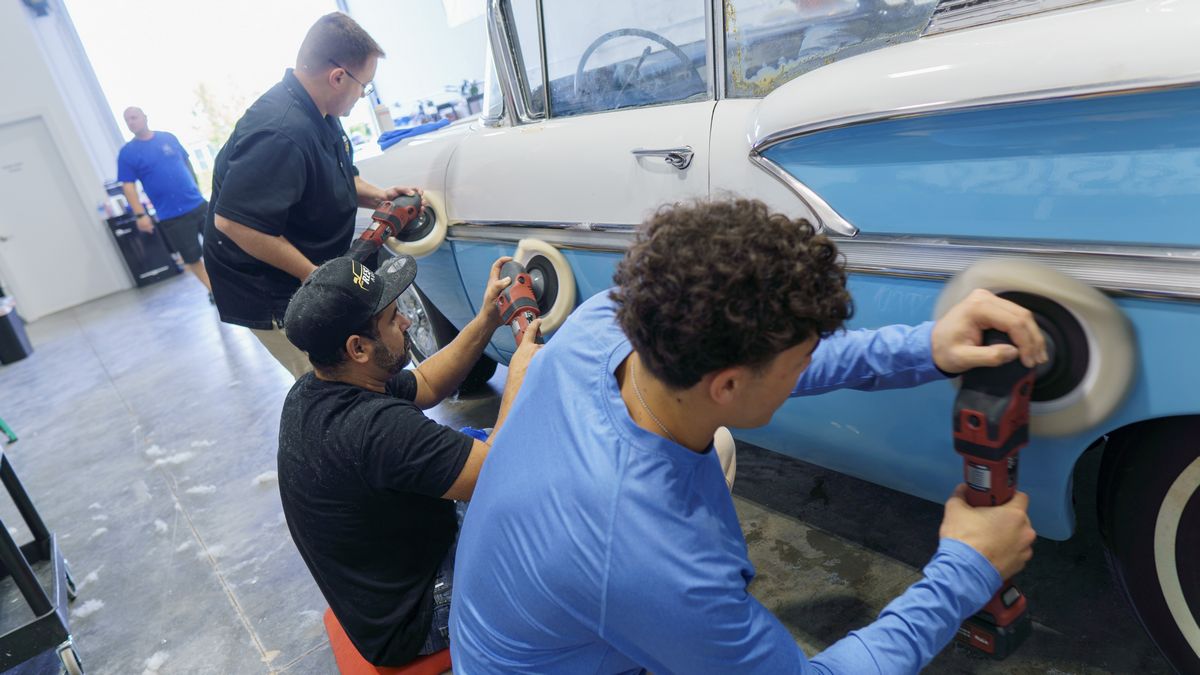
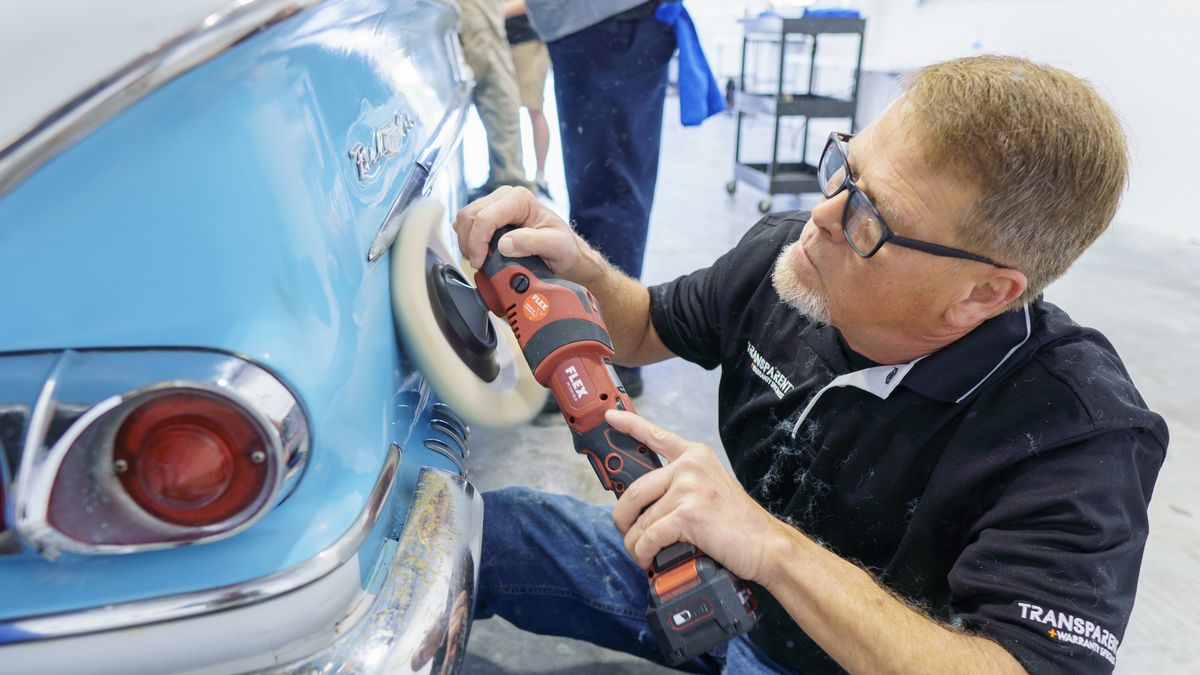
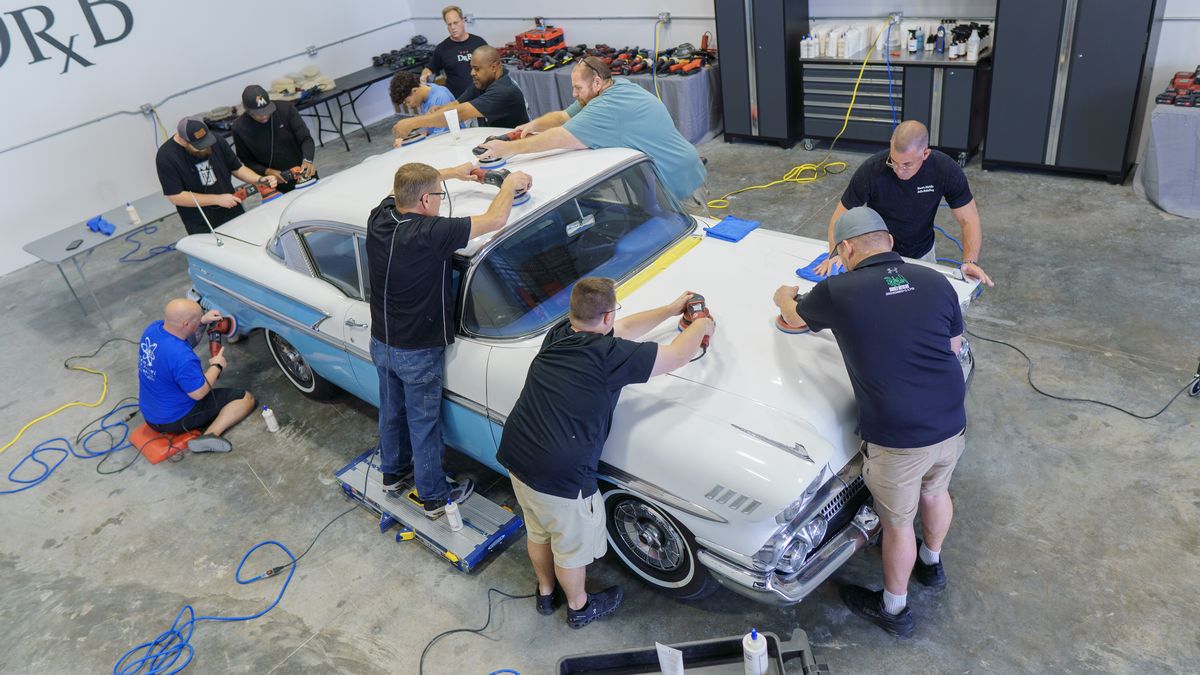
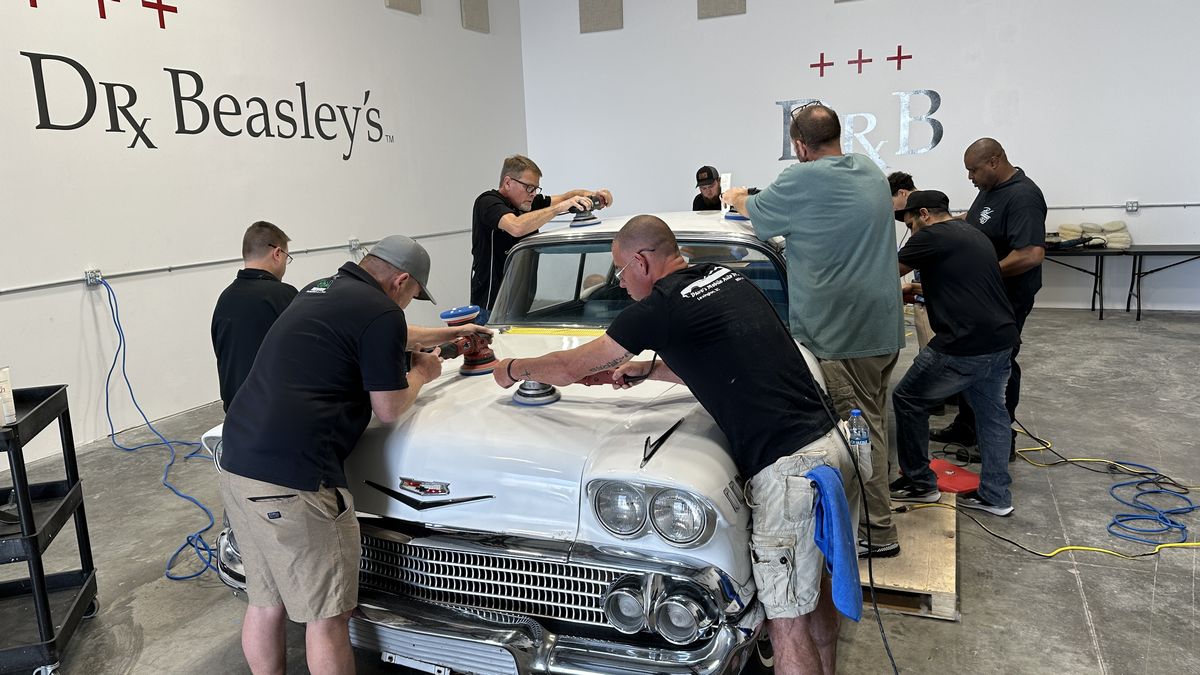
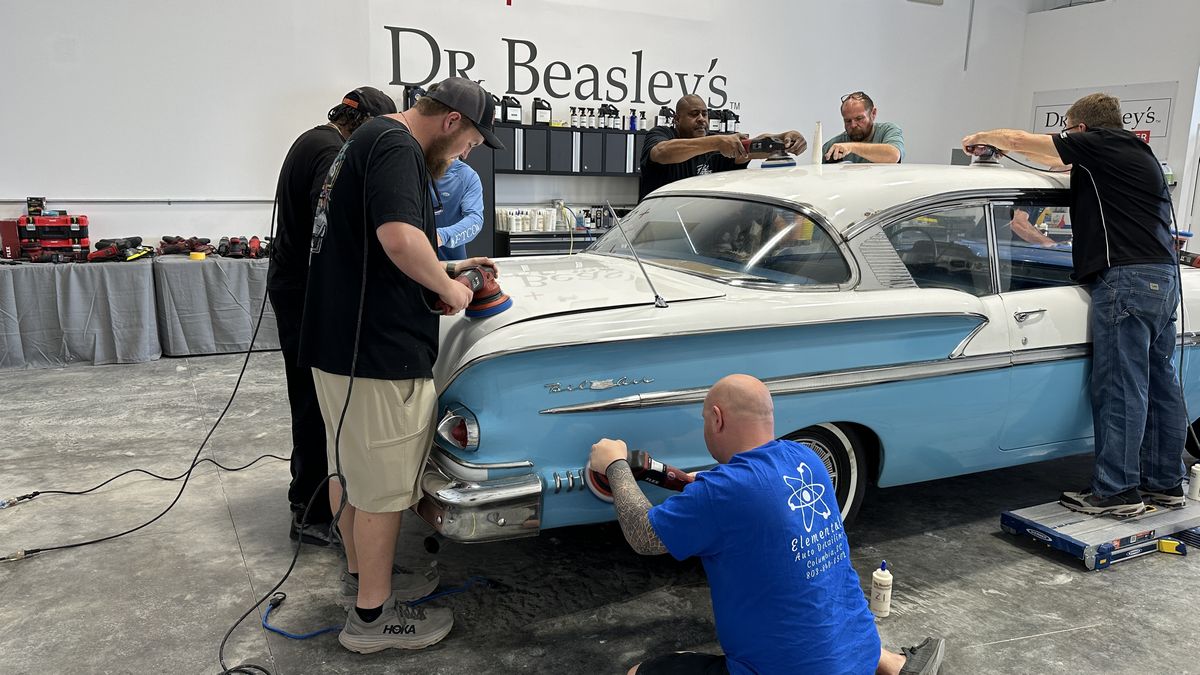
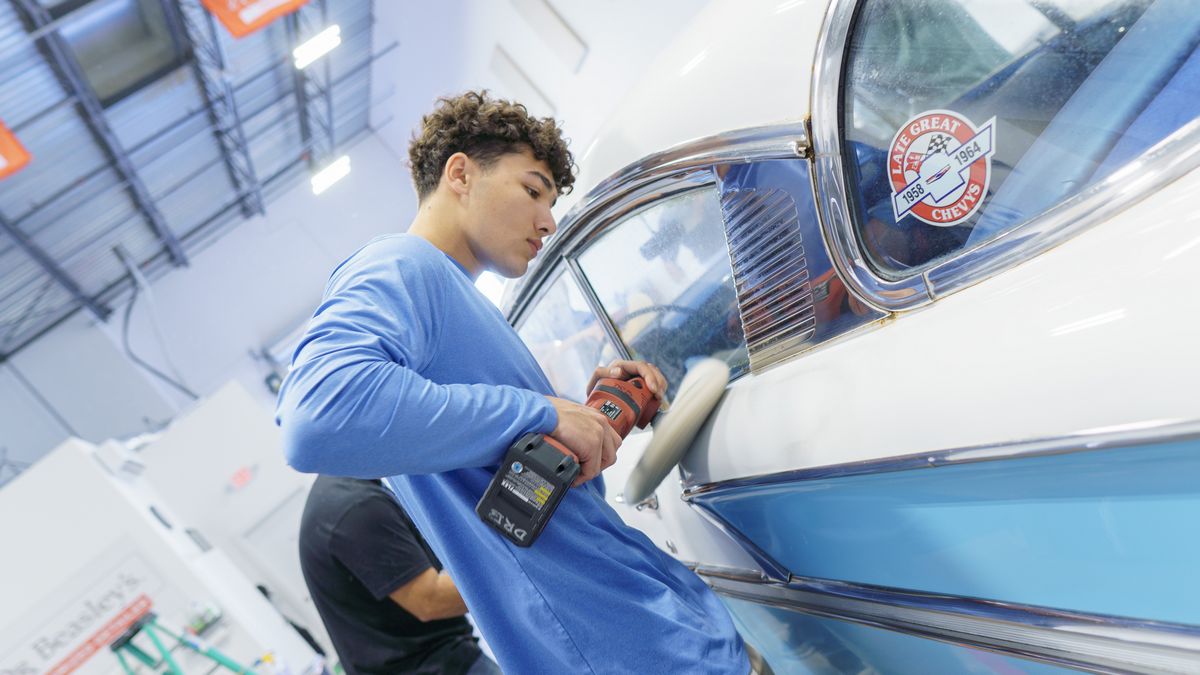
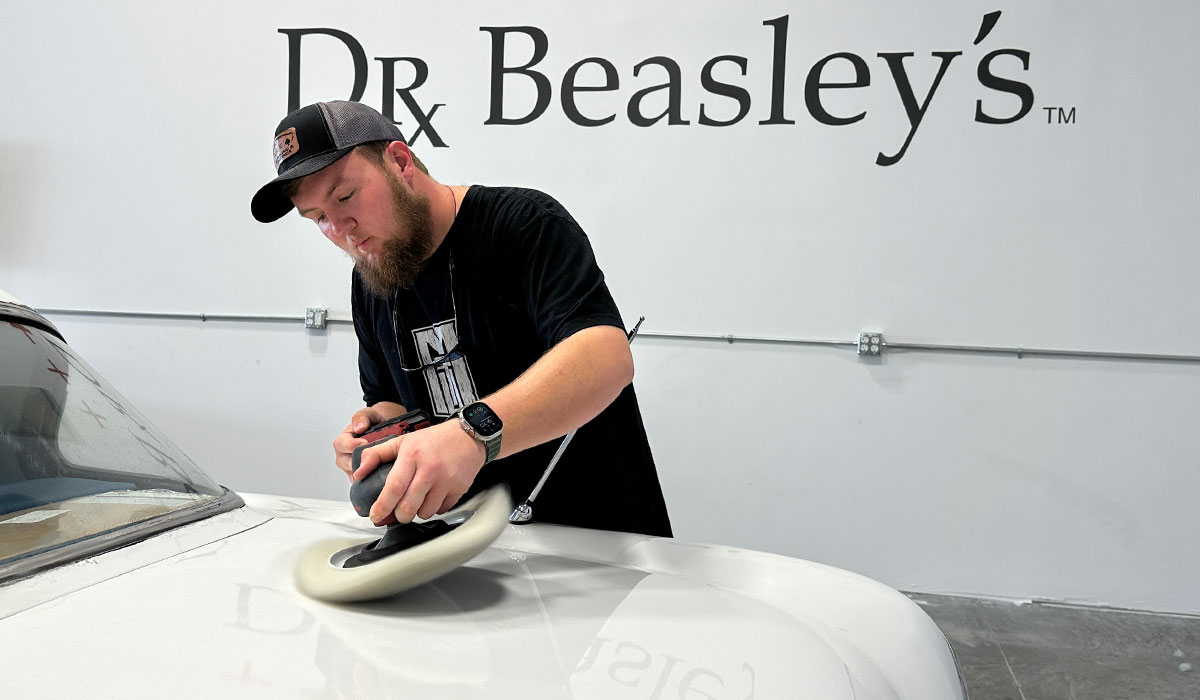
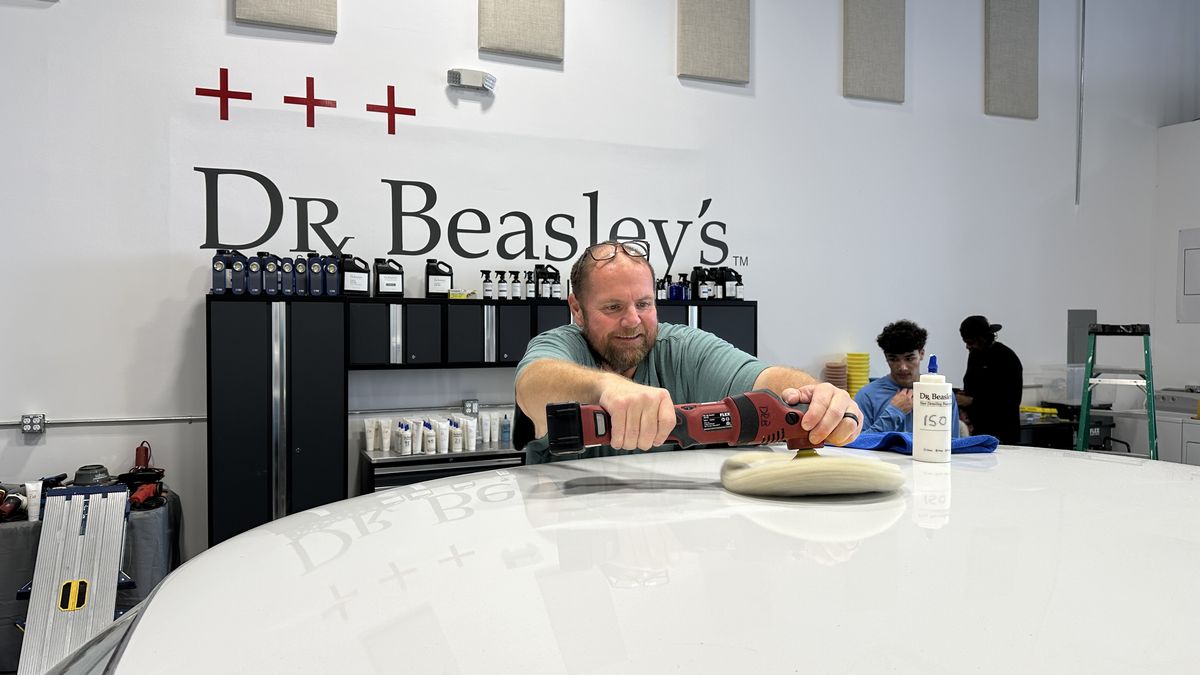
Just to point out, after using the Comet Technique to wash this classic Chevy, next up the class STARTS the paint correction portion of the class learning to use what some consider the most difficult tool to learn how to use and MASTER - the Rotary Polisher.

Use the right tool for the job

Sometimes the right tool or the BEST tool for the job is the rotary polisher and sometimes it's an orbital polisher. Heck sometimes the right tool for the job is working by hand.

I start all my classes with severely neglected cars with paint in horrible condition so my class can START their learning experience with the rotary polisher.

Then as we progress through all the other cars and the boats, the class will be BUILDING on this newly acquired skill set. By the time the class is over, the goal is for everyone to be comfortable using a rotary polisher. They will also know not only HOW to use this tool, but WHEN to use this tool.


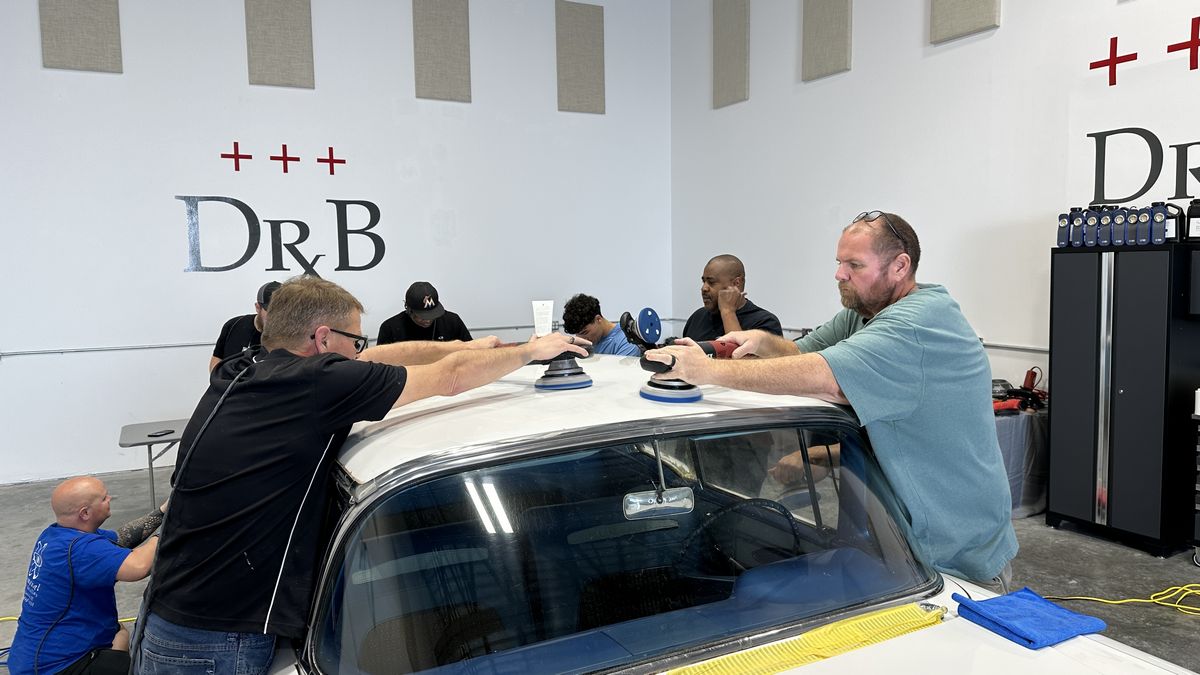
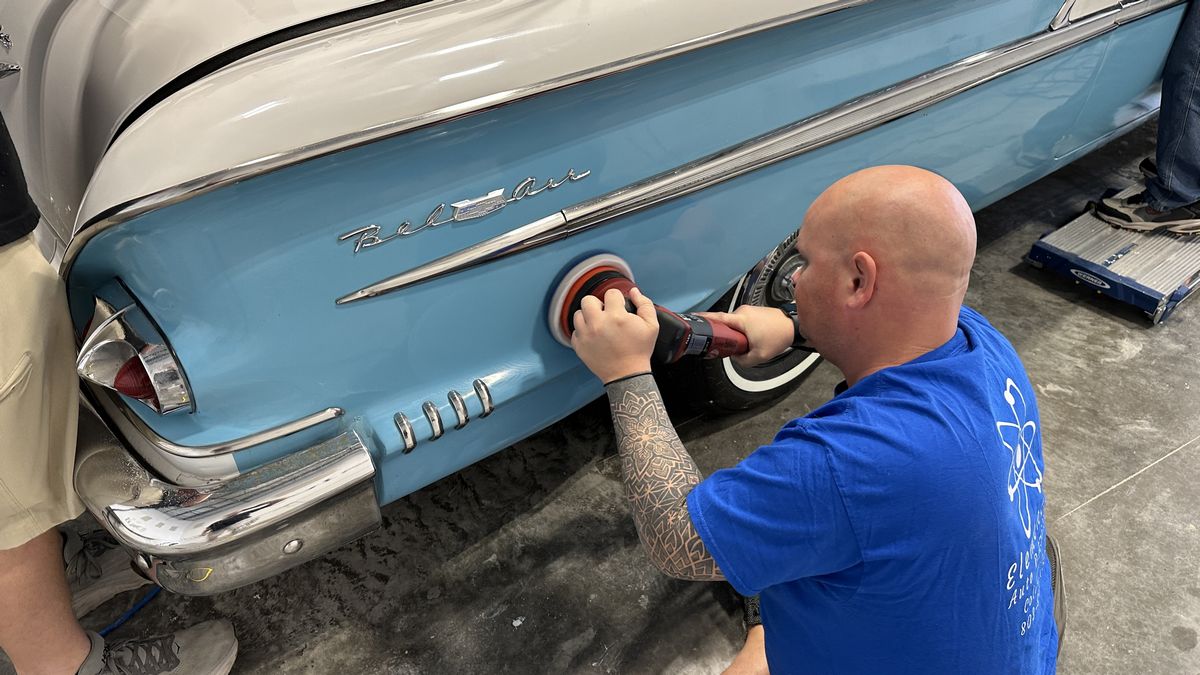
Cutting HARD on this old single stage paint!

full


full


full


full


full


full


full


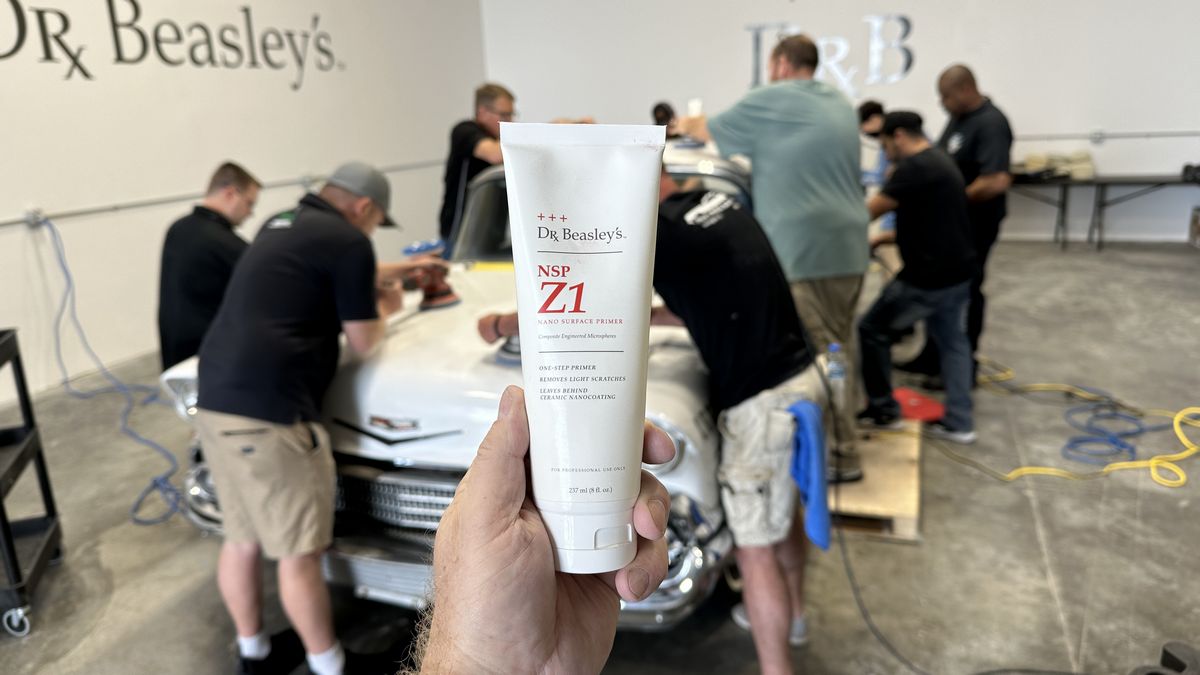
Dr. Beasley's Z1 Primer - A Ceramic AIO or All-in-One
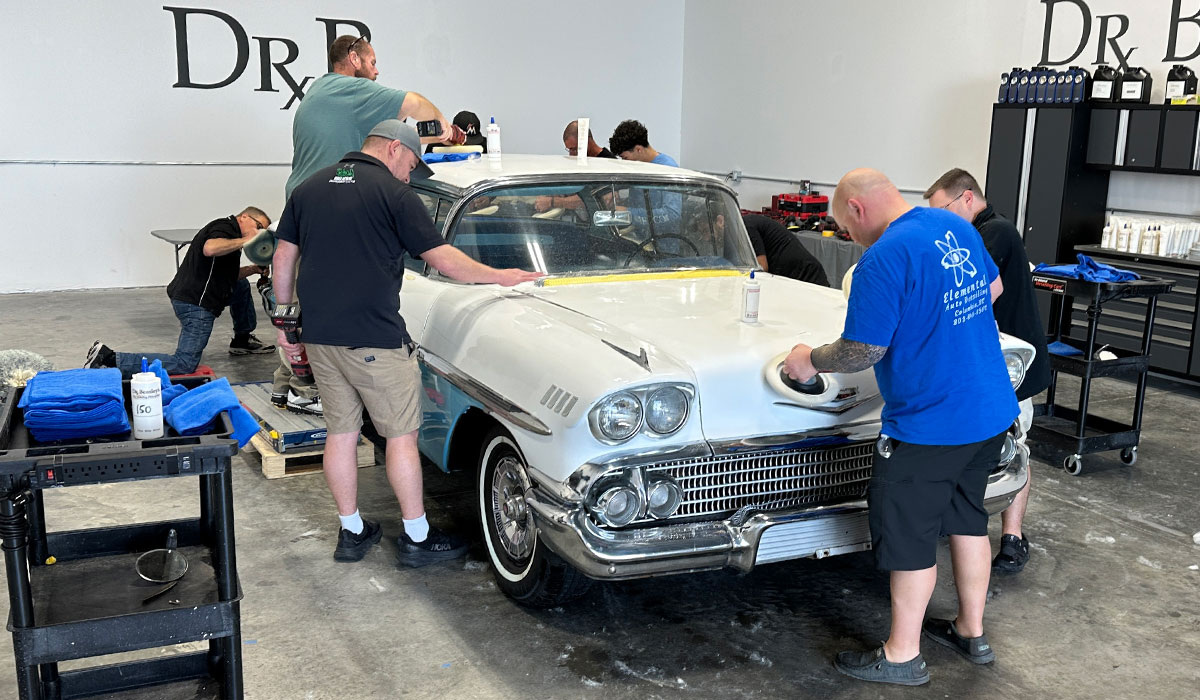
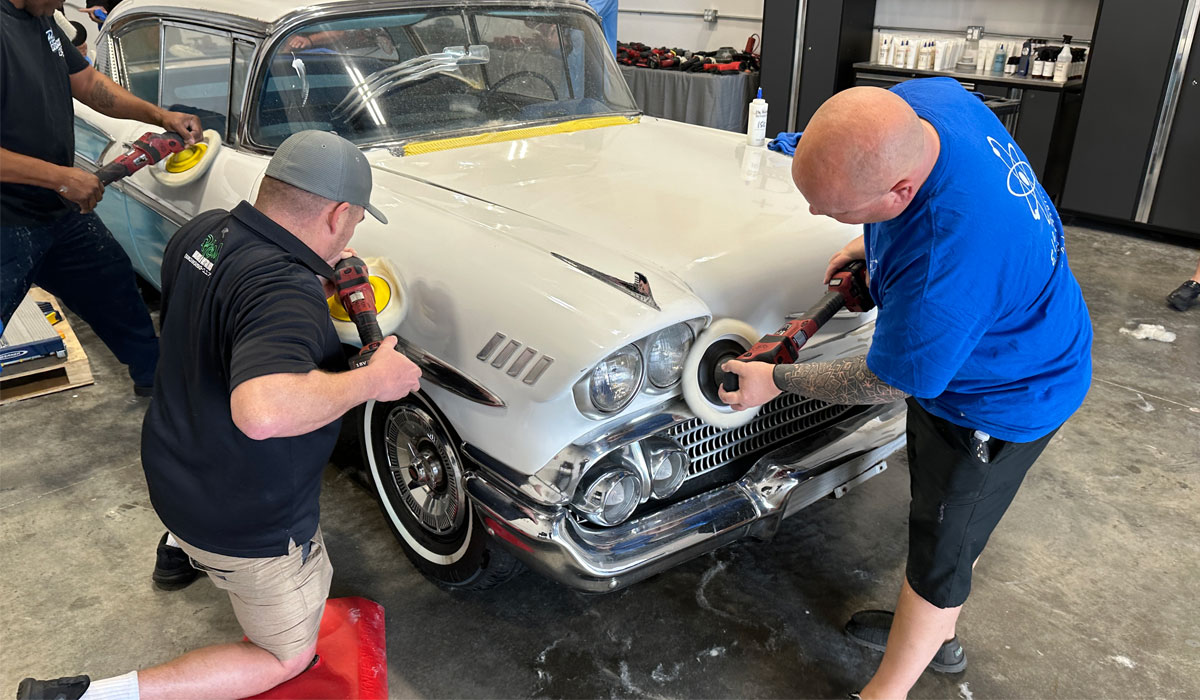
After cutting the paint hard using Dr. Beasley's NSP 150 with wool pads on rotary polishers, next up the class refines the results, removes any holograms, maximizes gloss and richness of color all while sealing the paint in this single polishing step. For this our Test Spot showed us that we could remove the holograms and perfect the final finish using a blue foam cutting pad on FLEX 8mm gear-driven orbital polishers.

full


full


full


full


full


full


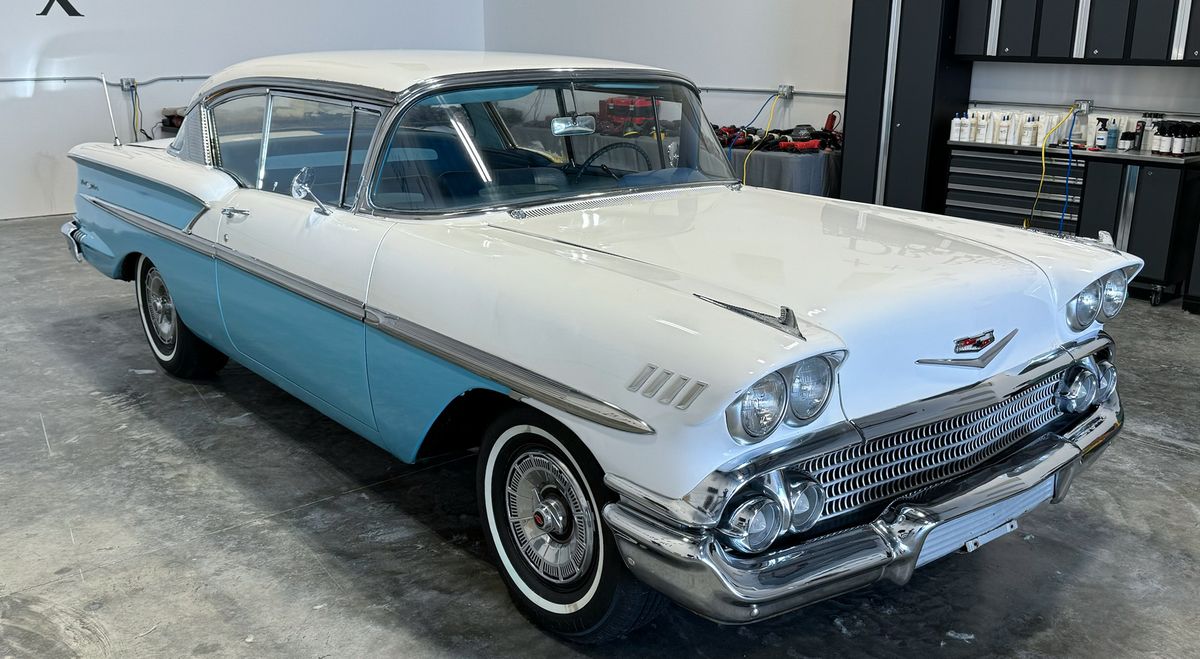
Here's the final results!

full


Here's the team that made the magic happen!

full


full


And my long-time friend and professional videographer and photographer - Yancy Martinez!

full


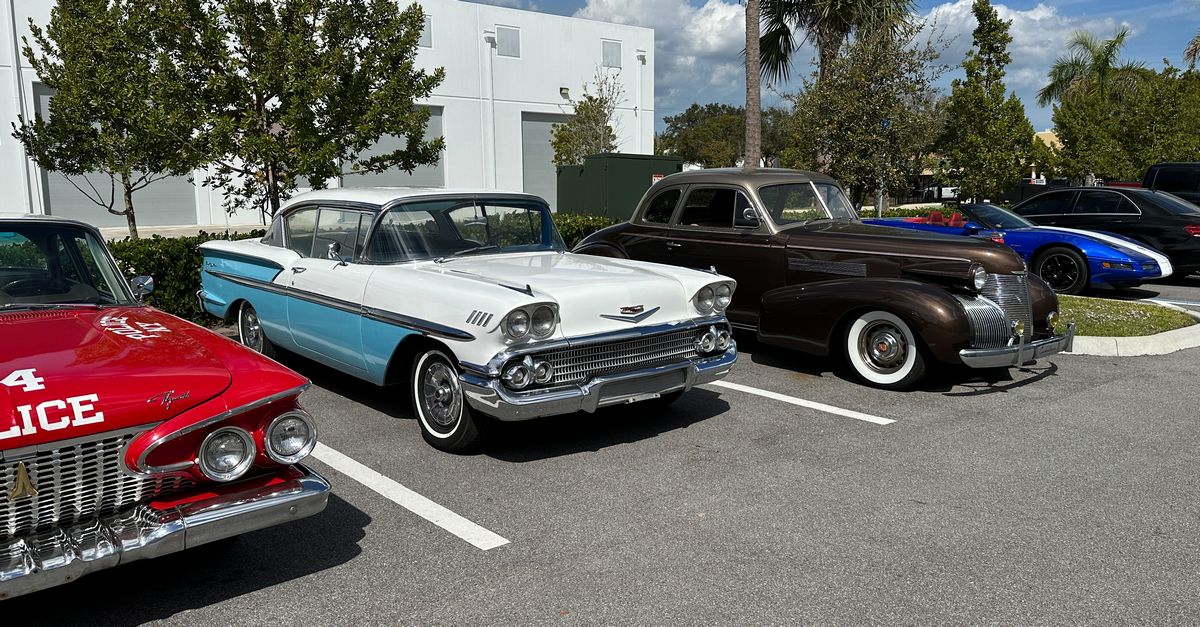
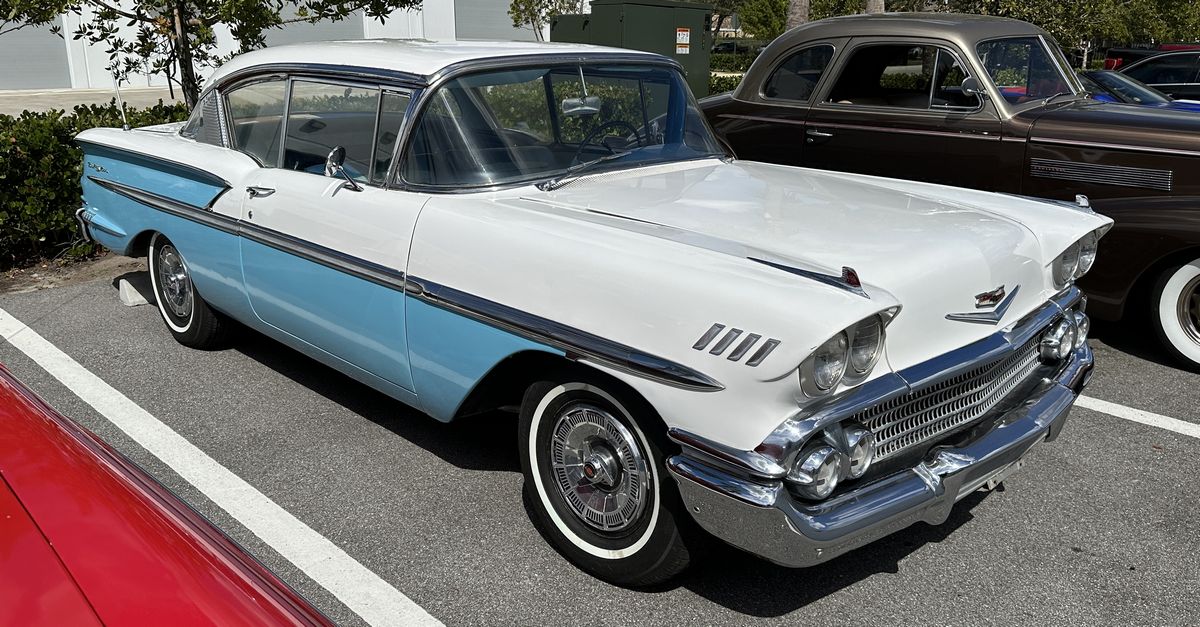
Here's a few pictures of the now-beautiful 1958 Chevy Impala Barn Find outside in the sun. She looks like she's wearing a brand new paint job. Plus all the chrome trim has also been polished.

full


full


full


full


The results are nothing short of amazing and this is just the FIRST car!


Mike
 
Last edited:
Continued...


Day 1 - Friday - Afternoon Session - One-Step Paint Correction and Ceramic Coatings

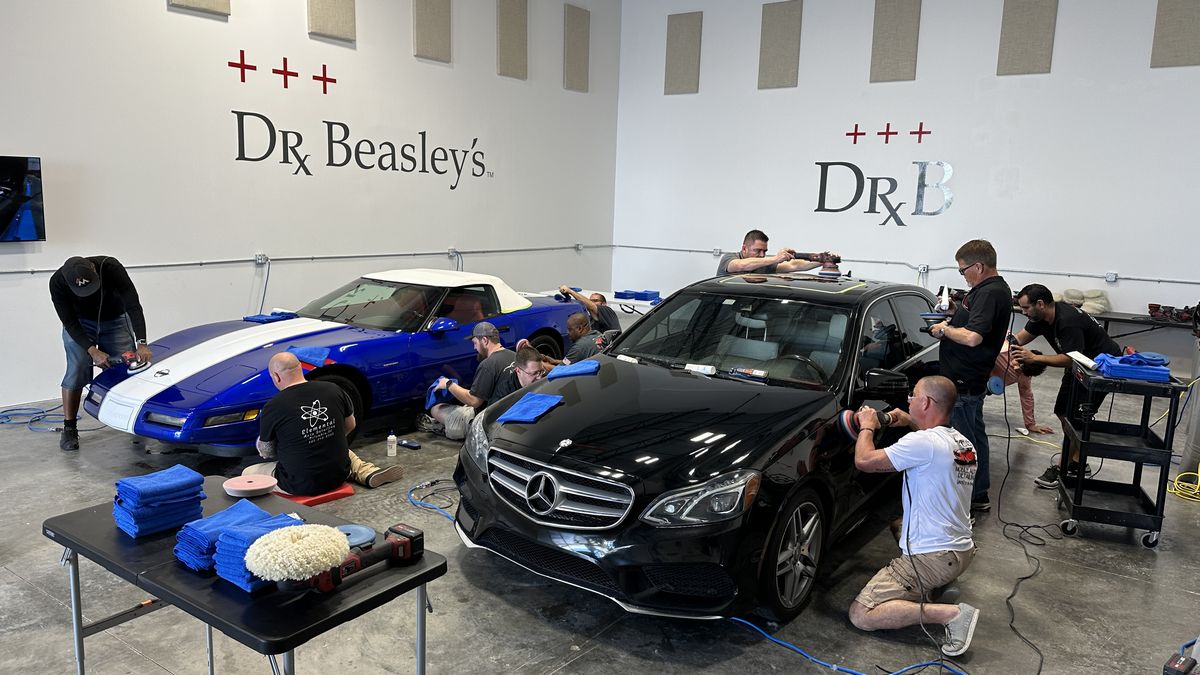
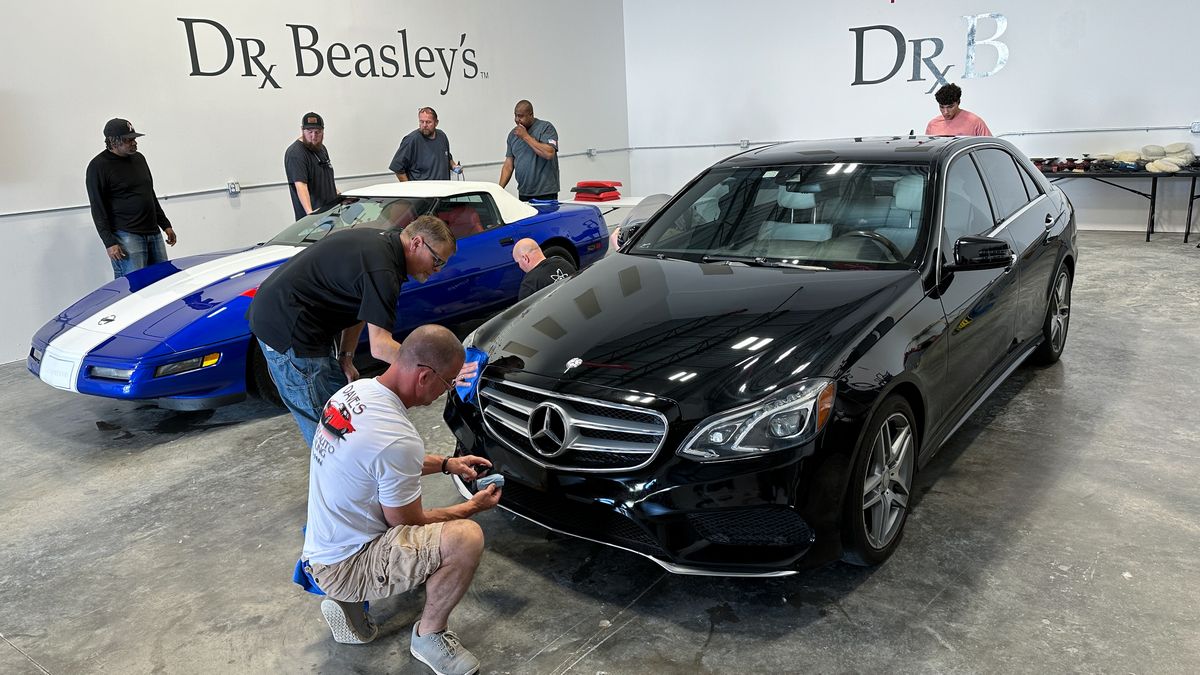
Next up, the topic for the below training cars will be One-Step Paint Correction and Ceramic Coatings. For this class I tend to bring in cars that definitely need paint correction but are not past the paint of no return.


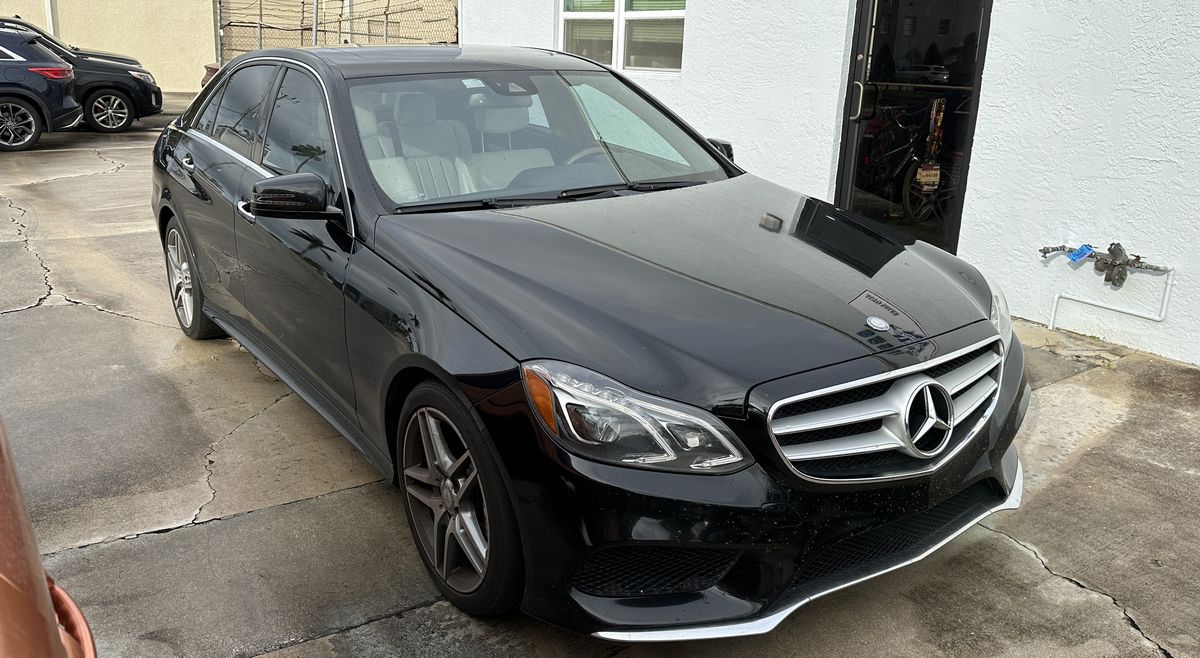
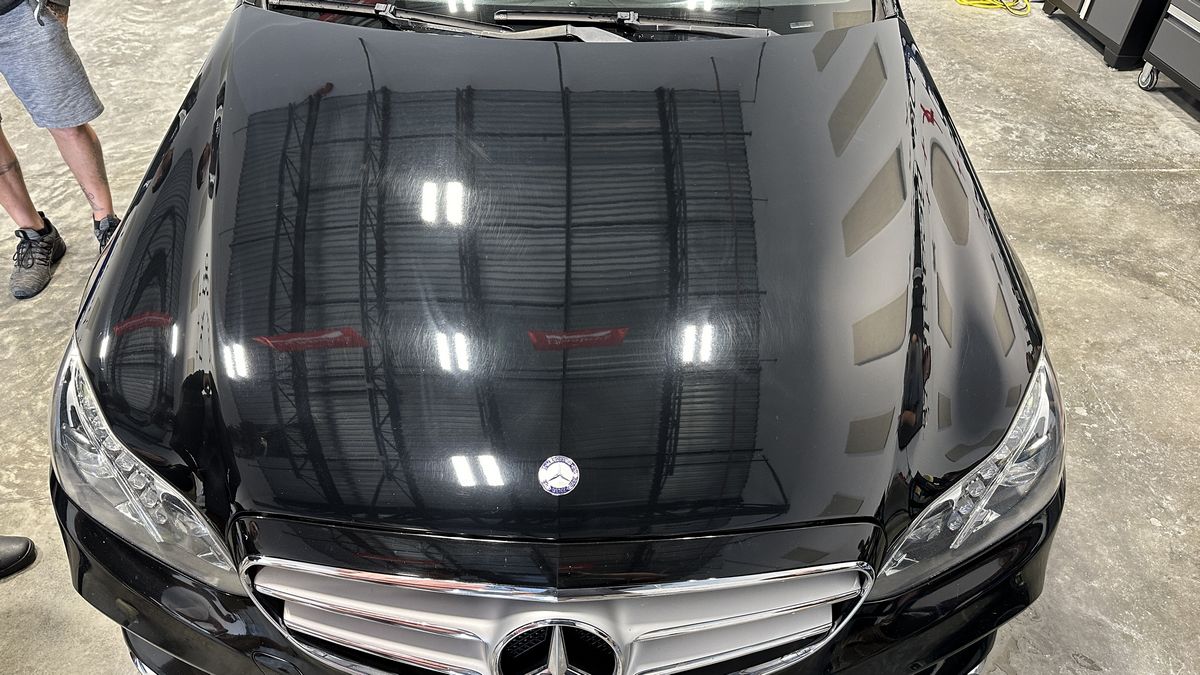
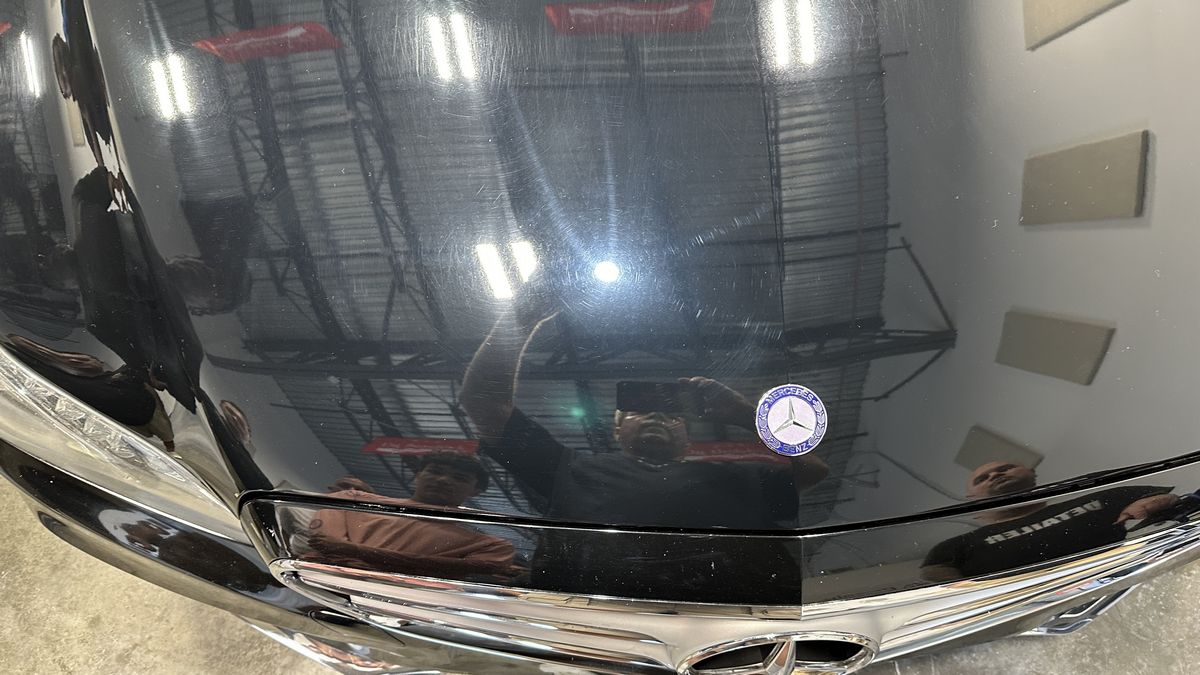
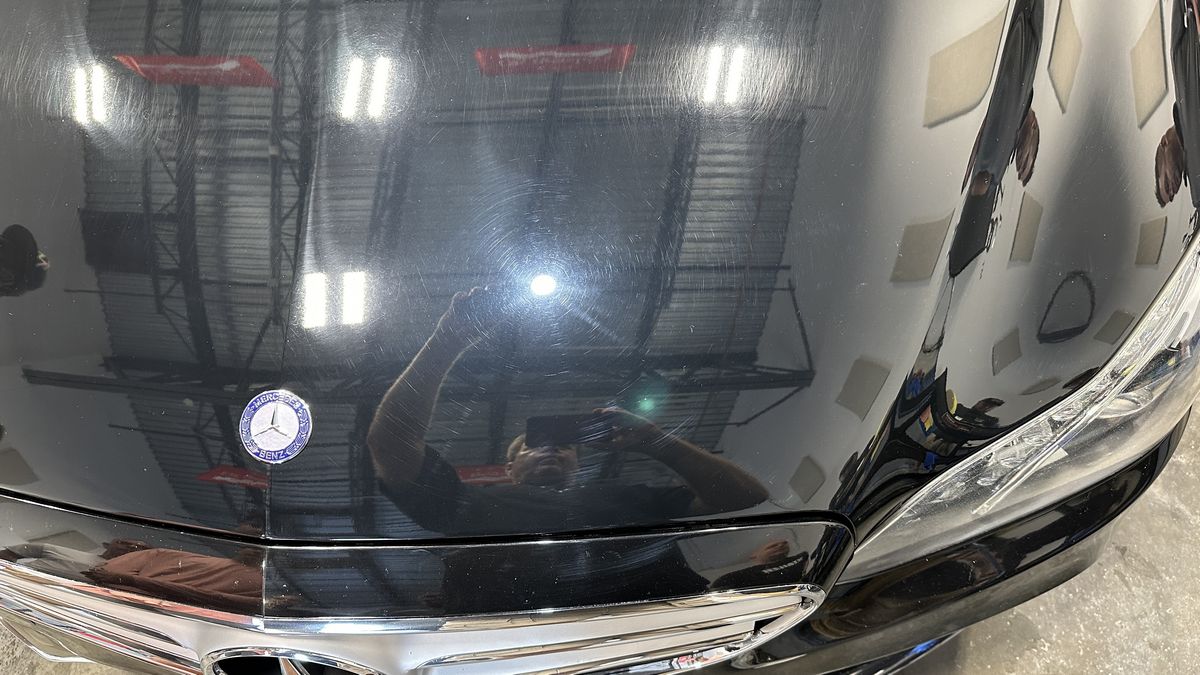
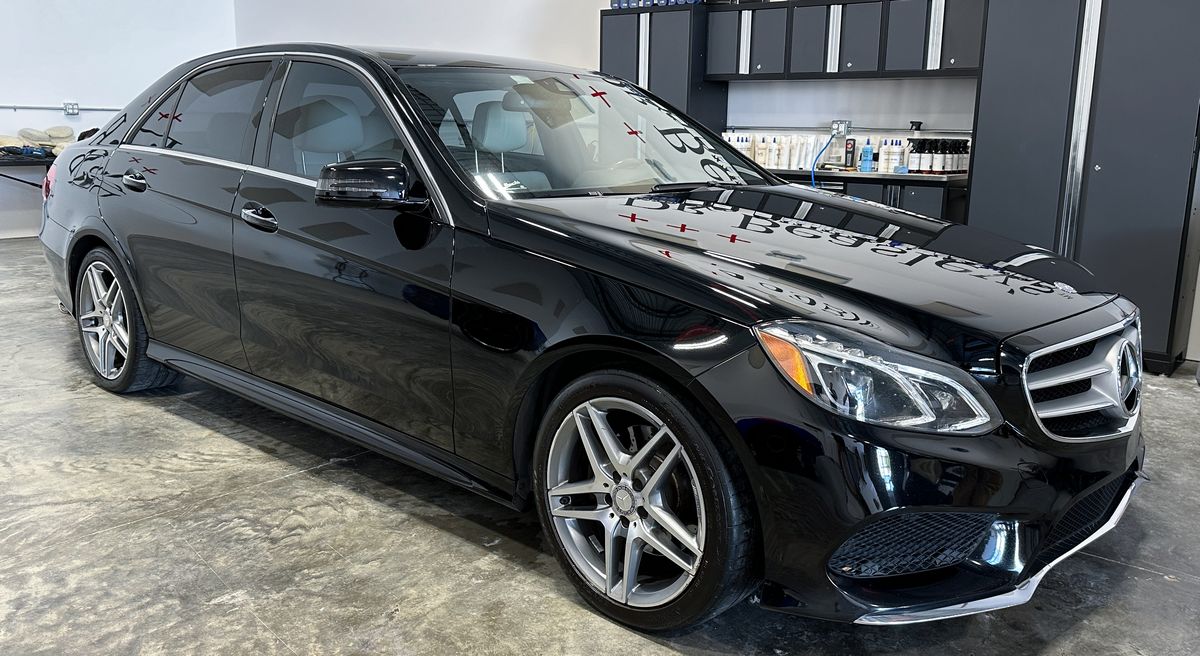
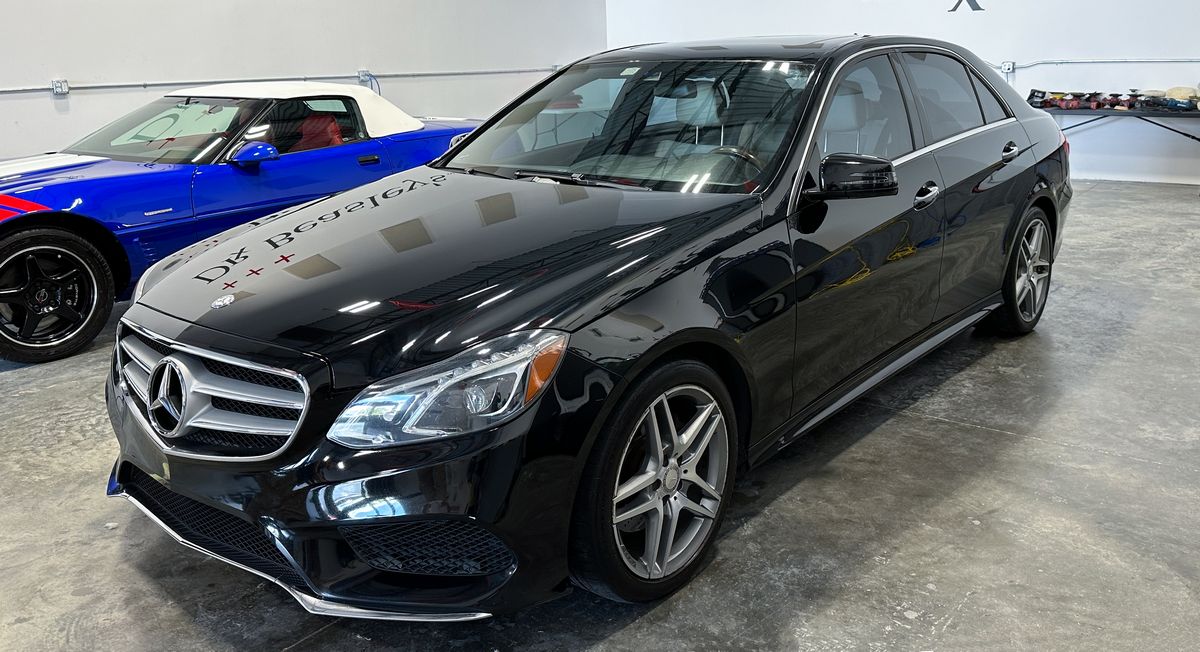
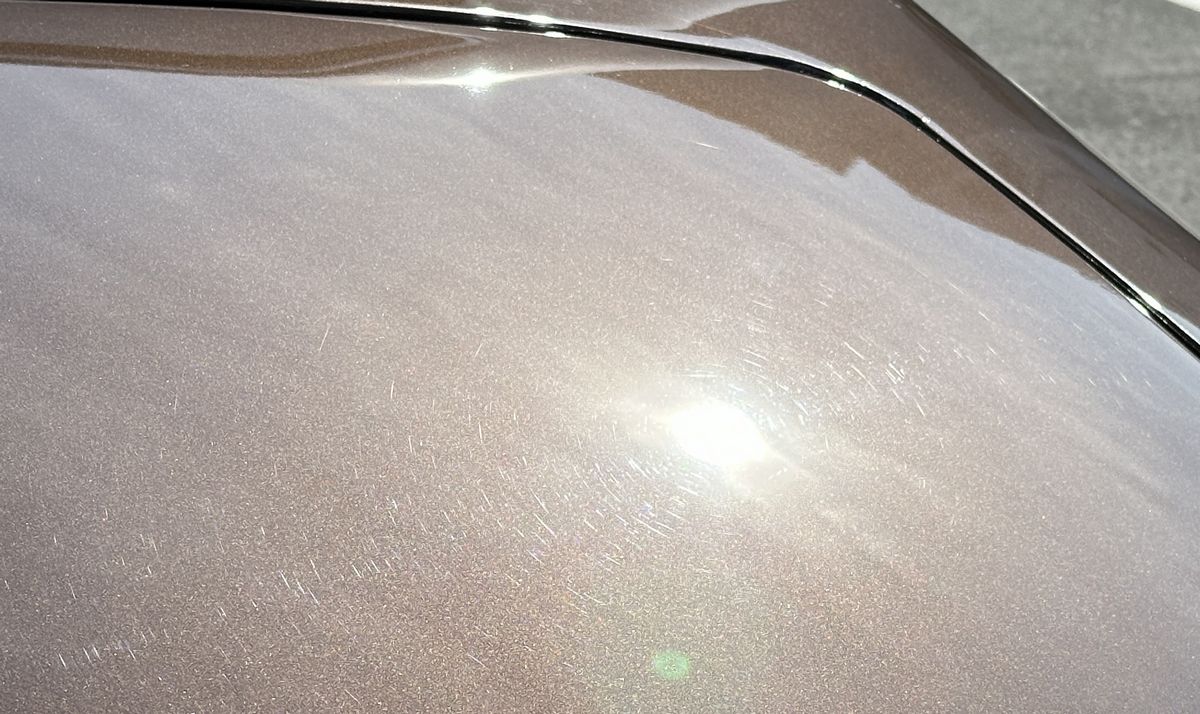
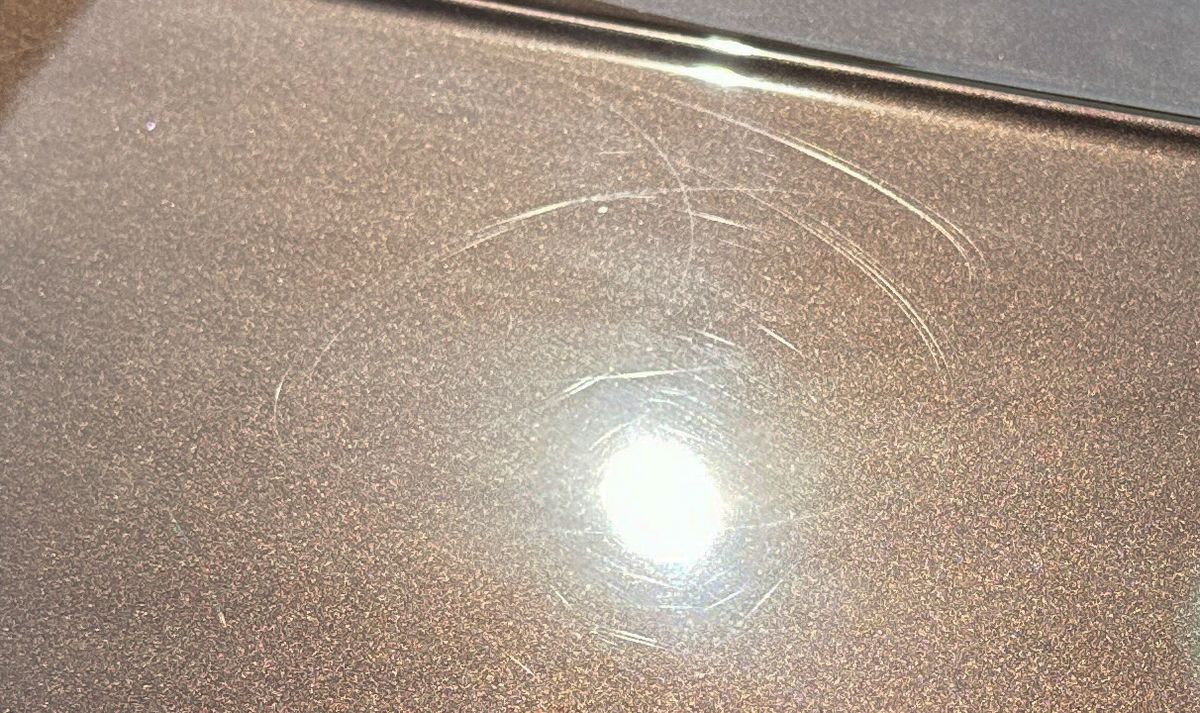
This is a 2014 Mercedes-Benz E350 - the hood has been repainted and has holograms throughout the finish.

full


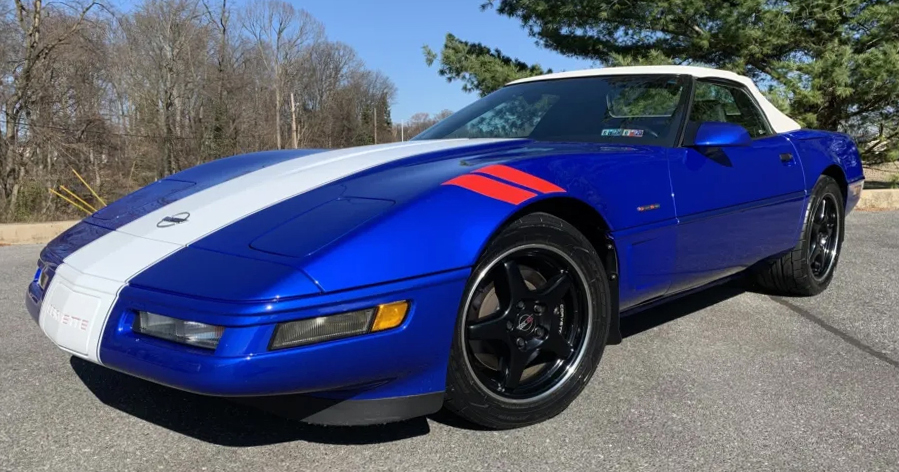
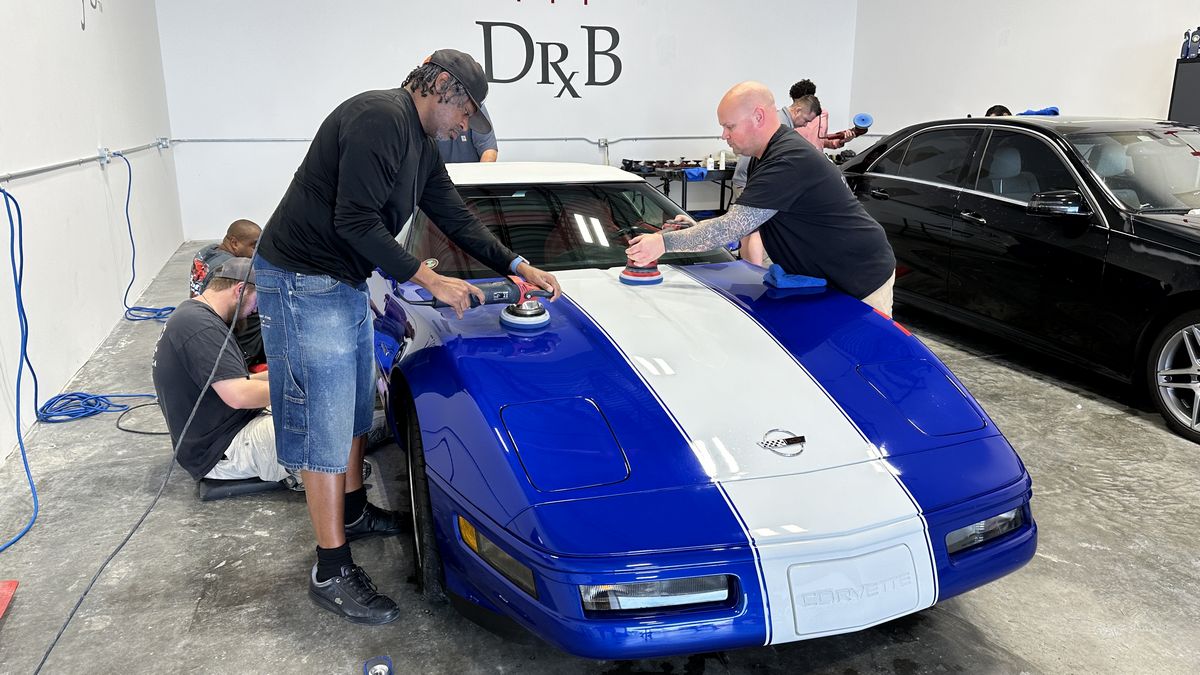
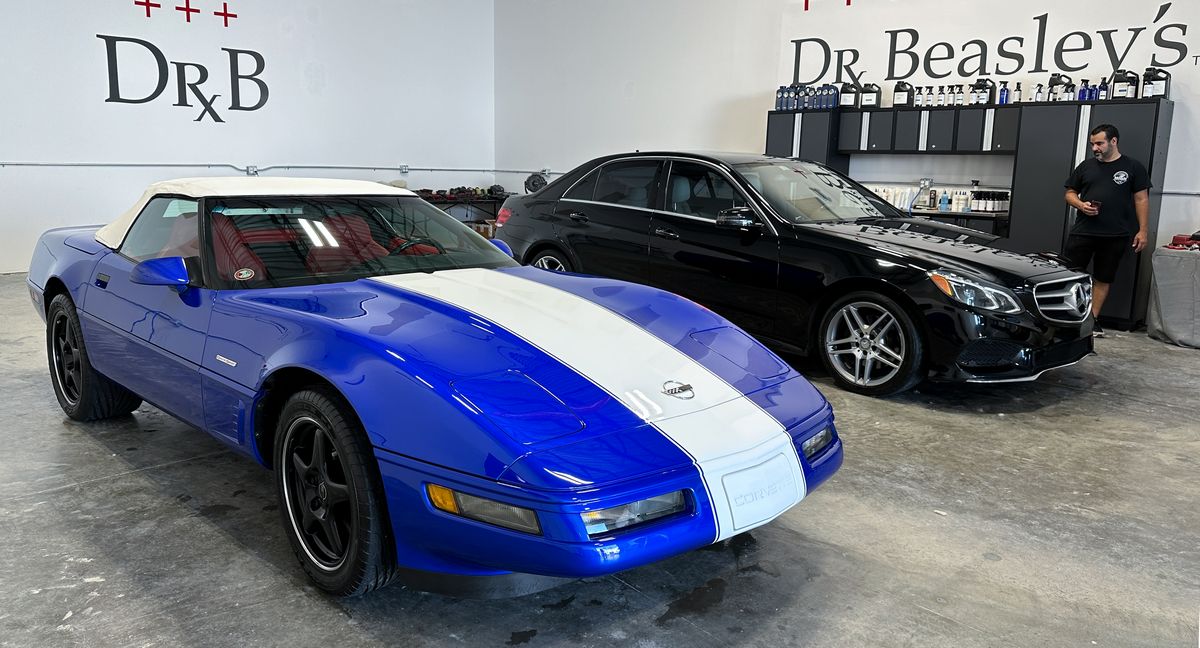
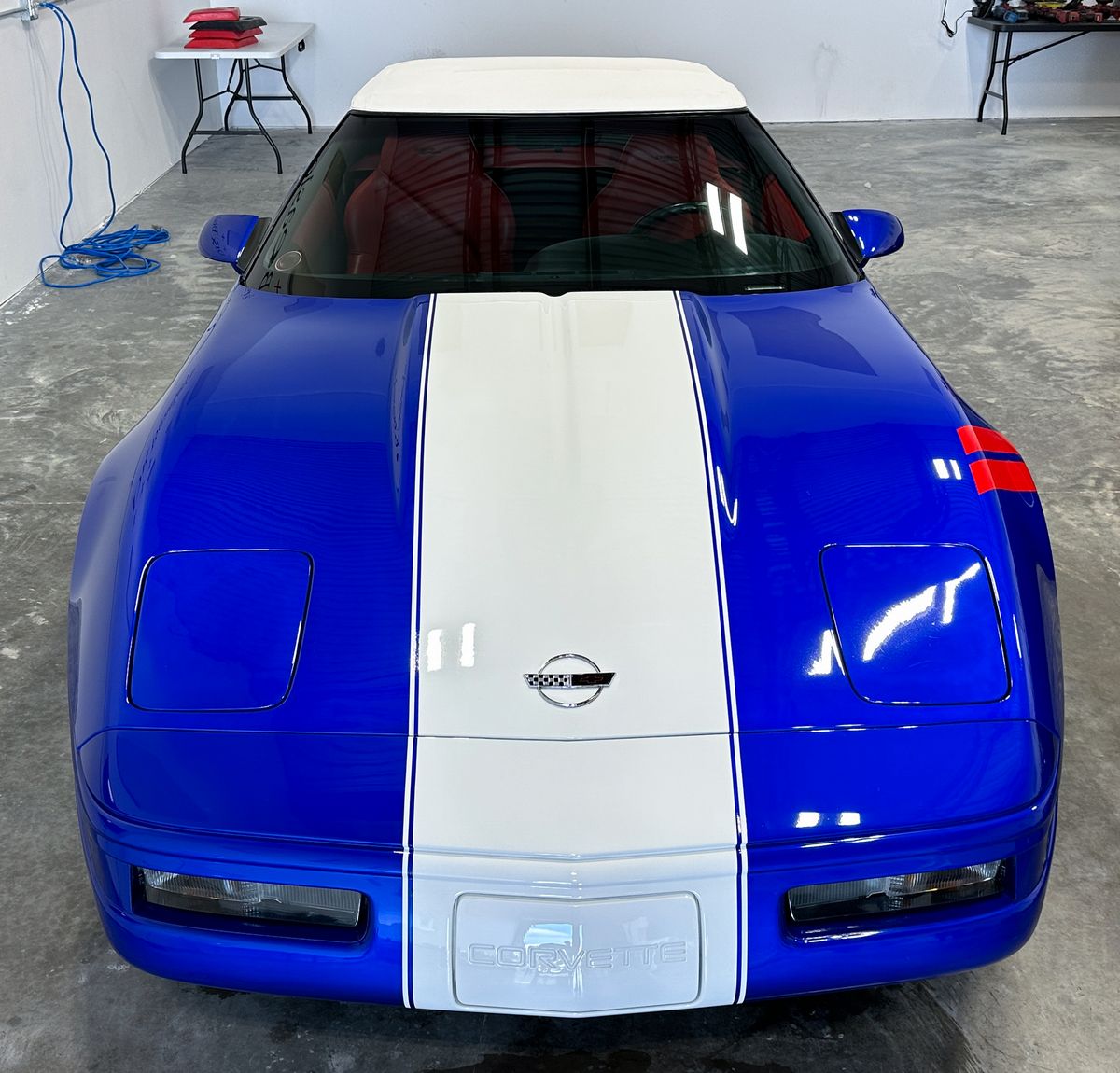
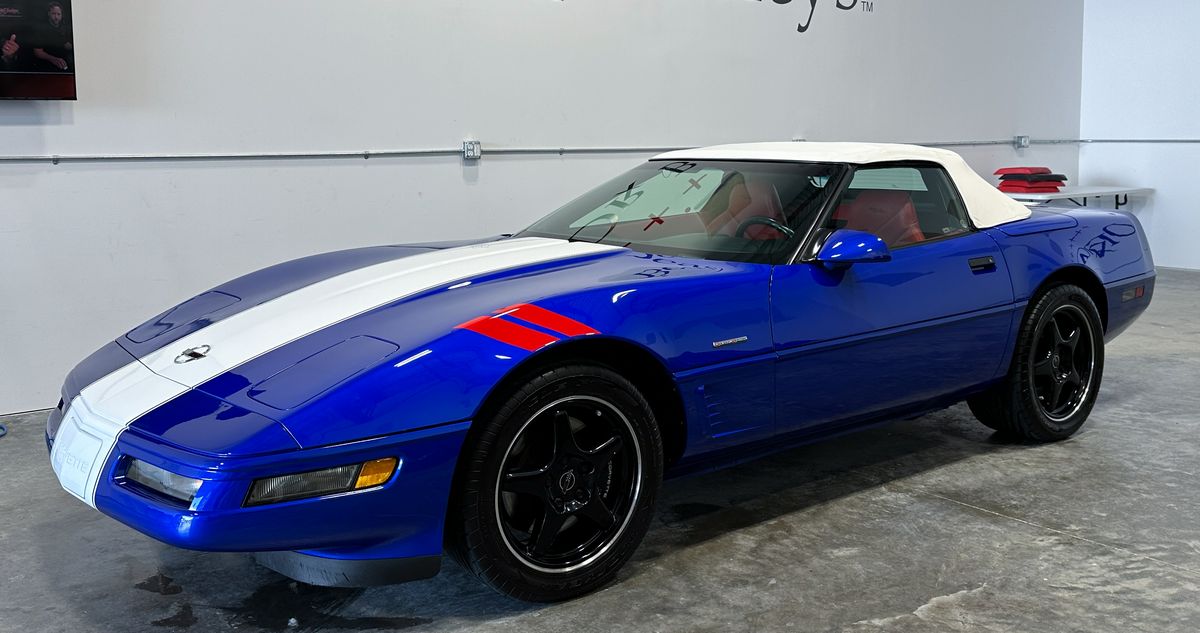
This is a 1996 Corvette Grand Sport, while the paint is in pretty good condition, this era of Corvettes are well-known for having SUPER HARD CLEARCOATS. Thus even with light swirls and scratches, it will require a solid buffing to get the paint right.

full


Photo-Documentation for the Mercedes-Benz

full


full


full


Building more confidence by getting more experience
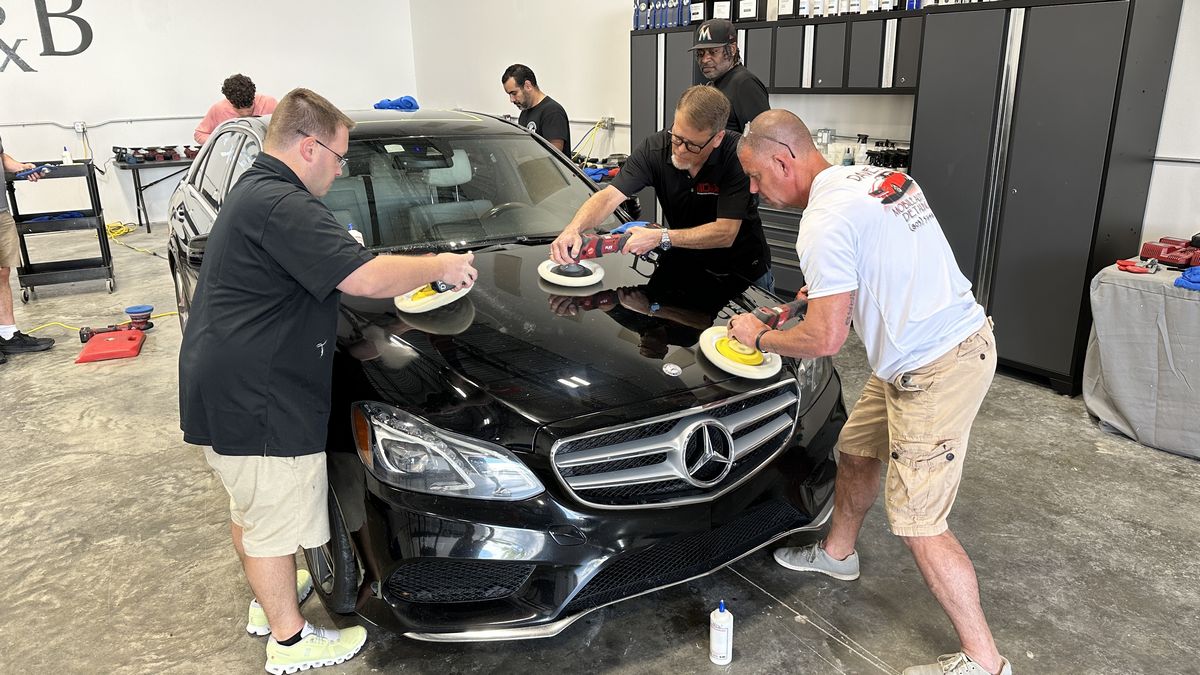
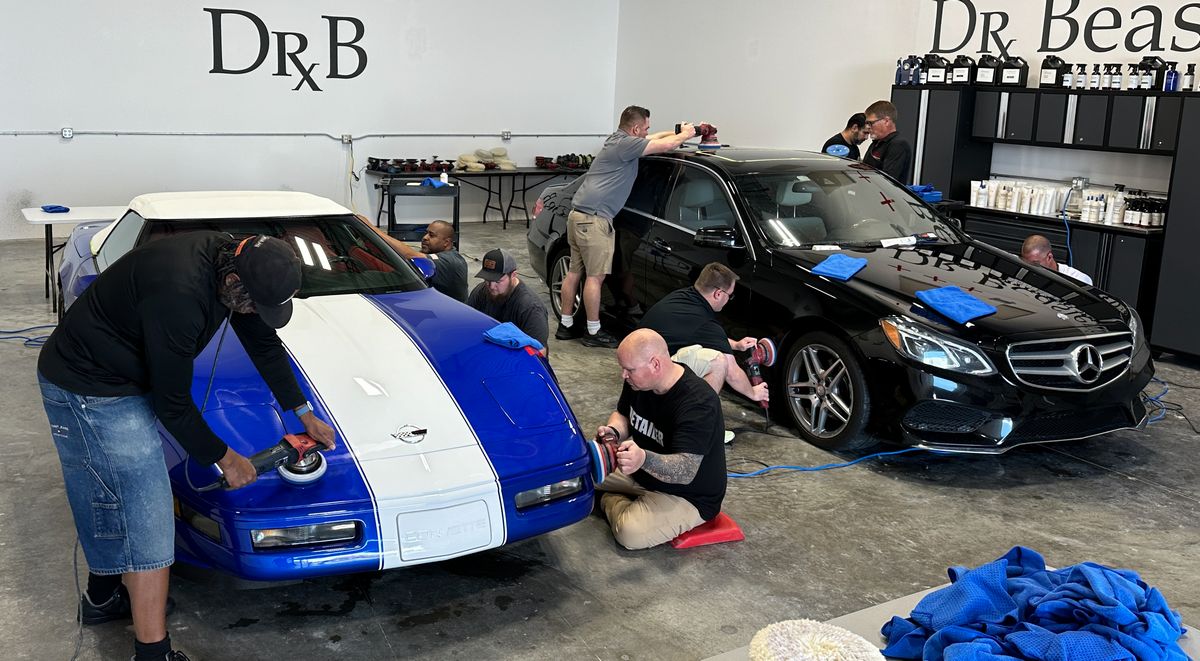
While this class topic uses only orbital polishers, in order to level the deep holograms, we re-cut using wool pads on rotary polishers only for this step we're using much better abrasive technology. The Dr. Beasley's NSP 150 Primer has uniform abrasive particle size, this means the class can remove the deeper holograms and replace them with shallow holograms as the hologram will be from only the fibers of the pad. This means the next step using a foam pad will easily remove the holograms and perfect the paint
full


No chairs. No sitting. 100% Hands-on Training.

full


full


full


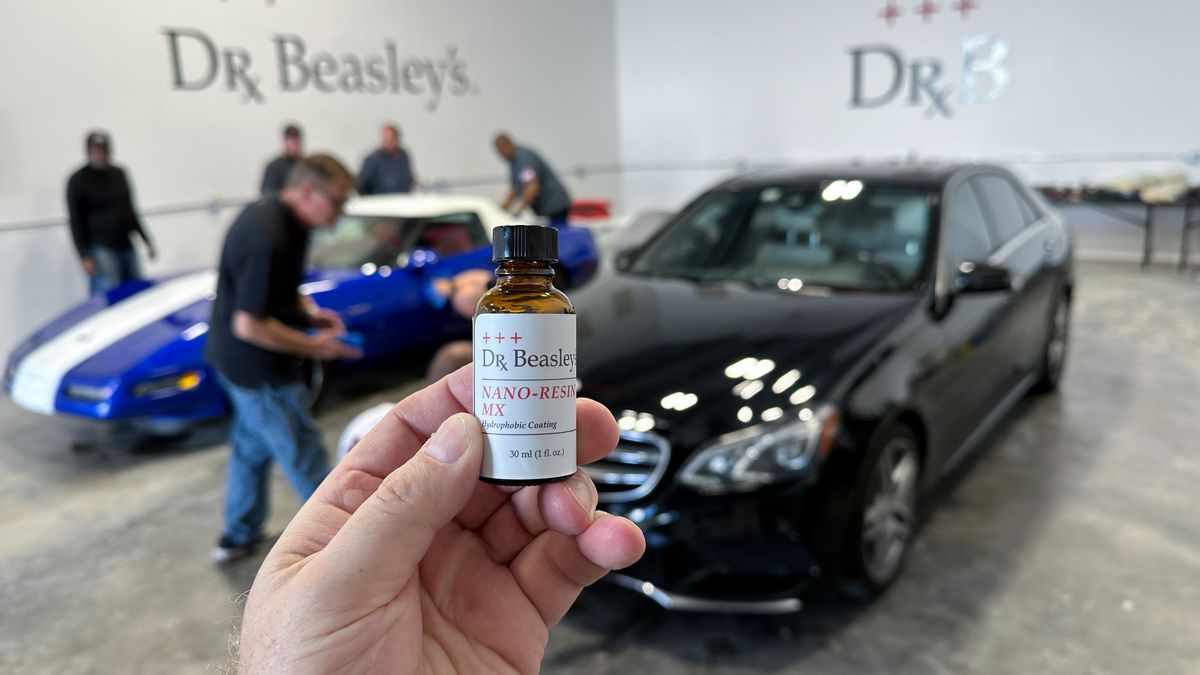
Dr. Beasley's Nano-Resin MX Ceramic Coating
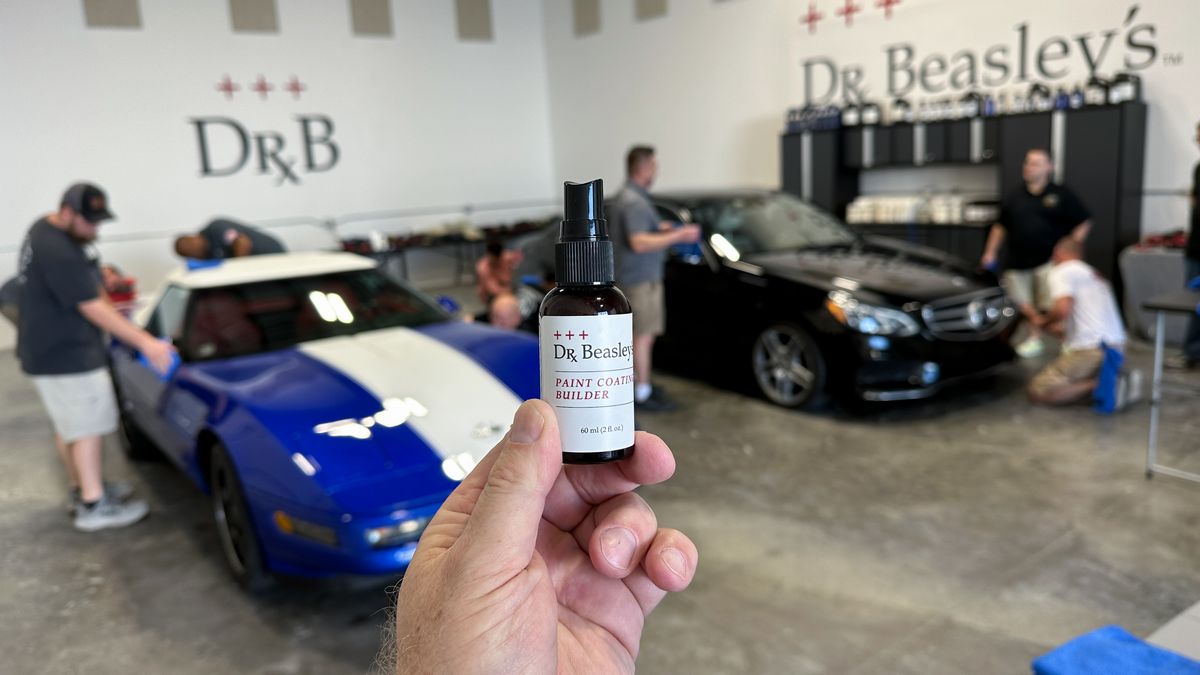
This is a two-part ceramic coating kit. The first part is to apply the Dr. Beasley's Paint Coating Builder, which will maximize gloss and clarity while laying down anchor points for the MX Ceramic Coating to bond to for maximum longevity and thus maximum protection.

full


After removing the Paint Coating Builder, next the class installs the Nano-Resin MX Ceramic Coating.

full


full


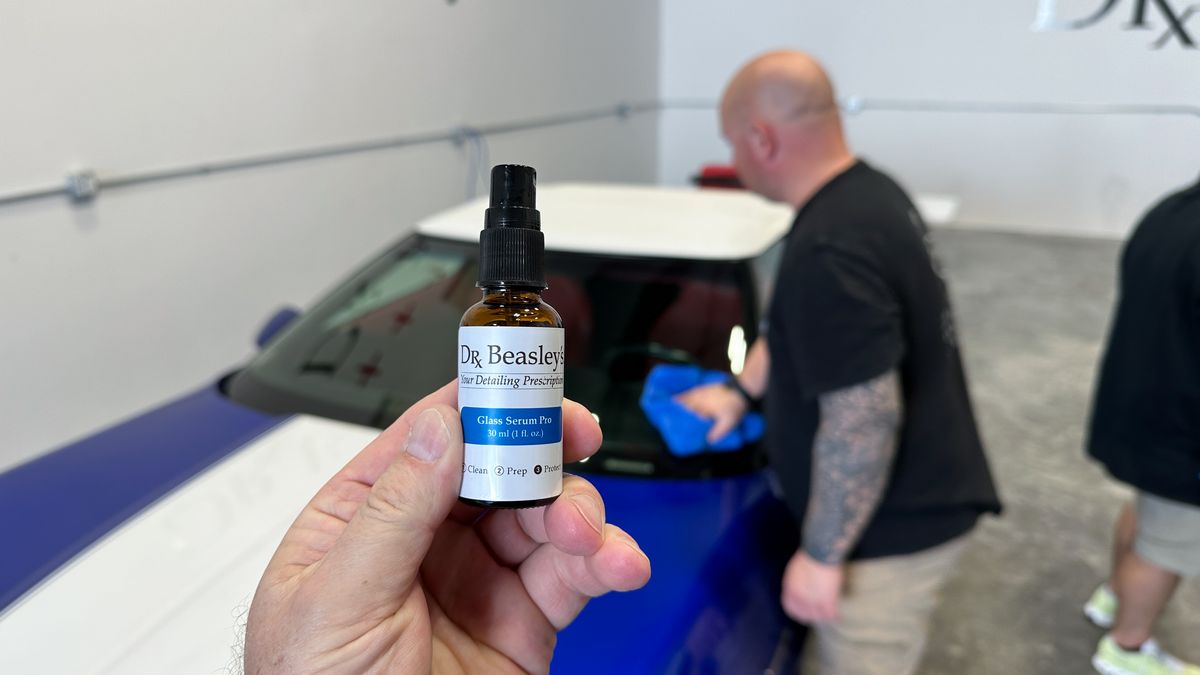
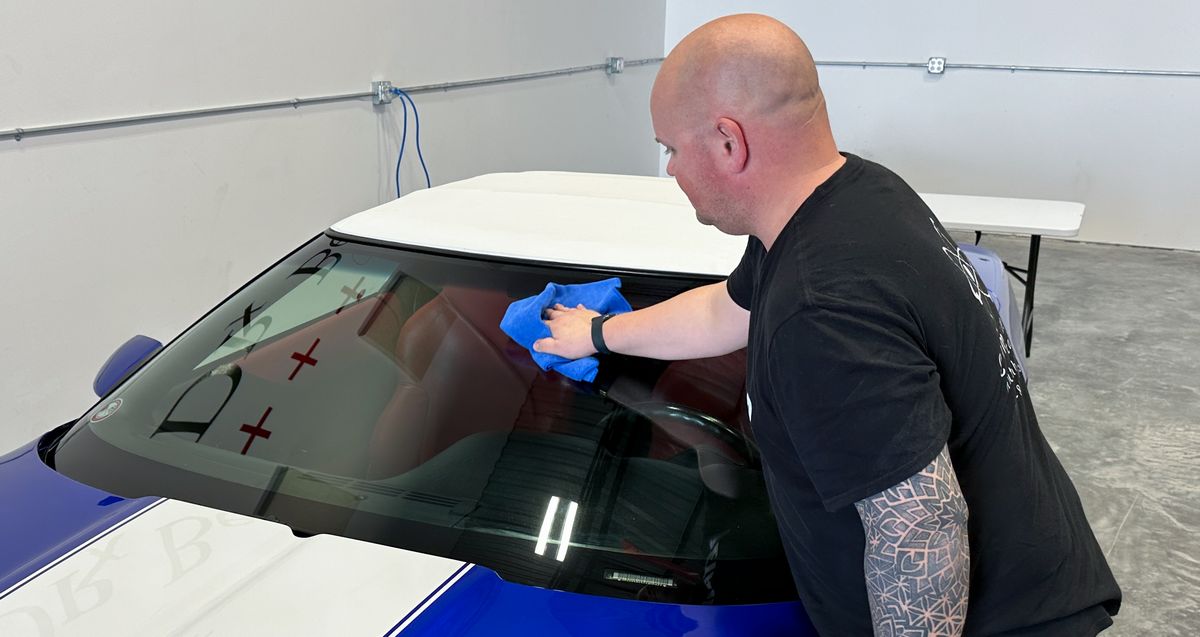
Dr. Beasley's Glass Serum Pro
Since the class machine polished all the glass, this is the perfect time to install a ceramic glass coating.

full


full


Final Results!

full


full


full


full


full


Mike
 
Last edited:
Continued...

Day 1 - Friday - Late Afternoon Session - 1-Step Ceramic AIO Paint Correction

Next up, the class is going to learn how to use the Dr. Beasley's NSP Z1 Primer, which is a one-step Ceramic AIO. AIO means, All-in-One. This means this product will remove swirls, polish the paint to a high gloss while leaving behind ceramic paint protection. Thus, a one-step product for a one-step process.

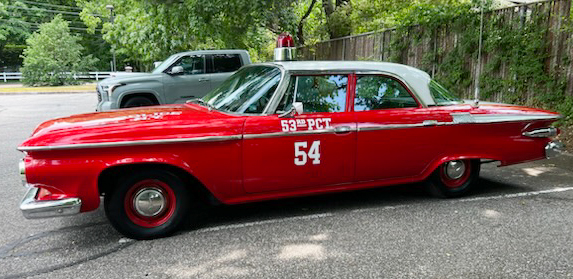
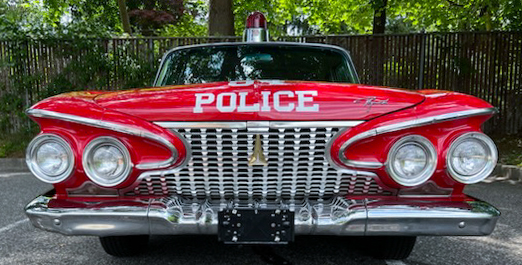
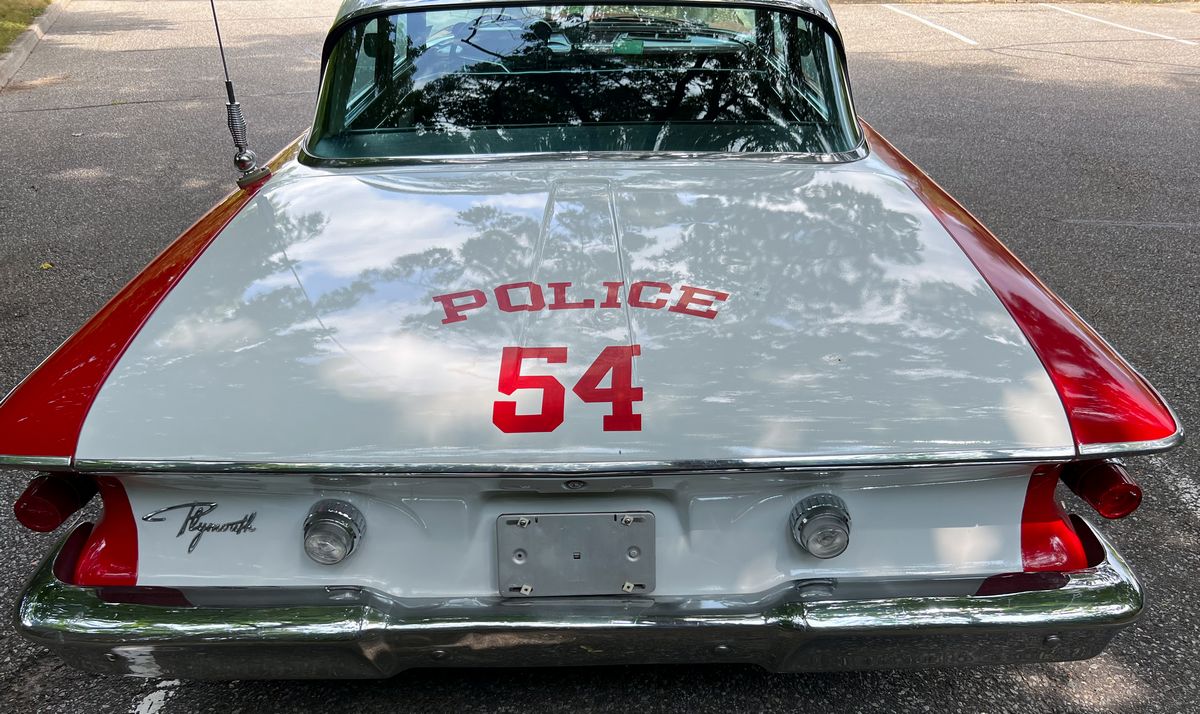
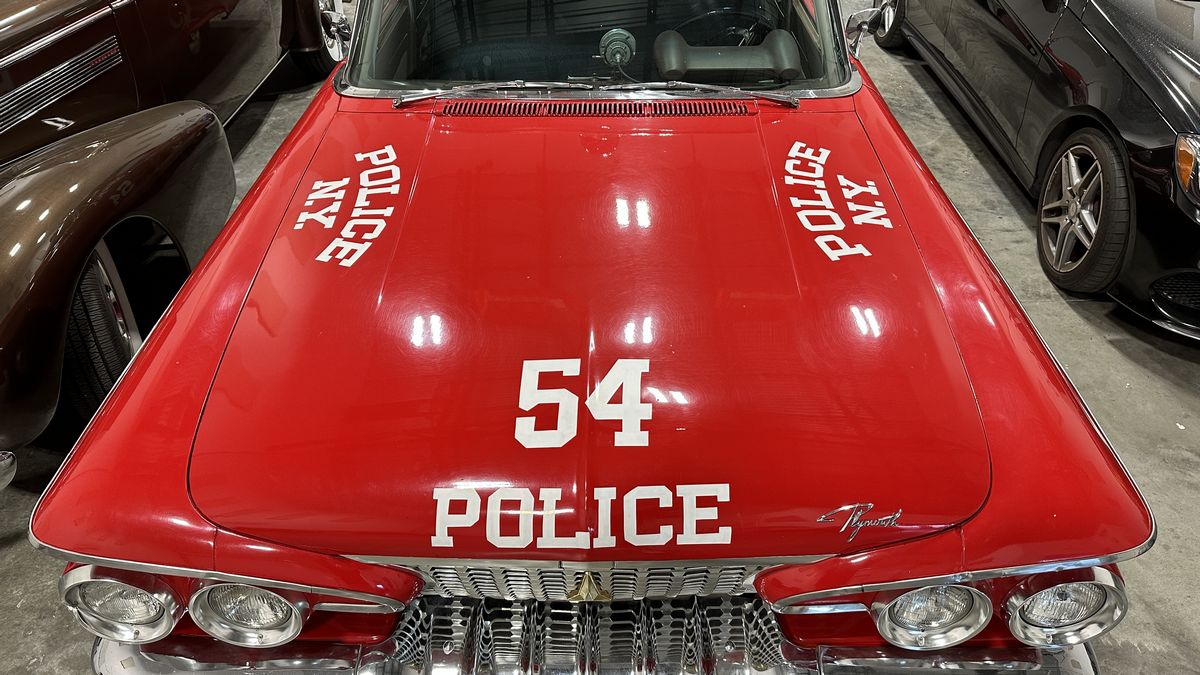
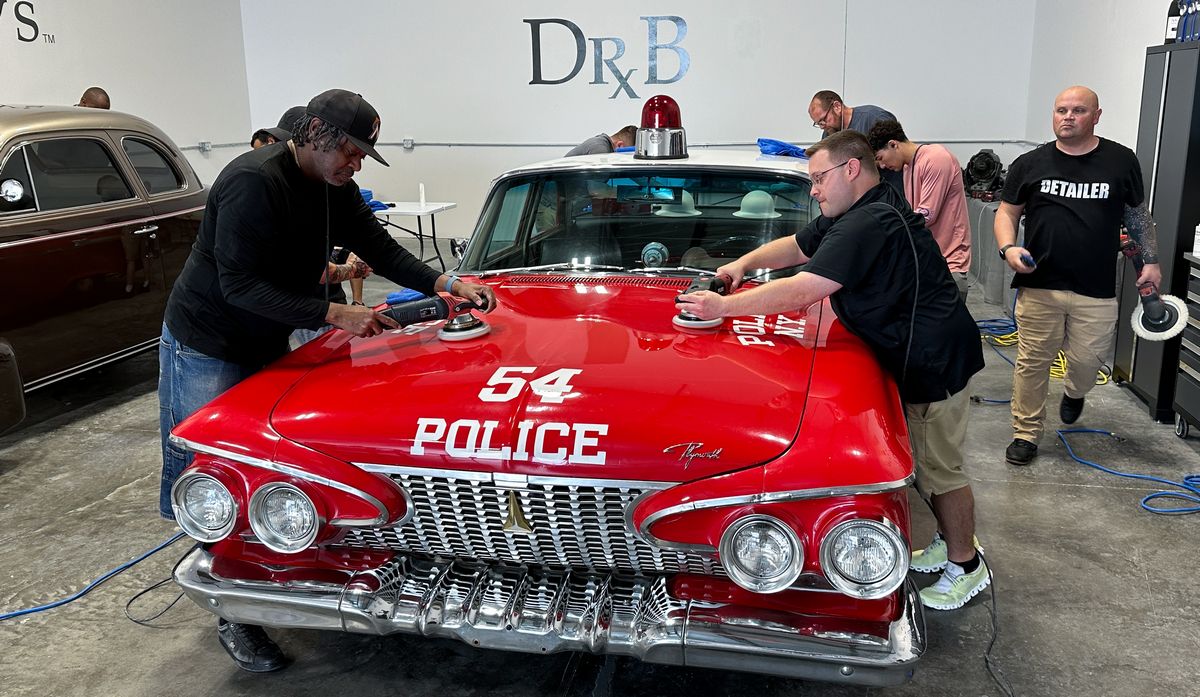
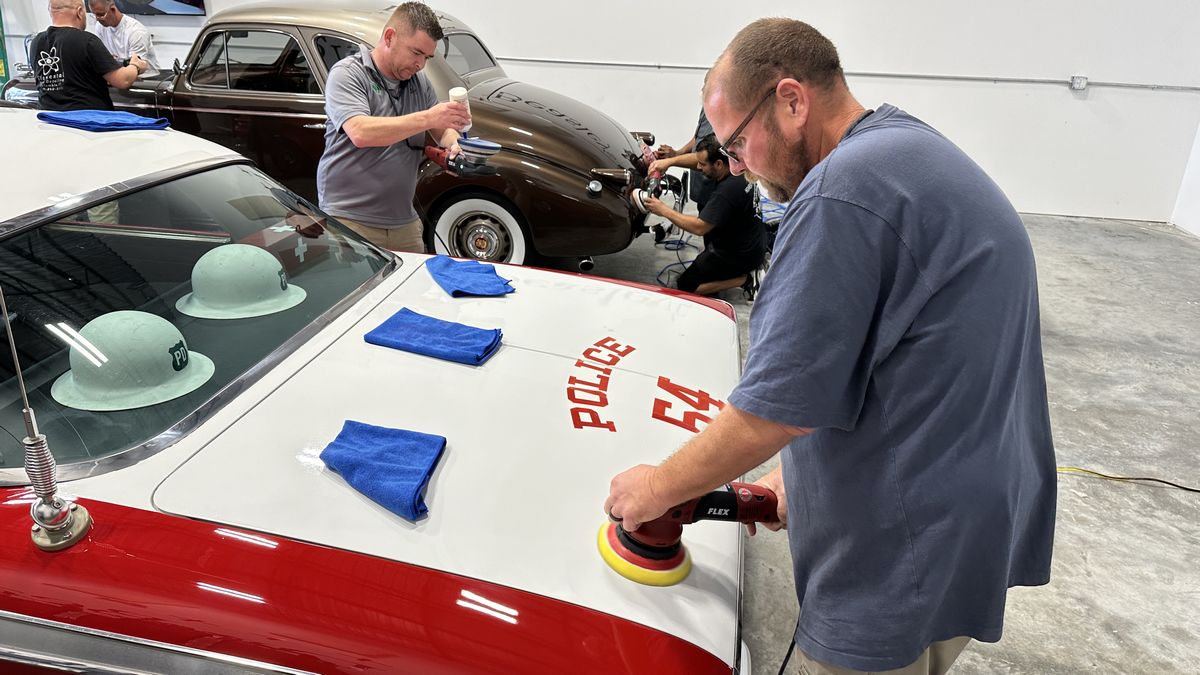
For this class session we have two very unique cars. This first one is a tribute build for the iconic 1961 Plymouth Fury Police Car used for a popular TV show called, Car 54, Where are you?

full


full


full


More about this TV show


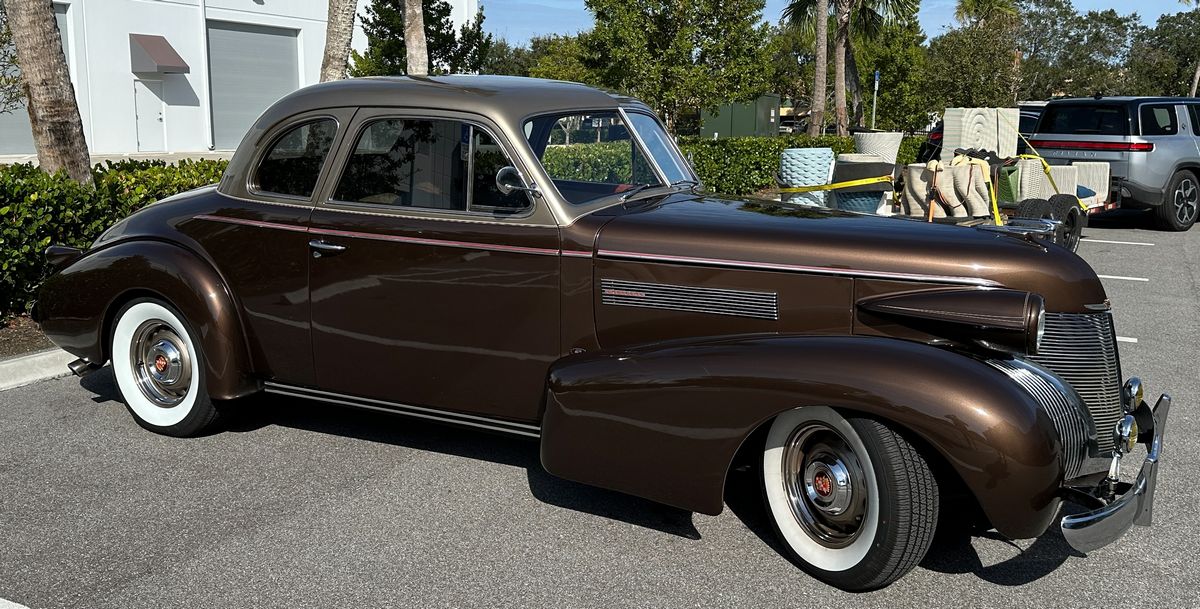
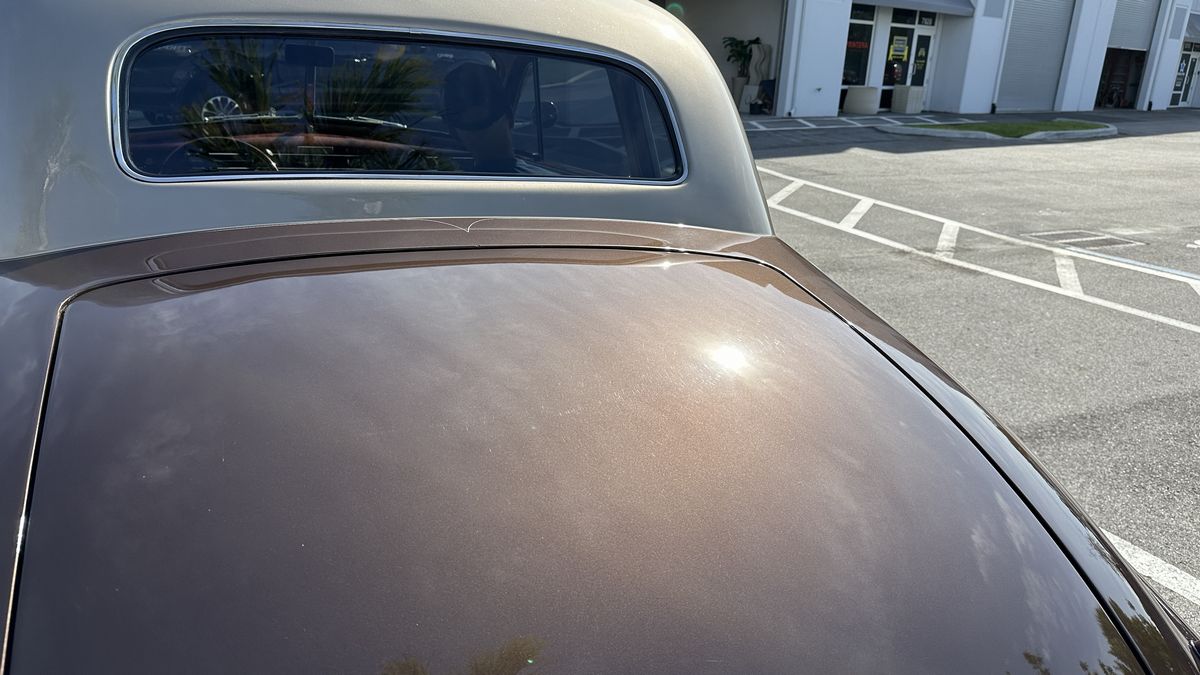
The other training car is a 1939 Cadillac Streetrod.

full


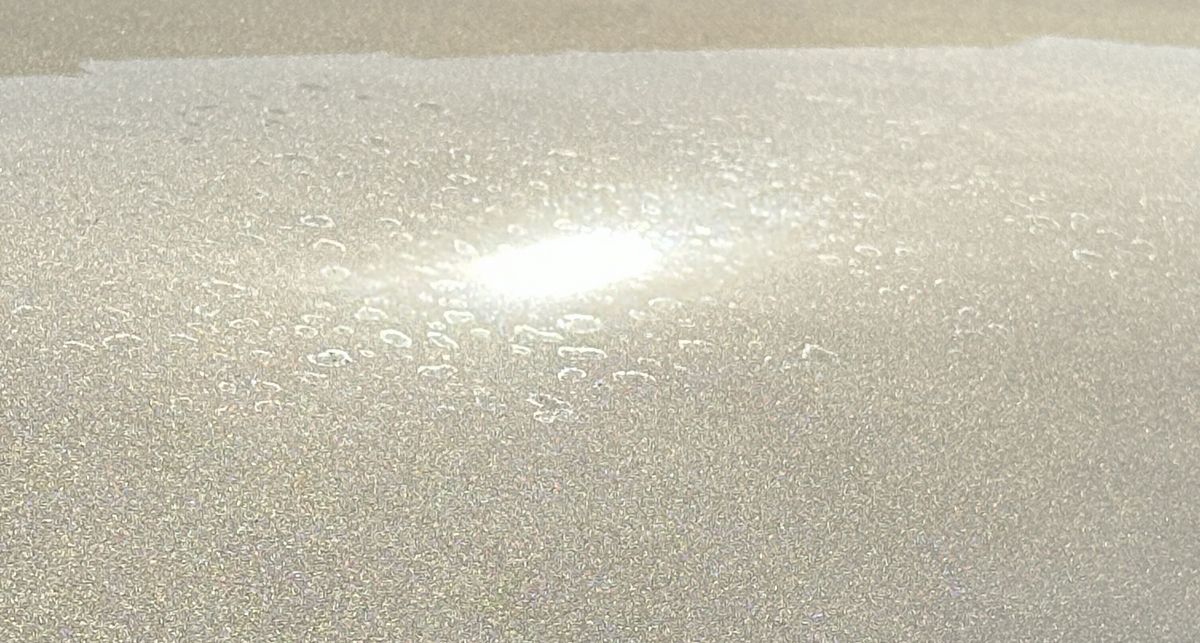
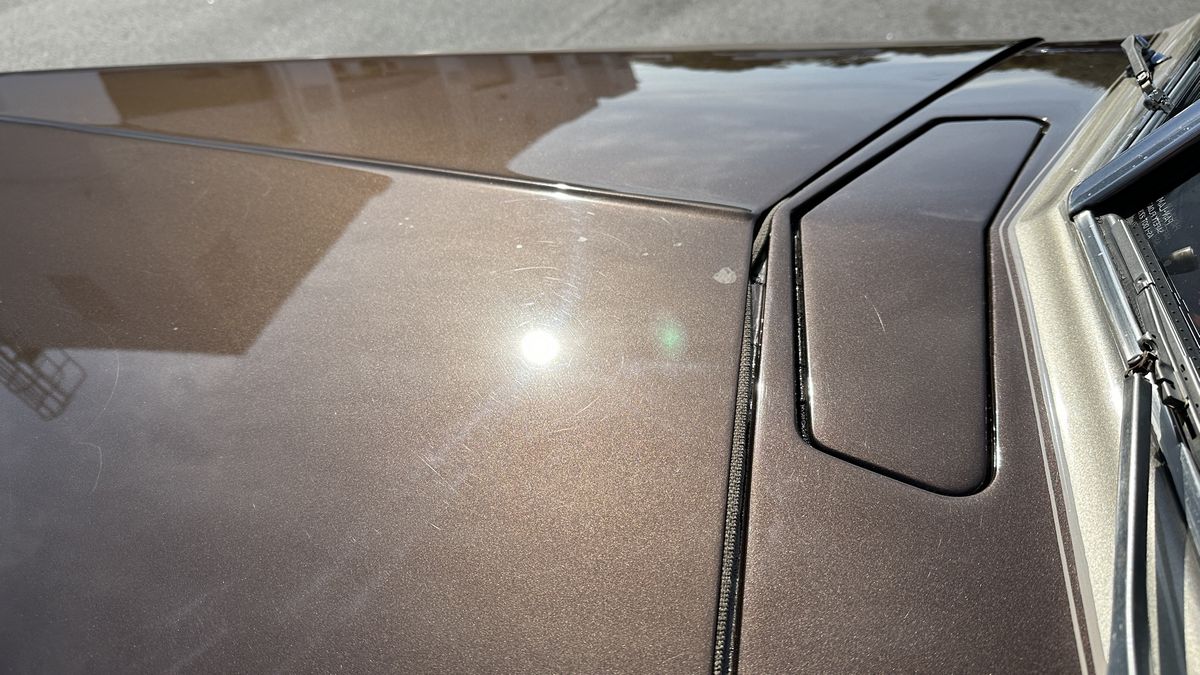
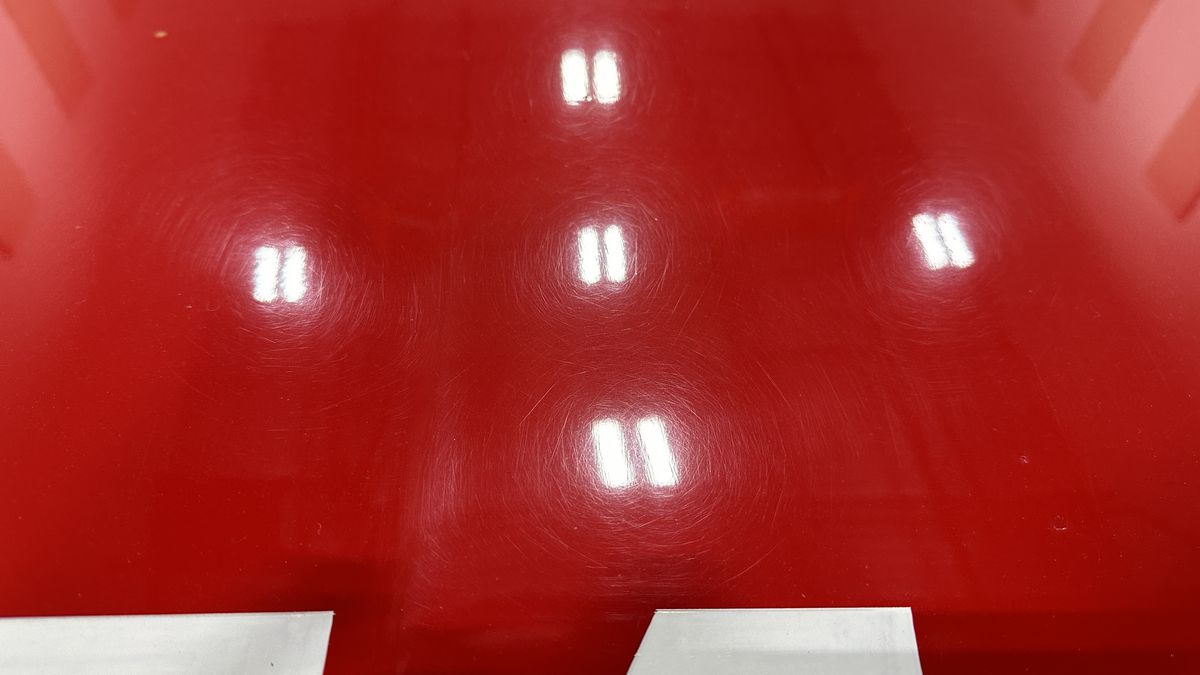
Before Condition - Light swirls, scratches and water spots.

This 1939 Caddy has SUPER HARD CLEARCOAT - and this makes it challenging to perfect no matter how you go about it.

full


full


full


full


full


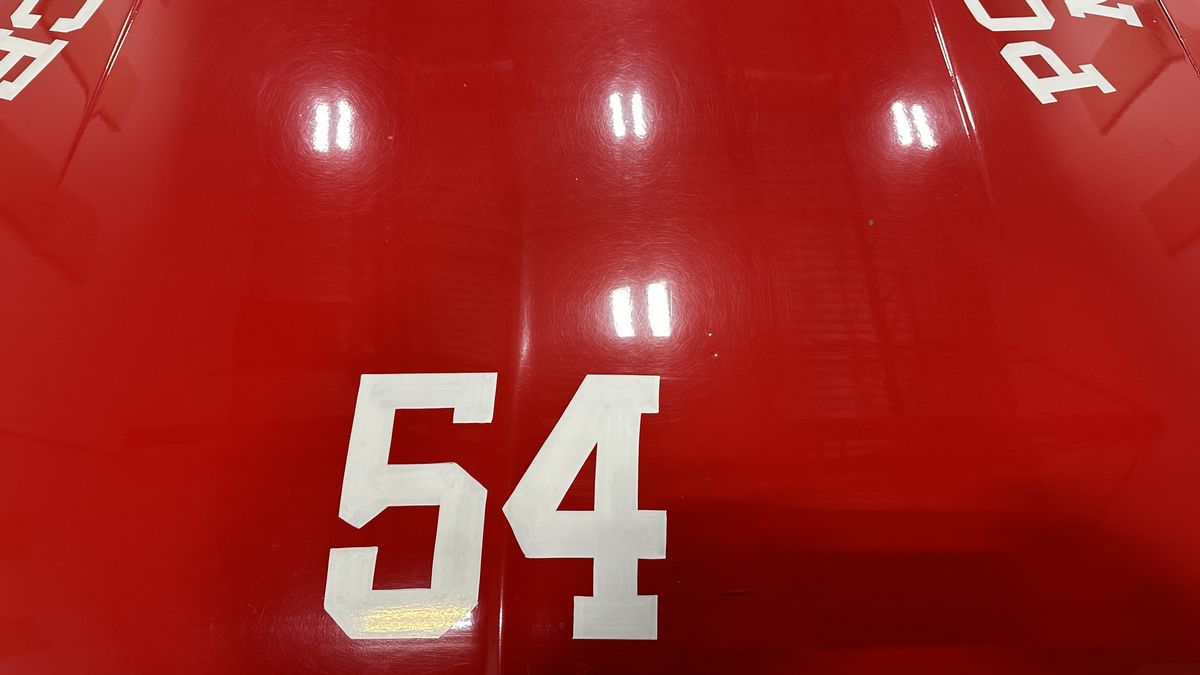
Before Condition for the 1961 Plymouth Fury

full


full


full


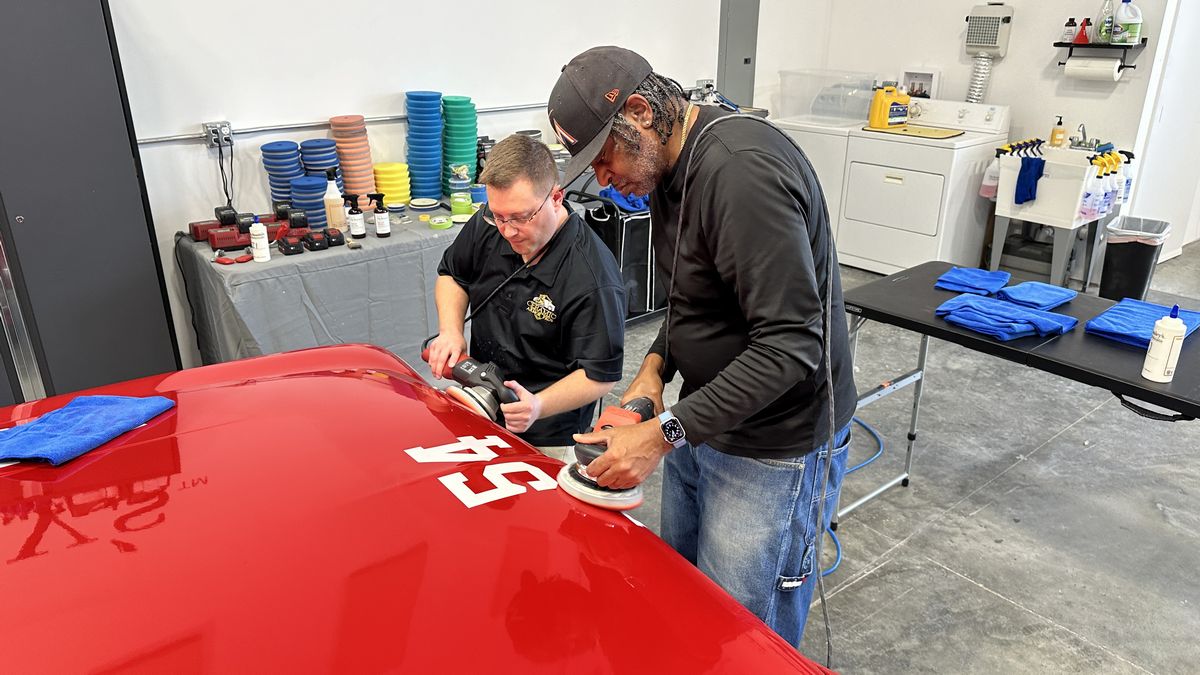
It's Go Time!

full


full


full


full


full


full


full


Mike
 
Last edited:
Continued...


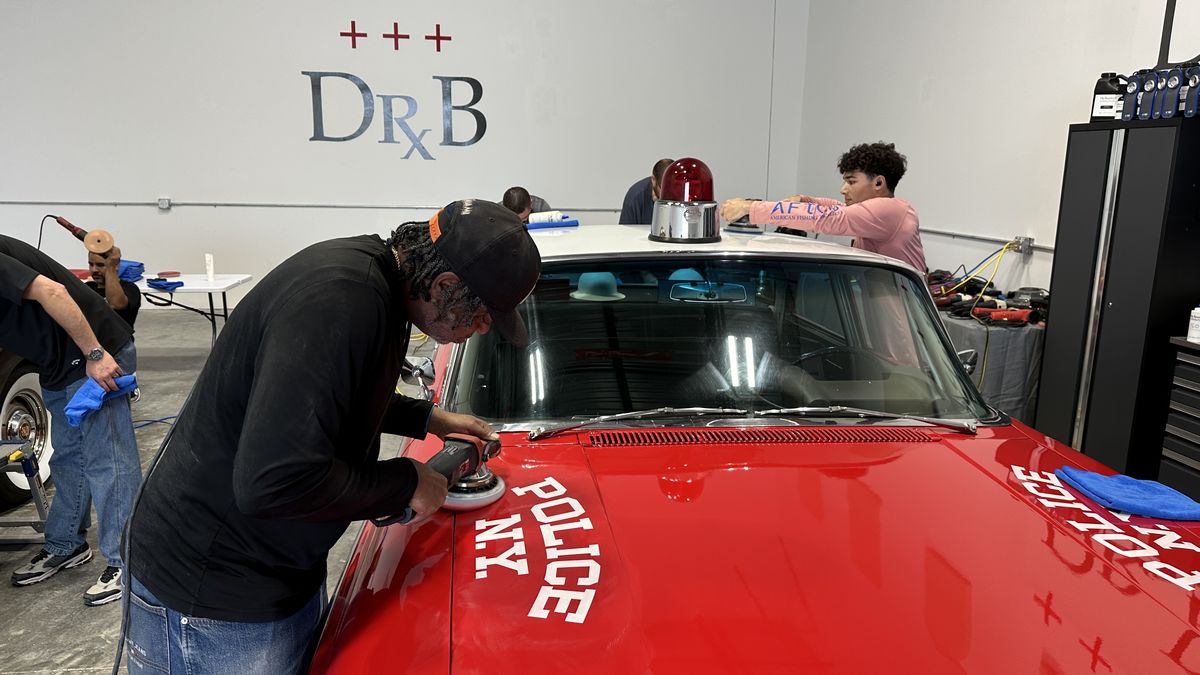
Due to the hardness of the paint, in order to remove even LIGHT swirls and scratches, the class had to bust out the rotary polishers with wool pads and the Dr. Beasley's NSP 150 Primer.

full


full


full


full


full


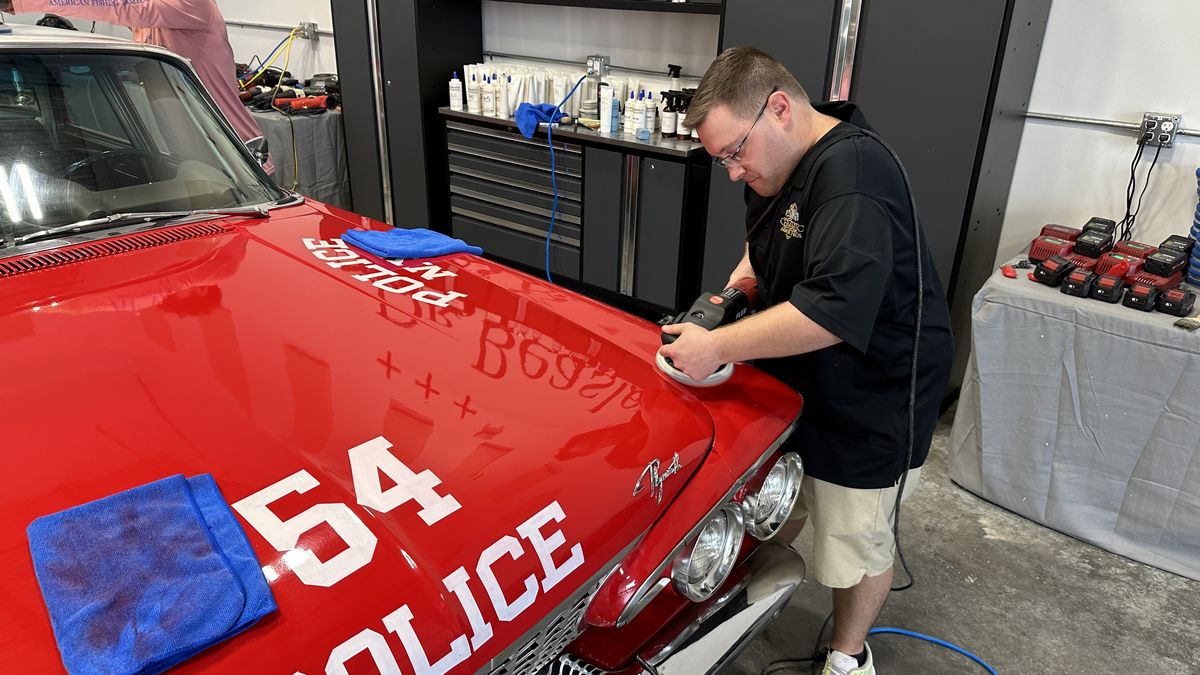
After cutting the paint on the hood, the class then switches over to foam pads with the NSP Z1 Primer

full


full


full


Making the POWER offered by the FLEX 3401 work for you!

full


Here's the final results!

full


full


full


full


full


full


full


full


And here's the team that made the magic happen!

full


Dinner at Fresh Catch!
The class worked super hard today, knocking out 3 of the most popular and profitable topics in the car detailing world while getting plenty of hands-on time with rotary polisers as well as orbital polishers. This dinner was well-earned!

full


And I'm confident, all the guys slept great that night!


Mike
 
Continued...


Day 2 - Saturday Morning - Removing Orange Peel - Hand & Machine Sanding


Here's the hood on the 1941 Chevy Pickup Streetrod
The paint job on this truck is the definition of horrible. But this is why I LOVE this truck. The worse the paint, the more dramatic the transformation. Plus a paint job like this will challenge the students and along the way, give them confidence that when they return to their world, if a project like this ever comes there way, they'll know to either turn the job down, or how to do it right the first time.

full


full


We did a LIVE class showing how to remove orange peel via sanding, and to create the YouTube Thumbnail, I used an Orange on the paint with Orange Peel, to drive the paint home. Here's the link to that LIVE class. How to remove orange peel

full


full


And just to make sure everyone pays attention to just how bad this paint job is, I've highlightes the orange peel and also bird dropping etchings.

full


Block Hand Sanding Dry
To knock the orange peel down and level any surface texture, the class starts out hand sanding dry using the Eagle Abrasives by KOVAX sanding system.

full


full


full


full


full


full


full


full


full


full


Machine Dry Sanding
After blocking the paint flat, next up, the class refines the hand sanding marks by re-sanding only this time they're using the FLEX 3411X Cordless DA Sander and the FLEX PXE-80.

full


full


full


full


full


full


full


full


full


Mike
 
Last edited:
Continued...

First thing on Friday morning, the class started the day learning the way of the rotary polisher. Next up, they will get more time behind the rotary polisher, not buffing on a flat demo panel, but using carefulness and precision to remove 100% of the sanding marks in the 1941 Chevy Pickup Streetrod. And tomorrow, (Sunday the third day of this 3-day class), they will AGAIN get time behind the rotary polisher.

The goal is simple, create a learning environment that makes it easy to learn how to use what most consider to be the most difficult tool to learn how to use, (correctly), and to know when to choose the rotary over other options for paint correction. I love this old saying,

Use the right tool for the job

And this is why I put a lot of focus on my students learning how to use the rotary polisher AND BE COMFORTABLE using it, and by the time the students leave our class, they know how to use it and when to use it. They also know what to do after using it.

Check this out...

full


full


full


full


full


full


full


full


full


full


full


full


full


full


Clean Your Pads Often!
One of the most important aspects when using a rotary polisher with a wool pad to cut the paint to remove the sanding marks is to CLEAN YOUR PAD OFTEN. To clean a wool pad, you need a tool called the Pad Cleaning Spur.

full


full


full


full


full


full


full


full


full


Mike
 
Last edited:
Continued...

full


full


full


Machine Polishing to Remove Holograms While Maximizing Gloss and Clarity
After the rotary step, next up our Test Spot showed us we could repolish using foam polishing pads on gear-driven orbital polishers with the Dr. Beasley's NSP 95 to remove all the holograms left behind by the fibers of the wool pads and create a true show car finish.

full


full


full


full


full


full


full


full


full


full


full


full


full


Installing the Nano-Resin MX Ceramic Coating
MX is a ceramic coating designed to sheet water, versus make water bead-up. The big picture idea is if the water sheets or runs off the finish instead of causing the water to pile-up to form pretty water beads, which dramatically reduces the risk of getting water spots.


Paint Coating Builder
The first part of this 2-part system is to apply the Paint Coating Builder. This product applies fast and wipes off super easy. What it does is maximized the clarity and gloss created by the polishing system while preparing the paint for the ceramic coating. This product creates anchor points on the finish in which the second part, the actual ceramic coating can form a more perfect bond for greater longevity and thus, longer lasting protection. Besides these things, the coating makes the paint super glassy looking, and it feels very silky to the touch.

full


full


full


full


After removing the Paint Coating Builder, next the class installs the Nano-Resin MX Ceramic Coating.

full


full


full


full


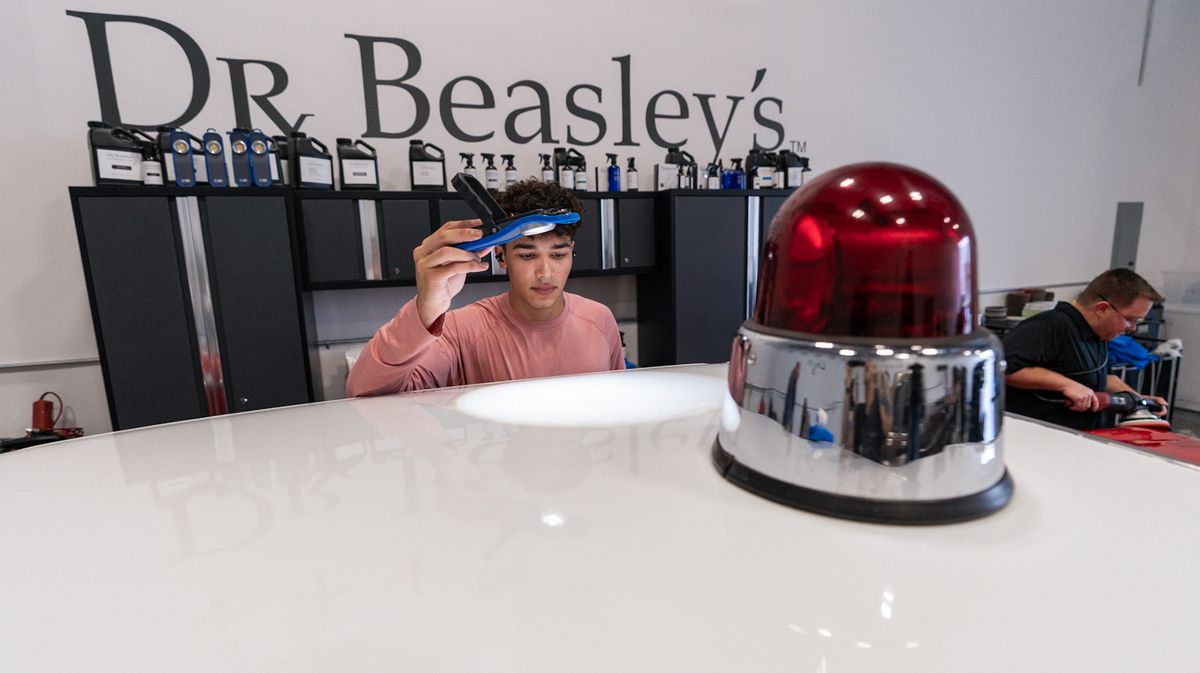
If you're going to install ceramic coatings you MUST have a great hand-held light in order to inspect for high spots.

full


Mike
 
Back
Top