
Help Correcting an Interesting Paint Defect

"This old Euro" Should be the name of your youtube series. :) That 959 is a true unicorn. Absolutely beautiful work and a stellar color.

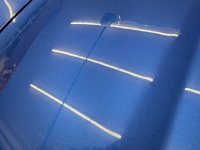
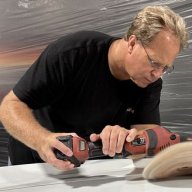
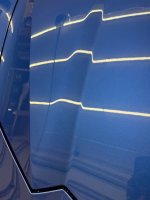
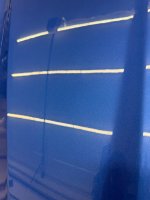
Your guidance around my issue was amazing. Thank you so much Mike! It took some "tuning" with the pad and compound combination to get it fixed but, I was able to pull the scratches out of the hood on my car. As part of the tuning I also upped the speed on the gear drive 8mm to 5 or 6 and added some pressure. It took me a few sessions over the weekend to get it done. It was 90F out in my workshop so I cut the sessions down to an hour at a time or so to prevent turning into a human raisin. The end result is buttery smooth paint and I'm super happy with it. With the scratches gone, I am now noticing some pitting damage likely from prior to my ownership since I haven't driven car all that much. I dont think theres any correcting the pitting short of a re-clearing but thats outside the scope of what im shooting for right now. I think I'm all set to coat it with Dr Beasley's Plasma Coat tonight. Ill post some before and after pics if thats of interest? For now heres a quick update pic on the area I originally highlighted that was scratched. Thanks!

-DK
 

Attachments

  • IMG_6772.jpeg
    IMG_6772.jpeg
    1,011.7 KB · Views: 1
  • IMG_6773.jpeg
    IMG_6773.jpeg
    1.1 MB · Views: 1
  • IMG_6774.jpeg
    IMG_6774.jpeg
    664.8 KB · Views: 1
"This old Euro" Should be the name of your youtube series. :) That 959 is a true unicorn. Absolutely beautiful work and a stellar color.

That's funny! I hope the unveiling went well at the American Muscle Car Museum this last weekend.

Your guidance around my issue was amazing. Thank you so much Mike! It took some "tuning" with the pad and compound combination to get it fixed but, I was able to pull the scratches out of the hood on my car.

Good to hear!

As part of the tuning I also upped the speed on the gear drive 8mm to 5 or 6 and added some pressure. It took me a few sessions over the weekend to get it done. It was 90F out in my workshop so I cut the sessions down to an hour at a time or so to prevent turning into a human raisin. The end result is buttery smooth paint and I'm super happy with it.

That's great! Sometimes all it takes a little tweak to your technique and then the magic happens.


With the scratches gone, I am now noticing some pitting damage likely from prior to my ownership since I haven't driven car all that much. I dont think theres any correcting the pitting short of a re-clearing but thats outside the scope of what im shooting for right now.

If the tiny pits are only in frontward facing body panels, the front of the hood, front of the side mirrors, then it could be pitting, like sand blasting from road debris. I have driven a few times from California to Las Vegas and when the wind is blowing, you can hear and feel the wind-blown dust pelting the car.

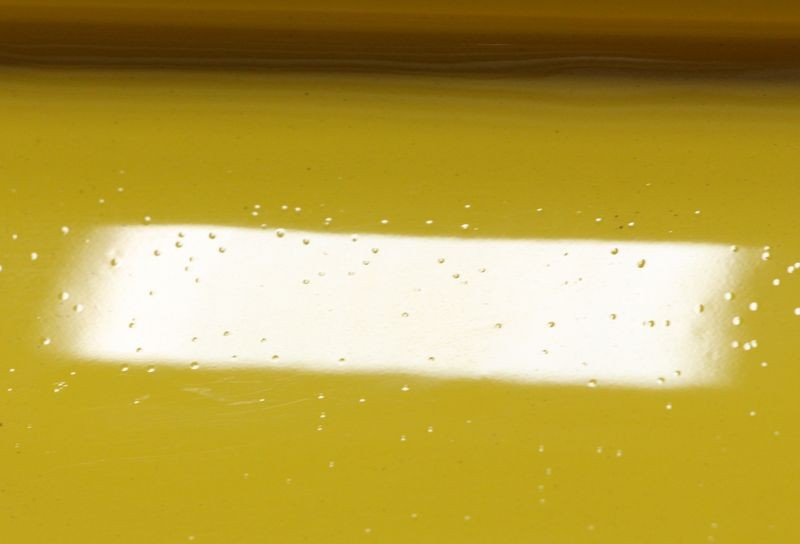
If the tiny pits are uniform over all body panels, then hard to say. There's a paint defect referred to as SOLVENT POP - which looks like tiny holes or pits in the paint, but this is common to re-paints, not factory paint. I'll include some info and pictures from an old 2-door Ford I detailed a few years ago below.


I think I'm all set to coat it with Dr Beasley's Plasma Coat tonight. Ill post some before and after pics if thats of interest? For now heres a quick update pic on the area I originally highlighted that was scratched. Thanks!

-DK
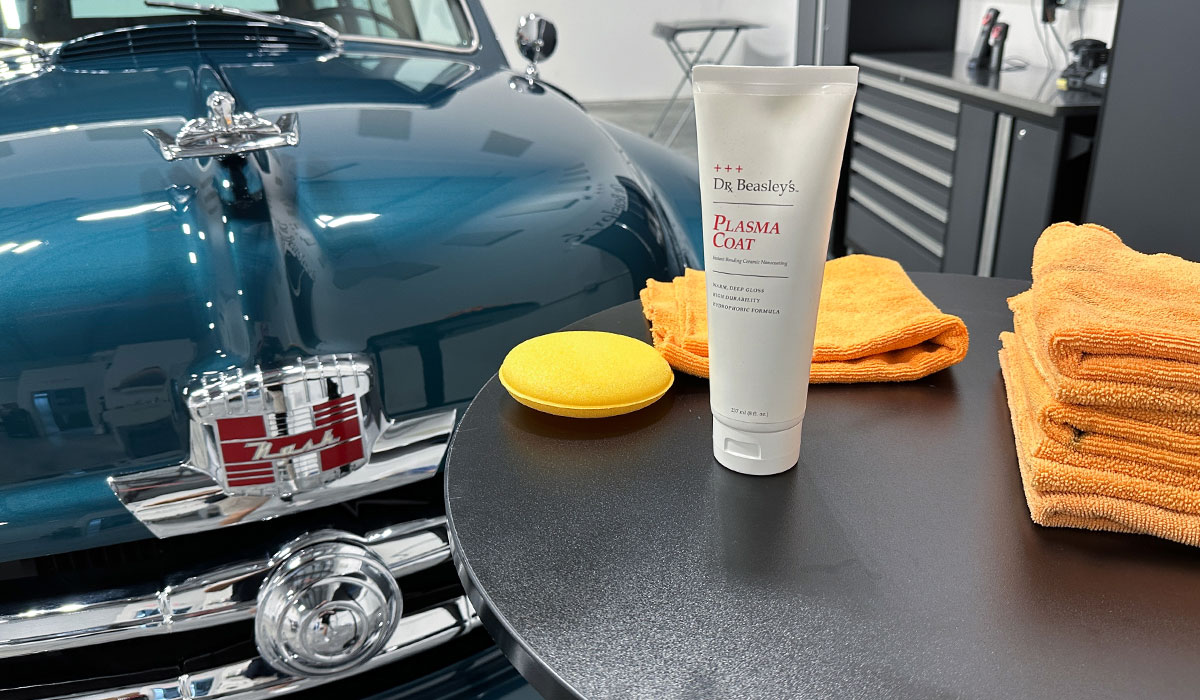
Here's a tip when applying Plasma Coat - only apply to small section at at time, about the size of an average size microfiber towel and then after applying, immediately wipe it off. I like the way Plasma Coat makes the paint look, but the last time I used it, I found it a tick stubborn to remove if I applied to too large an area or waited too long to remove.


Here's the product page and directions on the Dr. Beasley's website.

Plasma Coat

1. PREP THE SURFACE - Ensure paint is clean and dry.
2. APPLY - Dab a small amount on to a foam applicator and apply in circular motions to a panel or small area, being sure to get full coverage.
3. WIPE - Wipe away all excess product immediately with a microfiber towel.


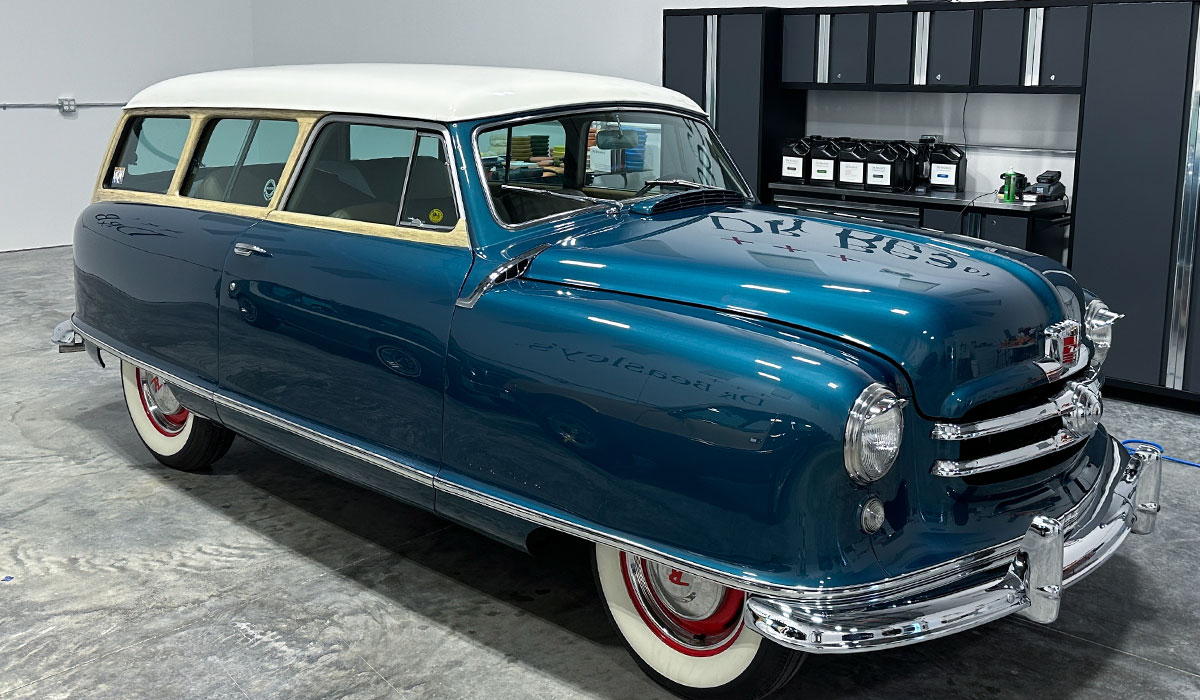
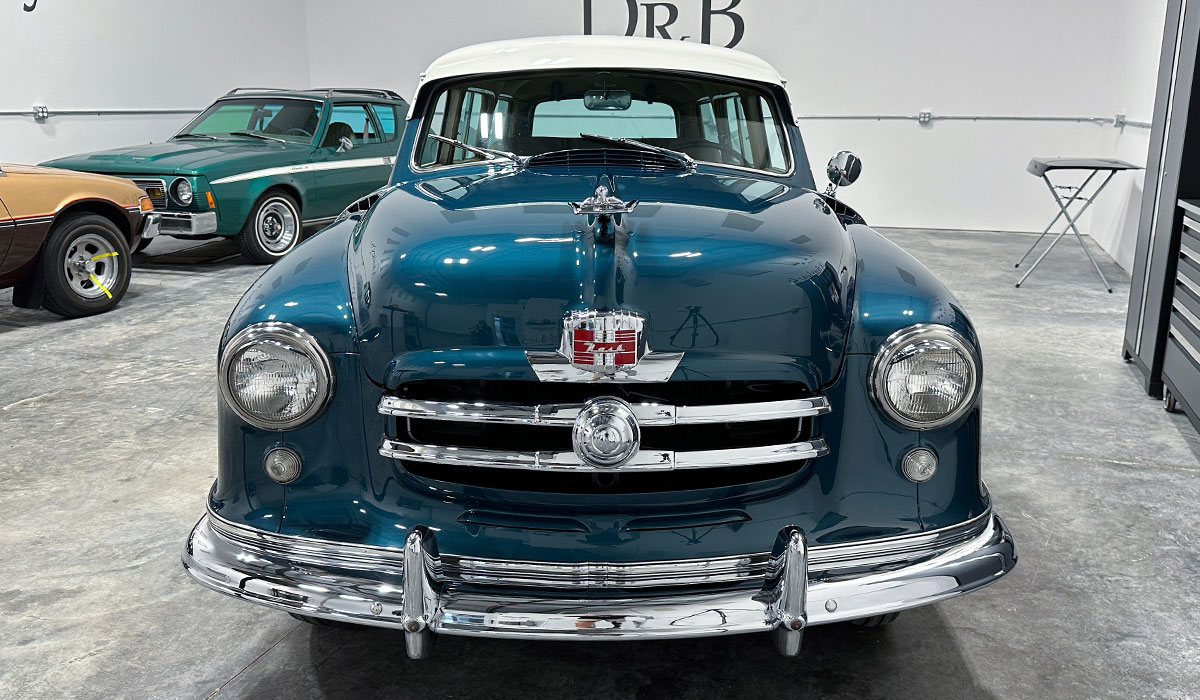
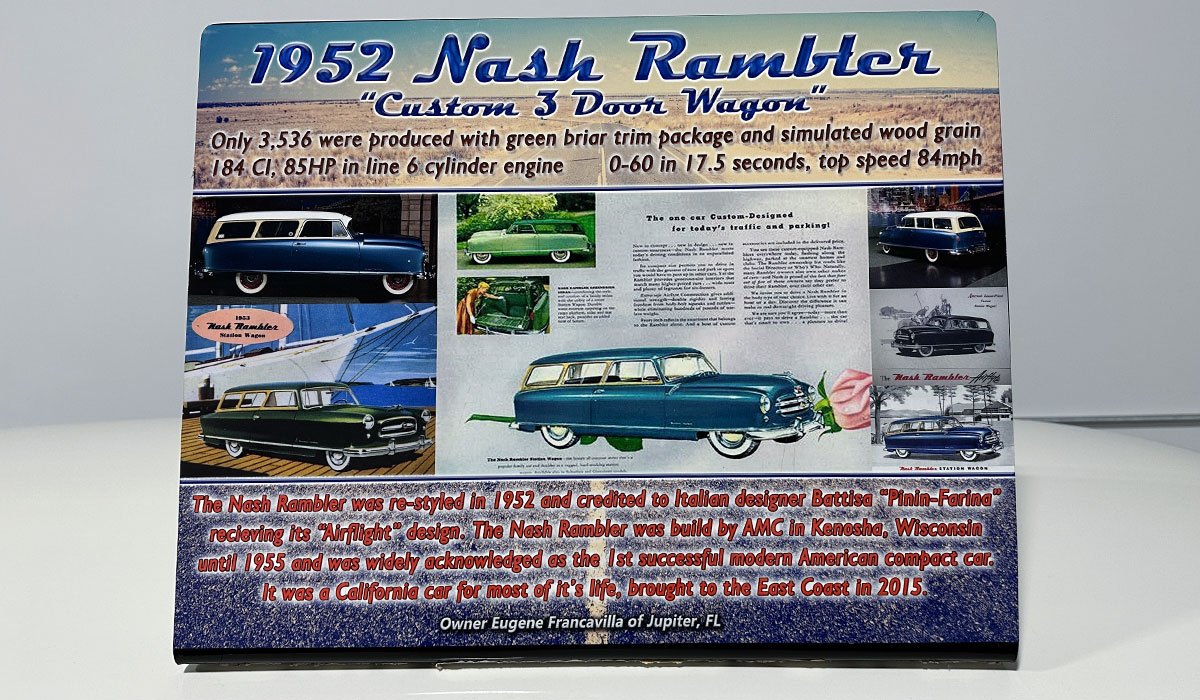
1952 Nash Rambler
The last time I used Plasma Coat on was on this super cool 1952 Nash Rambler, with a modern basecoat/clearcoat paint job.

full


full


full


full


Luckily, there was only light or shallow swirls and scratches in the paint on this Nash Rambler as I found the paint to be super hard.


Nice work, thank you for the follow-up.


Mike
 
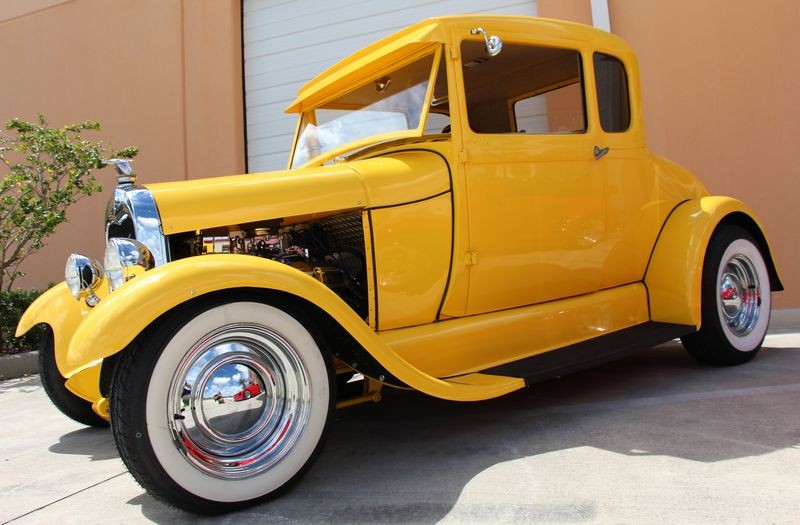
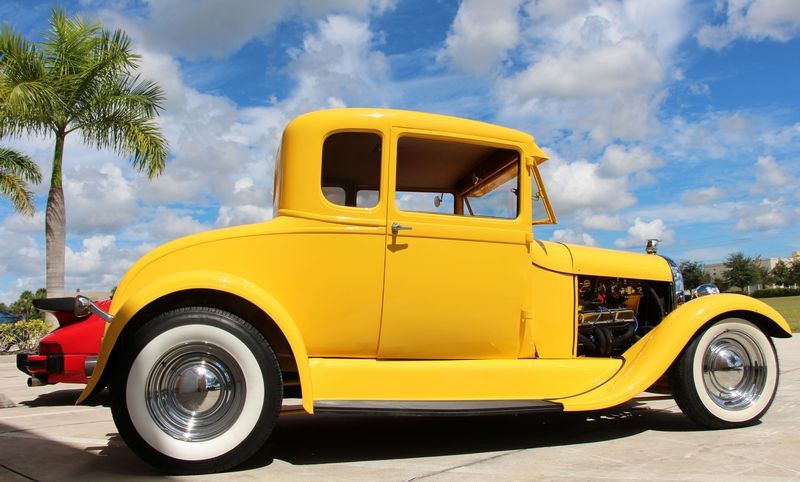
Here's some info I wrote a few years ago after taking pictures of solvent pop in this old 2-door Ford. Here's the original write-up from the AutogeekOnline.net forum.


Pictures: 1928 Model A - Wetsand, Cut and Buff at Autogeek <-- from the year 2013 - so as I type in the year 2026 - 13 years ago.

All photography by yours truly also... including the self-portrait shot of myself in the baby moon chrome hubcap.

1986_Porsche_Mike_Phillips_059.jpg


1928_Model_A_Coupe_026.jpg


1928_Model_A_Coupe_027.jpg


After inspecting the brand new paint job on the 1928 Model A out in the garage I found at least one place with signs of solvent popping.

Solvent popping is when the reducer, (solvent), which is used to thin the paint to make it sprayable in a paint gun is changing from a liquid to a gas. As this change takes place, the solvent tries to escape and pops through the top film of paint leaving a tiny little crater or what looks like a pin hole.

At least that's the nutshell explanation.


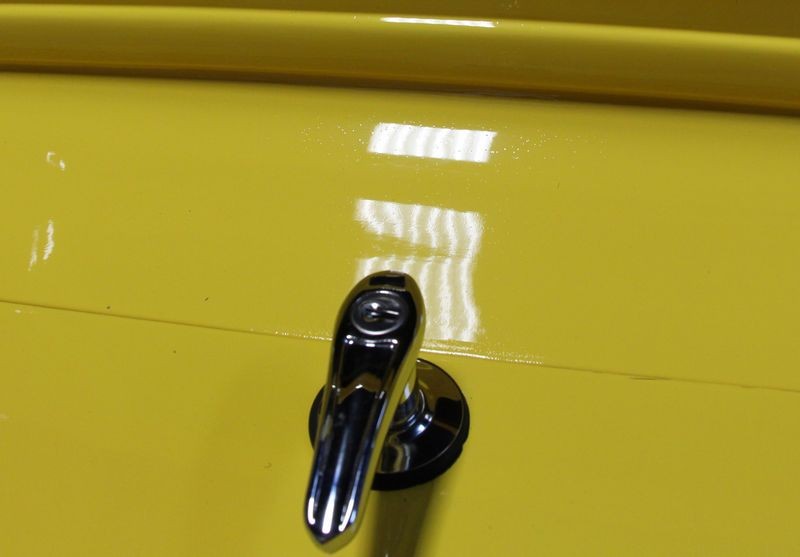
Here's a couple pictures I took to show solvent popping. It is located just above the opening to the rumble seat on this Model A.

Solvent_Popping_in_Paint_001.jpg


Solvent_Popping_in_Paint_002.jpg


Solvent_Popping_in_Paint_002c.jpg


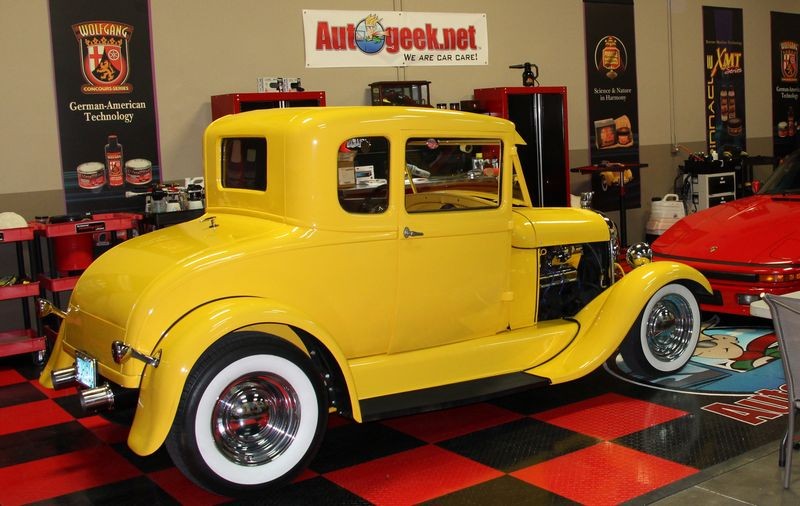
For reference, it's just above the handle you see on the top of the rumble seat in the back of the car here,

1928_Model_A_Coupe_010.jpg


Mike
 
Everything old is new again.:) This is the first I've ever heard of solvent pop. Thank you for that description and the pics they were super helpful. So far, the "pitting" or "pop" defect looks to be just on the hood. The rest of the car, as far as I can tell, is free of this. It has been driven NV to CA and back twice but, like you mentioned, in that case I would expect to find this sort of damage in other places if it were environmental. In this case its just the hood. Its not even present on the front fascia or the top of the fenders. I wonder if this car saw paint before I picked it up or if this was an issue from the factory and was never caught? Either way, providing the clear depth is sufficient from a paint gauge meter, would it be possible to wet sand these imperfections out or would it be better to just have the hood sanded and repsprayed?
 
So far, the "pitting" or "pop" defect looks to be just on the hood. In this case its just the hood.

Its not even present on the front fascia or the top of the fenders.

When you only see this type of defect on the hood, and not just the front portions, then engine heat could be a factor. That's the one thing the hood gets over all the other body panels.

would it be possible to wet sand these imperfections out or would it be better to just have the hood sanded and repsprayed?

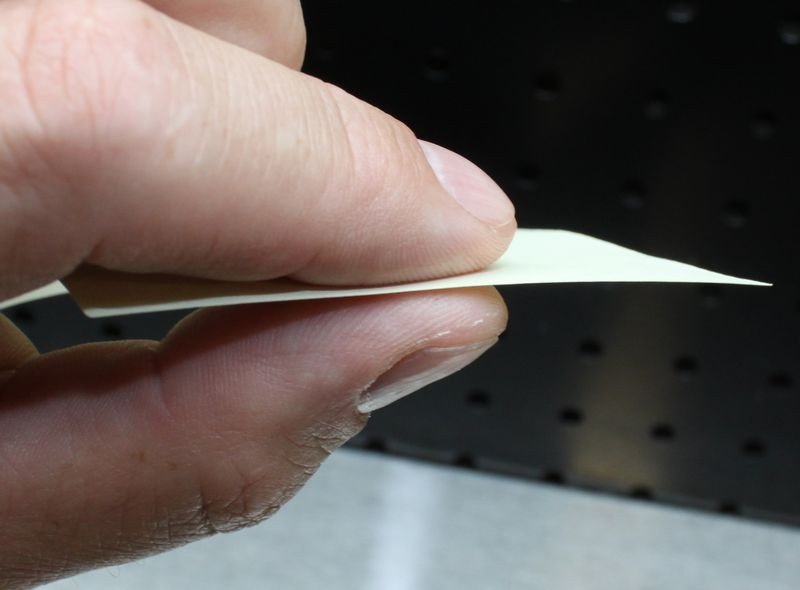
Factory paint is thinner than a Post-it Note, so it's super risky to sand and compound factory paint. Keep in mind,

  1. Sanding removes paint.
  2. Compounding removes paint.
  3. Polishing removes a little paint.

Pretty soon, you turn your polisher over and you see the color of the basecoat on the face of the pad. Not good.

If you have it repainted - now you risk,

  • The same problem - solvent pop.
  • Shoddy paint work.
  • Even if the paint work is good - shoddy sanding and buffing.


Most cars I've dealt with over the decades that have been painted have all of the above. Here's my article on how thin factory paint is on modern cars.

Factory Clearcoats Are Thinner Than a Post-it Note by Mike Phillips

full


Mike
 
Back
Top