
How to Wetsand Cut and Buff - 1949 Chevy Fleetline Streetrod

Mike Phillips

Administrator
Staff member
Joined
May 21, 2021
Messages
2,530
Reaction score
1,496
Points
113
Location
Stuart, Florida
Website
themikephillipsforum.com
How to Wetsand Cut and Buff - 1949 Chevy Fleetline Streetrod

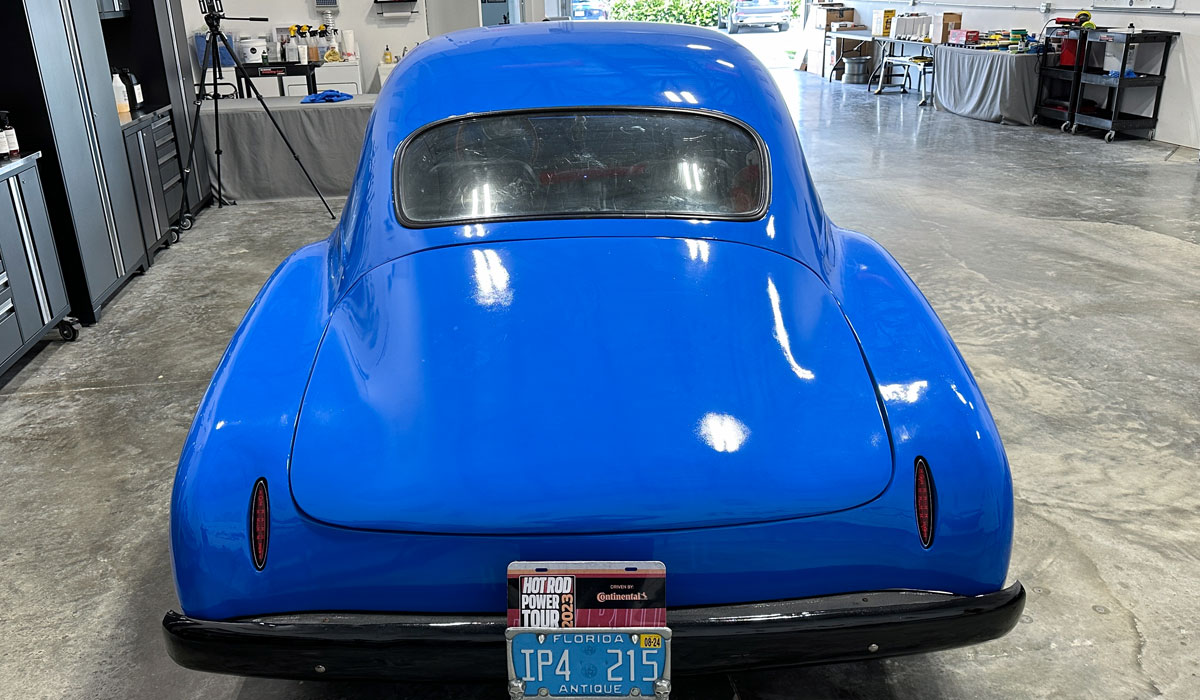
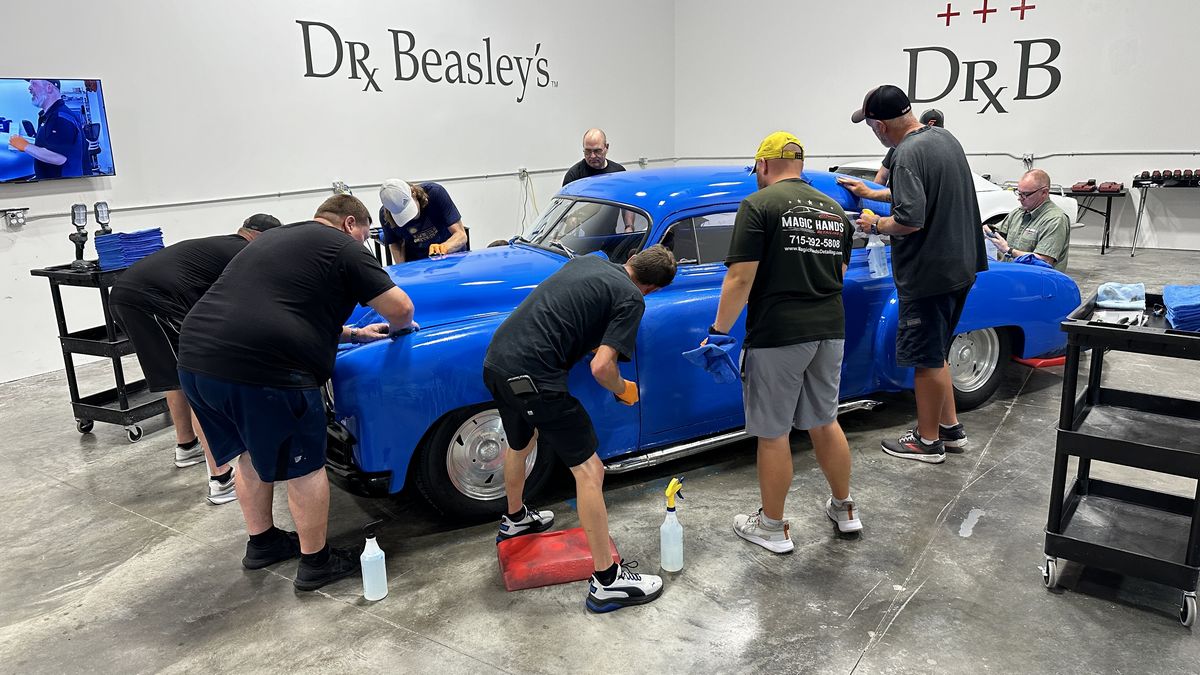
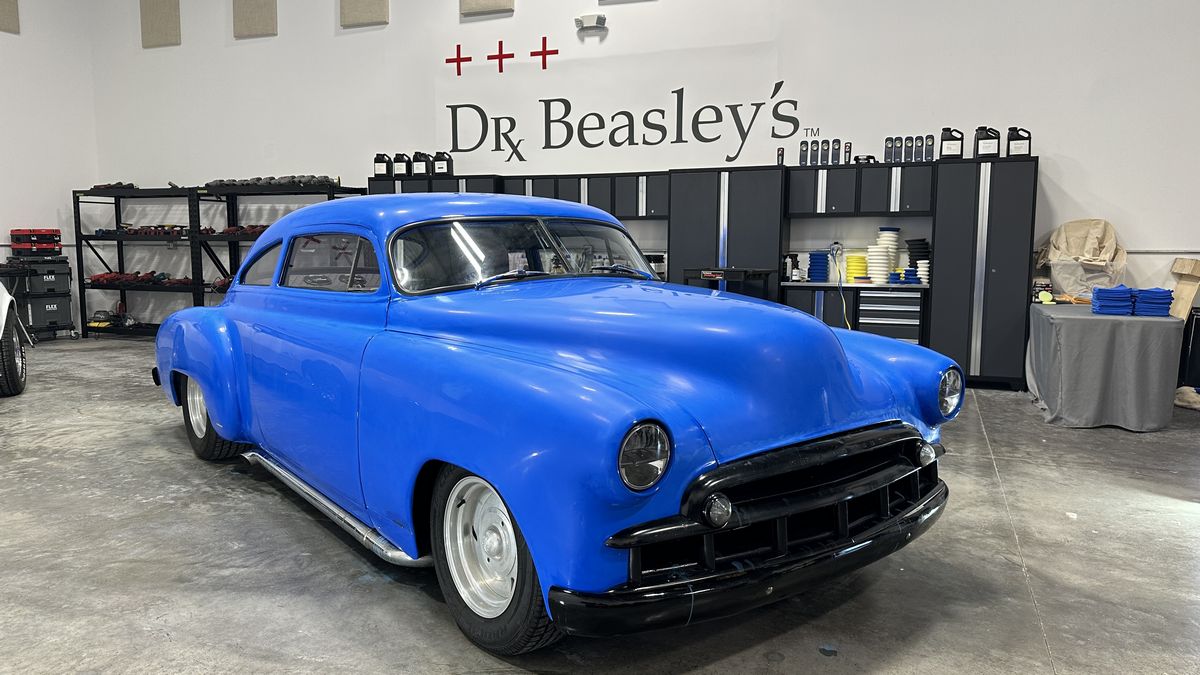
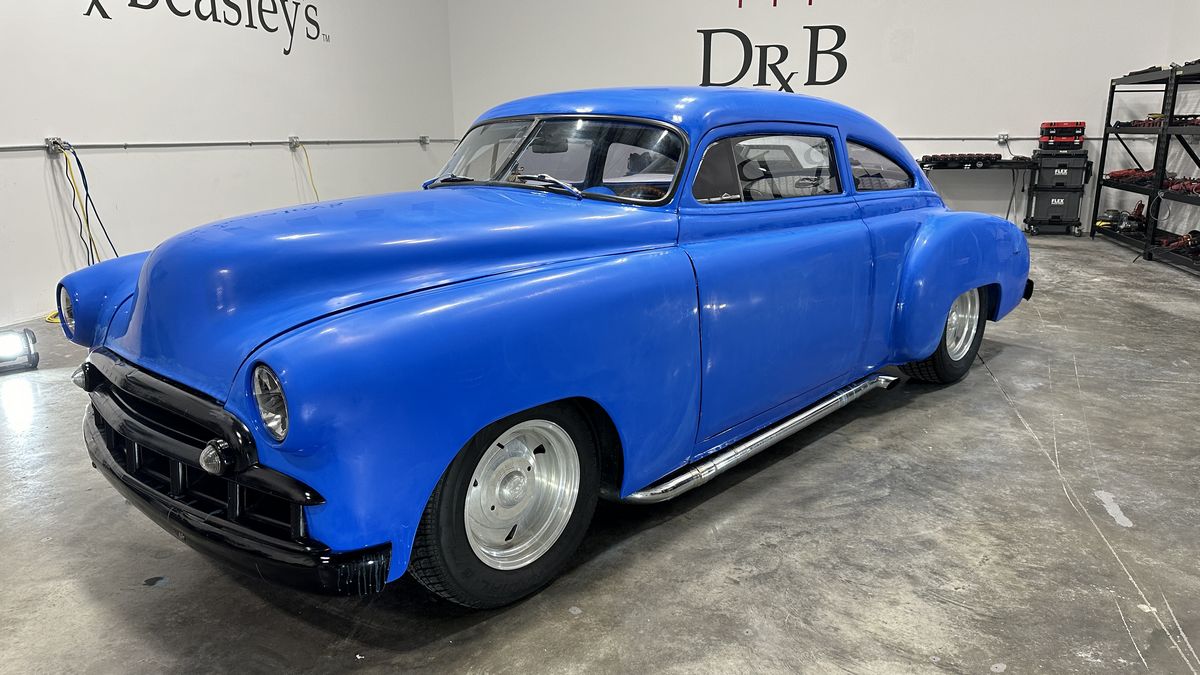
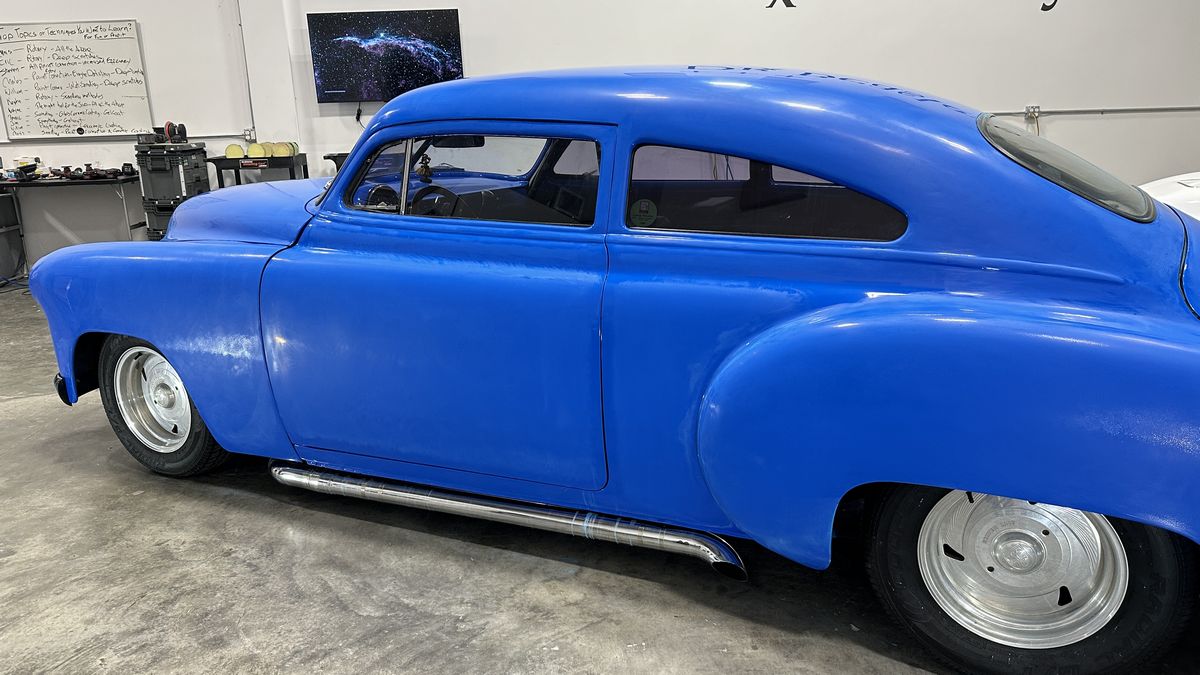
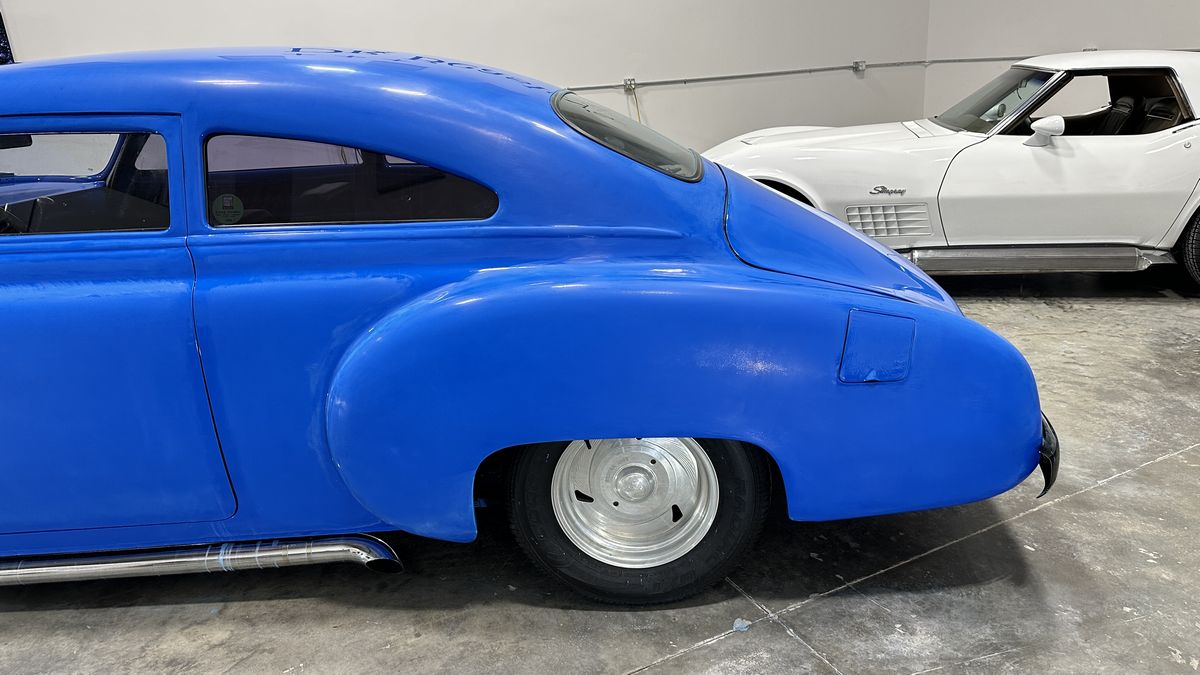
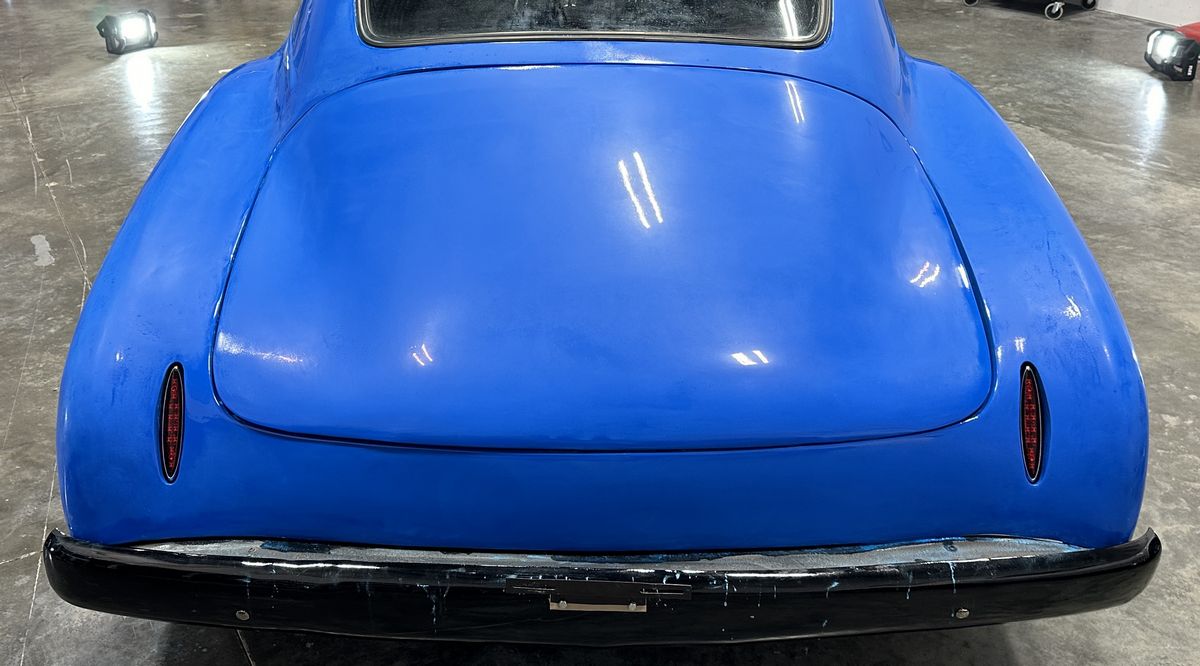
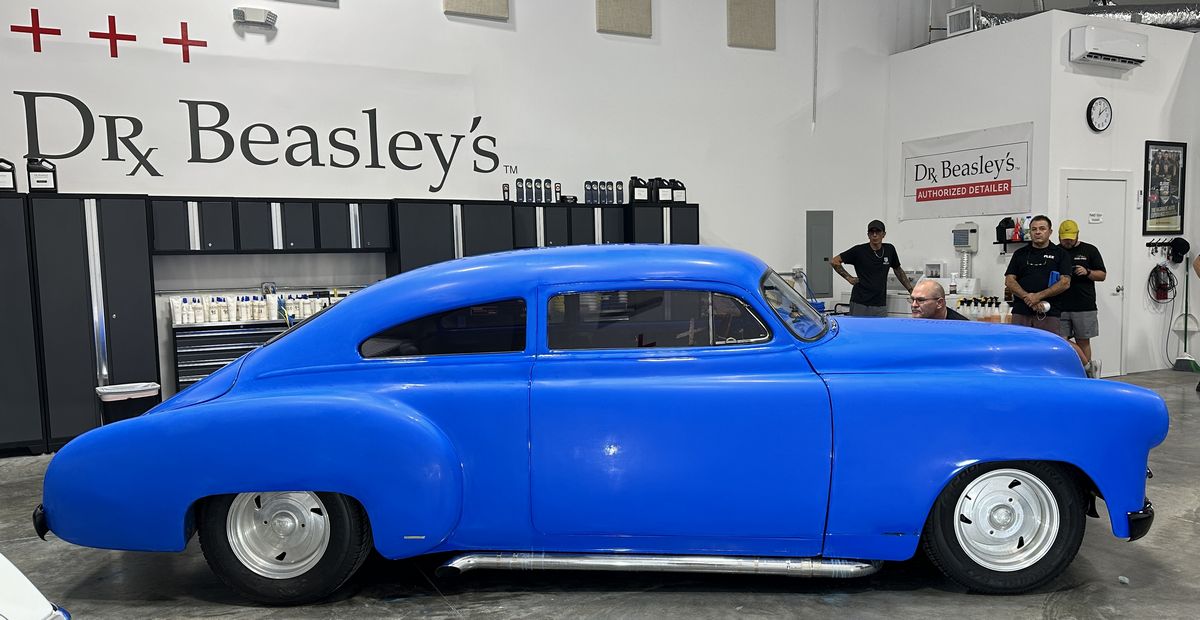
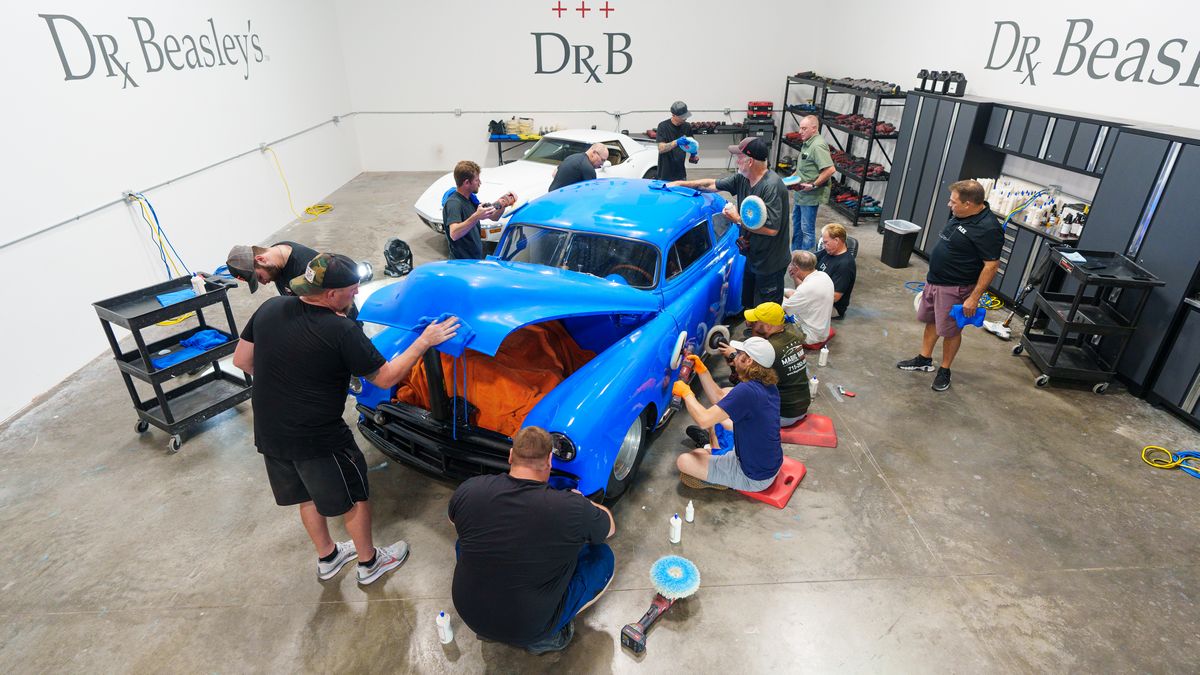
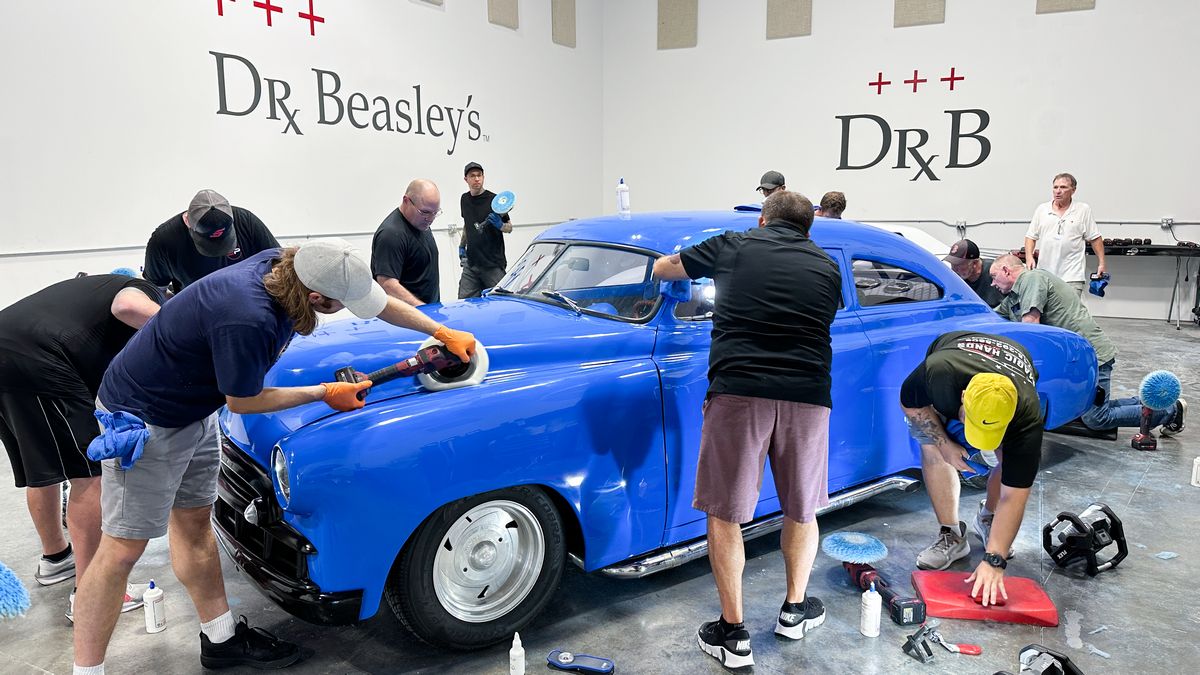
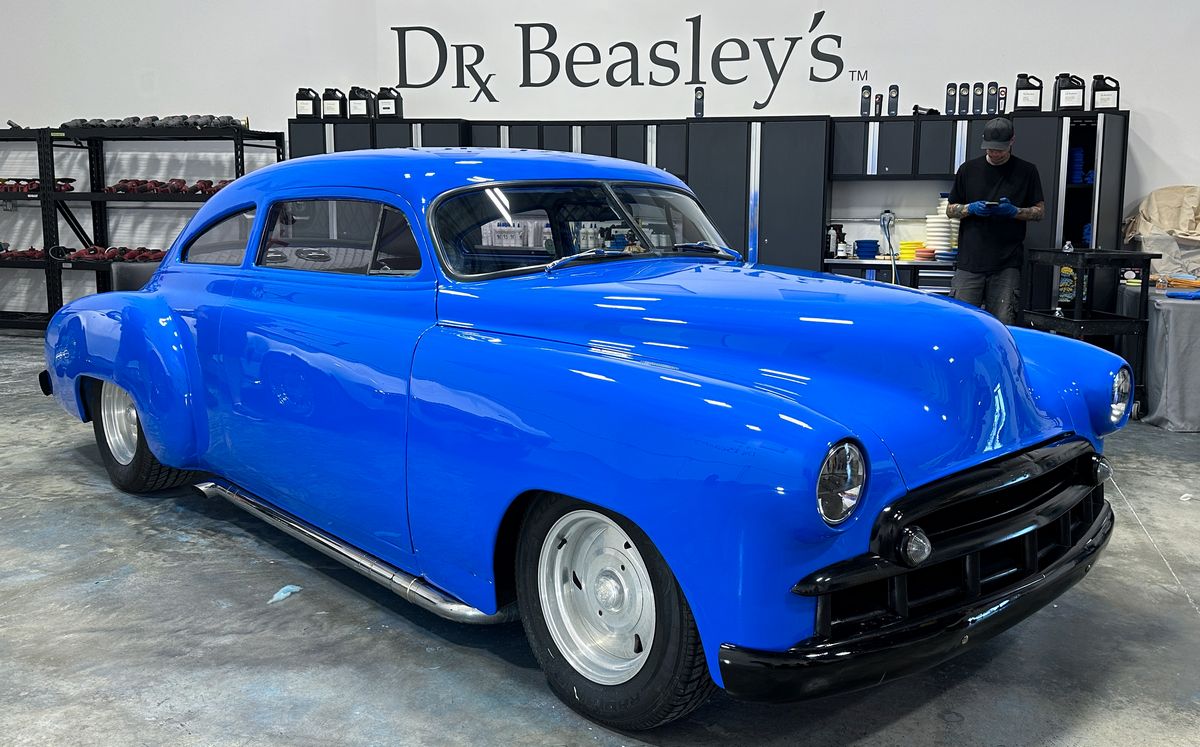
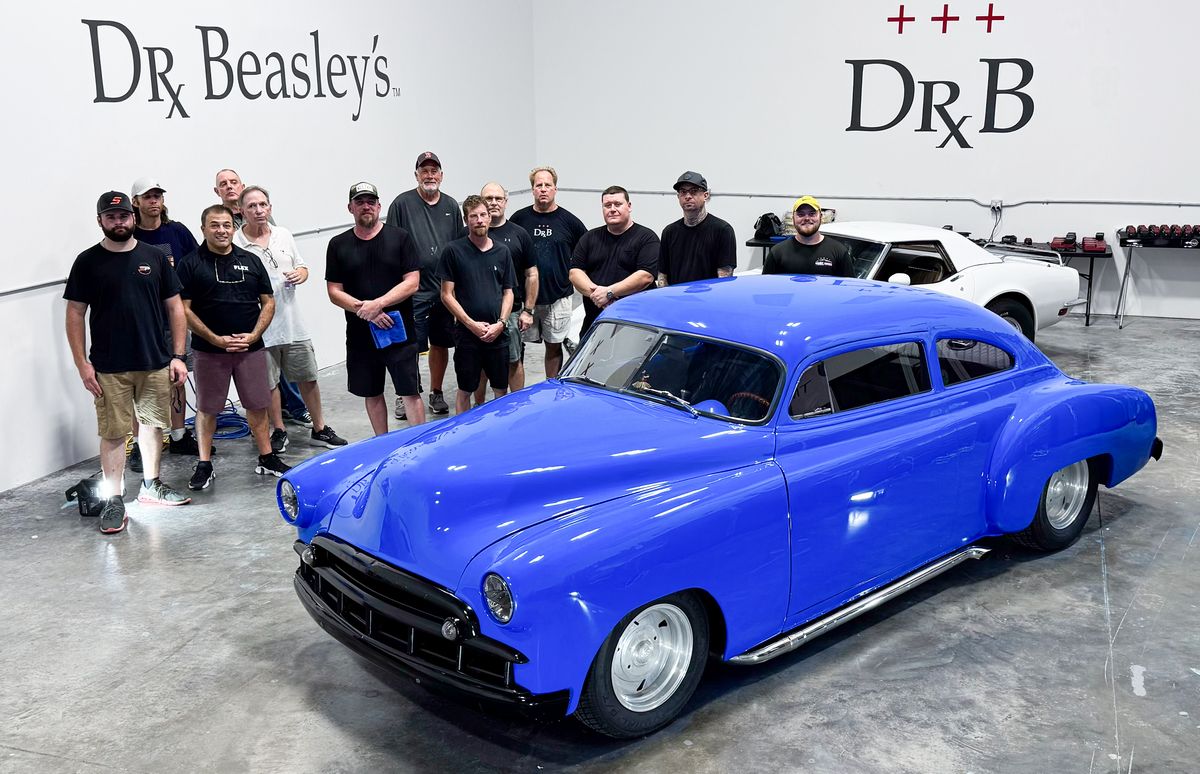
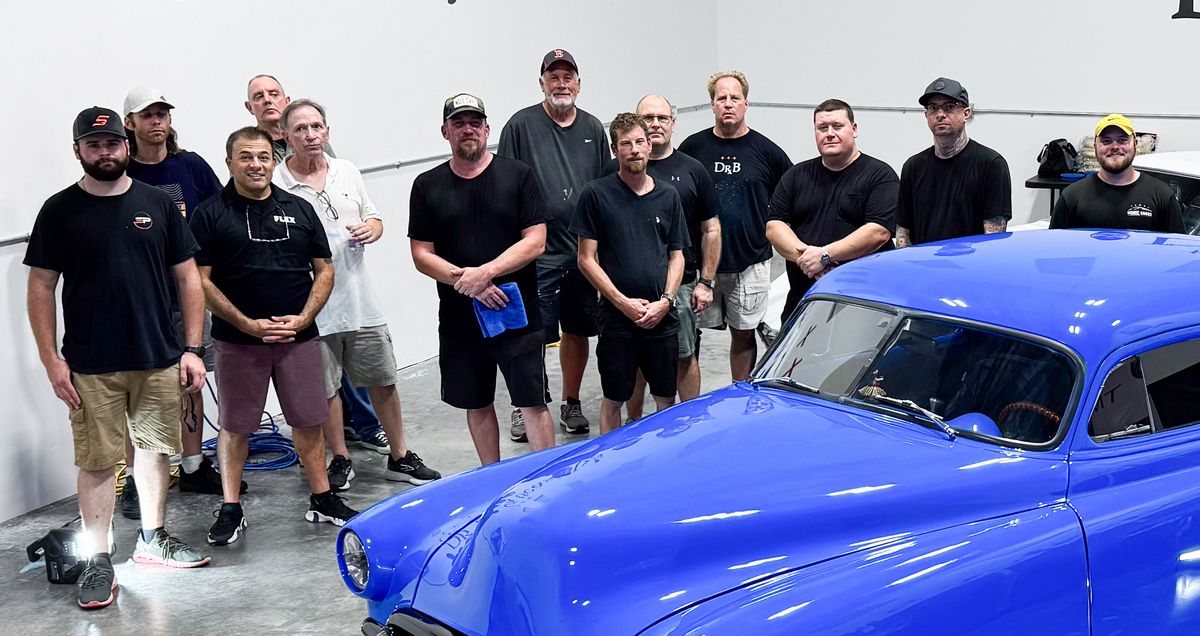
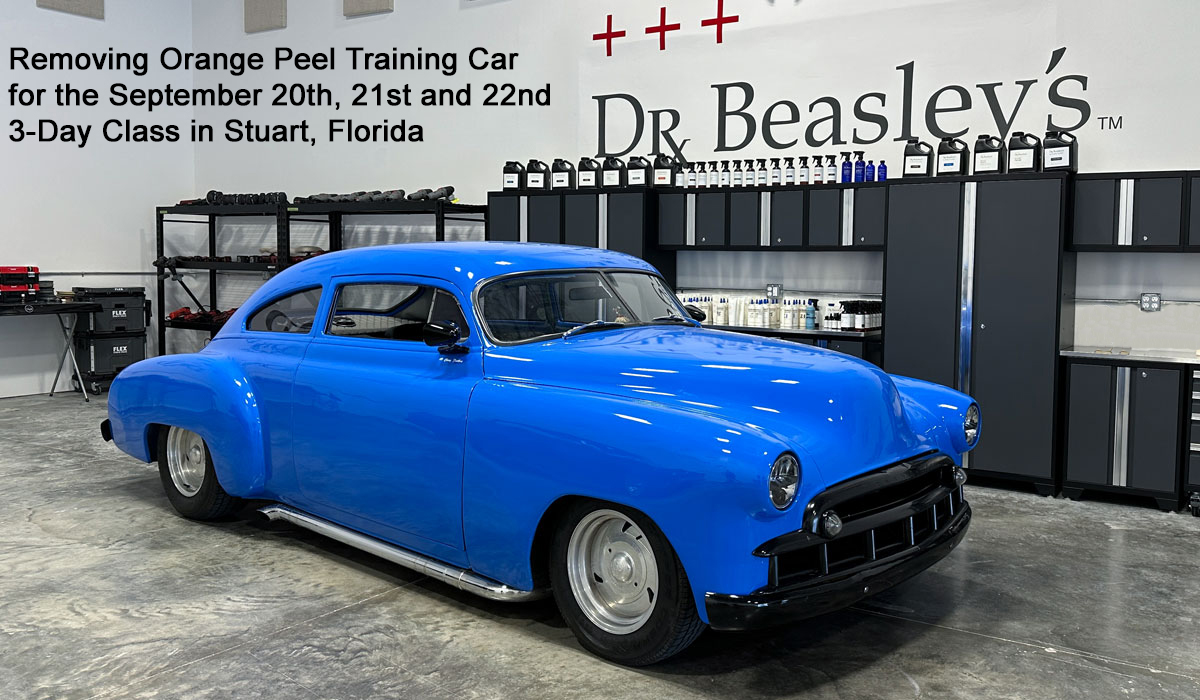
The below is just one of the cars the September 2024 Class sanded and buffed to perfection.


Saturday Afternoon Session - Removing Orange Peel - Dry Spray - Surface Texture
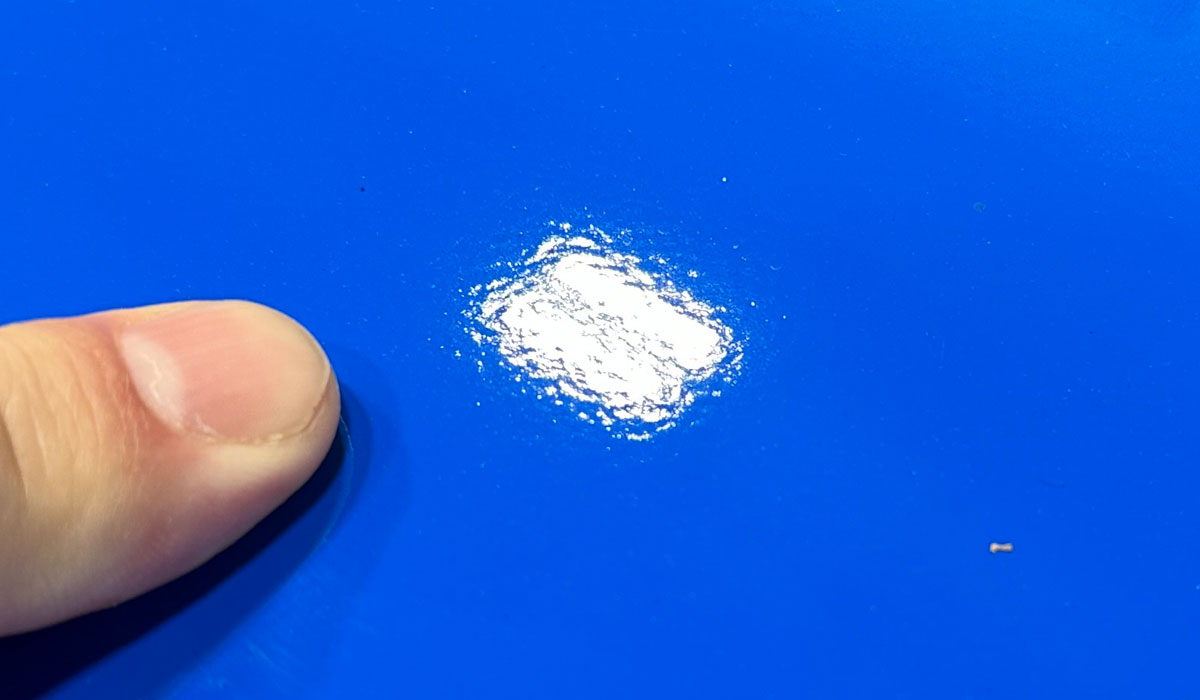
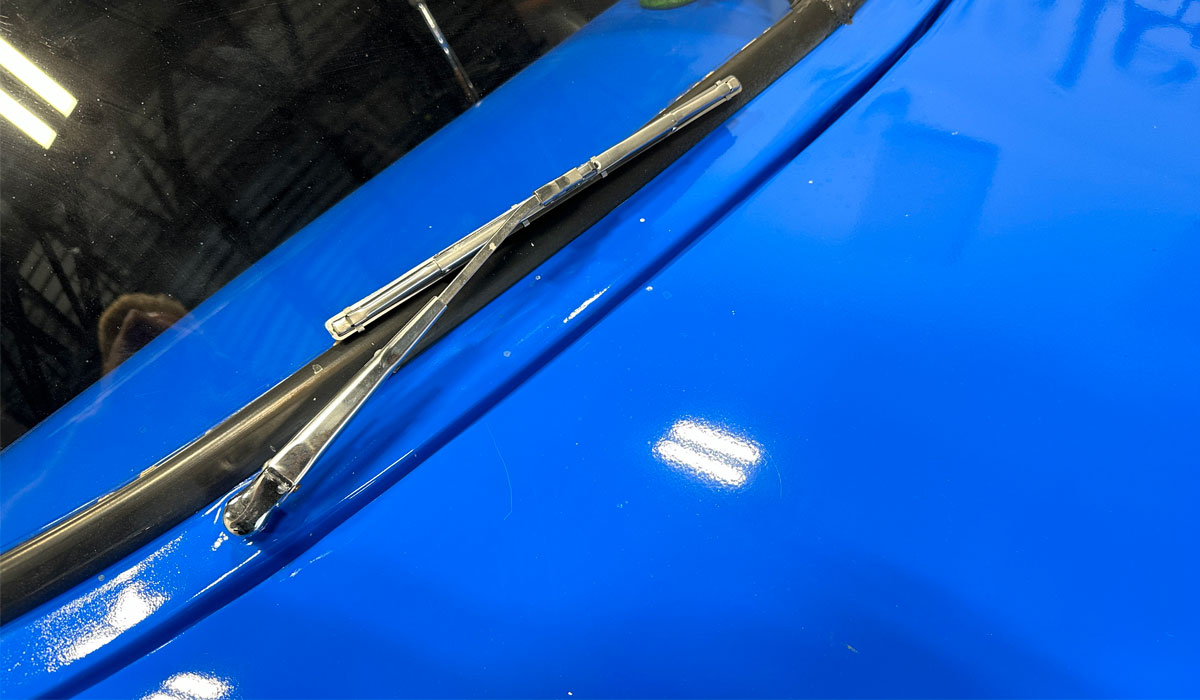
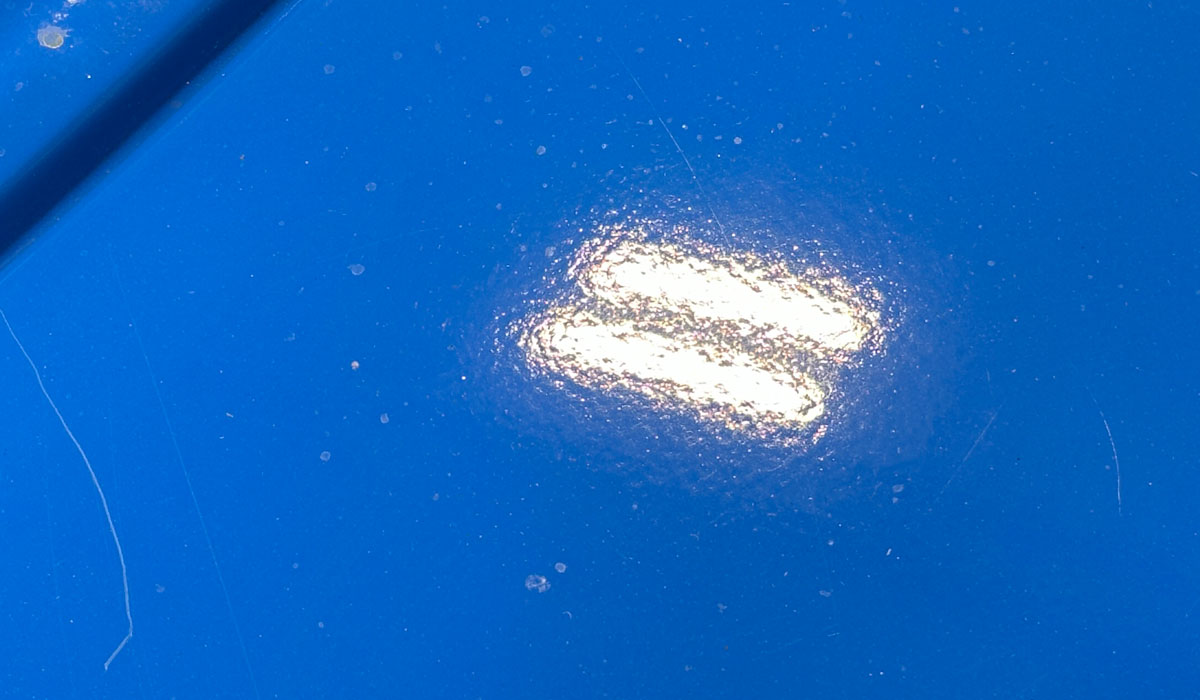
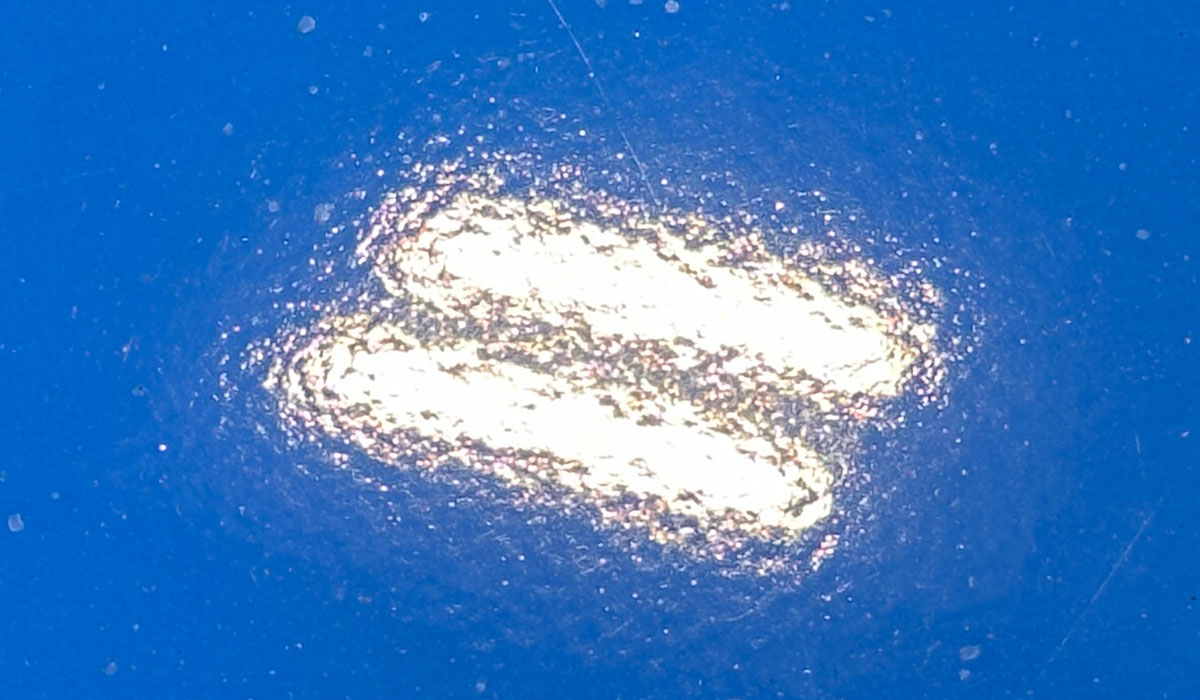
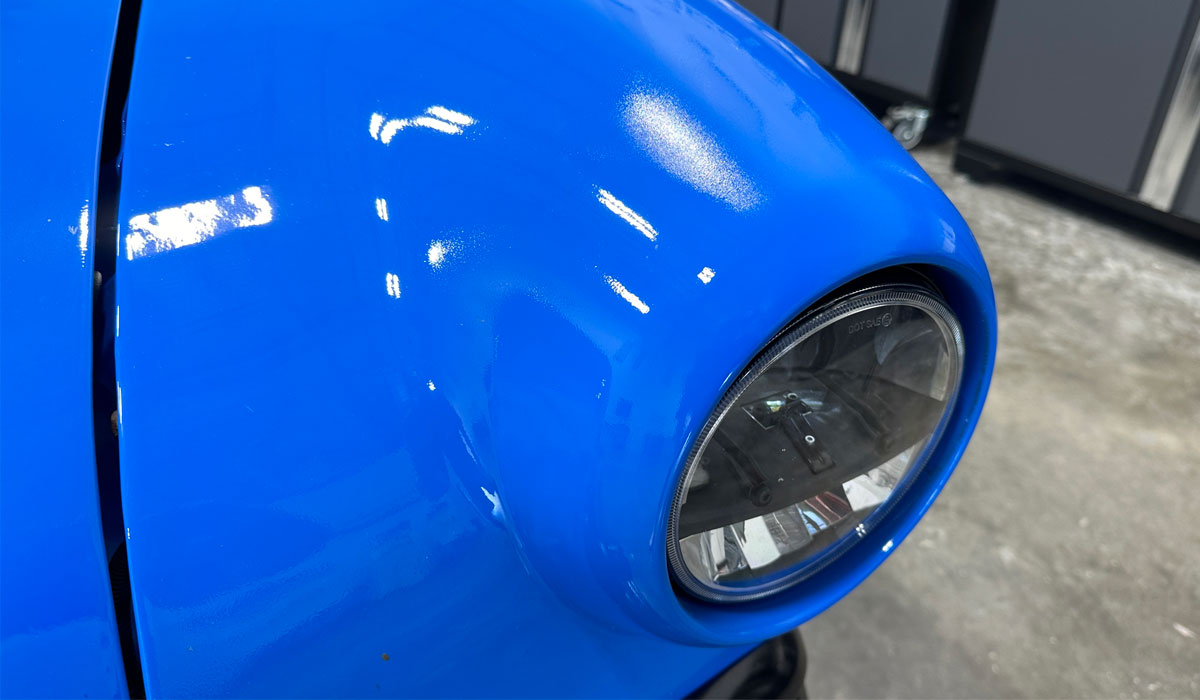
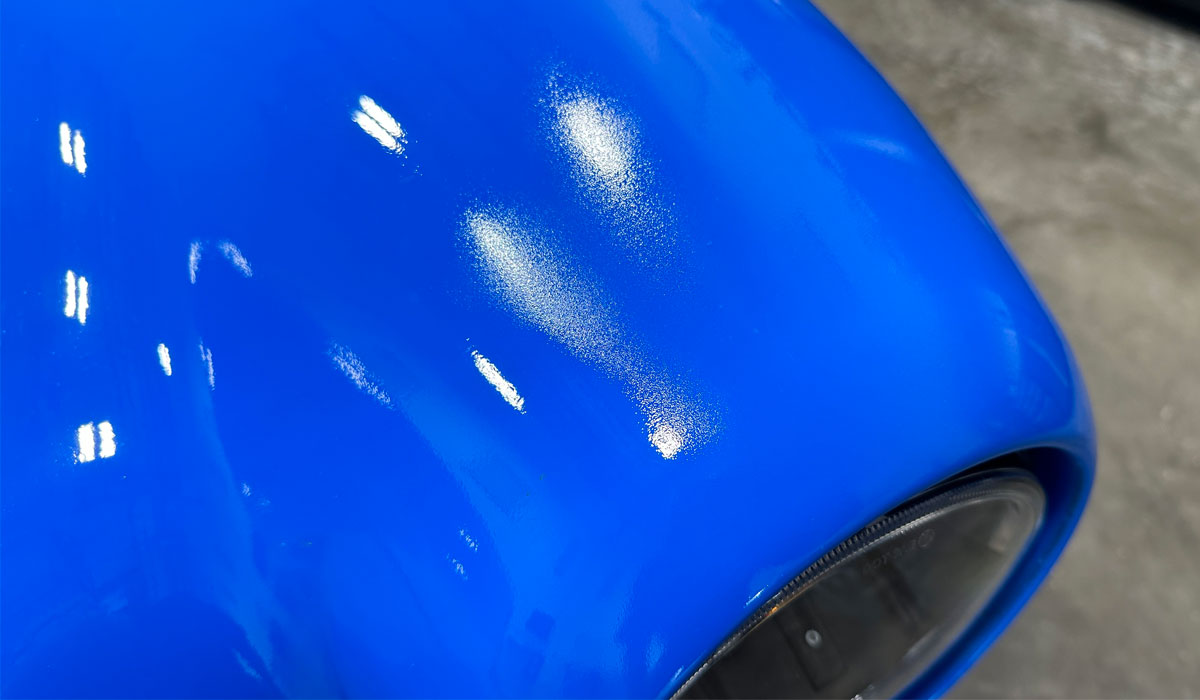
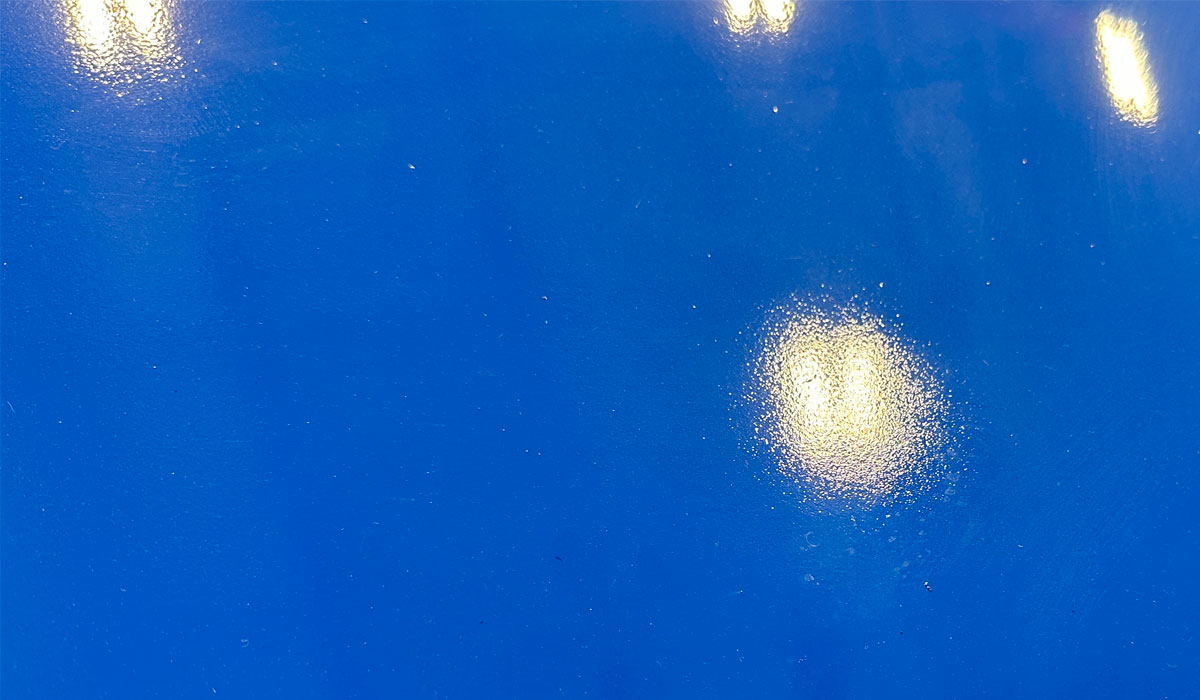
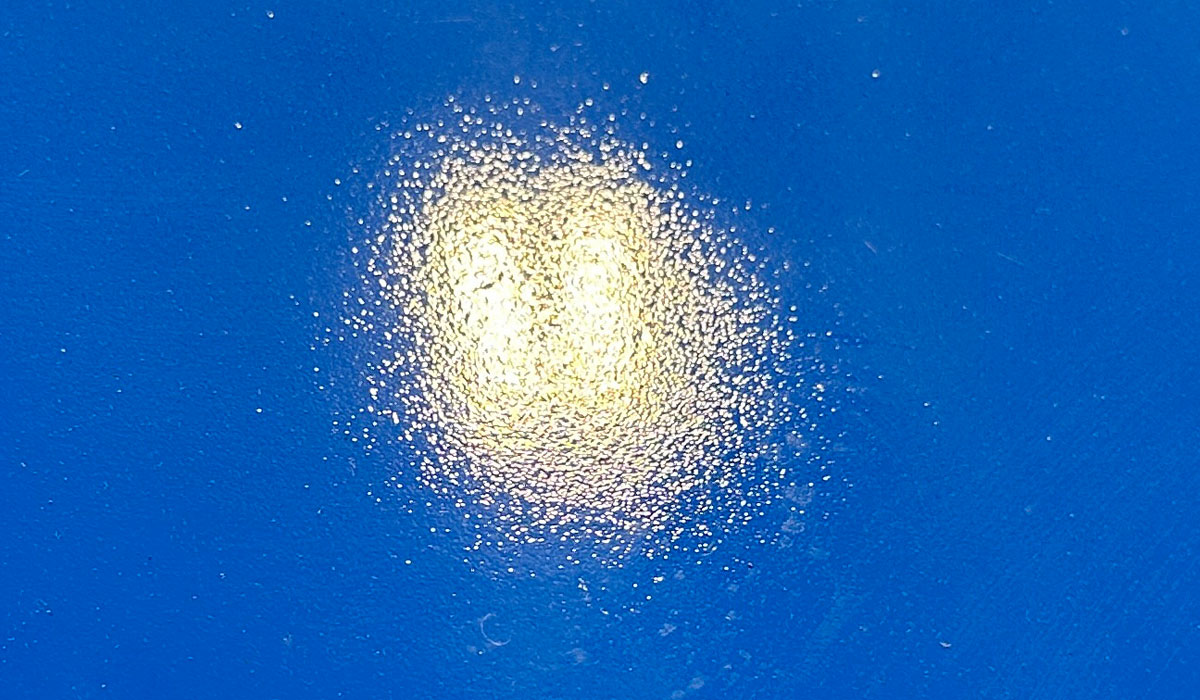
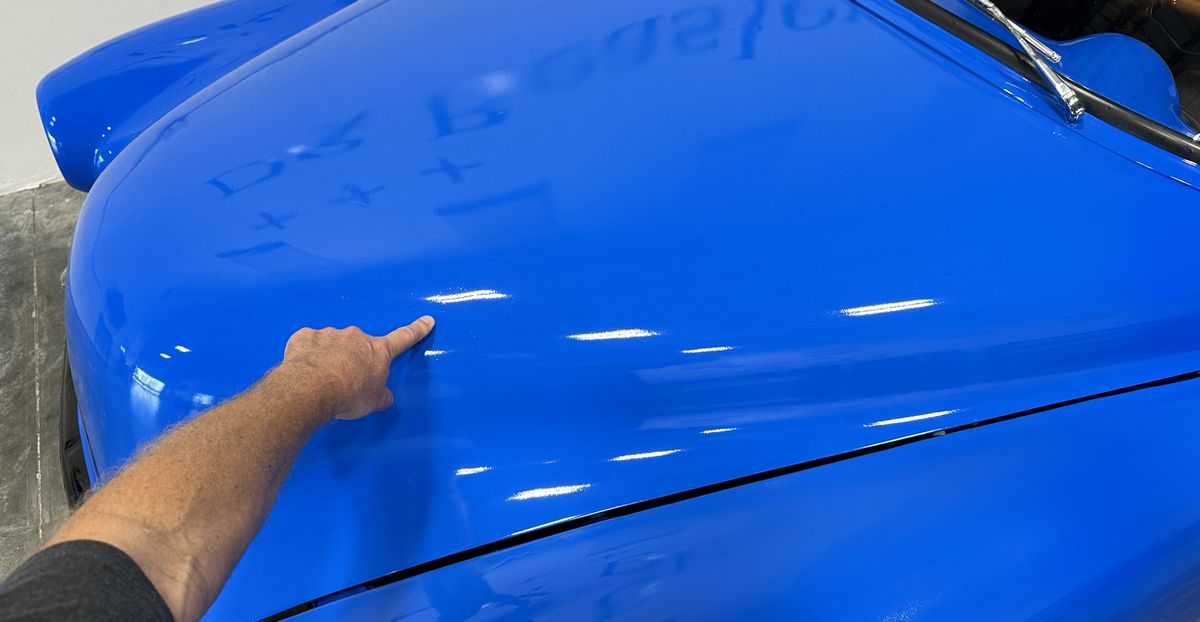
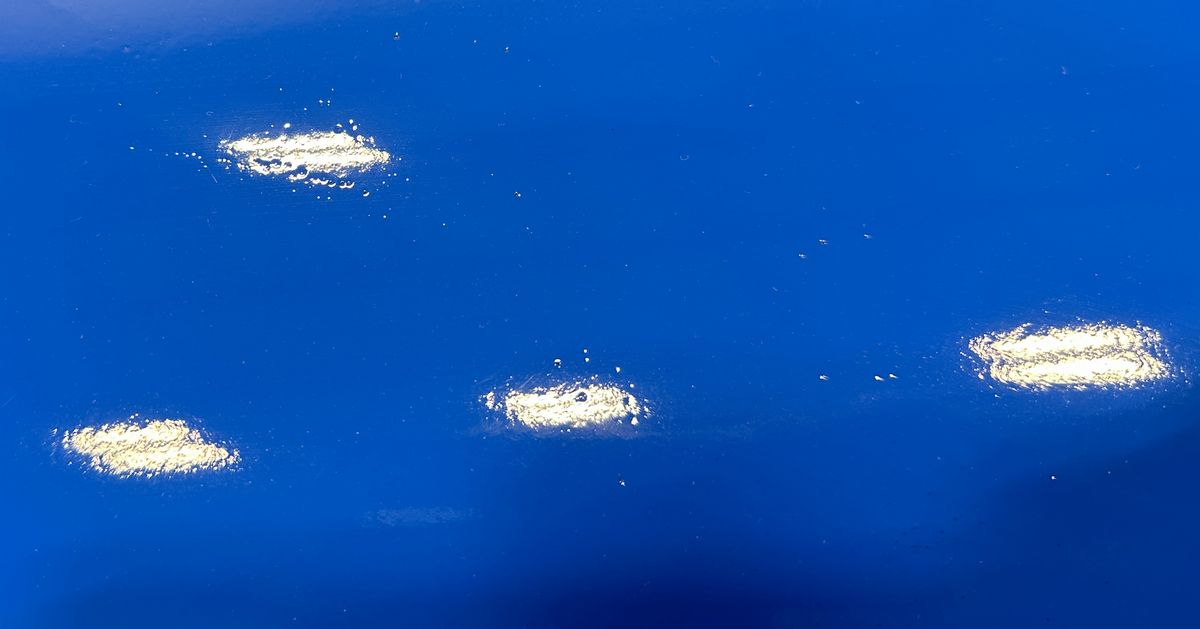
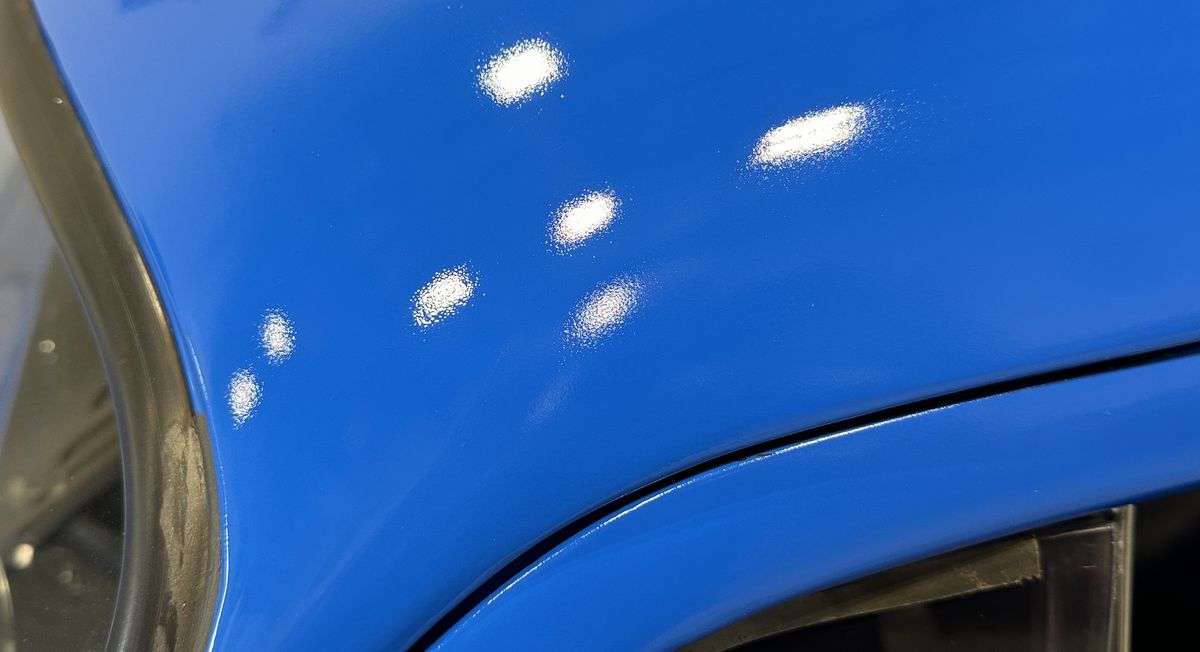
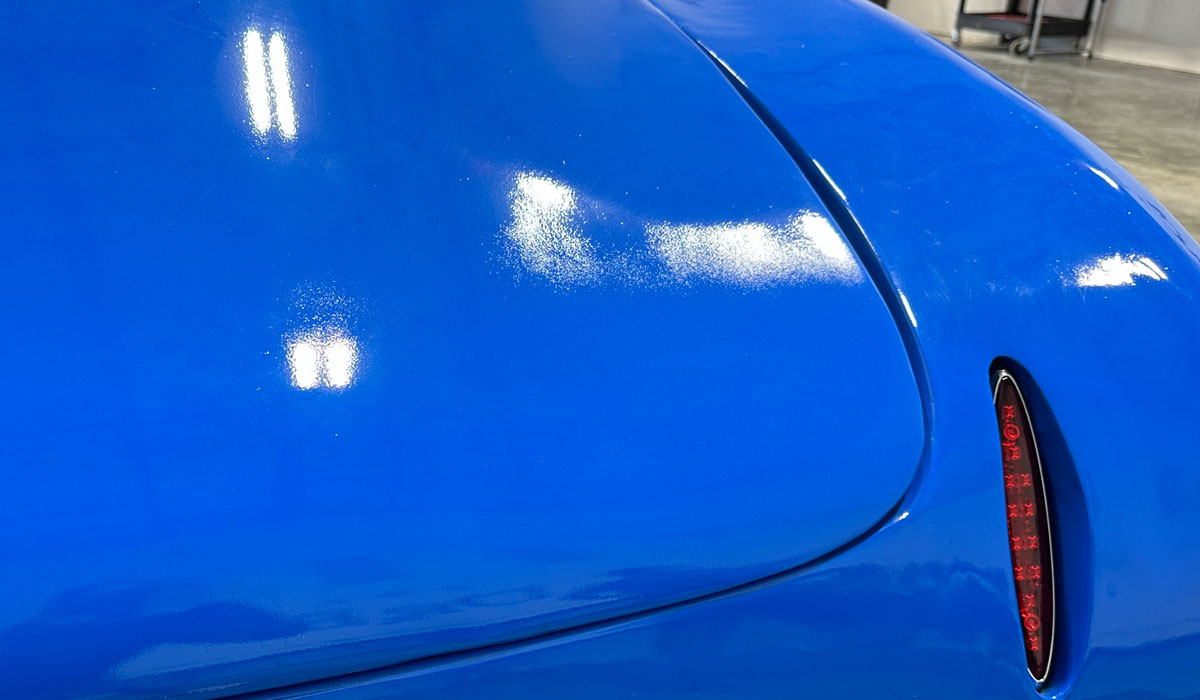
I can appreciate any person that takes on the huge task of restoring a car, or in this case hotrodding a car and this includes learning how to paint a car for the first time. The paint on this car had a lot of orange peel and dry spray plus surface texture like graininess. I'm so impressed with the class as they completely turned this paint job around and the final results are nothing short of phenomenal.

full


Extreme Orange Peel

full


full


full


full


full


Extreme Dry Spray

full


full


full


Orange Peel - Dry Spray - Surface Texture
full


full


full


full


full


full


No Demo Hoods
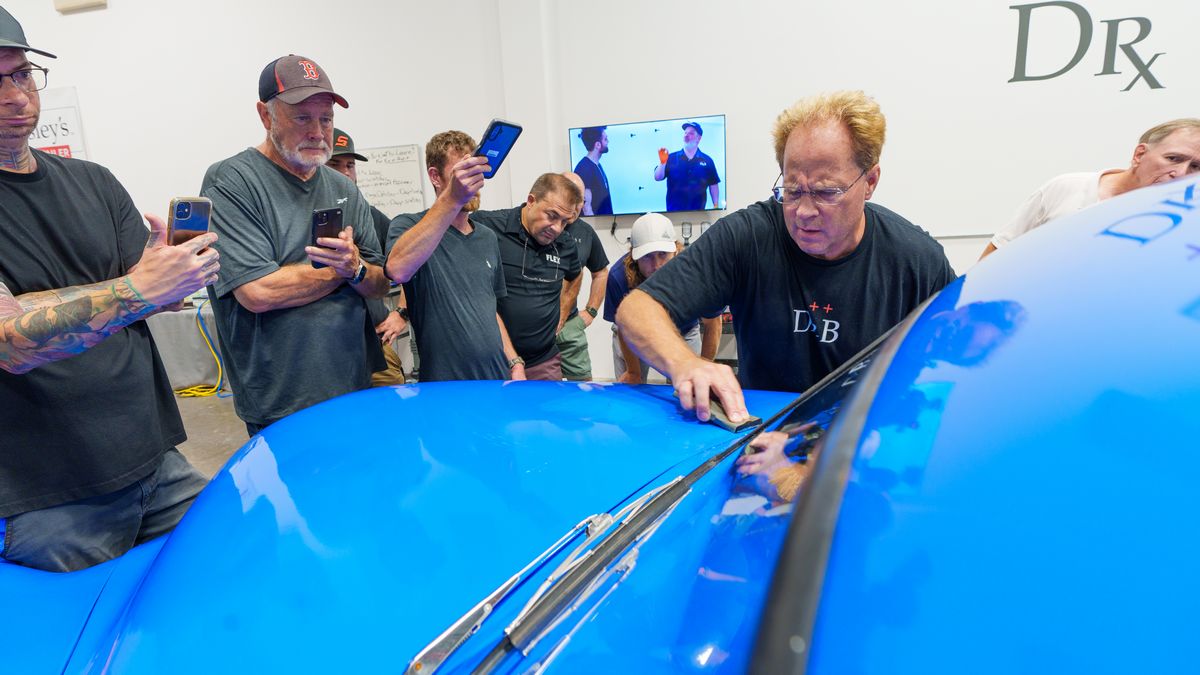
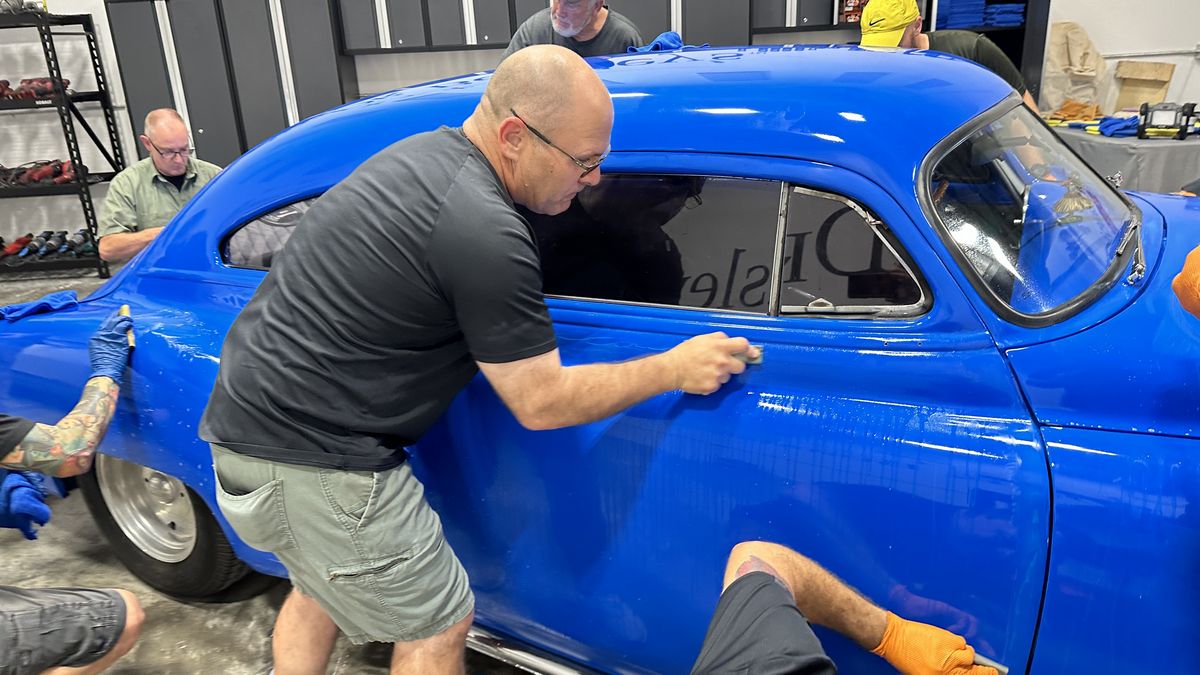
I used to use demo hoods for sanding classes, but the problem is, it's so easy to sand and buff on a flat panel about waist high, (demo hood on a hood stand is about waist high). Instead, I bring in the REAL DEAL. The real deal are the types of cars that actually get sanded and this means bringing in the types of cars that get fixed up and then get actual CUSTOM paint jobs. When you hear someone talking about wet sanding, it's in the CONTEXT of sanding a car like this, not the new or late model car in your driveway with the super THIN factory clearcoat.

When custom cars get custom paint jobs, the painter will tend to spray more paint to provide PLENTY of film-build or material for the people doing the sanding and buffing so they can sand the paint flat and then buff out all their sanding marks without ever buffing or burning through the paint.


Hand Wet Sanding
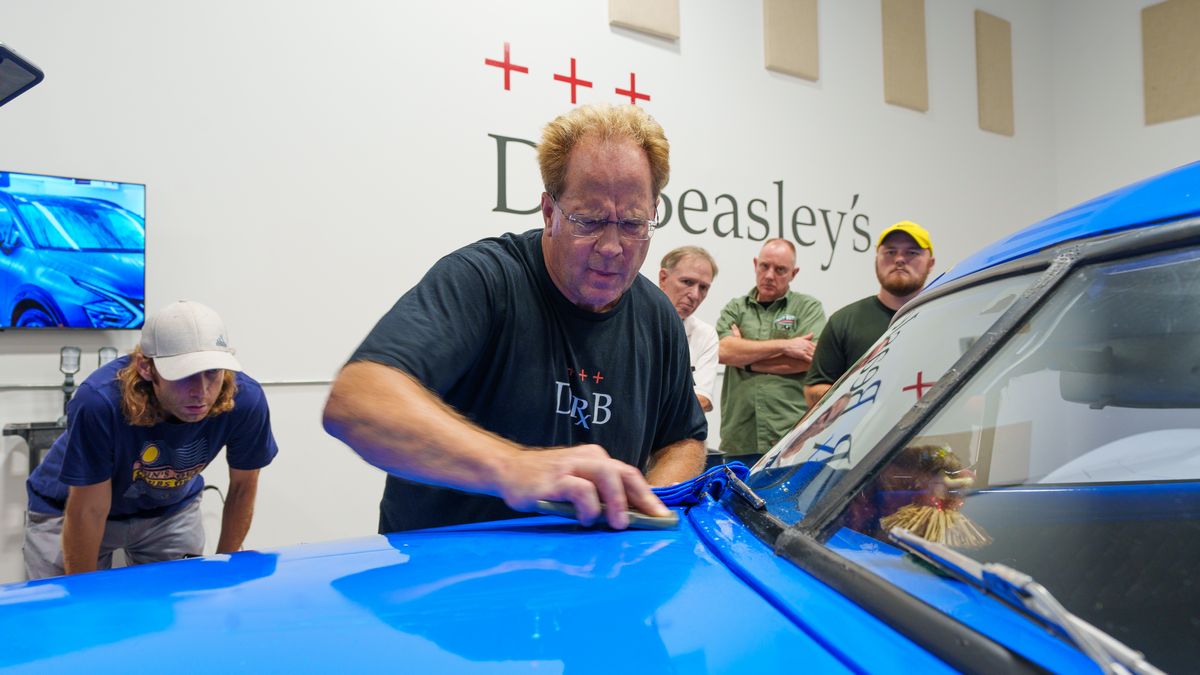
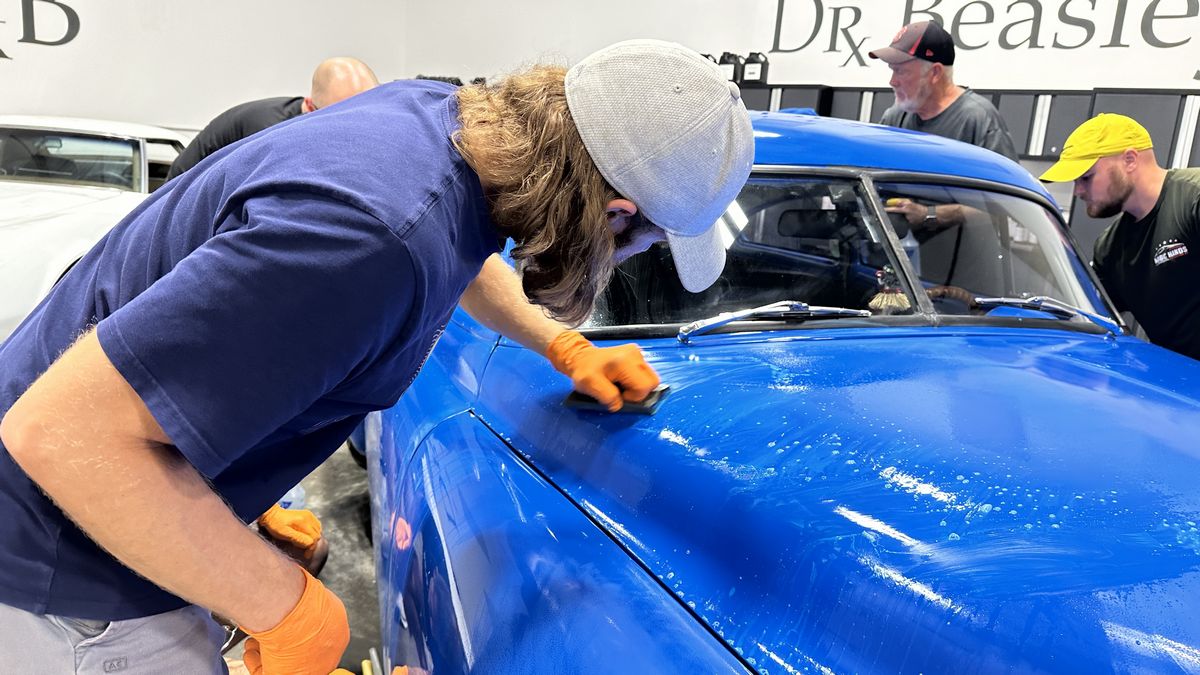
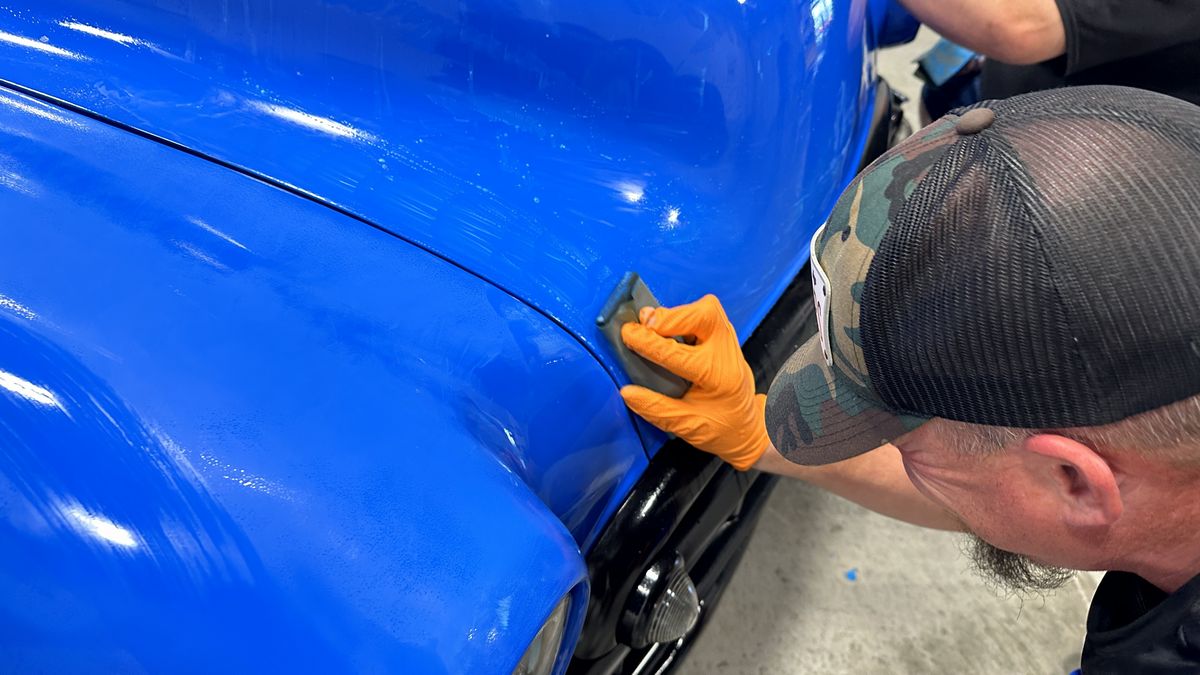
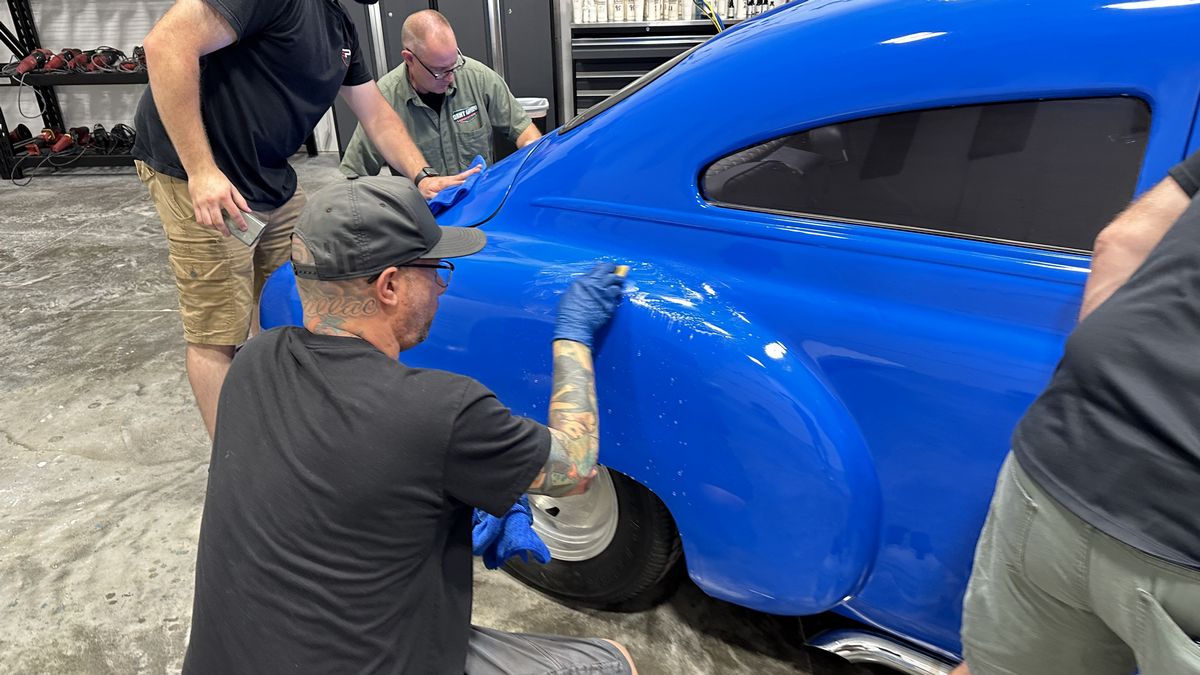
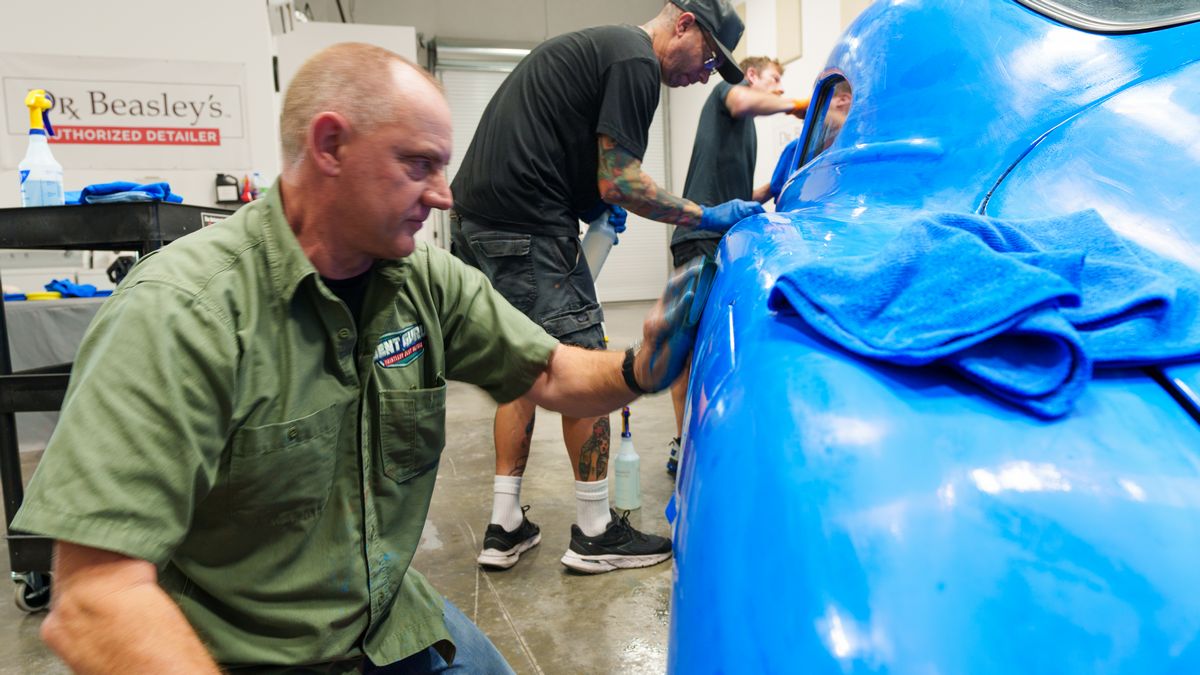
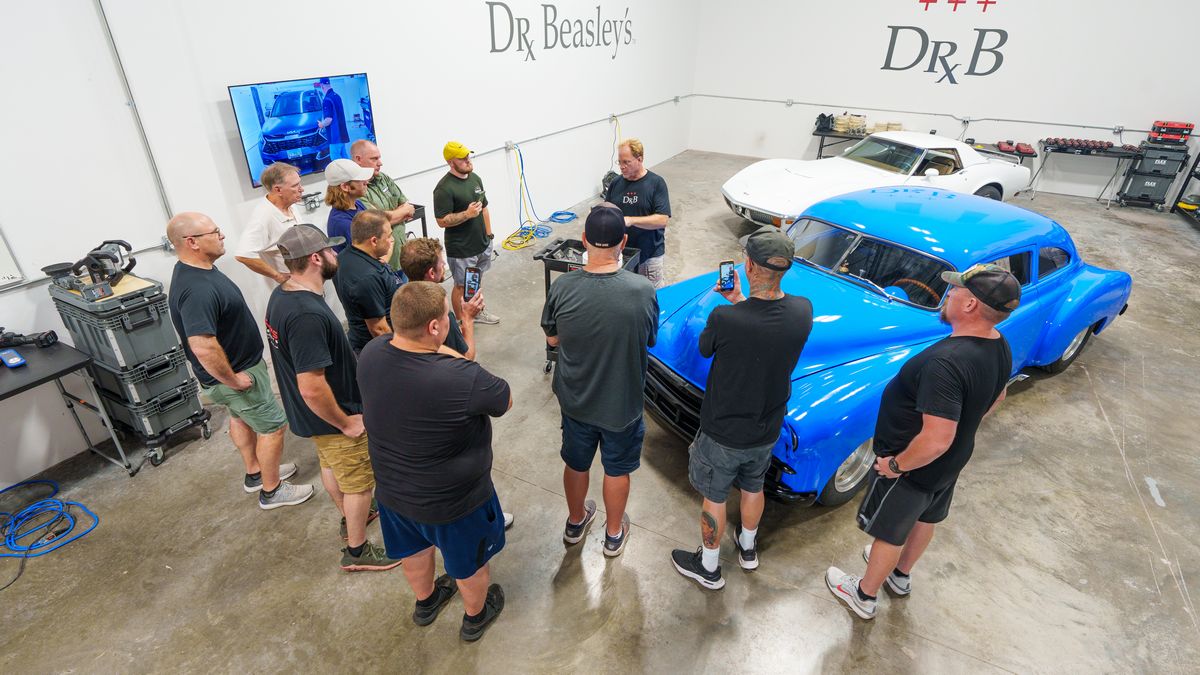
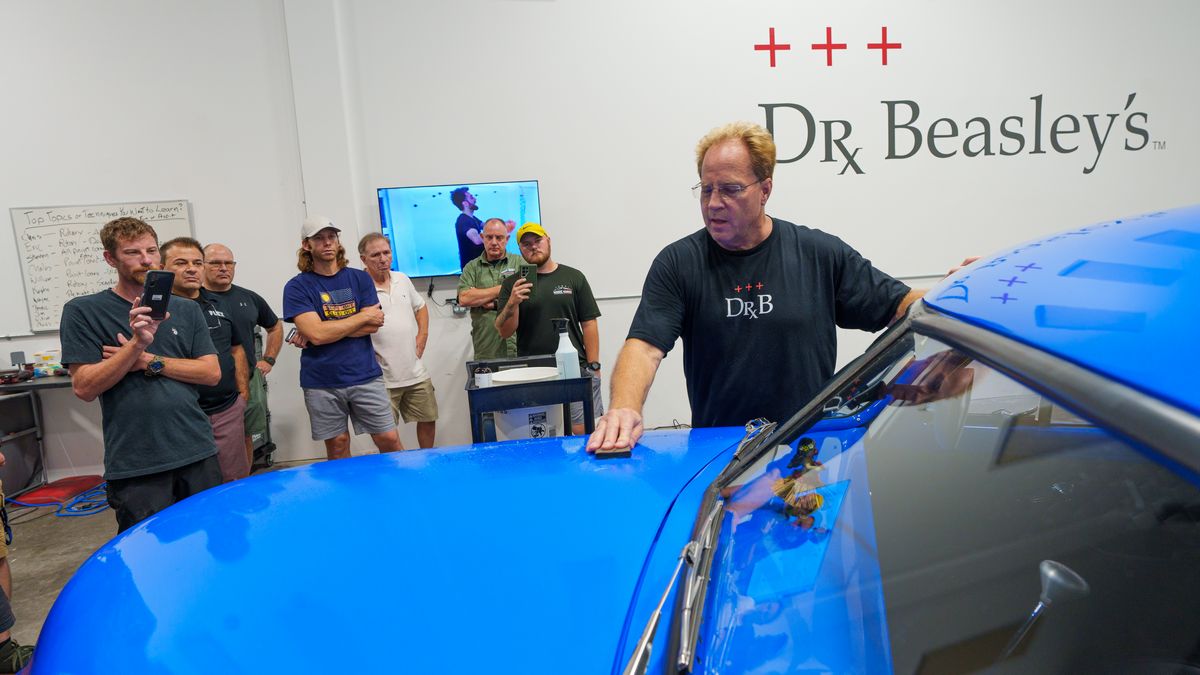
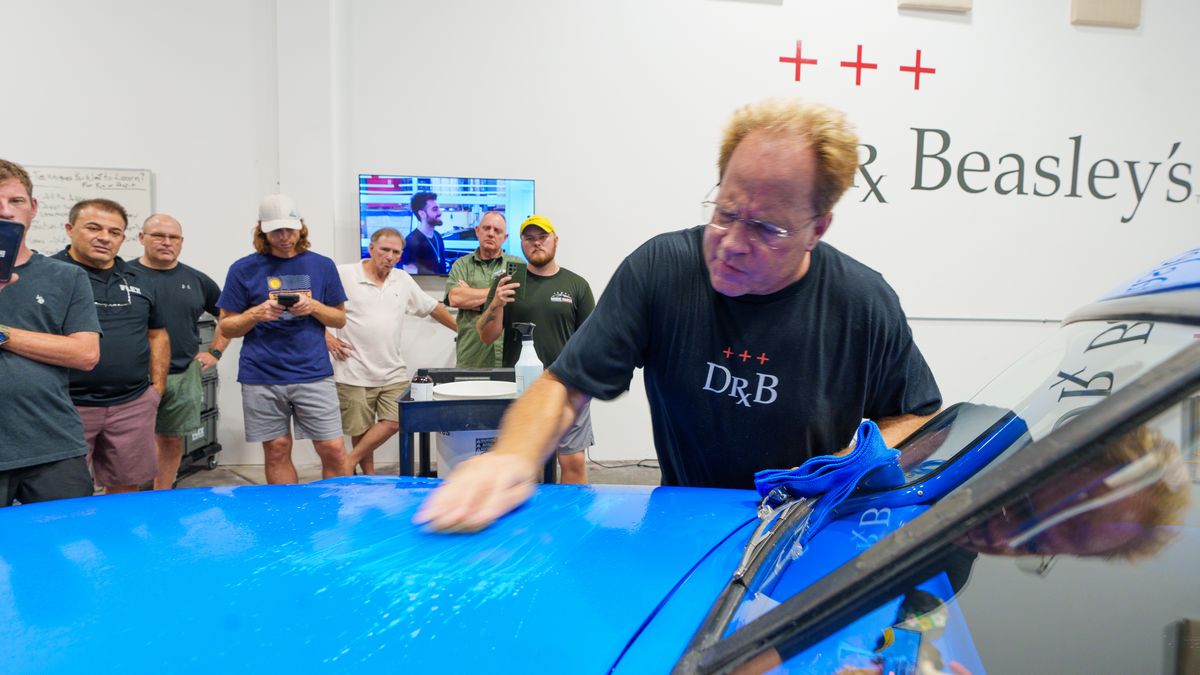
First step for this car is to learn how to wet sand by hand. For this class session, I share tips and techniques for sanding not just the easy to sand larger sections of paint, but how to hand sand around edges and raised body lines. For this first sanding step, we'll be using the Nikken brand of Finishing Papers. Note these are not sand papers, they are FINISHING papers, super high quality unigrit particle size and distribution over the entire face of the sheet of sandpaper. Been using and showing this brand for hand wet sanding since 1987 - that's 38 years.
full


full


full


full


full


full


full


Mike
 
Last edited:
Continued....


It's GO TIME!
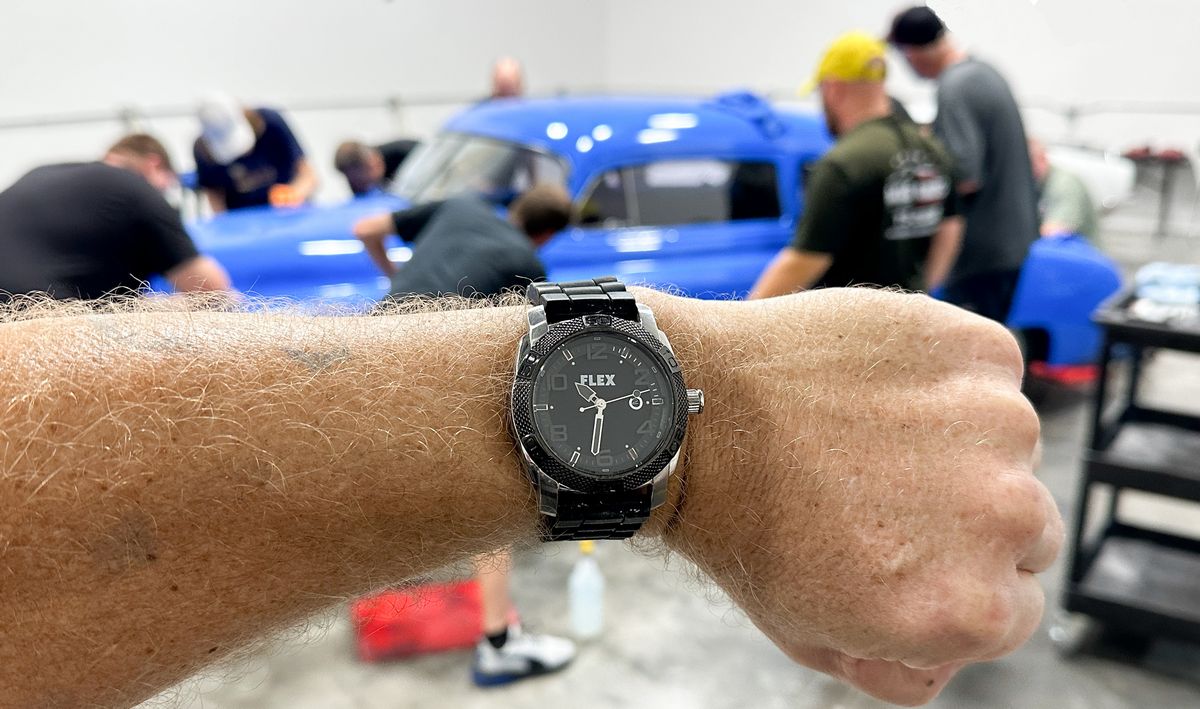
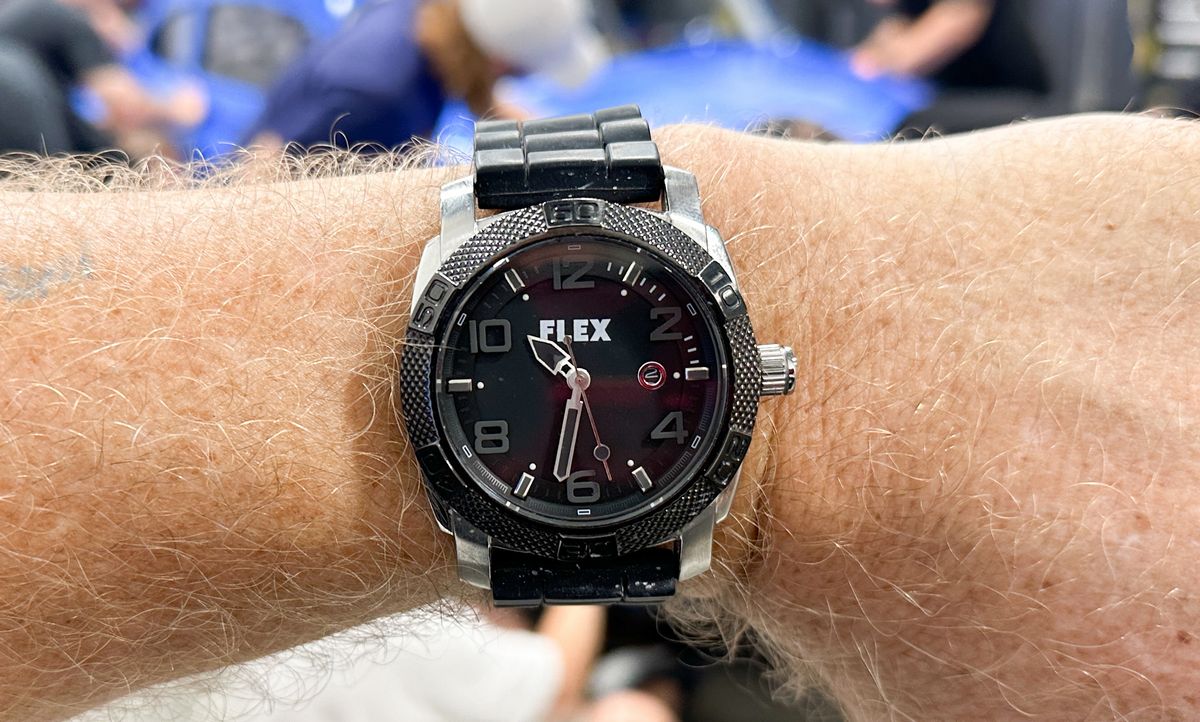
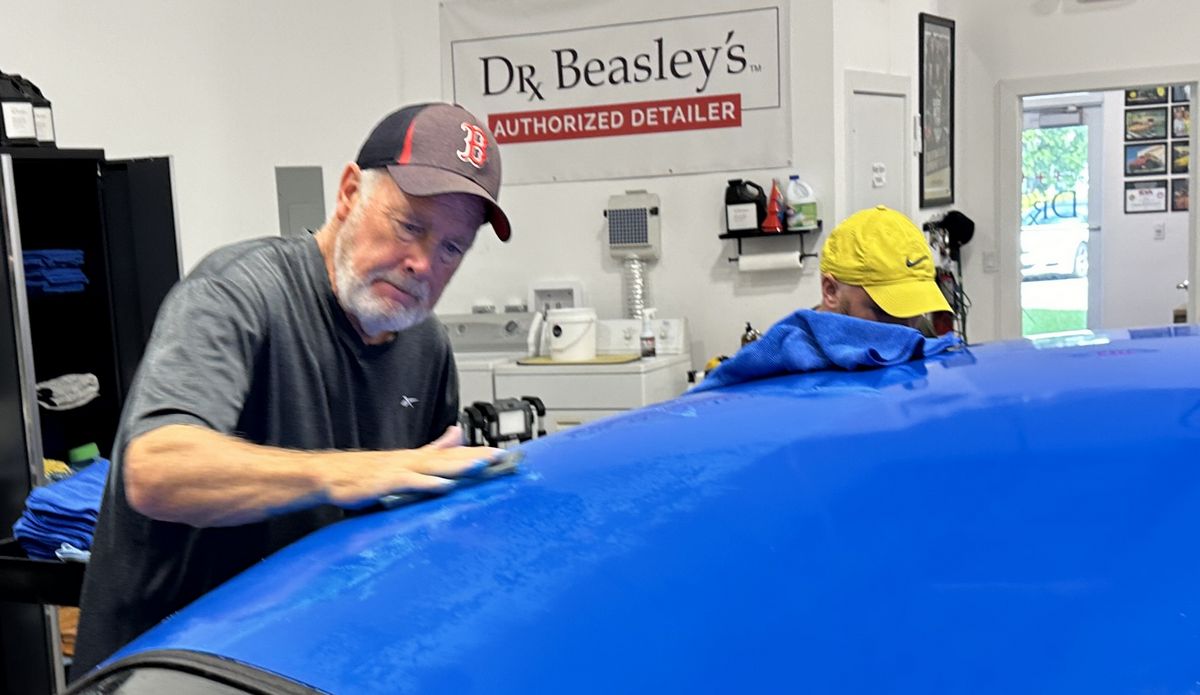
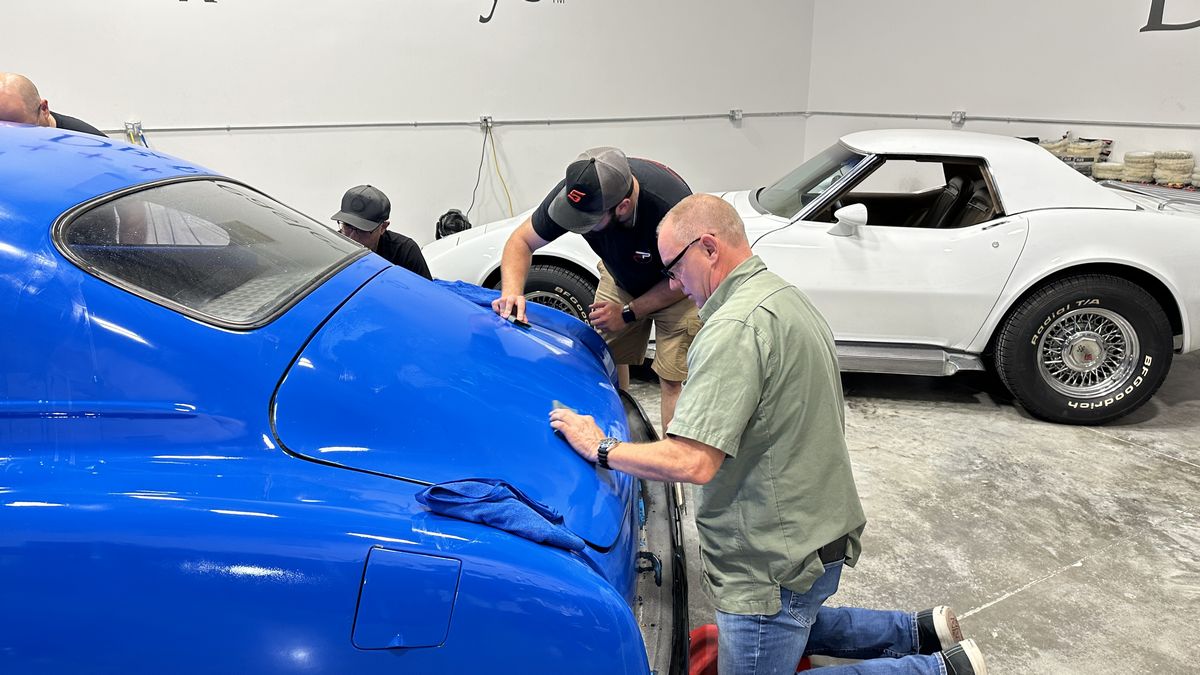
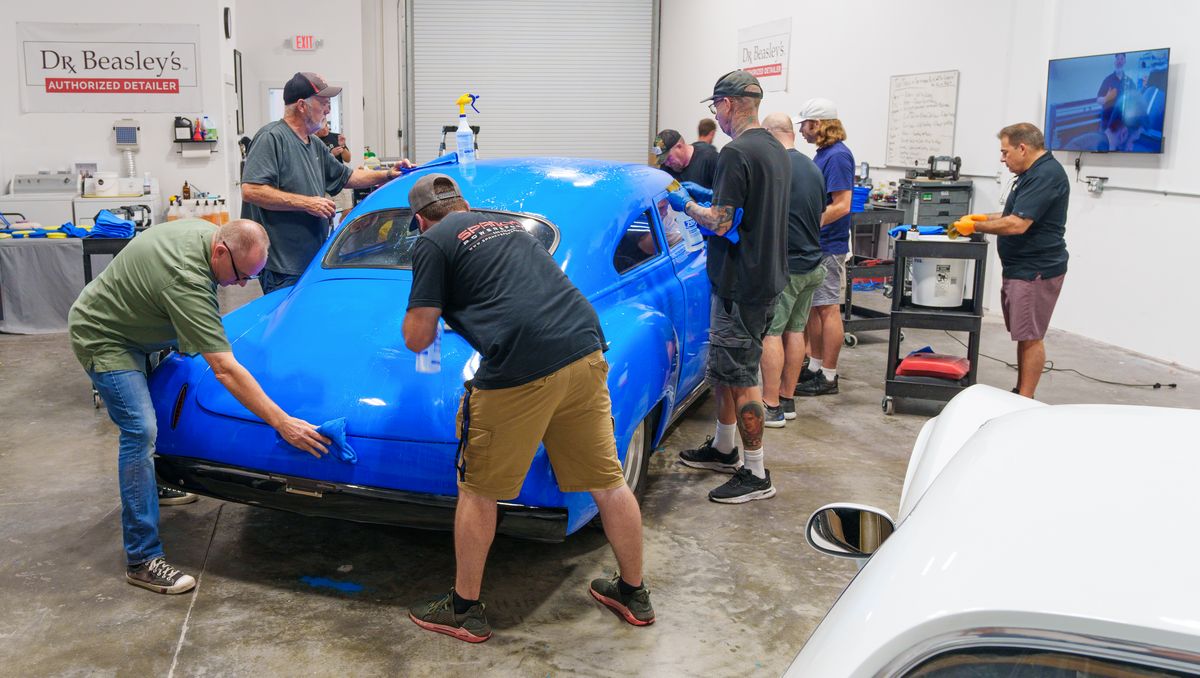
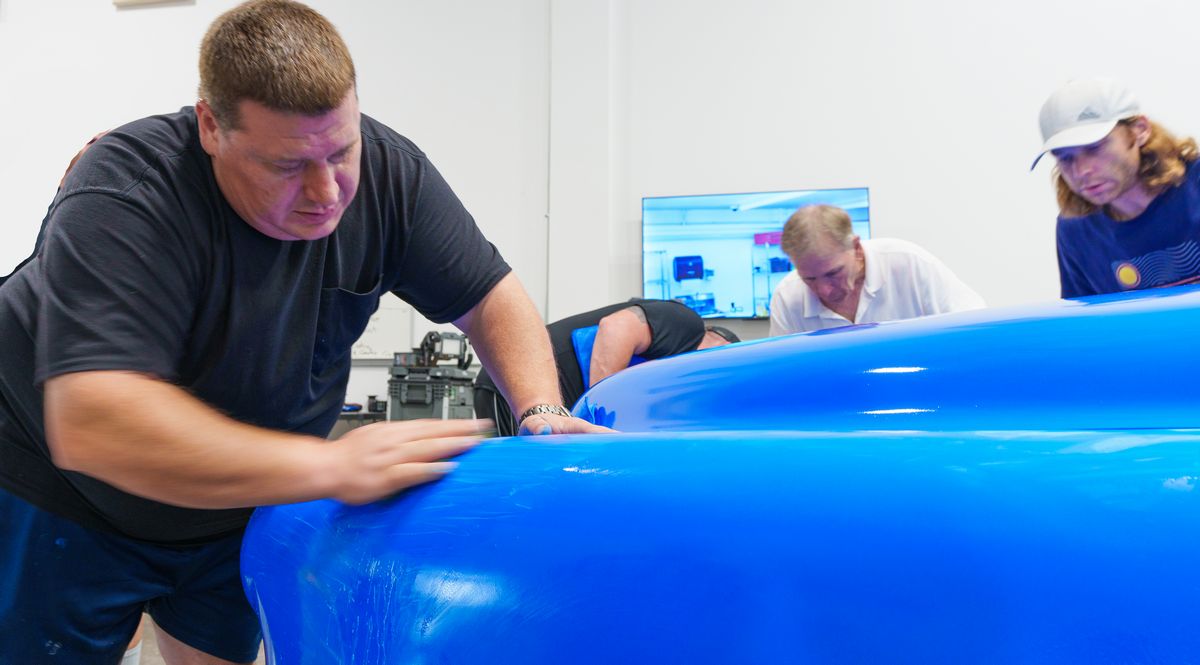
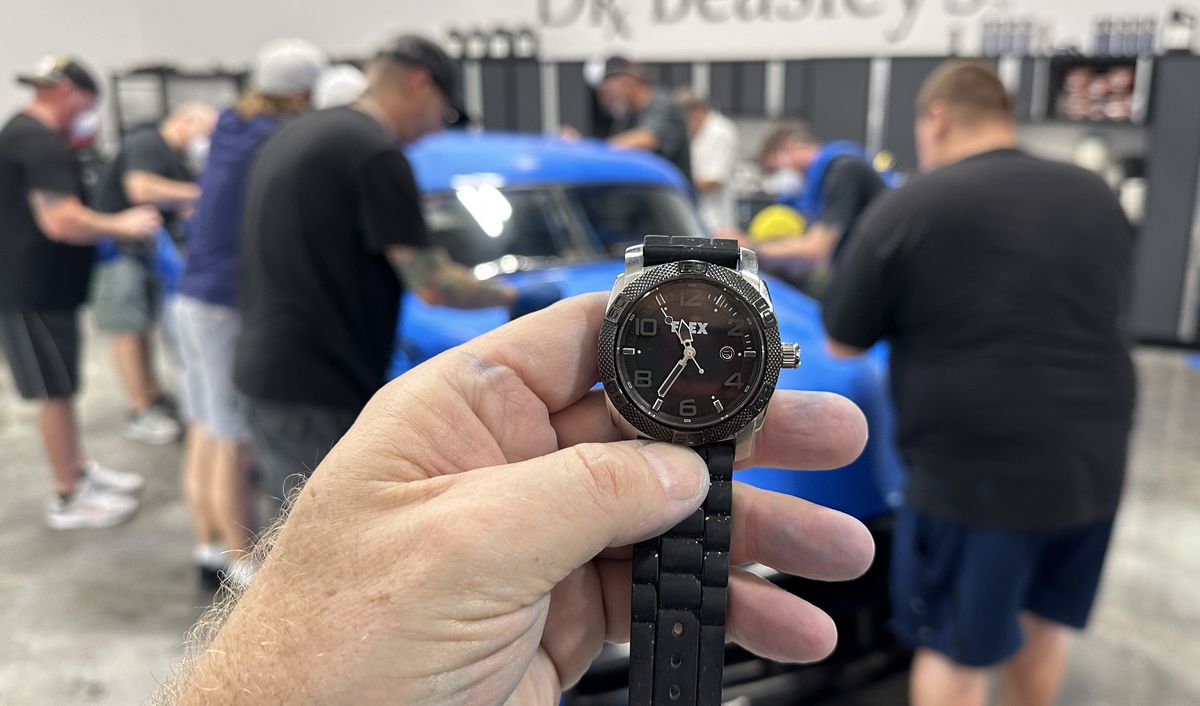
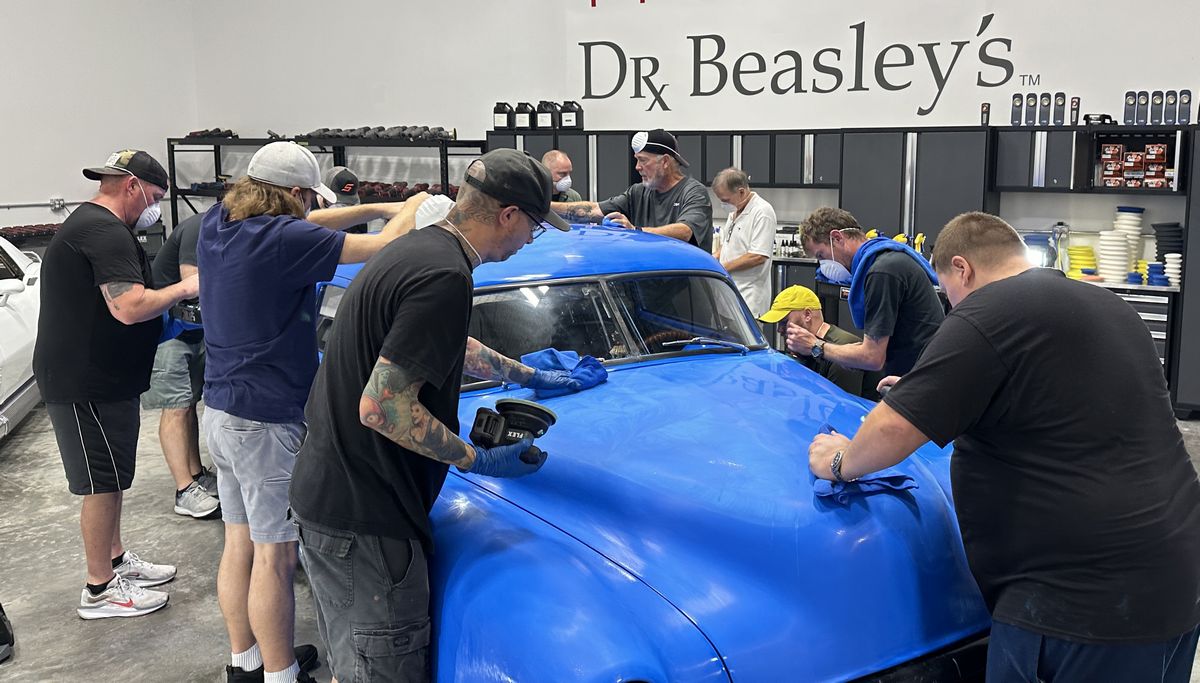
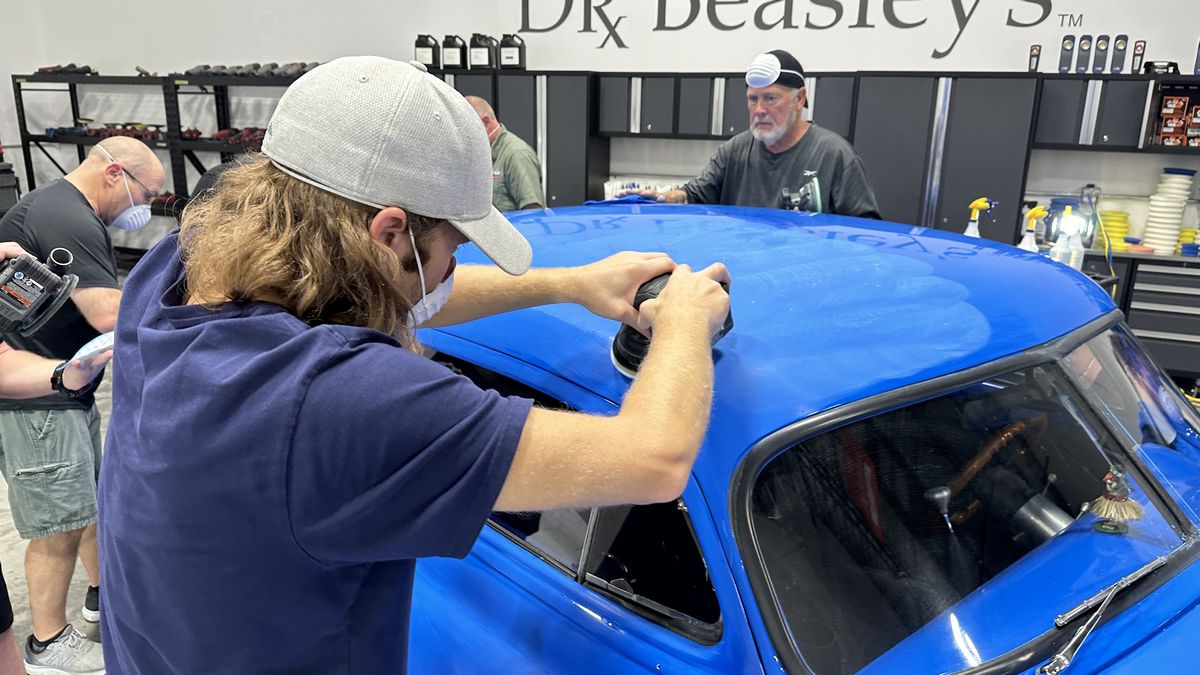
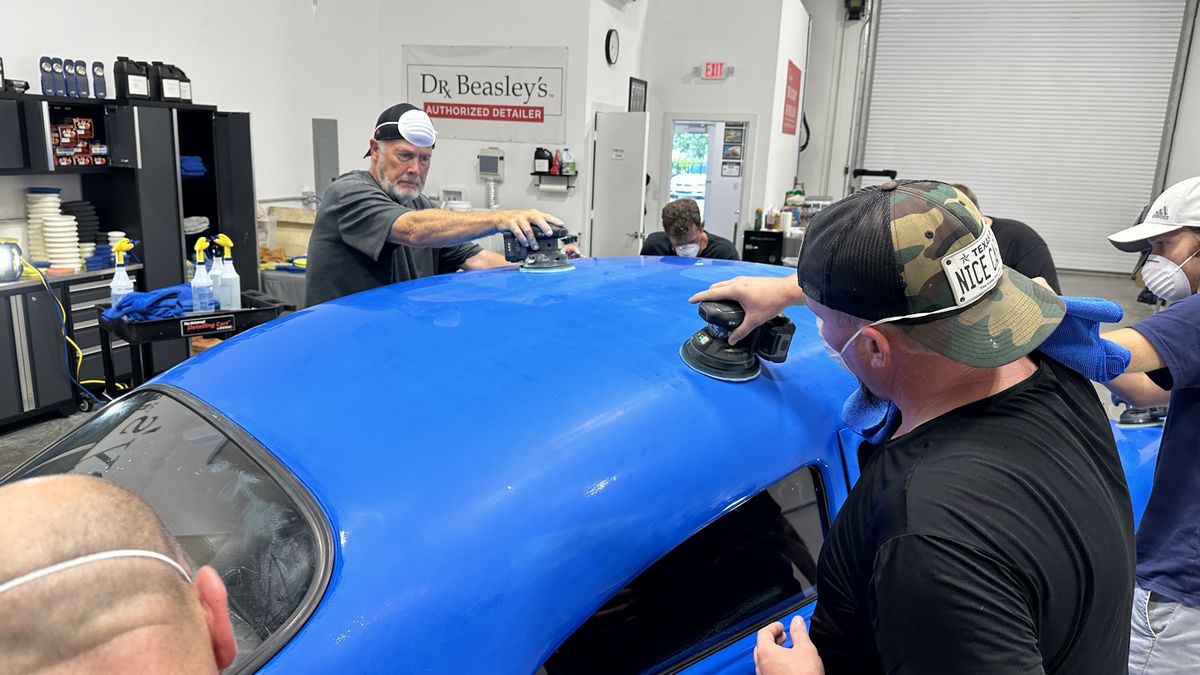
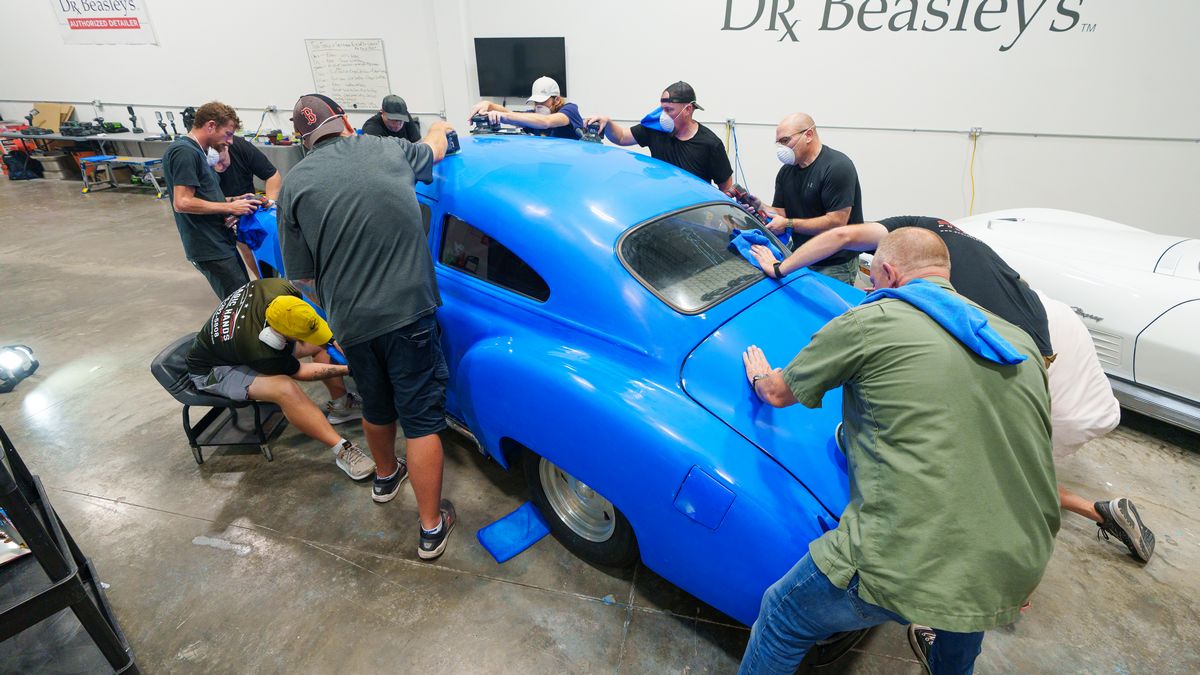
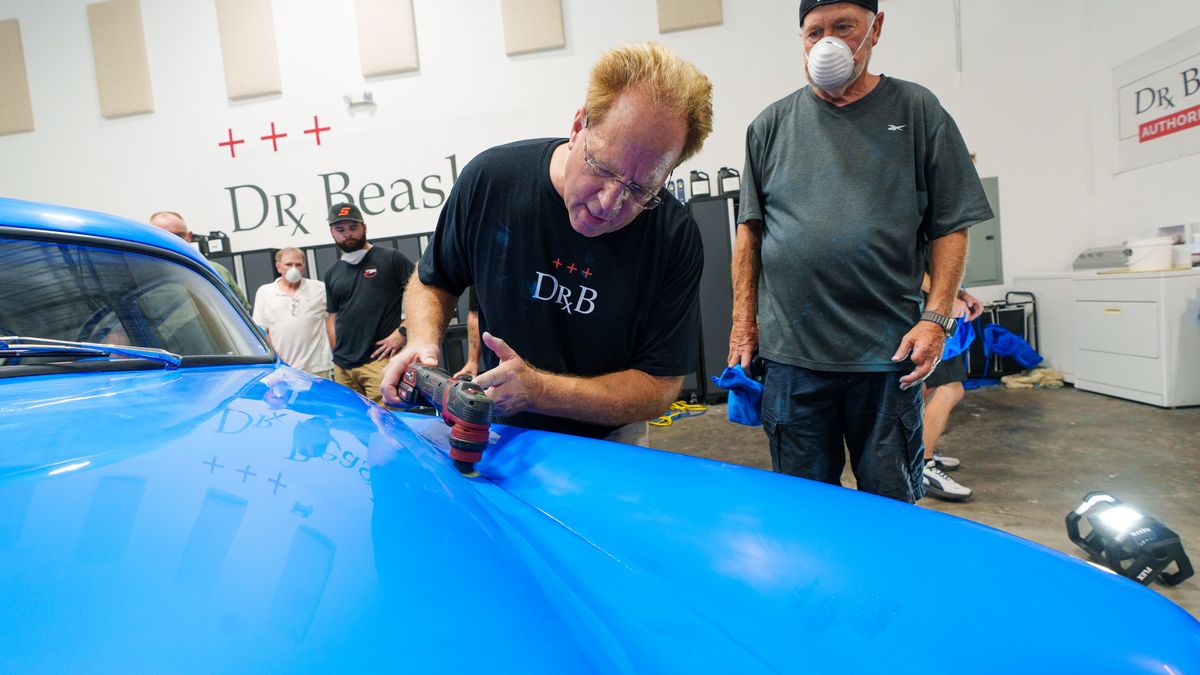
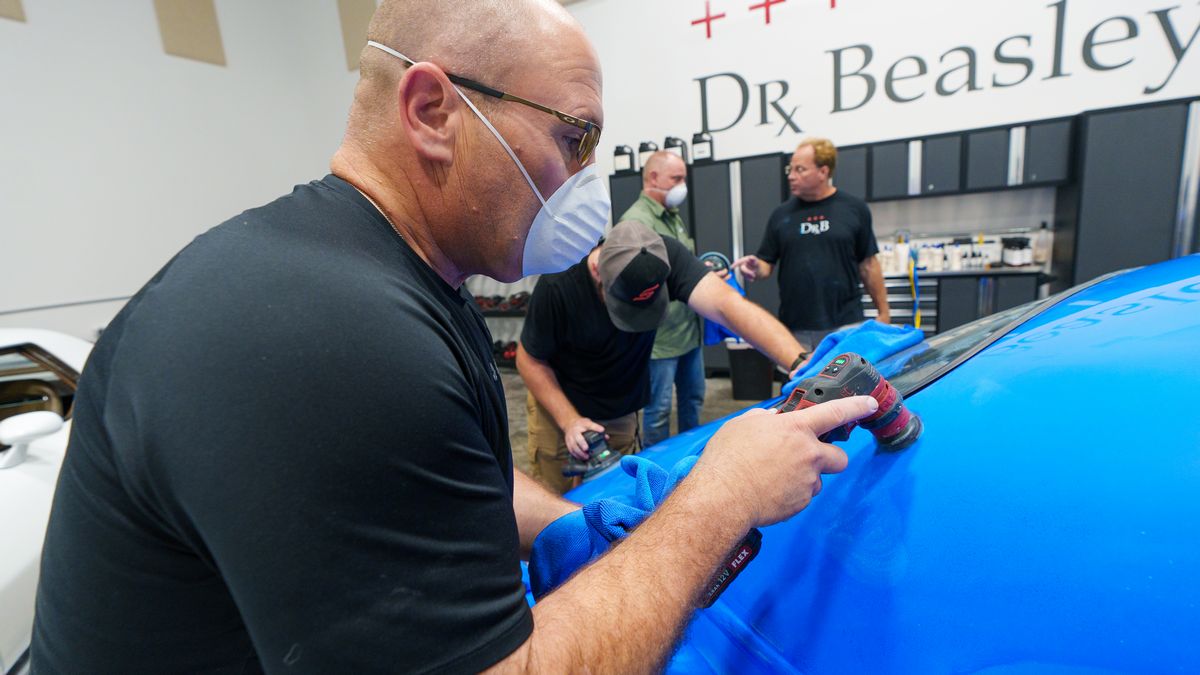
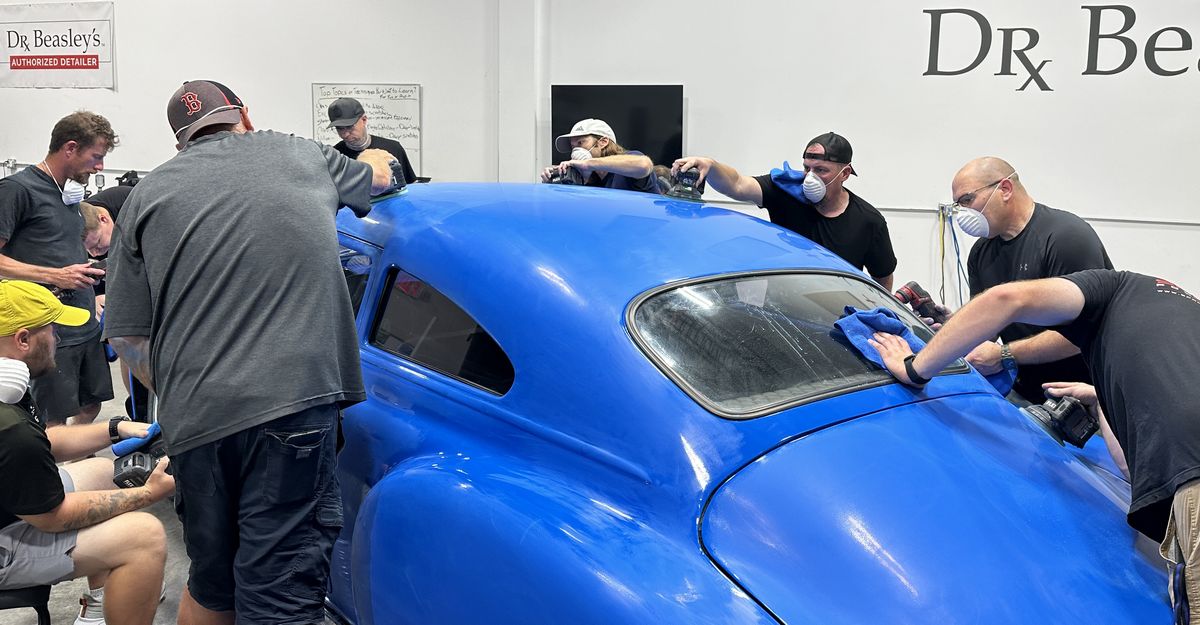
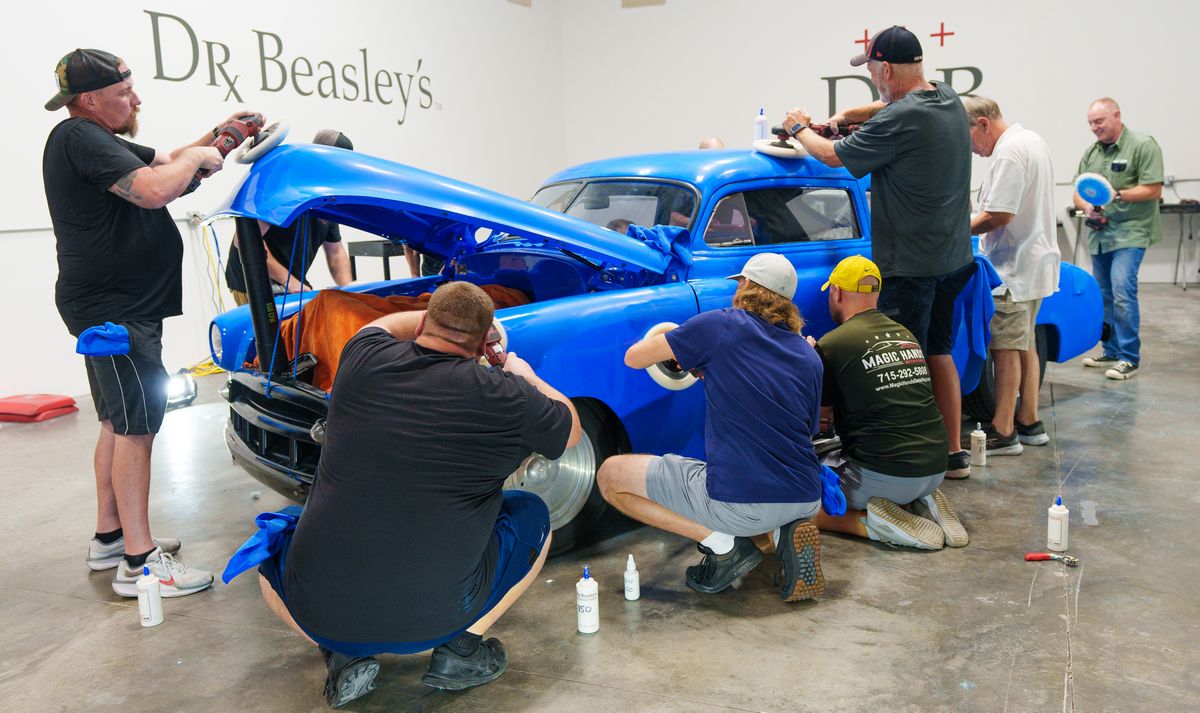
After some technique demonstrations plus some question-and-answer time, I turn the class loose to sand down some other dude's streetrod. According to my 100 Year FLEX Anniversary Watch, given to me at Automechanika in Germany, by the President of FLEX, it's 10:30am and my class is on their feet sanding on the real-deal.

full


full


full


full


full


full


full


full


full


full


full


full


Mike
 
Continued....


Machine Dry Sanding
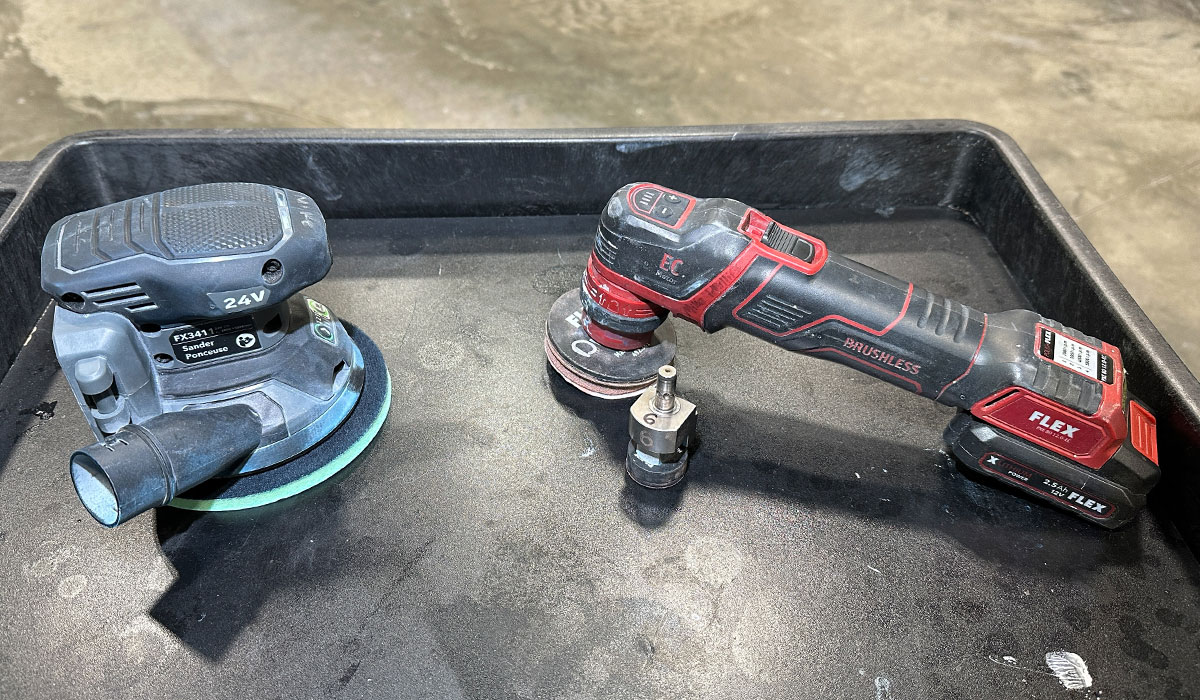
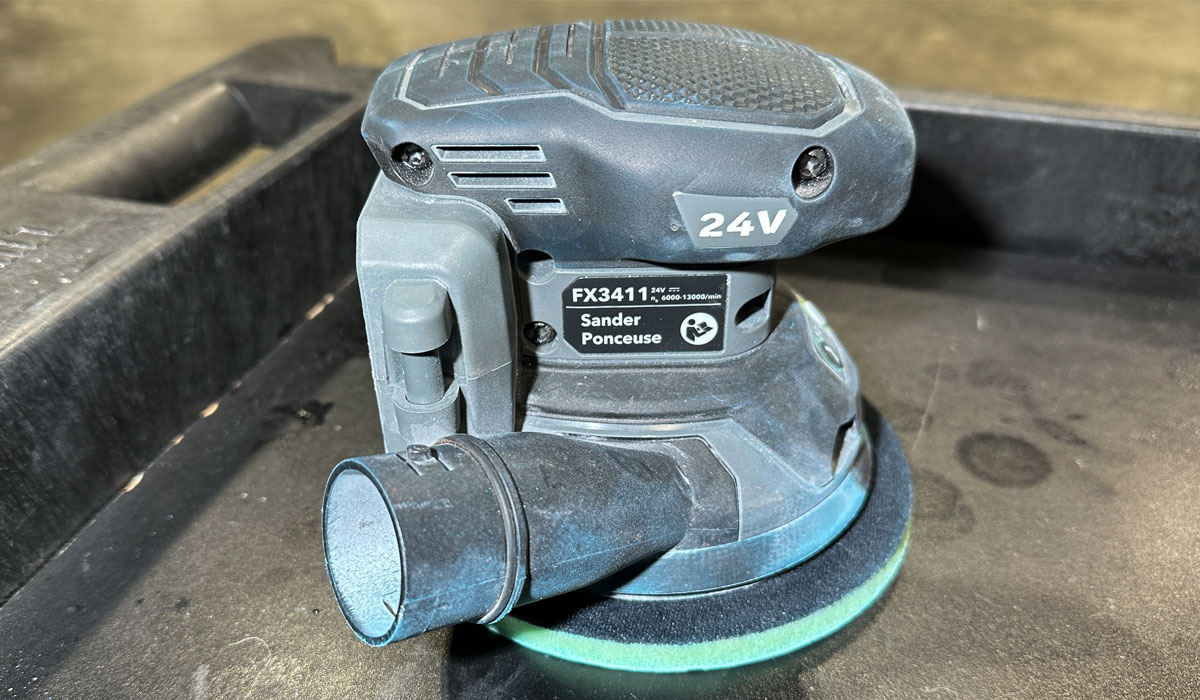
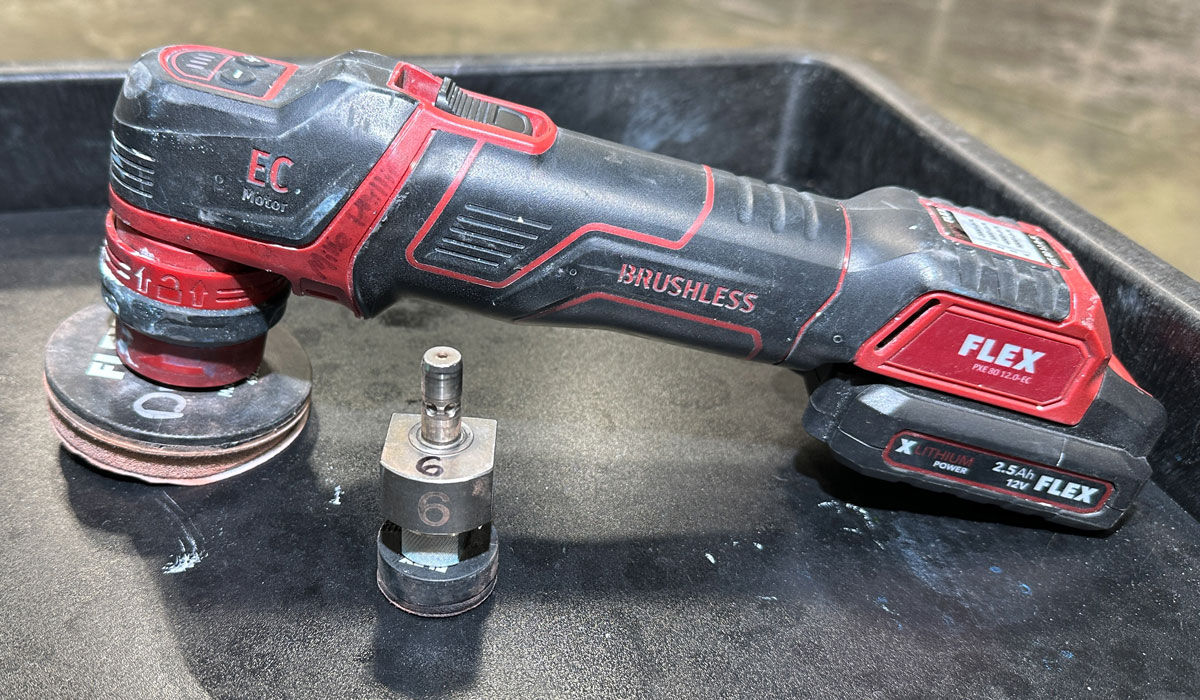
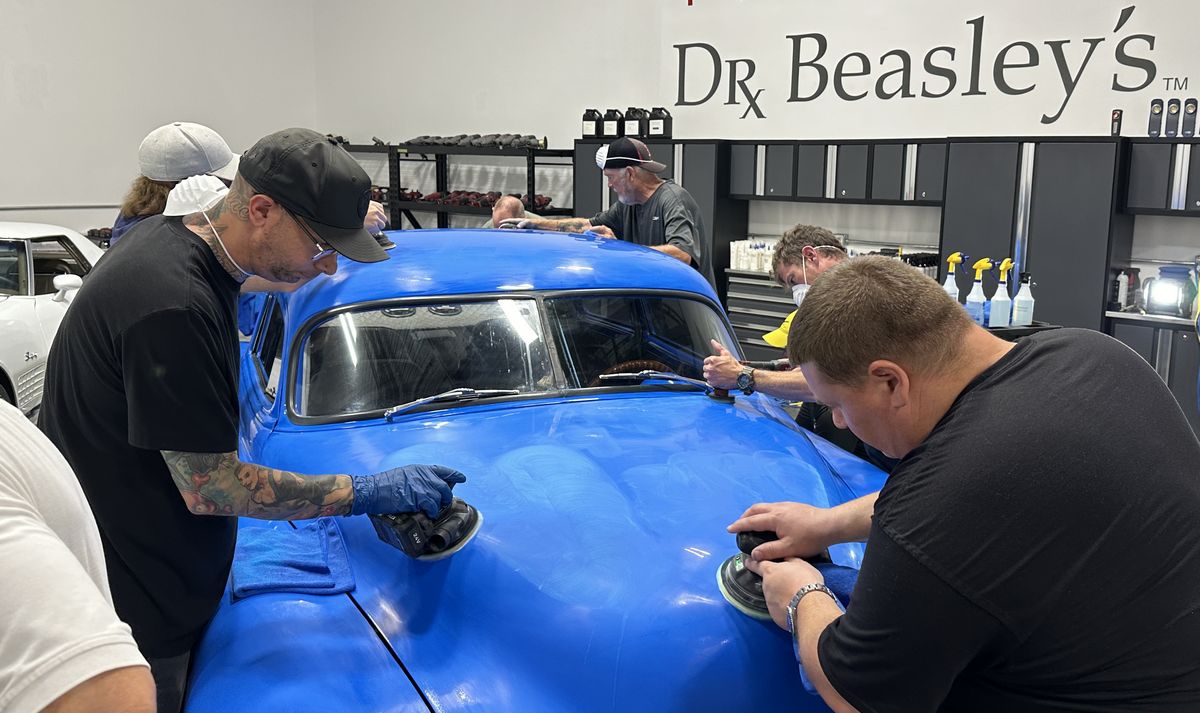
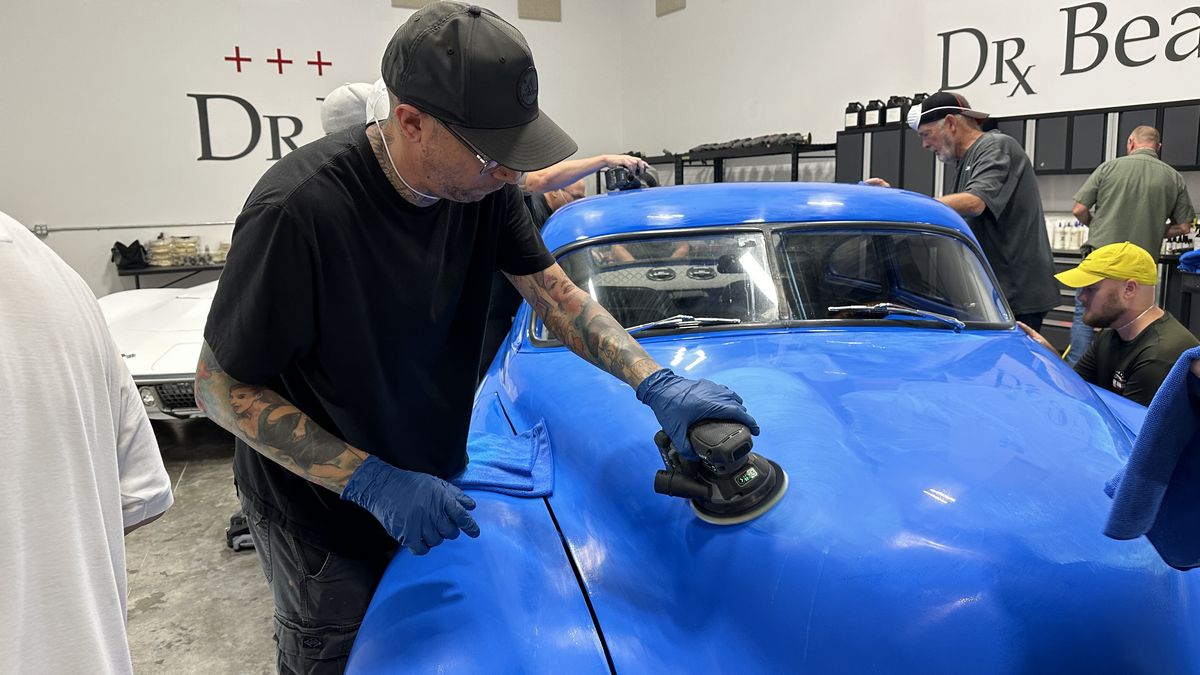
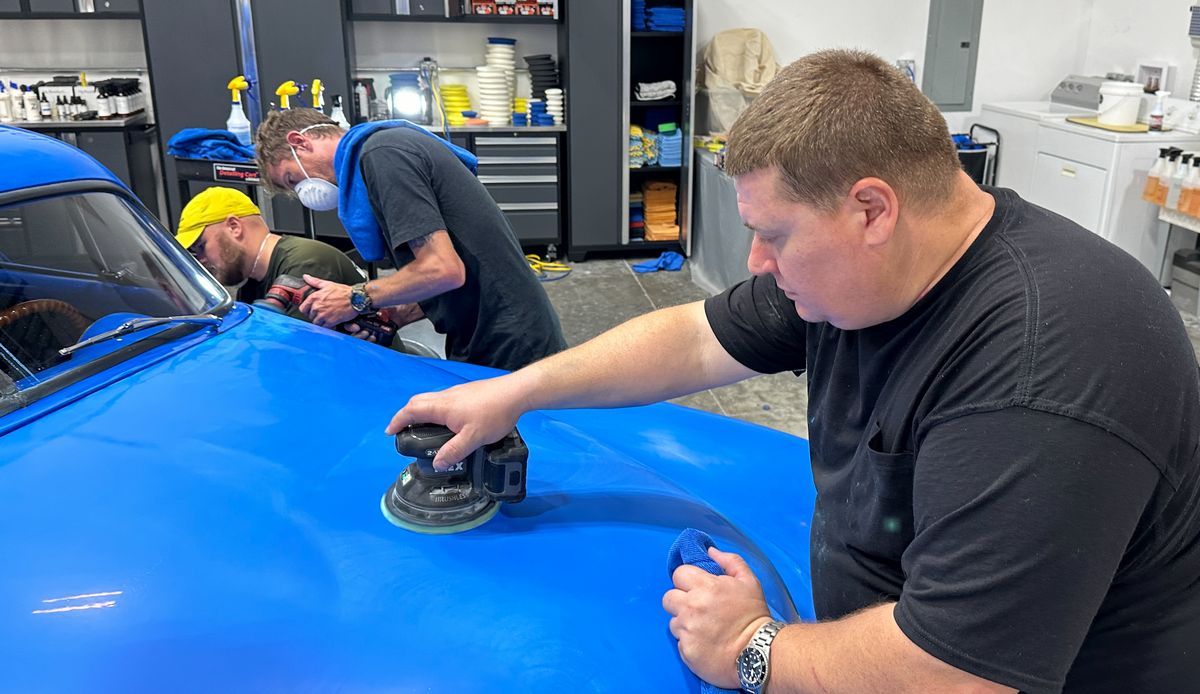
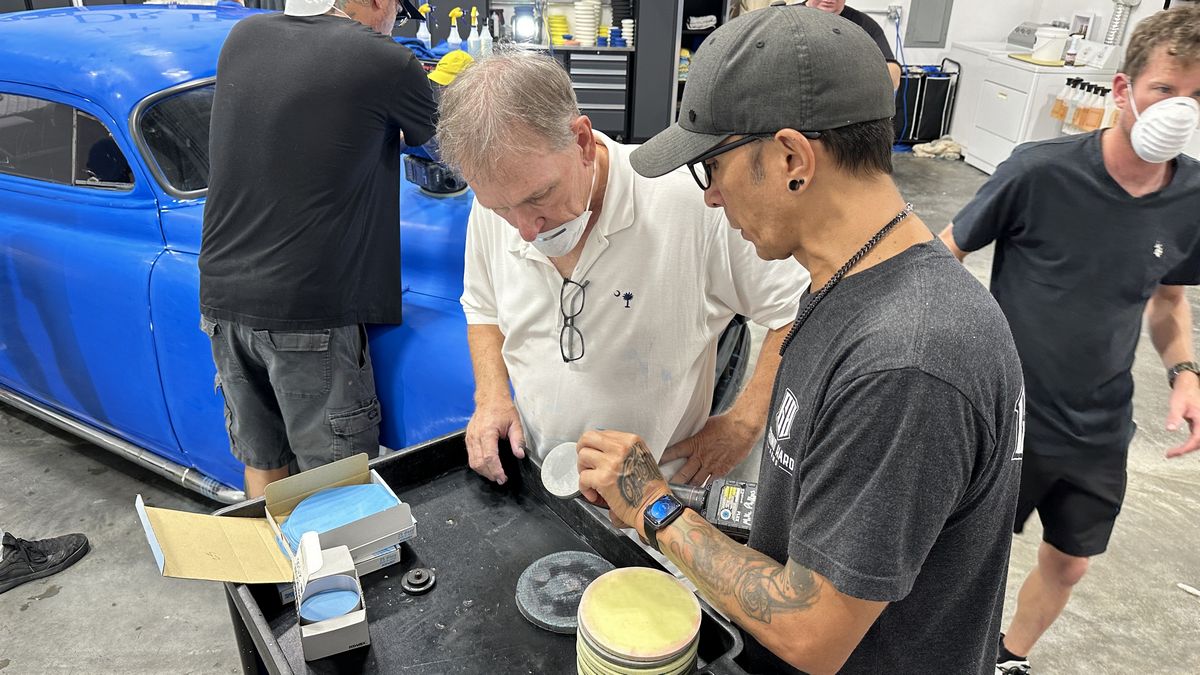
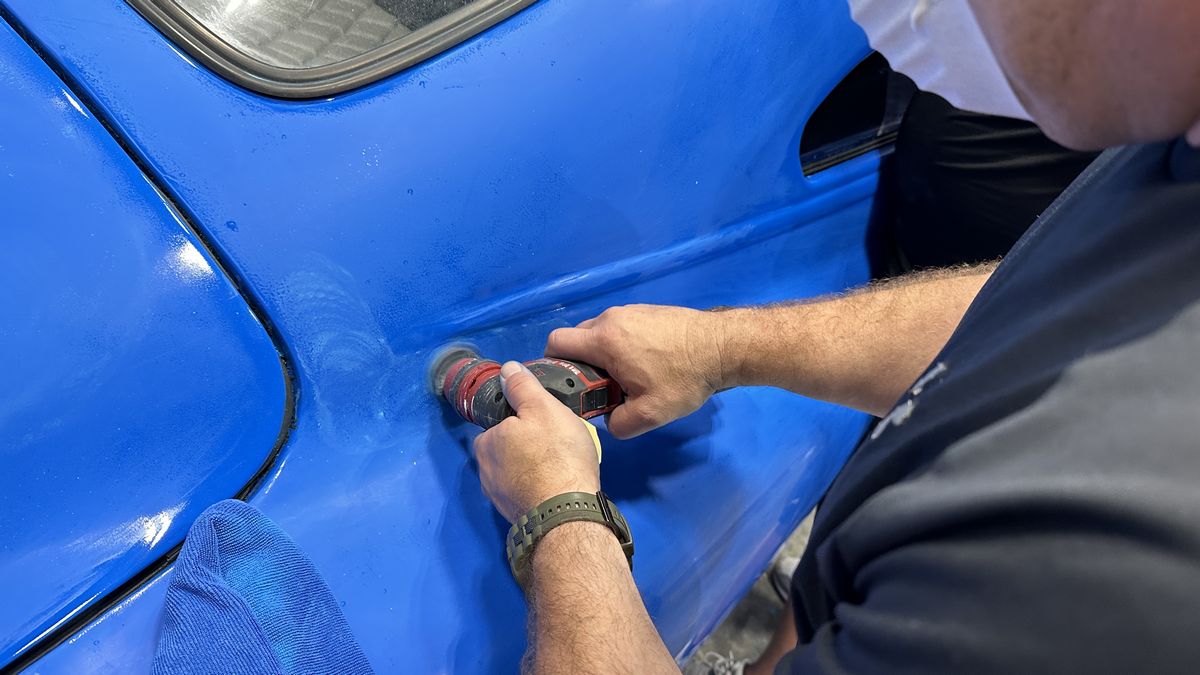
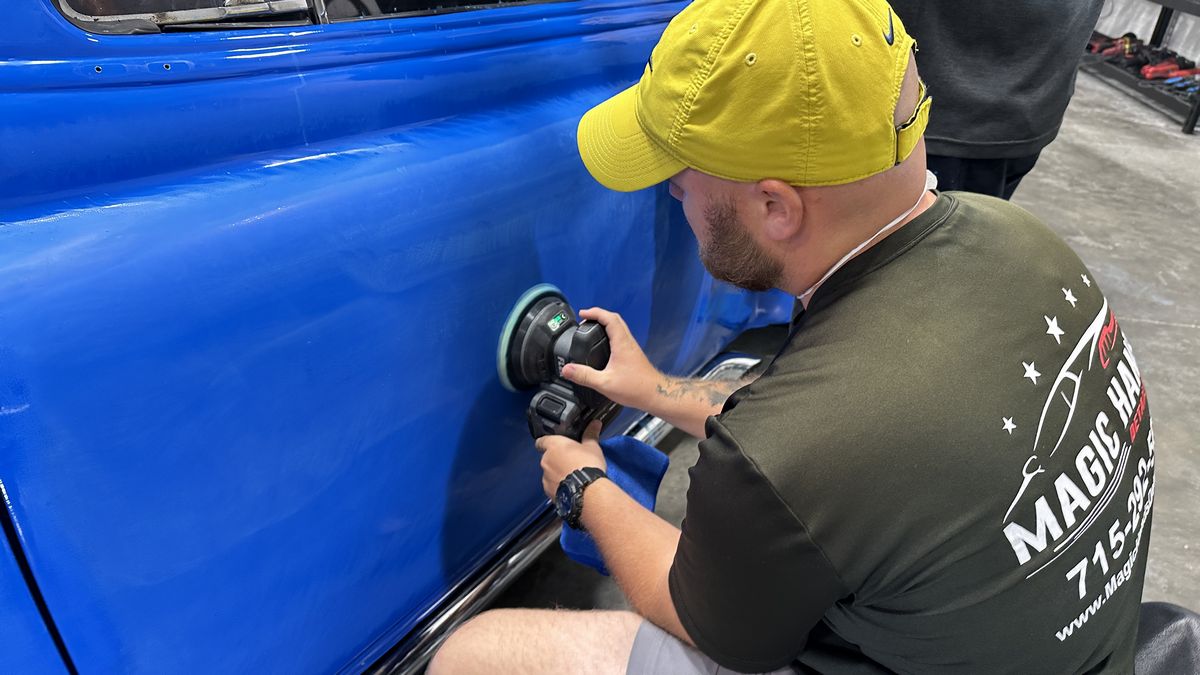
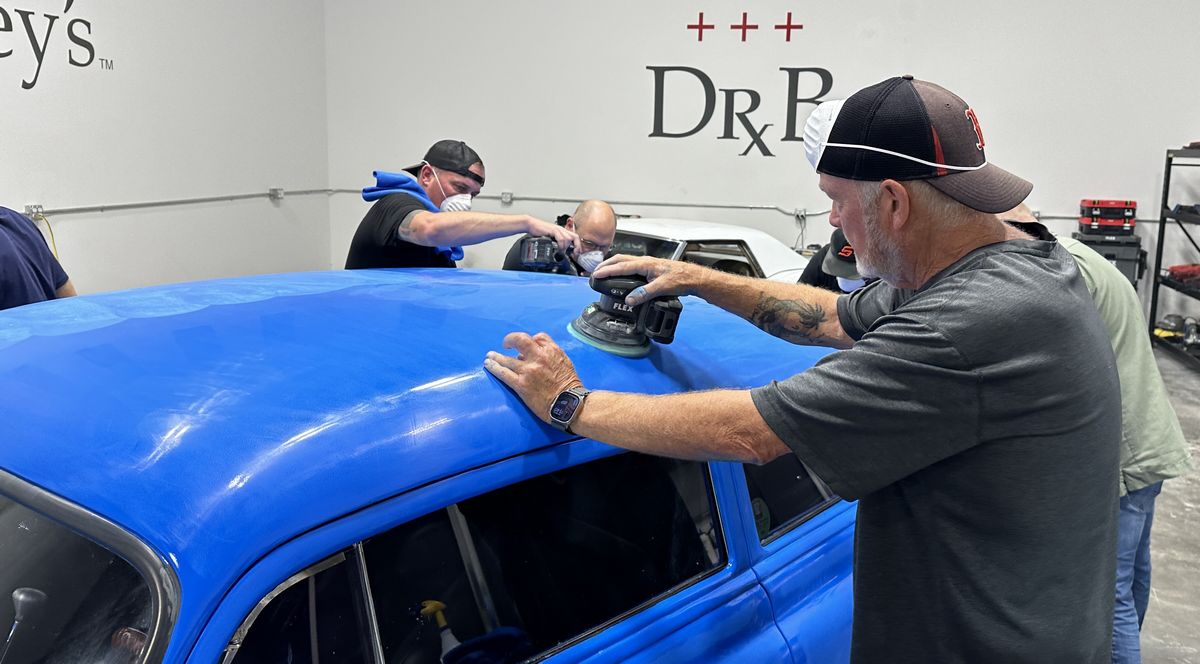
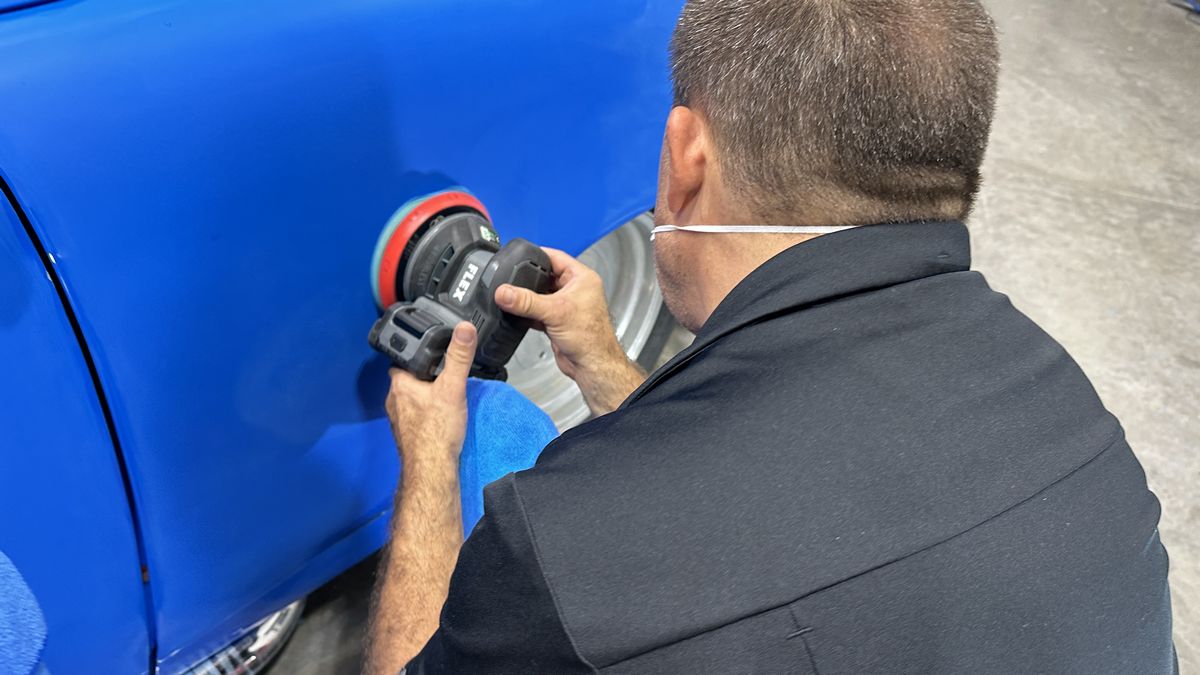
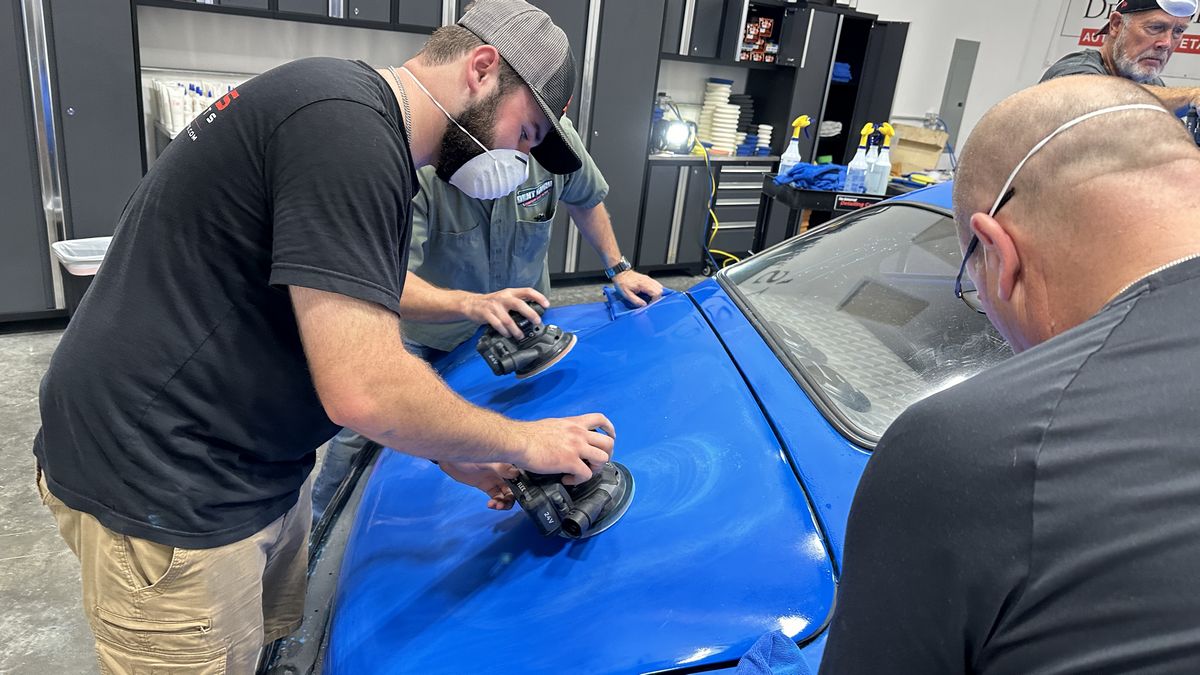
It's now 11:30am, the hand sanding portion is over and it's time to move onto machine dry sanding. For this the class is using the cordless FLEX FX3411 1.6mm 6" DA Sander as well as the FLEX PXE-80 with the optional 6mm drive unit. For sanding discs, the class is using the Eagle Abrasives by KOVAX 2500 Buflex Sanding Discs. The class is refining the 2000 grit hand sanding marks to further flatten-out and remove orange peel, dry spray and surface texture while also making it faster and easier to remove the sanding marks with the next step, using rotary polishers.

full


full


full


full


full


full


full


full


full


full


full


Here's Yancy assisting by showing how to center a sanding disc correctly onto an interface pad.

full


full


full


full


full


full


full


full


full


full


full


full


Mike
 
Continued....

Sanding is complete
After sanding the paint flat, the paint kind of look like matte or flat paint. This is normal. The next step will remove the sanding marks and restore gloss.

full


full


full


full


full


full


full


Mike
 
Continued....

Using a Rotary Polisher to Remove Sanding Marks or Sanding Scratches
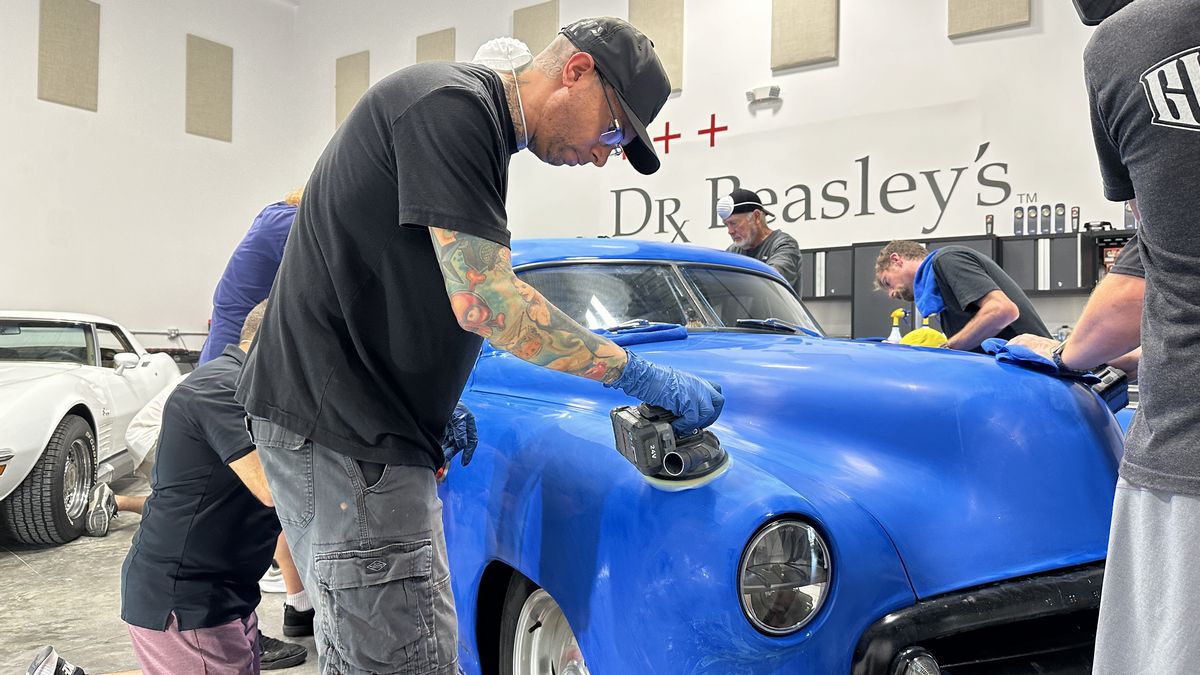
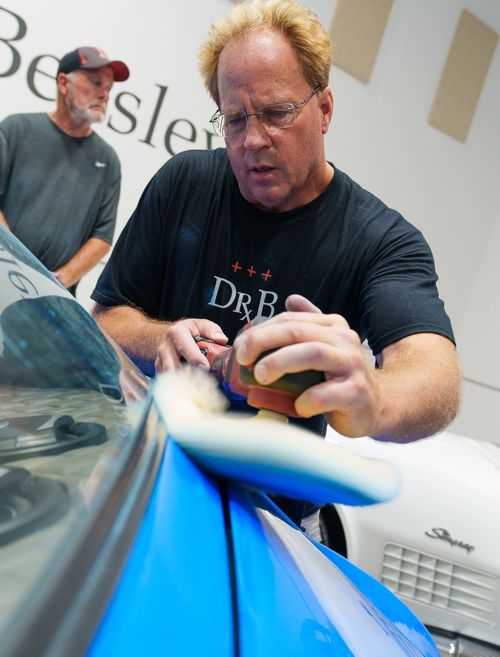
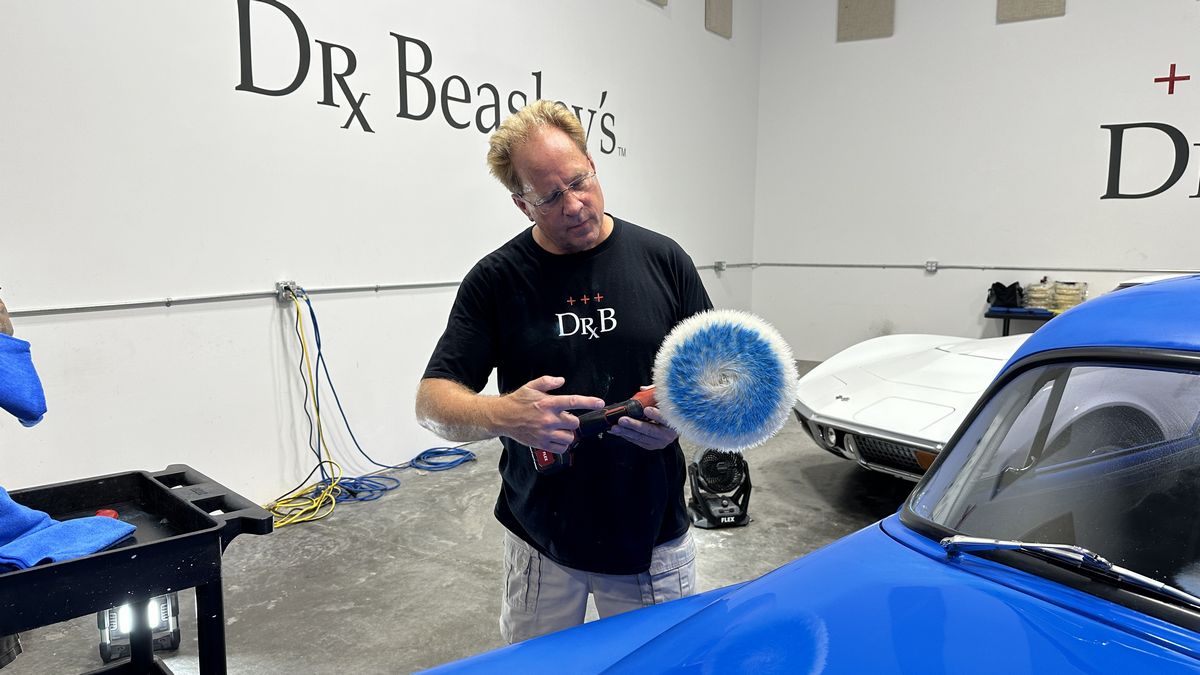
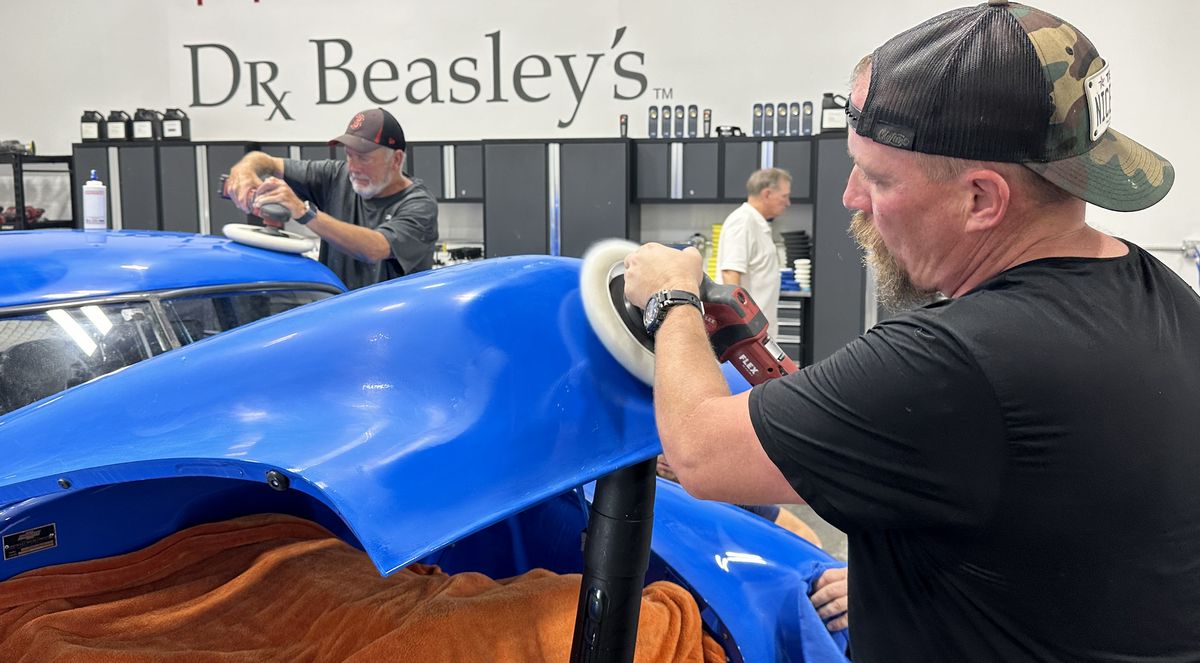
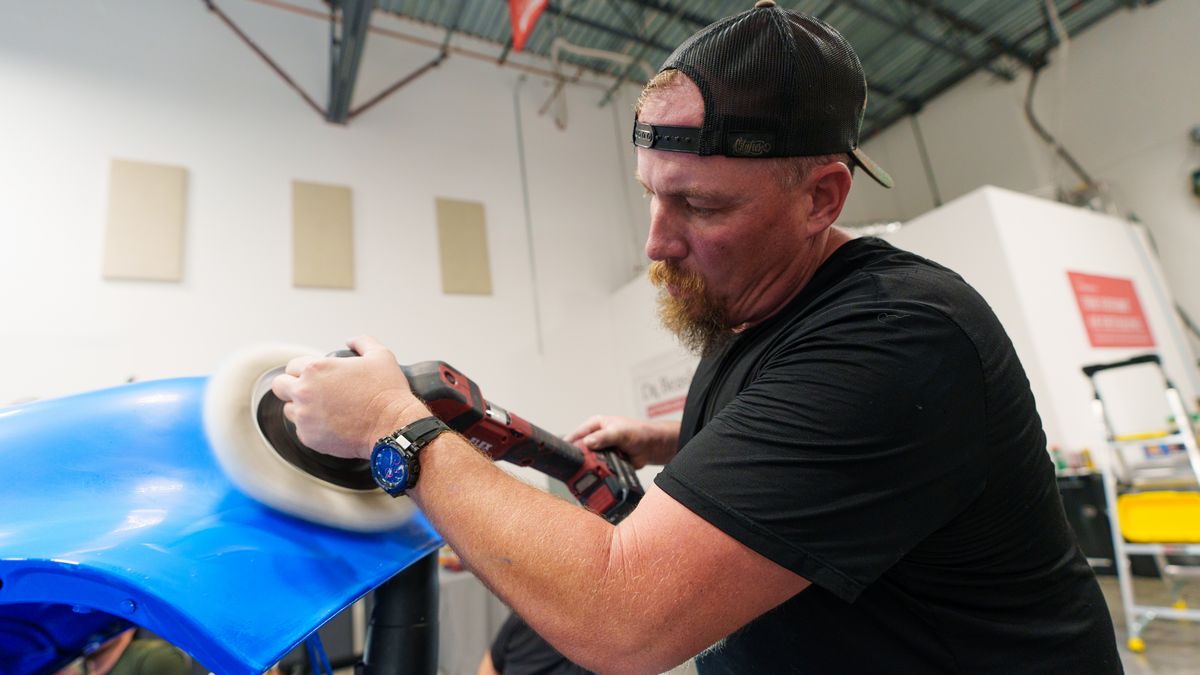
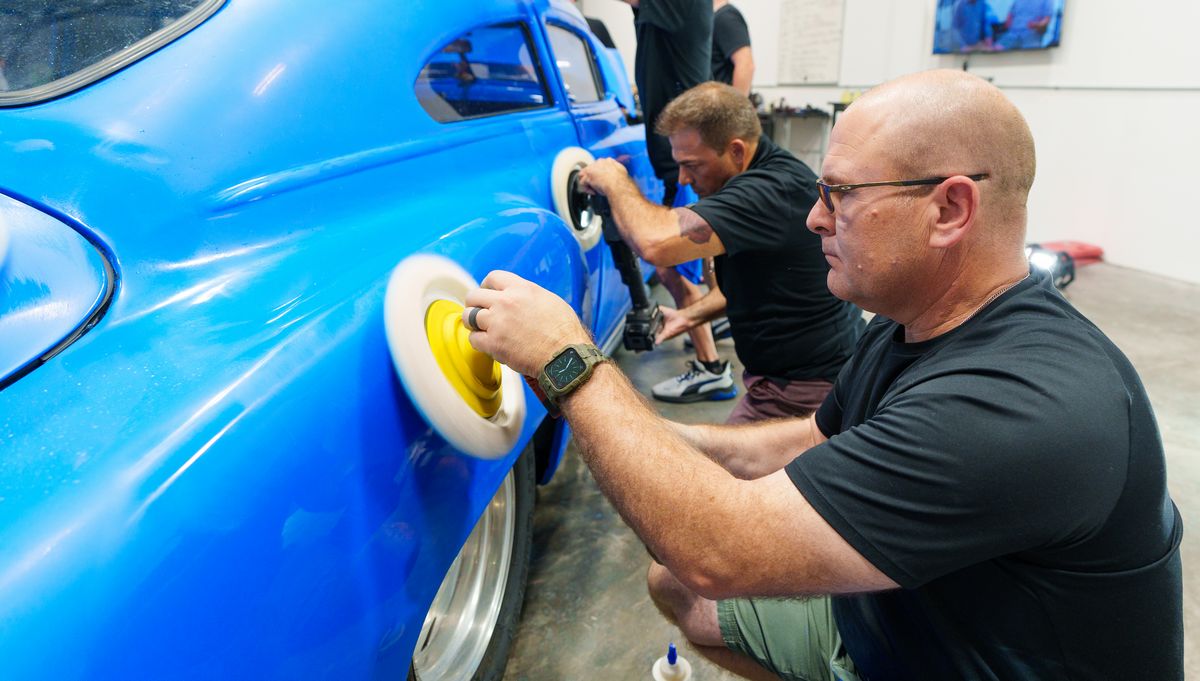
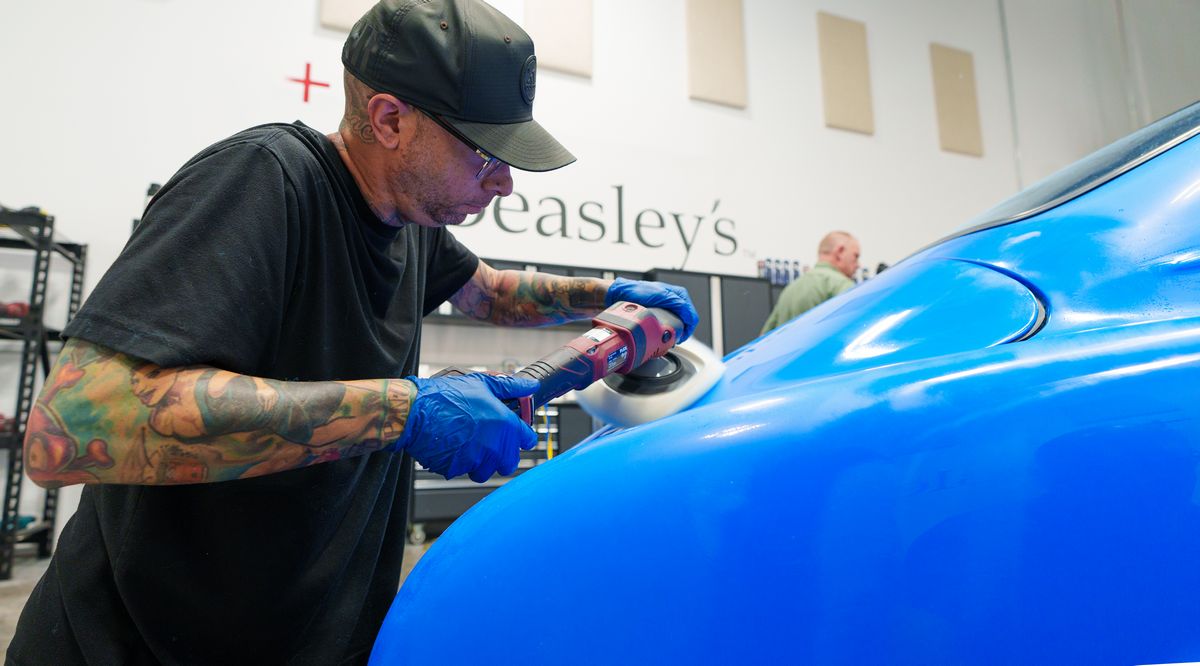
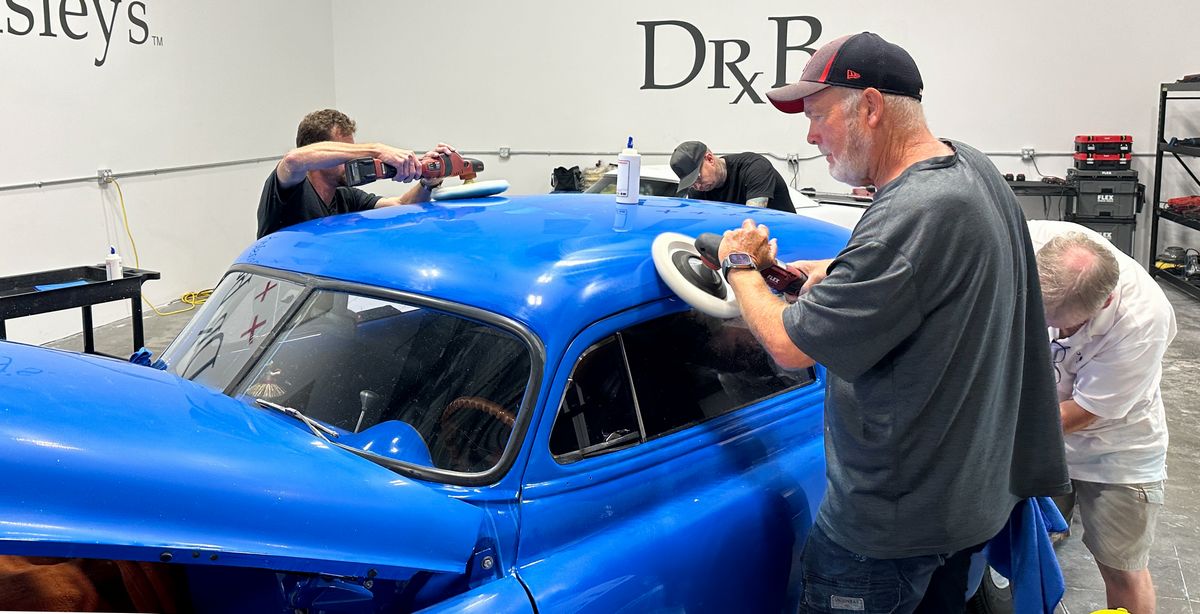
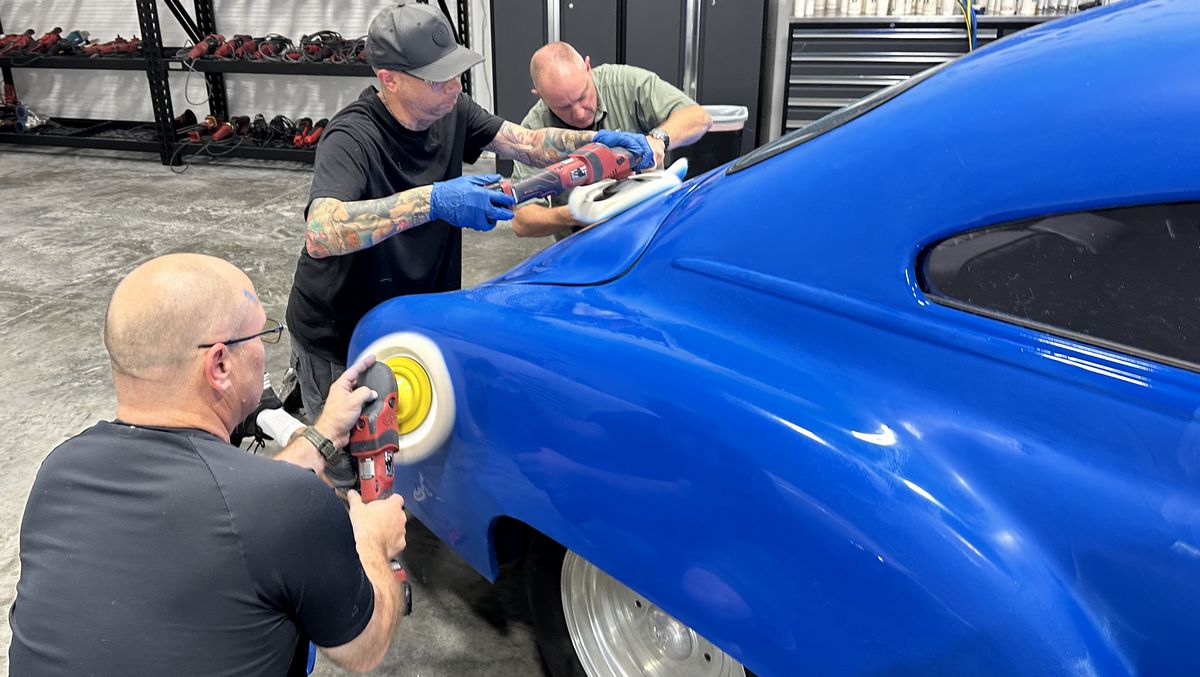
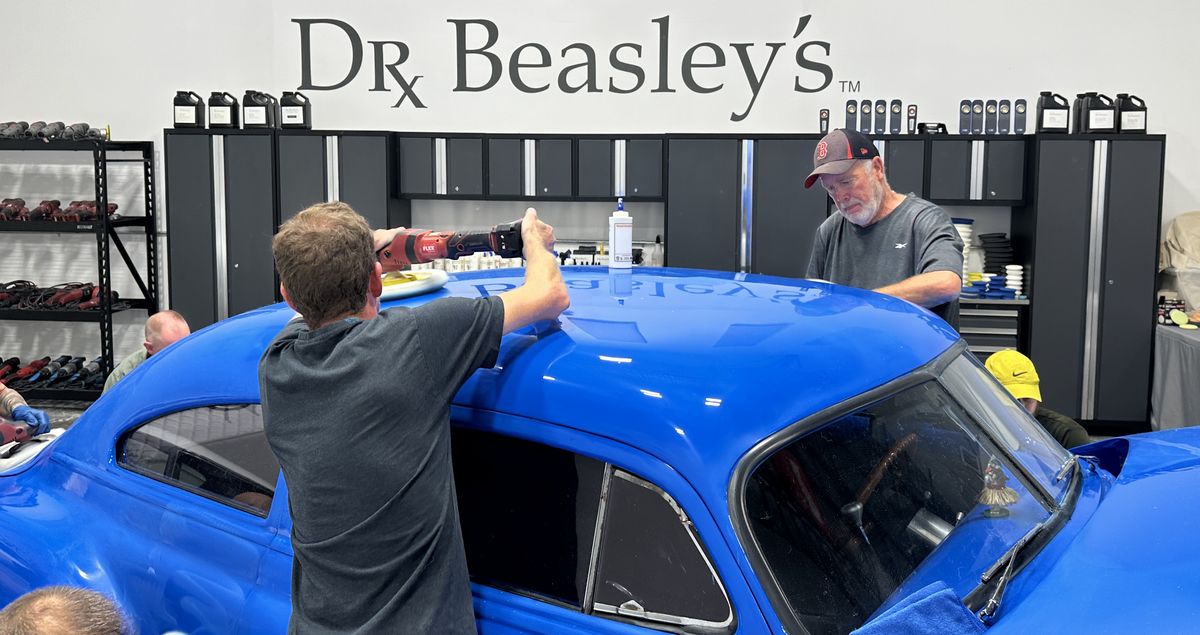
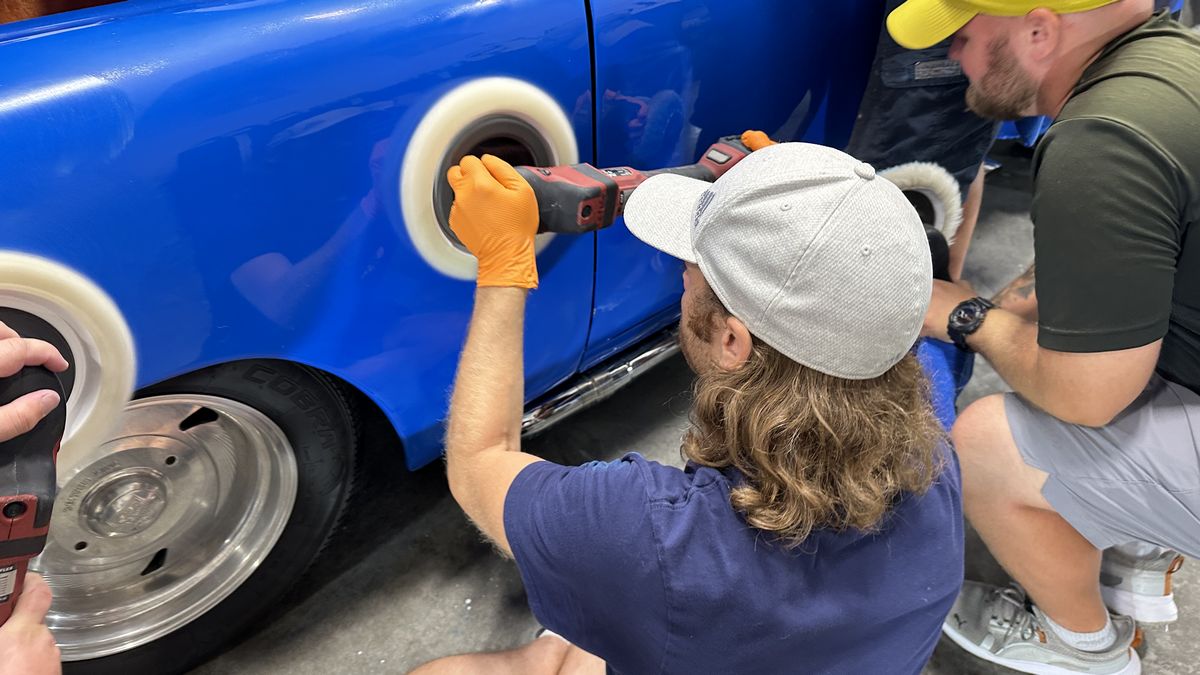
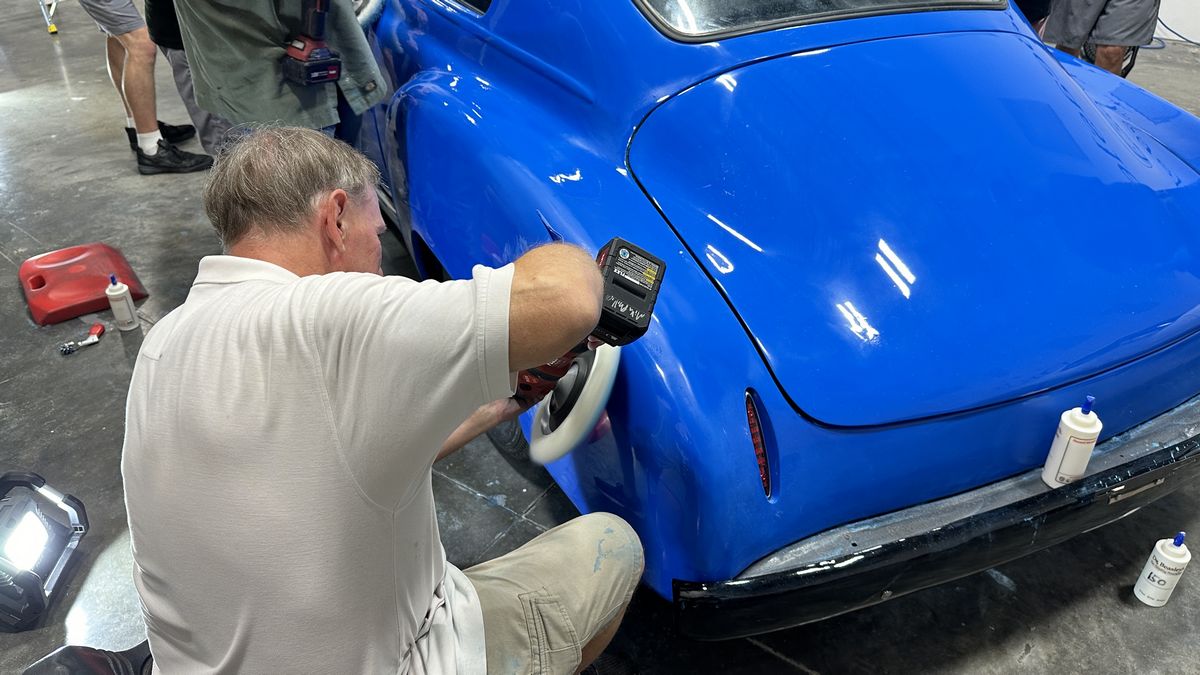
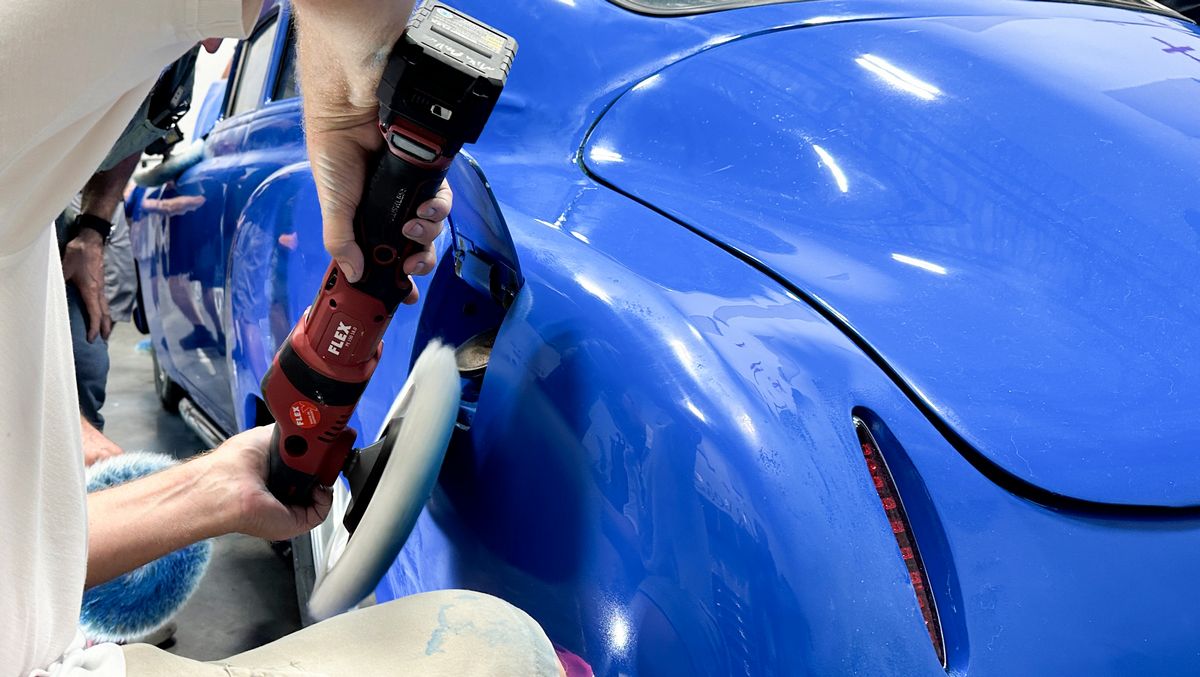
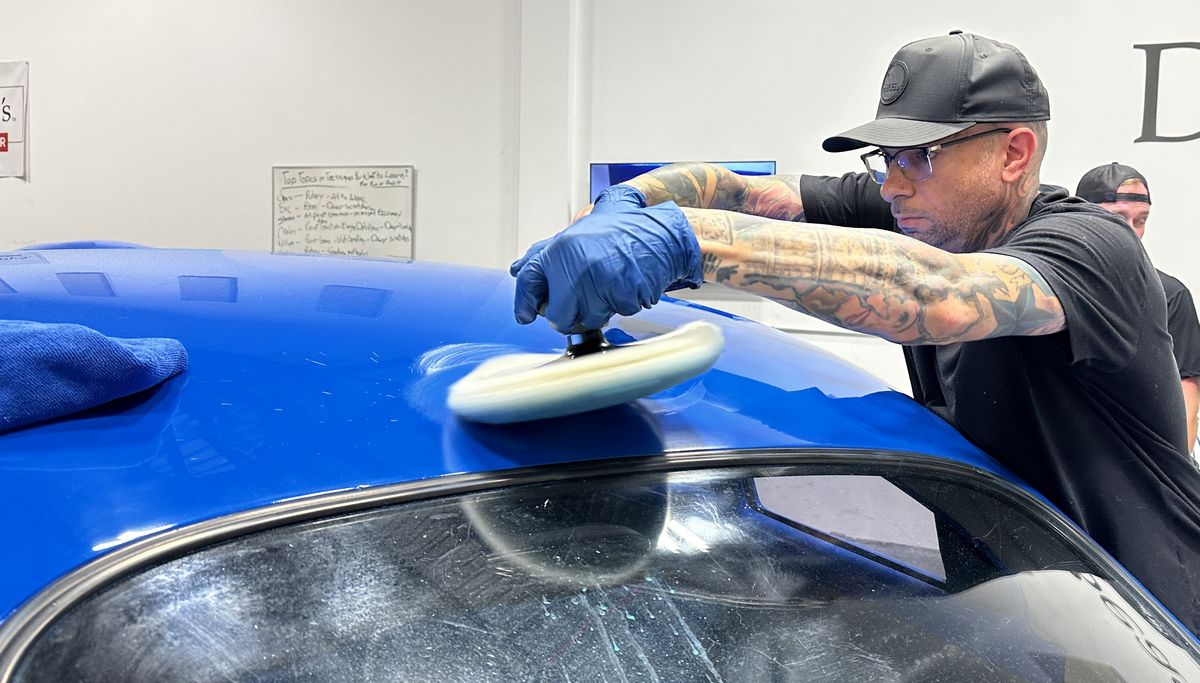
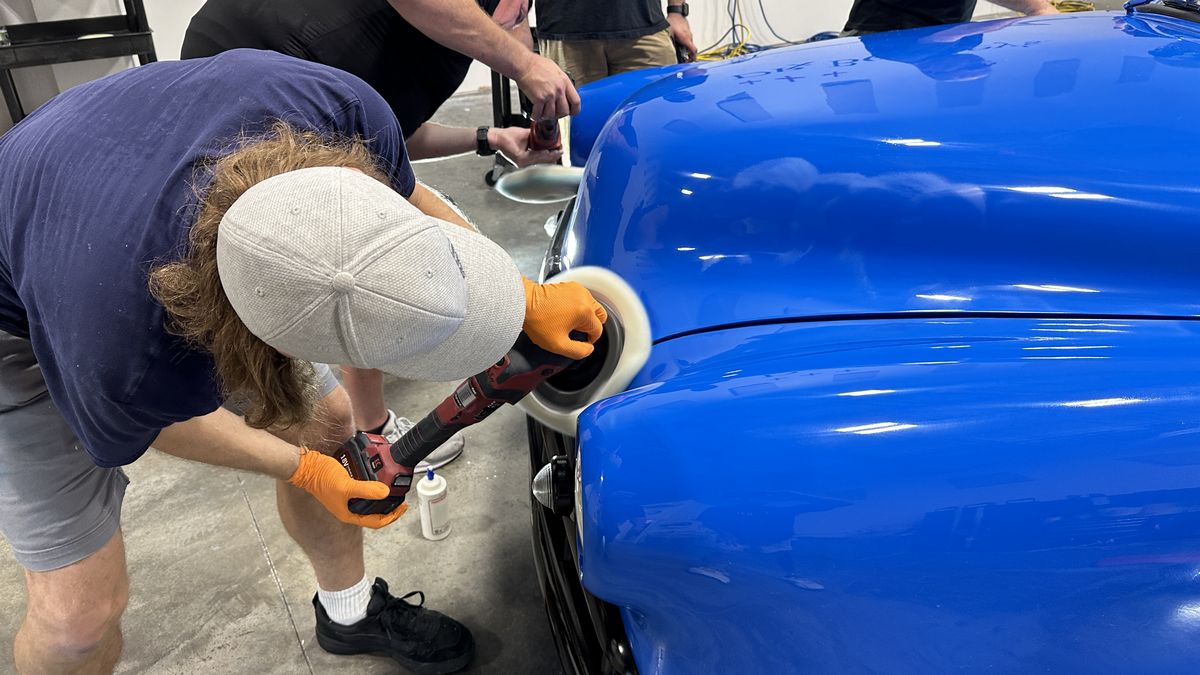
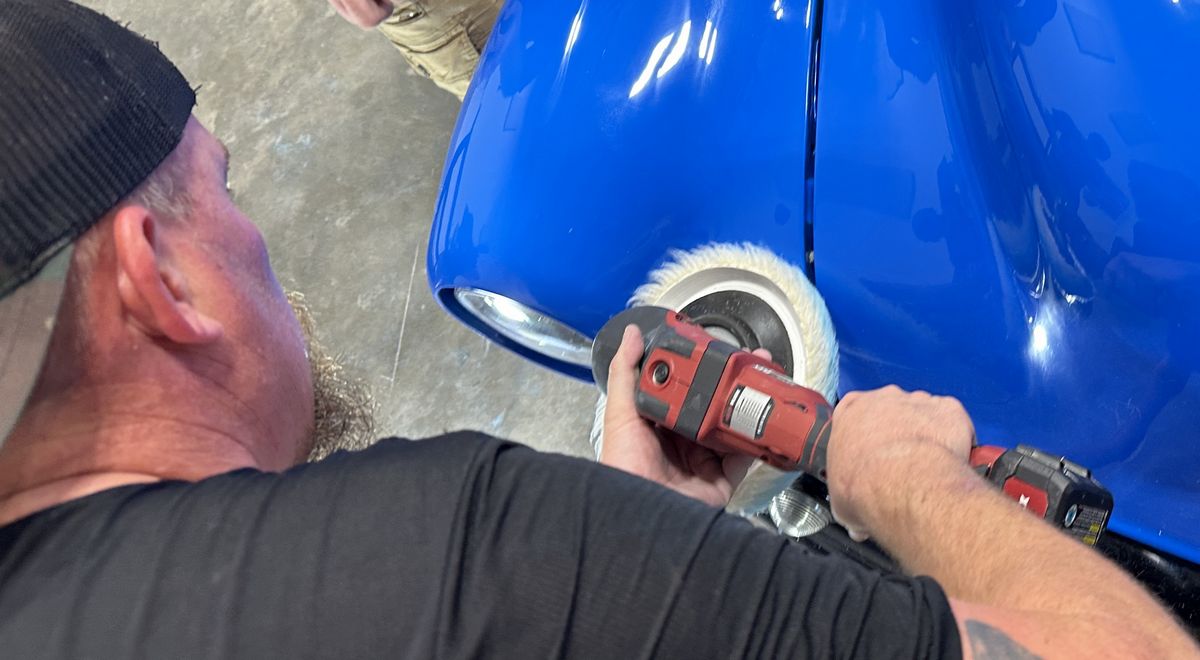
After the class has performed a 2-step sanding process, it's time to go back to the rotary and next remove all the sanding marks. First there's some demonstration on how to use the rotary with a wool pad and after that, I turn the class loose.


full


full


Pretty easy to see this is a MODERN single stage paint.

full


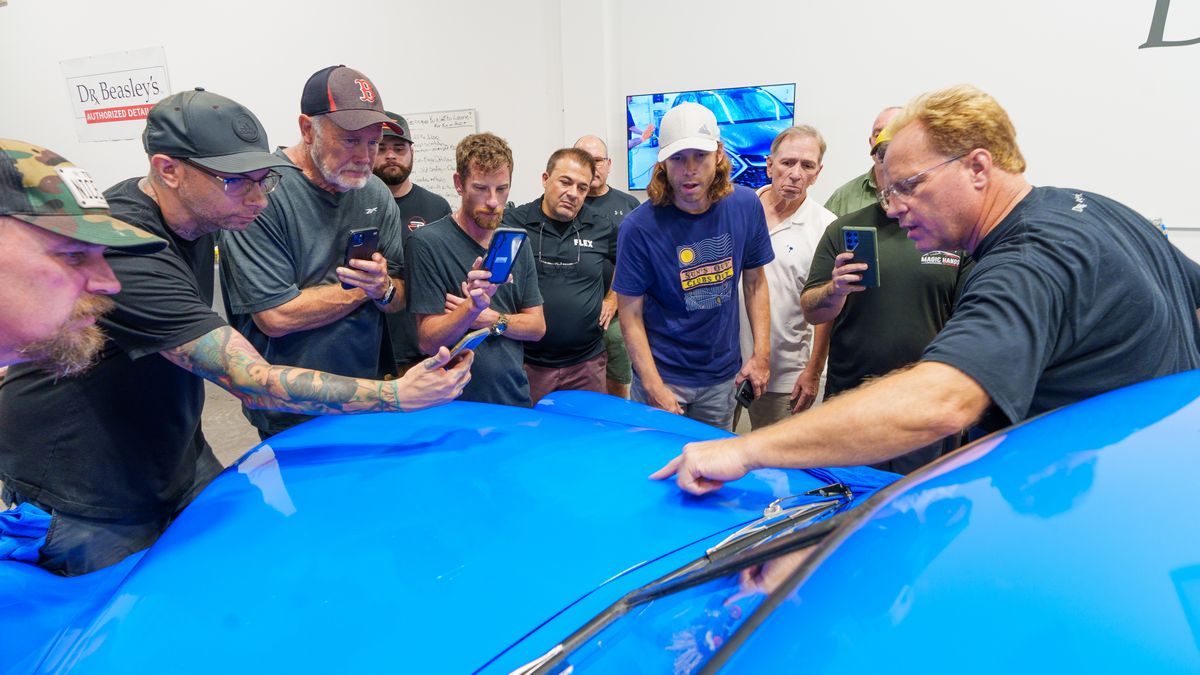
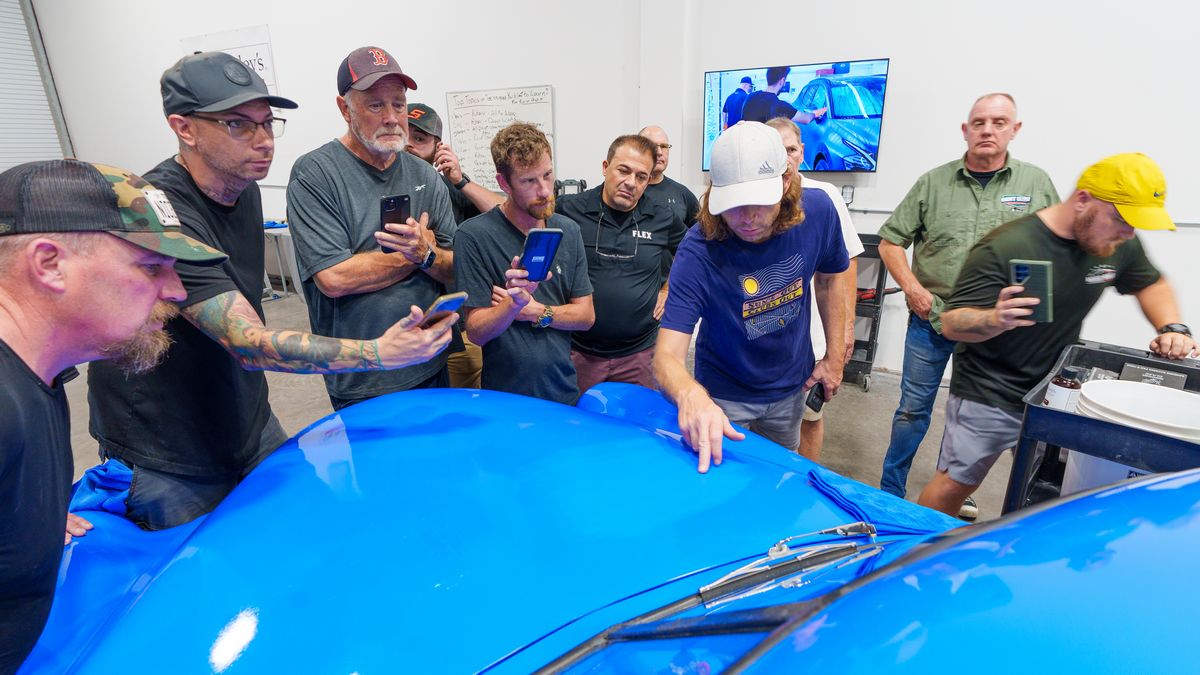
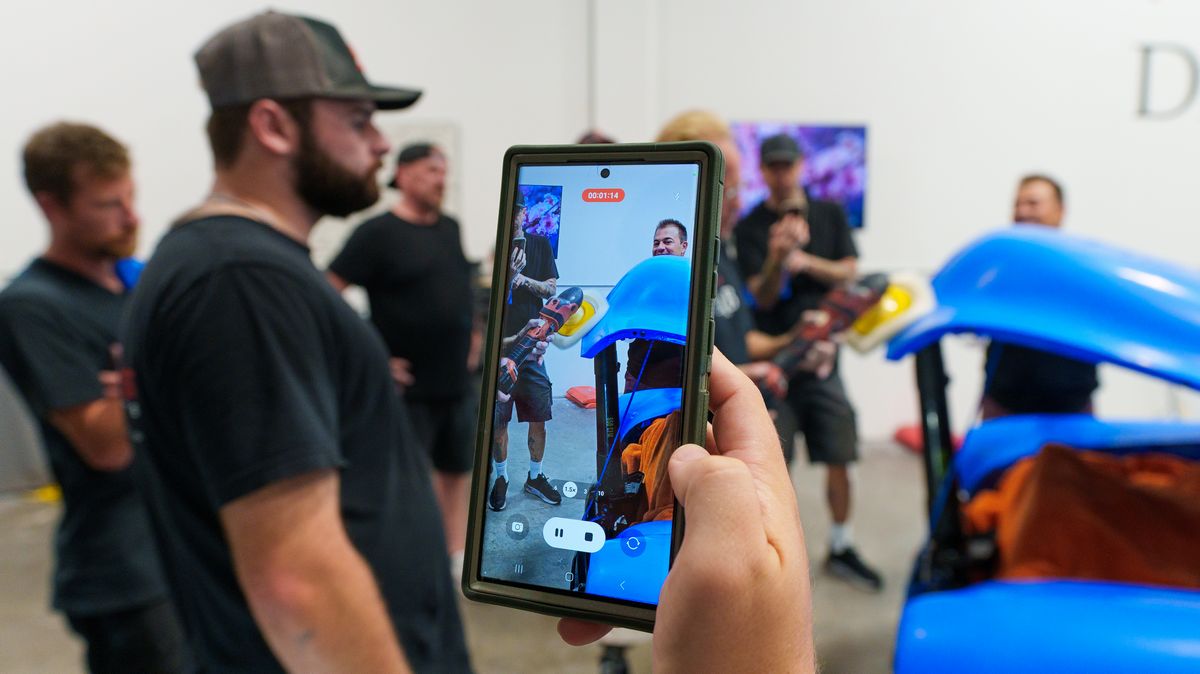
Yes, you can take pictures and videos at our classes!
Some classes FORBID the students from taking pictures or videos. We encourage it. If you like to take notes using your phone, better check what the policy is for any other class you're thinking of taking.

full


It's Rotary Polisher GO TIME!
This is just ONE of the reasons I START the students out the first day, first thing in the morning learning how to use and just as important, be COMFORTABLE with running a rotary polisher. When sanding and buffing some other dude's streetrod, you cannot make mistakes. By spending time with the rotary polisher on the first day for the Toyota Matrix and the Chevy Camaro, I can now have confidence my class knows what to do when it comes to removing the sanding marks out of this 1949 Chevy Fleetline Streetrod with a custom, single stage urethane paint job.


full


full


full


full


full


Work Clean
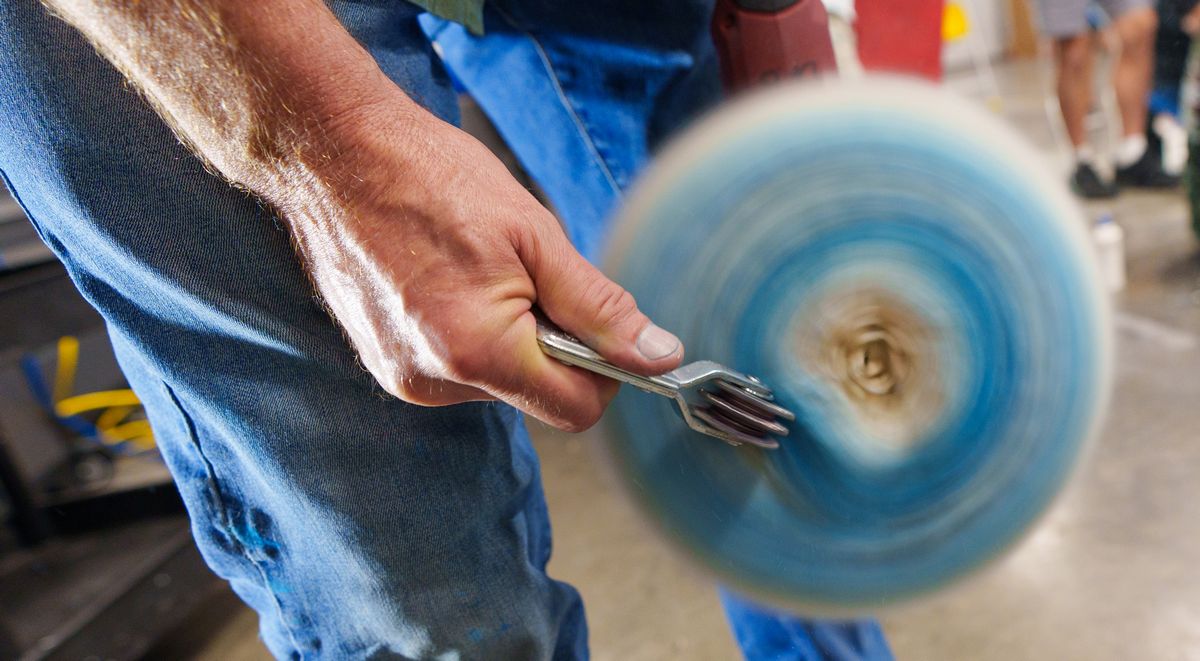
We put a LOT of stress on working clean when detailing cars and in this context, it means using a pad cleaning spur to clean your wool pad often.

full


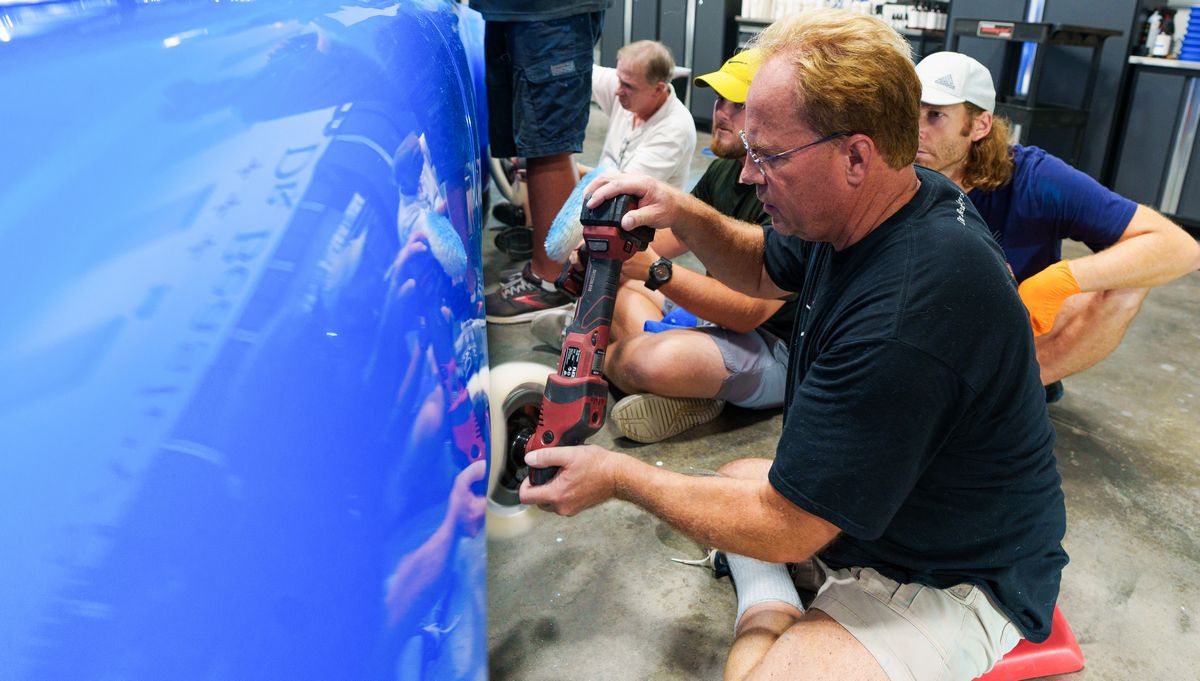
Love these shots - no chairs and everyone is hands-on - learning by doing!

full


full


full


Look at the GLOSS coming back!

full


full


full


full


full


full


full


full


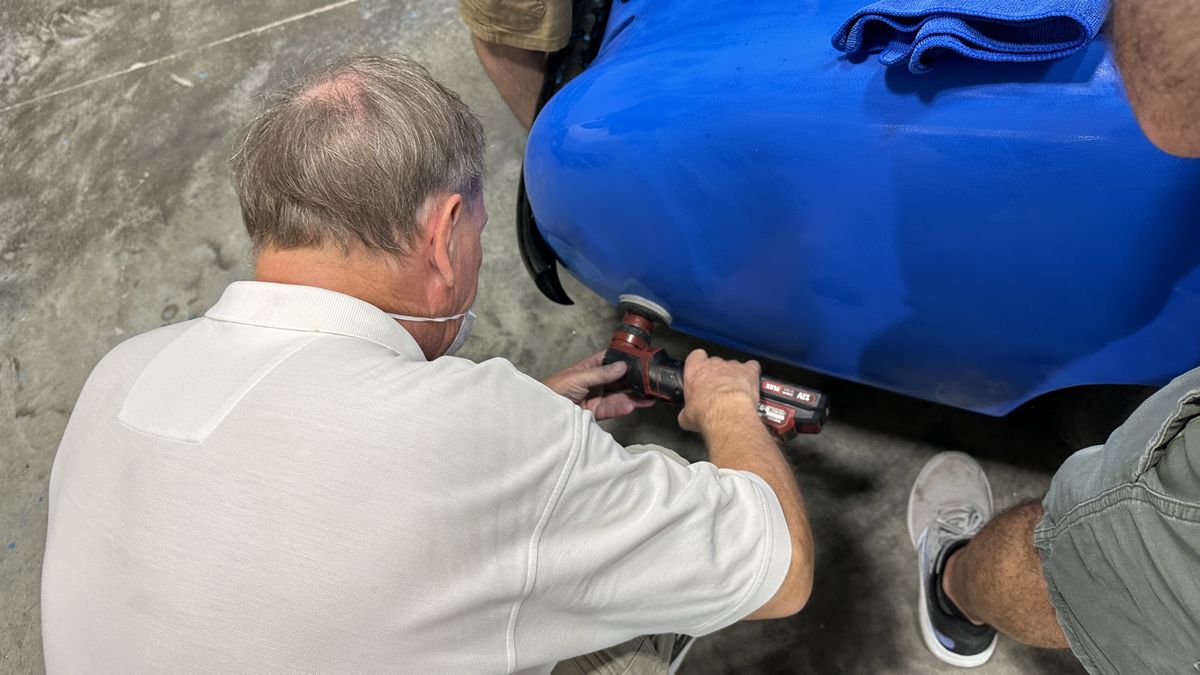
Cleaning up all the edges
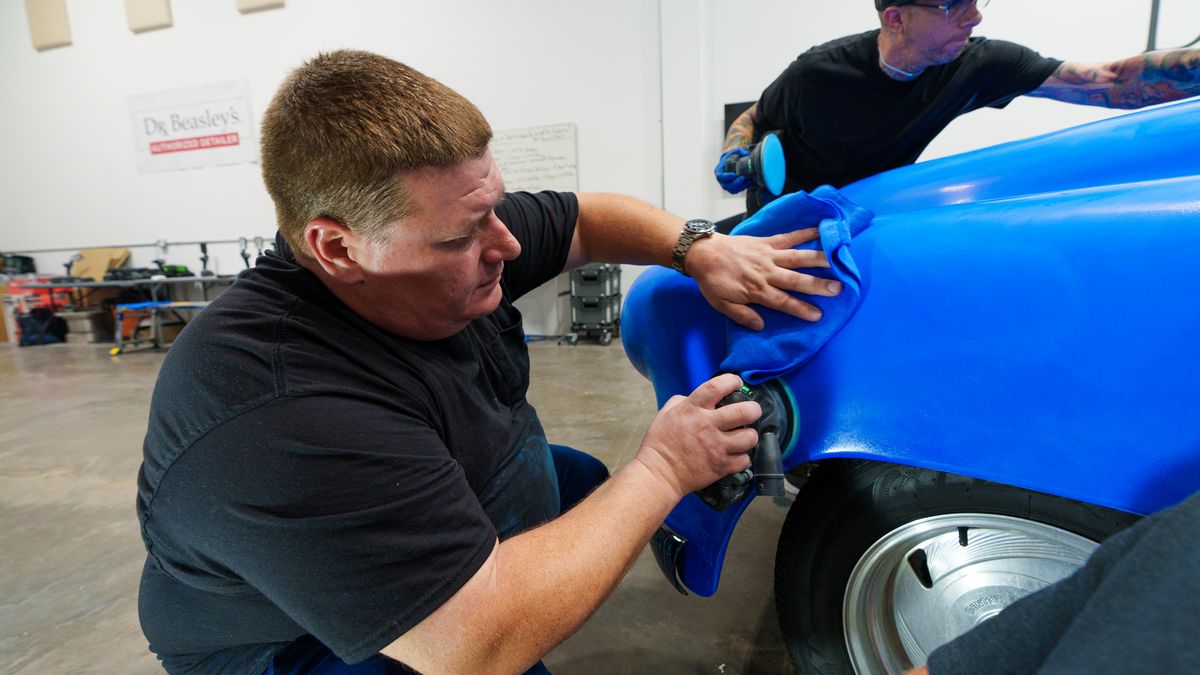
It's a normal thing that after the class as buffed out all the sanding marks, I take over and make sure all the sanding marks next to edges and raised body lines are fully removed.

full


Reminder
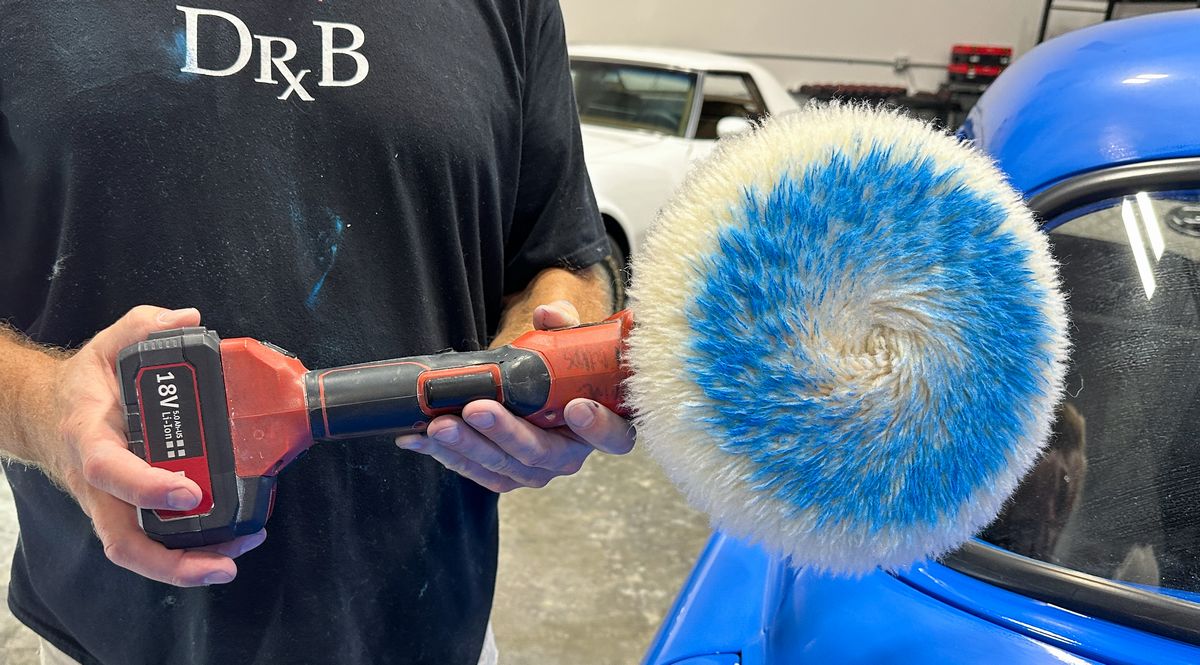
The first tool the class learned on the first day, first thing in the morning was the rotary polisher. This is a strategic plan on my part to get the class up-to-speed and comfortable with using rotary polishers so now, they know how to use this tool. Sure, you can remove sanding marks with an orbital or DA polisher, but the fastest and most effective way to remove 100% of the sanding marks is with a wool cutting pad on a rotary polisher and of course great abrasive technology. For this step, the class is using the Dr. Beasley's NSP 150 Primer.

There's an old saying that goes like this,

Use the right tool for the job


While some people are against the rotary polisher now-a-days, I simply believe you use the right tool for the job and for this kind of work, the rotary polisher IS the right tool for the job. And keep in mind, this is CUSTOM paint that is THICKER than factory paint. Thus, there's more film build for sanding, cutting and polishing.


Mike
 
Continued....

Using a Rotary Polisher to Remove Sanding Marks or Sanding Scratches
After the class has performed a 2-step sanding process, it's time to go back to the rotary and next remove all the sanding marks. First there's some demonstration on how to use the rotary with a wool pad and after that, I turn the class loose.


full


full


Pretty easy to see this is a MODERN single stage paint.

full


Yes, you can take pictures and videos at our classes!
Some classes FORBID the students from taking pictures or videos. We encourage it. If you like to take notes using your phone, better check what the policy is for any other class you're thinking of taking.

full


It's Rotary Polisher GO TIME!
This is just ONE of the reasons I START the students out the first day, first thing in the morning learning how to use and just as important, be COMFORTABLE with running a rotary polisher. When sanding and buffing some other dude's streetrod, you cannot make mistakes. By spending time with the rotary polisher on the first day for the Toyota Matrix and the Chevy Camaro, I can now have confidence my class knows what to do when it comes to removing the sanding marks out of this 1949 Chevy Fleetline Streetrod with a custom, single stage urethane paint job.


full


full


full


full


full


Work Clean
We put a LOT of stress on working clean when detailing cars and in this context, it means using a pad cleaning spur to clean your wool pad often.

full


Love these shots - no chairs and everyone is hands-on - learning by doing!

full


full


full


Look at the GLOSS coming back!

full


full


full


full


full


full


full


full


Cleaning up all the edges
It's a normal thing that after the class as buffed out all the sanding marks, I take over and make sure all the sanding marks next to edges and raised body lines are fully removed.

full


Reminder
The first tool the class learned on the first day, first thing in the morning was the rotary polisher. This is a strategic plan on my part to get the class up-to-speed and comfortable with using rotary polishers so now, they know how to use this tool. Sure, you can remove sanding marks with an orbital or DA polisher, but the fastest and most effective way to remove 100% of the sanding marks is with a wool cutting pad on a rotary polisher and of course great abrasive technology. For this step, the class is using the Dr. Beasley's NSP 150 Primer.

There's an old saying that goes like this,

Use the right tool for the job


While some people are against the rotary polisher now-a-days, I simply believe you use the right tool for the job and for this kind of work, the rotary polisher IS the right tool for the job. And keep in mind, this is CUSTOM paint that is THICKER than factory paint. Thus, there's more film build for sanding, cutting and polishing.


Mike
 
Continued....


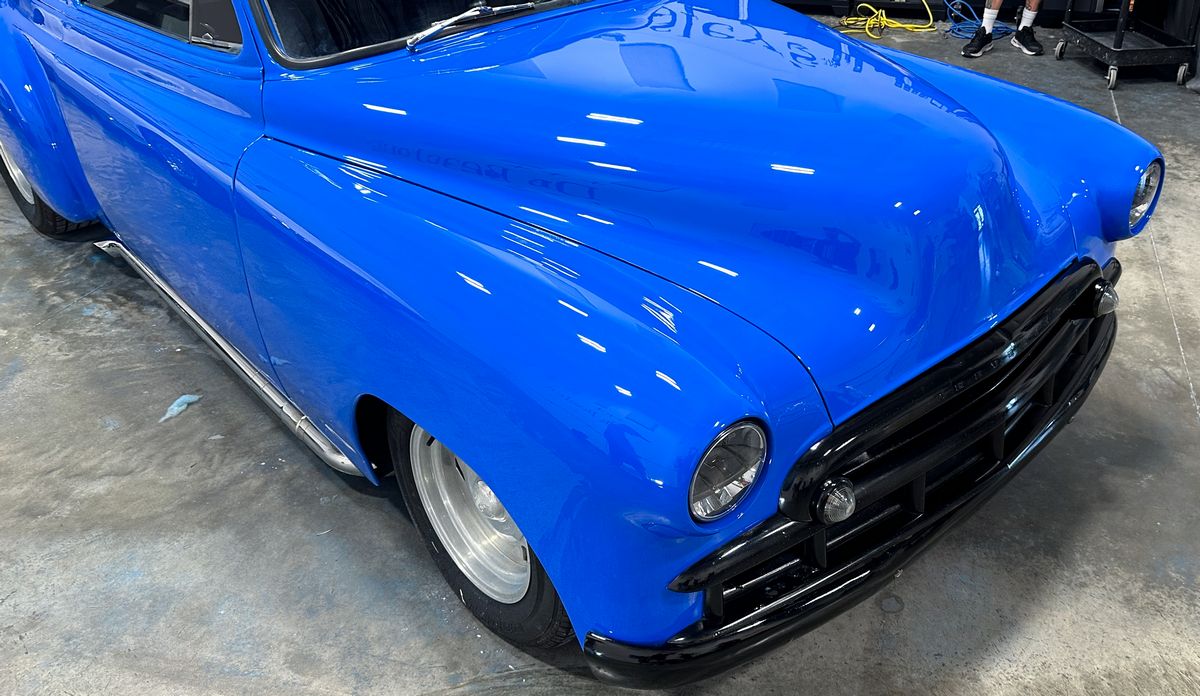
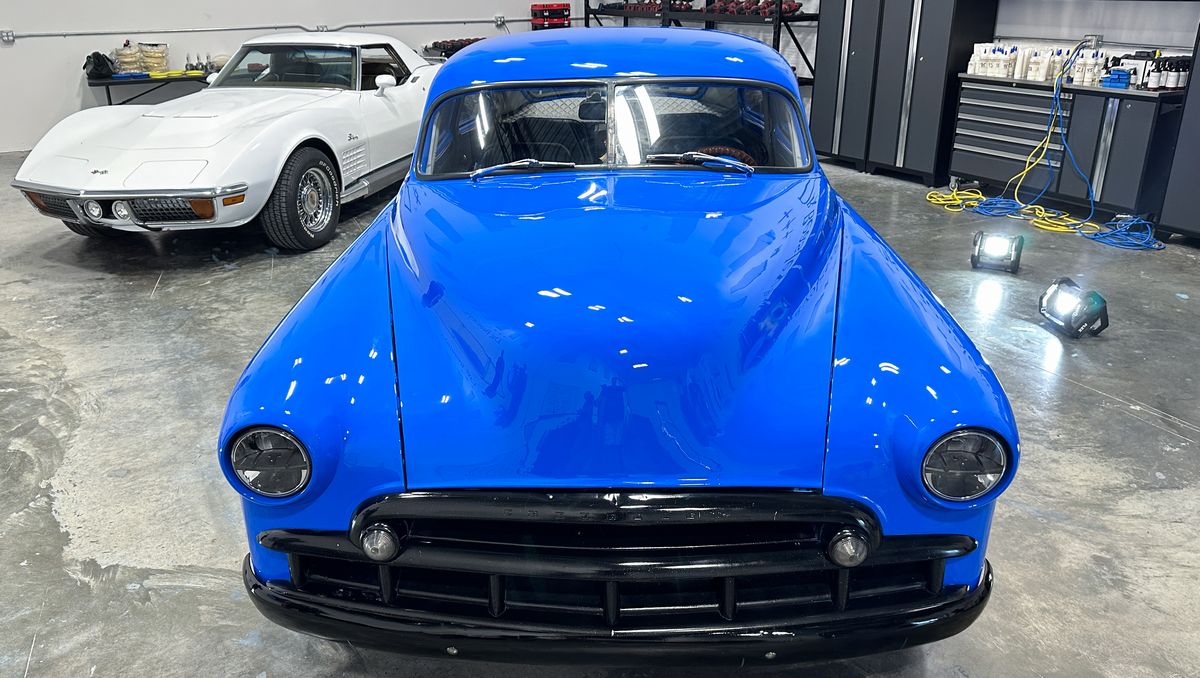
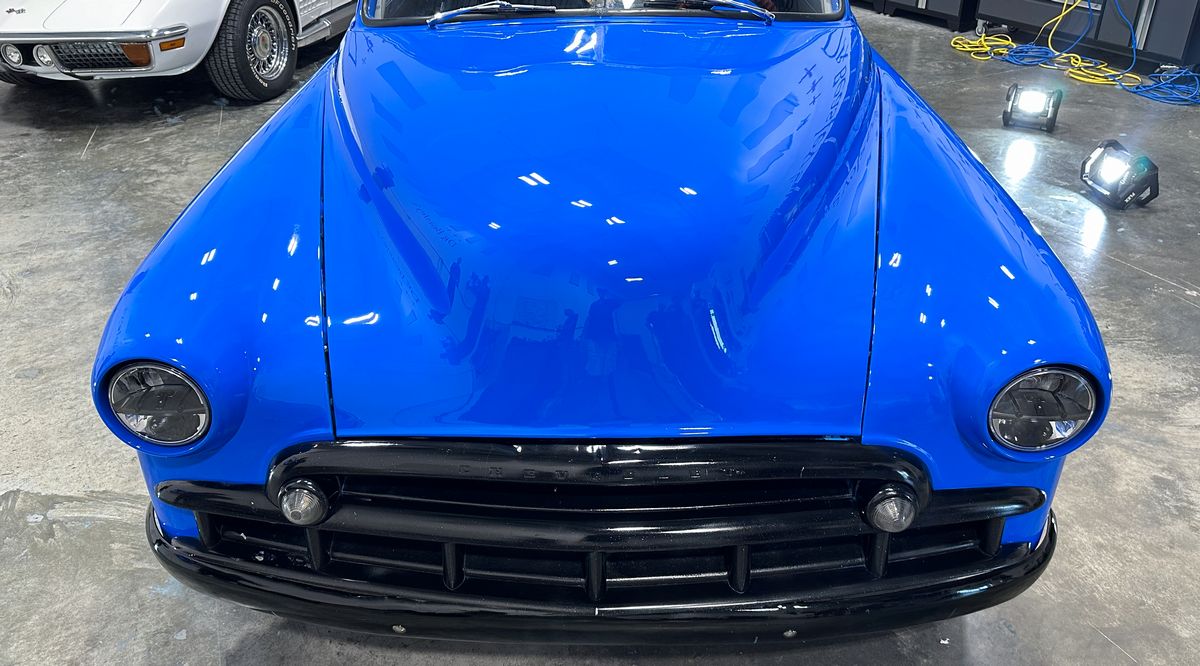
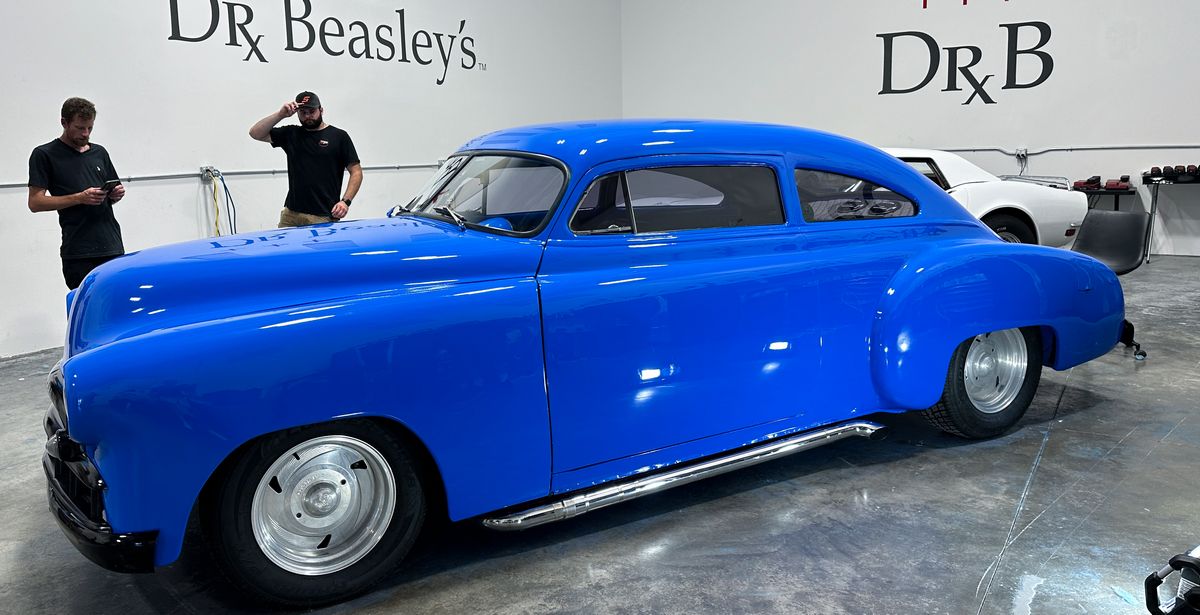
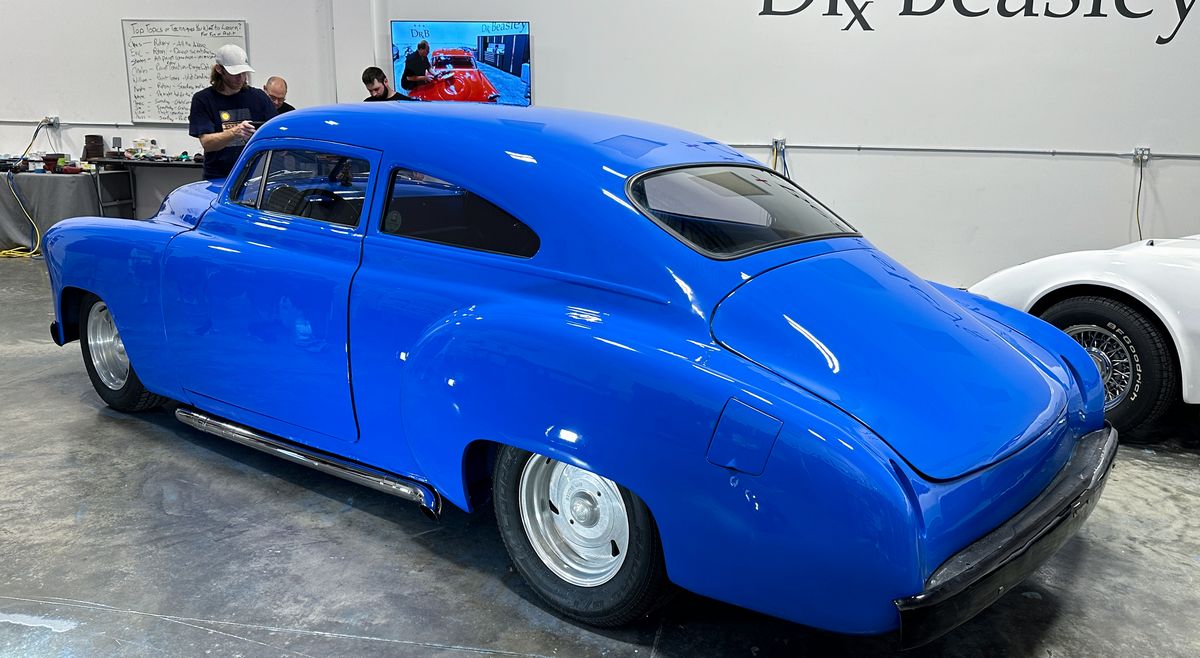
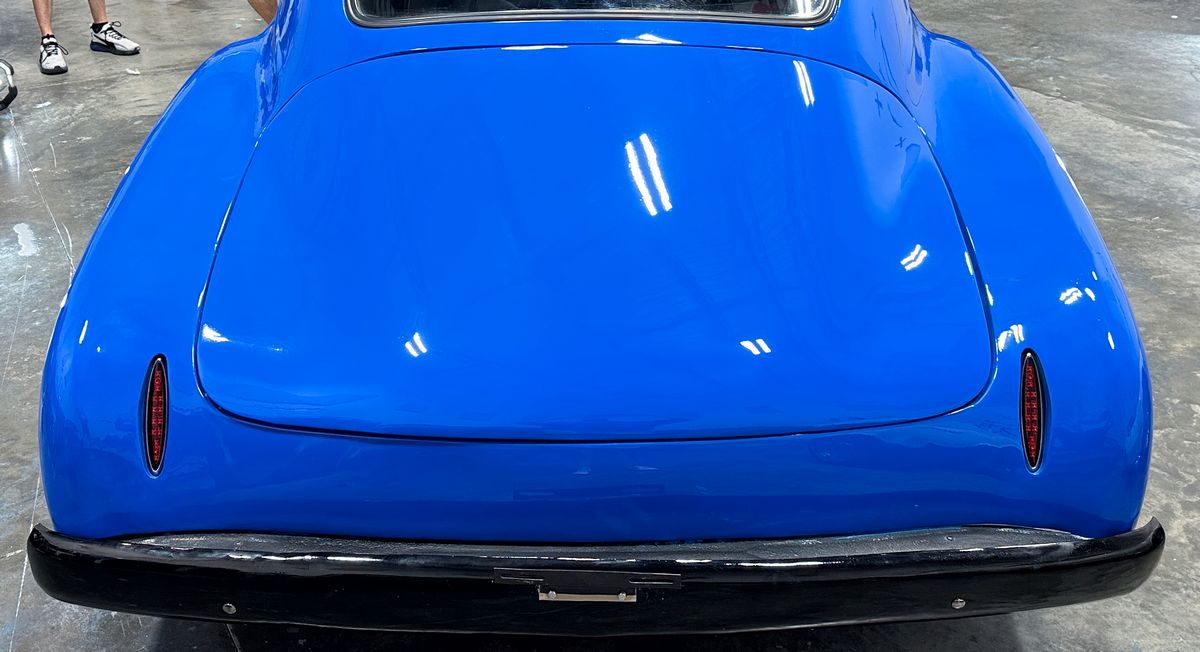
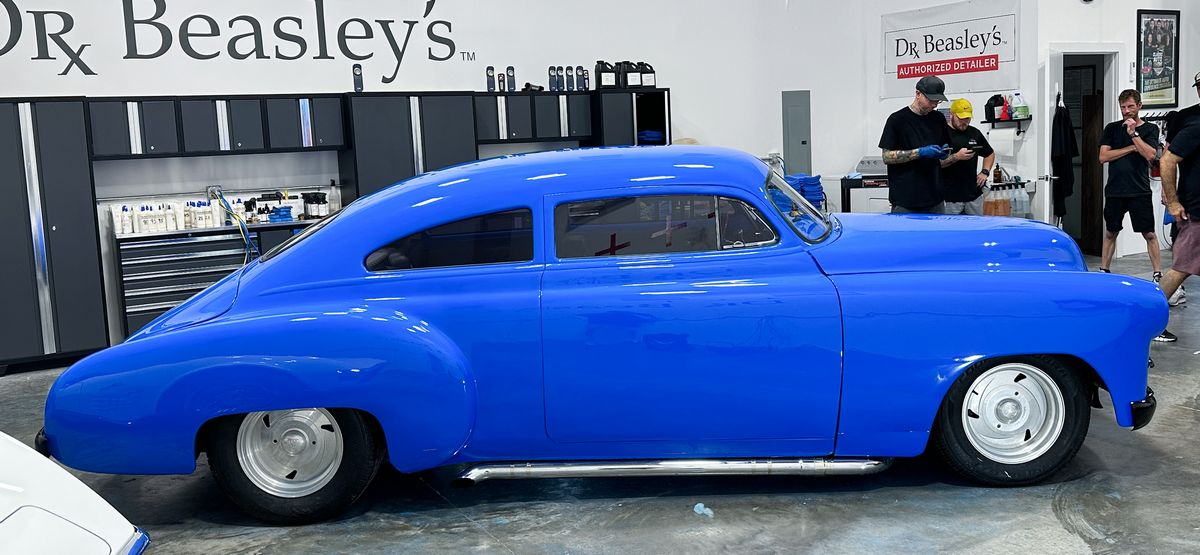
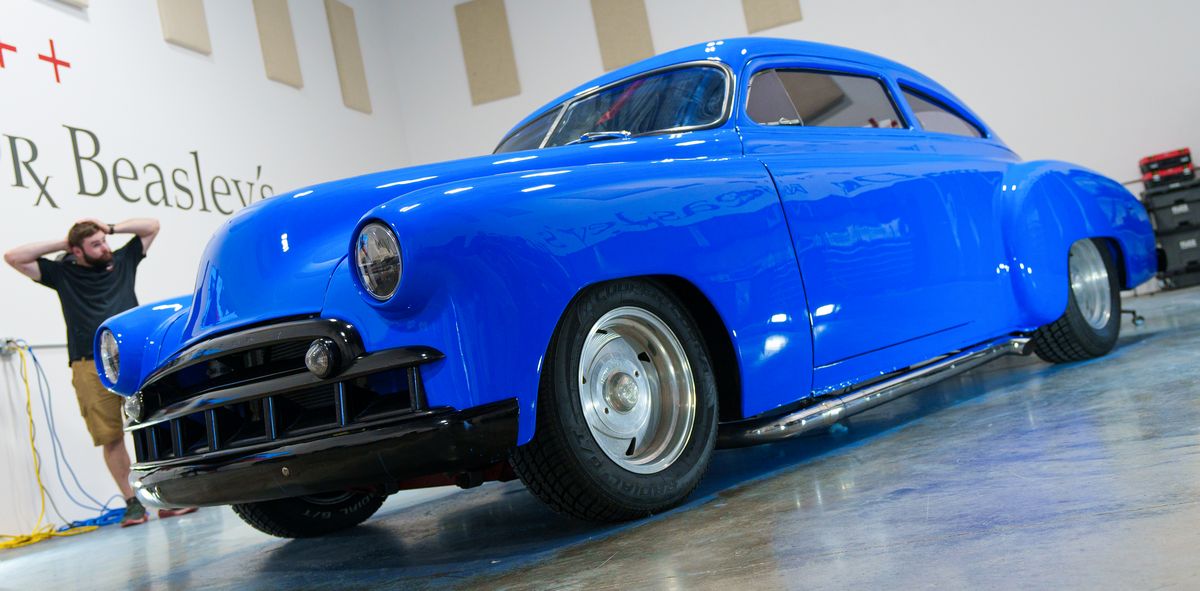
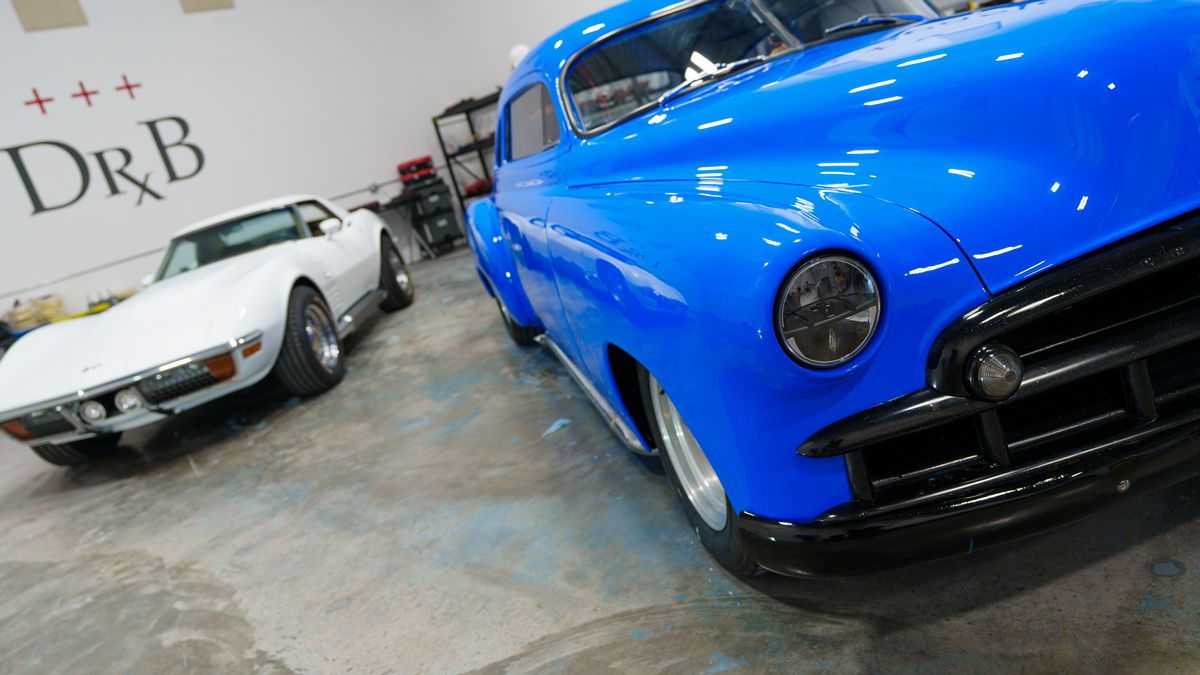
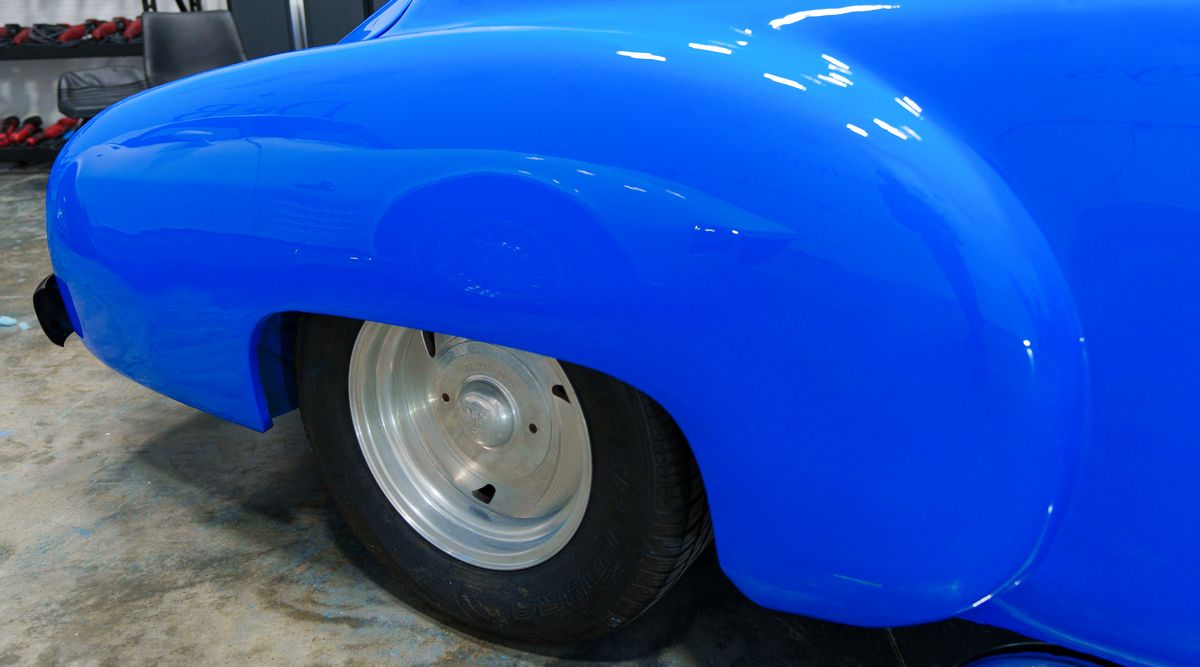
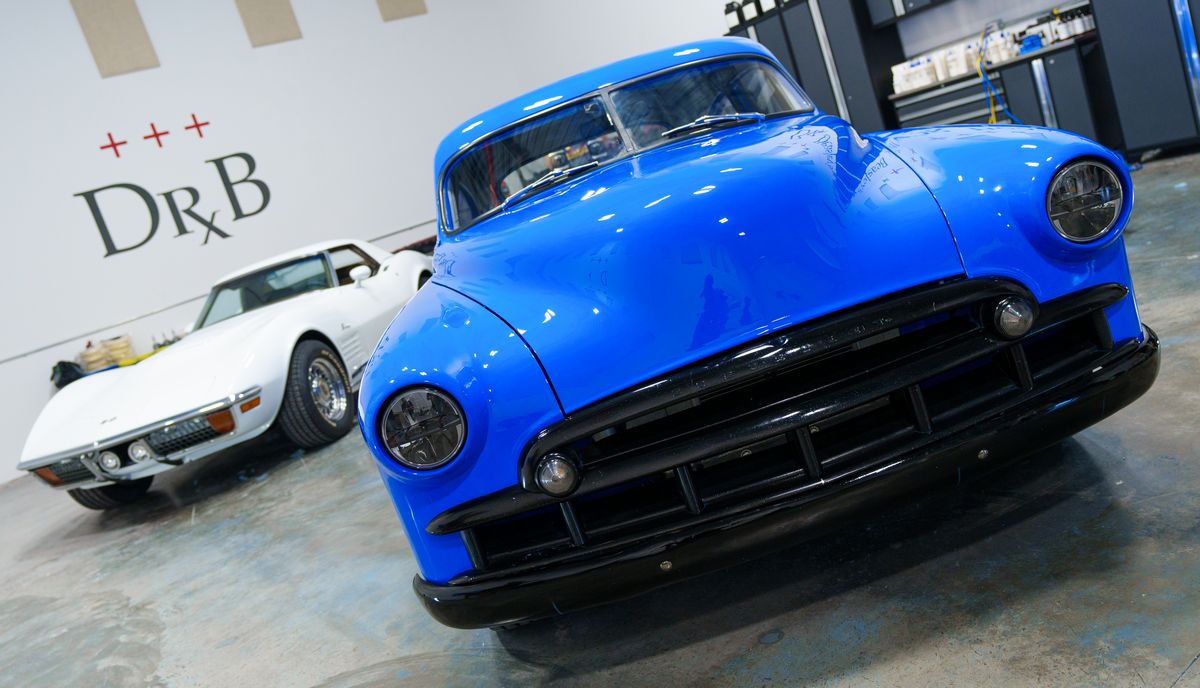
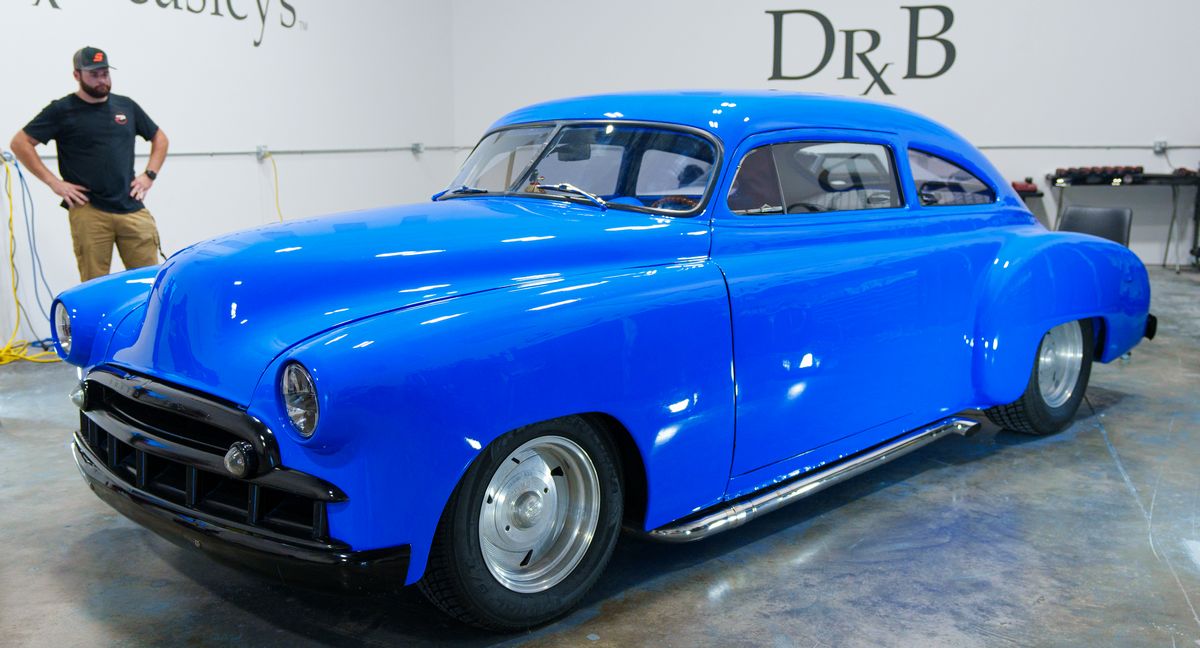
Final Results!
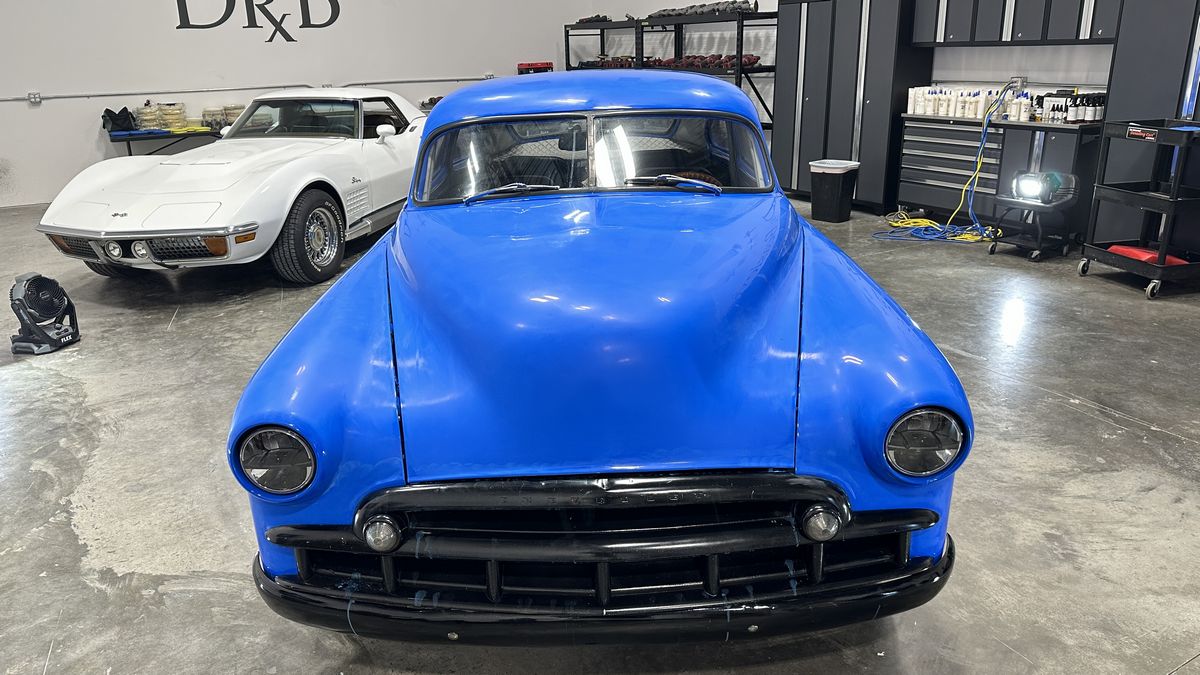
I highly recommend taking a moment to scroll up the page and revisit just how bad this paint looked before my class took over. The results you see below are nothing short of striking and dramatic!

full


full


full


full


full


full


full


full


full


full


See the 1972 Corvette Mirror Reflection?

full


full


full


Nice work everyone!
And now each of you completely understands what it means and what it will take to go from start to finish to buff out not a demo hood, or test panel, but the real-deal.

full


full


Mike
 
***Bump***

This is what the second day of our 2-day class looks like.

Compare our classes to any other class and if you learn better by doing versus sitting in a chair, then clear your schedule and get signed up for one of our classes.

100% hands-on zero disappointments


Mike
 
Back
Top