How to Remove Orange Peel - Fresh Paint Job

Text me a picture of your current project and I'll add here to your thread.

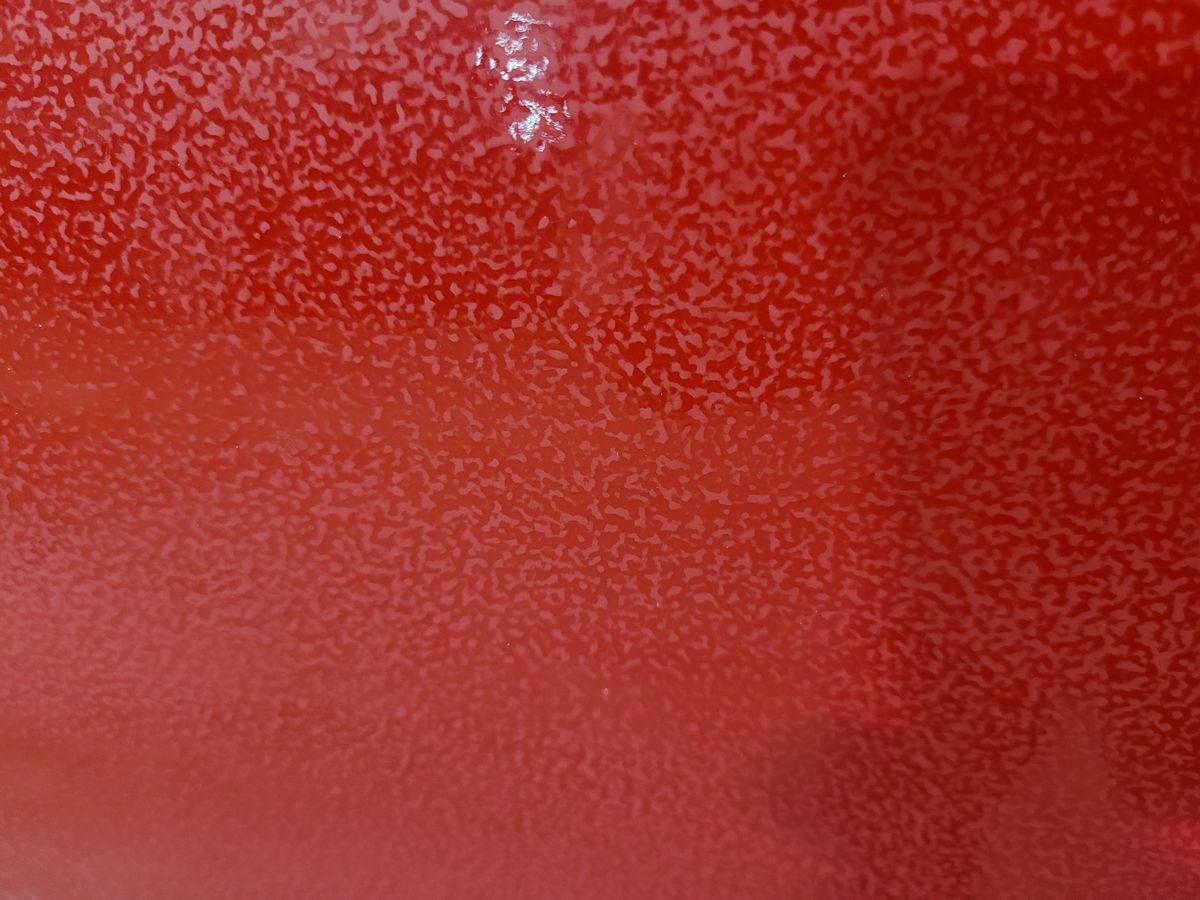
Hi Mike, sorry for the delay on this project, just tried the 1st step machine sanding with 1500, only question is how flat do you want to go here?

Totally flatten out orange peel or just knock it down?
I will attach a photo so you can kinda see where it is at, only on one bed side as of now.

Thanks Mike!

full


full
 
Hi Mike, sorry for the delay on this project, just tried the 1st step machine sanding with 1500, only question is how flat do you want to go here?

Totally flatten out orange peel or just knock it down?

I will attach a photo so you can kinda see where it is at, only on one bed side as of now.

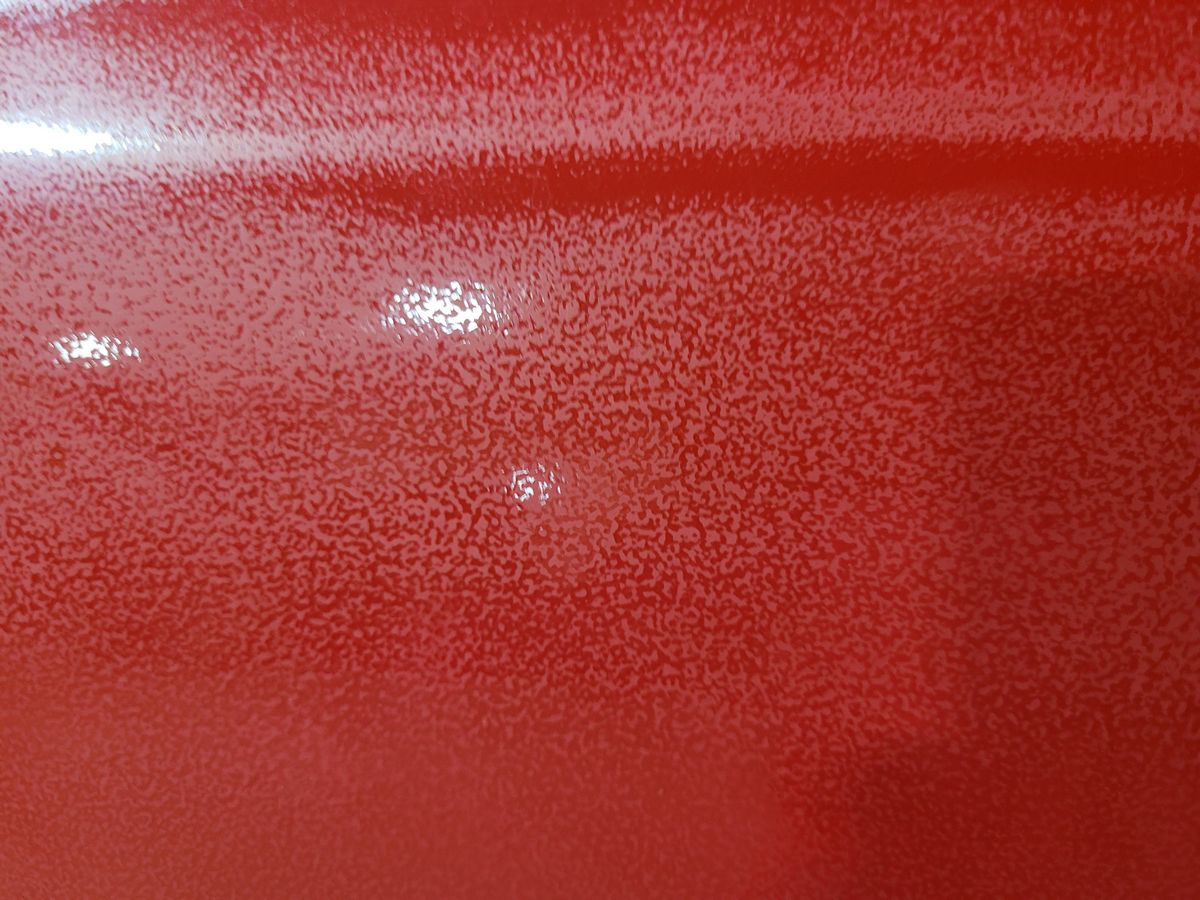
Normally - IF - you know you have plenty of film build, that is plenty of topcoat paint to sand and buff - then you sand until the paint is totally flat. When I look at your pictures, I see a lot of shiny spots - which are the low points that have not been sanded.

Ideally - you sand until the entire section of paint is dull with sanding marks.

If you're unsure - to me - it looks like you need to continue sanding, but let common sense rule the day. Any amount of sanding is going to reduce the level of orange peel and thus the paint is going to look much better.

If it were me? If you know you have plenty of clearcoat to sand - then I would continue sanding with the 1500 grit until the paint looks completely flat. Then move onto the next grit level and refine the 1500 grit sanding mark to make them more shallow for faster/easier buffing.


Great start!


Mike
 
Normally - IF - you know you have plenty of film build, that is plenty of topcoat paint to sand and buff - then you sand until the paint is totally flat. When I look at your pictures, I see a lot of shiny spots - which are the low points that have not been sanded.

Ideally - you sand until the entire section of paint is dull with sanding marks.

If you're unsure - to me - it looks like you need to continue sanding, but let common sense rule the day. Any amount of sanding is going to reduce the level of orange peel and thus the paint is going to look much better.

If it were me? If you know you have plenty of clearcoat to sand - then I would continue sanding with the 1500 grit until the paint looks completely flat. Then move onto the next grit level and refine the 1500 grit sanding mark to make them more shallow for faster/easier buffing.


Great start!


Mike
Mike Thanks for the prompt reply, there should be enough paint, I am going to do the whole process on the bed first , in case I need to repaint for any reason, have paint left and the box is far easier if needed. This paint is single stage urethane if that matters. Going to get it done here before long, will send you a final photo.Thanks for the guidance, I really appreciate it!
 
Mike Thanks for the prompt reply, there should be enough paint, I am going to do the whole process on the bed first , in case I need to repaint for any reason, have paint left and the box is far easier if needed.

Good pro-active thinking.

This paint is single stage urethane if that matters.

The only difference between sanding single stage (any type old or new paint chemistry) and clearcoat paint is with single stage paint - the hardness or softness is in part determined by the pigment used to color the paint. An example would be,

  • White paint gets its color from Titanium Dioxide - which is a very hard mineral and it makes the single stage white paint very hard.
  • Black paint gets its color from Carbon Black - which is a very soft engineered, manufactured material and it makes single stage black paint very soft.

  • The harder the paint - the more work is required to sand the hard materail.
  • The softer the paint - the less work is required to sand the soft material.

Besides this difference, sanding and buffing will be the same.

IMPORTANT: The thing you really want to be careful around with any type of paint but in my expereince, even moreso with single stage paint is sanding on or near and then buffing on or near,

  • Panel Edges
  • Raised body lines

So sand up to these areas but don't sand on them. Buff up to these areas - but don't buff on them.

Make sense?


Thanks for the guidance, I really appreciate it!

All good, I know what it's like to take on a huge project like painting, sanding and buffing your first paint job.


Mike

 
Back
Top