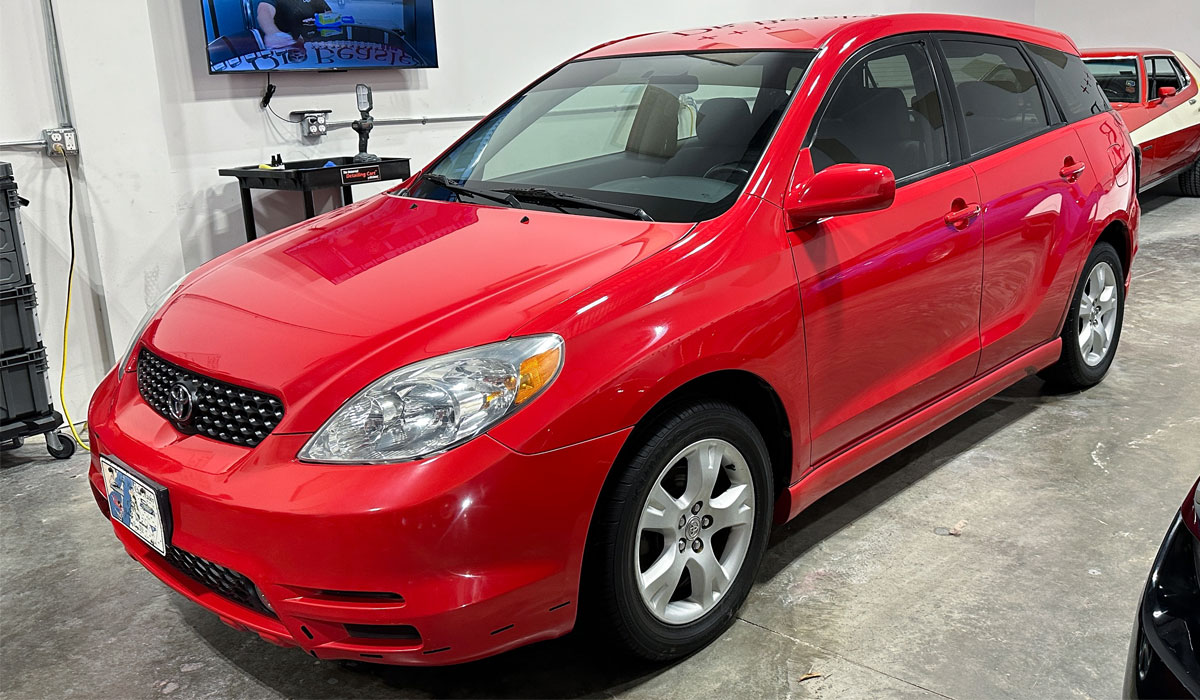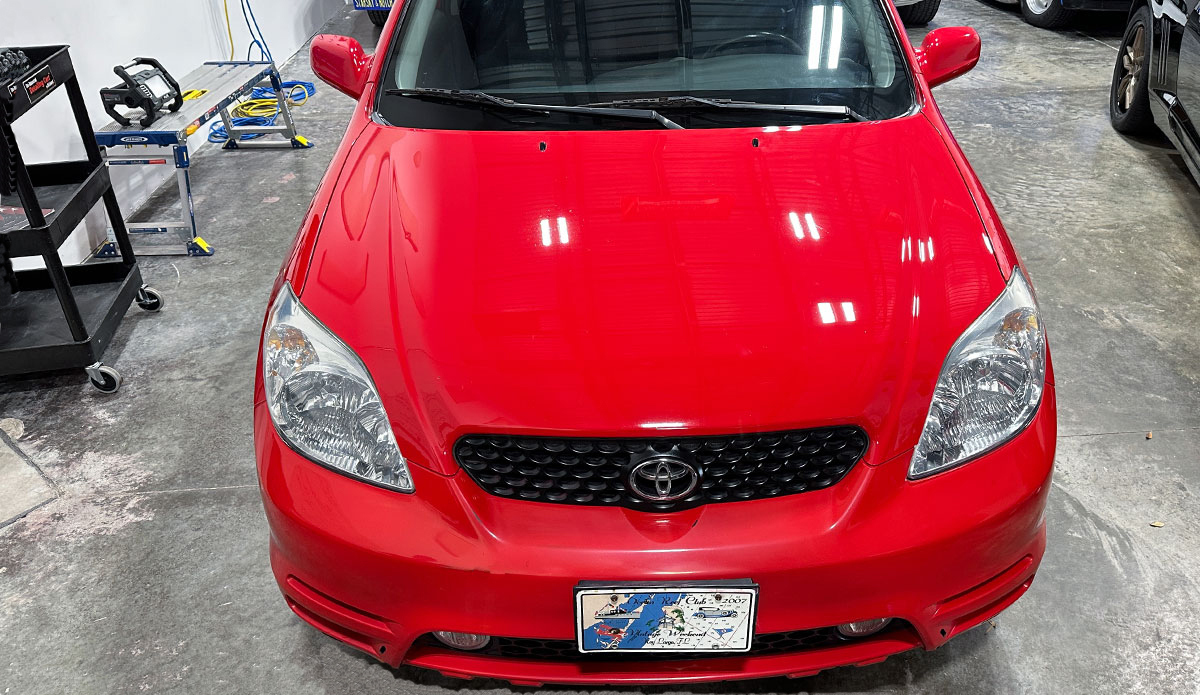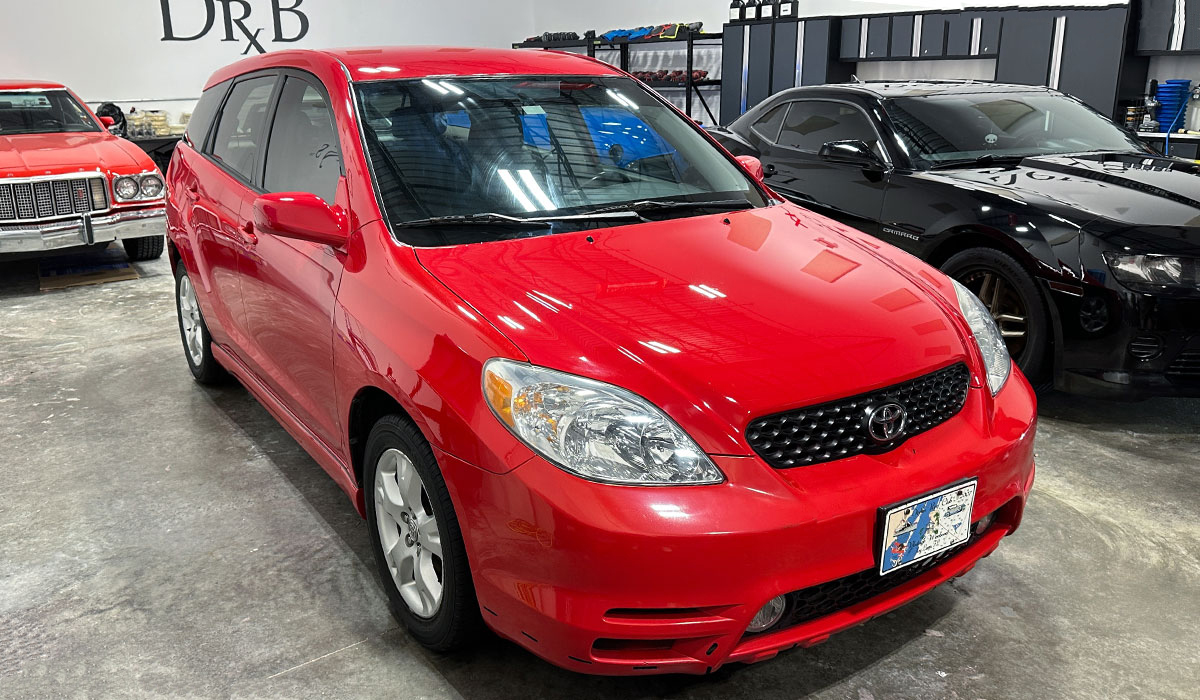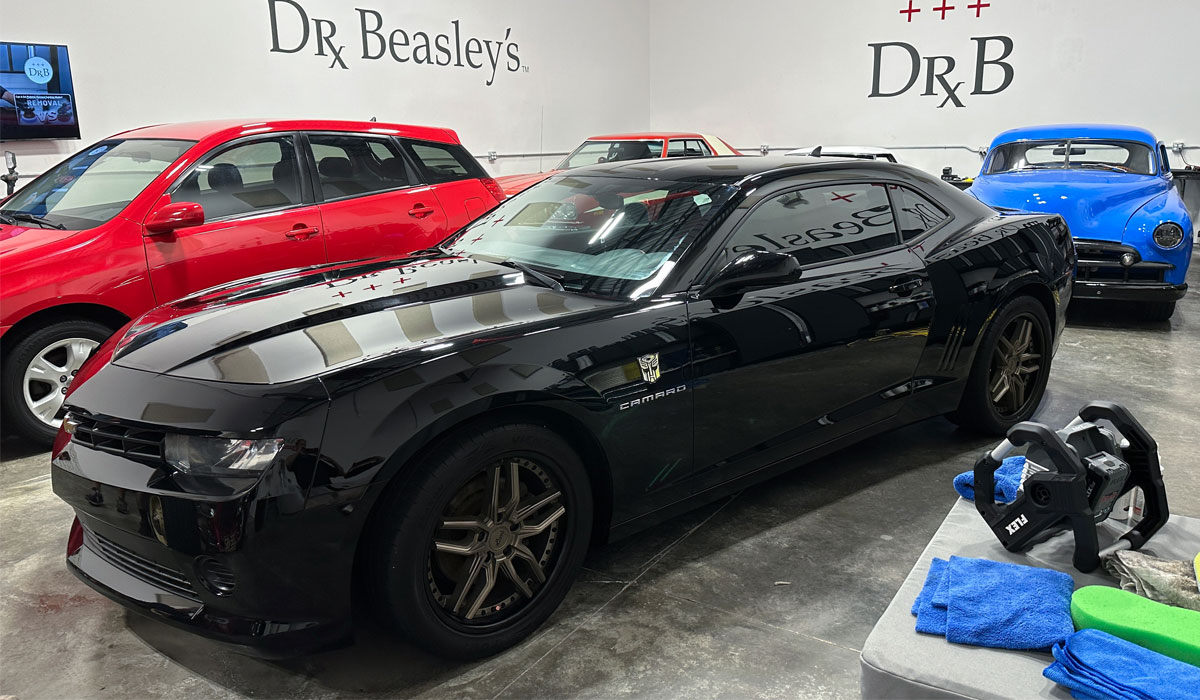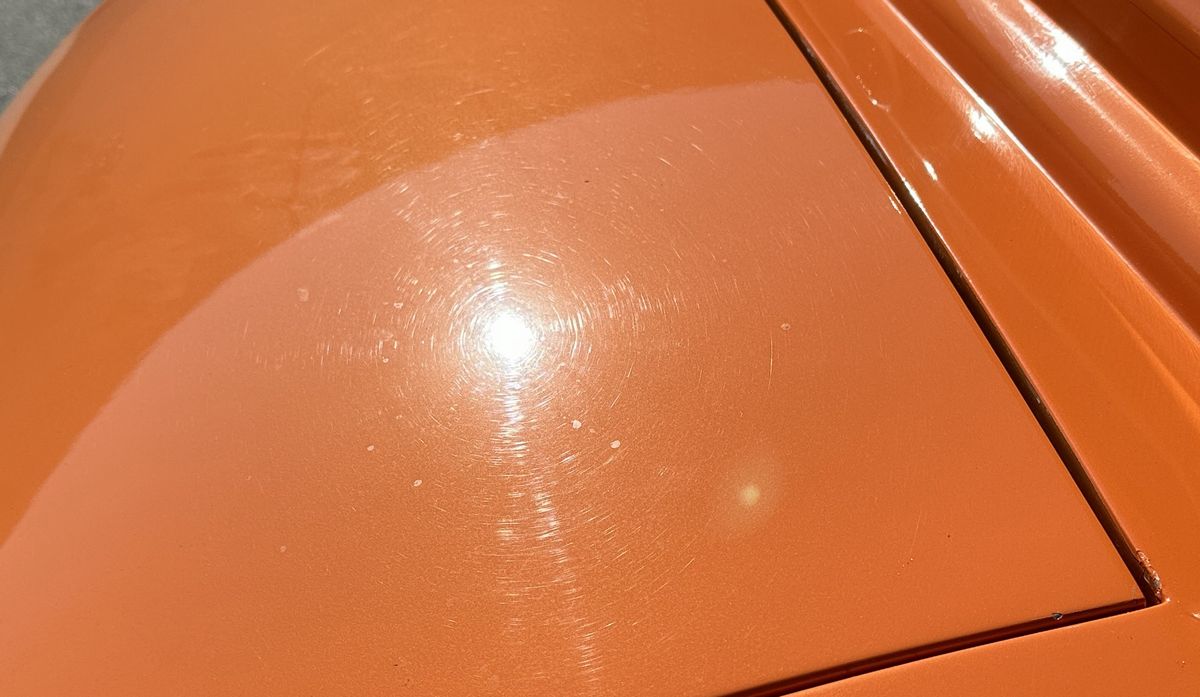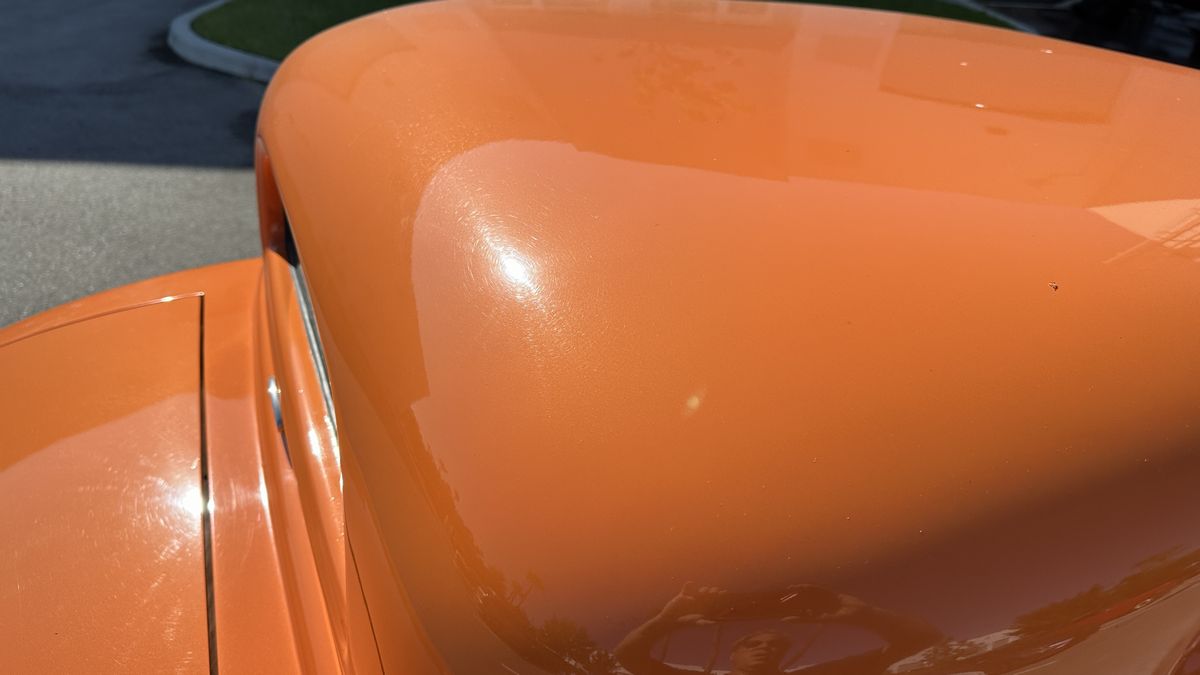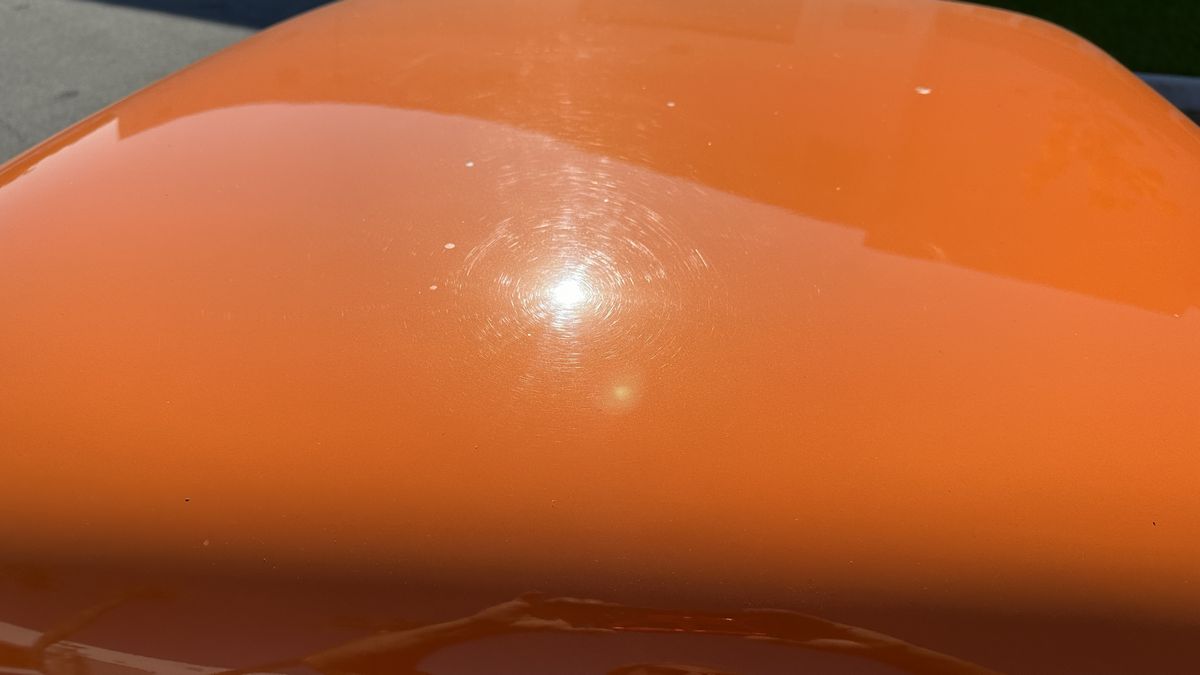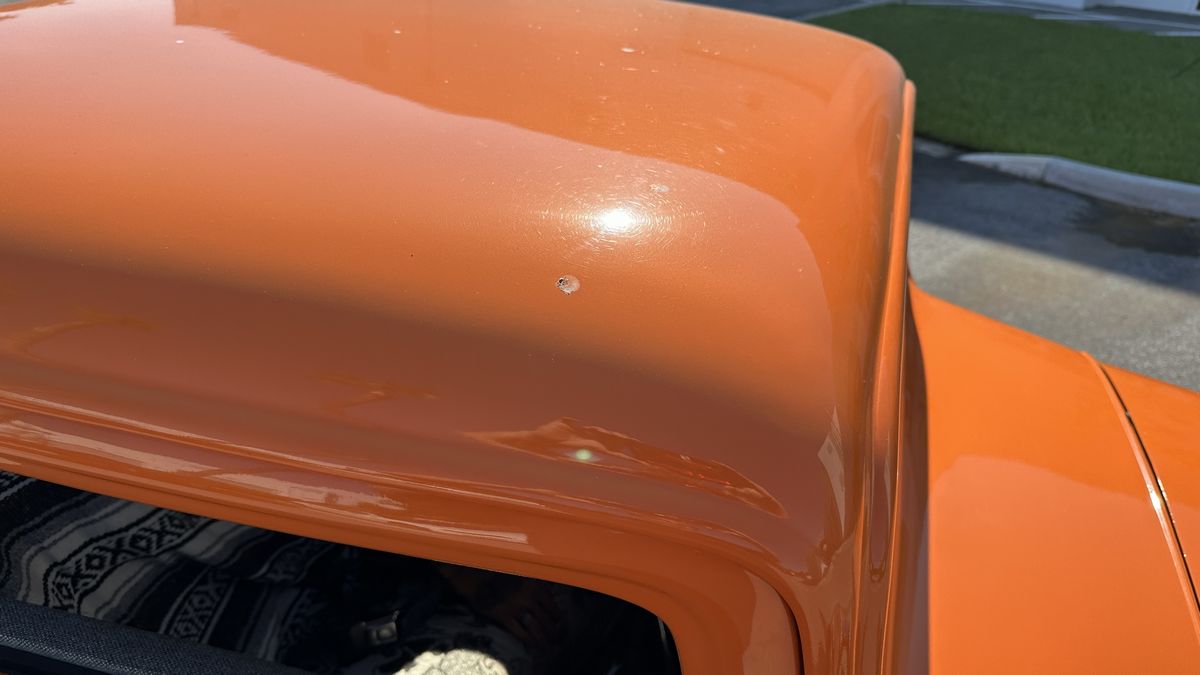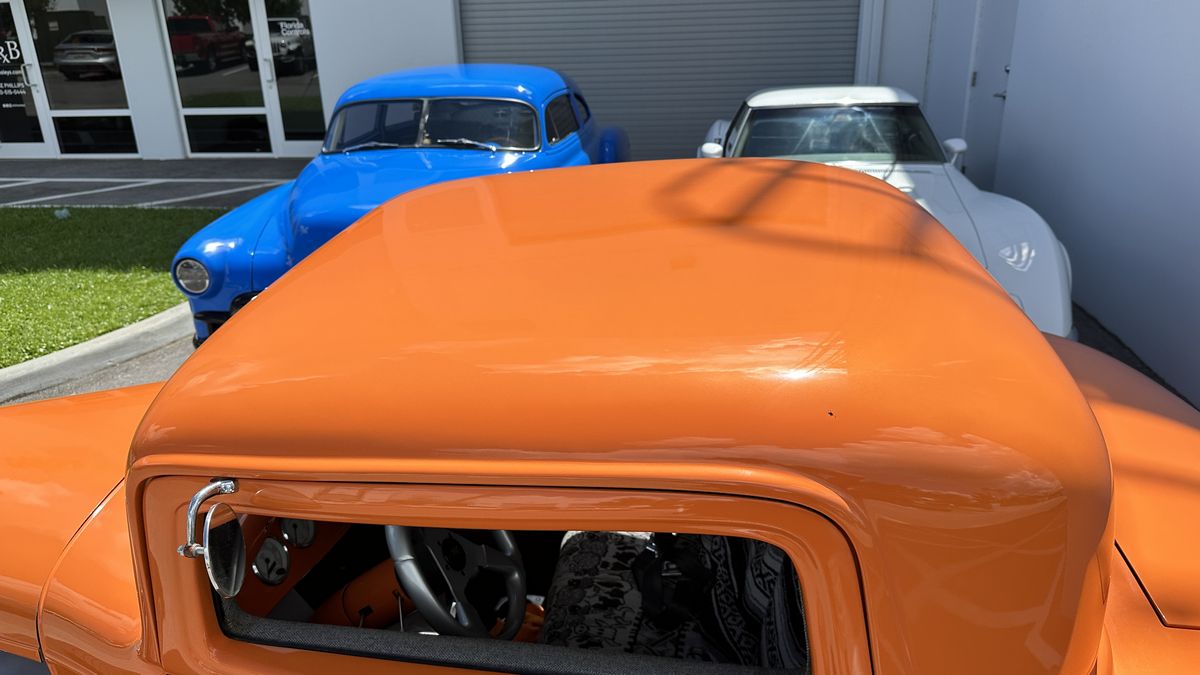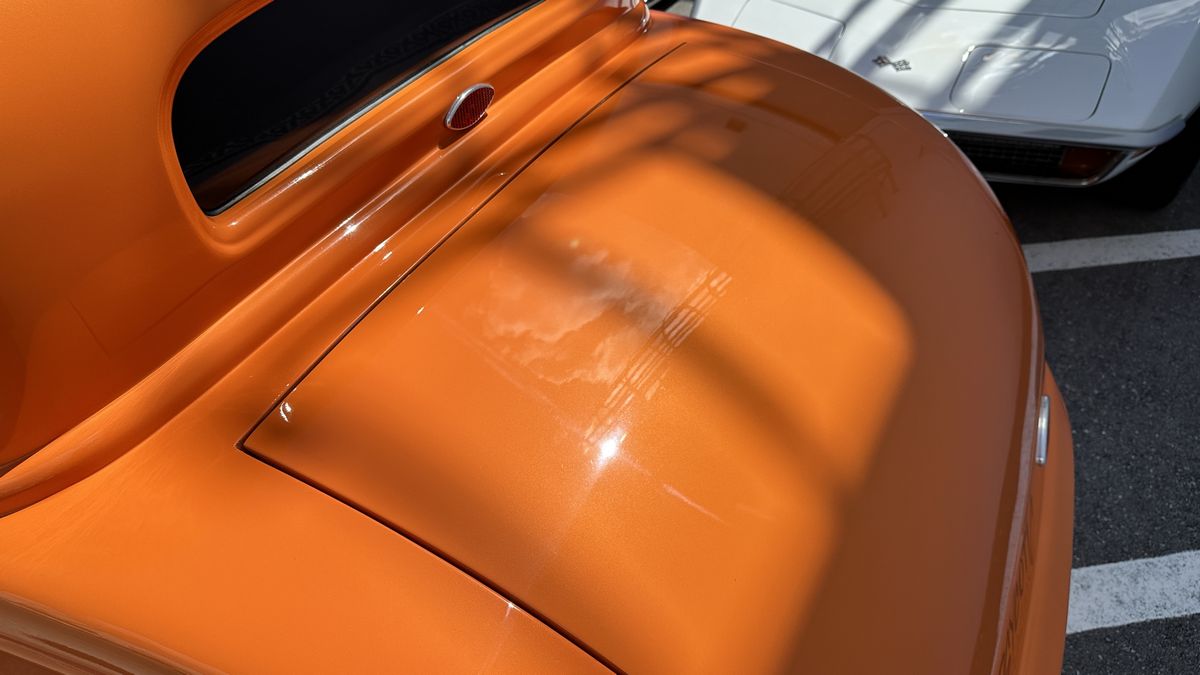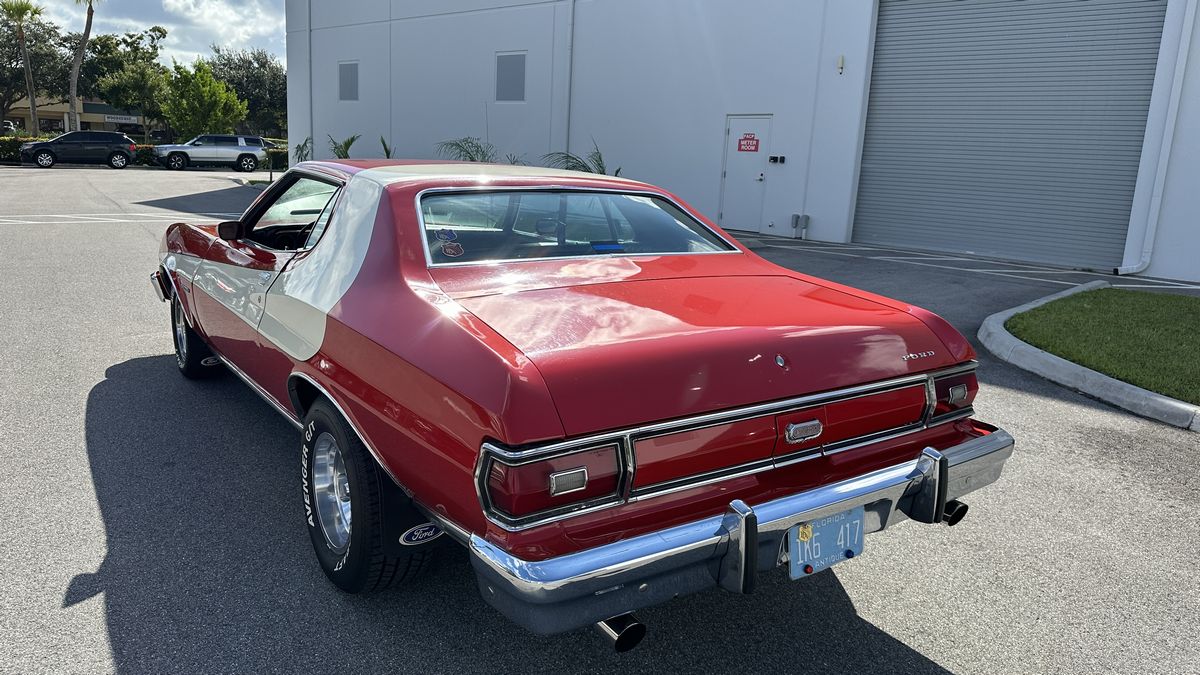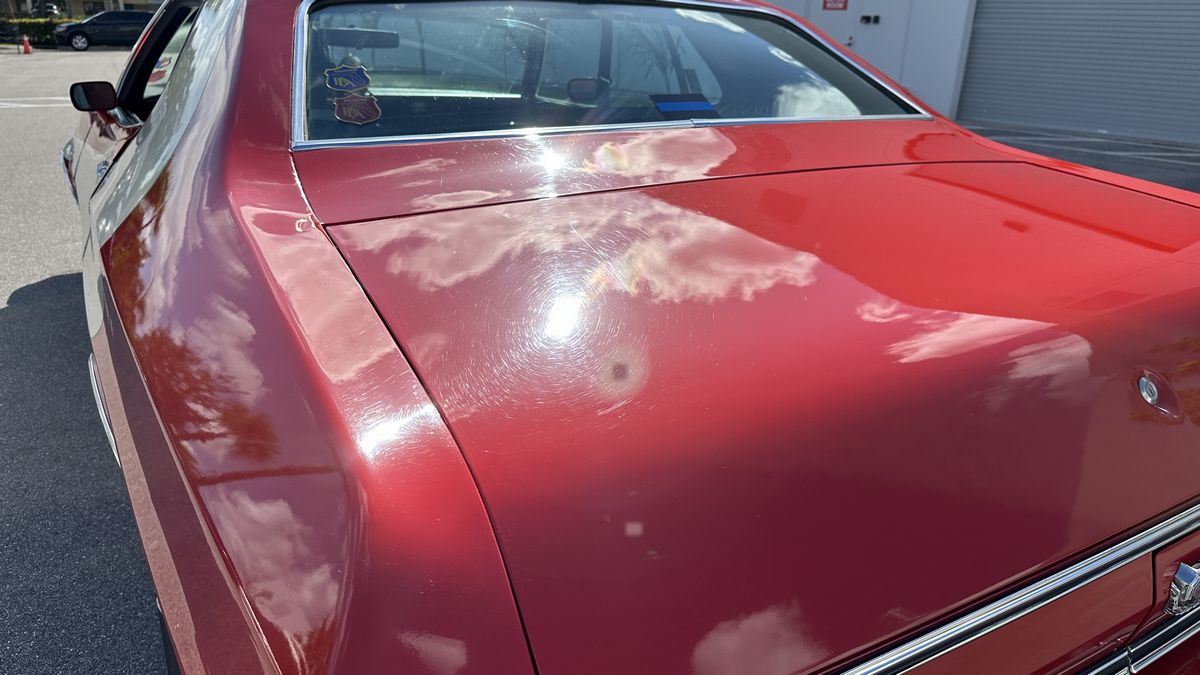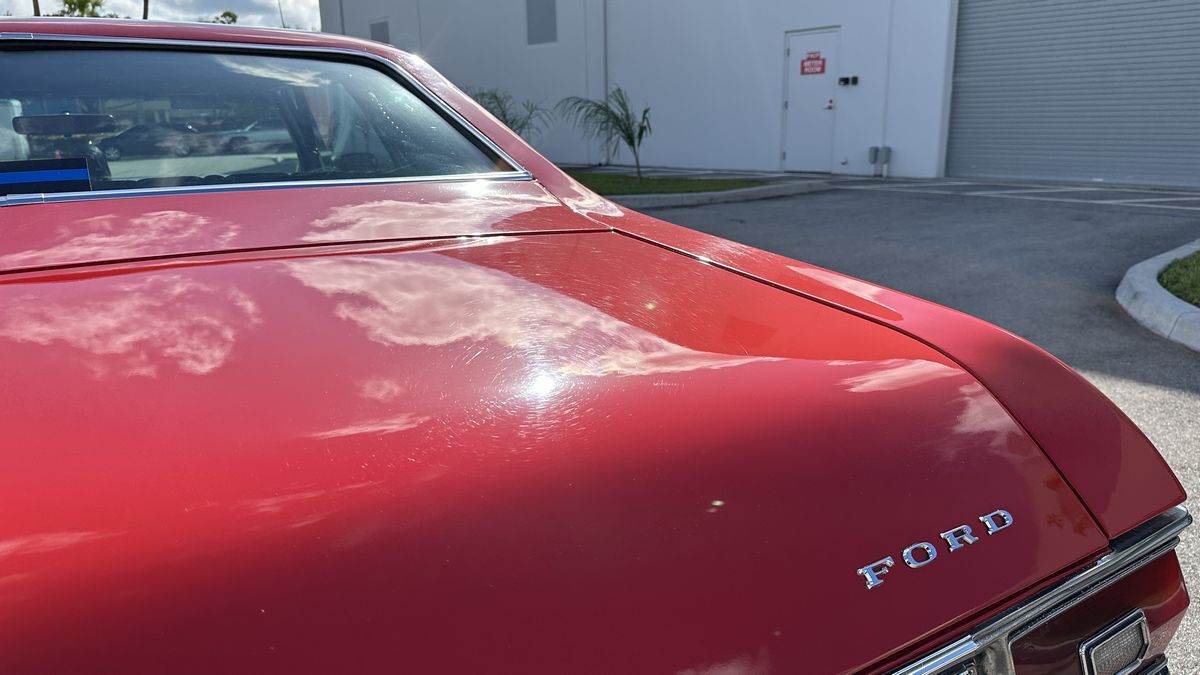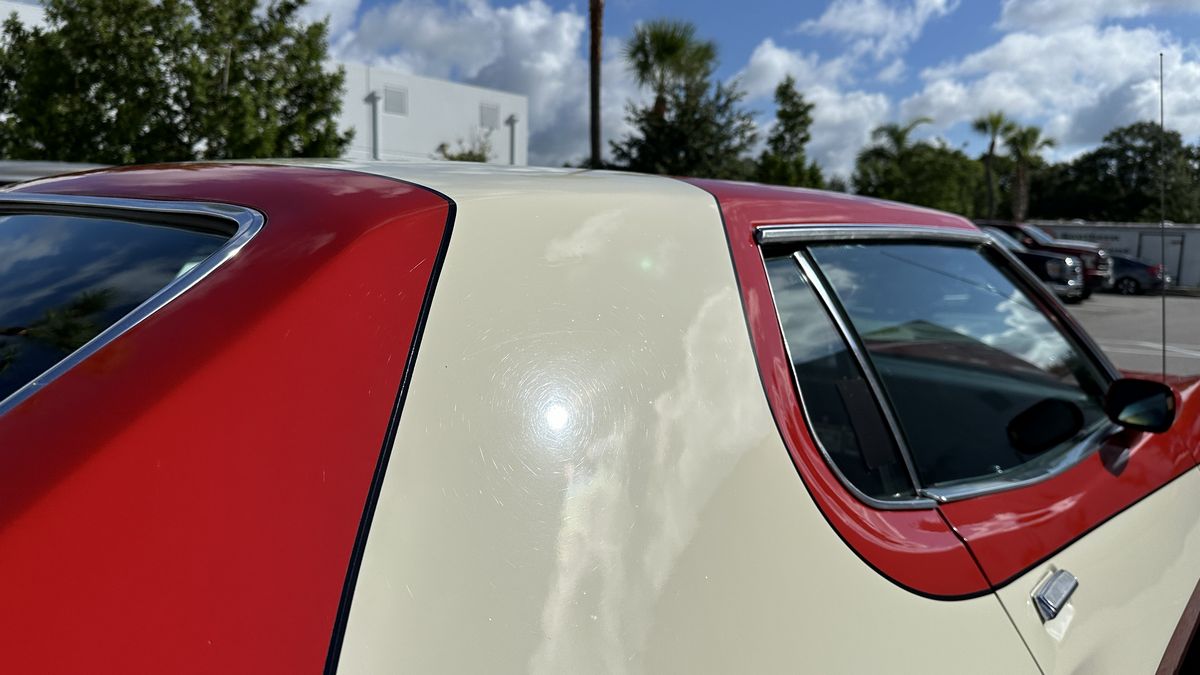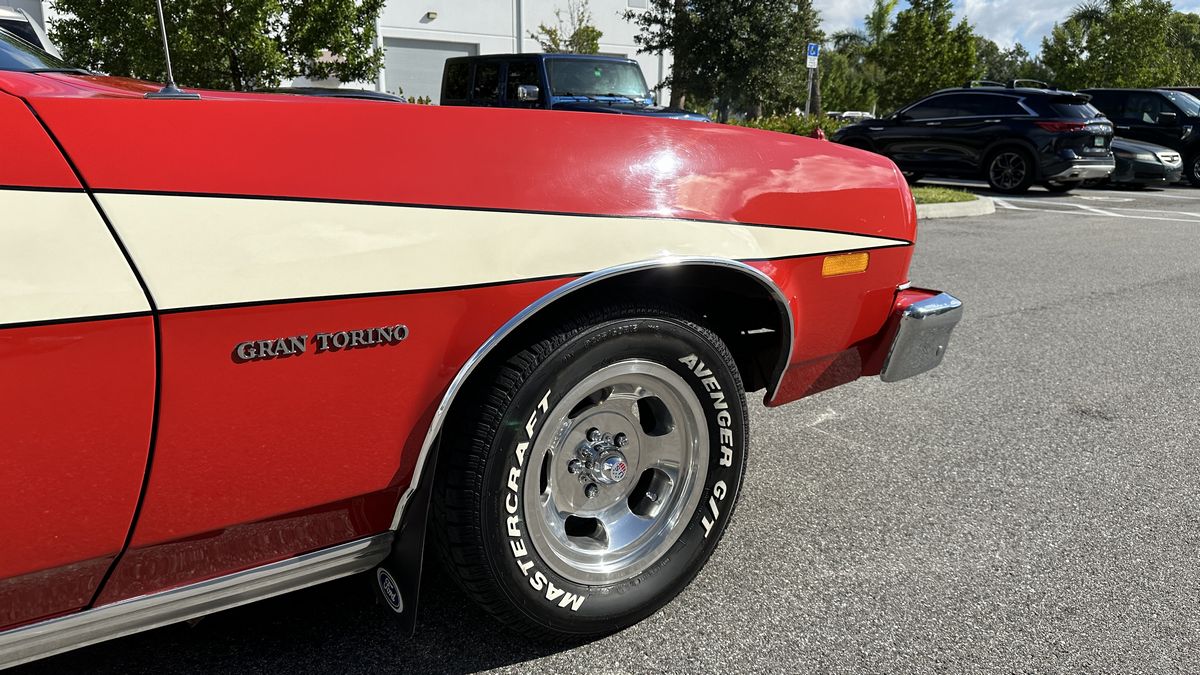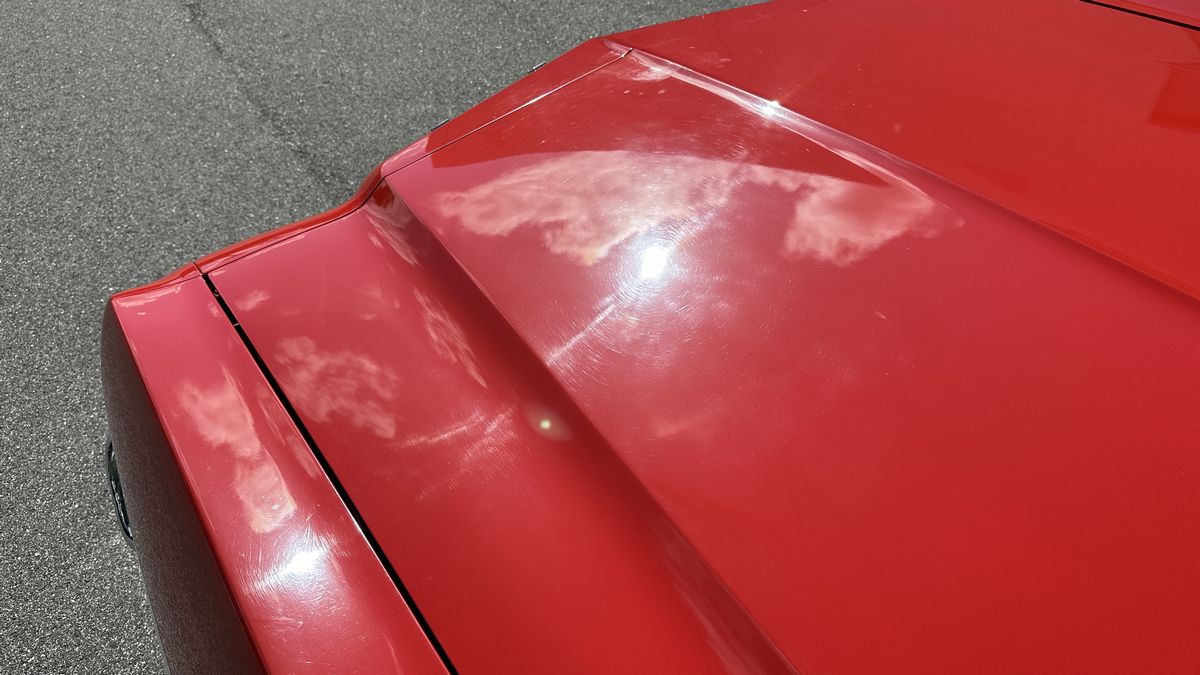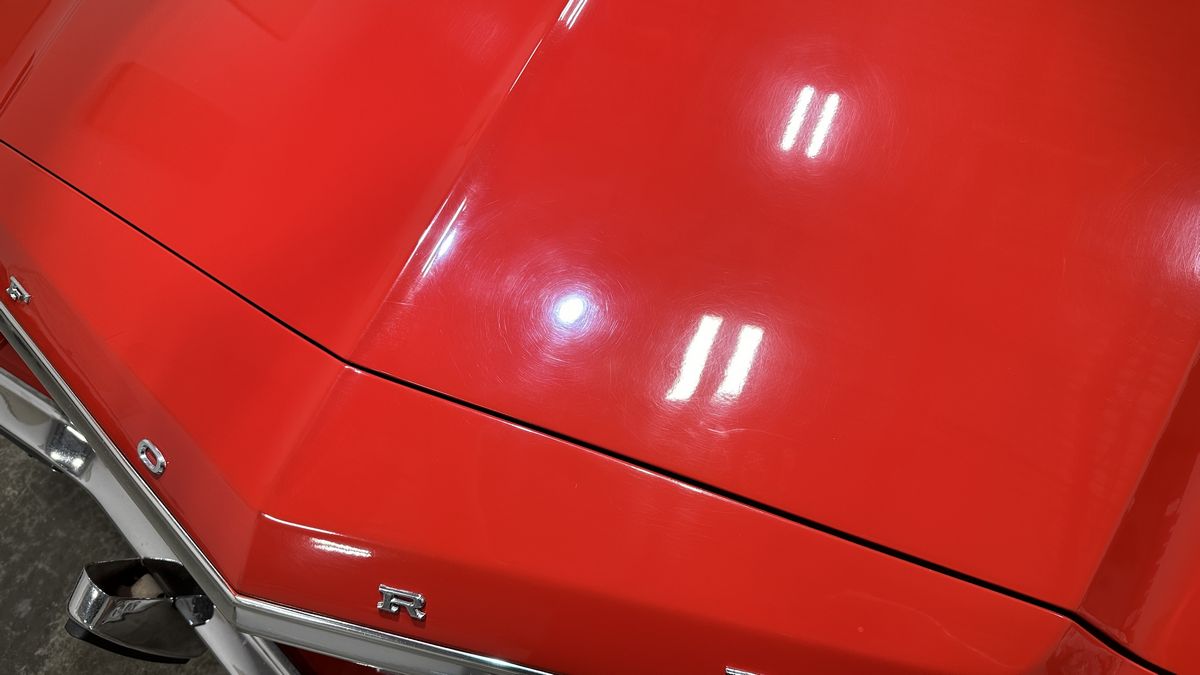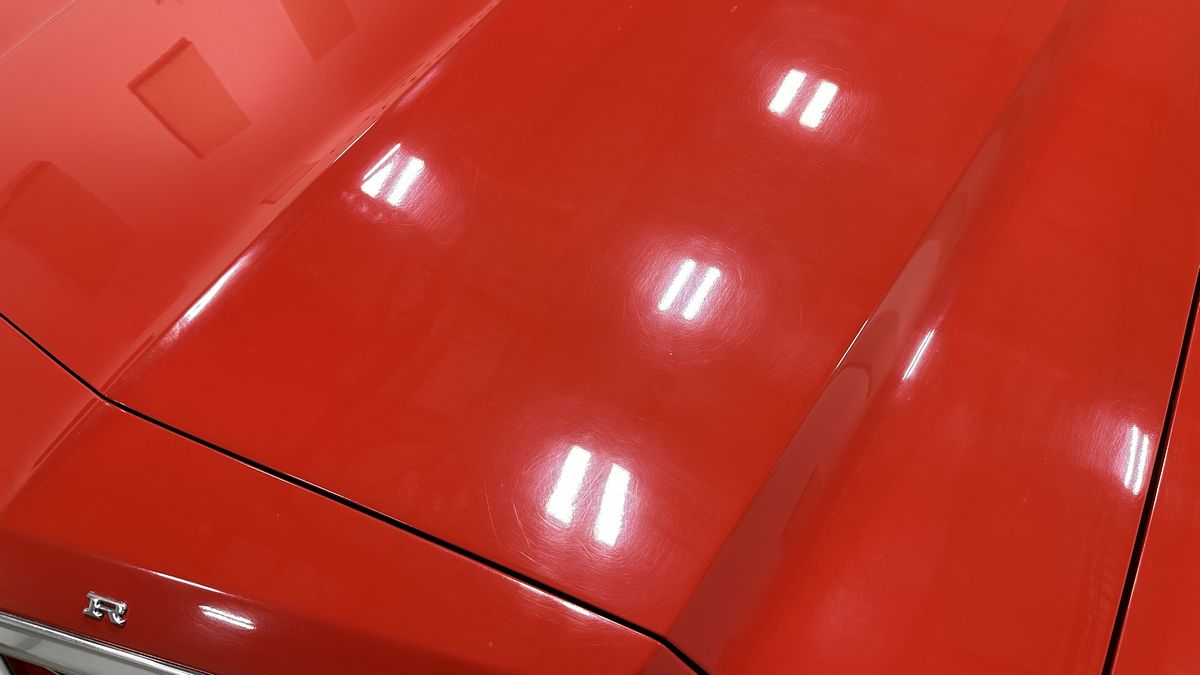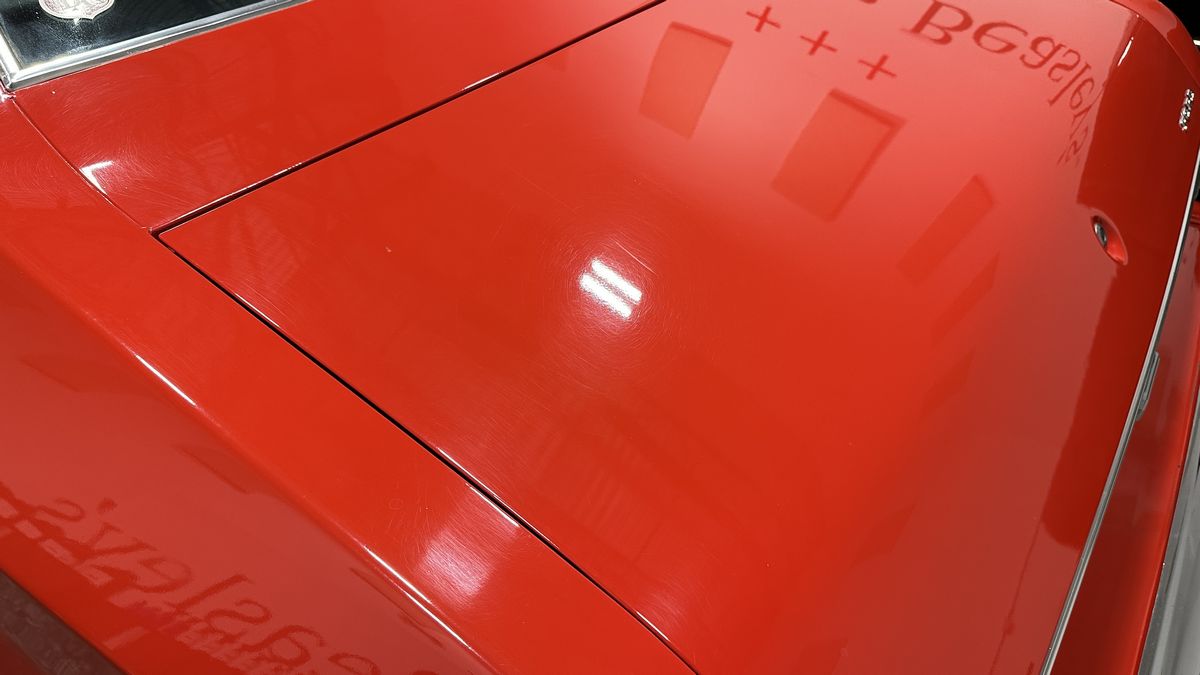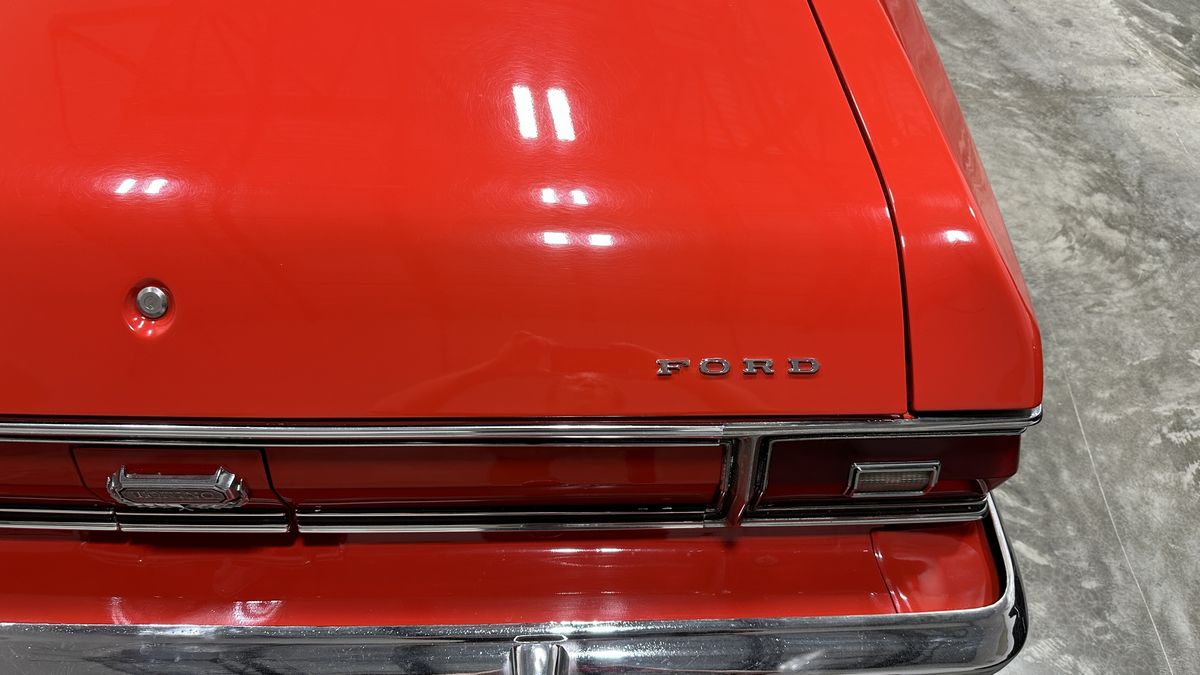

587 Pictures - No Chairs! No Sitting! September 2024 Detailing Class with Mike Phillips

Continued....

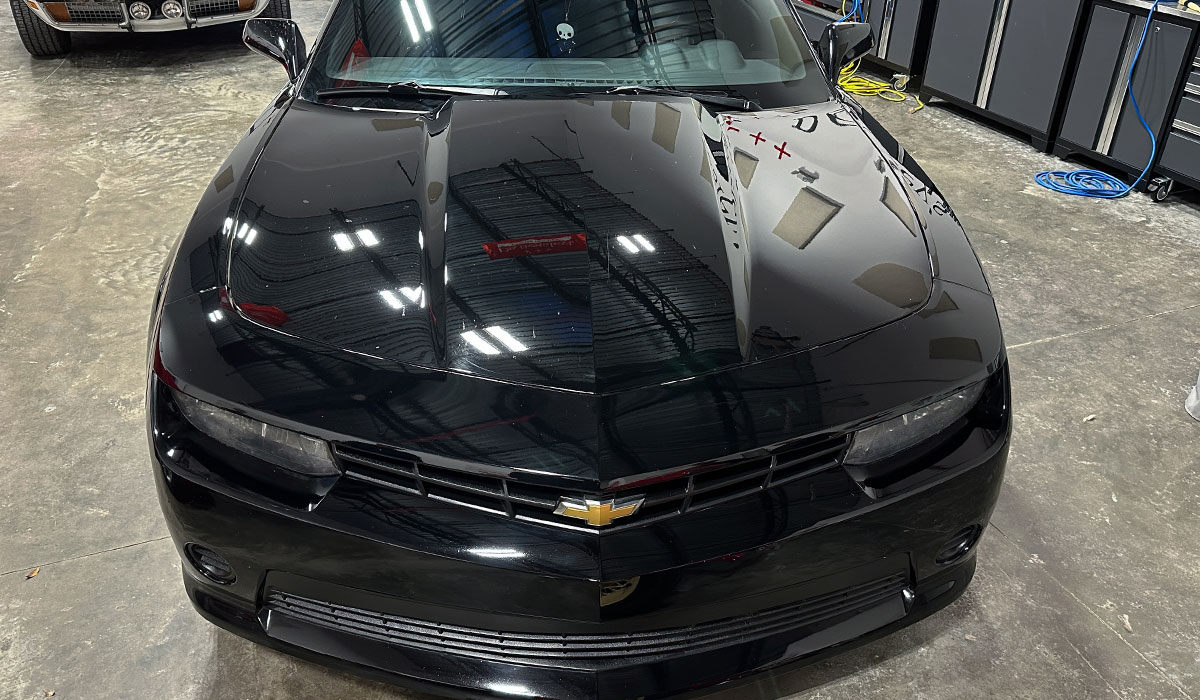
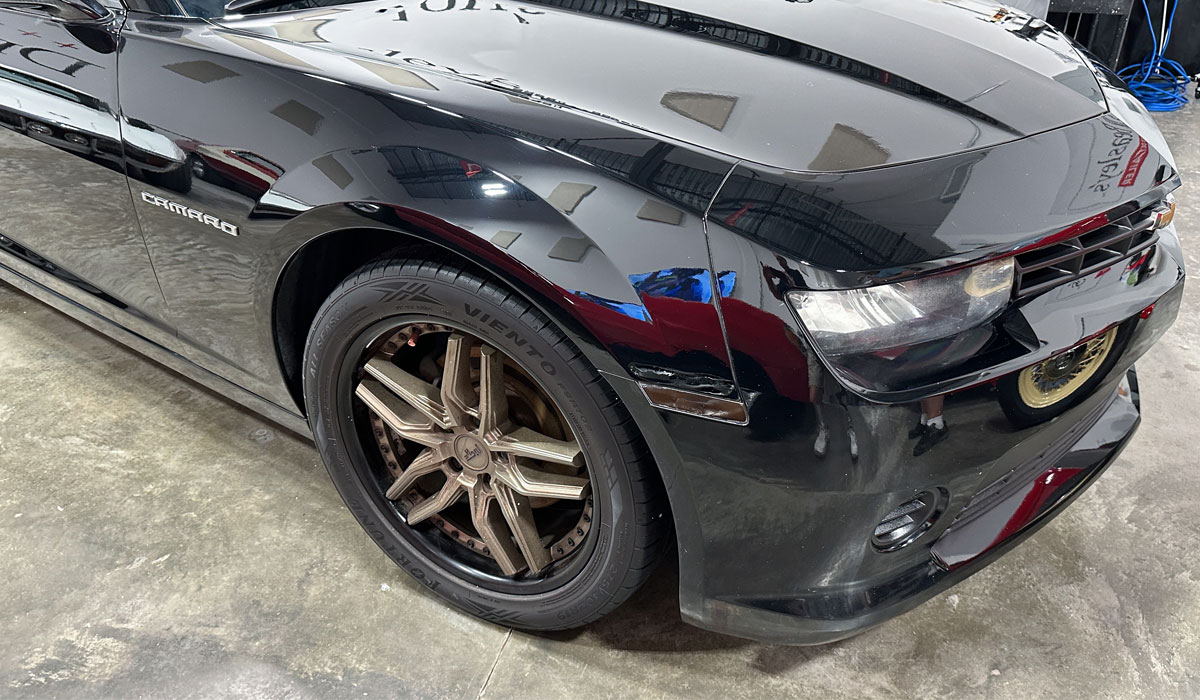
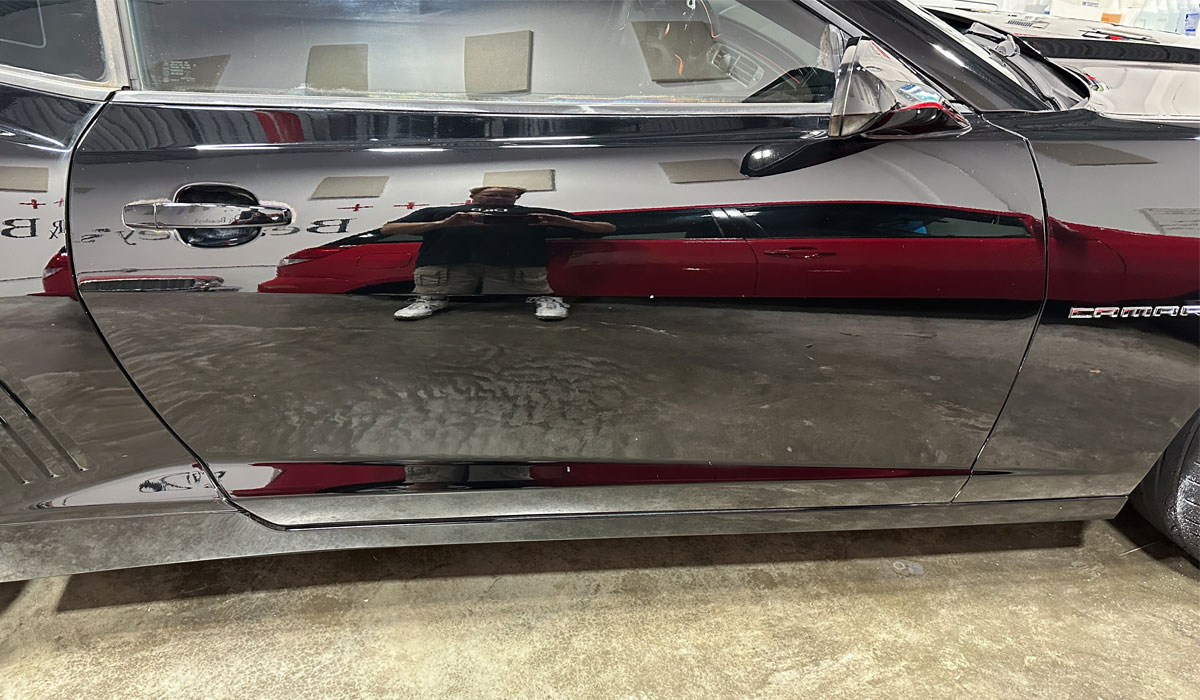
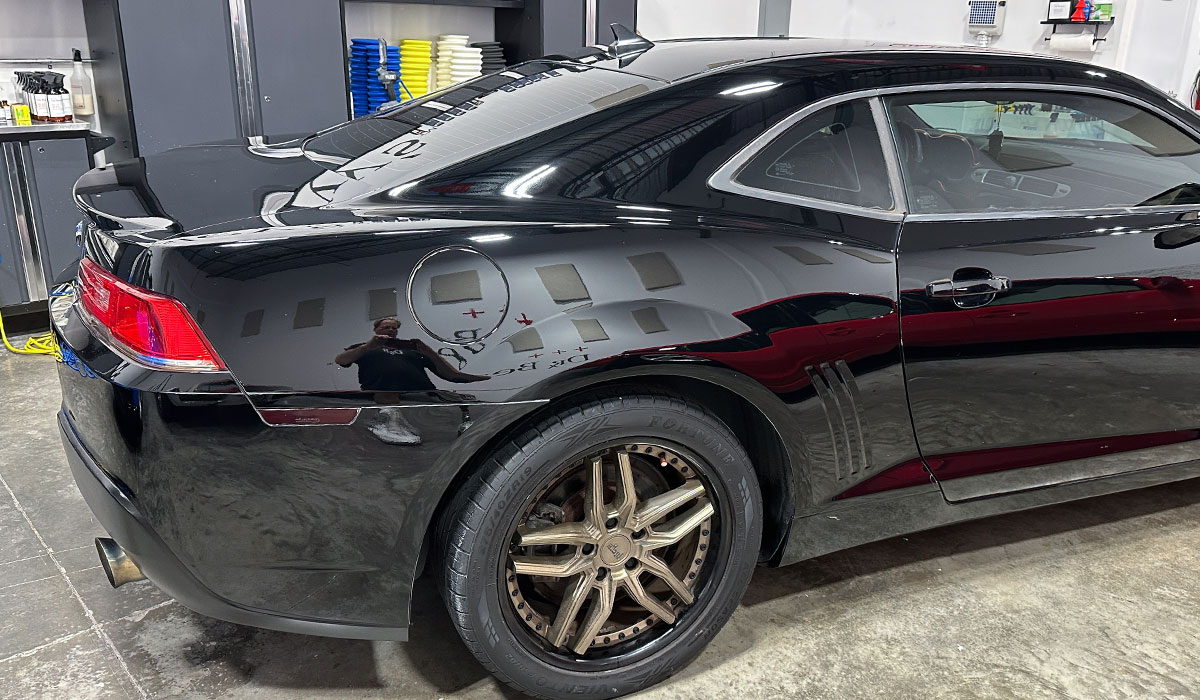
Saturday Morning - 1-Step Ceramic AIO Paint Correction
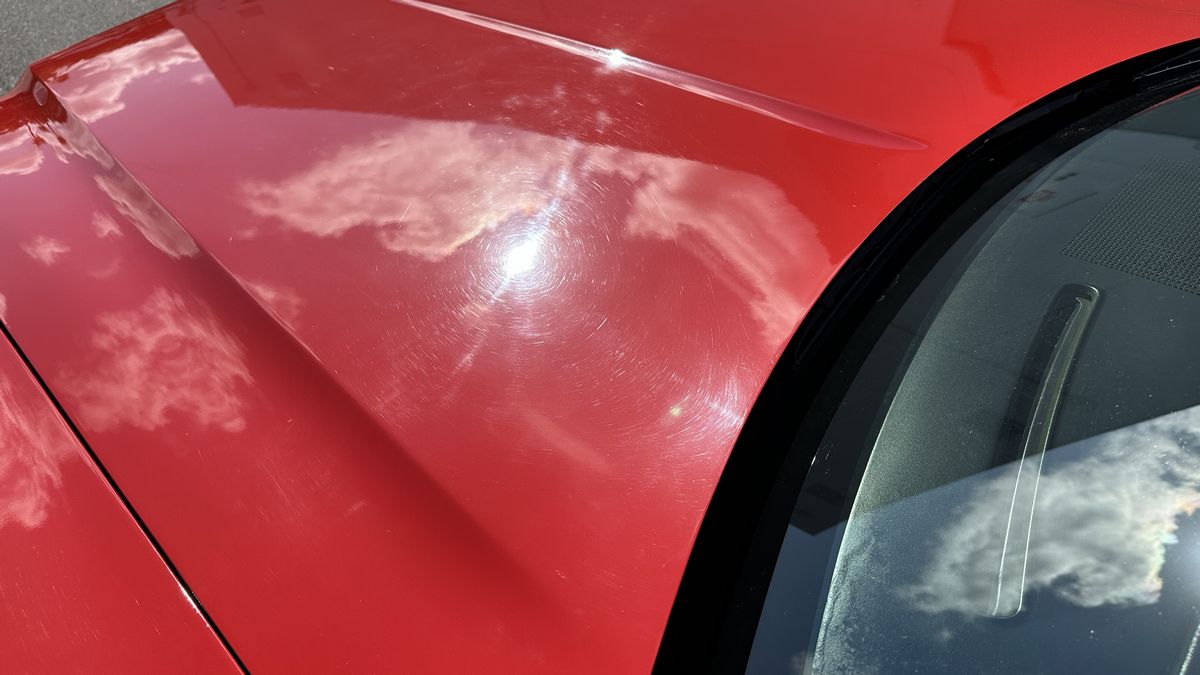
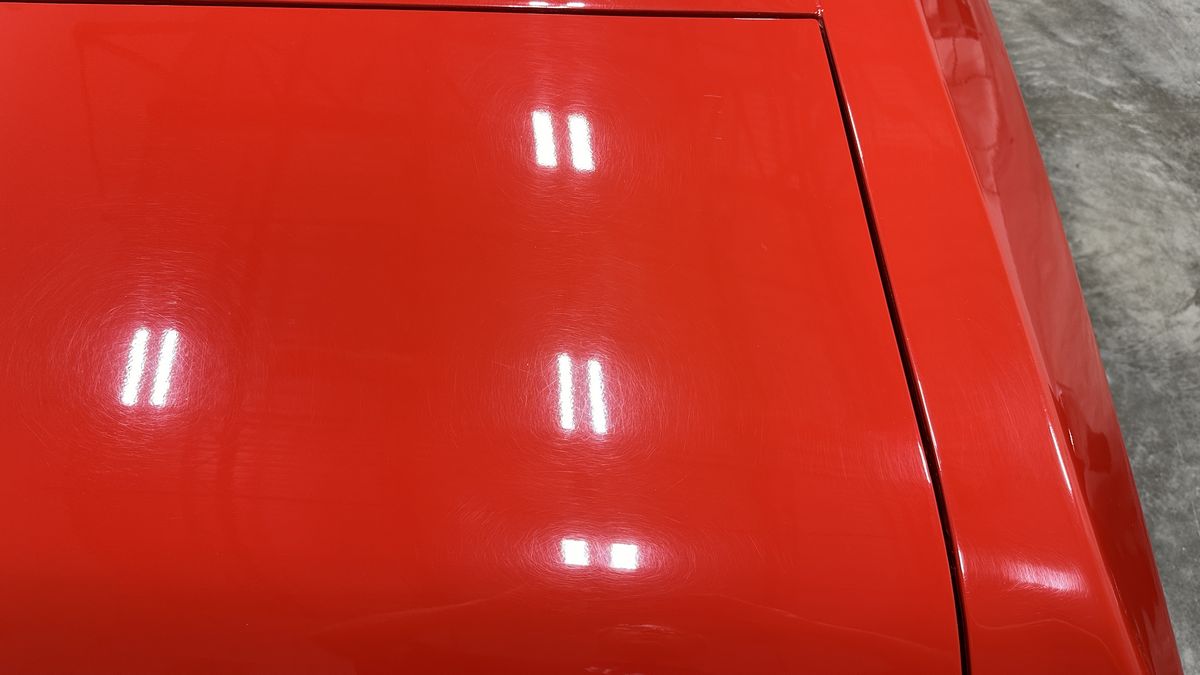
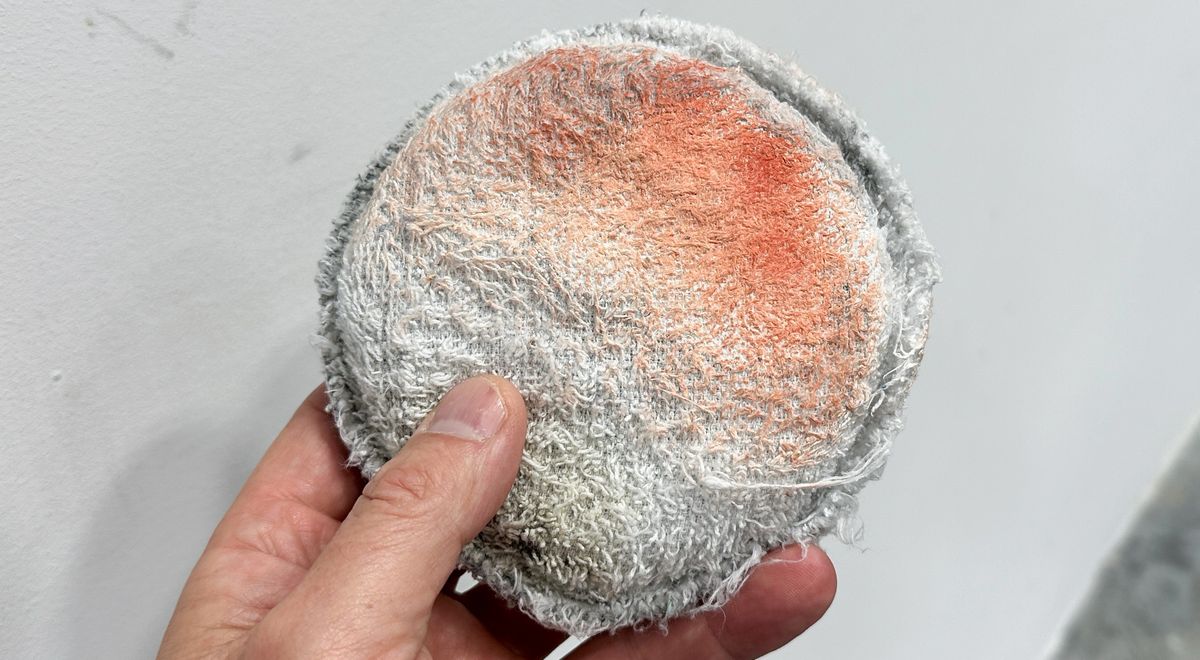
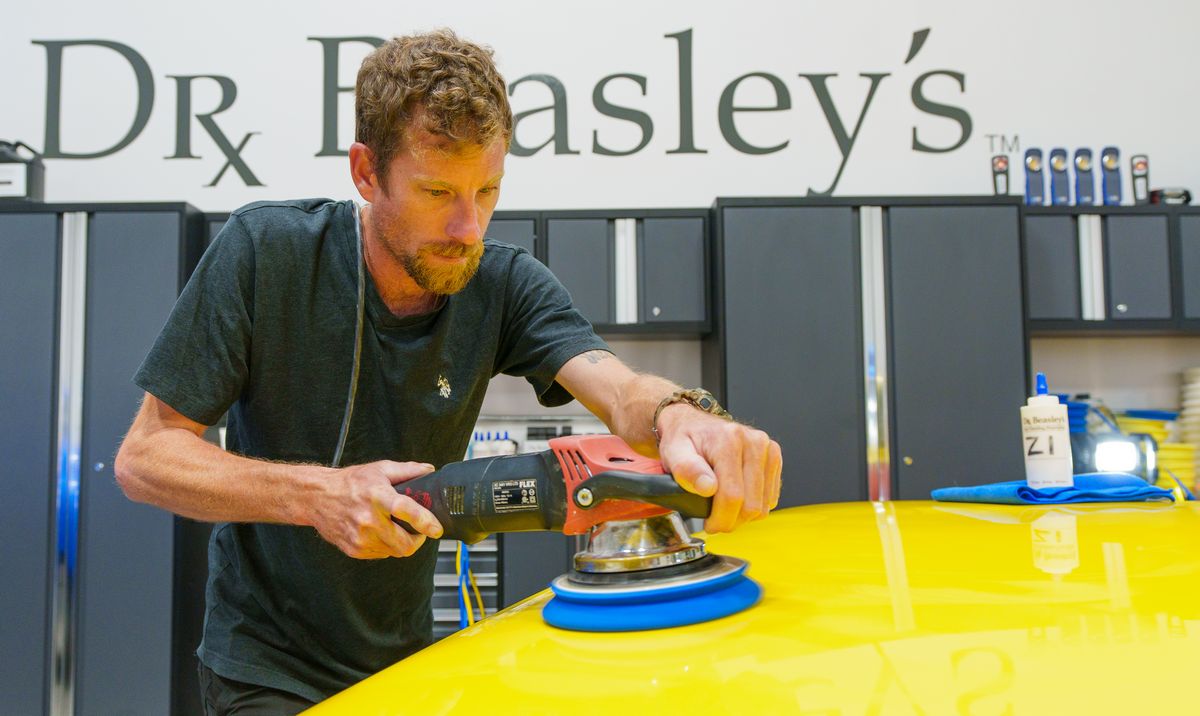
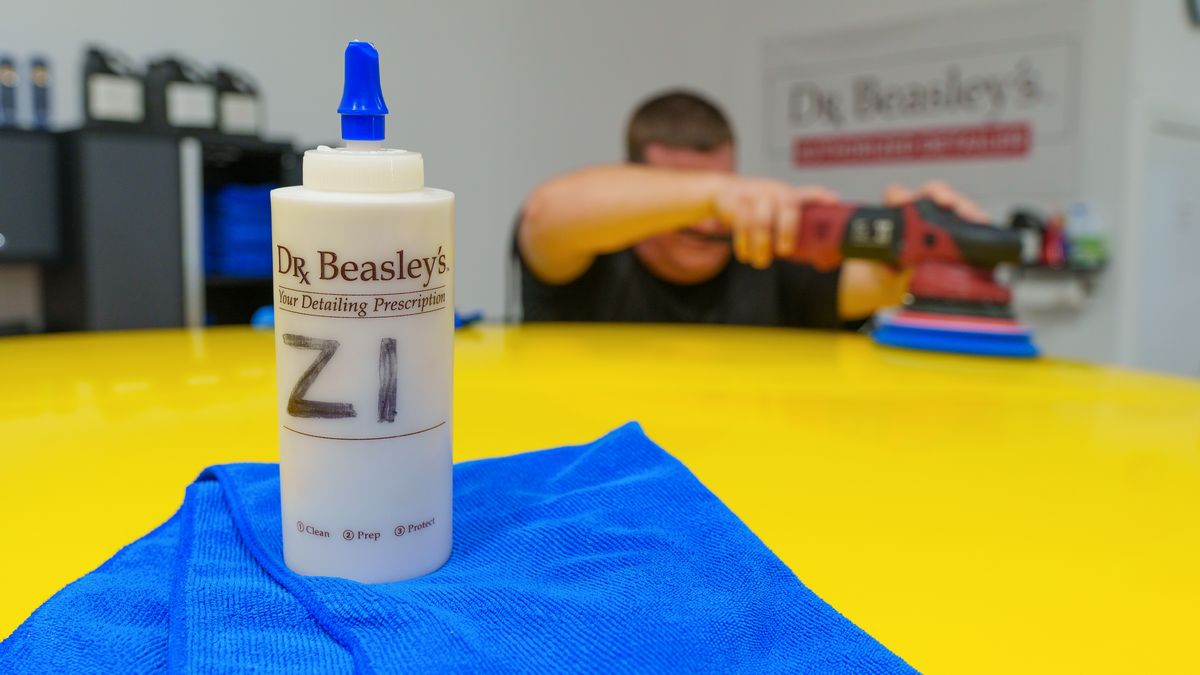
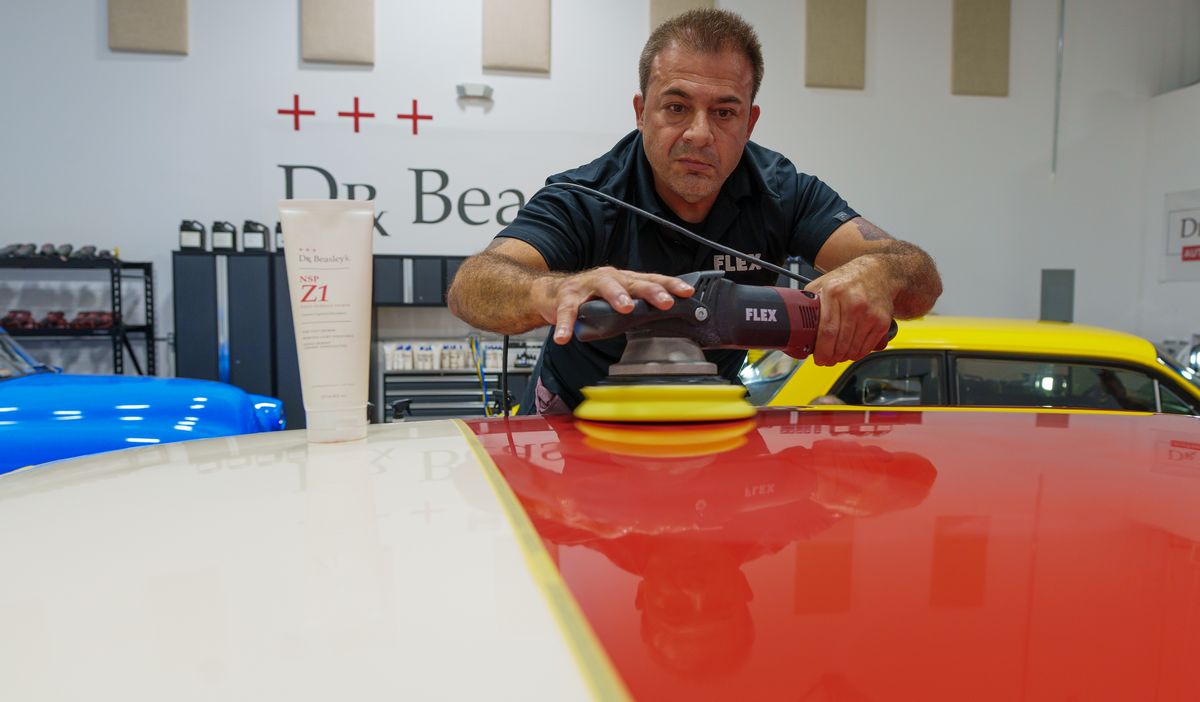
The third style of detailing we teach is how to do an entry level, or budget package detail job. For this we're using the Dr. Beasley's NSP Z1 Primer, which is a ceramic AIO or All-in-One. This means you start with the product and you also are finishing with this product. It's a one-and-done type process. The key variable, which is determined when doing the Test Spot, is which pad and tool will work best for a true 1-step process.

Polishing Pad
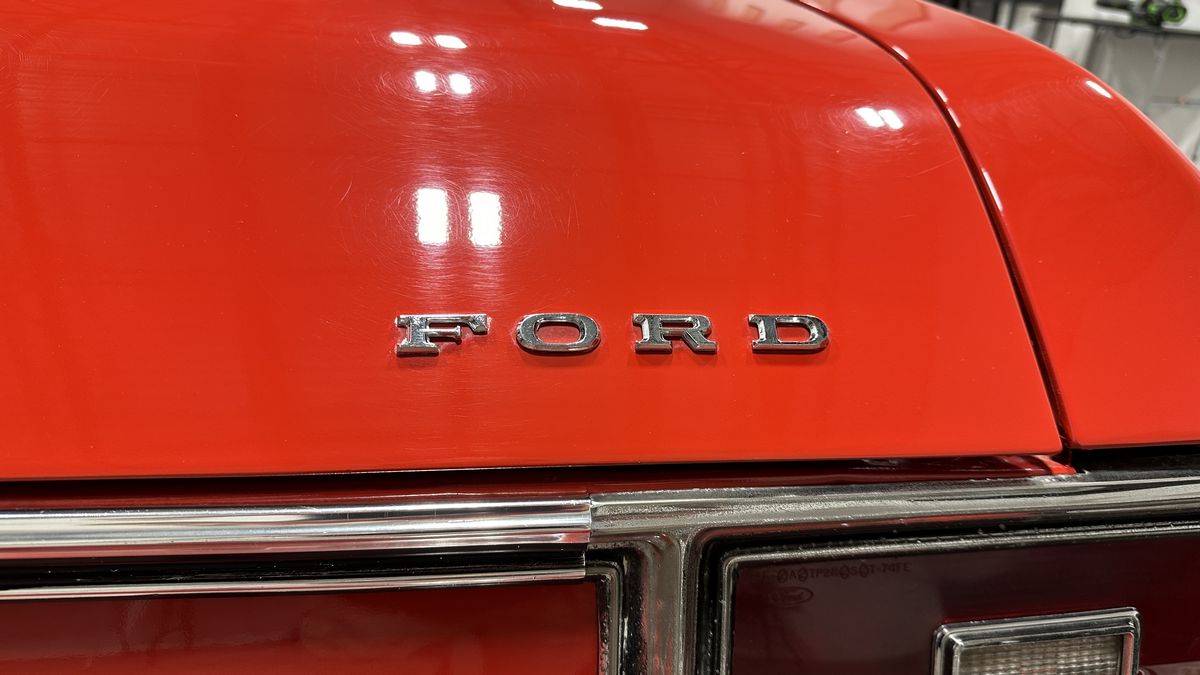
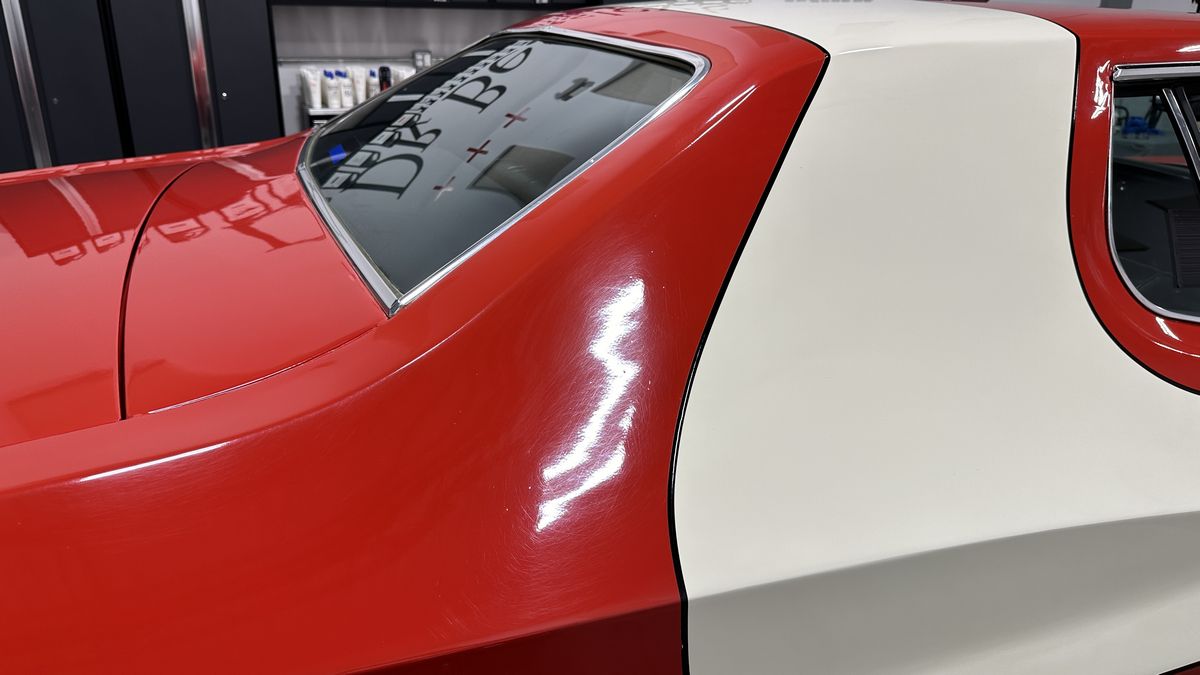
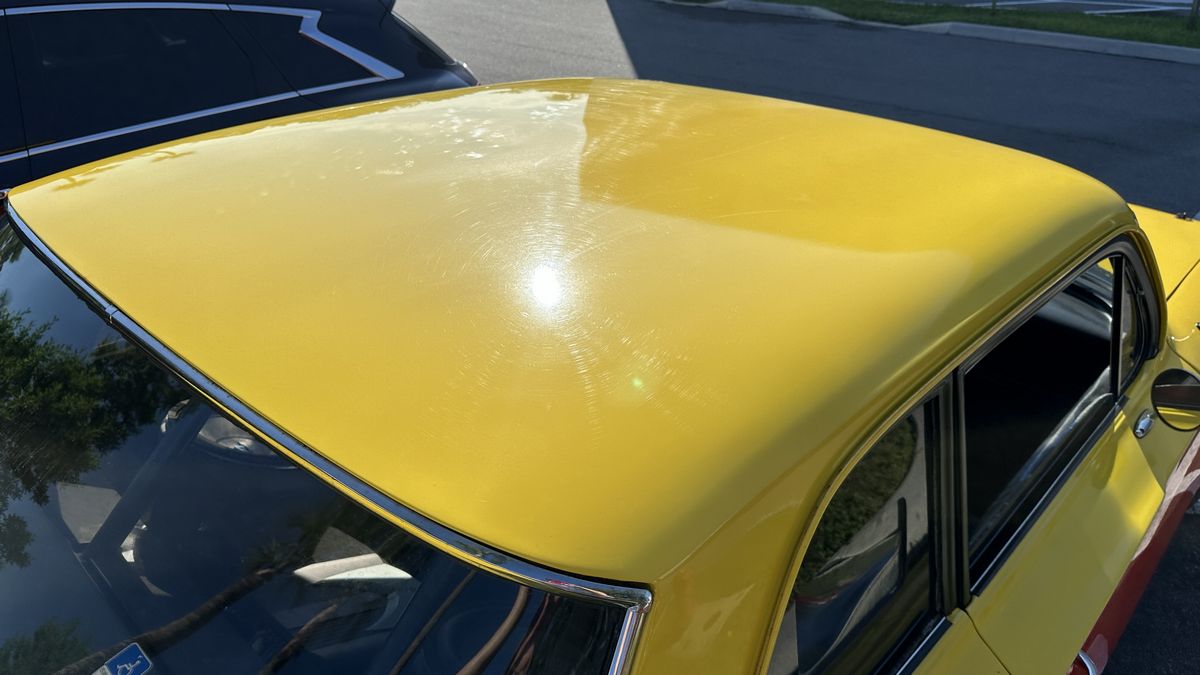
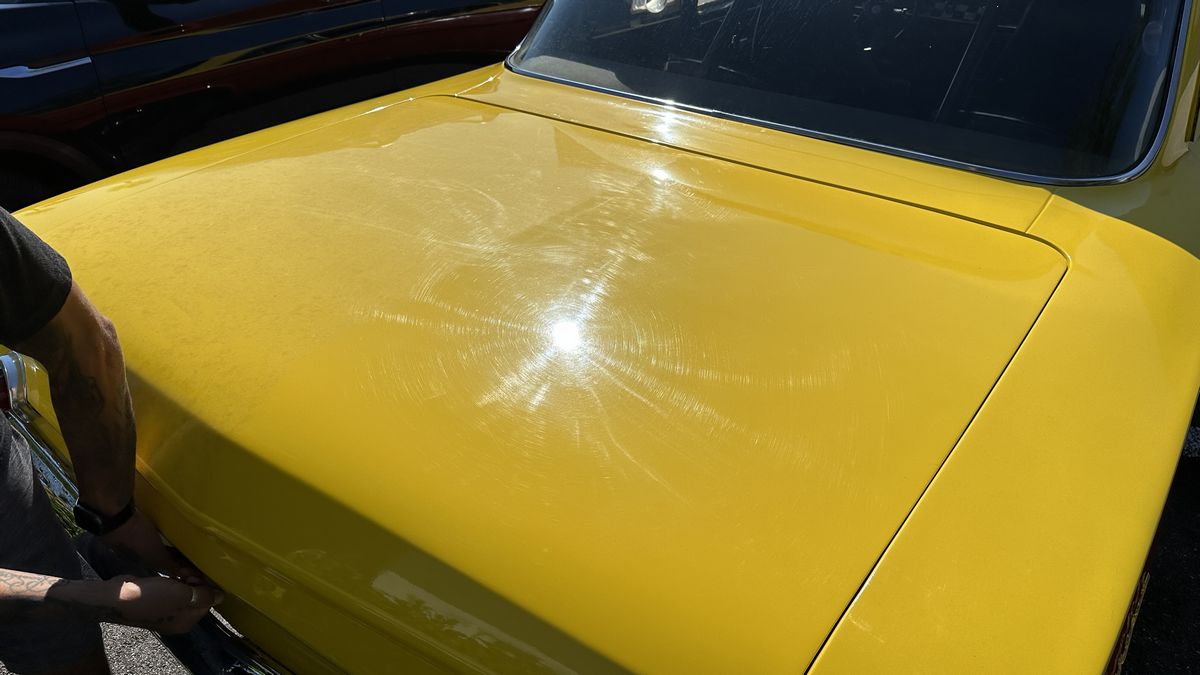
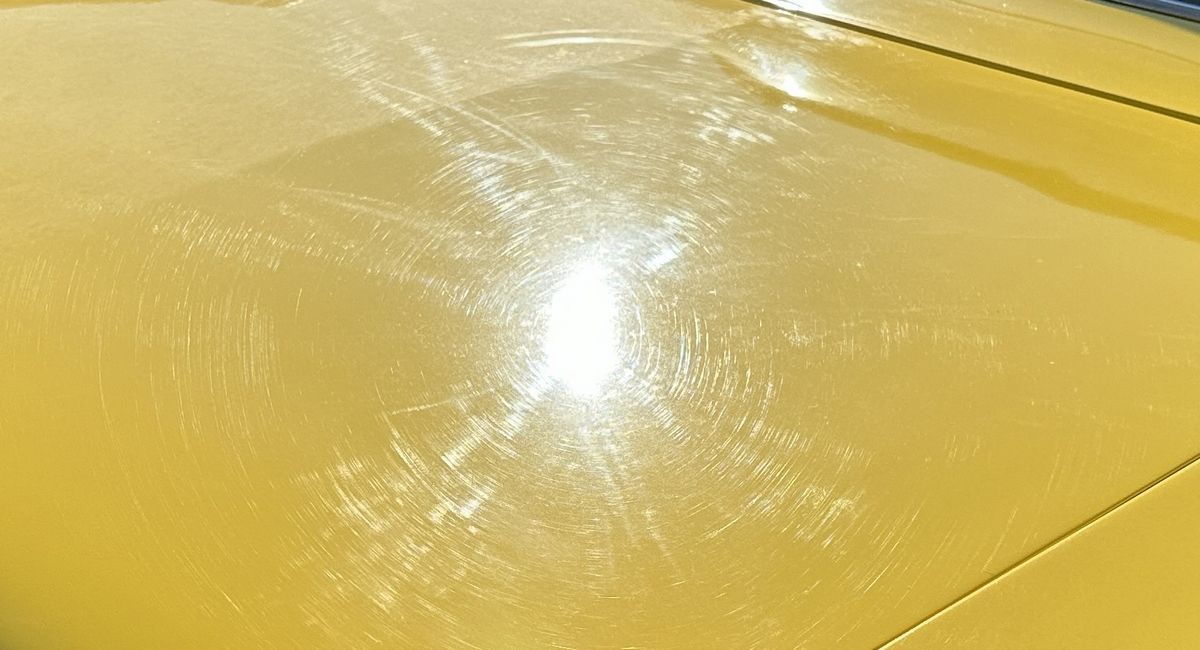
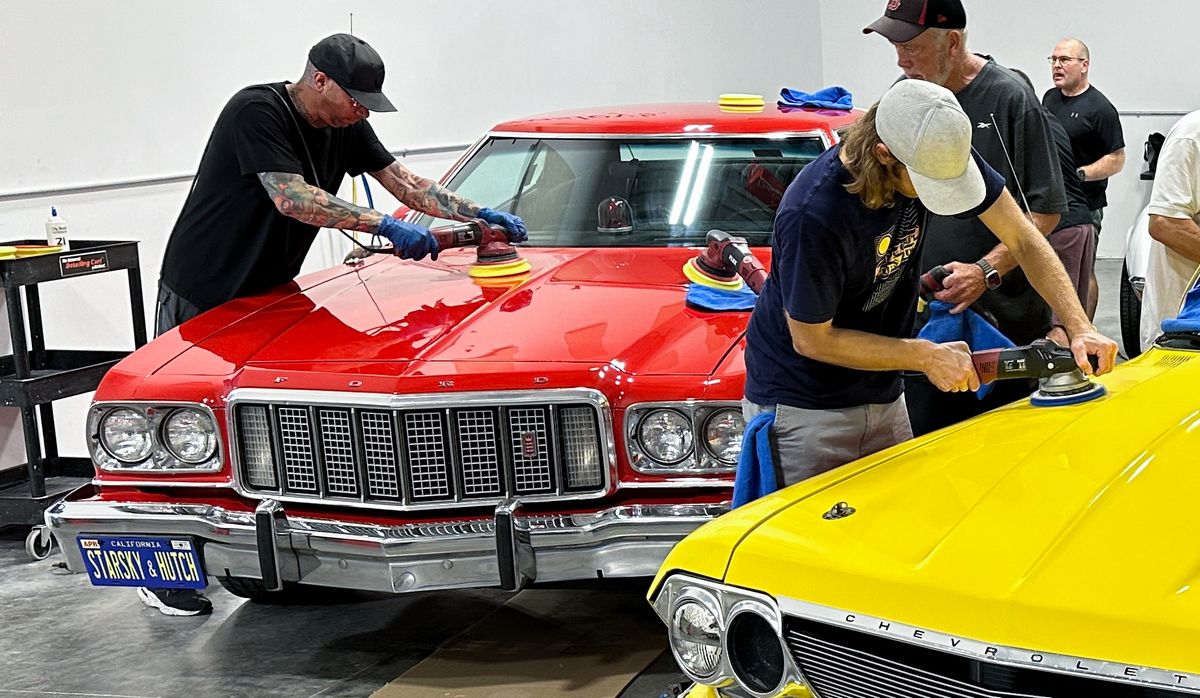
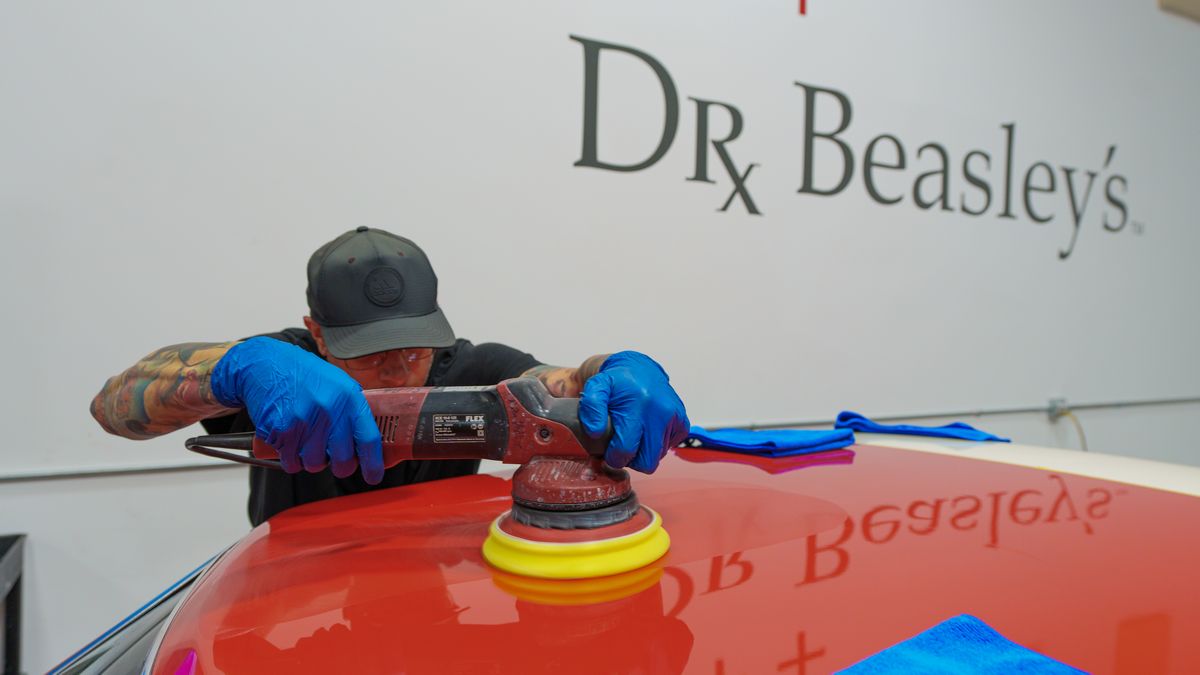
For the single stage paint on the Starsky and Hutch car, we found the yellow Buff and Shine EdgeGuard pads worked perfect to remove all the swirls and scratches. Except for single stage WHITE paint, most other colors of single stage paint tend to be on the softer side and thus easier to correct without getting super aggressive.

Heavy Polishing Pad
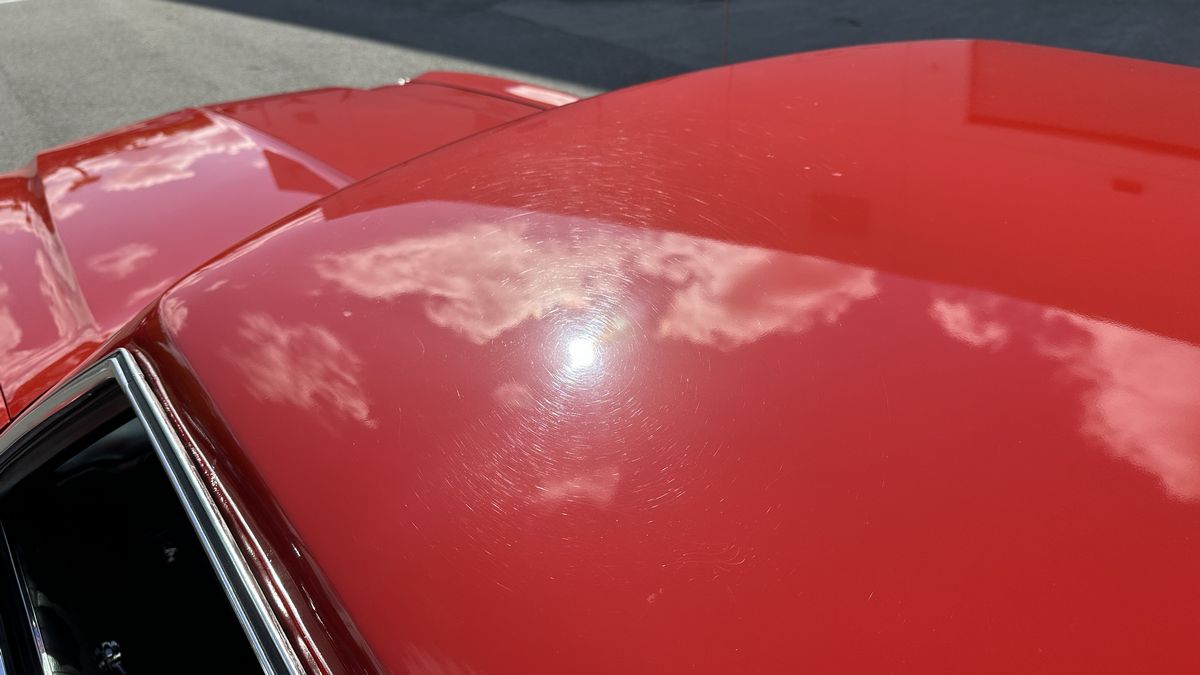
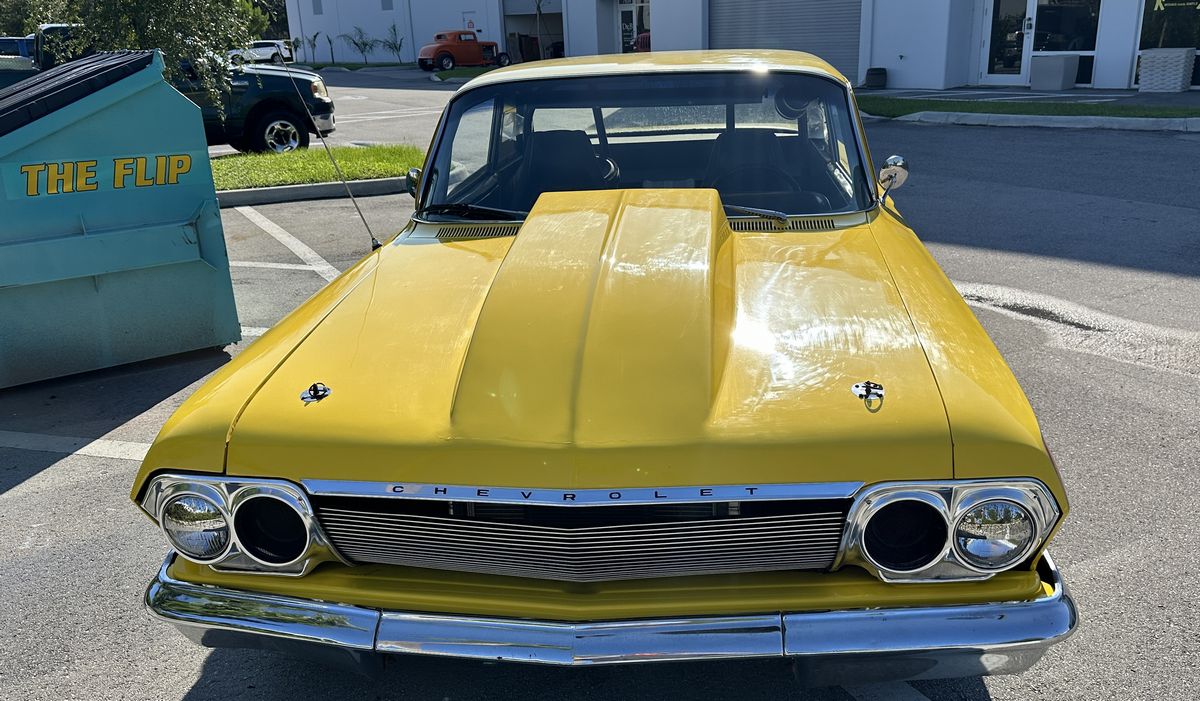
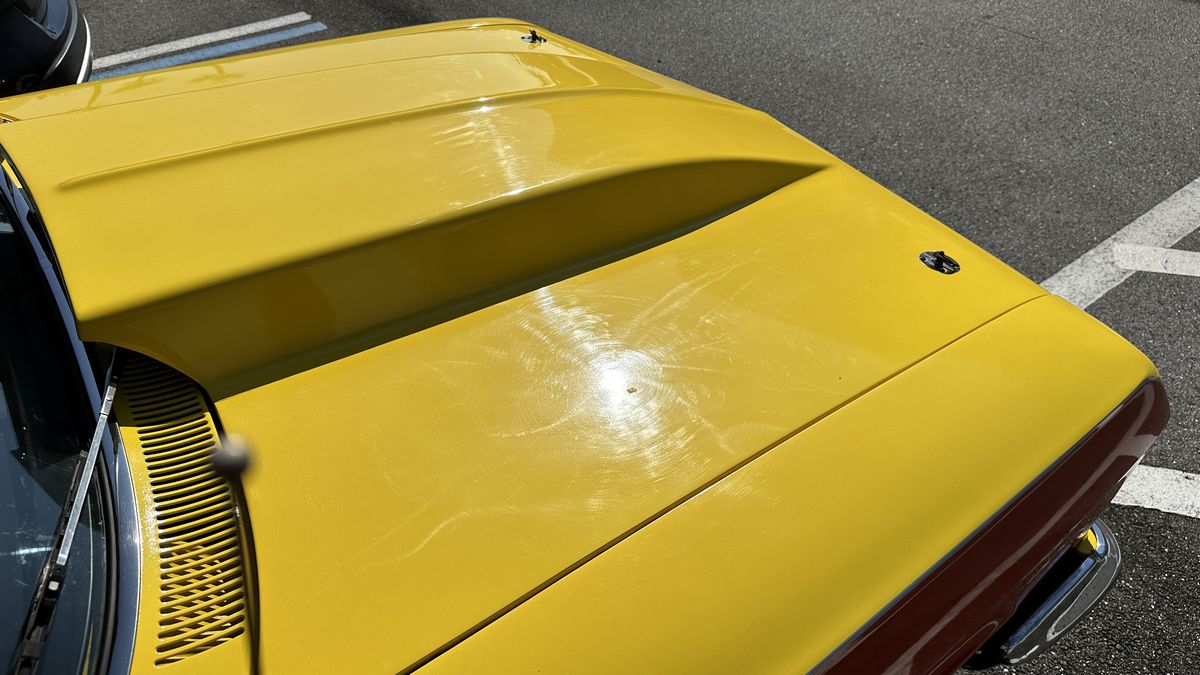
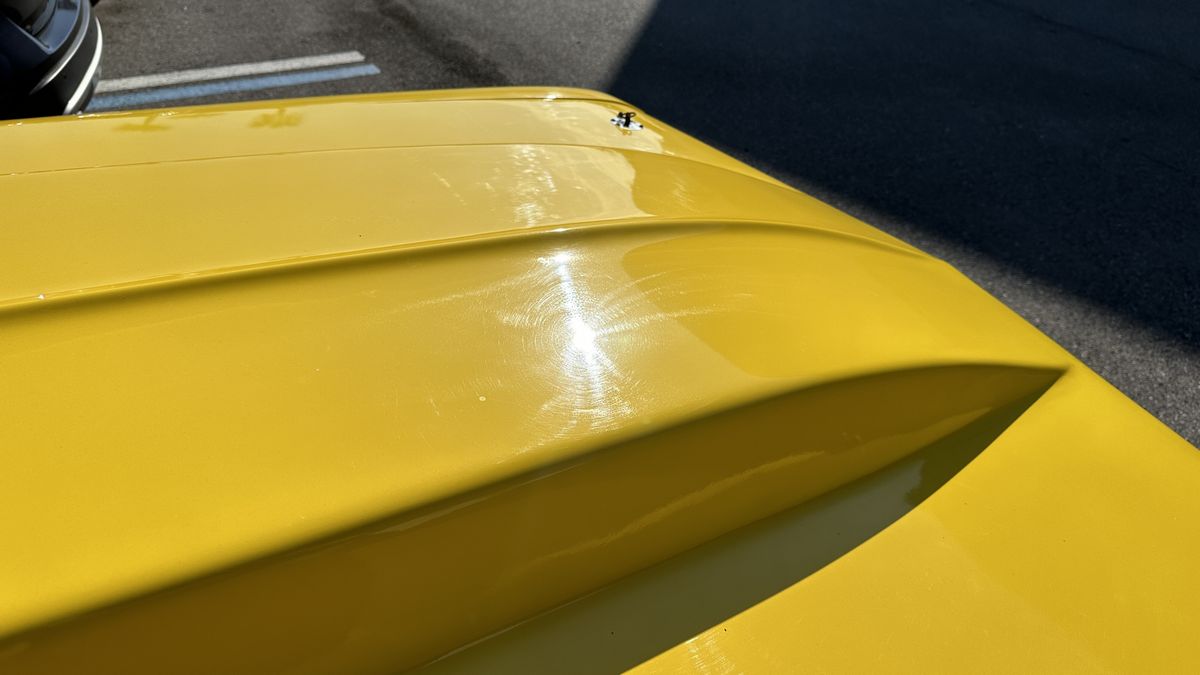
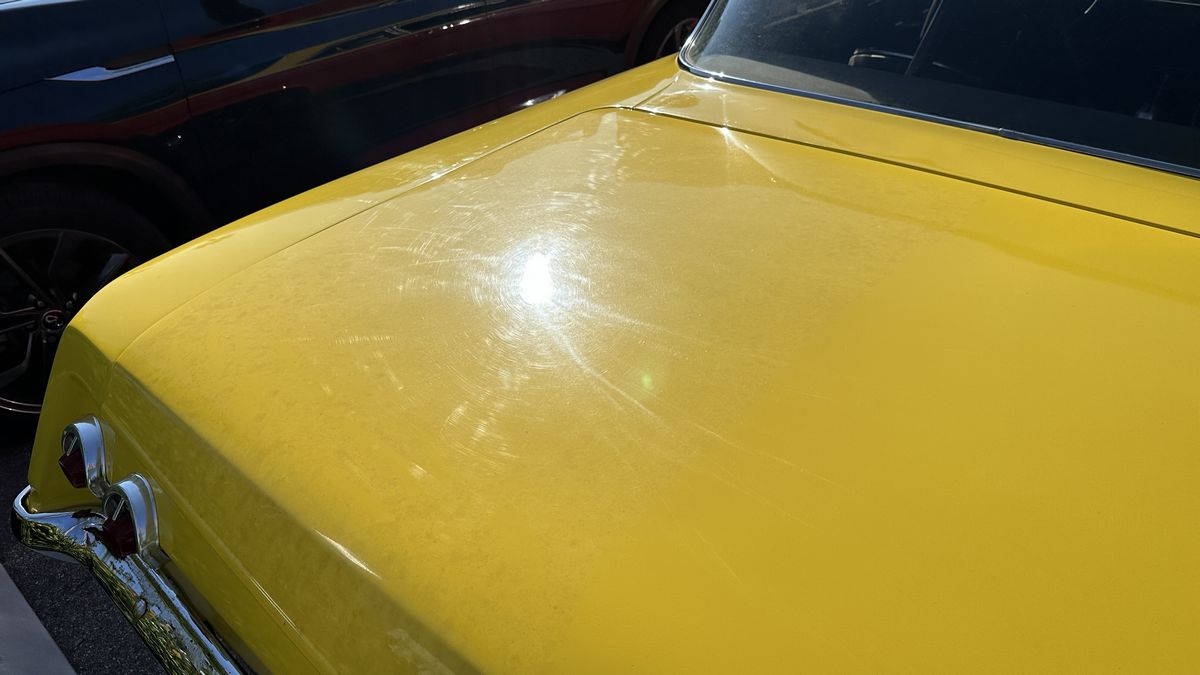
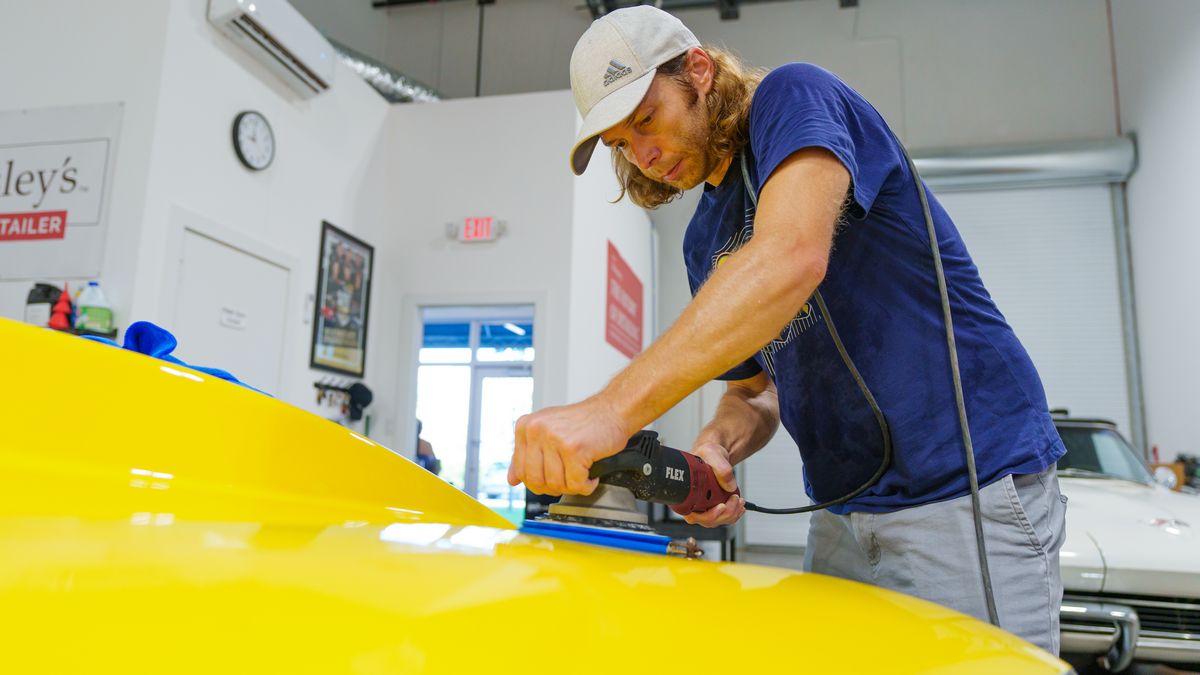
For the basecoat/clearcoat paint in the 1962 Chevy, because of how horrific the holograms, swirls and scratches were, we found we need a tick more cut and for this reason we used the Z1 with the blueberry Buff and Shine EdgeGuard foam pads. Buff and Shine describes this blueberry pad as HEAVY Polishing. So, more cut than normal polishing pads but less cut and less chance for pad-marring than actual foam cutting pads. A really nice balance of cut and finish.


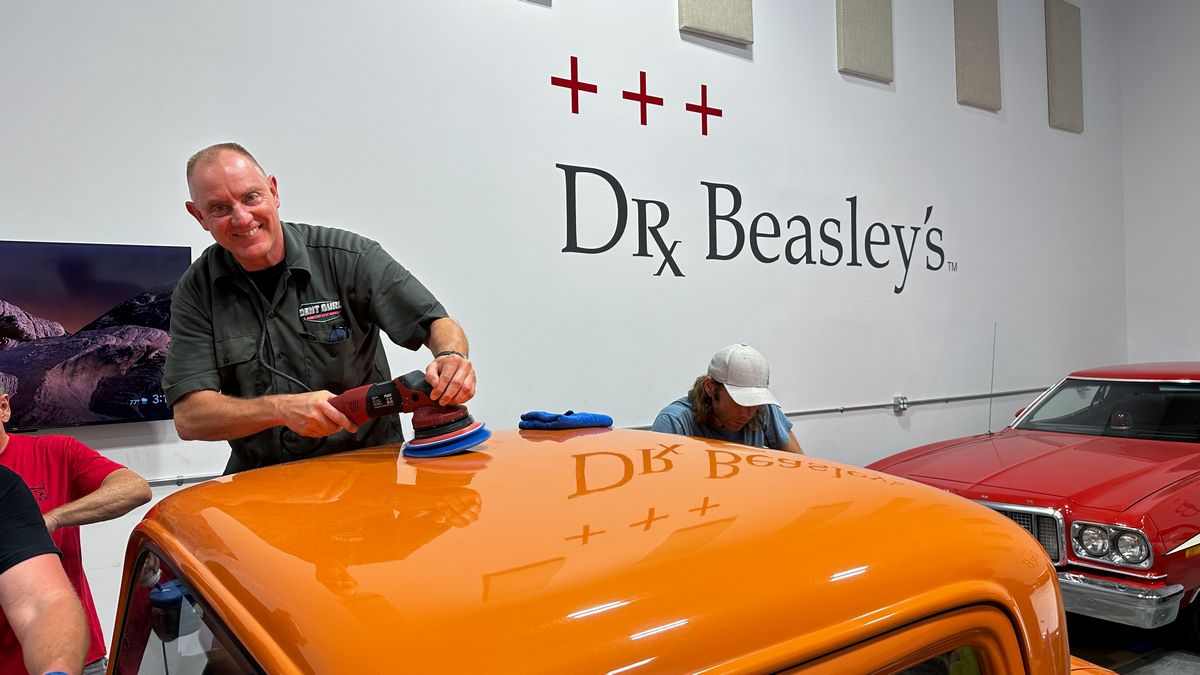
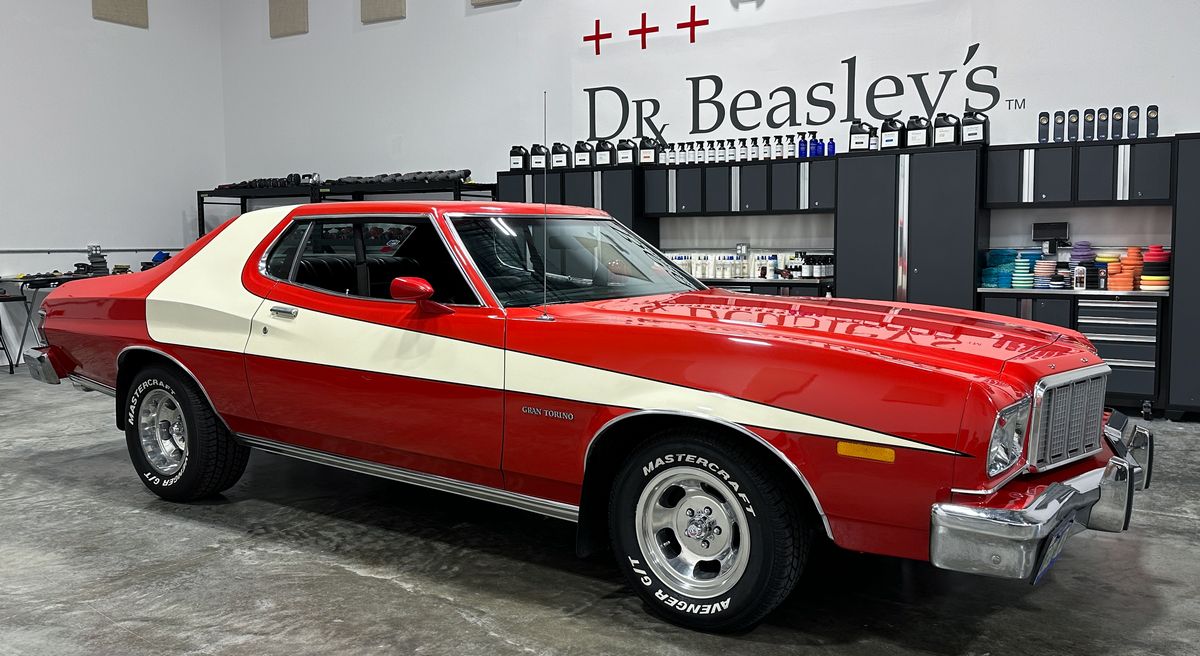
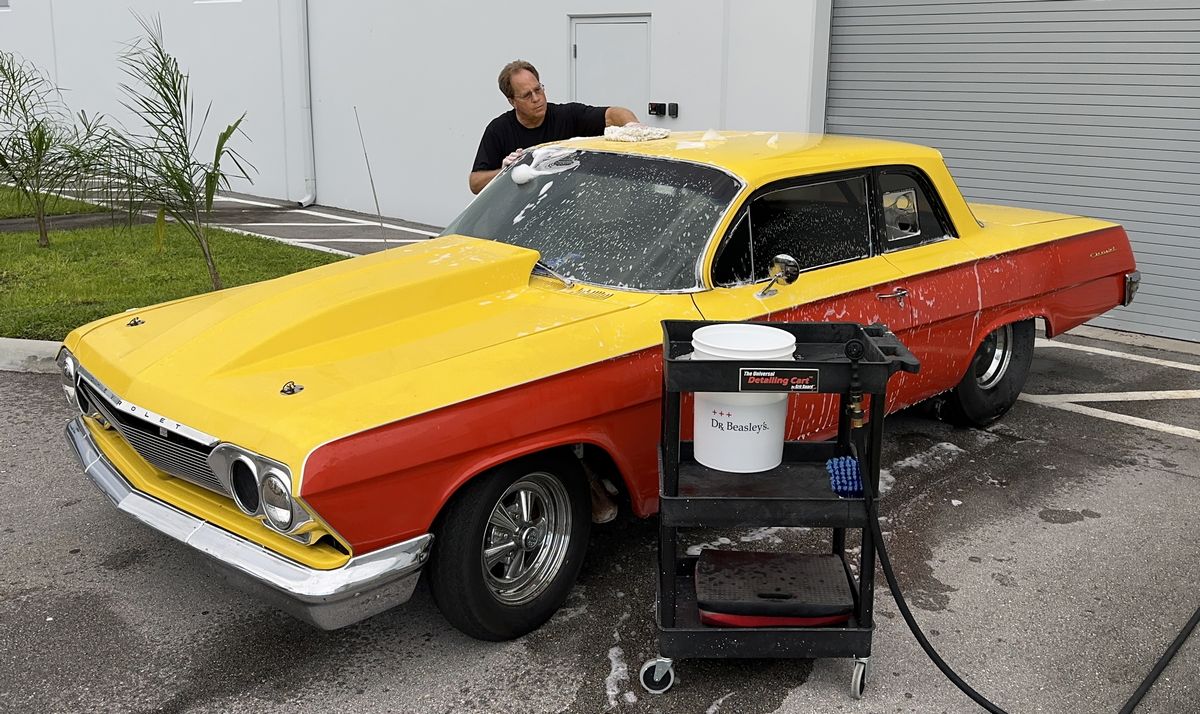
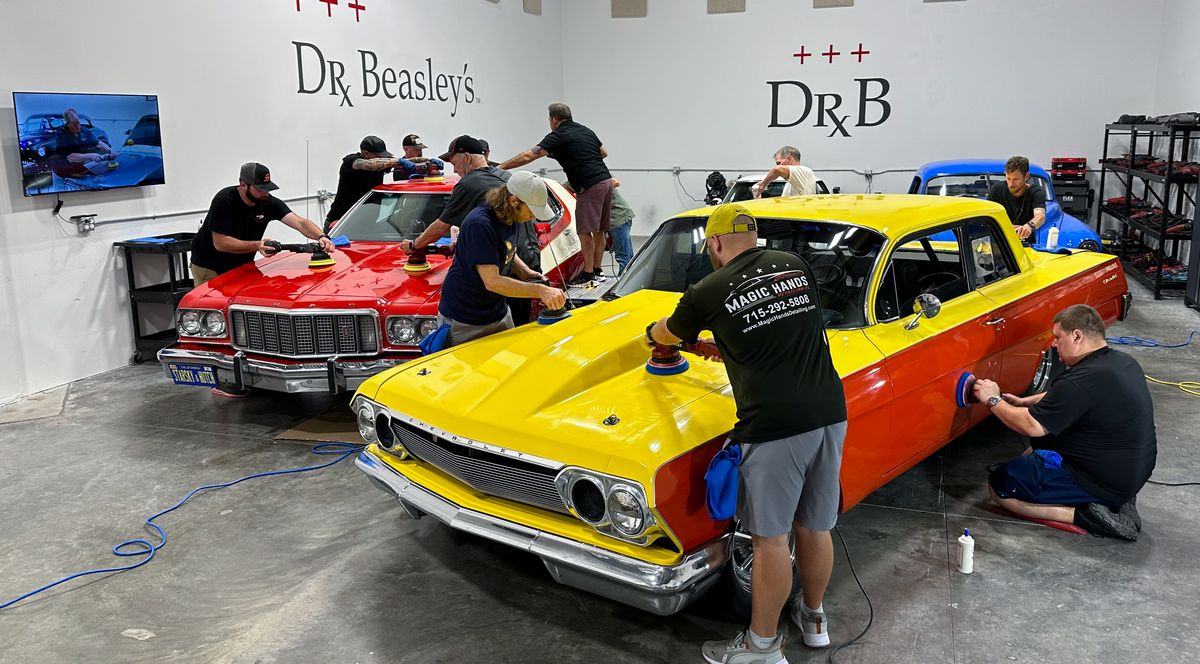
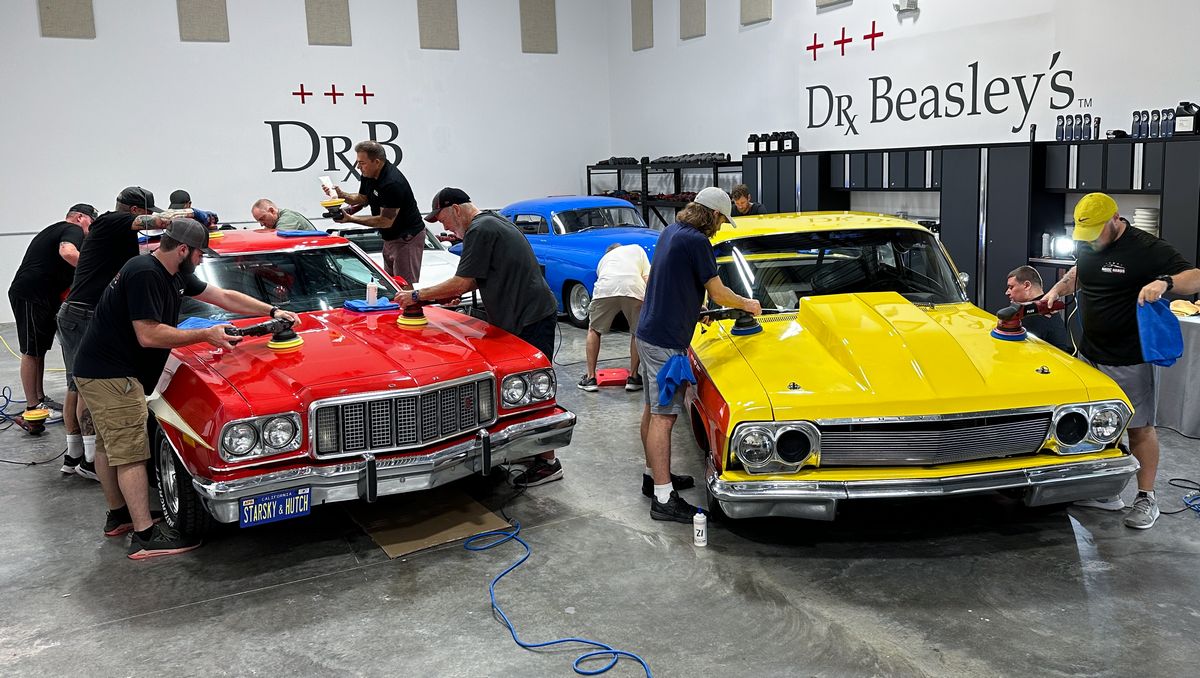
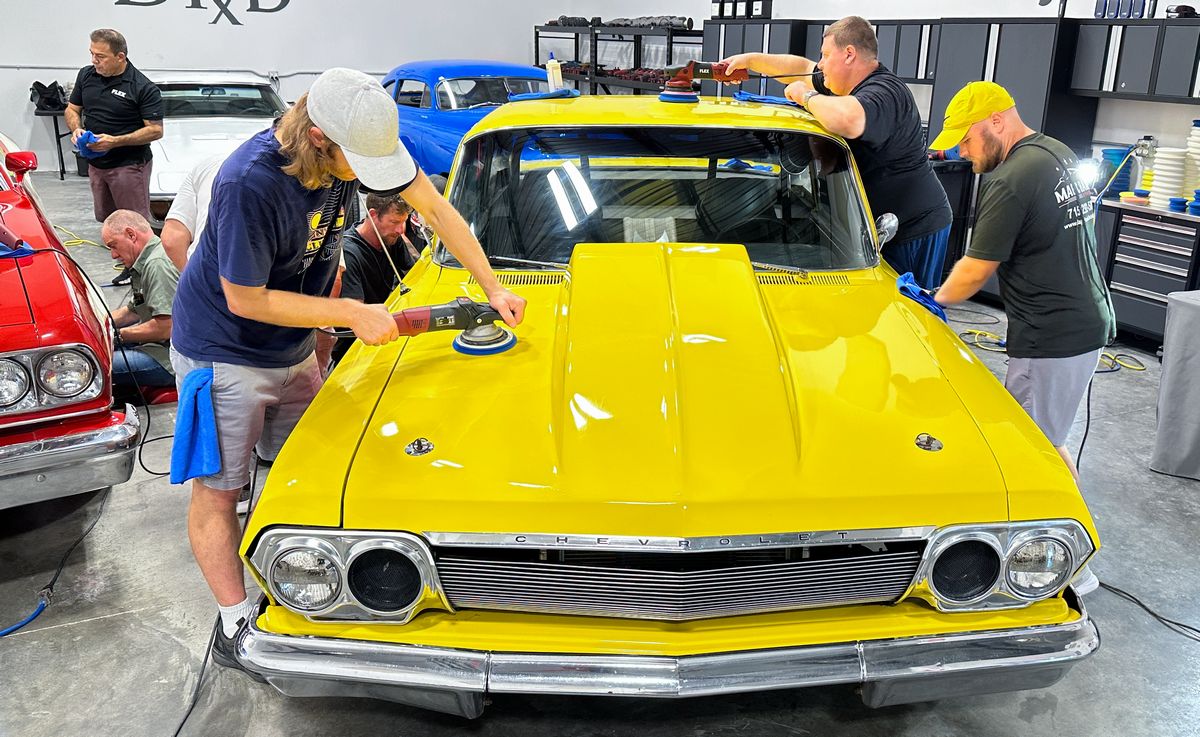
Class starts at 7:30am sharp and after some Prep Wash to waterless wash the Starsky and Hutch Ford Torino, it's GO TIME!

full


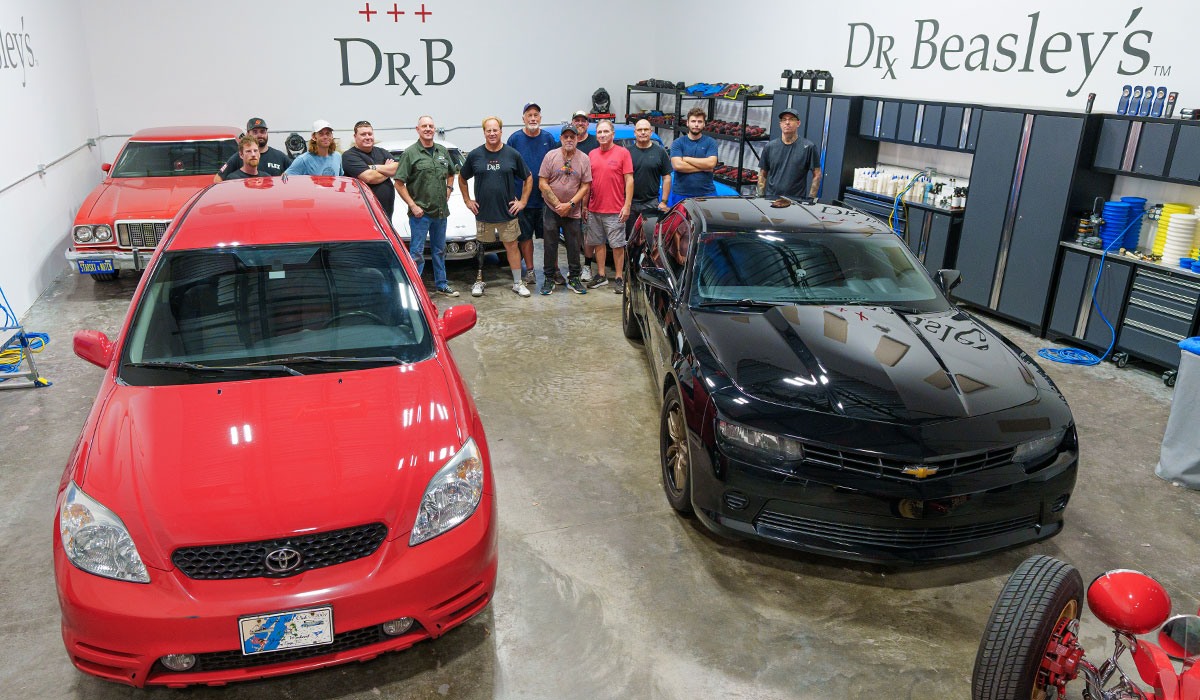
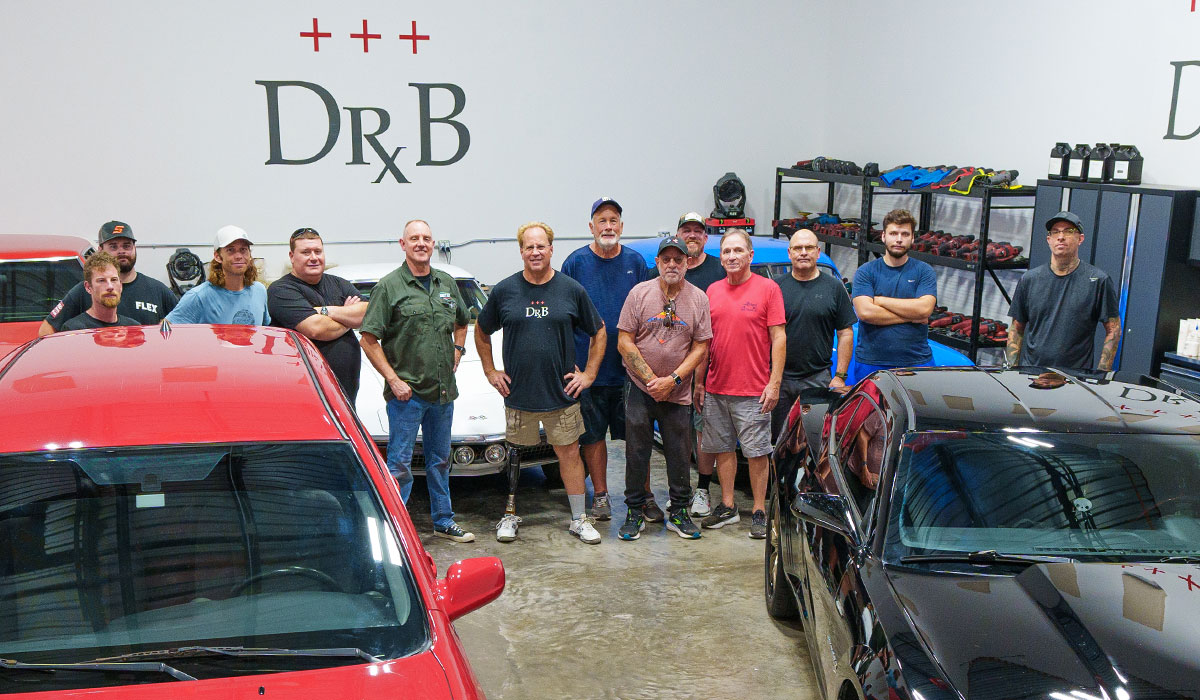
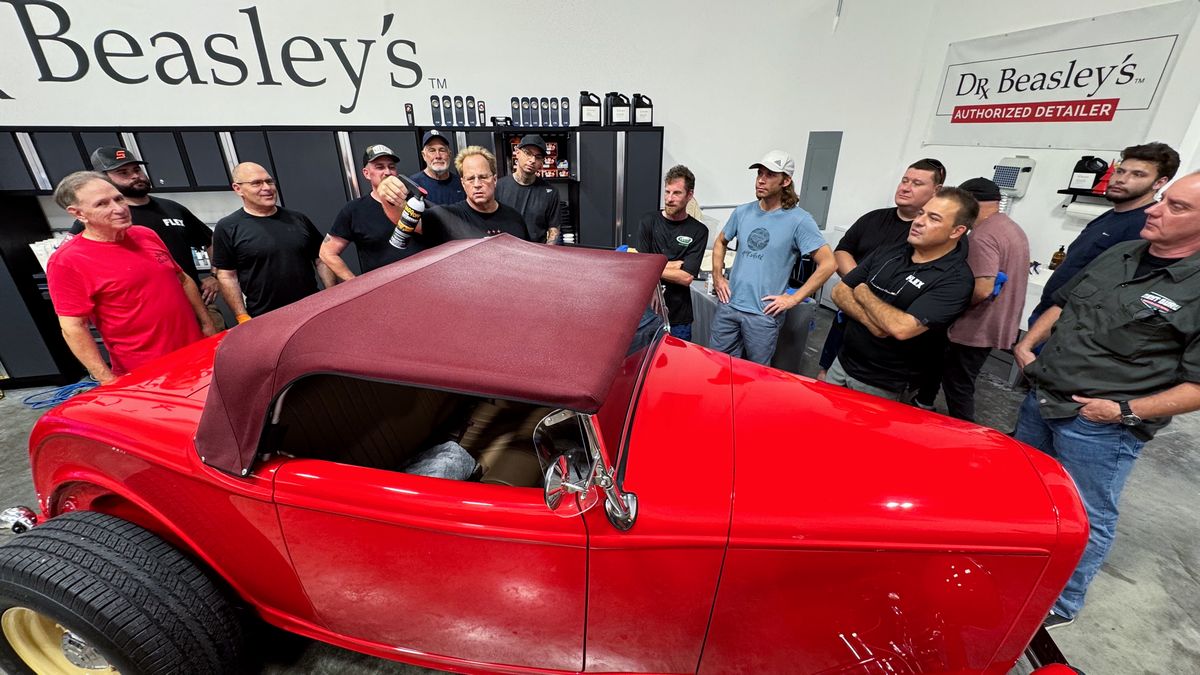
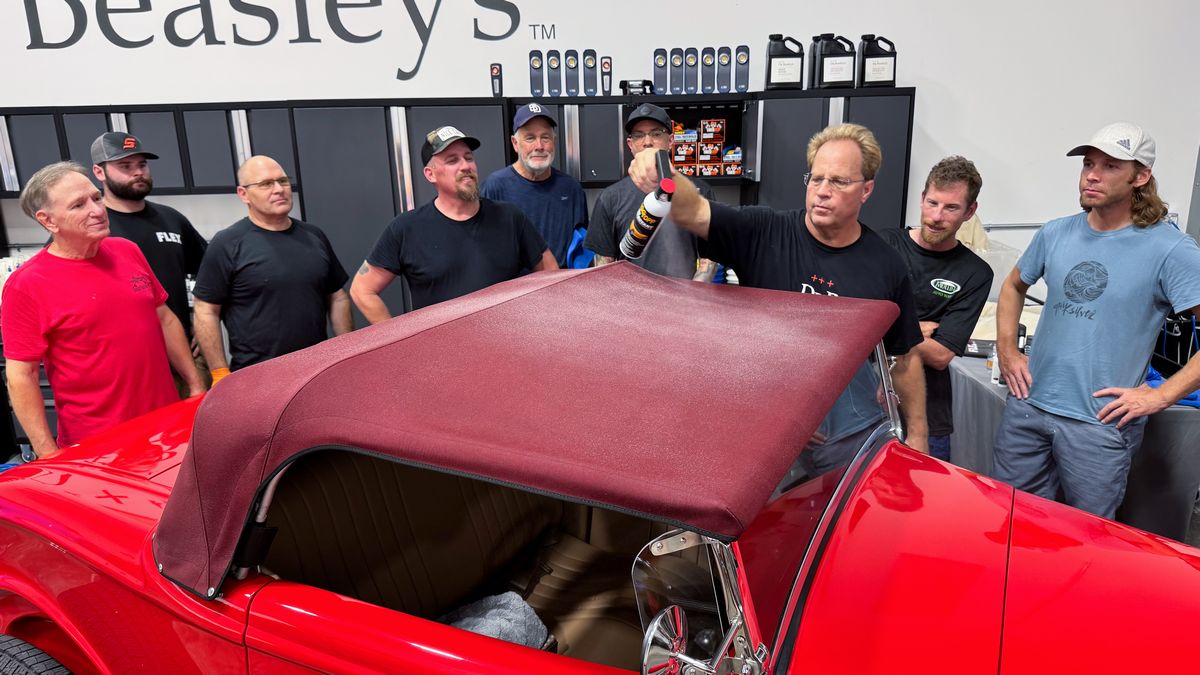
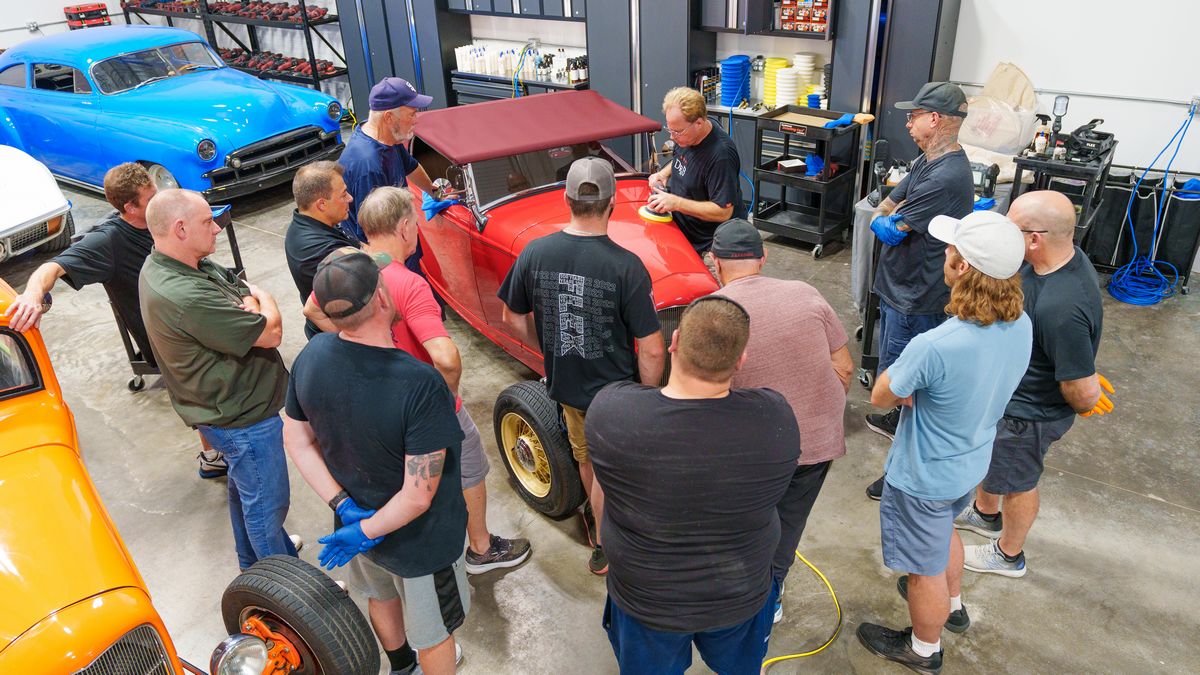
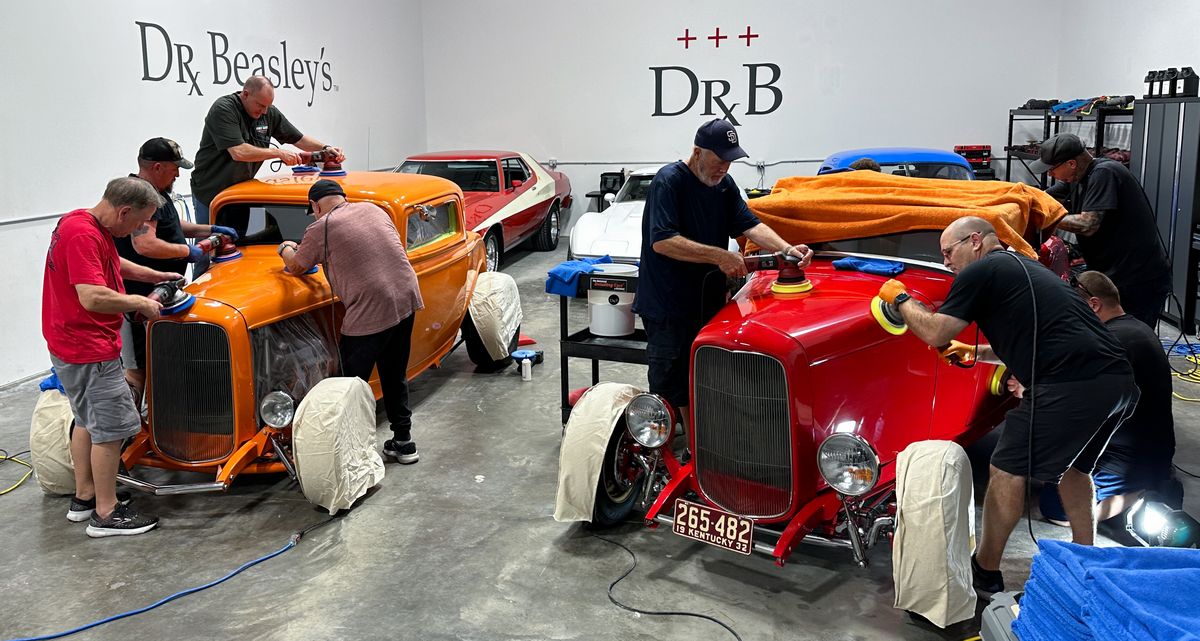
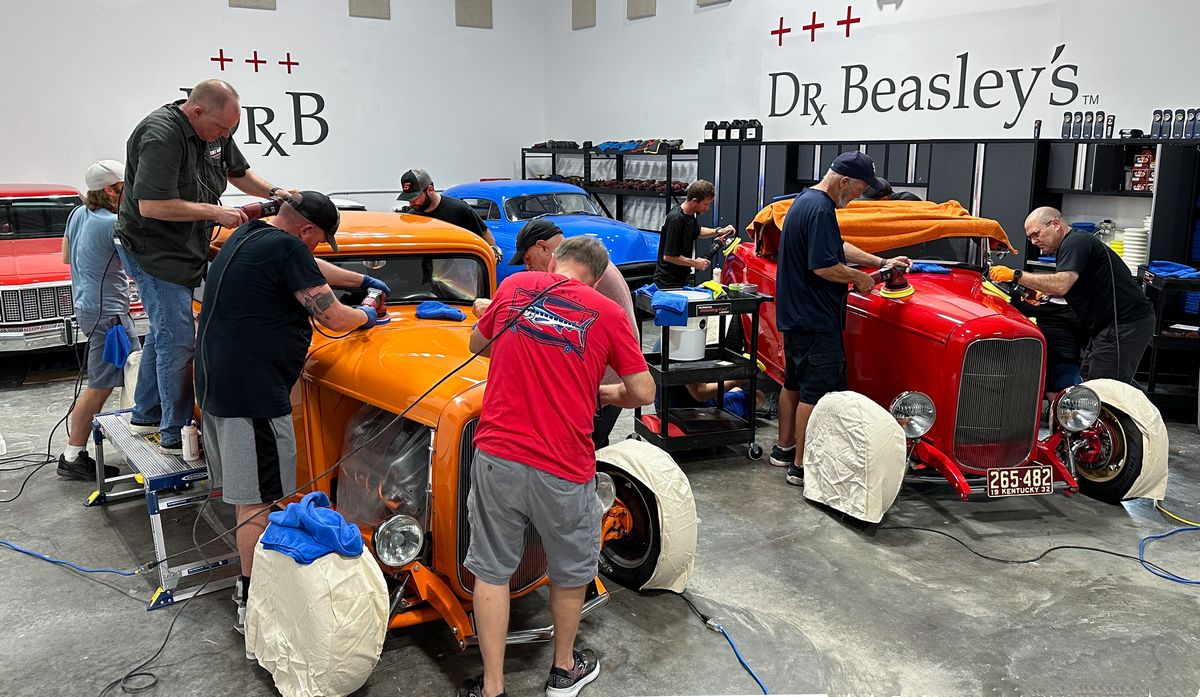
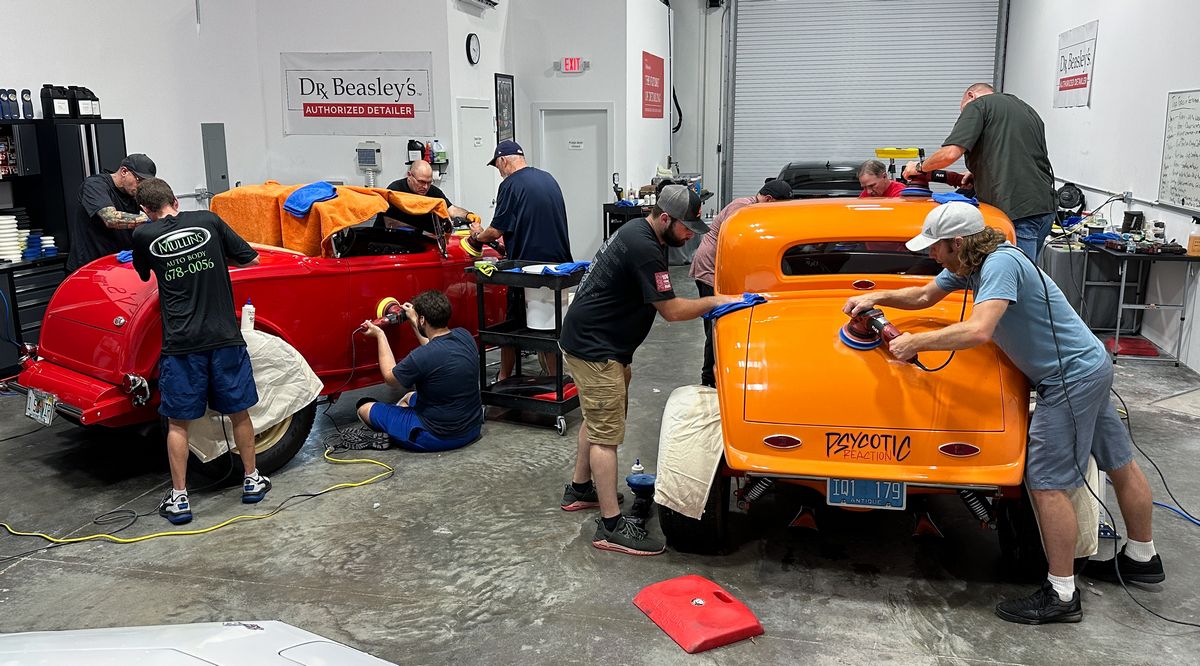
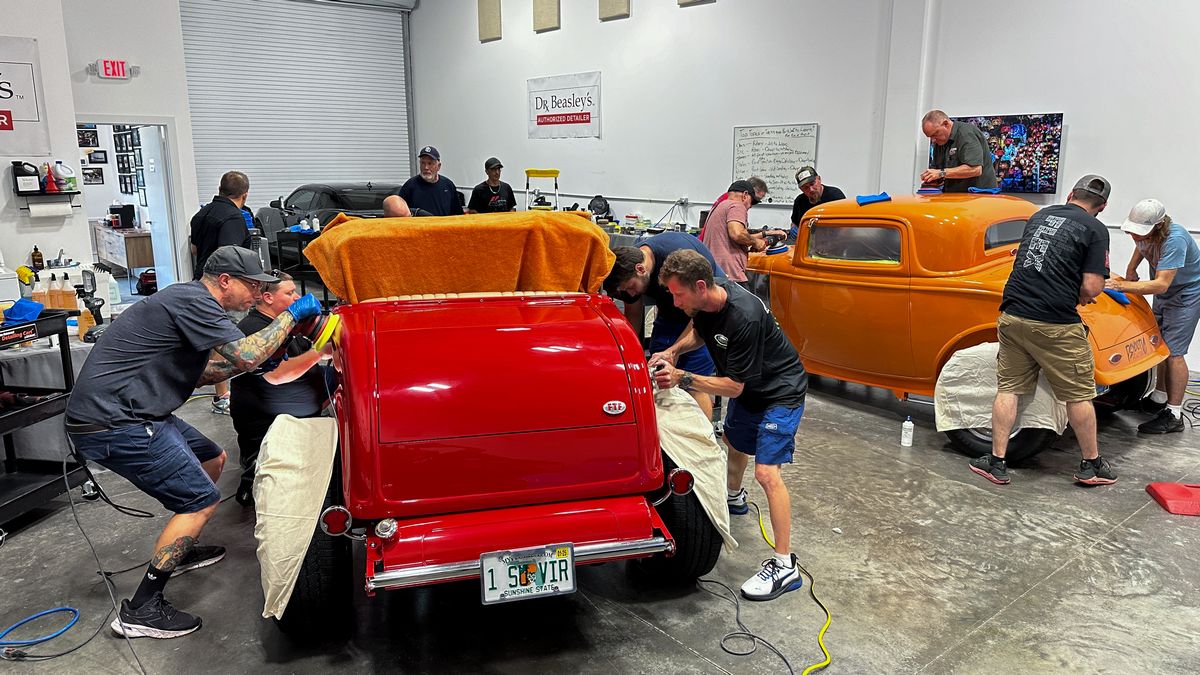
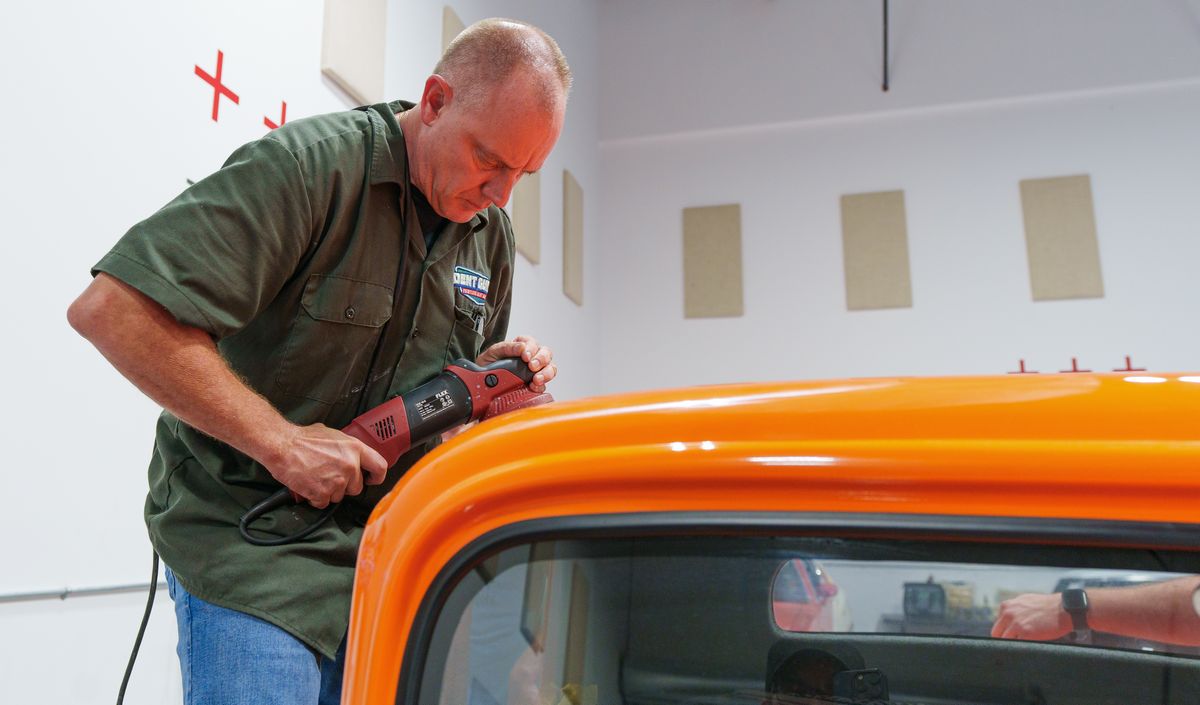
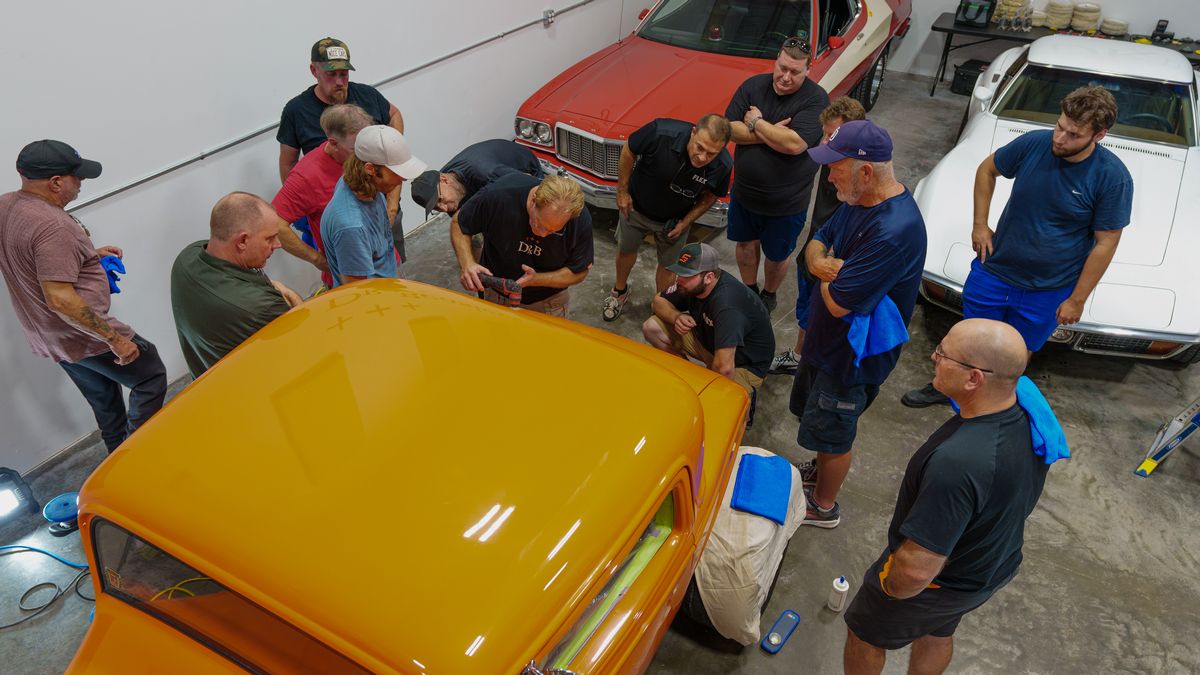
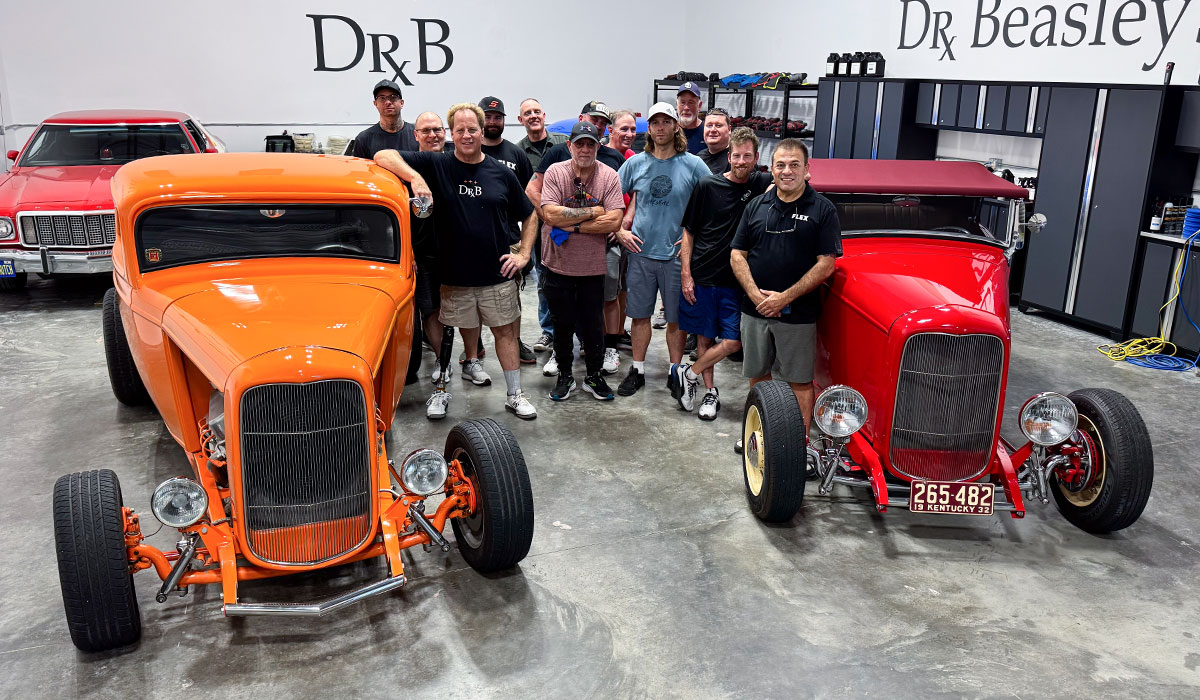
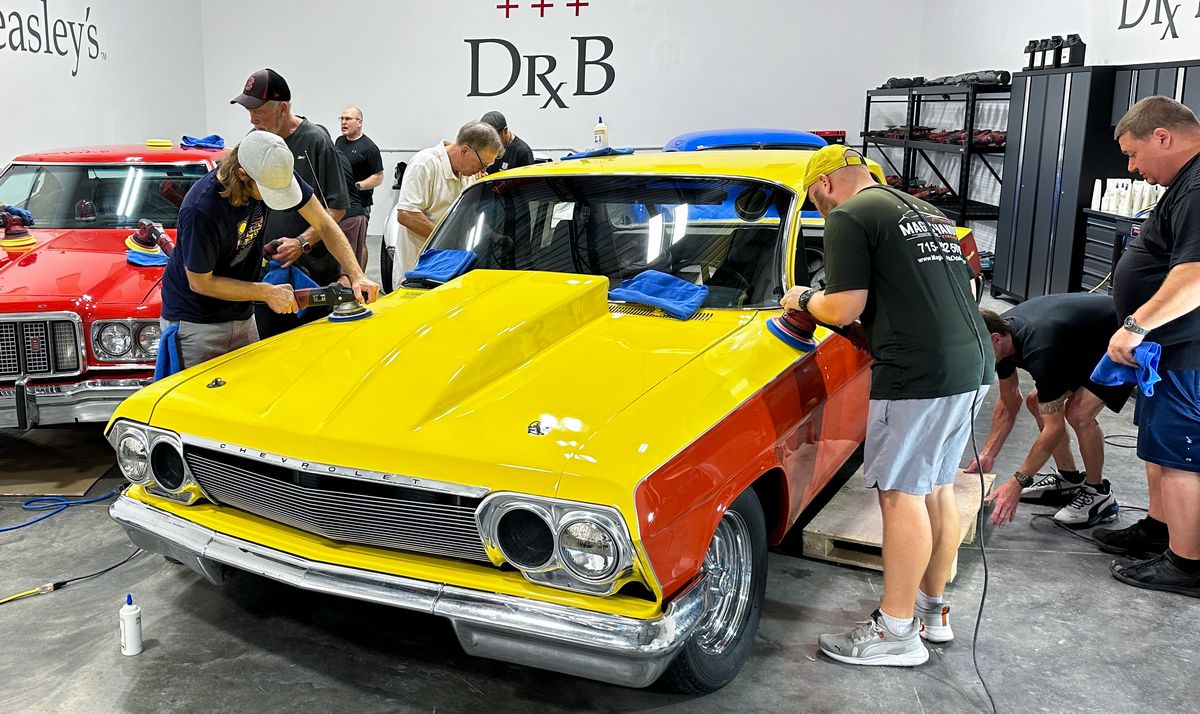
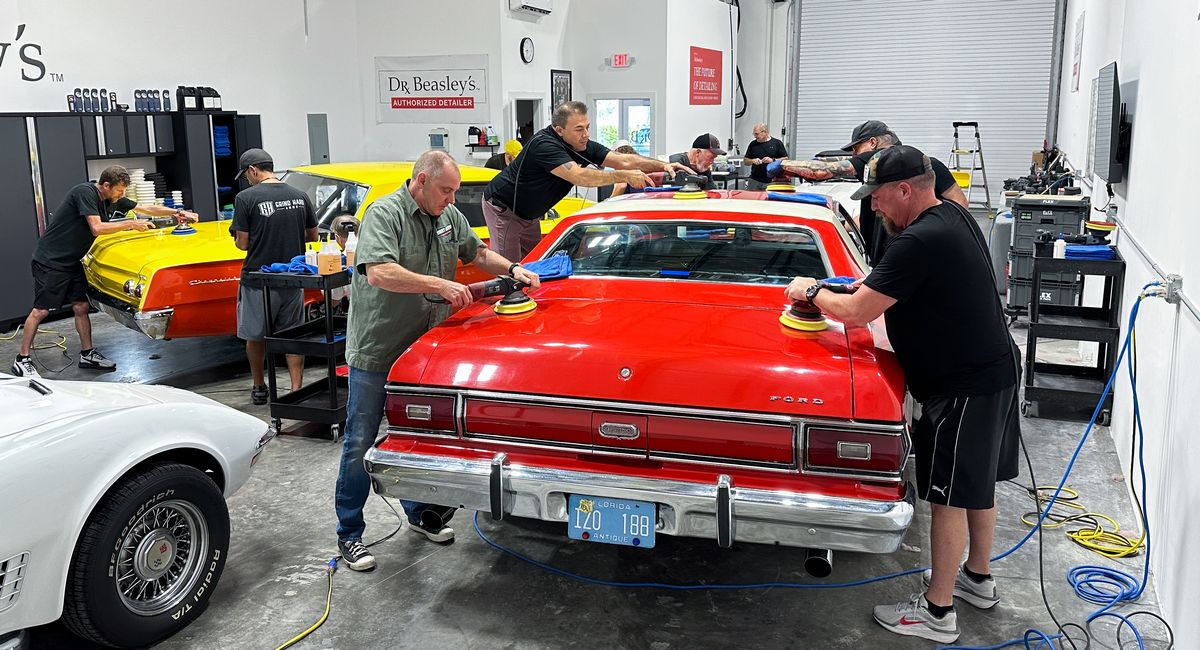
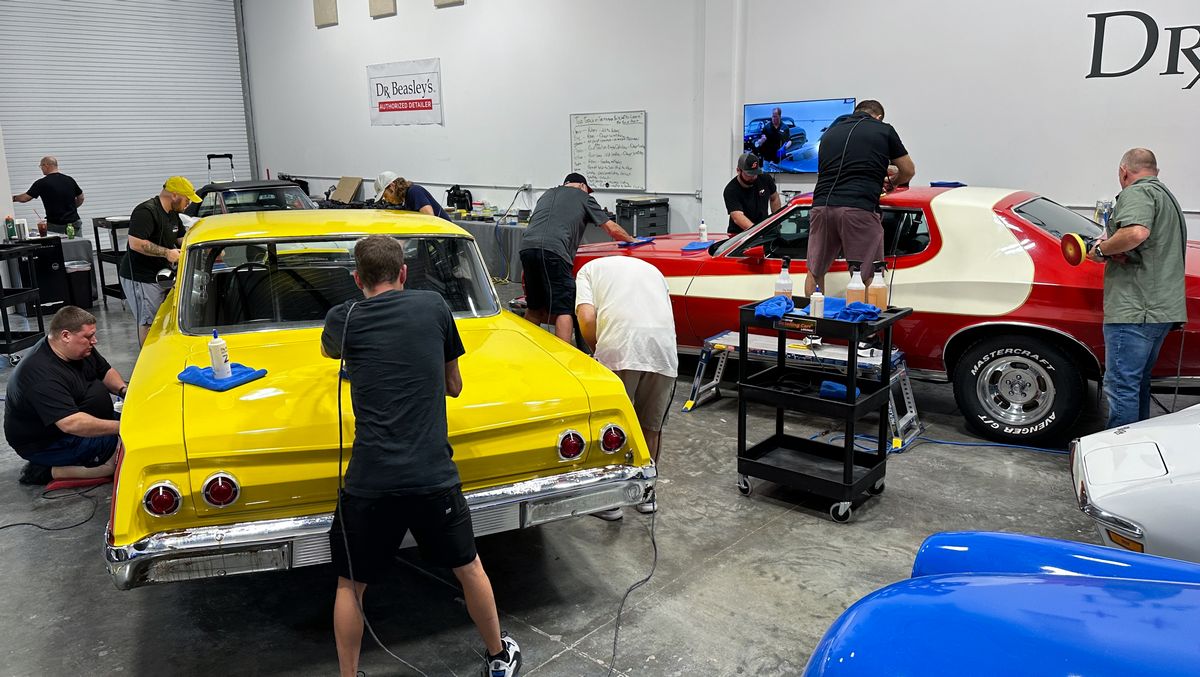
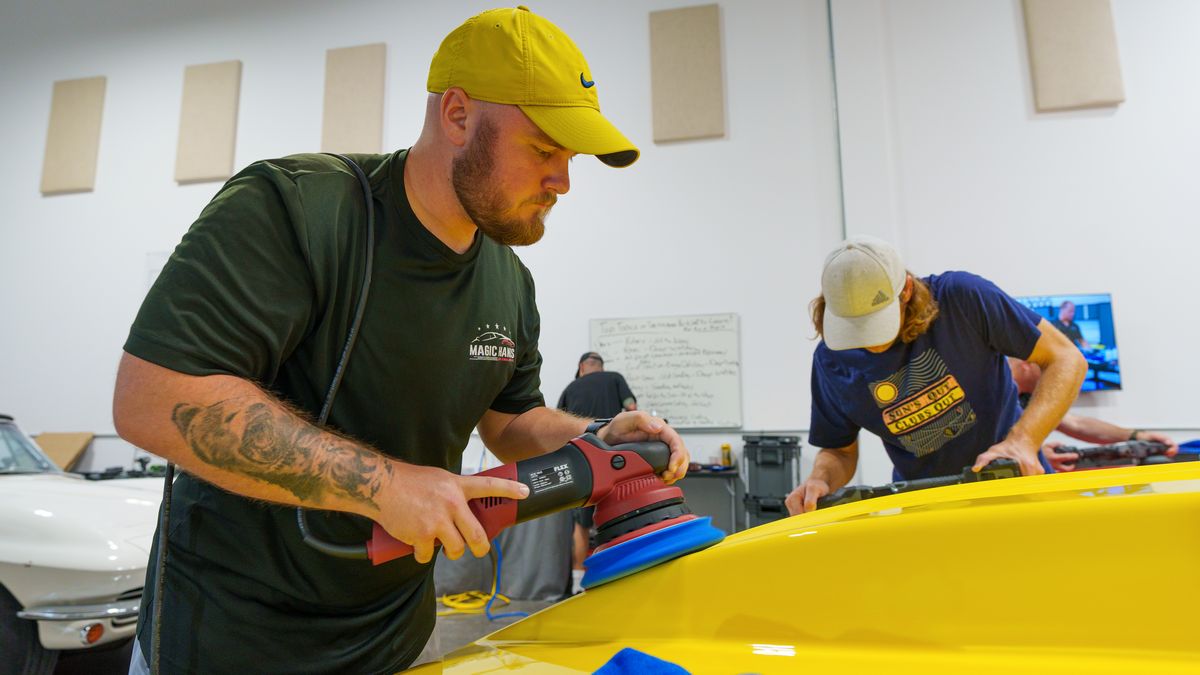
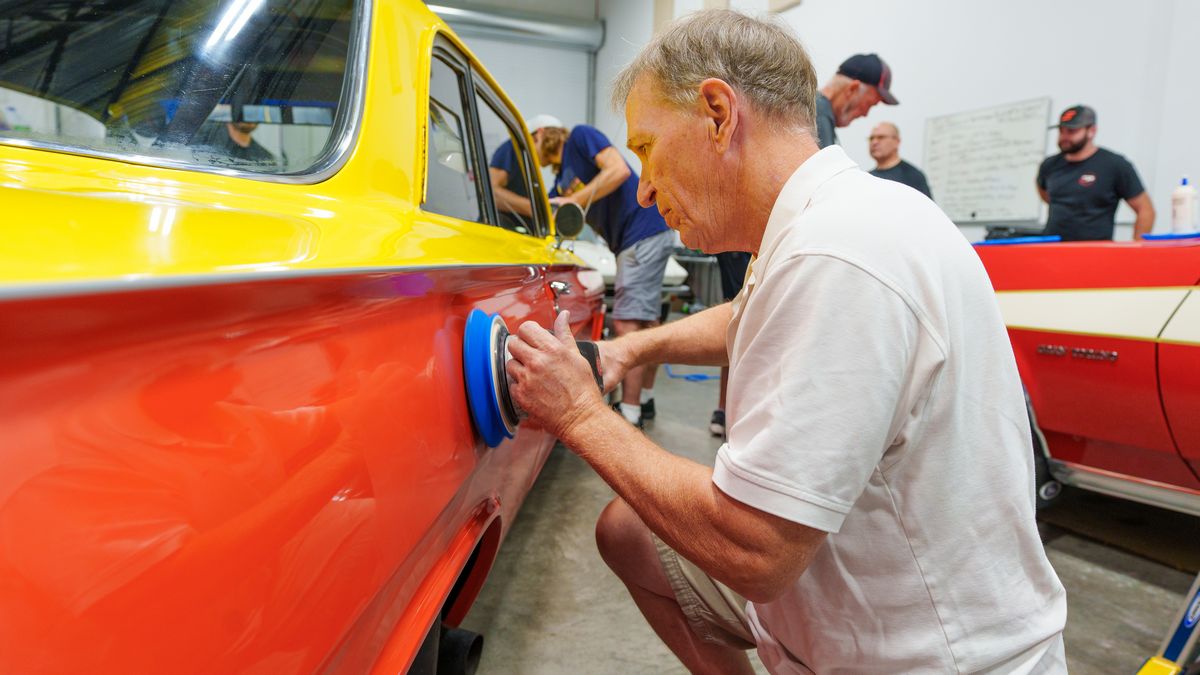
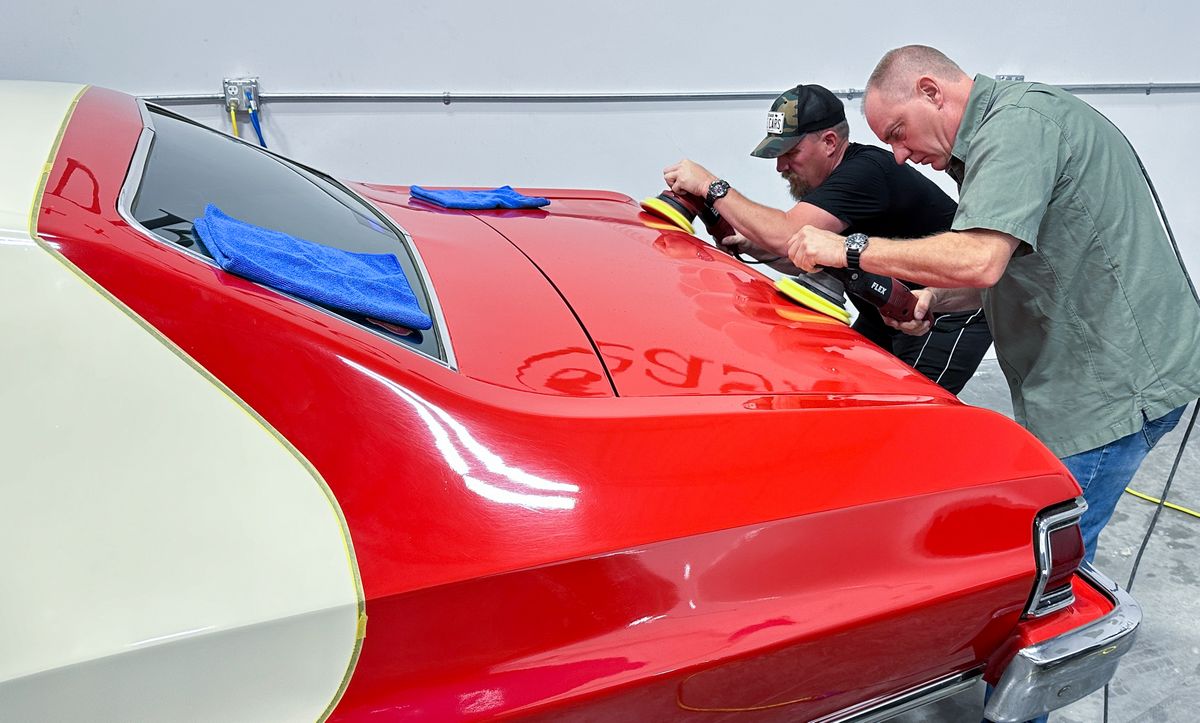
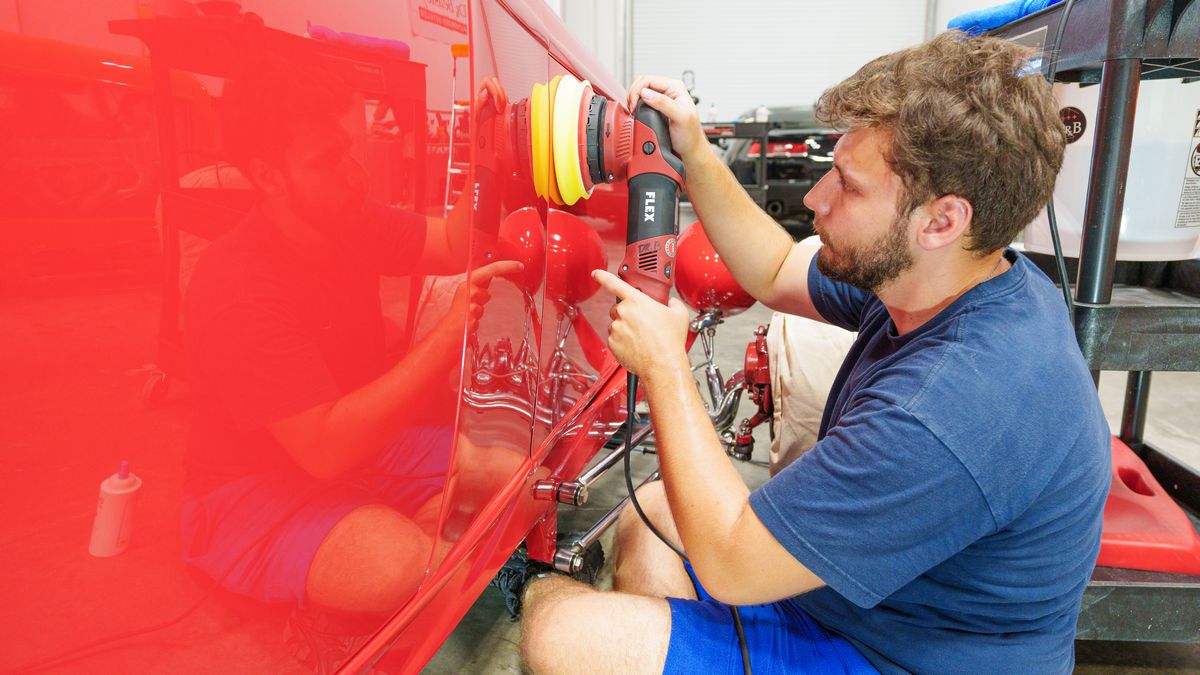
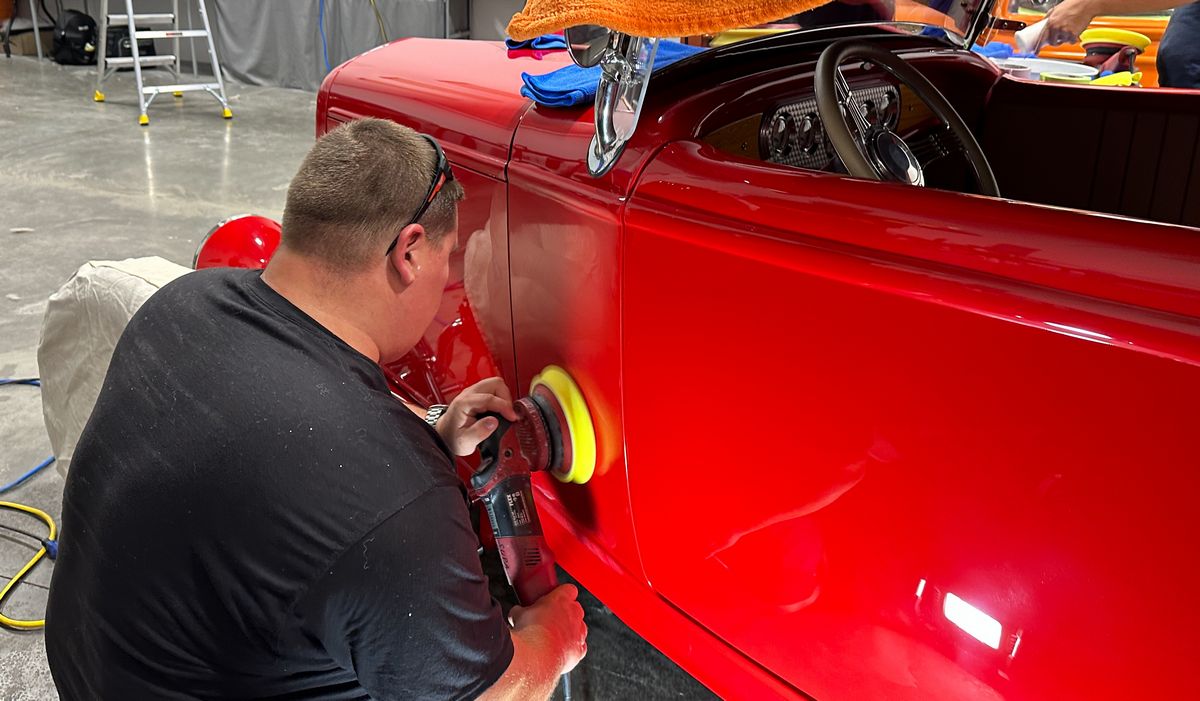
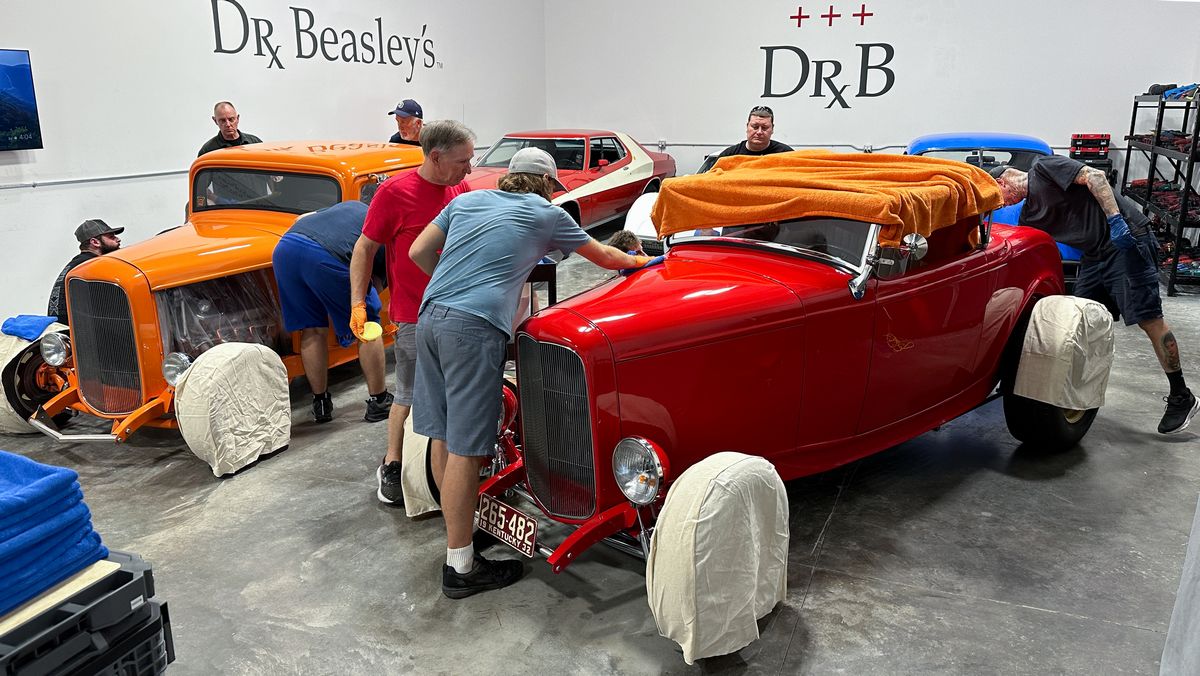
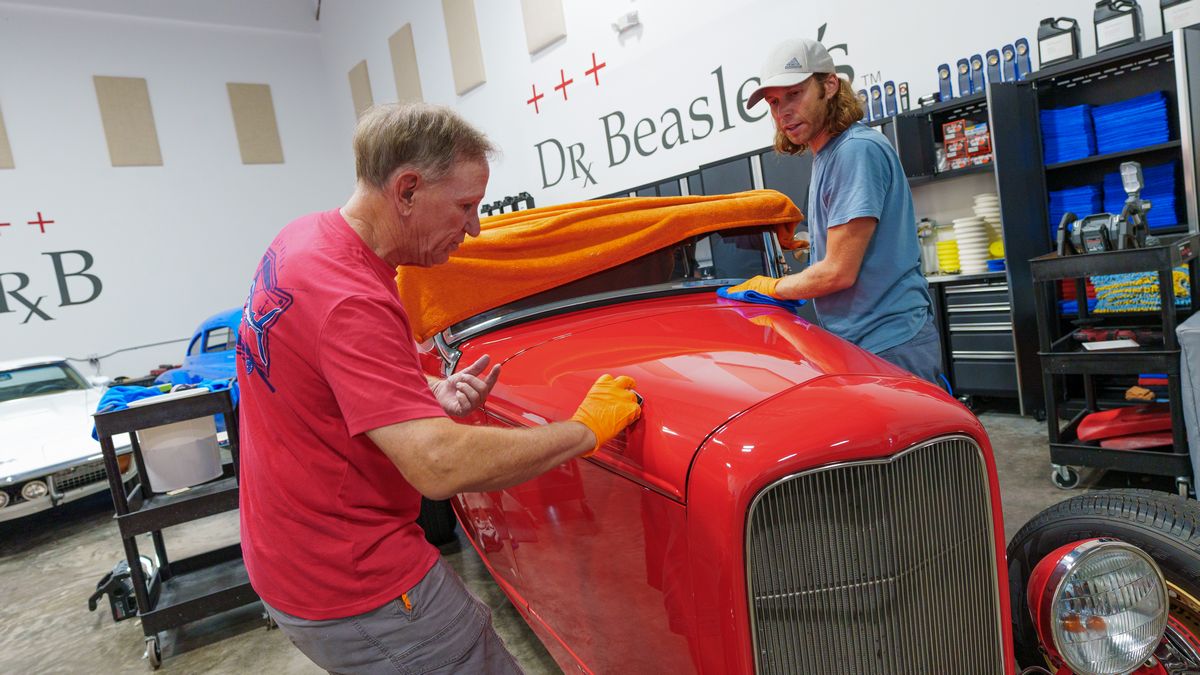
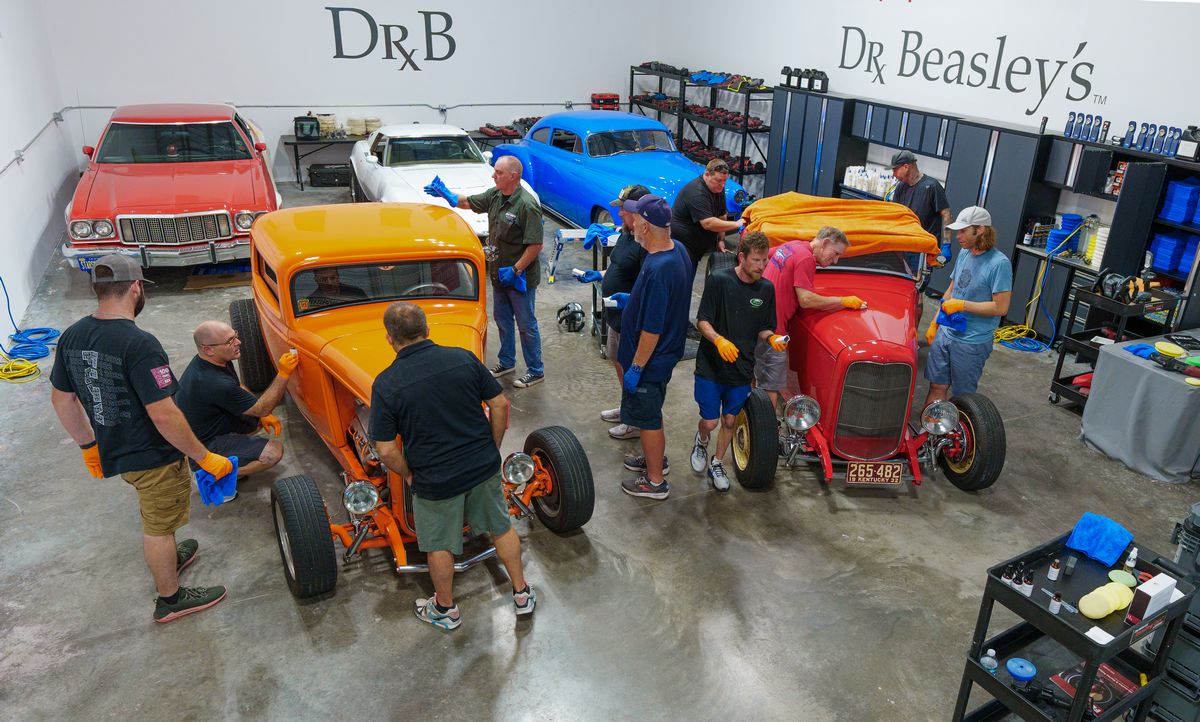
No Chairs - No sitting - 100% Hands-On
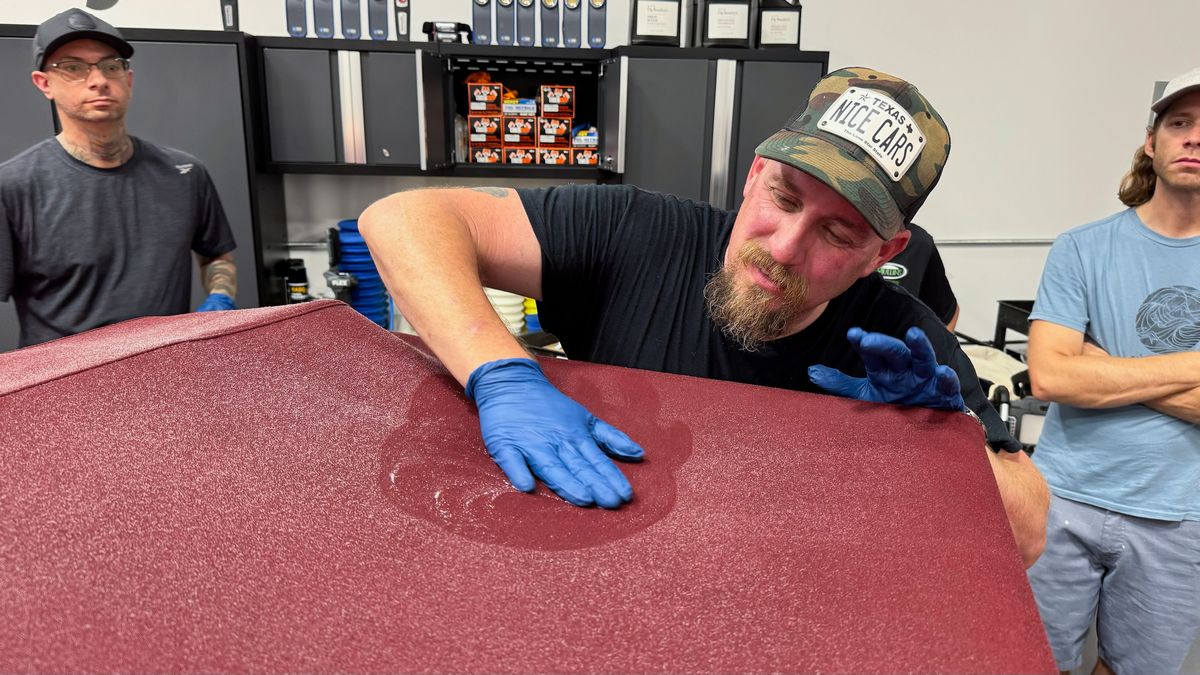
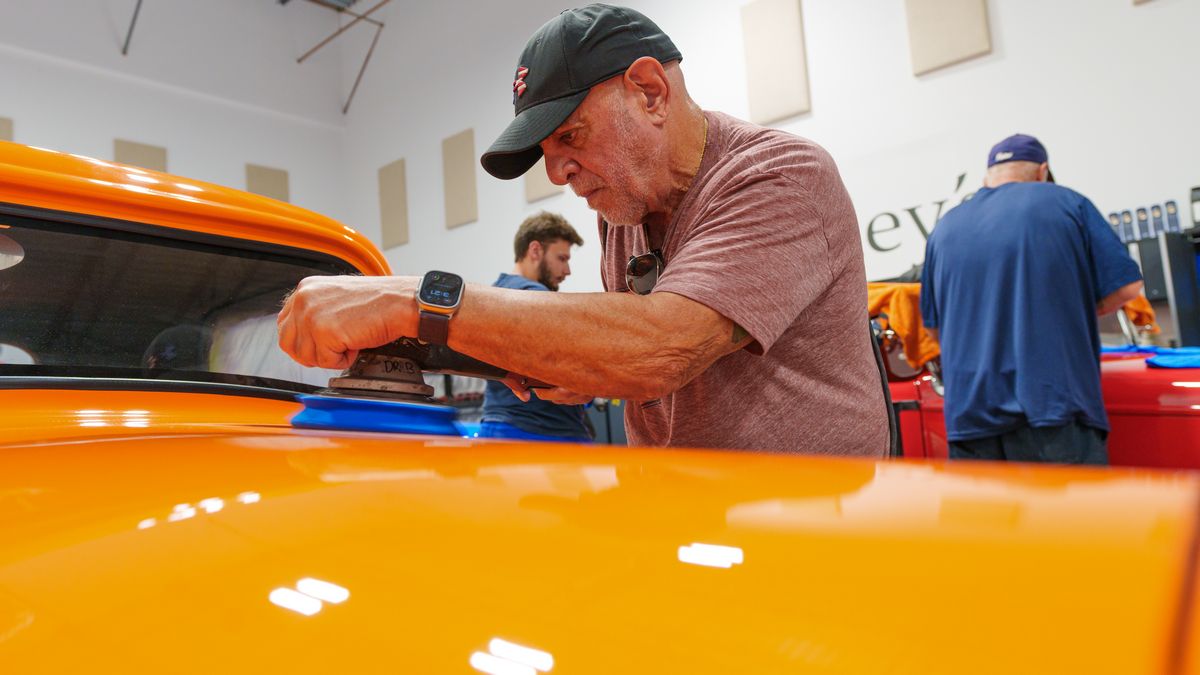
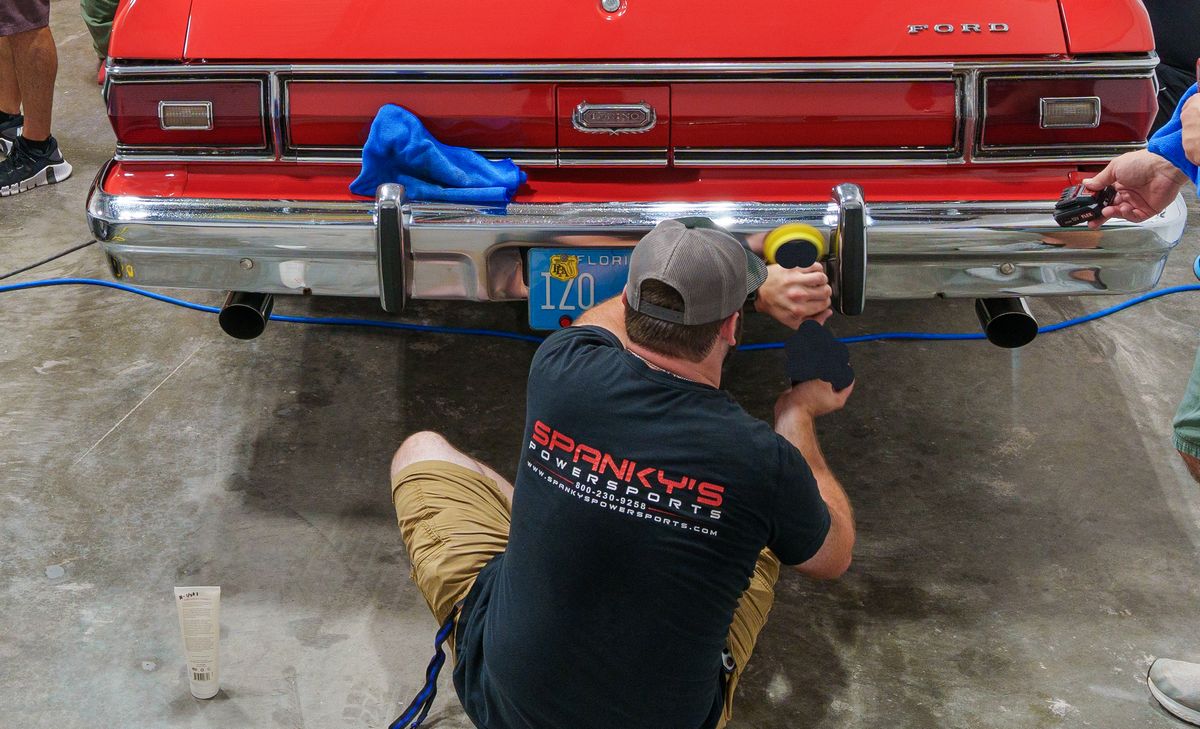
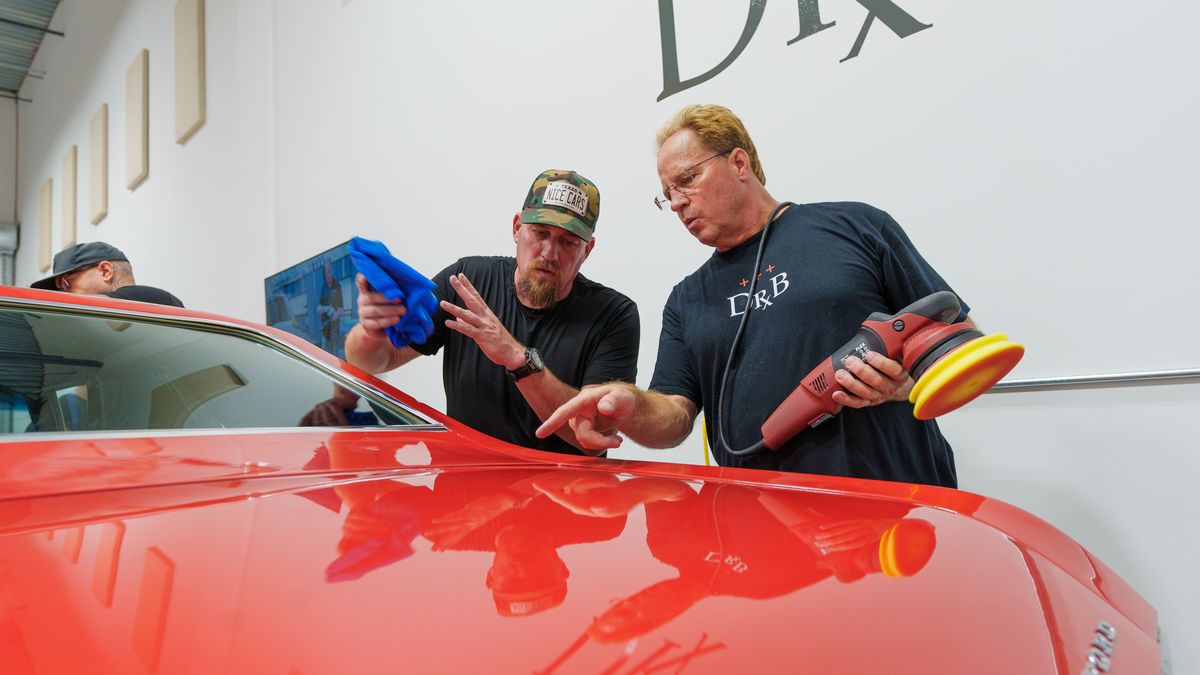
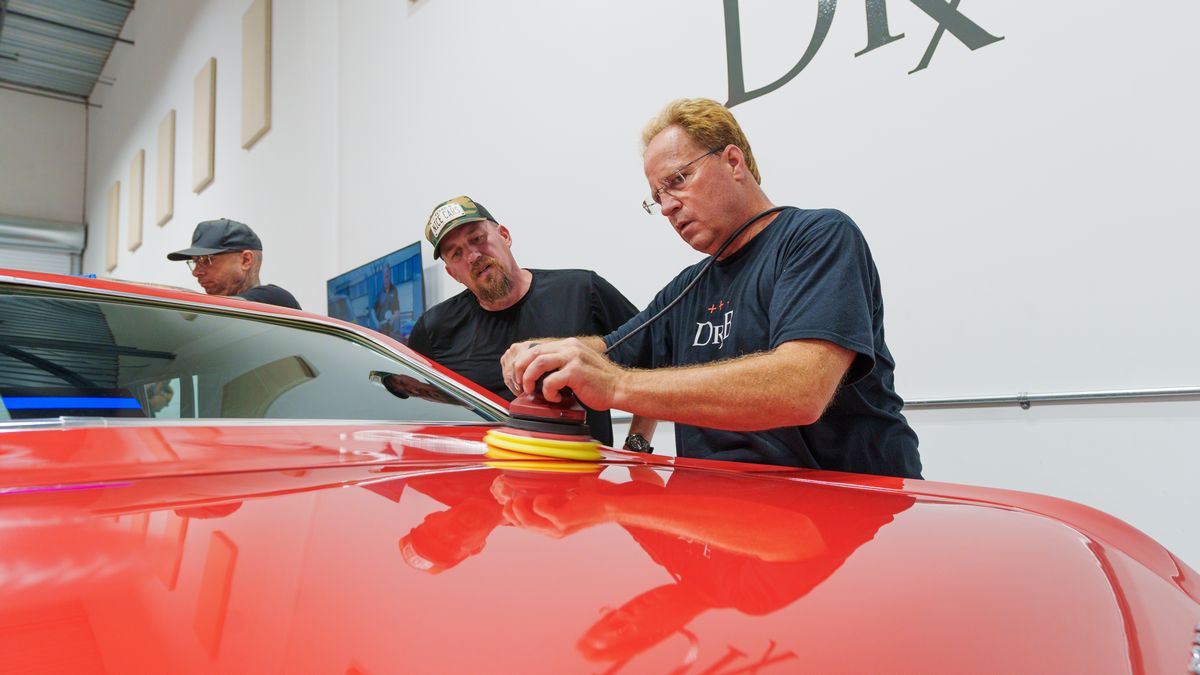
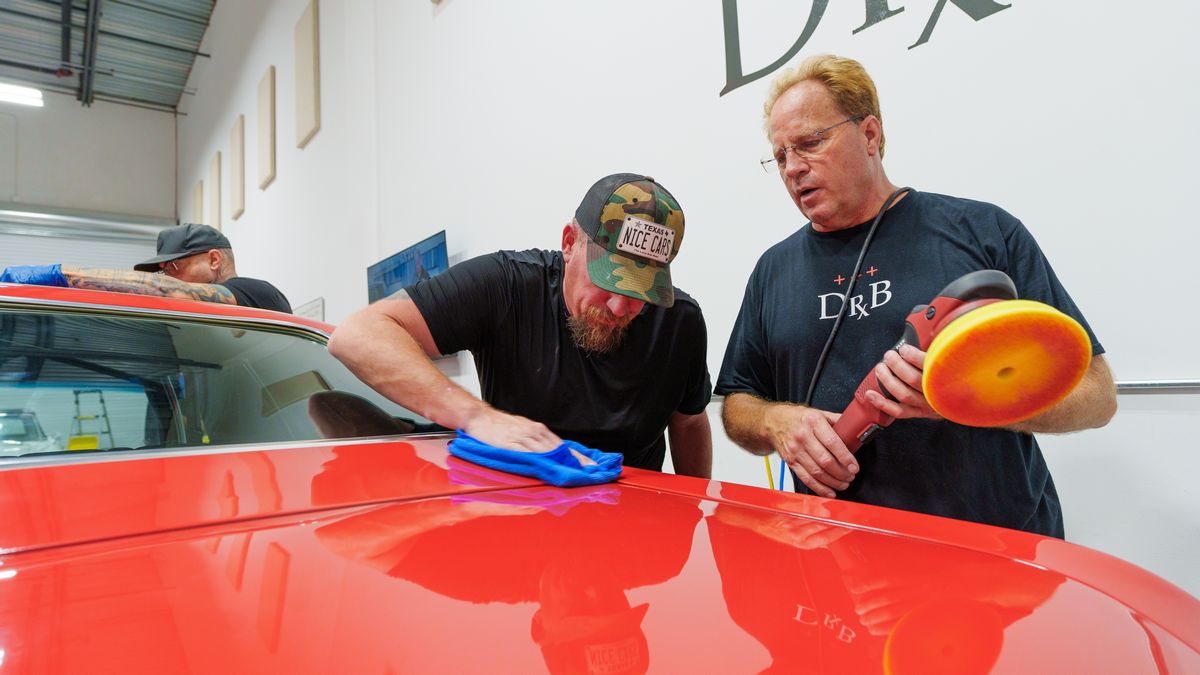
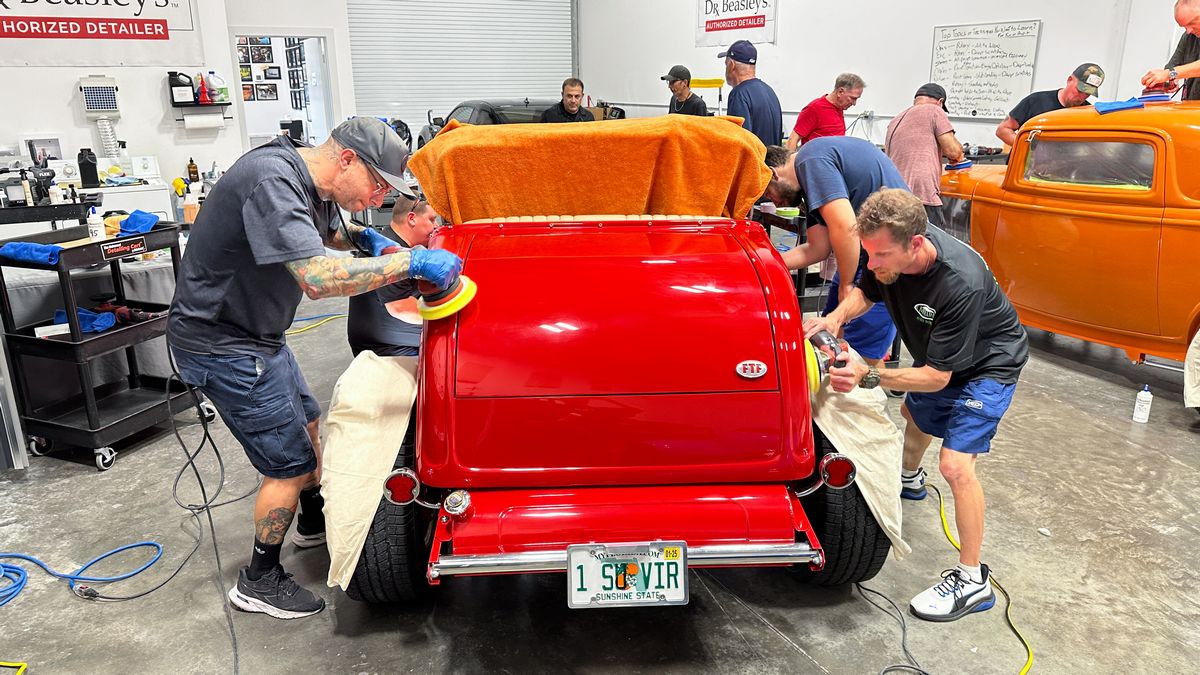
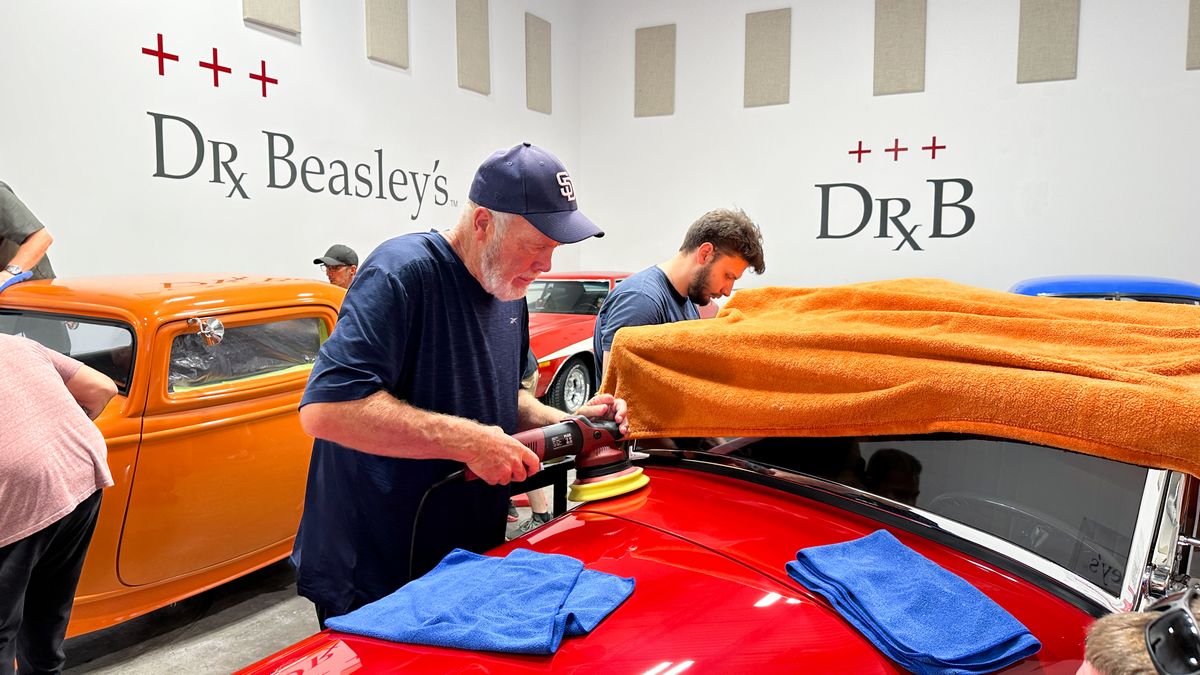
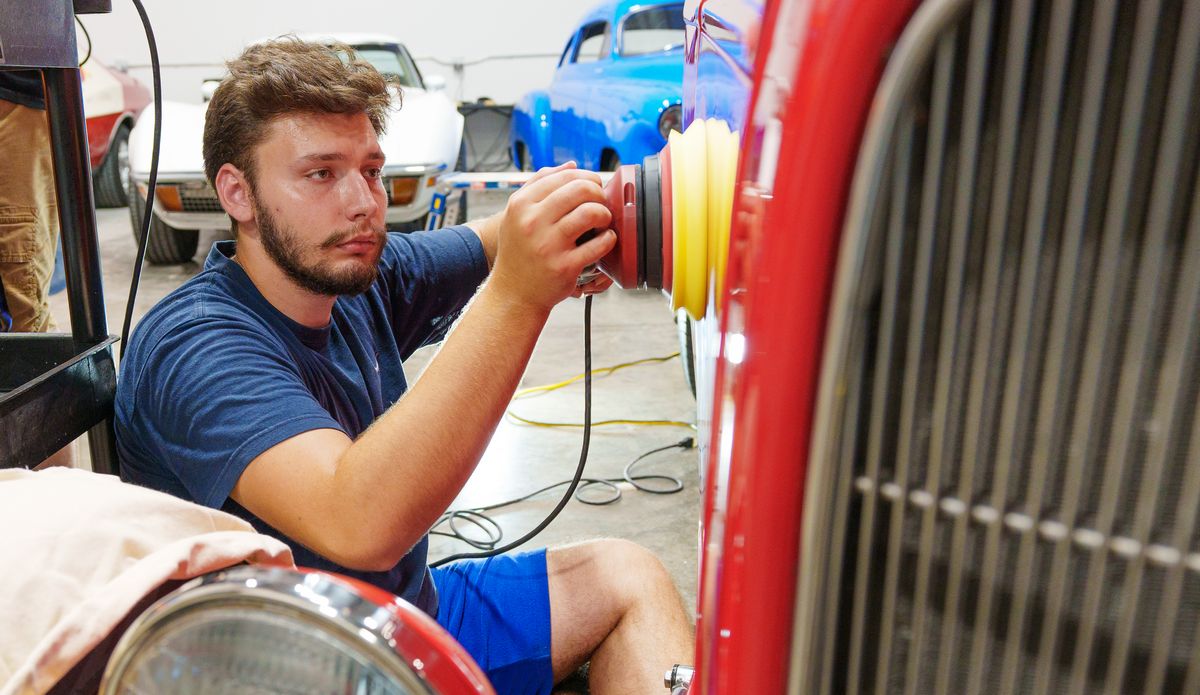
I love these pictures. These pictures are what separates my classes from all the rest. All you see are people on their feet with polishes in hand, training on the real deal. No chairs. No comfy tables to sit at and no PowerPoint presentation. These classes are targeted for people that find they learn better by doing, not sitting in a classroom. If you're the type of person that learns best by taking an academic class, then I strongly recommend taking any other class besides the classes I teach.

full


full


full


full


full


full


full


full


full


full


full


full


full


full


YouTube Certified Detailers
YouTube is a great way to learn how to do something, but it will NEVER replace, in-person, hands-on training. In this example below, Wayne was able to remove all the shallow scratches, but the deeper swirls and scratches remained.

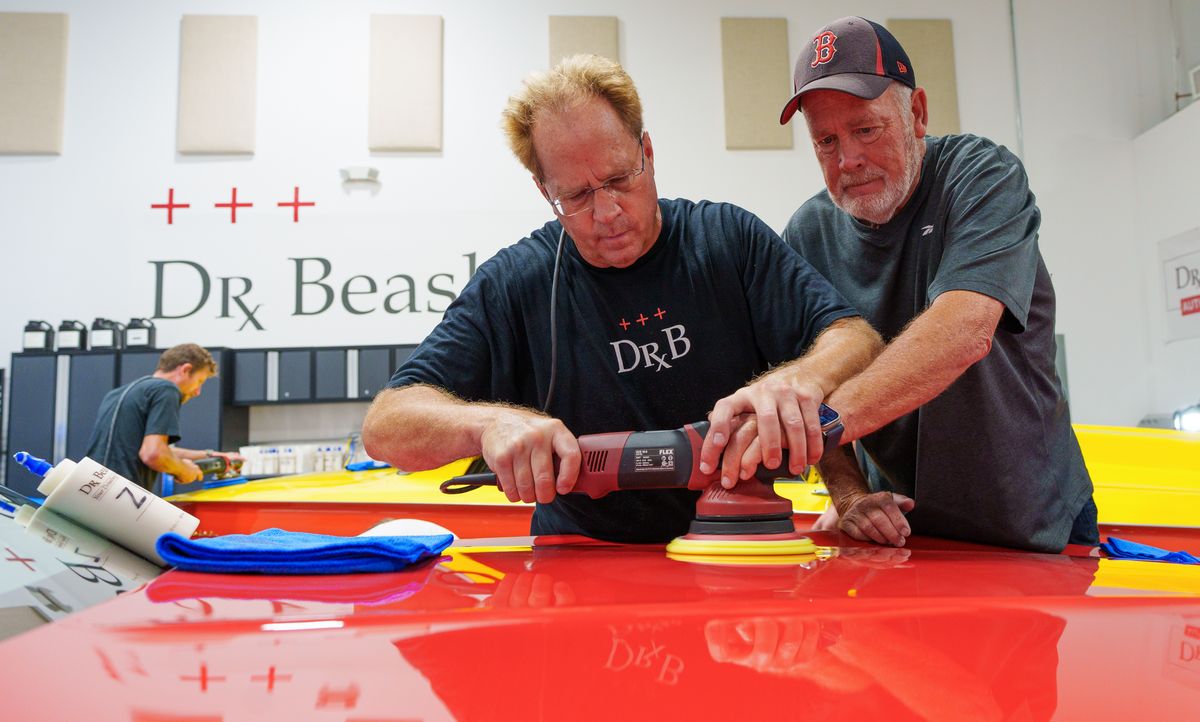
I watched his buffing style and saw that he was doing everything correctly, except he wasn't pressing on the head of the polisher hard enough. The benefit to a gear-driven oribal polisher is that when you need MORE correction ability, you can simply press harder to engage the abrasives and the cut of the pad with the paint to get the job done.

To show him how hard to press down while moving the polisher over the paint, I placed my hand on top of his hand and then simply pressed with the correct amount of pressure so he could feel this amount of pressure and perfect his technique. YouTube is good, in-person in the best.

full


Thank you John!
A special shout-out to my long-time friend John Carnevale from FLEX. John brough the new 24 Volt FLEX polishers for everyone to test out BEFORE they were made public at this year's SEMA show.

full


Sometimes there are defects that require a little more finesse. In this case, there was a deeper scratch that was resisting coming out.

full


Using the same product, pad and tool, I simply pressed a little hard, moved the polisher a little slower and that's all it took to convince the scratch to leave.

full


full


full


Mike
 
Last edited:
Continued....


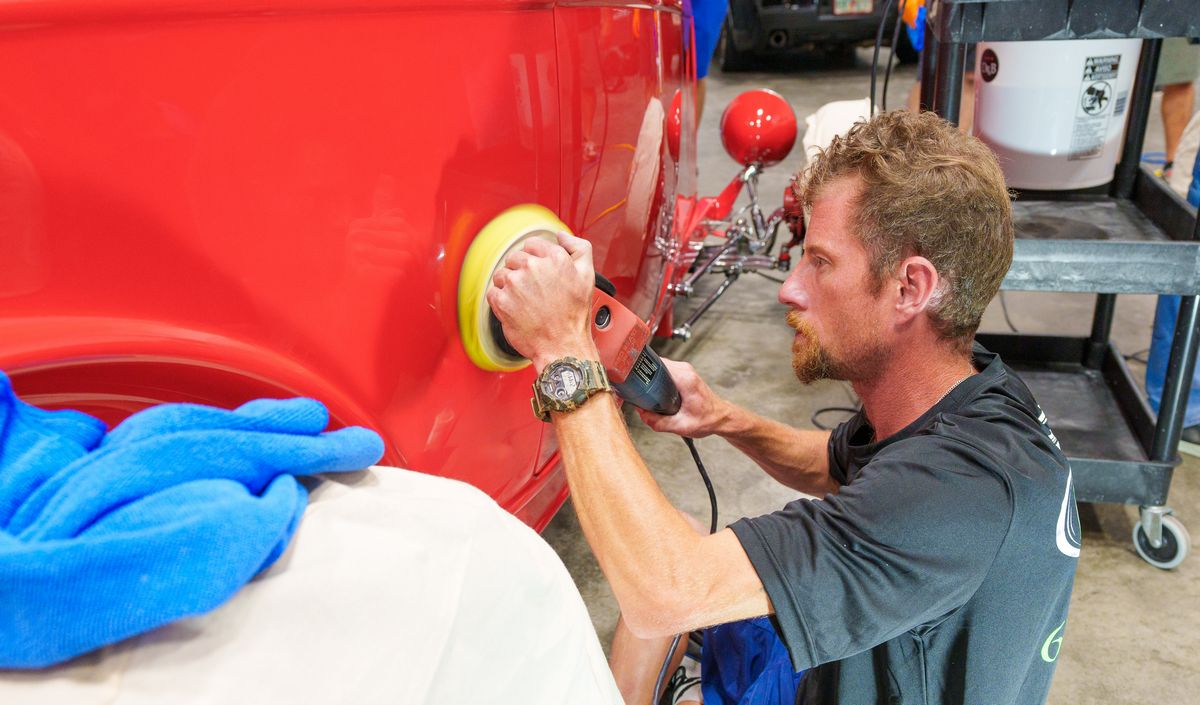
Here's Travis, an alumni student, here with his son, also an alumni student from past classes that travelled here all the way from Michigan to take this class. Here's Travis using the FLEX PXE-80 in rotary mode with a 3" extension to convince the swirls and scratches out of Starsky and Hutche's Police Car to LEAVE.

full


Christopher was who I call a Go-Getter, he really poured himself into every aspect of this class.

full


Remember just how BAD the paint was on these two cars and keep in mind, the only product the class is using is the Dr. Beasley's NSP Z1 - which is a Ceramic AIO or All-in-One. This means it removes defects, polishes the paint to super high gloss and leaves behind ceramic protection. Remember this because as you scroll down this page you're going to be BLOWN AWAY with the after results.

full


full


full


full


full


Here are the final results from a simple, 1-Step Paint Correction Process using Dr. Beasley's Z1

full


full


full


full


full


full


full


full


full


First training cars are done for Saturday morning!

I love how these classes always attract super high caliber people. I'm confident some of these guys were tired after a FULL day on Friday but they bring their A-Game, and it shows!

full


full


Here's a couple of shots of the Pro Street 1962 Chevy outside, it was a tick cloudy, but I did my best to show the paint is truly swirl-free. The 1976 Ford Torino Starsky and Hutch Police Car left before I could get full sun pictures, but it looks just as amazing.

full


full


full


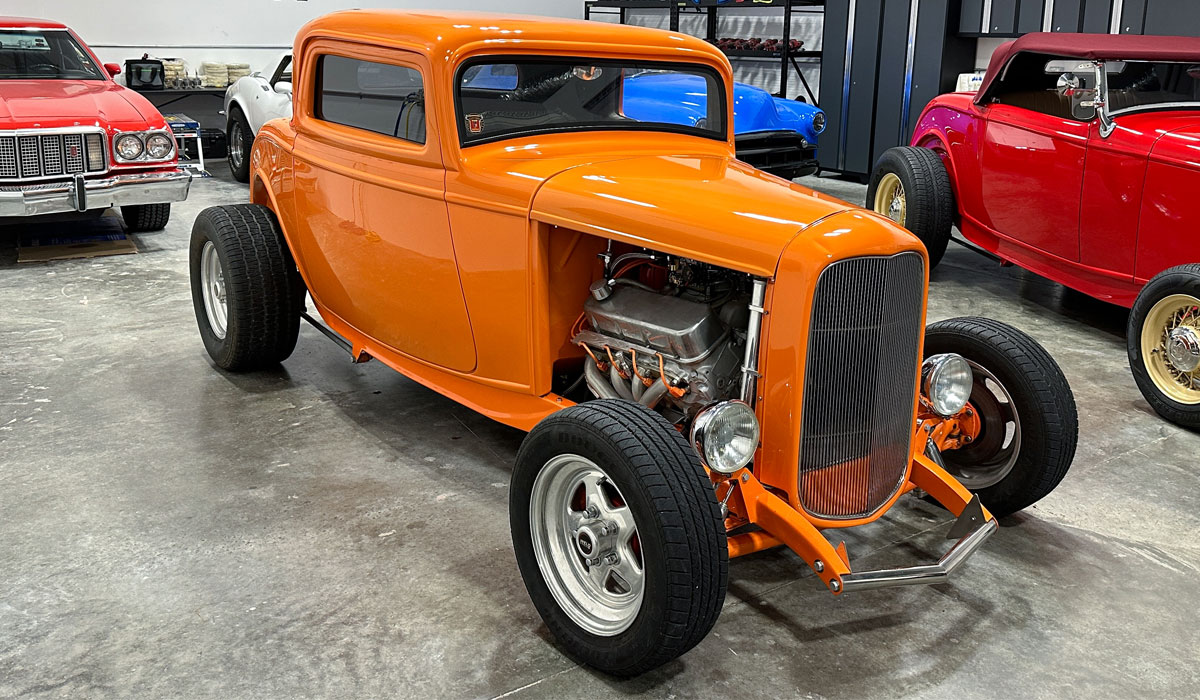
I had numerous people ask me for pictures of the engine, so here you go. This is high-end build, high horsepower, high torque Ford 351 Windsor.

full


full


Mike
 
Last edited:
Continued....

Saturday Afternoon Session - Removing Orange Peel - Dry Spray - Surface Texture
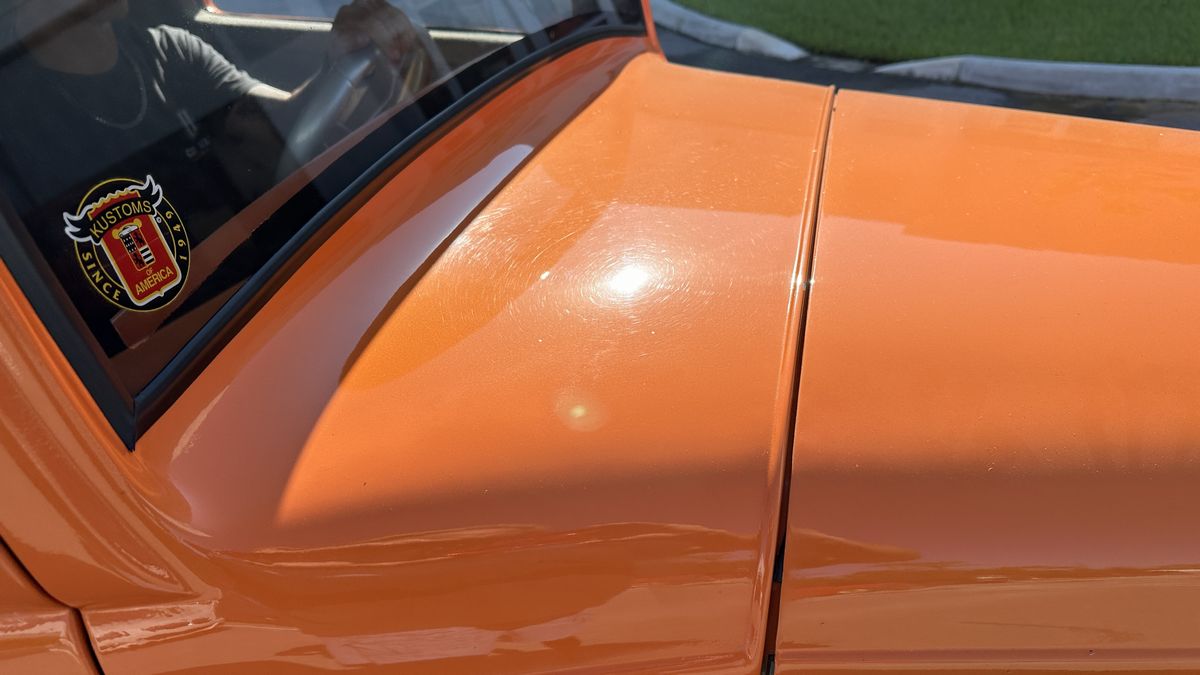
I can appreciate any person that takes on the huge task of restoring a car, or in this case hotrodding a car and this includes learning how to paint a car for the first time. The paint on this car had a lot of orange peel and dry spray plus surface texture like graininess. I'm so impressed with the class as they completely turned this paint job around and the final results are nothing short of phenomenal.


full


Extreme Orange Peel

full


full


full


full


full


Extreme Dry Spray

full


full


full


Orange Peel - Dry Spray - Surface Texture

full


full


full


full


full


full


No Demo Hoods
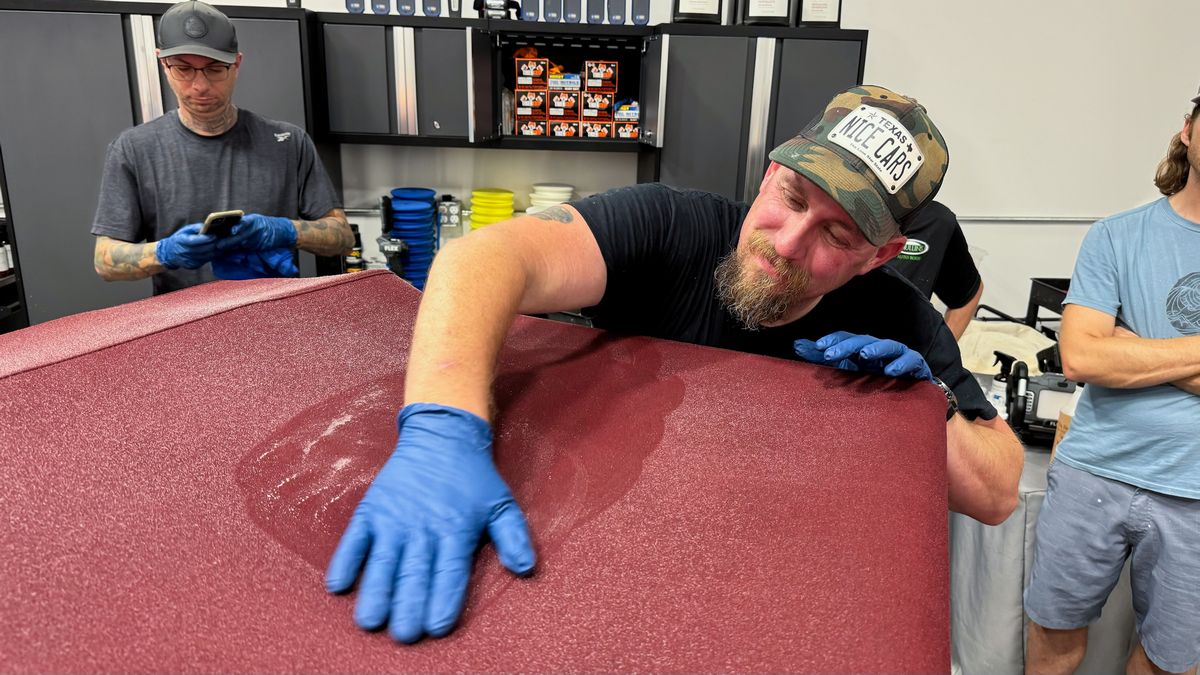
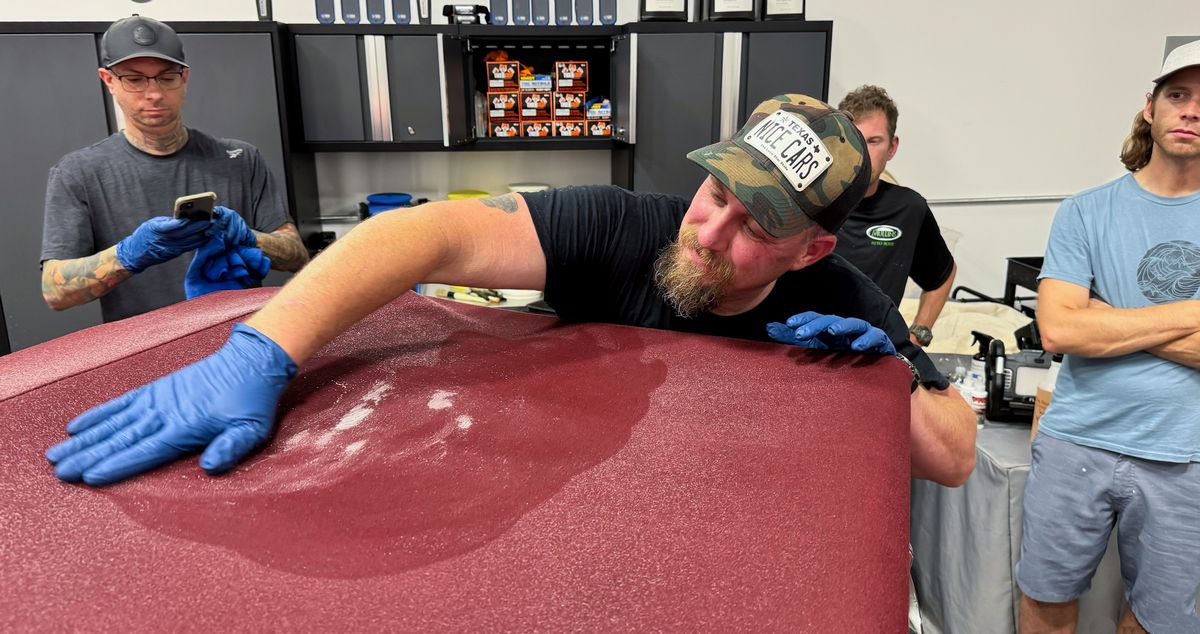
I used to use demo hoods for sanding classes, but the problem is, it's so easy to sand and buff on a flat panel about waist high, (demo hood on a hood stand is about waist high). Instead, I bring in the REAL DEAL. The real deal are the types of cars that actually get sanded and this means bringing in the types of cars that get fixed up and then get actual CUSTOM paint jobs. When you hear someone talking about wet sanding, it's in the CONTEXT of sanding a car like this, not the new or late model car in your driveway with the super THIN factory clearcoat.

When custom cars get custom paint jobs, the painter will tend to spray more paint to provide PLENTY of film-build or material for the people doing the sanding and buffing so they can sand the paint flat and then buff out all their sanding marks without ever buffing or burning through the paint.


Hand Wet Sanding
First step for this car is to learn how to wet sand by hand. For this class session, I share tips and techniques for sanding not just the easy to sand larger sections of paint, but how to hand sand around edges and raised body lines. For this first sanding step, we'll be using the Nikken brand of Finishing Papers. Note these are not sand papers, they are FINISHING papers, super high quality unigrit particle size and distribution over the entire face of the sheet of sandpaper. Been using and showing this brand for hand wet sanding since 1987 - that's 38 years.


full


full


full


full


full


full


full


Mike
 
Last edited:
Continued....


It's GO TIME!
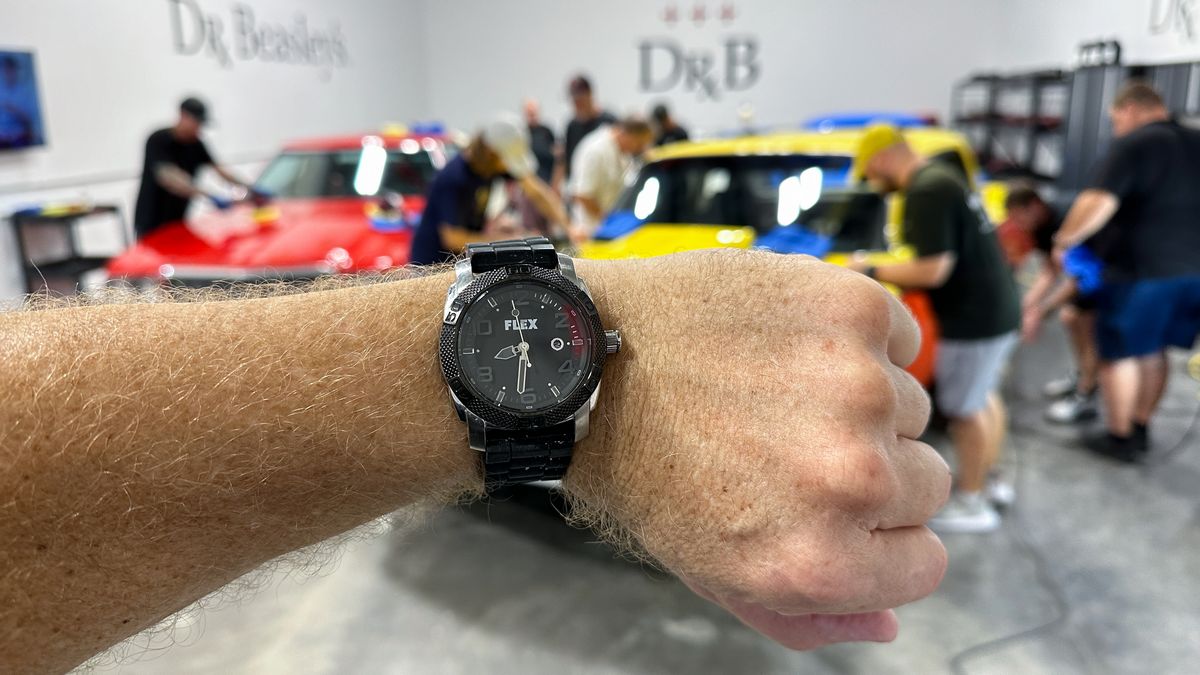
After some technique demonstrations plus some question-and-answer time, I turn the class loose to sand down some other dude's streetrod. According to my 100 Year FLEX Anniversary Watch, given to me at Automechanika in Germany, by the President of FLEX, it's 10:30am and my class is on their feet sanding on the real-deal.

full


full


full


full


full


full


full


full


full


full


full


full


Mike
 
Last edited:
Continued....


Machine Dry Sanding
It's now 11:30am, the hand sanding portion is over and it's time to move onto machine dry sanding. For this the class is using the cordless FLEX FX3411 1.6mm 6" DA Sander as well as the FLEX PXE-80 with the optional 6mm drive unit. For sanding discs, the class is using the Eagle Abrasives by KOVAX 2500 Buflex Sanding Discs. The class is refining the 2000 grit hand sanding marks to further flatten-out and remove orange peel, dry spray and surface texture while also making it faster and easier to remove the sanding marks with the next step, using rotary polishers.

full


full


full


full


full


full


full


full


full


full


full


Here's Yancy assisting by showing how to center a sanding disc correctly onto an interface pad.

full


full


full


full


full


full


full


full


full


full


full


full


Mike
 
Last edited:
Continued....

Sanding is complete
After sanding the paint flat, the paint kind of look like matte or flat paint. This is normal. The next step will remove the sanding marks and restore gloss.

full


full


full


full


full


full


full


Mike
 
Last edited:
Continued....

Using a Rotary Polisher to Remove Sanding Marks or Sanding Scratches
After the class has performed a 2-step sanding process, it's time to go back to the rotary and next remove all the sanding marks. First there's some demonstration on how to use the rotary with a wool pad and after that, I turn the class loose.


full


full


Pretty easy to see this is a MODERN single stage paint.

full


Yes, you can take pictures and videos at our classes!
Some classes FORBID the students from taking pictures or videos. We encourage it. If you like to take notes using your phone, better check what the policy is for any other class you're thinking of taking.

full


It's Rotary Polisher GO TIME!
This is just ONE of the reasons I START the students out the first day, first thing in the morning learning how to use and just as important, be COMFORTABLE with running a rotary polisher. When sanding and buffing some other dude's streetrod, you cannot make mistakes. By spending time with the rotary polisher on the first day for the Toyota Matrix and the Chevy Camaro, I can now have confidence my class knows what to do when it comes to removing the sanding marks out of this 1949 Chevy Fleetline Streetrod with a custom, single stage urethane paint job.


full


full


full


full


full


Work Clean
We put a LOT of stress on working clean when detailing cars and in this context, it means using a pad cleaning spur to clean your wool pad often.

full


Love these shots - no chairs and everyone is hands-on - learning by doing!

full


full


full


Look at the GLOSS coming back!

full


full


full


full


full


full


full


full


Cleaning up all the edges
It's a normal thing that after the class as buffed out all the sanding marks, I take over and make sure all the sanding marks next to edges and raised body lines are fully removed.

full


Reminder
The first tool the class learned on the first day, first thing in the morning was the rotary polisher. This is a strategic plan on my part to get the class up-to-speed and comfortable with using rotary polishers so now, they know how to use this tool. Sure, you can remove sanding marks with an orbital or DA polisher, but the fastest and most effective way to remove 100% of the sanding marks is with a wool cutting pad on a rotary polisher and of course great abrasive technology. For this step, the class is using the Dr. Beasley's NSP 150 Primer.

There's an old saying that goes like this,

Use the right tool for the job


While some people are against the rotary polisher now-a-days, I simply believe you use the right tool for the job and for this kind of work, the rotary polisher IS the right tool for the job. And keep in mind, this is CUSTOM paint that is THICKER than factory paint. Thus, there's more film build for sanding, cutting and polishing.


Mike
 
Last edited:
Continued....

Switching over to Gear-Driven Orbital Polishers
Once all the rotary work is completed, next up is the class needs to remove any and all holograms, primarily from the fibers that make up a wool cutting pad. After some testing, we found we needed the cut offered by the heavy polishing blueberry Lake Country EdgeGuard foam buffing pads together with Dr. Beasley's NSP 150 Primer.

full


full


More gloss, clarity and depth-of-color
Each step in this process makes the paint look better and better. In the below pictures you can see the gloss increasing to really bring out the full-richness-of-color for the single stage blue paint on this 1949 Chevy Fleetline Streetrod.

full


full


full


full


Third Polishing Step - Show Car Detailing
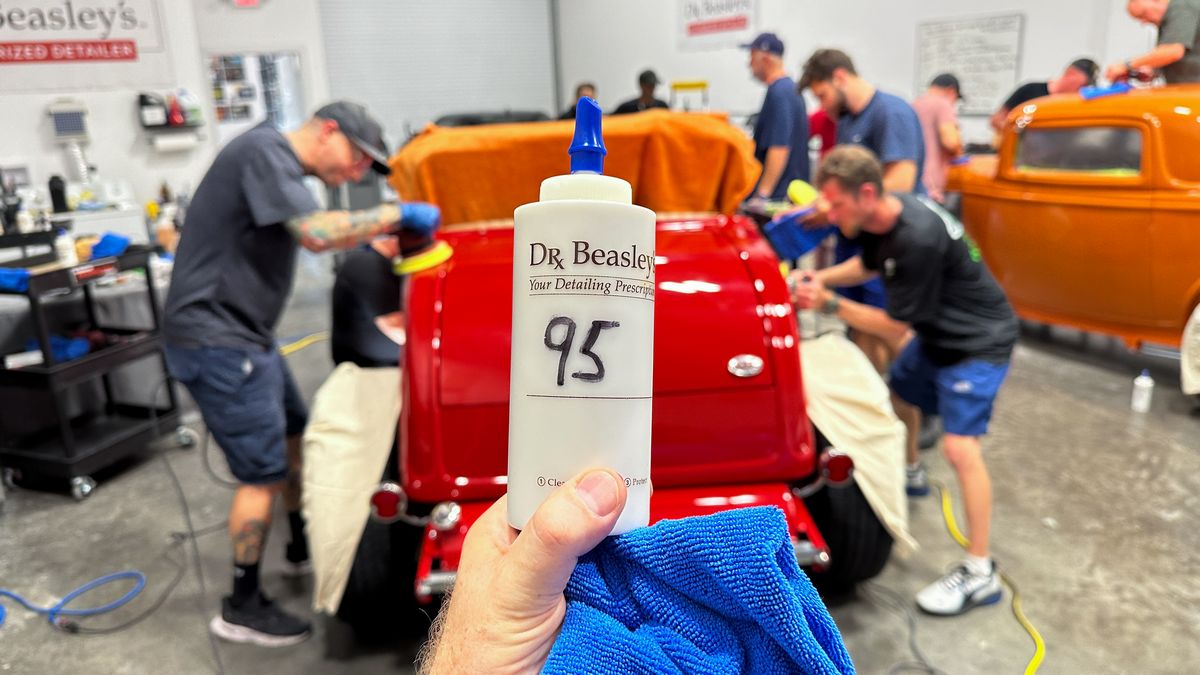
The blueberry pad with the NSP 150 Primer left an amazing finish, but t perfect the paint for a show car finish and to take this car's paint to its maximum potential, the class re-polished using a much softer yellow EdgeGuard foam pad and NSP 95.

full


full


full


full


Installing a Ceramic Coating
After all the polishing work, it's time to seal the deal, as my friend Matt Steele would say. For this we're using the Dr. Beasley's Nano-Resin MX Ceramic Coating.

full


full


full


full


full


full


full


full


full


Mike
 
Last edited:
Continued....


Final Results!
I highly recommend taking a moment to scroll up the page and revisit just how bad this paint looked before my class took over. The results you see below are nothing short of striking and dramatic!

full


full


full


full


full


full


full


full


full


full


See the 1972 Corvette Mirror Reflection?

full


full


full


Nice work everyone!
And now each of you completely understands what it means and what it will take to go from start to finish to buff out not a demo hood, or test panel, but the real-deal.

full


full


Mike
 
Last edited:
Continued....


Perfecting White Paint on Classic Glass
This 1972 Corvette has a custom repaint and while it looked pretty good to the untrained eye, there was plenty of room for improvement to maximize the gloss and clarity of the clearcoat laying over the white basecoat. For this car we went back to Z1 with the FLEX BEAST tools and the Buff and Shine blueberry heavy polishing foam pads.

full


full


full


full


full


full


Machine Scrubbing White Lettering
The tires were dingy looking, and the white letters were stained with old tire dressing. To bring the look of the tires and the wheels up to spec to match the rest of the car, we machine scrubbed the tires and hand cleaned the wire wheels as we didn't wash this car but use Dr. Beasley's Prep Wash to do a waterless wash.

full


full


full


Such a simple process but the before and after results speak for themselves.

full


full


Beauty Shots!
I didn't get any after pictures while the car was in the garage, but I snagged a few after Yancy moved the car outside.

full


Super Glossy White Paint!

full


full


full


full


full


full


full


At this point, the class has detailed 8 cars over the course of 2 days. Next up, machine polishing flexible plastic windows.


Mike
 
Last edited:
Continued....


Preserving the Originality of a 1965 Corvette Stingray Roadster
My long-time friend and Corvette aficionado, Pad, purchased this low-mileage survivor car and had her shipped out to Florida. After purchasing the car, Pat brought it to me and I sanded and buffed out the plastic, Plexiglas back window in the original hardtop as it was so filled with swirls and scratches it was difficult to see out of safely.

You can read about that project here,

How to Polish Plexiglass

PolishPlexiglas007.jpg


Don't want to replace - want to preserve
Pat much prefers to keep his classic Corvettes as close to original as possible. The first time he went to use the vinyl convertible top, that's when he noticed the flexible, plastic back window was horribly filled with swirls, scratches, stains and rub marks. Pat asked me if I could fix this? I said I can try, but no promises. Before the class started, I did some testing and dialed-in a process that would remove the majority of the TOPICAL defects. This means the swirls, scratches, stains and rub marks AND of course, some of the plastic material itself, which has turned a brownish cover over the last 60 years.

I'm happy to say, while we couldn't restore perfect clarity to the plastic window because the color change has affect the INNER portion of the plastic, which of course, no one can fix. But Pat was super happy with the results because not only would the window be safer to look through, especially at night, but it also added more beauty to the overall look of this classic Plastic Fantastic.

Here's the original pictures Pat sent me after putting the soft top up for the first time since he purchased this Corvette.

full


full


full


full


Fast Forward to the Day Before Class Starts
Here's the Corvette in the Stuart, Florida detail training garage. In order to do this job the right way, I'll need to buff both sides of the plastic window and experience has taught me to start with the inside portion of the window. I found I could pull the top over itself so I can get to the plastic via machine polishing.

full


I need this flexible plastic window to be supported in some way that it's as flat as possible in order to safely and also efficiently machine buff.

full


Soft, Fuzzy Orange Blanket
Over the years, many of you have seen me use this soft, fuzzy orange blanket for all types of detailing projects. Because it's soft, it won't scratch and becuase it's a large, thin blanket, after folding it a few times, I was able to get it under the plastic window and get the plastic window somewhat flat. At least flat enough to buff.

full


Because I'm going to start with a rotary polisher, which has a tendency to sling splatter dots all over the place, I needed to cover and protect both the outside and the interior using a plastic drop cloth.

full


full


Step 1 - Machine polish with a rotary polisher and Dr. Beasley's NSP 250 Primer
You have to be careful not to over buff and get the plastic hot or you're stretch or warp it. So slow and easy, with light pressure.

full


full


Step 2 - Re-polish to remove holograms using a Lake Country HDO Orange Foam Polishing Pad and Dr. Beasley's NSP 95 on an old-school Porter Cable 7424XP
Unlike long-stroke polishers, it's MUCH easier to maintain pad rotation and pad oscillation when using a SHORT STROKE free spinning random orbital polisher and I'm all about working fast and making work easy.

full


full


full


Missing Pictures
After the NSP 95, I did re-polish with the NSP 45 to maximize clarity. You can see that step in this other project, where I did the same process to the flexible clear plastic window on a 1964 Amphicar.

1964 Amphicar – Paintwork, Glass & Plastic Correction

AmphicarPlastic017.jpg


Gloss Builder
I've been using a new product called Gloss Builder on clear plastics with great success. This is a ceramic product for use before applying a ceramic coating. It maximizes gloss and clarity before installing the coating. I've found it also maximizes clarity for clear plastics after a thorough machine polishing.

full


full


full


Inside Done
After doing a 3-step machine polishing process and applying Gloss Builder, the passenger side INSIDE portion of the window is completed.

full


Time to do the outside
I'm only doing one half of the window to both dial-in my process but to also show the class the before and after difference as they arrive for the first day of class. Later, I'll demonstrate the entire process on the driver's side of the window. Like before, I needed to cover over and protect the black vinyl top and the body panels from any accidental splatter dots.

full


full


full


full


full


full


Mike
 
Last edited:
Back
Top